[Speyer]Antiquariat.de

4.925 Ergebnisse
1875Best.-Nr. 46015Berlin, E. Linde, um 1875. Orig.-Fotografie (8,5 x 6,3 cm), mont. auf Untersatzkarton (10,6 x 6,7 cm).
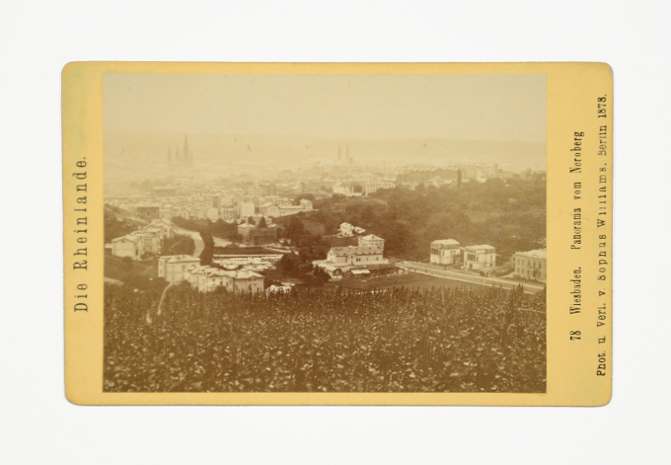
1878Best.-Nr. 46045Berlin, Phot. u. Verl. v. Sophus Williams, 1878. Orig.-Fotografie (6,2 x 8,5 cm), mont. auf Untersatzkarton (6,7 x 10,6 cm).
1930Very Good Turkish, Ottoman (1500-1928) Original vintage product catalogue, black cloth bdg. Oblong: (14.5 x 23 cm). [14] b/w vintage photographs of 1930s' Turkish buggies. Each photo's size: 12 x 16 cm. The name of the models: Kadillak, Lüks, Lüks pusetli, Kabartma pusetli, Yüksek kabartma, Yüksek, Pusetli, Içten açilir pusetli, Alimiyon tekerlekli, Kapitone körüklü puset, Kapitone puset, Puset, Portetif puset, Portetif puset. Extremely rare catalogue of "Bahar" brand of Turkish buggies including 14 vintage photos. Not located in OCLC.
1924Good Turkish, Ottoman (1500-1928) Original wrappers. Demy 8vo. (22 x 15 cm). In Ottoman script (Old Turkish with Arabic letters). 146 p. Chipped on spine and extremities, uncut pages. Overall a good copy. First and only this "complete guide to photography" book in Ottoman Turkish, written by Süleyman Sirri Bükey who was the founder of Foto Süreya. Süleyman Süreya Bükey (1895-1974) was the official photographer of Mustafa Kemal Atatürk between 1936-1938. The photographs he took and the periodicals and books he published brought the propaganda perception of the early Turkish Republic to the fore. Among these works are Foto Süreya (monthly magazine 1931-1934), Foto Magazin [i.e. Photo magazine] (monthly magazine 1938-1941), Halivud Dünyasi [i.e. The world of Hollywood] (weekly cinema magazine 1941-1946), Ufuk [i.e. Horizon] (weekly political magazine 1943-1945).
1917Good Turkish, Ottoman (1500-1928) Original wrappers. Foolscap 8vco. (17 x 11 cm). In Ottoman script (Old Turkish with Arabic letters). 126 p., 11 unnumbered b/w plates, 8 numerous b/w ills., tables. Slight creasing on some pages, and slight stains, otherwise a good copy. First and only edition of this rare photography guide in Ottoman literature, prepared and published by Ipekci Brothers. This richly illustrated guide tells how to use a camera to take good and artistic photographs, and introduces parts of a camera. Some good photographic examples in this book as separate plates. The Ipekçi family, who had been engaged in the silk business for several generations in Thessaloniki, Greece, continued the silk trade for a while in Constantinople, where they migrated in 1893. The brothers, who first opened a store called "Hüsn-i Intihap" in Istanbul, and then the Thessaloniki Bonmarche, one of the biggest stores of the period, turned to filmmaking with Ihsan Ipekçi's initiative after the Thessaloniki Bonmarche was demolished during the arrangement of Eminönü Square. The family, which started operating the Alhambra Cinema, which was opened in 1923, converted "Paten Sarayi" [i.e. Skating Palace] into a movie theater and opened the Melek (today's Emek) cinema a year later. Ahmed Ihsan was an important figure of the late 19th century and also the founder of a current in Turkish literature, "Servet-i Fünûn" [i.e. The Wealth of Sciences or Knowledge]. He established a prominent printing house in the Ottoman Empire, and he is known as the translator of the first Jules Verne translation into Turkish. Three copies in OCLC 949475400: Bogaziçi University Library and UCLA, and University of California Los Angeles Southern Regional Library Facility.
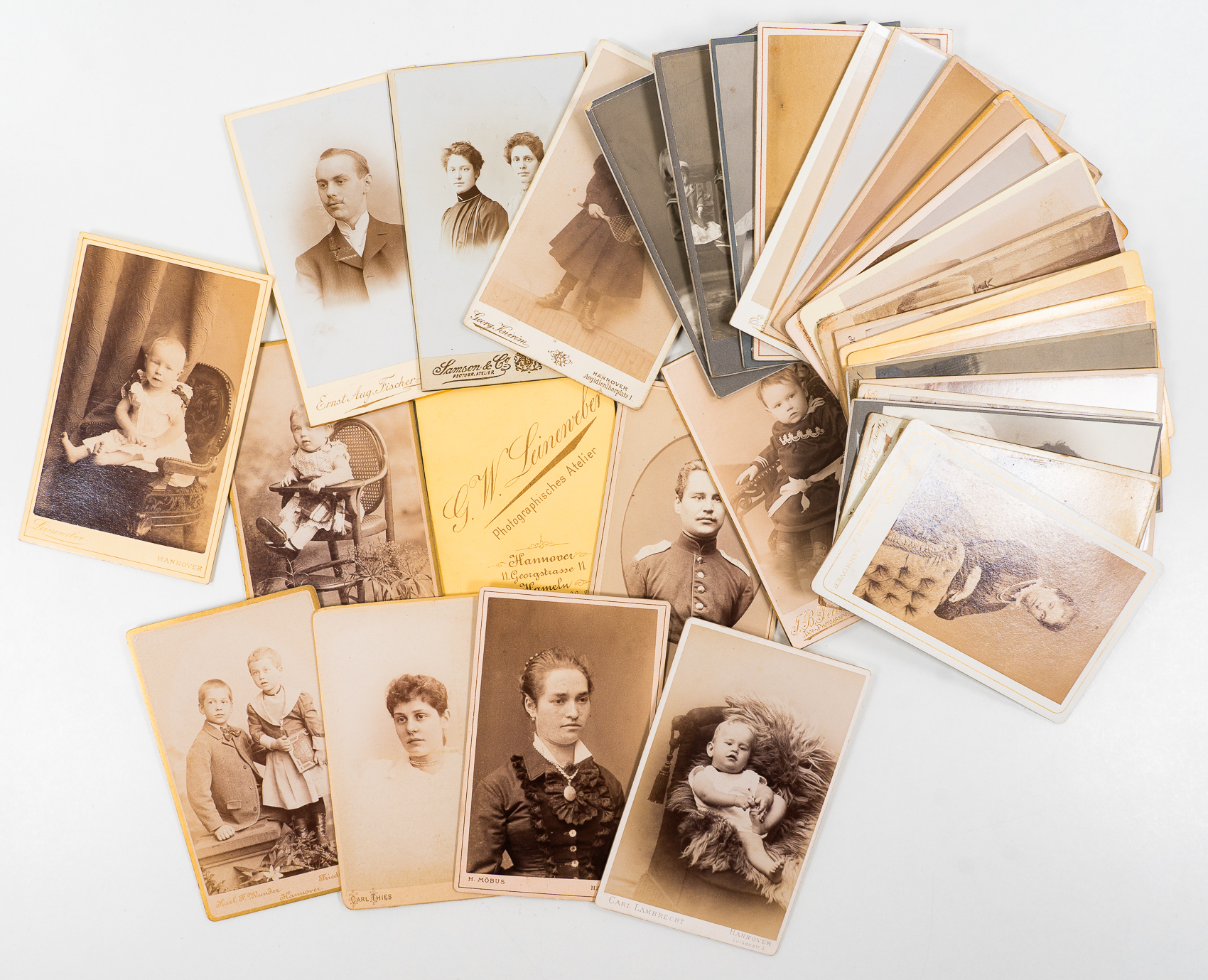
1890Best.-Nr. 95022HBum 1890-1910?). 32 Fotos, Carte-de-Visite Format (ca. 10 x 6 cm). [2 Warenabbildungen]
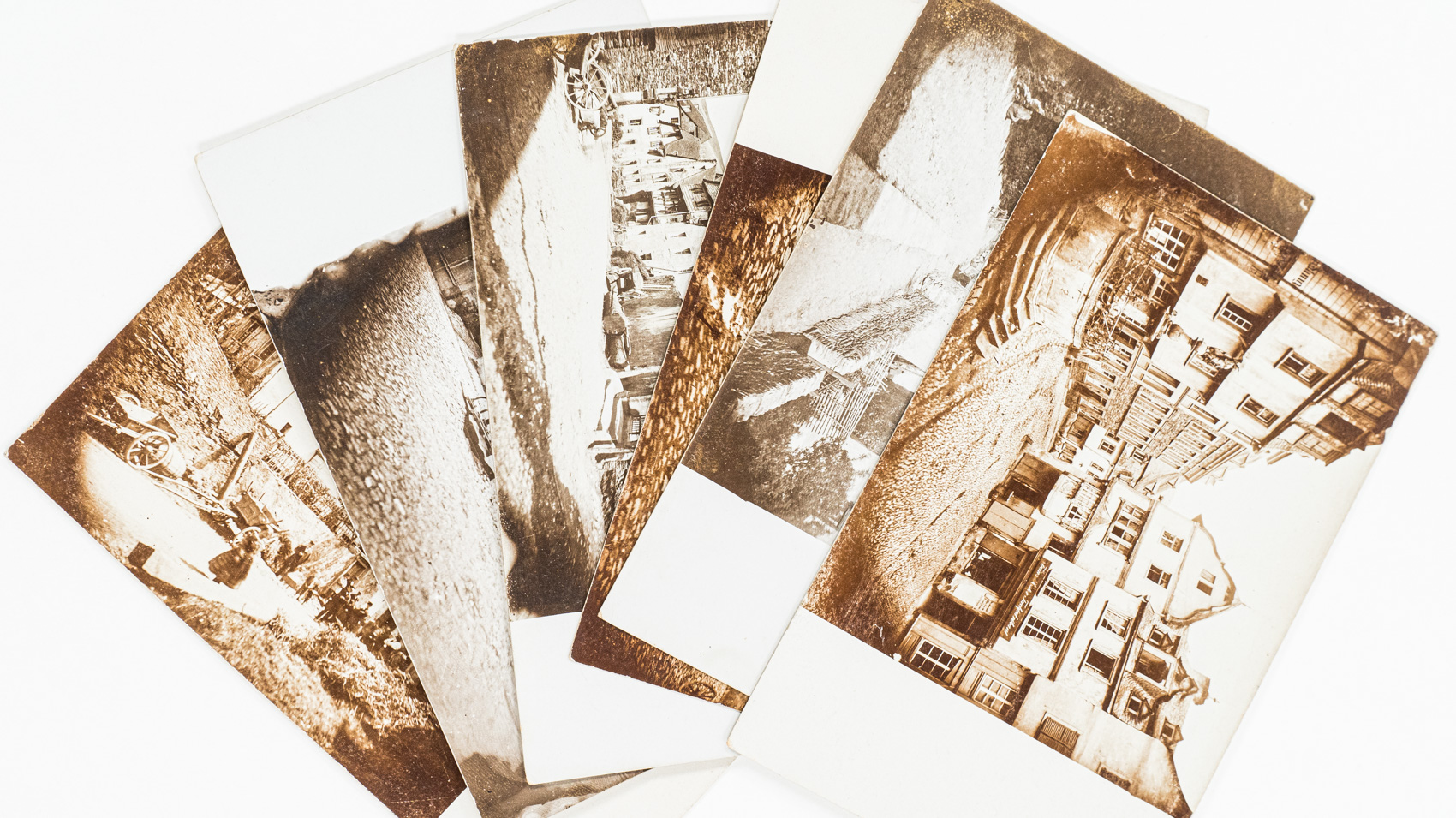
1920Best.-Nr. 99658HB(Monreal), (um 1920?). 6 Fotos, rückseitig mit Postkarten-Aufdruck, 9 x 14 cm. [8 Warenabbildungen]
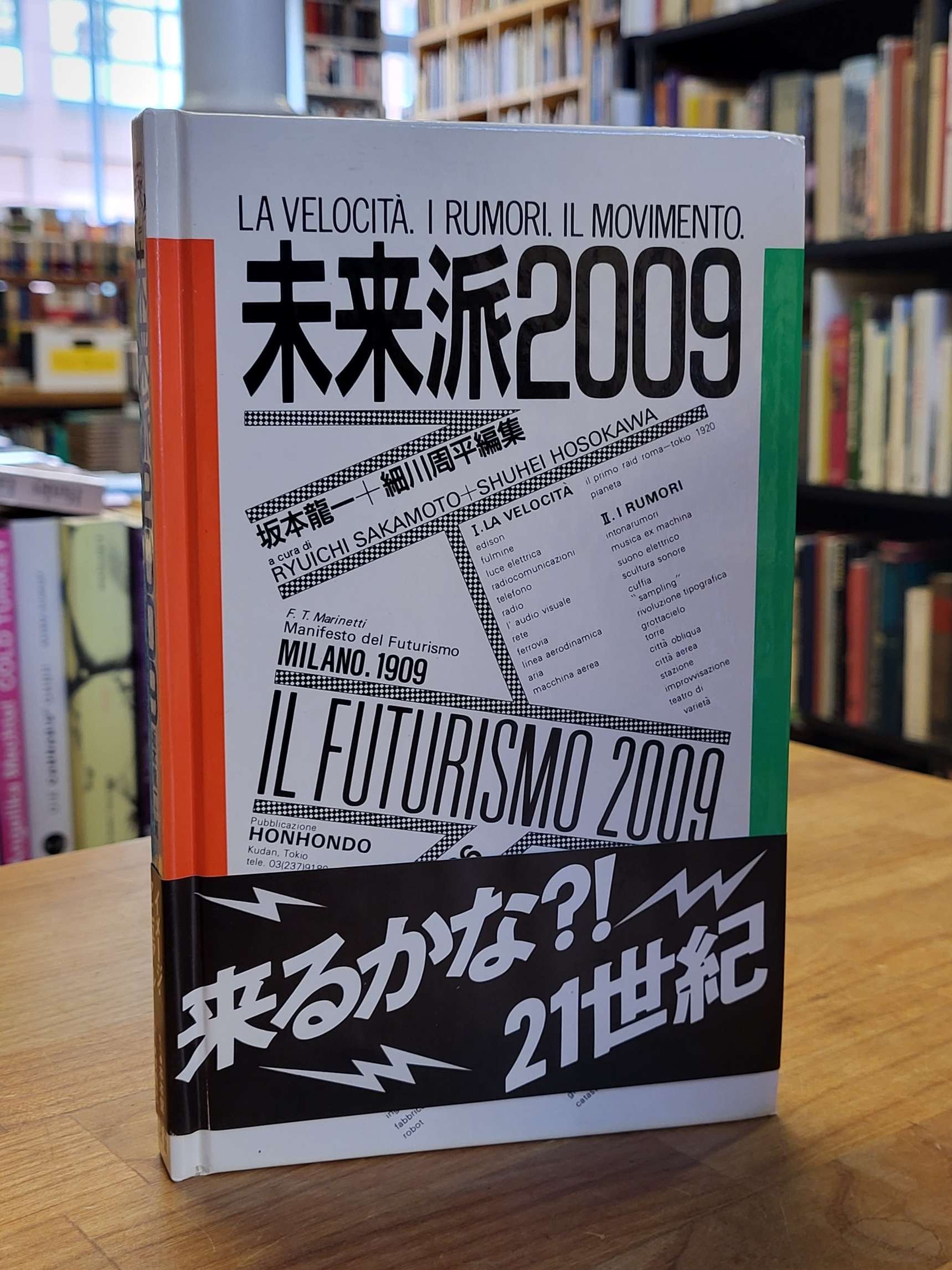
1986Best.-Nr. 16061BBTokyo, Honhondo, 1986. 8°, 149 S., mit zahlreichen s/w- und ein paar Farbabbildungen, illustr. original Pappband (Hardcover), original Bauchbinde, graphisch gestaltete Farbvorsätze, Erstausgabe sehr gutes, sauberes Exemplar.
1972Best.-Nr. 34921972 aucune reliure 26 x 16,9 cm, tirage gélatino-argentique d'époque, sans autre mention qu'un "F" au verso de la main du tireur.
1972Best.-Nr. 34881972 aucune reliure 25 x 16,9 cm et 25 x 16,8, tirages gélatino-argentiques d'époque, sans autre mention qu'un "F" au verso de la main du tireur.
1970Best.-Nr. 34971970 aucune reliure Deux tirages gélatino-argentiques d'époque, tous deux avec cachets et mentions variées de l'hebdomadaire "L'Express". 27 x 20,5 cm pour le premier, 29,5 cm x 24 cm pour le second, celui-ci avec des trais au crayon rouge pour son recadrage dans "L'Express".
1965Best.-Nr. 34301965 aucune reliure 17 x 25,4 cm. Circa 1965. Tirage gélatino-argentique d'époque portant au verso le tampon du photographe (et cinéaste) Alain Resnais.
1965Best.-Nr. 34311965 aucune reliure 25,3 x 17,4 cm. Circa 1965. Tirage gélatino-argentique d'époque portant au verso le tampon du photographe (et cinéaste) Alain Resnais.
1965Best.-Nr. 34931965 aucune reliure 39,5 x 30 cm (feuille), 33,5 x 24,2 cm (image). Tirage gélatino-argentique d'époque, aucune mention.
1965Best.-Nr. 34941965 aucune reliure 39,5 x 30 cm (feuille), 33,8 x 24,2 cm (image). Tirage gélatino-argentique d'époque, aucune mention, traits de crayon rouge pour le recadrage (très probablement de la main de Folon).
1965Best.-Nr. 34831965 aucune reliure 23,6 x 16,9 cm. Tirage gélatino-argentique d'époque. Au verso les mentions manuscrites "Folon" et "photo à restituer".
1968Best.-Nr. 35041968 aucune reliure 9 tirages gélatino-argentiques d'époque. Feuilles : 37,5 x 28,5 cm (environ), images : 34 x 24 cm (environ). Tous les tirages comportent au verso le tampon d'Ugo Mulas ainsi que diverses annotations. Huit d'entre eux comportent dans les angles des tirages des repères tracés à l'encre visant à les caler lors de leur reproduction et au verso, l'annotation "tel" : ce sont ces tirages qui ont été reproduits, exactement au même format, dans le catalogue de la Galerie de France (pp. 6, 7, 8, 9, 10, 11, 12 et 13). Le dernier tirage, représentant trois dessins de Folon posés sur sa table de travail, ne figure pas dans le catalogue : il est inédit.
1966Best.-Nr. 34991966 aucune reliure 25,3 x 16,9 cm. Tirage argentique d'époque figurant Dorothy McGowan (?) dans une robe en métal plié des frères Bernard et François Baschet lors du tournage de la première séquence du film. Très rare tampon de Jean-Michel Folon au verso.
1971Best.-Nr. 34331971 aucune reliure Feuille : 30 x 40 cm, sujet : 22,7 x 15 cm. Circa 1971. Tirage gélatino-argentique d'époque portant au verso le tampon du photographe.
1971Best.-Nr. 34801971 aucune reliure Feuille : 30 x 40 cm, sujet : 22,6 x 15 cm. Circa 1971. Tirage gélatino-argentique d'époque portant au verso le tampon du photographe.
1972Best.-Nr. 35001972 16,9 x 25,9 cm, tirage gélatino-argentique d'époque, sans autre mention qu'un "F" au verso de la main du tireur.
1972Best.-Nr. 35011972 25,5 x 16,4 cm, tirage gélatino-argentique d'époque, sans autre mention qu'un "F" au verso de la main du tireur.
1971Best.-Nr. 34951971 aucune reliure Feuille : 30 x 40 cm, sujet : 22,5 x 15,1 cm. Circa 1971. Tirage gélatino-argentique d'époque portant au verso le tampon du photographe.
1972Best.-Nr. 35021972 Un tirage 24,5 x 16,9 cm, deux tirages 25,5 x 17 cm, tirages gélatino-argentiques d'époque, dont deux portent le très rare tampon de Folon au verso.
1966Best.-Nr. 34751966 aucune reliure 25 x 19 cm (image et feuille). Tirage gélatino-argentique d'époque (1965, année du tournage du film) sur papier agfa sans autre mention qu'un "F" suivi d'un numéro.