191.569 risultati
2017As New Turkish Paperback. Roy. 8vo. (24 x 17 cm). In Turkish. 202 p. Çagatayca bir masal mecmuasi (Eine tscagataische Marchensammlung).
2017New Turkish Paperback. Roy. 8vo. (24 x 17 cm). In Turkish. 269 p. Çagatay Türkçesinde anlam ve fonksiyon açisindan fiilde çati.
2012New New English Original binding with original dust wrapper. Oblong 4to. (24 x 28 cm). In Turkish. B/w and color ills. [vii], 3, 544 p. Mint. A very heavy volume. Çadirdan saraya Osmanli - Türk mutfagi.
1989rif. 2168Beijing China: 文物出版社 = Cultural Relics Publishing House 1989. 8.75" x 12" pp. 268 includes multiple illustrations some color and 1 fold-out map; text in the Chinese language. Hardcover bound in tan cloth boards. Illustrated cover jacket is clean with slight wear along the edges presents well. Text is clean and free of markings. Very good. The Bingling Temple is a series of grottoes with Buddhist iconography carved into natural caves; the location was designated an UNESCO World Heritage Site in 2014. 文物出版社 [= Cultural Relics Publishing House] unknown
rif. 7569309928-8-18Xi'an Jiaotong University Press. Very Good. It's a well-cared-for item that has seen limited use. The item may show minor signs of wear. All the text is legible with all pages included. It may have slight markings and/or highlighting. Xi'an Jiaotong University Press unknown
1974rif. 43848Tokyo: å°å¦é¤¨ Shogakukan 1974. First edition. Hardcover. g- to near fine. Large folios. 14.5 x11". Illustrated slipcases with black lettering on the spines. 9 of the 16 volumes still have their original obis belly bands. Ilustrated dust jackets. Grey buckram over red textured paper boards with gilt illustrations and ruling. Spines with black and red lettering and volume numbers in gilt. Textured blue endpapers. Published from 1968-1974 to commemorate the 50th anniversary of the publisher Shogakukan this beautifully-produced series visually documents many of the most significant museums from around the world and their holdings including many of the greatest works of art in history. Each issue focuses on a group of museums of a certain country or sub-region and is profusely illustrated throughout with countless stunning full page reproductions of artwork in high quality color offset and b/w photogravure "heliogravure". Among the members of the supervising editorial committee for the series are artists critics historians archaeologists and writers. Volumes include: Vol.1: France Musee Du Louvre Vol.2: France #2 Le Galerie du Jeu de Paume Le Galerie de L’orangerie Le Musee Rodin Le Musee Bourdelle Le Musee de Cluny Le Musee du Petit Plais Le Musee des Arts Decoratifs Le Musee Guimet Le Musee National D’Art Moderne Vol.3: Italy Galleria Degli Uffizi Galleria Palatina Museo Nazionale Pinacoteca Nazionale Gelleria Di Brera Museo Poldi Pezzoli Galleria Sabauda Galleria Dell’accademia Carrara Galleria Dell’accademia Vol.4: Italy #2 Musei Vaticani Museo Nazionale Romano Museo Nazionale di Villa Giulia Museo di Palazzo dei Consevatori Museo Capitolino Museo Nazionale di Napoli Vol.5: Spain & Portugal Museo Del Prado Museo Arqueologico Nacional Biblioteca Nacional Museu Nacional d'Art de Catalunya Museo de Ceramica Museo Arqueologico Artistico Episcopal de Vich Nacional de Arte Antiga Vol.6: West Germany & Austria Staatliche Museen Preussischer Kulturbesitz Bayerische Staatsgemaldesammilungen Bayerisches Nationalmuseum Staatliche Antikensammlungen Bayerische Staatsbibliothek Staatliche Kunstsammlungen Stadelsches Kunstinstitut Wallraf-Richartz-Museum Kunsthistorisches Museum Vol.7: Belgium & The Netherlands Musses Royaux des Beaux-Arts de Belgique Musee Royal des Beaux-Arts D’anvers Musee de L’hopital St. Jean Musees Royaux D’art Et D’histoire Musee communal des Beaux-Arts Musee des Beaux-Arts Musee Mayer Van Den Bergh Rijksmuseum Stedelijk Museum Rijksmuseum Kroller-Muller Museum Boymans-van Beuningen Gemeentelijk Centraal Museum Mauritshuis Gemeentemuseum Stedelijk Museum “Het Prinsenhof” Vol.8: England The British Museum Vol.9: England #2 National Gallery Tate Gallery Wallace Collection Courtauld Institute Galleries Victoria & Albert Museum Fitzwilliam Museum Vol. 10: Soviet Union The State Hermitage Museum and others Vol.11: Greece Acropolis Museum National Archaeological Museum Archaeological Museum of Delphi Archaeological Museum of Olympia Archaeological Museum of Harakleion Vol.12: Egypt Egyptian Museum Coptic Museum Museum of Islamic Art Vol.13: India & Western Asia National Museum of New Delhi Indian Museum of Calcutta Archaeological Museum of Maathura Archaeological Museum of Sarnath Patna Museum Government Museum Iran: Archaeological Museum of Teheran Iraq: Iraq Museum Turkey: Archaeological Museum Vol.14: America National Gallery of Art Washington Museum of Fine Arts Boston Art Institute of Chicago Museum of Modern Art Vol.15: China Vol.16: Mexico & Peru Mexico: Museo Nacional de Antropologia Museo Regional de Oaxaca Museo de Tabasco Museo “La Venta Parque” Museo de Arte Moderno Peru: Museo Nacional de Antorpologia y Arqueologia Text In Japanese with occasional English. Slipcases with some water stains scratches smudging and other markings. Two of the cases with large holes at the tails of the spine. Some belly bands with some chipping and tears. Dust jackets with some light smudges along the spines and some other sporadic bumping to extremities of some. Bindings with some minor to light rubbing and/or bumping to extremities and along edges. Interiors with some light sporadic foxing to a few pages. Slipcases in good- to very good dust jackets in very good bindings in good to near fine and interiors in very good- to near fine condition overall. å°å¦é¤¨ (Shogakukan) hardcover books
1974rif. 43848Tokyo: å°å¦é¤¨ Shogakukan 1974. First edition. Hardcover. g- to near fine. Large folios. 14.5 x11". Illustrated slipcases with black lettering on the spines. 9 of the 16 volumes still have their original obis belly bands. Ilustrated dust jackets. Grey buckram over red textured paper boards with gilt illustrations and ruling. Spines with black and red lettering and volume numbers in gilt. Textured blue endpapers. Published from 1968-1974 to commemorate the 50th anniversary of the publisher Shogakukan this beautifully-produced series visually documents many of the most significant museums from around the world and their holdings including many of the greatest works of art in history. Each issue focuses on a group of museums of a certain country or sub-region and is profusely illustrated throughout with countless stunning full page reproductions of artwork in high quality color offset and b/w photogravure "heliogravure". Among the members of the supervising editorial committee for the series are artists critics historians archaeologists and writers. Volumes include: Vol.1: France Musee Du Louvre Vol.2: France #2 Le Galerie du Jeu de Paume Le Galerie de L’orangerie Le Musee Rodin Le Musee Bourdelle Le Musee de Cluny Le Musee du Petit Plais Le Musee des Arts Decoratifs Le Musee Guimet Le Musee National D’Art Moderne Vol.3: Italy Galleria Degli Uffizi Galleria Palatina Museo Nazionale Pinacoteca Nazionale Gelleria Di Brera Museo Poldi Pezzoli Galleria Sabauda Galleria Dell’accademia Carrara Galleria Dell’accademia Vol.4: Italy #2 Musei Vaticani Museo Nazionale Romano Museo Nazionale di Villa Giulia Museo di Palazzo dei Consevatori Museo Capitolino Museo Nazionale di Napoli Vol.5: Spain & Portugal Museo Del Prado Museo Arqueologico Nacional Biblioteca Nacional Museu Nacional d'Art de Catalunya Museo de Ceramica Museo Arqueologico Artistico Episcopal de Vich Nacional de Arte Antiga Vol.6: West Germany & Austria Staatliche Museen Preussischer Kulturbesitz Bayerische Staatsgemaldesammilungen Bayerisches Nationalmuseum Staatliche Antikensammlungen Bayerische Staatsbibliothek Staatliche Kunstsammlungen Stadelsches Kunstinstitut Wallraf-Richartz-Museum Kunsthistorisches Museum Vol.7: Belgium & The Netherlands Musses Royaux des Beaux-Arts de Belgique Musee Royal des Beaux-Arts D’anvers Musee de L’hopital St. Jean Musees Royaux D’art Et D’histoire Musee communal des Beaux-Arts Musee des Beaux-Arts Musee Mayer Van Den Bergh Rijksmuseum Stedelijk Museum Rijksmuseum Kroller-Muller Museum Boymans-van Beuningen Gemeentelijk Centraal Museum Mauritshuis Gemeentemuseum Stedelijk Museum “Het Prinsenhof” Vol.8: England The British Museum Vol.9: England #2 National Gallery Tate Gallery Wallace Collection Courtauld Institute Galleries Victoria & Albert Museum Fitzwilliam Museum Vol. 10: Soviet Union The State Hermitage Museum and others Vol.11: Greece Acropolis Museum National Archaeological Museum Archaeological Museum of Delphi Archaeological Museum of Olympia Archaeological Museum of Harakleion Vol.12: Egypt Egyptian Museum Coptic Museum Museum of Islamic Art Vol.13: India & Western Asia National Museum of New Delhi Indian Museum of Calcutta Archaeological Museum of Maathura Archaeological Museum of Sarnath Patna Museum Government Museum Iran: Archaeological Museum of Teheran Iraq: Iraq Museum Turkey: Archaeological Museum Vol.14: America National Gallery of Art Washington Museum of Fine Arts Boston Art Institute of Chicago Museum of Modern Art Vol.15: China Vol.16: Mexico & Peru Mexico: Museo Nacional de Antropologia Museo Regional de Oaxaca Museo de Tabasco Museo “La Venta Parque” Museo de Arte Moderno Peru: Museo Nacional de Antorpologia y Arqueologia Text In Japanese with occasional English. Slipcases with some water stains scratches smudging and other markings. Two of the cases with large holes at the tails of the spine. Some belly bands with some chipping and tears. Dust jackets with some light smudges along the spines and some other sporadic bumping to extremities of some. Bindings with some minor to light rubbing and/or bumping to extremities and along edges. Interiors with some light sporadic foxing to a few pages. Slipcases in good- to very good dust jackets in very good bindings in good to near fine and interiors in very good- to near fine condition overall. å°å¦é¤¨ (Shogakukan) hardcover
1979rif. 64276Beijing: March 1979. First edition 8vo pp. 2 12 2 793 1; tables and diagrams throughout some in color 2 folding; stiff card wrappers with original red plastic dust jacket lettered in gilt on upper cover and spine; near fine. A selection of production guidelines and labor practices enacted from 1954-1979 covering an array of industries railroads aviation medical professions etc. including the treatment of women in the workplace and rules guiding maternity leaves. Also rules regarding disabilities sanitation safety food health etc. Not found in OCLC. March unknown books
1979rif. 64276Beijing: March 1979. First edition 8vo pp. 2 12 2 793 1; tables and diagrams throughout some in color 2 folding; stiff card wrappers with original red plastic dust jacket lettered in gilt on upper cover and spine; near fine. A selection of production guidelines and labor practices enacted from 1954-1979 covering an array of industries railroads aviation medical professions etc. including the treatment of women in the workplace and rules guiding maternity leaves. Also rules regarding disabilities sanitation safety food health etc. Not found in OCLC. March unknown
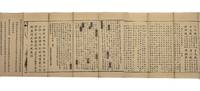
rif. 11380Woodblock-printed. 27 joined sheets numbered except 3 & 27 62.5 folding leaves red edges. Tall narrow 8vo bound between wooden boards. Hà Nội: Kì vũ tự 祈雨寺 1889 date of publisher's colophon; copy perhaps printed in 1922. A beautiful and rare example of Vietnamese printing in the accordion "sutra-binding" or orihon format. We find no Vietnamese edition of this sutra in WorldCat and only the later 1906 edition is listed in the Vietnamese Han-Nom Literature Database surviving in two copies at the Institute of Hán-Nôm Studies AC.403 & 498. The Sutra of Infinite Meanings together with the Lotus Sutra and the Sutra on the Meditation of Samantabhadra Ch. Guan pu xian jing 觀普賢經 are traditionally held to constitute the Threefold Lotus Sutra wherein the brief Sutra of Infinite Meanings served as the introduction or "opening sutra" to one of the most philosophically profound and culturally influential texts in East Asian Buddhism. Although the Sutra of Infinite Meanings is considered today by many scholars to be an apocryphal text the canonical bibliography of Sengyou åƒ§ç¥ 445-518 holds that it was translated by DharmajÄtayaśas sometime before 481. The identification of this sutra with a text by the same title mentioned in the first chapter of the Lotus Sutra was established by Liu Qiu 劉虬 438-95 in his 485 Preface to the sutra an identification that quickly became widely accepted in Buddhist East Asia. Like the Lotus Sutra the Sutra of Infinite Meanings emphasizes the transformative power of the Buddha's word itself which even in the abridged form of a single verse or a single line eternally delivers the hearer from the world of suffering. The belief in this teaching of the Threefold Lotus Sutra motivated centuries of Buddhist printing in East Asia. To briefly quote from the sutra's third chapter "Ten Virtues": "If living beings are able to hear this sutra though they hear only one recitation one verse or just one line and are thereby able to comprehend and master hundreds and thousands ten thousands millions of meanings then although they have earthly desires it will be as though they were free of earthly desires and they will go in and out of the realm of birth and death without thoughts of fear or dread. Toward living beings they will acquire minds of pity and tenderness and they will confront all phenomena with brave and stalwart thoughts"-trans. Burton Watson The Lotus Sutra and Its Opening and Closing Sutras 2009 p. 23. Our copy opens with the Preface of Äá»™ng Thượng Thanh Nguyên å³’ä¸Šæ¸…æº dated Gia Long 嘉隆 15 1816 followed by the dates of two reprints: Minh Mạng 明命 18 1837 and Äồng Khánh åŒæ…¶ 3 1888 the latter being carried out by the monks Thanh Äoan 清端 and Thanh Nghĩa 清義 on behalf of their master Từ Tính 慈性. The printed colophon written by the artisans Nguyễn Văn Việt 阮文越 and Nguyễn Văn Giáp 阮文甲 of Thanh Lưu xã é’蓼社 an important center for Buddhist publishing in the Hà Nội region is dated Äồng Khánh åŒæ…¶ 4 1889 and gives an exhaustive list of donors and the amounts of their donations. The colophon also specifies that Thanh Äoan and Thanh Nghĩa come from the Kì vũ tự 祈雨寺 monastery in Hà Nội province æ²³å…§çœ Hoài Äức prefecture 懷德府 Từ Liêm district 慈廉縣 Hạ Trì canton 下池總 Thượng Cát commune 上葛社 and that the completed woodblocks were to be kept in this monastery. A handwritten colophon by the monk Thanh Khoan 清寬 and others from the Nam Äịnh province dates the printing and binding of this particular copy to the Nhâm Tuất 壬戌 year 1922 2951 years after the birth of the Buddha. Pristine copy. â§ Yuenan Hannan wenxian ziliaoku è¶Šå—æ¼¢å–ƒæ–‡ç»è³‡æ–™åº« Academia Sinica. unknown books
rif. 11380Woodblock-printed. 27 joined sheets numbered except 3 & 27 62.5 folding leaves red edges. Tall narrow 8vo bound between wooden boards. Hà Nội: Kì vũ tự 祈雨寺 1889 date of publisher's colophon; copy perhaps printed in 1922. A beautiful and rare example of Vietnamese printing in the accordion "sutra-binding" or orihon format. We find no Vietnamese edition of this sutra in WorldCat and only the later 1906 edition is listed in the Vietnamese Han-Nom Literature Database surviving in two copies at the Institute of Hán-Nôm Studies AC.403 & 498. The Sutra of Infinite Meanings together with the Lotus Sutra and the Sutra on the Meditation of Samantabhadra Ch. Guan pu xian jing 觀普賢經 are traditionally held to constitute the Threefold Lotus Sutra wherein the brief Sutra of Infinite Meanings served as the introduction or "opening sutra" to one of the most philosophically profound and culturally influential texts in East Asian Buddhism. Although the Sutra of Infinite Meanings is considered today by many scholars to be an apocryphal text the canonical bibliography of Sengyou åƒ§ç¥ 445-518 holds that it was translated by DharmajÄtayaśas sometime before 481. The identification of this sutra with a text by the same title mentioned in the first chapter of the Lotus Sutra was established by Liu Qiu 劉虬 438-95 in his 485 Preface to the sutra an identification that quickly became widely accepted in Buddhist East Asia. Like the Lotus Sutra the Sutra of Infinite Meanings emphasizes the transformative power of the Buddha's word itself which even in the abridged form of a single verse or a single line eternally delivers the hearer from the world of suffering. The belief in this teaching of the Threefold Lotus Sutra motivated centuries of Buddhist printing in East Asia. To briefly quote from the sutra's third chapter "Ten Virtues": "If living beings are able to hear this sutra though they hear only one recitation one verse or just one line and are thereby able to comprehend and master hundreds and thousands ten thousands millions of meanings then although they have earthly desires it will be as though they were free of earthly desires and they will go in and out of the realm of birth and death without thoughts of fear or dread. Toward living beings they will acquire minds of pity and tenderness and they will confront all phenomena with brave and stalwart thoughts"-trans. Burton Watson The Lotus Sutra and Its Opening and Closing Sutras 2009 p. 23. Our copy opens with the Preface of Äá»™ng Thượng Thanh Nguyên å³’ä¸Šæ¸…æº dated Gia Long 嘉隆 15 1816 followed by the dates of two reprints: Minh Mạng 明命 18 1837 and Äồng Khánh åŒæ…¶ 3 1888 the latter being carried out by the monks Thanh Äoan 清端 and Thanh Nghĩa 清義 on behalf of their master Từ Tính 慈性. The printed colophon written by the artisans Nguyễn Văn Việt 阮文越 and Nguyễn Văn Giáp 阮文甲 of Thanh Lưu xã é’蓼社 an important center for Buddhist publishing in the Hà Nội region is dated Äồng Khánh åŒæ…¶ 4 1889 and gives an exhaustive list of donors and the amounts of their donations. The colophon also specifies that Thanh Äoan and Thanh Nghĩa come from the Kì vũ tự 祈雨寺 monastery in Hà Nội province æ²³å…§çœ Hoài Äức prefecture 懷德府 Từ Liêm district 慈廉縣 Hạ Trì canton 下池總 Thượng Cát commune 上葛社 and that the completed woodblocks were to be kept in this monastery. A handwritten colophon by the monk Thanh Khoan 清寬 and others from the Nam Äịnh province dates the printing and binding of this particular copy to the Nhâm Tuất 壬戌 year 1922 2951 years after the birth of the Buddha. Pristine copy. â§ Yuenan Hannan wenxian ziliaoku è¶Šå—æ¼¢å–ƒæ–‡ç»è³‡æ–™åº« Academia Sinica. unknown
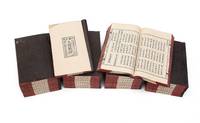
rif. 1094021 vols. of 24; see below. Small folio 305 x 197 mm. orig. dark brown wrappers edges dyed red lower fore-edges with titles volume numbers & number of parts in manuscript stitched. Hà Nội: Linh Quang Tự Bà Äá 1929. A very rare set of the woodblock-printed Sutra of the Heap of Jewels Skt. MahÄratnakūṭa Sūtra T. 0310 from northern Vietnam here in 21 volumes our set lacks Vols. 1 13 & 20. We identify only one other surviving copy in the Institute of Sino-Nôm Studies in Hanoi Viện nghiên cứu Hán Nôm AC.666/1-24. We do not know if that set is complete. “The MahÄratnakūṭa Sūtra is not a single Buddhist work but a large collection of forty-nine works which in its present Chinese form was compiled in the T’ang dynasty by Bodhiruci a South Indian Brahman and illustrious Tripiṭaka master who arrived in China in 693” K. Priscilla Pedersen “Notes on the Ratnakūṭa Collection” Journal of the International Association of Buddhist Studies 3.2 1980 p. 60. In 1926 the first year of the Bảo Äại reign a meeting was held among the high-ranking monks of modern-day Hanoi to continue a project left behind in 1917 by the deceased abbot of the Linh Quang Tự éˆå…‰å¯º temple which was to carve a set of woodblocks for printing the MahÄratnakūṭa Sūtra or the Sutra of the Heap of Jewels. Led by Bhikṣu Thông Mệnh 通命 of the Äà o Xuyên tự 桃å·å¯º temple and Bhikṣu Thanh Thứ æ¸…æ• of the Linh Sóc tự éˆæœ”寺 temple the project was very much a product of its time. Rather than merely reprinting the Sutra as it was already known to Vietnamese Buddhists the monks were delighted to discover — and incorporate into their edition — two further versions of the text one being from the Japanese Buddhist Canon held at the colonial Bác cổ trưá»ng åšå¤å ´ i.e. l’École française d’Extrême-Orient in Hanoi the other being a Chinese copy brought by Bhikṣu Tâm Trí 心智. The three versions — referred to as the “southern version” nam bổn å—æœ¬ the “northern version” bắc bổn 北本 and the “Japanese version” nhật bổn 日本 — were carefully compared and collated by the editors whose notes at the end of each chapter list all textual variants down to the page and line numbers Preface transcribed in Phạm Lê Huy “Nihon no kanyaku DaizÅkyÅ” æ—¥æœ¬ã®æ¼¢è¨³å¤§è”µçµŒ Riterashī shi kenkyū リテラシーå²ç ”ç©¶ 14 2021 p. 97. The resulting edition of the Sutra of the Heap of Jewels despite the traditional-seeming xylographic form and the use of Sinographs which were being quickly replaced by the Latin-based quốc ngữ after the abolition of the civil service exams in 1919 is therefore a product of its time enabled by the forces of colonial modernity and partaking in the Buddhist revival movements that were to unfold over the next few decades across the Asiatic world. The carving of the 1300 woodblocks for this Sutra was an expensive affair and the final volume ends by listing the names affiliations and contributions of over 100 donors mostly monks and nuns of various temples who had contributed to its making. Their donations ranged from 300 Indochinese piastre from Bhikṣu Tâm Trí himself to one piastre the contribution of many nuns placed at the end of the list. The woodblocks were kept — and might still be kept — at the Linh Quang Tự temple in Hanoi which based on a recent count preserves about 2600 woodblocks to this day Nguyễn Tuấn Cưá»ng et al. “Buddhist Print Culture in Nineteenth-Century Northern Vietnam” Journal of Vietnamese Studies 13.3 2018 pp. 74–75. Finally a note on Vietnamese books in general. Despite the country’s long history of Buddhist and Confucian learning woodblock-printed books published within Vietnam are far fewer in number than their Chinese or Japanese counterparts. This scarcity was due to the high cost of domestic production. According to the estimate of Kathlene Baldanza as late as the 19th century “the labor cost of printing in Vietnam was five to ten times higher than in China. Even ink and brushes were more expensive to produce in Vietnam.” Extensive international trade between northern Vietnam and southern China — where plentiful numbers of books were printed at very low costs — meant that “it was generally cheaper to purchase books from China than to buy them locally” “Publishing Book Culture and Reading Practices in Vietnam” Journal of Vietnamese Studies 13.3 2018 pp. 10–11. Beyond the limited cases of official and temple-based publishing Vietnamese publishers were pushed toward niche genres such as Sino-Vietnamese dictionaries ritual manuals or morality books. Regardless of genre woodblock-printed books from Vietnam are very difficult to find today outside a few major collections such as the Institute of Sino-Nôm Studies in Hanoi and l’École française d’Extrême-Orient in Paris. We will not focus on the massive destruction of the nation’s cultural heritage during its long war of independence in the post World War II period. Fine and fresh set. â§ Yuenan Hannan wenxian ziliaoku è¶Šå—æ¼¢å–ƒæ–‡ç»è³‡æ–™åº« Academia Sinica. unknown books
rif. 1094021 vols. of 24; see below. Small folio 305 x 197 mm. orig. dark brown wrappers edges dyed red lower fore-edges with titles volume numbers & number of parts in manuscript stitched. Hà Nội: Linh Quang Tự Bà Äá 1929. A very rare set of the woodblock-printed Sutra of the Heap of Jewels Skt. MahÄratnakūṭa Sūtra T. 0310 from northern Vietnam here in 21 volumes our set lacks Vols. 1 13 & 20. We identify only one other surviving copy in the Institute of Sino-Nôm Studies in Hanoi Viện nghiên cứu Hán Nôm AC.666/1-24. We do not know if that set is complete. “The MahÄratnakūṭa Sūtra is not a single Buddhist work but a large collection of forty-nine works which in its present Chinese form was compiled in the T’ang dynasty by Bodhiruci a South Indian Brahman and illustrious Tripiṭaka master who arrived in China in 693” K. Priscilla Pedersen “Notes on the Ratnakūṭa Collection” Journal of the International Association of Buddhist Studies 3.2 1980 p. 60. In 1926 the first year of the Bảo Äại reign a meeting was held among the high-ranking monks of modern-day Hanoi to continue a project left behind in 1917 by the deceased abbot of the Linh Quang Tự éˆå…‰å¯º temple which was to carve a set of woodblocks for printing the MahÄratnakūṭa Sūtra or the Sutra of the Heap of Jewels. Led by Bhikṣu Thông Mệnh 通命 of the Äà o Xuyên tự 桃å·å¯º temple and Bhikṣu Thanh Thứ æ¸…æ• of the Linh Sóc tự éˆæœ”寺 temple the project was very much a product of its time. Rather than merely reprinting the Sutra as it was already known to Vietnamese Buddhists the monks were delighted to discover — and incorporate into their edition — two further versions of the text one being from the Japanese Buddhist Canon held at the colonial Bác cổ trưá»ng åšå¤å ´ i.e. l’École française d’Extrême-Orient in Hanoi the other being a Chinese copy brought by Bhikṣu Tâm Trí 心智. The three versions — referred to as the “southern version” nam bổn å—æœ¬ the “northern version” bắc bổn 北本 and the “Japanese version” nhật bổn 日本 — were carefully compared and collated by the editors whose notes at the end of each chapter list all textual variants down to the page and line numbers Preface transcribed in Phạm Lê Huy “Nihon no kanyaku DaizÅkyÅ” æ—¥æœ¬ã®æ¼¢è¨³å¤§è”µçµŒ Riterashī shi kenkyū リテラシーå²ç ”ç©¶ 14 2021 p. 97. The resulting edition of the Sutra of the Heap of Jewels despite the traditional-seeming xylographic form and the use of Sinographs which were being quickly replaced by the Latin-based quốc ngữ after the abolition of the civil service exams in 1919 is therefore a product of its time enabled by the forces of colonial modernity and partaking in the Buddhist revival movements that were to unfold over the next few decades across the Asiatic world. The carving of the 1300 woodblocks for this Sutra was an expensive affair and the final volume ends by listing the names affiliations and contributions of over 100 donors mostly monks and nuns of various temples who had contributed to its making. Their donations ranged from 300 Indochinese piastre from Bhikṣu Tâm Trí himself to one piastre the contribution of many nuns placed at the end of the list. The woodblocks were kept — and might still be kept — at the Linh Quang Tự temple in Hanoi which based on a recent count preserves about 2600 woodblocks to this day Nguyễn Tuấn Cưá»ng et al. “Buddhist Print Culture in Nineteenth-Century Northern Vietnam” Journal of Vietnamese Studies 13.3 2018 pp. 74–75. Finally a note on Vietnamese books in general. Despite the country’s long history of Buddhist and Confucian learning woodblock-printed books published within Vietnam are far fewer in number than their Chinese or Japanese counterparts. This scarcity was due to the high cost of domestic production. According to the estimate of Kathlene Baldanza as late as the 19th century “the labor cost of printing in Vietnam was five to ten times higher than in China. Even ink and brushes were more expensive to produce in Vietnam.” Extensive international trade between northern Vietnam and southern China — where plentiful numbers of books were printed at very low costs — meant that “it was generally cheaper to purchase books from China than to buy them locally” “Publishing Book Culture and Reading Practices in Vietnam” Journal of Vietnamese Studies 13.3 2018 pp. 10–11. Beyond the limited cases of official and temple-based publishing Vietnamese publishers were pushed toward niche genres such as Sino-Vietnamese dictionaries ritual manuals or morality books. Regardless of genre woodblock-printed books from Vietnam are very difficult to find today outside a few major collections such as the Institute of Sino-Nôm Studies in Hanoi and l’École française d’Extrême-Orient in Paris. We will not focus on the massive destruction of the nation’s cultural heritage during its long war of independence in the post World War II period. Fine and fresh set. â§ Yuenan Hannan wenxian ziliaoku è¶Šå—æ¼¢å–ƒæ–‡ç»è³‡æ–™åº« Academia Sinica. unknown
1979rif. 73722Hohhot: Chinese Society for the Study of Mongolian History 1979. Large 8vo pp. 16 630 2; text illustrations; text in Chinese; original printed paper wrappers; a few square inches of loss to lower wrapper text clean and sound good. Includes the text of speeches given and selected papers presented at the conference. Chinese Society for the Study of Mongolian History unknown books
1979rif. 73722Hohhot: Chinese Society for the Study of Mongolian History 1979. Large 8vo pp. 16 630 2; text illustrations; text in Chinese; original printed paper wrappers; a few square inches of loss to lower wrapper text clean and sound good. Includes the text of speeches given and selected papers presented at the conference. Chinese Society for the Study of Mongolian History unknown
1916rif. 000483Istanbul: Tanīn 1916. Book. As new. Hardcover. 8vo over 7¾–9¾ in. An official report issued by the Ottoman Fourth Army under Jamal Pasha concerning the proceedings of the Supreme Court Martial Tribunal convened at ʿĀliyah Aley Lebanon established to prosecute alleged Arab separatists and Pan-Arabist movements in Syria and Egypt during the First World War. The report claims that the names of prominent Arab nationalists were discovered by the Ottoman authorities among documents seized from the French Embassy in Beirut reportedly placed under the safekeeping of the American Embassy following the outbreak of war. These documents formed the evidentiary basis for the tribunal's investigations. 125 pages of Arabic text accompanied by over 50 facsimile plates issued as a supplement reproducing original documents and correspondence between the accused Arab nationalists and other related parties examined by the tribunal. Preserved in a modern hardcover binding. A significant and controversial contemporary Ottoman publication providing rare primary documentation on wartime military justice Arab nationalist movements and Ottoman intelligence practices during the final years of the empire. An important Arabic political and legal work presenting the Arabic version of La Vérité sur la Question Syrienne addressing the investigations and proceedings of the Ottoman Martial Law Tribunal DīwÄn al-Ḥarb al-ʿUrfī convened in ʿĀliyah Aley during the First World War. The work constitutes a contemporary defense and documentary clarification of political accusations brought against Syrian and Lebanese figures shedding light on: Ottoman wartime judicial procedures political repression and accusations of separatism and the broader Syrian Question in the late Ottoman period. As the original Arabic edition this publication is a key primary source for the study of Ottoman military justice Arab political movements and Syro-Lebanese intellectual history during the final years of Ottoman rule. A scarce and historically significant work particularly sought after in collections relating to the Arab provinces of the Ottoman Empire World War I Middle Eastern politics and constitutional and legal history. Tanine hardcover
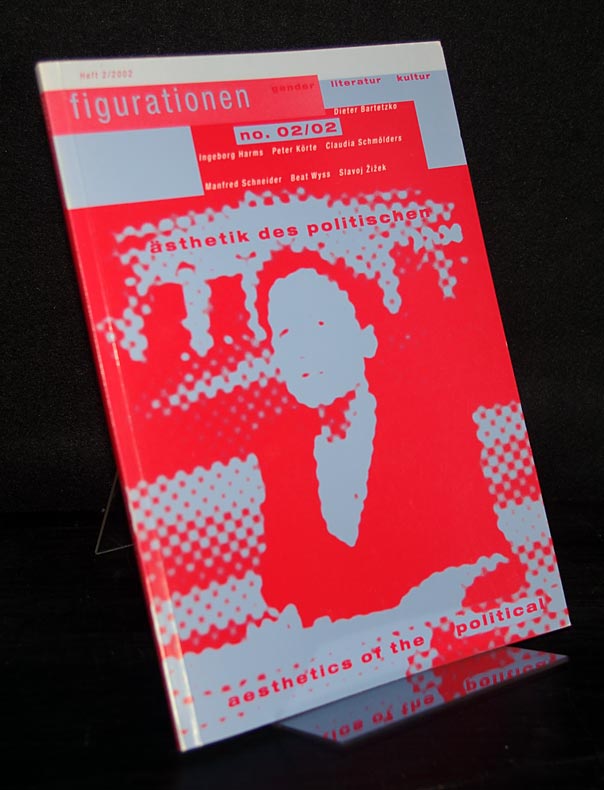
2002rif. 87151Köln, Weimar & Wien: Böhlau 2002. 122 Seiten. Mit vereinzelten Illustrationen. Gr. 8° (22,5-25 cm). Orig.-Broschur. [Softcover / Paperback].
1920rif. 1065617Leipzig, Insel, 1920. Gr.-8vo. 8, 225, (5) S. OHpgtbd nach Entw. v. E. Preetorius (gebräunt u. stark angestaubt, innen ebenfalls gebräunt).
rif. 9523186019.Gpaperback. Good. Access codes and supplements are not guaranteed with used items. May be an ex-library book. paperback
rif. ria9789523186019_inpPaperback. New. New Book; Fast Shipping from UK; Not signed; Not First Edition; "Kukaan ei voi tajuta millaista on elää ilman isää ja äitinsä elämän keskipisteenä." Kahdeksantoistavuotias kaiken tietävä hemmoteltu heitukka kultalusikka suussa ratsastava äidin tyttö hankkiutuu keskelle rakkaustarinaa josta ei t paperback
19898' red soft cover slightly worn with blue tape on lower spine. pages on edges slightly yellowing. else in good condition.
200125x16.5cm. 885 pages. Gilt hardcover with dust-jacket. Cover corners and spine edges slightly bumped. Else in good condition. PLEASE NOTE: This item is overweight. We may ask for extra shipping costs.
2013rif. 259734Istanbul: Patikakitap 2013. 192p. very good paperback. Turkish translation of "Evaluating the cultural revolution in China and its legacy for the future. Patikakitap unknown books
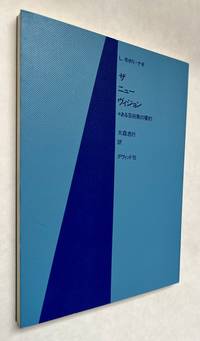
1967rif. 102751TÅkyÅ: ダヴィッド社 / Daviddosha 1967. Shohan. Paperback. Very fine; as new. 174 pages: illustrations portraits; 21 cm. In Japanese. Uncommon. ダヴィッド社 / Daviddosha paperback
rif. 24058Undated. On letterhead of West House Campden Hill Kensington. London. See his entry in the Oxford DNB. 2pp 12mo. Bifolium. In good condition lightly aged. Folded once. The recipient is named as ‘J. Pendred Broadhurst Esq’. Boughton begins by thanking him for his ‘kind note’. He is ‘quite out of photos for the moment - there has been such “a run on” me’. His portrait is not ‘in commerce’. He is enclosing ‘a Menu Card of a dinner given me by Messrs Harper in New York’ which has ‘a portrait by Mr L. Alma Tadema R.A. which I think is a little out of the Common. There is also an illustration from our book - E. A. Abbey and mine sketching “Rambles in Holland.” which the Harpers published’. If Broadhurst uses the latter item ‘then pray let me have it again as I have only one other - which I may lose any moment.’ Undated. On letterhead of West House, Campden Hill, Kensington. [London.] unknown