Guy Chaussinand-NogaretMareMagnum

1989tela edit. con titoli oro e sovrac. ill. - prima edizione it. - trad. di Maria Elena Vaccarini - illustrazioni in b.n. fuori testo
1938Best.-Nr. 371161Theosophical Society 1938. FIRST THUS. Hardcover. Very Good/No Jacket. First Edition Thus First Printing. Published by Theosophical Society 1938. Octavo. Hardcover. Preface in English rest of text in Sanskrit. Book is very good with shelf wear and publisher export stamp on flyleaf. A nice copy of this early 20th century philosophical work. 100% positive feedback. 30 day money back guarantee. NEXT DAY SHIPPING! Excellent customer service. Please email with any questions. All books packed carefully and ship with free delivery confirmation/tracking. All books come with free bookmarks. Ships from Sag Harbor New York. Theosophical Society hardcover
1977tela edit. con titoli a due colori al piatto e al dorso
1909RARE artucle by Nahum Slouschz (1872-1966), a Russian-born Israeli writer, translator and archaeologist, known for his pioneering studies of the "secret" Jews of Portugal and of Jews living in remote areas in Africa. From 1906 to 1912 Slouschz traveled across North Africa to study the origins and history of the Maghreb Jewish communities. Contains b&w plates. 275x220mm. 87 pages & 3 b&w plates [paginated 482-565]. Quarter-cloth marbled rebound Hardcover. Cover slightly curved, slightly stained and yellowing. Cover and spine edges, and cover corners worn. Cover hinges partly cracked. Several wormholes on cover. Spine torn and glued at the middle. Sticker residues on spine and spine hinges bottom edge. Ex-library copy with stamps. Small wormhole on rear inner cover edge penetrating into pages 59-87 and whitepages edge - no damage to text. Pre-title page bottom edge slightly torn. Pages 59-87 slightly creased in the middle. Pages yellowing, inner and several pages age-stained. [SUMMARY]: This extremely rare monograph on Maghreb Jewry by the pioneer in the field of African Jewry research is otherwise in good condition.
1985tela edit. con titoli oro al dorso e sovrac. ill., fascetta edit., rotture alla sovrac. - illustrazioni in b.n. e a solori guori testo, sguardie illustrate
2011New English Original bdg. HC. In Italian, Arabic, and Turkish. 271 p. Color and b/w ills. Pietro Della Valle was born in Rome on 2 April 1586, to a wealthy and noble family. His early life was spent in the pursuit of literature and arms. He was a cultivated man, who knew Latin, Greek, classical mythology, and the Bible. He also became a member of the Roman academy of the Umoristi, and acquired some reputation as a versifier and rhetorician. When Pietro was disappointed in love and began to consider suicide, Mario Schipano, a professor of medicine in Naples, suggested the idea of traveling in the East. It was Schipano who received a sort of diary in letters from Pietro's travels. Before leaving Naples, Pietro took a vow to make a pilgrimage to the Holy Land. He left Venice by boat on the 8th of June 1614 and reached Constantinople; he remained there for more than a year and acquired a good knowledge of Turkish and a little Arabic. On the 25th of September, 1615, he went to Alexandria. Because he was a nobleman of distinction, he traveled with a suite of nine persons, and with every advantage due to his rank. From Alexandria he went on to Cairo, and, after an excursion to Mount Sinai, left Cairo for the Holy Land. He arrived there on the 8th of March, 1616, in time to take part in the Easter celebrations at Jerusalem. After visiting the holy sites, Pietro traveled from Damascus to Aleppo. After seeing a portrait of the beautiful Nestorian Christian Sitti Maani Gioerida (of mixed Syrian and Armenian descent), he went to Baghdad and married her a month later. While in the Middle East, he made one of the first modern records of the location of ancient Babylon and provided "remarkable descriptions" of the site. He also brought back to Europe inscribed bricks from Nineveh and Ur, some of the first examples of Cuneiform available to modern Europeans. At that time Baghdad was at war with Turkey, so he had to leave Baghdad on the 4th of January, 1617. Accompanied by his wife Maani, he proceeded by Hamadan to Isfahan. Afterward, he visited Persia. (The first documented ancestors of the Persian cat were imported from Persia into Italy in 1626 by Pietro Della Valle.) In the summer of 1618, he joined Shah Abbas in a campaign in northern Persia. Here he was well received at court and treated as the shah's guest. On his return to Isfahan he began to think of going back home through India, rather than endanger himself again in Turkey. However, the state of his health and the war between Persia and the Portuguese at Ormuz generated problems. In October 1621 he left Isfahan, visited Persepolis and Shiraz and made his way to the coast. But it was not until January 1623 that he found a passage for Surat on the English ship Whale, Captain Nicolas Woodcock. He sojourned in India until November 1624, his headquarters being Surat and Goa. In India Pietro Della Valle was introduced to the King Vekatappa Nayaka of Keladi, South India by Vithal Shenoy, the chief administrator of those territories. The accounts of his travels are one of the most important sources of history for the region. He was at Muscat in January 1625, and at Basra in March. In May he started by the desert route to Aleppo, and boarded on a French ship at Alexandretta. He reached Cyprus and finally Rome on the 28th of March 1626. There, he was received with many honors, not only in literary circles, but also from Pope Urban VIII, who appointed him a gentleman of his bedchamber. The rest of his life was uneventful; he married his second wife, Mariuccia (Tinatin de Ziba), a Georgian orphan of a noble family. She had been adopted by his first wife as a child, had traveled with him, and was the mother of fourteen children. He died in Rome on the 21st of April 1652, and is buried at his family's burial vault at Santa Maria in Aracoeli. By 1665 the portion of his "Travels" dealing with India and with his return had been translated into English. They contain accounts of his discussions with
Best.-Nr. 1241574456.Gpaperback. Good. Access codes and supplements are not guaranteed with used items. May be an ex-library book. paperback
2020br. Pizzi, merletti, balli ottocenteschi, tè al bergamotto e letture appassionate sono il vostro sogno proibito? Se la risposta è sì, avete tra le mani il ricettario giusto. Tra queste pagine troverete il fascino intramontabile del periodo della Reggenza, l'eleganza dell'epoca vittoriana e tutto il romanticismo di uno stile di vita dorato, fatto di conversazioni garbate, danze coinvolgenti, tazze fumanti, modi gentili da dandy, cavalleria e incontri conviviali. Cene, feste e tè sono sempre stati momenti chiave nei romanzi Regency. Un rito che ha avuto inizio nel 1662, quando in Inghilterra governava Cromwell, che, divenutone un grande estimatore in Olanda, importò il tè in patria. L'abitudine di berlo ben presto si tramutò in moda, e il tè diventò la bevanda nazionale inglese. Il rito pomeridiano delle cinque fu lanciato da Anne Mary Stanhope, duchessa di Bedford, nel 1840, in epoca vittoriana. Un viaggio nella storia del tè e soprattutto nel suo "gusto", con tante ricette dolci e salate, consigli per organizzare veri tea party, ma anche indicazioni di costume e di galateo. Uno strumento per trasformare un momento di relax in una vera esperienza, imperdibile se avete una natura romantica, se amate l'idea di condividere con gli amici del raffinato tè all'inglese. Per fare un salto indietro nel tempo in un sorso.
2007ill., br. L'ora del té è uno dei riti più profondamente inglesi e il Palm Court Tearoom del Ritz di Londra è, secondo l'autrice, da sempre uno dei posti più autentici ed eleganti dove sperimentare questa tradizione al meglio. Tra le pagine del libro, il lettore potrà rivivere la cerimonia del vero té all'inglese, insieme alle ricette classiche che l'accompagnano. Gli aneddoti su César Ritz e i leggendari té di cui il suo hotel è tempio da più di cent'anni sono esaltati dalle parole di Dickens, Oscar Wilde e tanti altri illustri intellettuali britannici. Il tutto si alterna a più di 50 ricette, dalle frolle alla fragola alla marmellata di rose, scones, muffin, focaccine e panfrutti ed è corredato da romantiche illustrazioni in stile vittoriano.
1988Very Good English Paperback. Pbo. Roy. 8vo. (23 x 16 cm). In French. 41-54 pp., [12] p. b/w plts. Signed and inscribed by Olcay. Un tresor de Tetradrachmes d'Alexandre Trouve a Akçakale en 1958. [Separatum Revue Numismatique].
1986Very Good Spanish Paperback. Pbo. Roy. 8vo. (23 x 16 cm). In Spanish. 26 p., documents. Un testimonio Britanico (1916) sobre la cuestion Armenia.
2020ill., ril. Dopo l'acqua, il tè è la bevanda più diffusa al mondo. Per risalire alle sue origini, bisogna andare indietro nel tempo, sino alla Cina di circa 5.000 anni fa. Secondo la leggenda un giorno, durante un viaggio, l'Imperatore Shen Nung era seduto sotto un albero di Camellia sinensis in attesa che il suo servitore bollisse un po' d'acqua da bere. Una leggera brezza scosse le foglie della pianta e alcune caddero nell'acqua. L'Imperatore, incuriosito dall'infuso, lo bevve, inconsapevole di aver appena gustato la prima tazza di tè della storia. E oggi? Quanto si è ampliato il mondo del tè dopo tanti secoli? Moltissimo, tanto da farci sorridere all'idea della semplice leggenda appena narrata. Questo libro guida il lettore attraverso la scoperta dei vari tipi di tè esistenti, dell'attrezzatura necessaria per prepararlo, della terminologia corretta e dei paesi di produzione, oltre, ovviamente, a fornire preziosi suggerimenti per un abbinamento corretto, come racconta l'autrice: "Nel nord dello Yorkshire, dove sono cresciuta, il tè era tè vero. A casa mia, si mettevano le foglie in una teiera e si lasciavano 'macerare' finché l'infuso diventava scuro e l'aroma bello forte. Così forte da tenere quasi in piedi il cucchiaino! Quando ho cominciato il mio percorso alla scoperta del tè, ho iniziato ad apprezzare il fatto che tè diversi hanno caratteristiche uniche e sono indicati per una grande varietà di occasioni. Una tazza di tè può tirarci su quando siamo abbattuti, calmarci se siamo agitati, creare un'occasione per un incontro fra amici e rinfrancarci nei momenti in cui ci sentiamo un po' giù di corda. I tè di qualità possono esaltare al meglio i cibi che li accompagnano, proprio come il vino sa esaltare un piatto, e abbinare la grande varietà di tè disponibili oggi a dolci deliziosi è stato un vero piacere. Spero che le ricette vi piacciano e che fare nuove scoperte sia per voi un'esperienza divertente come lo è stata per me".
1909Mm 130x195 Collection "Historique illustrée". Brossura editoriale di 191 pagine, alcune illustrazioni in bianco e nero. Piccola lacuna al dorso, lievi fioriture alla copertina, peraltro buona copia. Testo in lingua francese - french text. SPEDIZIONE IN 24 ORE DALLA CONFERMA DELL'ORDINE.
2000cartone edit. con titoli al dorso e sovrac. ill. - prima edizione
2019Best.-Nr. Adhya-9780198748915OXFORD UNIVERSITY PRESS 2019. HB. New. OXFORD UNIVERSITY PRESS hardcover
2019Best.-Nr. Adhya-9780198748915OXFORD UNIVERSITY PRESS 2019. HB. New. OXFORD UNIVERSITY PRESS hardcover
1898Best.-Nr. 1016272Toulouse, 1898. 30 S. Br.
1928bross. edit. ill., minime tracce d'uso in cop. - prima edizione - un ritratto in b.n. fuori testo
1987Fine English Paperback. Pbo. Cr. 8vo. (20 x 14 cm). In French. 128 p. Un portrait d'Ataturk. Trace par des temoins etrangers. A portrait of Ataturk. Trace by foreign witnesses.
1958bross. edit. ill., segno di piega in cop., firme d'appartenenza - prima edizione - illustrazioni in b.n. fuori testo
1962Very Good French Paperback. Demy 8vo. (22 x 15 cm). In French. 330 p. First French Edition translated by Sabri Esat Siyavusgil, (1907-1968), was a Turkish writer, translator and encyclopedist, who is famous with his 'Cyrano de Bergerac' translation into Turkish. Sait Faik was one of the greatest Turkish writers of short stories and poetry and considered an important literary figure of the 1940s. This book includes his selected stories. First French Edition.
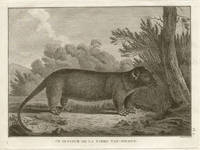
1790Best.-Nr. 10081790. Copper-line engraving. 180mm by 240mm platemark. French copper line engraving after the famous image from Cook's voyages. unknown
1950Very Good English Paperback. Roy. 8vo. (24 x 17 cm). In Italian. 10 p. Un nuovo manoscritto del Kitâb-i Dede Qorkut. A new manuscript of book of Dede Qorkut. TURKOLOGY TUrks Turkic culture Turkic / Turkish literature Legends.
1934Best.-Nr. 47071Paris Gauthier-Villars 1934. 4to. No wrappers. In: "Comptes Rendus Hebdomadaires des Séances de L'Academie des Sciences" Tome 198 No 3. Titlepage to vol. 198. Pp. 213- 292. Entire issue offered. The joint paper: pp. 254-256 a. 1 photographic illustration in the text. Titlepage with a stamp on verso 2 small tears and a tiny bit of upper right corner gone. Titlepage a bit browned. First appearance of this seminal paper in which artificial radioactivity was announced for the first time. Curie and Joliot were awarded the Nobel Prize in Chemistry 1935 "in recognition of their synthesis of new radioactive elements"."Until this date 1934 atomic nuclei emitting radiation were found in nature: it was called the natural radioactivity. It had been known since Rutherford that this natural radioactivity changed a nucleus into an other one: for instance radium becomes finally lead after many radioactive decays. We could say that lead does not become gold but gold becomes lead! But. this change of matter was not under control. It was not possible to construct the desired chemical element as the alchemist dreamed. But Irene and Frederic Joliot-Curie made the dream become almost reality.""Another very important development in the early 1934 by the Joliot-Curies in connection with irradiation of aluminum by alpha particles. The two French scientists detected the production of the recently discovered positrons. . However they soon realized that the positron activity continued after the alpha source was removed and that they had in fact discovered positive beta radioactivity. The importance of the discovery of artificial radioactivity was immediately recognized and resulted in a Nobel Prize in chemistry to the Joliot-Curies in 1935. The new phenomenon immediately became widely employed in nuclear physics chemistry biology and medicine." Kragh Quantum Generations p. 187"These elegant experiments which provided the first chemical proof of induced transmutations and showed the possibility of artificially creating radioisotopes of known stable elements were repeated and extended in the major nuclear physics laboratories of various countries " DSB.Born on 12 September 1897 in Paris Irène Curie was the daughter of Pierre and Marie Curie. "During World War I she worked as a nurse helping her mother operate radiography equipment and then studied physics and mathematics at the Sorbonne gaining a doctorate for studying the range of alpha particles. She then went to work for her mother at the Radium Institute. There she met Frédéric Joliot whom she married in 1926. Frédéric Joliot was born on 19 March 1900 in Paris - He joined the Radium Institute in 1925 and obtained his PhD in 1930. Together the Joliot-Curies worked on radioactivity and the transmutation of the elements. Twice they just missed major discoveries: in 1932 when Chadwick beat them to the neutron and in 1933 when Anderson discovered the positron. However in 1934 whilst bombarding light elements with alpha particles the Joliot-Curies noticed that although proton production stopped when the alpha particle bombardment stopped another form of radiation continued. The alpha particles had produced an isotope of phosphorus not found in nature. This isotope was radioactive and was decaying through beta-decay" DSB. unknown
Best.-Nr. 1716037166.Gpaperback. Good. Access codes and supplements are not guaranteed with used items. May be an ex-library book. paperback