194 Ergebnisse
1991Best.-Nr. 10029Fonds Mercator, 1991 2 volumes. In-4 relié. Très bon état d’occasion.
1999Best.-Nr. 28755RL - Renaissance du Livre - Coll. References 1999 In-4 oblong, toilé, sous jaquette illustrée, 192 pp. 60 illustrations en couleurs et 80 en noir.
1844Best.-Nr. 48731844 Paris, Madame Ve Louis Janet. 1844. 18,5x28 cm. Reliure en simili cuir bleu signée, plat à grand coin. Dos comportant auteur et titre. Ouvrage illustré de 18 planches sur acier hors texte et de nombreuses gravures sur bois dans le texte. Livre non ébarbé. Envoi de photographies sur demande.
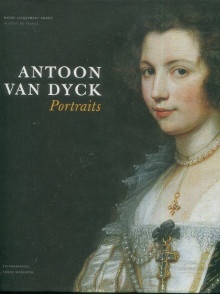
Best.-Nr. 73657Bruxelles, éd. Fonds Mercator, 2008, EDITION ORIGINALE, in-4, cartonnagesouple à gd. rabats éd., couv. ill. coul. éd., 184 pp., papier galcé, sommaire, notices techniques des œuvres exposées, bibliographie, index, Très beau catalogue publié à l'occasion de l'exposition Van Dyck au Musée Jacquemart-André du 8 octobre 2008 au 25 janvier 2009. Très bon état, comme neuf
1890Best.-Nr. 15401Histoire anecdotique et pittoresque du mouvement social et de la guerre civile en Angleterre au XVIIe siècle. Par Philarète Chasles (1798-1873).Homme de lettres et journaliste français, auteur de nombreuses études littéraires, il a beaucoup contribué à faire connaître en France la littérature de langue anglaise.18 gravures sur acier d'après Van Dyck, Rubens et Cattermole.Paris, Madame Ve. Louis Janet - non daté (1890) - 262 pages. 24 hors texte (noté 18 sur le titre) et 25 dans le texte.Belle reliure demi-maroquin rouge à coins de l'époque. Dos lisse aux titre et auteur dorés. Couverture conservée. Non rogné. Pas de rousseur. Très bon état. Format in-4°(28x20).
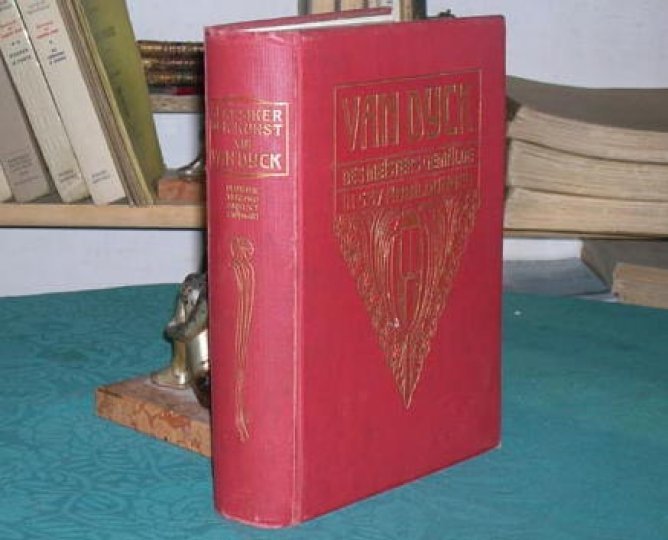
1909Best.-Nr. 7063L'oeuvre du maître en 537 illustrations.Stuttgart und Leipzig, Deutsche Verlags-Anstalt 1909.Reliure percaline rouge de l'éditeur. Tête dorée. Rares rousseurs. Bon état. Format in-4°(26x19).
1998Best.-Nr. 1010721998 Leonardo Arte - 1998 - In-4 couverture cartonnée noire toilée recouverte par une jaquette illustrée de l'éditeur - 140 pages - nombreuses reproductions photographiques
Best.-Nr. 9781628080636NOVA SCIENCE PUBLISHERS INC
Best.-Nr. 7442Antwerpen Open vzw, Antwerpen, 1999. In-8, broché 56 pp. Un joyau - Joost van den Vondel (1587-1679) - Marie Mercier-Nizet (1859-1922): Sosie - Abraham Cowley (1616-1667) : On the Death of Sir Anthony Vandike, The famous Painter - Joris Capenberghs : Antoine van Dyck et Christopher Brown. Portrait d'une ...
Best.-Nr. 2652Editions et atelier d'art graphique Elsevier, Bruxelles, 1959. Fort in-4, reliure pleine toile éditeur, titre doré sur le plat supérieur et le dos, 293 p. Chap. I. Les légendes. - Chap. II. La vie de Van Dyck. - Chap. III. Le génie de Van Dyck : considérations préalables. - Chap. IV. Le génie de Van Dyck : la profondeur. - Chap. V. Le génie de ...
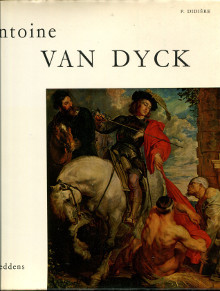
Best.-Nr. 2576Editions Meddens, Bruxelles, 1969. In-4, reliure pleine toile éditeur sous jaquette illustrée en couleur, titre doré sur le dos, 63 pp. I. Légende et vérité - II. Esquisse biographique - III. Les oeuvres de jeunesse - IV. Les oeuvres peintes en Italie - V. Les deuxième et troisième périodes flamandes - VI. Antoine Van Dyck à la cour de Charles Ier ...
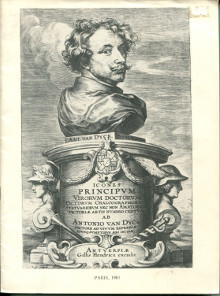
Best.-Nr. 1994Institut néerlandais, Paris, 1981. In-8, agrafé sous couverture souple illustrée en noir, 31 pp. Introduction, par D. de Hoop Scheffer - Catalogue [64 n°] : Antoon van Dyck : Eaux-fortes originales. - Portraits gravés d'après Antoon van Dyck pour l'éditeur Martin van den Enden. - Antoon Van Dyck : Dessins.
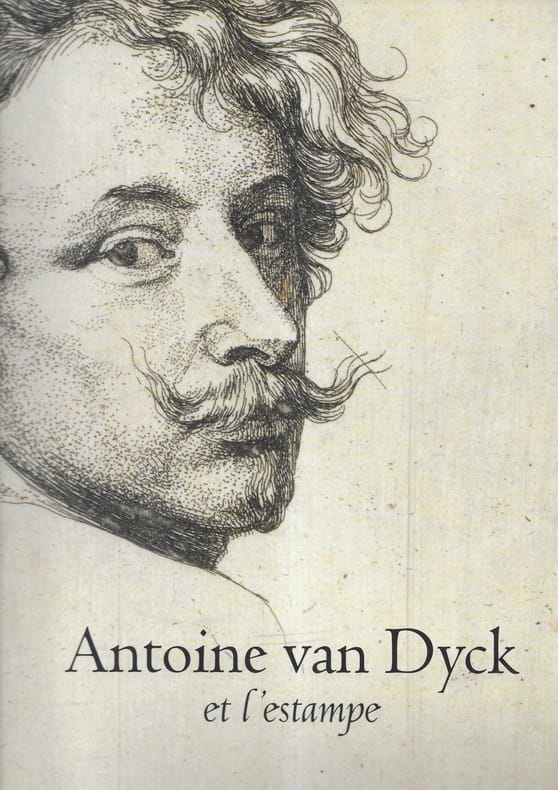
Best.-Nr. 4371Fonds Mercator, Bruxelles, 2008. In-4, cartonnage éditeur sous jaquette illustrée en couleur, 183 pp. Antoon van Dyck et la France, Jean-Pierre Babelon - Chronologie, Nicolas Sainte Fare Garnot - Du portrait vandyckien, Alexis Merle du Bourg - Catalogue - Notices techniques - Bibliographie - Index.
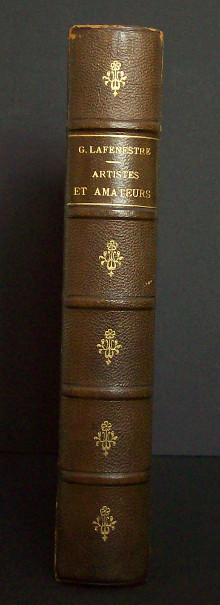
Best.-Nr. 72Société d'édition artistique, Paris, s.d., vers 1900. In-8, demi-chagrin, dos à 5 nerfs orné de fleurons, titre en lettres dorées, 357 pp. Titien et les princes de son temps ; Van Dyck en France ; Rembrandt van Ryn (1606-1669) ; Jean de La Fontaine et les artistes de son temps ; Théophile Gautier, critique d'art (1811-1872) ; l'esprit français et les beaux-arts ...
1999Best.-Nr. EL371411999 480 p., numerous coloured photographs and distribution maps, hardbound. Library stamps, else good copy.
1999Best.-Nr. 3176Broché sous couvertures illustrées. Anvers, Amsterdam Open, Rijksmuseum 1999 1 volume in-4°
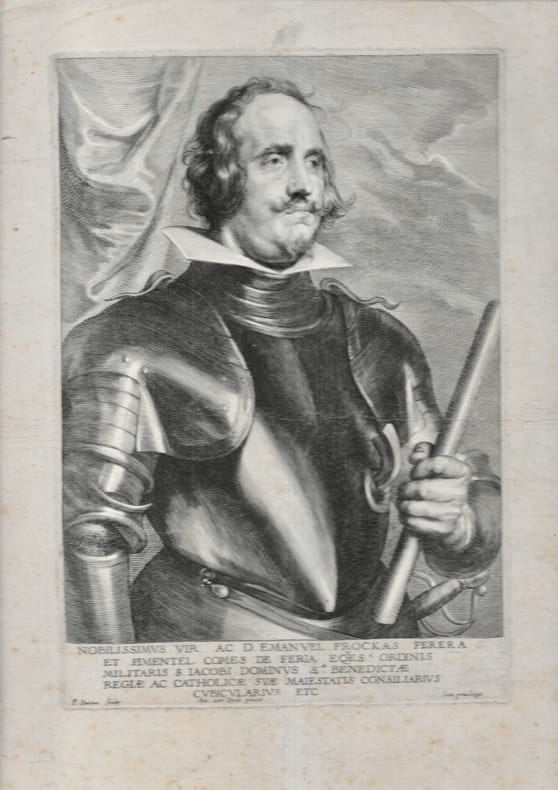
Best.-Nr. 5486Très beau portrait d'après Van Dyck. Légende : Nobilissimus vir ac D. Emanuel Frockas Perera et Pimentel comes de Feria eques ordinis militaris S. Jacobi dominus Sæ Benedictæ regiæ ac catholicæ suæ majestatis consiliarus cubicularius etc 243 x 166
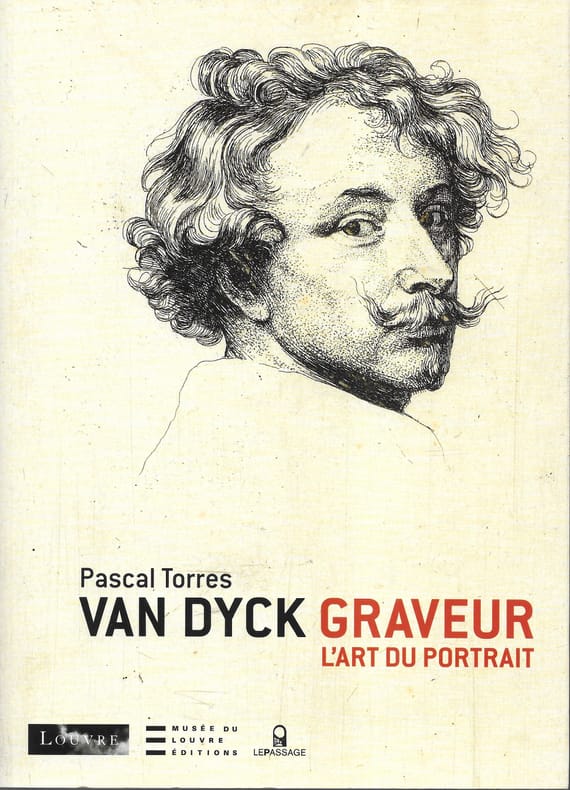
2008Best.-Nr. 14448Cet ouvrage accompagne l'exposition du Musée du Louvre en 2008. Broché sous couverture illustrée Très bon Paris Louvre 2008 1 volume in-8°
Best.-Nr. 6288notice de Suzanne GERMAIN BAZIN,in 8 demi cuir foncé à 4 nerfs,titre,filets dorés,titre,188 pages 1 feuillet de table des matières,127 illustrations en hélio.Fernand Nathan 1950 collection Merveilles de l’Art
1979Mm 215x280 Brossura editoriale di pp. 190 con 57 riproduzioni di filigrane nel testo e 130 tavole fuori testo. Segni d'uso alla copertina ma per il resto in buonissime condizioni. SPEDIZIONE IN 24 ORE DALLA CONFERMA DELL'ORDINE. WORLDWIDE DELIVERY
1862Mm 120x180 Volume cartonato di pp. 450, rilegatura posticcia, dorso in pelle, 4 nervature, titolo in oro. Qualche ingiallimento e fioritura. Opera in buone condizioni. SPEDIZIONE IN 24 ORE DALLA CONFERMA DELL'ORDINE.
1943Mm 140x210 Collana "Maestri e compagni" - Brossura editoriale con sovraccoperta illustrata, xv-283 pagine ancora intonse con 32 illustrazioni in nero fuori testo. Esemplare in ottime condizioni. SPEDIZIONE IN 24 ORE DALLA CONFERMA DELL'ORDINE.
1967Hachette 1967. In-Folio broché couverture illustrée rempliée de 16 planches + texte .Bon état
1645Incisione tratta dalla celebre raccolta Icones principum, virorum, doctorum, pictorum, chalcographorum, di Anton van Dyck, edita per la prima volta ad Anversa verso il 1640. Opera celebre ed importante, vero monumento dell’arte incisoria fiamminga del sec. XVIII, contiene le biografie ed i ritratti degli uomini illustri che Van Dyck aveva conosciuto e con i quali aveva avuto importanti rapporti. L’artista ne eseguì le effigi in numerosi dipinti e disegni che poi decise di pubblicare, affidandone la trasposizione calcografica ai migliori incisori del suo tempo, come Bolswert, Pontius, Vorsterman, de Jode, Hollar, molti dei quali aveva avuto come condiscepoli nell’atelier di Rubens. "Sir Anthony Van Dyck stands out as the solitary great etcher of the school. Portrait etching had scarcely had an existence before his time, and in his work it suddenly appears at the highest point ever reached in the art" (Hind, p. 165). "The plan of this publication took shape after Van Dyck returned from Italy (1626) and before he went to England (1632). He made careful preparatory drawings in chalk and brush for the publication. He directed and revised the work of the engravers, the best of the Rubens circle; he collaborated with his etching needle in some of the plates and himself etched the most beautiful set, mainly portraits of artists. One of the most brilliant in human characterization is the portrait of Peter Brueghel the Younger, son of the great Peasant Brueghel. It is remarkable that the etching appeared in this sketchy form in the book, proving that the master regarded it as finished. All interest is focussed on the wonderful had. The first edition was published in Antwerp in 1635-1636. Yet it was not complete, and the title-page did not appear before the Gillis Hendricx edition of 1645, engraved by Jacob Neels" (Benesch, Artistic and Intellectual Trends, p. 32.) Hofer, Baroque Book Illustrations 132. Acquaforte con ritocchi al bulino, stampata su carta vergata coeva, filigrana del “giullare”, con margini, in ottimo stato di conservazione. Etching and engraving, circa 1645, signed on plate at lower edge. A fine impression, printed on contemporary laid paper, with margins, very good condition. From the Icones principum, virorum, doctorum, pictorum, chalcographorum by Anton van Dyck, printed for the first time in Antwerp, 1645. A famous and important work, a real monument of the Flemish engraving art of the XVIII century, containing the biographies and portraits of the famous artists Van Dyck had met and with whom he had worked. Following the success of his portrait paintings and in the tradition of Italian and Flemish portrait series, Van Dyck decided to organise a print publication containing portraits of the most prominent men during his lifetime, divided into three categories: princes, politicians and soldiers (16), statesmen and scholars (12), artists and art connoisseurs (52). The initial idea could have been that Van Dyck would etch the faces (a process possibly learnt from Vorsterman) while others would finish the plates in engraving. Designs were needed for the plates and several drawings and oil sketches (grisailles, sometimes in different versions) have survived. Van Dyck only etched 17 plates himself, while he commissioned others to complete the set, overseen by Lucas Vorsterman I (especially after Van Dyck settled in England in the Spring of 1632). Although this project was started by Van Dyck around 1630, he never saw it completed. The Antwerp publisher Maarten van den Enden may have been involved from the start as eighty early impressions bear Van den Enden's address. They are engraved by Paulus Pontius (30 plates), Lucas Vorsterman I (22), Pieter de Jode II (12), Schelte a Bolswert (7), Robert van Voerst (4), Willem Hondius (2), Willem Jacobsz Delff (1), Cornelis Galle (1), and Nicolaes Lauwers (1). It is known that Van den Enden was in debt to Gillis Hendricx around 1644, the Antwerp publisher who must have obtained Van den Enden's plates which he published in 1645 in the first edition of these plates (containing between 100 and 104 portrait plates). Hendricx continued to publish these plates until his death in 1677 when they were auctioned off by the St Luke guild (keeping the Iconography plates together). It is not clear who bought these plates but they re-appeared around 1720 when they were published by Hendrick and Cornelis Verdussen in Antwerp. "Sir Anthony Van Dyck stands out as the solitary great etcher of the school. Portrait etching had scarcely had an existence before his time, and in his work it suddenly appears at the highest point ever reached in the art" (Hind, p. 165). "The plan of this publication took shape after Van Dyck returned from Italy (1626) and before he went to England (1632). He made careful preparatory drawings in chalk and brush for the publication. He directed and revised the work of the engravers, the best of the Rubens circle; he collaborated with his etching needle in some of the plates and himself etched the most beautiful set, mainly portraits of artists. One of the most brilliant in human characterization is the portrait of Peter Brueghel the Younger, son of the great Peasant Brueghel. It is remarkable that the etching appeared in this sketchy form in the book, proving that the master regarded it as finished. All interest is focussed on the wonderful had. The first edition was published in Antwerp in 1635-1636. Yet it was not complete, and the title-page did not appear before the Gillis Hendricx edition of 1645, engraved by Jacob Neels" (Benesch, Artistic and Intellectual Trends, p. 32.) Hofer, Baroque Book Illustrations 132.
1645Incisione tratta dalla celebre raccolta Icones principum, virorum, doctorum, pictorum, chalcographorum, di Anton van Dyck, edita per la prima volta ad Anversa verso il 1640. Opera celebre ed importante, vero monumento dell’arte incisoria fiamminga del sec. XVIII, contiene le biografie ed i ritratti degli uomini illustri che Van Dyck aveva conosciuto e con i quali aveva avuto importanti rapporti. L’artista ne eseguì le effigi in numerosi dipinti e disegni che poi decise di pubblicare, affidandone la trasposizione calcografica ai migliori incisori del suo tempo, come Bolswert, Pontius, Vorsterman, de Jode, Hollar, molti dei quali aveva avuto come condiscepoli nell’atelier di Rubens. "Sir Anthony Van Dyck stands out as the solitary great etcher of the school. Portrait etching had scarcely had an existence before his time, and in his work it suddenly appears at the highest point ever reached in the art" (Hind, p. 165). "The plan of this publication took shape after Van Dyck returned from Italy (1626) and before he went to England (1632). He made careful preparatory drawings in chalk and brush for the publication. He directed and revised the work of the engravers, the best of the Rubens circle; he collaborated with his etching needle in some of the plates and himself etched the most beautiful set, mainly portraits of artists. One of the most brilliant in human characterization is the portrait of Peter Brueghel the Younger, son of the great Peasant Brueghel. It is remarkable that the etching appeared in this sketchy form in the book, proving that the master regarded it as finished. All interest is focussed on the wonderful had. The first edition was published in Antwerp in 1635-1636. Yet it was not complete, and the title-page did not appear before the Gillis Hendricx edition of 1645, engraved by Jacob Neels" (Benesch, Artistic and Intellectual Trends, p. 32.) Hofer, Baroque Book Illustrations 132. Acquaforte con ritocchi al bulino, stampata su carta vergata coeva, filigrana del “giullare”, con margini, in ottimo stato di conservazione. Etching and engraving, circa 1645, signed on plate at lower edge. A fine impression, printed on contemporary laid paper, with margins, very good condition. From the Icones principum, virorum, doctorum, pictorum, chalcographorum by Anton van Dyck, printed for the first time in Antwerp, 1645. A famous and important work, a real monument of the Flemish engraving art of the XVIII century, containing the biographies and portraits of the famous artists Van Dyck had met and with whom he had worked. Following the success of his portrait paintings and in the tradition of Italian and Flemish portrait series, Van Dyck decided to organise a print publication containing portraits of the most prominent men during his lifetime, divided into three categories: princes, politicians and soldiers (16), statesmen and scholars (12), artists and art connoisseurs (52). The initial idea could have been that Van Dyck would etch the faces (a process possibly learnt from Vorsterman) while others would finish the plates in engraving. Designs were needed for the plates and several drawings and oil sketches (grisailles, sometimes in different versions) have survived. Van Dyck only etched 17 plates himself, while he commissioned others to complete the set, overseen by Lucas Vorsterman I (especially after Van Dyck settled in England in the Spring of 1632). Although this project was started by Van Dyck around 1630, he never saw it completed. The Antwerp publisher Maarten van den Enden may have been involved from the start as eighty early impressions bear Van den Enden's address. They are engraved by Paulus Pontius (30 plates), Lucas Vorsterman I (22), Pieter de Jode II (12), Schelte a Bolswert (7), Robert van Voerst (4), Willem Hondius (2), Willem Jacobsz Delff (1), Cornelis Galle (1), and Nicolaes Lauwers (1). It is known that Van den Enden was in debt to Gillis Hendricx around 1644, the Antwerp publisher who must have obtained Van den Enden's plates which he published in 1645 in the first edition of these plates (containing between 100 and 104 portrait plates). Hendricx continued to publish these plates until his death in 1677 when they were auctioned off by the St Luke guild (keeping the Iconography plates together). It is not clear who bought these plates but they re-appeared around 1720 when they were published by Hendrick and Cornelis Verdussen in Antwerp.