107 risultati
León (Lyon), Anisson y Posuel, 1682, 25 x 18 cm., pergamino de época, frontis grabado + 15 hojas incluso portada a dos tintas + 703 págs. con 42 emblemas grabados a media página con leyendas en latín dentro de óvalos barrocos, seguidas por el texto en castelano. (Errores en la paginación. Primera edición. El frontispicio fue diseñado por el propio autor, dibujado por Claudio Coello y grabado por François Houat. Las empresas, sin embargo, fueron grabadas al buril por Mathieu Augier).
1934Small format book, with color covers, a great many full page b&w photos illustrating the story. Book shows edge and corner wear, light scuffing to covers. Binding is solid and square, text/interior is clean and free of marking of any kind. Cover depicts small group of Scouts stealing a suitcase of money from Native Americans and committing terrorist acts below the blue and gold B.S. "Approved by" stripe. Possible homosexual troop leaders depicted in text.
1987Book is in excellent condition. Binding is solid and square, covers have sharp corners, exterior shows no blemishes, text/interior is clean and free of marking of any kind. Dust jacket shows the slightest signs of shelf wear only, no tears, now wrapped in protective clear cover. 432 pages. Illustrations throughout, contents include: Levels of reality, (form and matter, Chhi and Li) Kith and kin, Language and communication, (Semiotics, Science and theology), The principle of requisite diversity, Metaphor and metonymy (The art of blazon, Emblems ), On telling left from right (Coding, Neurons and hormones), etc .
1968n.p. 12mo. Original printed wraps. A pamphlet explaining a frieze of printers' devices for the expansion of the Morgan Library. **PRICE JUST REDUCED REF9.
Napoli, Egido Longo, 1666, 33,5 x 23,5 cm., pergamino, frontis grabado + 3 hojas + 160 págs. + 58 láminas de emblemas grabadas con alegorías con el tema de las constelaciones, con pequeños retratos de miembros de la familia de los Habsburgo. (Ejemplar falto de las páginas 53 a 56, de las dos láminas que corresponden a estas páginas, del retrato y de las 2 láminas plegadas que acompañan a esta rara obra).
1556in-4. cc. 4,12, xii-cxxii. Ottima copia in cartonato antico. prima edizione emblems iconologia iconology iconography mythology marcolini first edition art history
1611In-4°, 68pp, (4cc), legatura in pergamena, buone condizioni, titolo manoscritto al dorso, l’illustrazione alla carta A2 contiene l’emblema dell’Accademia degli Umoristi. Qualche brunitura. L’Aleandro, scolaro a Padova di Guido Panciroli, ebbe, precocissimo, fama di buon poeta latino e italiano, e più tardi nomea d'epistolografo principe in latino; partecipò, in difesa del Marino, alla celebre polemica suscitata dallo Stigliani contro L'Adone; fu tra i fondatori e i sostenitori dell'Accademia degli Umoristi; ma va ricordato soprattutto come antiquario per le sue dissertazioni di archeologia applicata al diritto, alla storia del costume e della religione, solo in parte edite. L'Accademia degli Umoristi, insieme all'Accademia dell'Arcadia e alla splendida ma effimera Accademia delle Notti Vaticane fu una delle principali accademie letterarie romane del Seicento. Grazie all'appoggio e alla protezione che poi ottenne da parte del cardinale Francesco Barberini, divenne un'istituzione semi-ufficiale. Aveva sede a Roma ma vantava aspirazioni cosmopolite. Come tutte le accademie dei secoli XV-XVI-XVII, era presieduta (o governata) da un Principe, che organizzava le sedute, indirizzava i lavori, la rappresentava presso altre Accademie o di fronte alle autorità. La carica aveva durata annuale, ma poteva essere reiterata. I Principi dell'Accademia degli Umoristi furono tra i più prestigiosi e innovatori letterati del Seicento: Giovanni Battista Guarini (1611), Alessandro Tassoni (1606-1607), Giovan Battista Marino (1623). Le leggi dell'accademia degli Umoristi consentivano anche una limitata partecipazione femminile. «Feminis primariis ætate et forma prestantibus earumque viris eam frequentandi veniam dabant leges». L'Accademia, come tutte le consorelle, aveva un simbolo o impresa. Essa è più di un'immagine e di un motto: è l'autorappresentazione che l'Accademia offre di se stessa, ne indica l'identità. L'Impresa degli Umoristi nacque per insistenza di Giovanni Battista Guarini (allora Principe dell'Accademia) nel 1611: ci furono numerosissime proposte e infine fu accettata quella che divenne definitiva: una nuvola dalla quale cade pioggia sulle onde del mare e sotto il verso lucreziano «Redit Agmine Dulci» (Ritorna dal campo di battaglia alla dolcezza). Nel 1717 il pontefice Clemente XI volle ripristinarla e ne nominò principe Alessandro Albani, non ancora cardinale. Il tentativo non ebbe però successo e di lì a poco l'Accademia scomparve definitivamente. In-4 °, 68pp, (4cc), vellum binding, good condition, handwritten title on the spine, the illustration on leaf A2 contains the emblem of the Academy of Humorists. Some brownings. Aleandro, a pupil of Guido Panciroli in Padua, had a very early reputation as a good Latin and Italian poet, and later he became the name of the main epistolograph in Latin; in defense of Marino, he took part in the famous controversy raised by Stigliani against L'Adone; he was among the founders and supporters of the Academy of Humorists; but it must be remembered above all as an antiquarian for his dissertations on archeology applied to law, the history of customs and religion, only partially published. The Academy of Humorists, together with the Academy of Arcadia and the splendid but ephemeral Academy of Vatican Nights was one of the main Roman literary academies of the seventeenth century. Thanks to the support and protection that it then obtained from Cardinal Francesco Barberini, it became a semi-official institution. It was based in Rome but boasted cosmopolitan aspirations. Like all the academies of the XV-XVI-XVII centuries, it was chaired (or governed) by a Prince, who organized the sessions, directed the work, represented it in other Academies or before the authorities. The office had an annual duration, but could be repeated. The Princes of the Academy of Humorists were among the most prestigious and innovative writers of the seventeenth century: Giovanni Battista Guarini (1611), Alessandro Tassoni (1606-1607), Giovan Battista Marino (1623). The laws of the Academy of Humorists also allowed for limited female participation. "Feminis primariis ætate et forma prestantibus earumque viris eam frequentandi veniam dabant leges". The Academy, like all its sisters, had a symbol or company. It is more than an image and a motto: it is the self-representation that the Academy offers of itself, it indicates its identity. The Coat of arms of the Academy was born on the insistence of Giovanni Battista Guarini (then Prince of the Academy) in 1611: there were numerous proposals and finally what became definitive was accepted: a cloud from which rain falls on the waves of the sea and below towards Lucretian motto « Redit Agmine Dulci »(Returns from the battlefield to sweetness). In 1717 Pope Clement XI wanted to restore it and appointed Alessandro Albani as prince, not yet a cardinal. However, the attempt was unsuccessful and shortly thereafter the Academy finally disappeared.
1693In-12°, (3cc), 7-233pp, illustrazioni, legatura in pergamena, nervi, buone condizioni, emblema del Re Sole Luigi XIV al frontespizio, 27 emblemi Charles de La Rue (3 agosto 1643, Parigi - 27 maggio 1725, Parigi), noto in latino come Carolus Ruaeus, fu uno dei grandi oratori della Compagnia di Gesù in Francia nel diciassettesimo secolo. Entrò nel noviziato il 7 settembre 1659, ed essendo successivamente professore di lettere e retorica, attirò l'attenzione mentre era ancora giovane da una poesia sulle vittorie di Luigi XIV. Pierre Corneille lo tradusse e lo offrì al re, dicendo che il suo lavoro non eguagliava l'originale del giovane gesuita. Ha scritto diverse tragedie, pubblicato un'edizione di Virgilio e scritto diverse poesie latine. Dopo aver più volte rifiutato di permettergli di andare in Canada, i suoi superiori lo assegnarono alla predicazione; come oratore era molto ammirato dalla corte e dal re. Le sue orazioni funebri sui duchi di Borgogna e del Lussemburgo e quelle su Jacques-Bénigne Bossuet, i suoi sermoni su "Les Calamités publiques" e "The Dying Sinner" sono stati considerati capolavori dai più grandi maestri. Ha predicato missioni tra i protestanti della Linguadoca per tre anni. Era un religioso molto virtuoso e durante i suoi ultimi anni sopportò coraggiosamente grandi infermità. In-12 °, (3cc), 7-233pp, illustrations, vellum binding, bands, good condition, emblem of the Sun King Louis XIV on the title page. 27 emblems. Charles de La Rue (3 August 1643, Paris – 27 May 1725, Paris), known in Latin as Carolus Ruaeus, was one of the great orators of the Society of Jesus in France in the seventeenth century. He entered the novitiate on 7 September 1659, and being afterwards professor of the humanities and rhetoric, he attracted attention while still young by a poem on the victories of Louis XIV. Pierre Corneille translated it and offered it to the king, saying that his work did not equal the original of the young Jesuit. He wrote several tragedies, published an edition of Virgil, and wrote several Latin poems. After having several times refused to permit him to go to Canada, his superiors assigned him to preaching; as an orator he was much admired by the court and the king. His funeral orations on the Dukes of Burgundy and Luxemburg, and that on Jacques-Bénigne Bossuet, his sermons on "Les Calamités publiques" and "The Dying Sinner" have been regarded as masterpieces by the greatest masters. He preached missions among the Protestants of Languedoc for three years. He was a most virtuous religious, and during his last years endured courageously great infirmities.
1840In-4°; 2 voll. Parte I gennaio - giugno 1840, parte II secondo semestre luglio-dicembre, pp. 424 36 tavole, 425-798, (1) e 36 tavole. Completo delle tavole calcografiche tutte colorate a mano sono incise da Bernieri. Legatura in mezza pergamena coeva con angoli tasselli con titolo in oro al dorso L’opera segue la successione dei mesi, quindi la stagionalità delle piante, per avere fiori tutto l’anno. Antonio Piccioli fu direttore dell’Orto botanico di Firenze, fornisce in questo manuale sia descrizioni scientifiche, che sull’habitat delle piante, che aneddoti, che poesie relative a quel fiore. Ottima copia.
1676In-8°; pp. XXXII, 416, con antip. (L. Gimignani del. Io. Nolinus sculp.), e un frontespizio (F. Venturinus) calcografici, 35 incisioni su rame a piena pagina incluse nel testo che raffigurano emblemi. Al front. “pars prima” è stato cancellato, in effetti di quest’opera venne data alle stampe solo questa prima parte. Legatura in piena pergamena rigida più tarda. I personaggi qui rappresentati attraverso gli emblemi e alcuni componimenti in versi sono Innocenzo XI, Francesco Xaverio, Francesco Borgia, Luigi Gonzaga, Stanislaus Kostka, Innocenzo X, Clemente IX, Cristina di Svezia, Alessandro VII, Roberto Bellarmino, Antonio Barberini, G. Paolo Oliva e altri.
1983rif. 13560KLINCKSIECK 1983 172 pages 0x0x0cm. 1983. Broché. 172 pages. Cet ouvrage de Marcel Tetel professeur à Duke University analyse les emblèmes et les mots dans l'œuvre de Maurice Scève poète de la Renaissance. Publié chez Klincksieck en 1983 il propose une étude littéraire approfondie de 172 pages
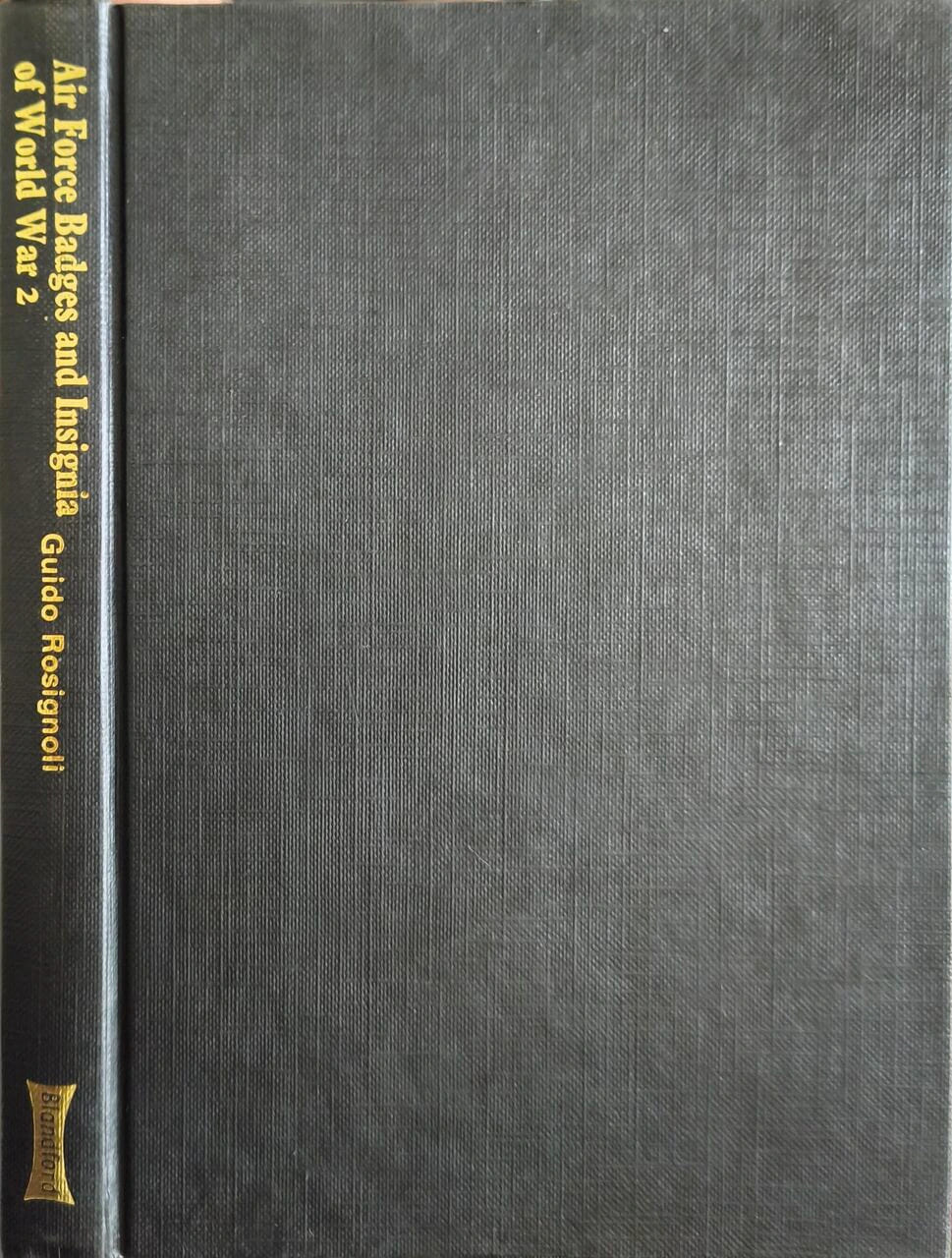
1976rif. 18509Blandford Press 1976 200 pages 13 208x2 032x19 558cm. 1976. reliure editeur pleine toile. première édition. 200 pages. Ce livre de Guido Rosignoli publié par Blandford Press est un ouvrage de référence illustré qui recense les insignes badges ailes de qualification et emblèmes brodés portés par les personnels des forces aériennes des nations ayant participé à la Seconde Guerre mondiale. L'édition combinée inclut également les insignes des forces navales et des marines
1780rif. 2181780 Couverture rigide Sans lieu, sans nom, sans date [vers 1780]. 16 x 12 cm, reliure demi-chagrin à coins rouges du XIXe siècle, dos à nerfs ornés de fleurons dorés, petit trou de ver en bas du dos. 56 planches d'emblèmes, gravées par Jollain. Quelques rousseurs. Bon état des planches, bon exemplaire.
1781rif. 0041191781 Augsbourg, Frères Klauber, 1781. Grand in-12 (105 X 172 mm) maroquin vieux rouge, plats décorés d'un encadrement de triple filet doré avec fleurette aux coins et fleuron dans les angles, dos lisse, filet doré serti de dents de rat en place des nerfs, compartiments ornés aux petits fers, fleuron central, frise dorée en queue, pièce de titre maroquin vert sapin, coupes et coiffes filetées, chasses ornées d'une roulette dorée, tranches dorées (reliure de l'époque) ; (1) f. blanc, frontispice, titre, 144 pages, 56 planches hors-texte. Petit manque de papier dans l'angle inférieur ou supérieur des pages 7/8 et107/108, sans atteinte au texte.
rif. 500310334Yoran Embanner Sans date.
rif. 1469Francfort, Johannem Petrum Zubrod, 1677, 2 ff., 5 ff. (vignette de titre gravée et « Lectoribus Salutem »), 204 pp. comprenant 100 emblèmes circulaires gravées sur cuivre in-texte, (2bl). In-4, en pleine basane d'époque, dos muet à 5 nerfs orné de fleurons estampés à froid, coiffes usées.
1628rif. 7495Rouen, Loys du Mesnil, 1628. Petit in-12 de [24]p., 181ff., [2]p. bl., [8]p., 50ff. [mal chiffrés 1 à 20, 23 à 46, 45 à 50], 64ff., 60ff., 60ff., plein vélin ivoire à rabats, titre inscrit à l'encre au dos. Un cahier légèrement déboîté, quelques cahiers courts de marge, petit accident au second ff. de l'avant-propos, page de titre salie. Un lecteur attentif a inscrit quelques annotations et autres corrections au crayon gris. Reliure ancienne.
1608rif. 9282Paris, Jean Richer, 1608. In-12 de [12ff.]-181ff., [1ff]-[4ff.]-50ff. [mal chiffrés 1 à 20, 23 à 46, 45 à 50], 60ff., 60ff.(mal chiffré 59), 64ff., plein vélin ivoire à rabats, titre inscrit à l'encre au dos. Plusieurs vers ont cru spirituel de faire quelques galeries dans les marges, mais sans jamais s'aventurer dans le texte, se contentant des marges. Papier légèrement bruni, les pages de garde sont proprement décollées. Reliure ancienne.
1766rif. 028660Nurnberg 1766 Johann Christoph Weigel Hardcover 1st Edition
1634rif. 028652Leowerdiense. leeuwarden 1634 Ioanne Coopmans Vellum (Hardcover)
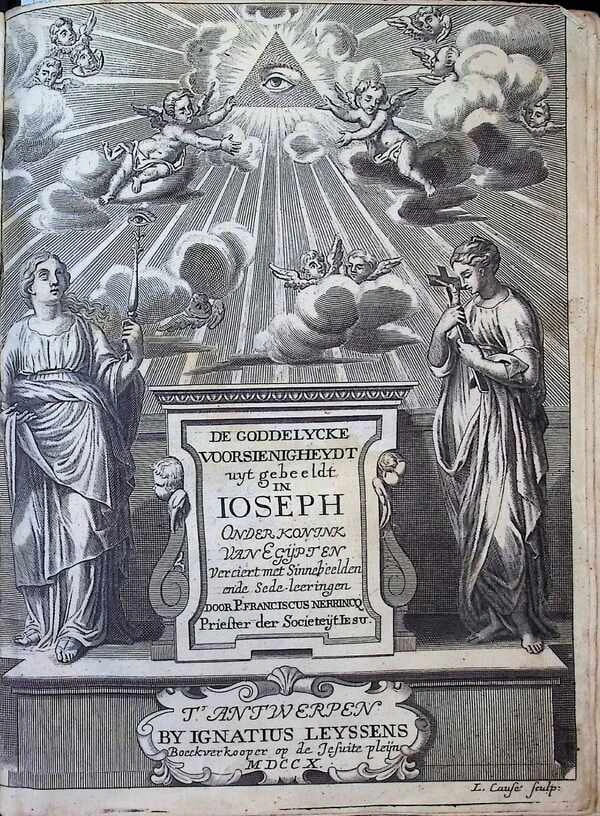
1710rif. 030884Antwerpen 1710 Ignatius Leyssens, borvck-vercooper op de Jesuite pleijn in S. Joseph Full-Leather 1st Edition
rif. 941495Edwin Tross Paris 1856 In-8 ( 220 X 145 mm ) de 48 feuillets non chiffrés, demi-maroquin tabac, dos à nerfs orné de filets et fleurons dorés, tête dorée. Très belle impression de Firmin Didot sur papier vergé. Texte encadré des gravures sur bois reproduisant les dessins d'HOLBEIN ayant pour thème la danse macabre. Très bel exemplaire agréablement relié.
rif. 98895Paris, Imprimerie Nationale, 1875, complet en 3 volumes (2 volumes + 1 atlas), in-folio de 350x250 mm environ, tome I. xxv-348 pages, avec 14 chromolithographies et 23 héliogravures - tome II. xvii-404 pages, avec 11 planches or et couleurs et 14 planches en noir, atlas de 40 planches reprenant certaines planches contenues dans les tomes I et II, cartonnage vert menthe de l'éditeur pour les deux volumes, atlas relié en demi-maroquin chocolat. 62 planches au total + 40 planches de l'atlas + de nombreuses figures dans le texte. Cartonnages état moyen ( mais structure solide), frottement sur le cuir de l'atlas, quelques rousseurs légères.
rif. 100918Lyon, Mathieu Chavance, de l'Imprimerie de Marcellin Sibert, 1717, 1 volume in-12 de 165x95 mm environ, 1feuillet blanc, 4 ff. (titre en rouge et noir, epistre, poëme allegorique), 407 pages, 1 feuillet blanc, pleine basane fauve, dos à nerfs portant titres dorés, orné de caissons dorés, tranches mouchetées de bleu. Contient 100 emblèmes en taille-douce, des bandeaux et culs-de-lampes. Des erreurs de pagination (des feuillets inversés p. 9 à 29, et p. 216 la numérotation repart à 207), sans manque de page, coiffes ébréchées, trou et galerie de ver sur le haut du dos, coins émoussés, cuir épidermé et rayé, quelques petites taches d'encre sur quelques pages.
rif. 110075A Rennes, chez Nicolas Devaux, sans date, 2 textes reliés ensemble en 1 volume in-12 de : 1. 74 pages (pages découpées et collées sur des feuillets bleus - manque la page 39), pour le premier texte, - 2. Second texte : se vend à Paris, chez N.J.B. P. Poilly, 1 page de titre gravée et 59 emblèmes à pleine page légendés en latin avec quatrain explicatif en français, dans une reliure plein veau marbré fauve, dos lisse portant titres dorés sur pièce ce titre bordeaux, orné de caissons à motifs dorés, gardes marbrées, tranches rouges. Cuir abimé sur le dos, coins émoussés, mors fragiles et en partie fendus, mouillure dans la marge interne sur le second texte.