2 207 résultats
1869réf. 39448Boston: Bradlee Whidden 1869. Folio. 23 3/8 x 18 1/8 inches. 15 chromolithographic plates after Frederic Remington A. B. Frost Fred. S. Cozzens R. F. Zogbaum Henry Sandham and others. 32 ff. letterpress. Expertly bound to style in full dark purple straight grained morocco. A rare large-format work on sport in late 19th-century America including Frederic Remington's first two published prints in color a rare A. B. Frost image of deer-hunting and images from Fred. S. Cozzens and other top illustrators of the day in a very fine full morocco binding. The present work includes six angling plates three of fly-fishing four plates of game-bird hunting and five of hunting larger game. Each of the fifteen subjects is first described in general terms on a single leaf of text followed by a second leaf giving a first-hand account of catching or shooting the subject followed by a chromolithograph illustrating the first-hand account. According to Gould's preface the plates are all from water-colours especially commissioned for the work which were subjected to the critical scrutiny of a group of anglers/sportsmen who judged them for technical accuracy. The plates are as follows: 1. Killing the Salmon. Henry Sandham. 2. A Moose hunt. Henry Sandham. 3. Trout fishing. Henry Sandham. 4. Fly-fishing for Black Bass. S. F. Denton. 5. Hunting Antelope i.e. Prong-horn. Frederic Remington. 6. Catching a Tarpon. Fred. S. Cozzens. 7. Mallard shooting. S. F. Denton. 8. Catching a Mascalonge. Frank H. Taylor. 9. A Wild Turkey hunt. R. J. Zogbaum. 10. Sailing for Bluefish. Fred S. Cozzens. 11. Hunting the Virginia Deer. A. B. Frost. 12. A day with the Prairie Chickens. R. F. Zogbaum. 13. A hunt above the timber-line Big-horn. Edward Knobel. 14. Canada Goose shooting. Frederic Remington. 15. Stalking the Wapiti. Henry Sandham. The two plates by Frederic Remington Hunting Antelope Hassrick & Webster 434 and Goose Shooting Hassrick & Webster 435 are also listed by Peggy and Harold Samuels Remington: The Complete Prints New York 1990 pp.152-3 with the comment that they are the first and second Remington prints to appear in color. They were preceded only by a series of four monochrome photogravures for John Muir's Picturesque California 1888 and two other individual prints both black and white. Arthur Burdett Frost is now perhaps best known for his sporting pictures and prints but an aversion to deer-hunting meant that he rarely pictured shooting scenes that featured anything other than small game. His image Hunting the Deer is recorded and illustrated in Henry M. Reed's The A. B. Frost Book Charleston 1993 pp.101 104-5 but the author was apparently unaware that it was issued as part of the present work which is not included in the extensive appendix of books illustrated by Frost. Phillips p. 141; Wetzel p. 146; Sherwin sale 1946 lot 238; Bruns G120; Heller 1:502; Bennett p.48; Tyler Prints of the West pp.127 & 174. Bradlee Whidden unknown
1869réf. 35984Boston: Bradlee Whidden 1869. Folio. 15 chromolithographic plates after Frederic Remington A.B. Frost Fred Cozzens R.F. Zogbaum Henry Sandham and others. 32 ff. letterpress. Expertly bound to style in full dark purple straight grained morocco. A rare large-format work on sport in late 19th-century America including Frederic Remington's first two published prints in color a rare A.B.Frost image of deer-hunting and images from Fred. S.Cozzens and other top illustrators of the day. The present work includes six angling plates three of fly-fishing four plates of game-bird hunting and five of hunting larger game. Each of the fifteen subjects is first described in general terms on a single leaf of text followed by a second leaf giving a first-hand account of catching or shooting the subject followed by a chromolithograph illustrating the first-hand account. According to Gould's preface the plates are all from water-colours especially commissioned for the work which were subjected to the critical scrutiny of a group of anglers/sportsmen who judged them for technical accuracy. The plates are as follows: 1. Killing the Salmon. Henry Sandham. 2. A Moose hunt. Henry Sandham. 3. Trout fishing. Henry Sandham. 4. Fly-fishing for Black Bass. S.F. Denton. 5. Hunting Antelope i.e. Prong-horn. Frederic Remington. 6. Catching a Tarpon. Fred. S. Cozzens. 7. Mallard shooting. S.F. Denton. 8. Catching a Mascalonge. Frank H. Taylor. 9. A Wild Turkey hunt. R.J. Zogbaum. 10. Sailing for Bluefish. Fred S.Cozzens. 11. Hunting the Virginia Deer. A.B. Frost. 12. A day with the Prairie Chickens. R.F. Zogbaum. 13. A hunt above the timber-line Big-horn. Edward Knobel. 14. Canada Goose shooting. Frederic Remington. 15. Stalking the Wapiti. Henry Sandham. The two plates by Frederic Remington Hunting Antelope Hassrick & Webster 434 and Goose Shooting Hassrick & Webster 435 are also listed by Peggy and Harold Samuels Remington The Complete Prints New York 1990 pp.152-3 with the comment that they are the first and second Remington prints to appear in color. They were preceded only by a series of four monochrome photogravures for John Muir's Picturesque California 1888 and two other individual prints both black and white. Arthur Burdett Frost is now perhaps best known for his sporting pictures and prints but an aversion to deer-hunting meant that he rarely pictured shooting scenes that featured anything other than small game. His image Hunting the Deer is recorded and illustrated in Henry M.Reed's The A.B.Frost Book Charleston 1993 pp.101 104-5 but the author was apparently unaware that it was issued as part of the present work which is not included in the extensive appendix of books illustrated by Frost. Phillips p. 141; Wetzel p. 146; Sherwin sale 1946 lot 238; Bruns G120; Heller 1:502; Bennett p.48; Tyler Prints of the West pp.127 & 174; not in Reese Stamped with a National Character. Bradlee Whidden unknown
réf. 6215Nouvelle société d’édition, scènes éparses, Paris, 1945. In/4, broché couverture rempliée mauve avec vignette contrecollée, sous chemise et étui, illustrations in-texte en couleur de Guy Arnoux, 243 pages. Dos et étui insolé ; exemplaire non coupé, numéroté sur papier de chiffon.
1945Nouvelle société d’édition, scènes éparses, Paris, 1945. In/8 carré, broché couverture rempliée mauve avec vignette contrecollée, sous chemise et étui, illustrations in-texte en couleur de Guy Arnoux, 243 p. Dos et étui insolé ; exemplaire non coupé, numéroté sur papier de chiffon. Monod 905.
1930Editions Gautier Languereau, Paris, 1930. In-4 (32 x 22 cm) broché, couverture illustrée en couleurs, illustrations de Henry Morin, 15 p. Quelques traces de doigts en base de certains feuillets.
1924Editions du Pigeonnier, 1924. In/12 broché, couverture illustrée d’une vignette, illustrations : frontispice par M. Lenoir, deux illustrations hors-texte, culs de lampes et bandeaux par Mme R. Riquier, 83 p. Tiré à 335 exemplaires. Un des 30 exemplaires numéroté sur grand vergé d’Arches, avec une suite de trois bois dessinés par Madame René Riquier gravé par Mademoiselle A. Maquard. Non coupé. Petites rousseurs sur la couverture.
1883Paris, L. Conquet, 1883. In/8 reliure signée MARIUS Michel en plein maroquin havane, dos à nerfs à fleurons et titre dorés, plat à décor fleuri or et deux couleurs,dentelle intérieure, doré trois tranches, illustrations très nombreuses : 78 tirées en double dont 12 à l’eau-forte et vignettes gravées sur bois en noir, hormis la page de titre en noir et en couleur. Ouvrage tiré à 500 exemplaires ; celui-ci étant un des 150 sur grand papier du Japon. Petite fragilité au niveau du mors supérieur sur 2 cm ; 2 coins supérieurs légèrement usés ; taches sur le plat supérieur. Hector Giacomelli, né à Paris en 1822 et mort à Menton en 1904, aquarelliste, graveur et illustrateur français, connu surtout pour ses peintures d'oiseaux. La reliure, d’un travail très soigné, est très représentative du travail de Michel Marius, avec Les décors floraux délicats qui on fait sa renommée, créant pour chaque livre un nouveau décor , particulièrement adapté pour le présent ouvrage. Monod 10648.
réf. 7066composition inédite de d’Ostoya.Estampes d’une série qui paraîtra pendant la guerre,A.Lasnier éditeur 156 faubourg Saint Martin Paris.De la collection Bernard FRANCK format 445x275mm. N°1 La garde meurt et moi je me rends à Berlin n°2 La navette n°3 La navette, n°4 il l’a échappé belle.Signature dans l'estampe.Timbre de la Collection Bernard-Franck.(Vente de mars 1935 hôtel Drouot).Très bon état Baron Georges D’OSTOYA SOCHINSKY Pologne 1878-Paris 1937(?).s’installe à Paris après un passage à la légion étrangère à 16 ans. Dessinateur, peintre, illustrateur, participe, pratiquement, à tous les journaux illustrés de l’époque . Chaque estampe
1929réf. 15918New-York Robert M. McBride & Company 1929 A comedy of Fig-leaves, illustrated by Frank C. PAPE. New-York, Robert M. McBride & Company, 1929, in-8, percaline noire éditeur estampée dorée, jacquette dorée et noire, tête rougie, 376 pp., 2 ff.
1945Editions littéraires de France, 1945. In/4 broché sous étui cartonné, couverture illustrée d’une vignette, rempliée, illustrations (bois) in-texte de Lucien Boucher, 122 p. Exemplaire numéroté sur velin de Rives, non coupé en excellent état (défauts à l’étui). Tristan Bernard, de son vrai nom Paul Bernard, né à Besançon le 7 septembre 1866 et mort à Paris le 7 décembre 1947, inhumé au cimetière de Passy, romancier et auteur dramatique français. Il est célèbre pour ses mots d'esprit. Il aurait inventé le jeu des petits chevaux. Lucien Boucher dessinateur, graveur, affichiste et illustrateur français né à Chartres en 1889 et mort en 1971. Diplômé de l’École de céramique de Sèvres, il commence sa carrière en tant que caricaturiste pour l'hebdomadaire humoristique Le Rire et contribue également à quelques numéros de Fantasio. Il se consacre principalement à partir des années 1920 à la création d'affiches pour le cinéma et la publicité et réalise de nombreuses lithographies inspirées du surréalisme. Il est connu principalement pour une série d'affiches publicitaires et de planisphères réalisés pour Air France.
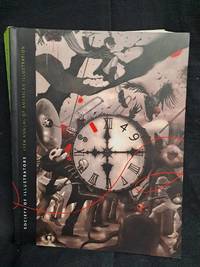
1939réf. 179237New York: Society of Illustrators 1939. Softcover. VG- general wear around wrap and spine edges. Red and B&W illustrated wraps. Profusely illustrated in B&W. Unpaginated. Includes list of pictures for sale. Published to accompany an exhibition which took place April 13-May 6 1939 Grand Central Fifth Avenue Galleries Fifth Avenue at 51st Street New York. Society of Illustrators paperback books
réf. 475401Collins Design. Paperback. Fair. This is a collection of contemporary illustrations selected by the oldest and most prestigious jury from the Society of Illustrators. The winners are catagorized under editorial book advertising and institution. Collins Design paperback
2016réf. 1852806229Society of Illustrators 2016. Paperback. Good. Former library book; Pages can have notes/highlighting. Spine may show signs of wear. ~ ThriftBooks: Read More Spend Less.Ex-Library copy with typical library marks and stamps. Shelf and handling wear to cover and binding with general signs of previous use. Covers show shelf wear and creasing. Sticker residue on bottom of spine strip. Binding is sound; no writing or other markings. Secure packaging for safe delivery.Dust jacket quality is not guaranteed. Society of Illustrators paperback
réf. Z1-Q-003-03172Collins Design / Society of Illustrators. Used - Good. Ships from UK in 48 hours or less usually same day. Your purchase helps support Sri Lankan Children's Charity 'The Rainbow Centre'. Ex-library so some stamps and wear but in good overall condition. 100% money back guarantee. We are a world class secondhand bookstore based in Hertfordshire United Kingdom and specialize in high quality textbooks across an enormous variety of subjects. We aim to provide a vast range of textbooks rare and collectible books at a great price. Our donations to The Rainbow Centre have helped provide an education and a safe haven to hundreds of children who live in appalling conditions. We provide a 100% money back guarantee and are dedicated to providing our customers with the highest standards of service in the bookselling industry. Collins Design / Society of Illustrators unknown
1986réf. Q-0942604091Robert Silver Assoc 1986. Hardcover. New. In shrink wrap. Looks like an interesting title! Robert Silver Assoc hardcover
2012réf. 56770Society of Illustrators and Collins Design Harper Design 2012. A very light dampstain to fore-edges of first few pages else fine. Soft. Near fine. 4to. Society of Illustrators and Collins Design Harper Design Paperback
réf. GOR006555669Paperback. Very Good. paperback
1935réf. 277439Budapest: George Vajna 1935. Limited. hardcover. near fine. Translated by Frances Shires. Ten original colored etchings by Lidia Farkas and Zoltan Poharnok. Thin 8vo unpaged bound in linen with an embroidered decoration. Budapest: Dr. George Vajna & Co. n.d. ca.1935. Limited Edition. Number 103 of 250 copies signed by both artists. The etchings are printed by hand-press and are hand-colored. Small damp-stain on the upper corner of the binding otherwise a fine copy of this exquisite and quite rare book printed in Hungary. George Vajna unknown books
1935réf. 277439Budapest: George Vajna 1935. Limited. hardcover. near fine. Translated by Frances Shires. Ten original colored etchings by Lidia Farkas and Zoltan Poharnok. Thin 8vo unpaged bound in linen with an embroidered decoration. Budapest: Dr. George Vajna & Co. n.d. ca.1935. Limited Edition. Number 103 of 250 copies signed by both artists. The etchings are printed by hand-press and are hand-colored. Small damp-stain on the upper corner of the binding otherwise a fine copy of this exquisite and quite rare book printed in Hungary. George Vajna unknown
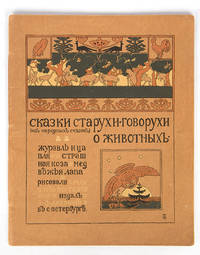
réf. 118767St Petersburg A. F. Devrien 1907. . First edition 4to 27 x 21.3 cm; illustrations throughout in colour; original printed wrappers upper cover faded else a very good copy. Wonderfully illustrated fairy tales designed in the Russian Art Nouveau style. This edition includes three fairytales: Medvezh'ia Lapa The Bear's Paw Strashnaia Koza The Scary and Goat and Zhuravl' i Tsaplia The Frog and the Heron. St Petersburg, A. F. Devrien, 1907. unknown
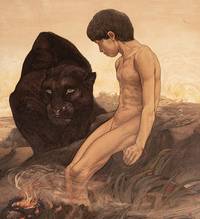
réf. 06188London: Macmillan & Co. Limited 1903. Beauty That Hath Terror in It" The Detmold Brothers' Sublime and Unsettling Vision of The Jungle Book The Magnificent Original 1903 Folio Portfolio with Sixteen Superb Color Plates KIPLING Rudyard. DETMOLD Maurice & Edward J. illustrators. Sixteen Illustrations of Subjects from Kipling's "Jungle Book" by Messrs. Maurice & Edward Detmold. London: Macmillan & Co. Limited 1903. First edition. Reportedly limited to 500 copies for England and America. Folio 21 3/8 x 15 1/2 inches; 543 x 394 mm. Title-page contents leaf and sixteen magnificent color plates tipped onto white boards within gray window mounts each accompanied by a protective cover sheet bearing the title and a short extract from Kipling's text. Title-page and list of illustrations expertly repaired at folds; second plate description with short marginal tear; some light foxing to text leaves and mounts only. The plates themselves are remarkably clean fresh and beautifully preserved. Original publisher's green cloth portfolio front cover decoratively stamped and lettered in gilt retaining one of the two original green silk ties. An excellent example of one of the most magnificent and celebrated achievements of Edwardian book illustration exceptionally scarce complete with all sixteen plates. Published in 1903 when the extraordinary twin brothers Maurice and Edward Julius Detmold were just twenty years old this monumental portfolio represents the culmination of their artistic collaboration and one of the finest visual interpretations of Rudyard Kipling's The Jungle Book ever produced. The sixteen superb compositions reveal an astonishing maturity of conception and execution. Combining meticulous natural history observation with an intensely personal decorative imagination the Detmolds created a world at once beautiful mysterious and faintly menacing in which the distinction between the natural and the supernatural seems perpetually uncertain. Animals are rendered with extraordinary anatomical precision their musculature fur scales and movement observed with almost scientific exactitude. Yet these are far more than zoological studies. Wolves possess an almost monumental dignity; panthers move with a sinister effortless grace; serpents coil with hypnotic inevitability; and the great tiger Shere Khan emerges as an embodiment of majestic and terrifying power. The brothers' remarkable understanding of animal character is matched by their sensitivity to atmosphere and composition. Their creatures appear not merely as participants in Kipling's narratives but as independent beings endowed with intelligence memory and an almost human consciousness. Particularly striking are the representations of Mowgli whose slender youthful figure is repeatedly contrasted with the formidable creatures surrounding him. His vulnerability is balanced by a quiet assurance suggesting his extraordinary position between the human and animal worlds. The Detmolds avoid the sentimentality often associated with illustrations of childhood instead emphasizing Mowgli's intimate identification with the jungle and its inhabitants. In the celebrated scenes depicting Bagheera Baloo Akela and the Monkey People the artists achieve an extraordinary balance between narrative drama and decorative design. The Monkey People particularly in their ruined architectural surroundings are among the most unsettling creations in the series their restless gestures and grotesque attitudes suggesting a strange parody of human society. Equally remarkable is the brothers' use of color. Their sumptuous yet carefully controlled palette of burnished browns smoky grays subdued greens and golden ochres lends the compositions an almost dreamlike quality. Subtle gradations of tone together with intricate patterns of foliage fur and stone produce a richness and unity of design seldom equaled in contemporary illustration. The original large-format plates possess a depth delicacy and painterly quality that cannot be fully appreciated in the considerably reduced reproductions of the later book edition of 1908. Presented individually within their original window mounts they have the presence and visual authority of original watercolors. Indeed so successful were these images as independent works of art that many portfolios were subsequently broken up their individual plates removed for framing. The survival of a complete portfolio particularly one retaining its original publisher's cloth case and with the plates in such fresh condition is consequently especially desirable. The contemporary critical reception was enthusiastic. Reviewing the London exhibition of the original paintings the Manchester Guardian of November 5 1903 declared that the brothers: "are able to prevent their work from ever sinking to the level of mere illustration". The reviewer particularly admired the depiction of the Monkey People in the Cold Lairs describing it as: "full of character subtle observation and invention". Of the representation of Bagheera in Mowgli and the Red Flower the reviewer memorably observed that it possessed: "something of that beauty which hath terror in it". The same review praised the convincing and engaging portrayals of Baloo Nag Kaa and Akela recognizing in the Detmolds' work an extraordinary fusion of imaginative invention and naturalistic observation. A report published in the New York Times on December 5 1903 stated that the edition was strictly limited to 500 copies for England and America emphasizing the exclusivity of this magnificent production from the outset. The portfolio is particularly significant in the history of the Detmold brothers' careers. Born in 1883 Maurice and Edward developed their exceptional artistic talents together displaying an early and remarkable aptitude for the representation of birds animals and the natural world. Their close collaboration produced some of the most distinctive illustrated publications of the opening years of the twentieth century. Tragically Maurice took his own life in 1908 bringing their artistic partnership to a premature end. Edward continued to enjoy a distinguished career as an illustrator but the works produced jointly by the brothers retain a unique place in the history of British illustration. As Richard Dalby observed the paintings were admired for their realistic detail and decorative arrangement while Diana Johnson identified the extraordinary tension between their scientific naturalism and ornamental imagination a combination capable of producing images both fanciful and profoundly disturbing. A masterpiece of the Golden Age of Illustration this spectacular portfolio stands among the finest achievements of the Detmold brothers and one of the most beautiful and psychologically compelling interpretations of Kipling's immortal jungle stories. Complete examples of the original 1903 folio portfolio are increasingly difficult to obtain and the present copy with all sixteen plates clean and fresh and preserved in its original gilt-decorated publisher's portfolio is an especially attractive survival. London: Macmillan & Co., Limited, 1903 unknown books
réf. 06188London: Macmillan & Co. Limited 1903. Beauty That Hath Terror in It" The Detmold Brothers' Sublime and Unsettling Vision of The Jungle Book The Magnificent Original 1903 Folio Portfolio with Sixteen Superb Color Plates KIPLING Rudyard. DETMOLD Maurice & Edward J. illustrators. Sixteen Illustrations of Subjects from Kipling's "Jungle Book" by Messrs. Maurice & Edward Detmold. London: Macmillan & Co. Limited 1903. First edition. Reportedly limited to 500 copies for England and America. Folio 21 3/8 x 15 1/2 inches; 543 x 394 mm. Title-page contents leaf and sixteen magnificent color plates tipped onto white boards within gray window mounts each accompanied by a protective cover sheet bearing the title and a short extract from Kipling's text. Title-page and list of illustrations expertly repaired at folds; second plate description with short marginal tear; some light foxing to text leaves and mounts only. The plates themselves are remarkably clean fresh and beautifully preserved. Original publisher's green cloth portfolio front cover decoratively stamped and lettered in gilt retaining one of the two original green silk ties. An excellent example of one of the most magnificent and celebrated achievements of Edwardian book illustration exceptionally scarce complete with all sixteen plates. Published in 1903 when the extraordinary twin brothers Maurice and Edward Julius Detmold were just twenty years old this monumental portfolio represents the culmination of their artistic collaboration and one of the finest visual interpretations of Rudyard Kipling's The Jungle Book ever produced. The sixteen superb compositions reveal an astonishing maturity of conception and execution. Combining meticulous natural history observation with an intensely personal decorative imagination the Detmolds created a world at once beautiful mysterious and faintly menacing in which the distinction between the natural and the supernatural seems perpetually uncertain. Animals are rendered with extraordinary anatomical precision their musculature fur scales and movement observed with almost scientific exactitude. Yet these are far more than zoological studies. Wolves possess an almost monumental dignity; panthers move with a sinister effortless grace; serpents coil with hypnotic inevitability; and the great tiger Shere Khan emerges as an embodiment of majestic and terrifying power. The brothers' remarkable understanding of animal character is matched by their sensitivity to atmosphere and composition. Their creatures appear not merely as participants in Kipling's narratives but as independent beings endowed with intelligence memory and an almost human consciousness. Particularly striking are the representations of Mowgli whose slender youthful figure is repeatedly contrasted with the formidable creatures surrounding him. His vulnerability is balanced by a quiet assurance suggesting his extraordinary position between the human and animal worlds. The Detmolds avoid the sentimentality often associated with illustrations of childhood instead emphasizing Mowgli's intimate identification with the jungle and its inhabitants. In the celebrated scenes depicting Bagheera Baloo Akela and the Monkey People the artists achieve an extraordinary balance between narrative drama and decorative design. The Monkey People particularly in their ruined architectural surroundings are among the most unsettling creations in the series their restless gestures and grotesque attitudes suggesting a strange parody of human society. Equally remarkable is the brothers' use of color. Their sumptuous yet carefully controlled palette of burnished browns smoky grays subdued greens and golden ochres lends the compositions an almost dreamlike quality. Subtle gradations of tone together with intricate patterns of foliage fur and stone produce a richness and unity of design seldom equaled in contemporary illustration. The original large-format plates possess a depth delicacy and painterly quality that cannot be fully appreciated in the considerably reduced reproductions of the later book edition of 1908. Presented individually within their original window mounts they have the presence and visual authority of original watercolors. Indeed so successful were these images as independent works of art that many portfolios were subsequently broken up their individual plates removed for framing. The survival of a complete portfolio particularly one retaining its original publisher's cloth case and with the plates in such fresh condition is consequently especially desirable. The contemporary critical reception was enthusiastic. Reviewing the London exhibition of the original paintings the Manchester Guardian of November 5 1903 declared that the brothers: "are able to prevent their work from ever sinking to the level of mere illustration". The reviewer particularly admired the depiction of the Monkey People in the Cold Lairs describing it as: "full of character subtle observation and invention". Of the representation of Bagheera in Mowgli and the Red Flower the reviewer memorably observed that it possessed: "something of that beauty which hath terror in it". The same review praised the convincing and engaging portrayals of Baloo Nag Kaa and Akela recognizing in the Detmolds' work an extraordinary fusion of imaginative invention and naturalistic observation. A report published in the New York Times on December 5 1903 stated that the edition was strictly limited to 500 copies for England and America emphasizing the exclusivity of this magnificent production from the outset. The portfolio is particularly significant in the history of the Detmold brothers' careers. Born in 1883 Maurice and Edward developed their exceptional artistic talents together displaying an early and remarkable aptitude for the representation of birds animals and the natural world. Their close collaboration produced some of the most distinctive illustrated publications of the opening years of the twentieth century. Tragically Maurice took his own life in 1908 bringing their artistic partnership to a premature end. Edward continued to enjoy a distinguished career as an illustrator but the works produced jointly by the brothers retain a unique place in the history of British illustration. As Richard Dalby observed the paintings were admired for their realistic detail and decorative arrangement while Diana Johnson identified the extraordinary tension between their scientific naturalism and ornamental imagination a combination capable of producing images both fanciful and profoundly disturbing. A masterpiece of the Golden Age of Illustration this spectacular portfolio stands among the finest achievements of the Detmold brothers and one of the most beautiful and psychologically compelling interpretations of Kipling's immortal jungle stories. Complete examples of the original 1903 folio portfolio are increasingly difficult to obtain and the present copy with all sixteen plates clean and fresh and preserved in its original gilt-decorated publisher's portfolio is an especially attractive survival. London: Macmillan & Co., Limited, 1903 unknown
réf. 9954reliure éditeur - 14x20.5 - 155 pp - 1981 - IDEAL BIBLIOTHEQUE - éditions HACHETTE - ilustrations de PAUL DURAND
réf. 9953reliure éditeur - 14x20.5 - 155 pp - 1981 - IDEAL BIBLIOTHEQUE - éditions HACHETTE - ilustrations de PAUL DURAND
1945Duc Dèje, Paris, s.d. (vers 1945). In/4 reliure éditeur demi-toile, cartonnage éditeur illustré, 24 p. en couleurs. Petites usures sur les coins et bords des plats, traces de manipulations sur les bords inférieurs des feuillets. André Galland né en 1886 et mort en 1965. Dès 1904, il illustre des livres pour la jeunesse, notamment pour les éditions Offenstadt. Avant 1914, il réalise des fascicules de romans populaires et des illustrations, grâce à Charles Clérice qui ayant besoin d’un aide le prend à ses côtés. Il succède à René Giffey pour la bande dessinée L’espiègle Lili dans la revue Fillette, en 1916. Il participera à la création des personnages Ninette et Clolo, avec Joseph Valle. Il contribue également à deux autres revues pour enfants, L'Épatant et L'Intrépide. Lorsque les progrès de la photographie retirèrent aux dessinateurs-reporters leur gagne-pain, il resta l'un des derniers à concurrencer victorieusement l'appareil, notamment dans les colonnes de L'Illustration. Après la guerre il conserva, par goût plus que par nécessité, le reportage judiciaire. Il se passionnait pour les grands procès et crayonna des centaines de croquis d'audience. Certains de ces "clichés" passaient à la une du Parisien. Il travailla aussi pour d'autres journaux, comme illustrateur ou dessinateur, tels que Le Dimanche Illustré, Les Belles Images, Le Petit Journal, Le Journal, Le Matin ou encore Le Charivari.