Gustave DORE - Heliodore PISANBiblio.com

1863réf. 47283Paris: Hetzel 1863. Fine. Hetzel Paris 1863 21 x 43 cm une feuille First edition. Wood engraving signed in the plate by the artist. Some pale spotting in the margin of the plate. Plate created specifically for the illustration of Don Quixote by Cervantes for the Hachette edition of 1863. Gustave Doré first traveled to Spain in 1855 in the company of Théophile Gautier and publisher Paul Dalloz. In 1861 responding to a commission from the journal Le Tour du monde he returned there with Baron Jean Charles Davillier a knowledgeable Hispanophile who would recount their journey in his Voyage en Espagne. Doré went there primarily with a view to illustrating Don Quixote: ""Je me rends donc dans la patrie de cet illustre hidalgo pour étudier tous les lieux qu'il a parcourus et remplis de ses exploits et faire ainsi une chose qui aura son parfum local"" ""I am therefore going to the homeland of this illustrious hidalgo to study all the places he traveled through and filled with his exploits and thus create something that will have its local flavor"". Gustave Doré would thus conduct several working sessions with Louis Viardot translator of Cervantes' text. Cervantes' novel counts among the most illustrated stories in European literature but Doré wanted to surpass his predecessors Tony Johannot Grandville Daumier. When it appeared in 1863 the work would be the subject of unanimous praise notably from Émile Zola: ""On appelle ça illustrer un ouvrage : moi je prétends que c'est le refaire. Au lieu d'un chef-d'oeuvre l'esprit humain en compte deux"" ""They call that illustrating a work: I maintain that it is remaking it. Instead of one masterpiece the human spirit counts two"". See our other engravings by Gustave Doré Gustave Doré L'Imaginaire au pouvoir Musée d'Orsay 2014 Virtual exhibition on Gustave Doré on the Gallica website Hetzel unknown
1863réf. 47295Paris: Hetzel 1863. Fine. Hetzel Paris 1863 21 x 43 cm une feuille First edition. Wood engraving signed in the plate by the artist. Plate created specifically for the illustration of Cervantes' Don Quixote in the Hachette edition of 1863. Gustave Doré first travelled to Spain in 1855 in the company of Théophile Gautier and the publisher Paul Dalloz. In 1861 responding to a commission from the journal Le Tour du monde he returned there with Baron Jean Charles Davillier a learned hispanophile who would recount their journey in his Voyage en Espagne. Doré went there primarily with a view to illustrating Don Quixote: ""Je me rends donc dans la patrie de cet illustre hidalgo pour étudier tous les lieux qu'il a parcourus et remplis de ses exploits et faire ainsi une chose qui aura son parfum local"" ""I am therefore going to the homeland of this illustrious hidalgo to study all the places he traversed and filled with his exploits and thus create something that will have its local flavour"". Gustave Doré would thus undertake several working sessions with Louis Viardot translator of Cervantes' text. Cervantes' novel ranks among the most illustrated narratives in European literature but Doré wanted to surpass his predecessors Tony Johannot Grandville Daumier. Upon its publication in 1863 the work would receive unanimous praise notably from Emile Zola: ""On appelle ça illustrer un ouvrage : moi je prétends que c'est le refaire. Au lieu d'un chef-d'oeuvre l'esprit humain en compte deux"" ""They call that illustrating a work: I maintain that it is remaking it. Instead of one masterpiece the human spirit now counts two"". See our other engravings by Gustave Doré Gustave Doré L'Imaginaire au pouvoir Musée d'Orsay 2014 Virtual exhibition on Gustave Doré on the Gallica website Hetzel unknown
1863réf. 47307Paris: Hetzel 1863. Fine. Hetzel Paris 1863 21 x 43 cm une feuille First edition. Wood engraving signed in the plate by the artist. A long tear without loss to the left margin of the plate. Plate created specifically for the illustration of Cervantes' Don Quixote for the 1863 Hachette edition. Gustave Doré first traveled to Spain in 1855 accompanied by Théophile Gautier and publisher Paul Dalloz. In 1861 responding to a commission from the journal Le Tour du monde he returned there with Baron Jean Charles Davillier an informed hispanophile who would recount their journey in his Voyage en Espagne. Doré went there primarily with a view to illustrating Don Quixote: ""Je me rends donc dans la patrie de cet illustre hidalgo pour étudier tous les lieux qu'il a parcourus et remplis de ses exploits et faire ainsi une chose qui aura son parfum local"" ""I am therefore going to the homeland of this illustrious hidalgo to study all the places he traveled through and filled with his exploits and thus create something that will have its local flavor"". Gustave Doré would thus conduct several working sessions with Louis Viardot translator of Cervantes' text. Cervantes' novel is among the most illustrated narratives in European literature but Doré wanted to surpass his predecessors Tony Johannot Grandville Daumier. Upon its publication in 1863 the work would receive unanimous praise notably from Emile Zola: ""On appelle ça illustrer un ouvrage : moi je prétends que c'est le refaire. Au lieu d'un chef-d'oeuvre l'esprit humain en compte deux"" ""They call that illustrating a work: I maintain that it is remaking it. Instead of one masterpiece the human spirit now counts two"". See our other engravings by Gustave Doré Gustave Doré L'Imaginaire au pouvoir Musée d'Orsay 2014 Virtual exhibition on Gustave Doré on the Gallica website Hetzel unknown
1863réf. 47267Paris: Hetzel 1863. Fine. Hetzel Paris 1863 43 x 21 cm une feuille First edition. Wood engraving signed in the plate by the artist. Plate created specifically for the illustration of Cervantes' Don Quixote for the 1863 Hachette edition. Gustave Doré first traveled to Spain in 1855 in the company of Théophile Gautier and publisher Paul Dalloz. In 1861 responding to a commission from the journal Le Tour du monde he returned there with Baron Jean Charles Davillier a knowledgeable Hispanophile who would recount their journey in his Voyage en Espagne. Doré went there primarily with a view to illustrating Don Quixote: ""Je me rends donc dans la patrie de cet illustre hidalgo pour étudier tous les lieux qu'il a parcourus et remplis de ses exploits et faire ainsi une chose qui aura son parfum local"" ""I am therefore going to the homeland of this illustrious hidalgo to study all the places he has traveled through and filled with his exploits and thus create something that will have its local flavor"". Gustave Doré would thus conduct several working sessions with Louis Viardot translator of Cervantes' text. Cervantes' novel ranks among the most illustrated narratives in European literature but Doré wanted to surpass his predecessors Tony Johannot Grandville Daumier. Upon its publication in 1863 the work would be the subject of unanimous praise notably from Emile Zola: ""On appelle ça illustrer un ouvrage : moi je prétends que c'est le refaire. Au lieu d'un chef-d'oeuvre l'esprit humain en compte deux"" ""They call that illustrating a work: I claim that it's remaking it. Instead of one masterpiece the human spirit now counts two"". See our other engravings by Gustave Doré Gustave Doré L'Imaginaire au pouvoir Musée d'Orsay 2014 Virtual exhibition on Gustave Doré on the Gallica website Hetzel unknown
1863réf. 47262Paris: Hetzel 1863. Fine. Hetzel Paris 1863 31 x 43 cm une feuille First edition. Wood engraving signed in the plate by the artist. Plate specially created for the illustration of Cervantes' Don Quixote for the Hachette edition of 1863. Gustave Doré first traveled to Spain in 1855 in the company of Théophile Gautier and publisher Paul Dalloz. In 1861 responding to a commission from the journal Le Tour du monde he returned there with Baron Jean Charles Davillier a knowledgeable hispanophile who would recount their journey in his Voyage en Espagne. Doré went there primarily with a view to illustrating Don Quichotte: ""Je me rends donc dans la patrie de cet illustre hidalgo pour étudier tous les lieux qu'il a parcourus et remplis de ses exploits et faire ainsi une chose qui aura son parfum local"" ""I am therefore going to the homeland of this illustrious hidalgo to study all the places he traveled through and filled with his exploits and thus create something that will have its local flavor"". Gustave Doré would thus hold several working sessions with Louis Viardot translator of Cervantes' text. Cervantes' novel ranks among the most illustrated stories in European literature but Doré wanted to surpass his predecessors Tony Johannot Grandville Daumier. Upon its publication in 1863 the work would be the subject of unanimous praise notably from Emile Zola: ""On appelle ça illustrer un ouvrage : moi je prétends que c'est le refaire. Au lieu d'un chef-d'oeuvre l'esprit humain en compte deux"" ""They call that illustrating a work: I claim it's remaking it. Instead of one masterpiece the human mind now counts two"". See our other engravings by Gustave Doré Gustave Doré L'Imaginaire au pouvoir Musée d'Orsay 2014 Virtual exhibition on Gustave Doré on the Gallica website Hetzel unknown
1863réf. 47291Paris: Hetzel 1863. Fine. Hetzel Paris 1863 21 x 43 cm une feuille First edition. Wood engraving signed on the plate by the artist. Plate created specifically for the illustration of Cervantes' Don Quixote for the Hachette edition of 1863. Gustave Doré first traveled to Spain in 1855 accompanied by Théophile Gautier and publisher Paul Dalloz. In 1861 responding to a commission from the journal Le Tour du monde he returned there with Baron Jean Charles Davillier an avid hispanophile who would recount their journey in his Voyage en Espagne. Doré went there primarily for the illustration of Don Quixote: ""I am therefore going to the homeland of this illustrious hidalgo to study all the places he traveled through and filled with his exploits and thus create something that will have its local flavor"". Gustave Doré would thus conduct several working sessions with Louis Viardot translator of Cervantes' text. Cervantes' novel is among the most illustrated narratives in European literature but Doré wanted to surpass his predecessors Tony Johannot Grandville Daumier. Upon its publication in 1863 the work would receive unanimous praise notably from Emile Zola: ""They call that illustrating a work: I maintain that it's remaking it. Instead of one masterpiece the human spirit now counts two"". See our other engravings by Gustave Doré Gustave Doré L'Imaginaire au pouvoir Musée d'Orsay 2014 Virtual exhibition about Gustave Doré on the Gallica website Hetzel unknown
1863réf. 47282Paris: Hetzel 1863. Fine. Hetzel Paris 1863 43 x 21 cm une feuille First edition. Wood engraving signed in the plate by the artist. Pale foxing in the upper margin not affecting the engraving. Plate created specifically for the illustration of Don Quixote by Cervantes for the Hachette edition of 1863. Gustave Doré first traveled to Spain in 1855 in the company of Théophile Gautier and publisher Paul Dalloz. In 1861 responding to a commission from the journal Le Tour du monde he returned there with Baron Jean Charles Davillier a knowledgeable Hispanophile who would recount their journey in his Voyage en Espagne. Doré went there primarily with a view to illustrating Don Quixote: ""Je me rends donc dans la patrie de cet illustre hidalgo pour étudier tous les lieux qu'il a parcourus et remplis de ses exploits et faire ainsi une chose qui aura son parfum local"" ""I am therefore going to the homeland of this illustrious hidalgo to study all the places he traveled through and filled with his exploits and thus create something that will have its local flavor"". Gustave Doré would thus conduct several working sessions with Louis Viardot translator of Cervantes' text. Cervantes' novel counts among the most illustrated stories in European literature but Doré wanted to surpass his predecessors Tony Johannot Grandville Daumier. When it appeared in 1863 the work would be the subject of unanimous praise notably from Émile Zola: ""On appelle ça illustrer un ouvrage : moi je prétends que c'est le refaire. Au lieu d'un chef-d'oeuvre l'esprit humain en compte deux"" ""They call that illustrating a work: I maintain that it is remaking it. Instead of one masterpiece the human spirit counts two"". See our other engravings by Gustave Doré Gustave Doré L'Imaginaire au pouvoir Musée d'Orsay 2014 Virtual exhibition on Gustave Doré on the Gallica website Hetzel unknown
1863réf. 47292Paris: Hetzel 1863. Fine. Hetzel Paris 1863 21 x 43 cm une feuille First edition. Wood engraving signed in the plate by the artist. A small foxing spot in the upper margin not touching the engraving. Plate created specifically for the illustration of Cervantes' Don Quixote for the Hachette edition of 1863. Gustave Doré traveled to Spain first in 1855 in the company of Théophile Gautier and publisher Paul Dalloz. In 1861 responding to a commission from the journal Le Tour du monde he returned there with Baron Jean Charles Davillier a knowledgeable hispanophile who would recount their journey in his Voyage en Espagne. Doré went there mainly with a view to illustrating Don Quixote: ""I am therefore going to the homeland of this illustrious hidalgo to study all the places he traveled through and filled with his exploits and thus create something that will have its local flavor"". Gustave Doré would thus conduct several working sessions with Louis Viardot translator of Cervantes' text. Cervantes' novel is among the most illustrated narratives in European literature but Doré wanted to surpass his predecessors Tony Johannot Grandville Daumier. Upon its publication in 1863 the work would be the subject of unanimous praise notably from Émile Zola: ""They call that illustrating a work: I maintain that it's remaking it. Instead of one masterpiece the human spirit counts two"". See our other engravings by Gustave Doré Gustave Doré L'Imaginaire au pouvoir Musée d'Orsay 2014 Virtual exhibition about Gustave Doré on the Gallica website Hetzel unknown
1863réf. 47264Paris: Hetzel 1863. Fine. Hetzel Paris 1863 31 x 43 cm une feuille First edition. Wood engraving signed in the plate by the artist. Plate created specifically for the illustration of Cervantes' Don Quixote for the 1863 Hachette edition. Gustave Doré first traveled to Spain in 1855 in the company of Théophile Gautier and publisher Paul Dalloz. In 1861 responding to a commission from the journal Le Tour du monde he returned there with Baron Jean Charles Davillier an avid hispanophile who would recount their journey in his Voyage en Espagne. Doré went there primarily with a view to illustrating Don Quixote: ""Je me rends donc dans la patrie de cet illustre hidalgo pour étudier tous les lieux qu'il a parcourus et remplis de ses exploits et faire ainsi une chose qui aura son parfum local"" ""I am therefore going to the homeland of this illustrious hidalgo to study all the places he traveled through and filled with his exploits and thus create something that will have its local flavor"". Gustave Doré would thus hold several working sessions with Louis Viardot translator of Cervantes' text. Cervantes' novel is among the most illustrated stories in European literature but Doré wanted to surpass his predecessors Tony Johannot Grandville Daumier. Upon its publication in 1863 the work would be the object of unanimous praise notably from Emile Zola: ""On appelle ça illustrer un ouvrage : moi je prétends que c'est le refaire. Au lieu d'un chef-d'oeuvre l'esprit humain en compte deux"" ""They call that illustrating a work: I maintain that it's remaking it. Instead of one masterpiece the human spirit now counts two"". See our other engravings by Gustave Doré Gustave Doré L'Imaginaire au pouvoir Musée d'Orsay 2014 Virtual exhibition on Gustave Doré on the Gallica website Hetzel unknown
1863réf. 47274Paris: Hetzel 1863. Fine. Hetzel Paris 1863 21 x 43 cm une feuille First edition. Wood engraving signed in the plate by the artist. Light foxing to lower right margin not touching the plate. Plate created specifically for the illustration of Cervantes' Don Quixote for the Hachette edition of 1863. Gustave Doré first travelled to Spain in 1855 accompanied by Théophile Gautier and the publisher Paul Dalloz. In 1861 fulfilling a commission from the journal Le Tour du monde he returned there with Baron Jean Charles Davillier an experienced hispanophile who would recount their journey in his Voyage en Espagne. Doré went there primarily with a view to illustrating Don Quixote: ""I am therefore going to the homeland of this illustrious hidalgo to study all the places he travelled through and filled with his exploits and thus create something which will have its local flavour"". Gustave Doré would thus hold several working sessions with Louis Viardot translator of Cervantes' text. Cervantes' novel is among the most illustrated stories in European literature but Doré wanted to surpass his predecessors Tony Johannot Grandville Daumier. When it appeared in 1863 the work was the subject of unanimous praise notably from Emile Zola: ""They call that illustrating a work: I maintain that it's remaking it. Instead of one masterpiece the human spirit now counts two"". See our other engravings by Gustave Doré Gustave Doré L'Imaginaire au pouvoir Musée d'Orsay 2014 Virtual exhibition on Gustave Doré on the Gallica website Hetzel unknown
1863réf. 47309Paris: Hetzel 1863. Fine. Hetzel Paris 1863 21 x 43 cm une feuille First edition. Wood engraving signed in the plate by the artist. Some light foxing. Plate specially created for the illustration of Cervantes' Don Quixote for the Hachette edition of 1863. Gustave Doré first traveled to Spain in 1855 in the company of Théophile Gautier and publisher Paul Dalloz. In 1861 responding to a commission from the journal Le Tour du monde he returned there with Baron Jean Charles Davillier a knowledgeable hispanophile who would recount their journey in his Voyage en Espagne. Doré went there primarily with a view to illustrating Don Quixote: ""I am therefore going to the homeland of this illustrious hidalgo to study all the places he traveled through and filled with his exploits and thus create something that will have its local flavor"". Gustave Doré would thus conduct several work sessions with Louis Viardot translator of Cervantes' text. Cervantes' novel ranks among the most illustrated narratives in European literature but Doré wanted to surpass his predecessors Tony Johannot Grandville Daumier. When it was published in 1863 the work would be the object of unanimous praise notably from Emile Zola: ""They call that illustrating a work: I maintain that it's recreating it. Instead of one masterpiece the human spirit now counts two"". See our other engravings by Gustave Doré Gustave Doré L'Imaginaire au pouvoir Musée d'Orsay 2014 Virtual exhibition on Gustave Doré on the Gallica website Hetzel unknown
1863réf. 47278Paris: Hetzel 1863. Fine. Hetzel Paris 1863 43 x 21 cm une feuille First edition. Wood engraving signed on the plate by the artist. Light foxing not affecting the engraving. Plate created specifically for the illustration of Cervantes' Don Quixote in the Hachette edition of 1863. Gustave Doré first traveled to Spain in 1855 in the company of Théophile Gautier and publisher Paul Dalloz. In 1861 responding to a commission from the journal Le Tour du monde he returned there with Baron Jean Charles Davillier a knowledgeable hispanophile who would recount their journey in his Voyage en Espagne. Doré went there primarily with a view to illustrating Don Quixote: ""I am therefore going to the homeland of this illustrious hidalgo to study all the places he traveled through and filled with his exploits and thus create something that will have its local flavor"". Gustave Doré would thus conduct several working sessions with Louis Viardot translator of Cervantes' text. Cervantes' novel is among the most illustrated stories in European literature but Doré wanted to surpass his predecessors Tony Johannot Grandville Daumier. Upon its publication in 1863 the work would be the subject of unanimous praise notably from Emile Zola: ""They call that illustrating a work: I maintain that it is remaking it. Instead of one masterpiece the human spirit counts two"". See our other engravings by Gustave Doré Gustave Doré L'Imaginaire au pouvoir Musée d'Orsay 2014 Virtual exhibition about Gustave Doré on the Gallica website Hetzel unknown
1863réf. 47281Paris: Hetzel 1863. Fine. Hetzel Paris 1863 43 x 21 cm une feuille First edition. Wood engraving signed on the plate by the artist. Plate created specifically for the illustration of Cervantes' Don Quixote in the Hachette edition of 1863. Gustave Doré first traveled to Spain in 1855 in the company of Théophile Gautier and publisher Paul Dalloz. In 1861 responding to a commission from the journal Le Tour du monde he returned there with Baron Jean Charles Davillier a knowledgeable hispanophile who would recount their journey in his Voyage en Espagne. Doré went there primarily with a view to illustrating Don Quixote: ""I am therefore going to the homeland of this illustrious hidalgo to study all the places he traveled through and filled with his exploits and thus create something that will have its local flavor"". Gustave Doré would thus conduct several working sessions with Louis Viardot translator of Cervantes' text. Cervantes' novel is among the most illustrated stories in European literature but Doré wanted to surpass his predecessors Tony Johannot Grandville Daumier. Upon its publication in 1863 the work would be the subject of unanimous praise notably from Emile Zola: ""They call that illustrating a work: I maintain that it is remaking it. Instead of one masterpiece the human spirit counts two"". See our other engravings by Gustave Doré Gustave Doré L'Imaginaire au pouvoir Musée d'Orsay 2014 Virtual exhibition about Gustave Doré on the Gallica website Hetzel unknown
réf. 1583290087.Gpaperback. Good. Access codes and supplements are not guaranteed with used items. May be an ex-library book. paperback
réf. 1391807804.Gpaperback. Good. Access codes and supplements are not guaranteed with used items. May be an ex-library book. paperback
réf. 9027716838.Ghardcover. Good. Access codes and supplements are not guaranteed with used items. May be an ex-library book. hardcover
réf. 1021405736.Gpaperback. Good. Access codes and supplements are not guaranteed with used items. May be an ex-library book. paperback
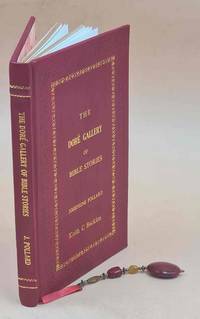
2023réf. BIBSD0104990432023. Full Leather Bound. NEW. Size: 14.60 x 22.86 cms A Unique Premium Leather-Bound book for elite readers/collectors of old rare books. An Original Leather is being used for binding this book with Golden Leaf Printing and designing on Spine front and Back of the book with edge gilding. WE HAVE MULTIPLE OPTIONS IN COLOR OF LEATHER RED GREEN BLUE MAGENTA TAN PURPLE DEEP BROWN BLACK AND WITH DIFFERENT COLOR LABELS. YOU MAY CHOOSE ANY COLOR OF YOUR CHOICE AND MAIL US. This service is chargeable. Original edition was published in 1882 and this unique edition is Reprinted in 2023 with the help of original edition. Black & white printing on high quality natural shade paper with sewing binding for longer life professionally processed without changing its contents. As these are old books we processed each page manually on computer and make them readable. We give our best to give you the best book but in some cases we have to adjust few pages which are blur or missing or black spots. If it is multi volume set then it is only single volume. We hope that you understand these issues in these old treasure. This is an important book for the readers who want to know more about our old treasure. Our dedicated team is trying to bring these rare books back to the shelves. We are also giving service of printing the hard-to-find books which are not listed in our store. Hope you will like it and give your comments and suggestions. Lang: - English Pages 117. Product Disclaimer: Please be aware that because leather is a natural material slight discoloration or change in texture may be visible. FOLIO EDITION Size 12x19 Inches IS ALSO AVAILABLE ON REQUEST. hardcover
réf. 102102161X.Ghardcover. Good. Access codes and supplements are not guaranteed with used items. May be an ex-library book. hardcover
réf. 1298898730.Ghardcover. Good. Access codes and supplements are not guaranteed with used items. May be an ex-library book. hardcover
réf. 1432694421.Gpaperback. Good. Access codes and supplements are not guaranteed with used items. May be an ex-library book. paperback
réf. 1245469584.Gpaperback. Good. Access codes and supplements are not guaranteed with used items. May be an ex-library book. paperback
réf. 1333804601.Gpaperback. Good. Access codes and supplements are not guaranteed with used items. May be an ex-library book. paperback
réf. ria9781032531687_inpPaperback / softback. New. New Book; Fast Shipping from UK; Not signed; Not First Edition; In a world of flexible remote and hybrid working how do you maintain strong relationships with and amongst employees This book shows how leaders can create and nurture ‘glue’ – the essential factor in shaping the effectiveness paperback
réf. A9781497922969Hardback. New. hardcover