119 765 résultats
1999réf. BUDD0104Berlin, Tashi 1999. 179 S., ill. OKart., Der Tod ist das natürliche und unvermeidliche Lebensende. Niemand weiß, wie lange er noch zu lebenhat. Wenn der Körper stirbt, ist damit auch die individuelle psychische Existenz unwiderruflich beendet. Die unpersönliche Instanz in uns, die auch zu Lebzeiten sämtliche Ereignisse, Gedanken und Gefühle erfährt - man könnte sie Geist oder die Fähigkeit, bewußt zu sein, nennen - hört nach den Erkenntnissen des Tibetischen Buddhismus jedoch auch im Sterben und im Tod nicht auf zu existieren; sie verliert allerdings die Verbindung zur Identifikation mit der Persönlichkeit der letzten Existenz. Wer unvorbereitet stirbt, kann die weitere Entwicklung nichtbeeinflussen, die sein 'Bewußtseinsprinzip' [die Tibeter nennen es 'Kontinuum', um damit kenntlich zu machen, daß in ihm Moment auf Moment folgt, ohne daß diese Aufeinanderfolge der einzelnen Bewußtseinsmomente, die nach dem Ursache-Wirkungs-Prinzip einander zwingend hervorrufen, jemals unterbrochen werden könnte] nehmen wird. Wer blind durch das Roulette der Wiederverkörperungen stürzt, kann weder steuern, wieder in einer menschlichen Existenz - allerdings mit Anlagen zu einer neuen Persönlichkeit ausgestattet - noch in einer glücklichen Existenzwiederverkörpert zu werden. Die Lehren des Tibetischen Buddhismus gestatten die sachkundige und fundierte Vorbereitung auf das Sterben von nahestehenden Personen und einem selbst sowie die aktuelle Begleitung des Sterbenden. Denjenigen, die wissen, daß sie nicht mehr lange zu leben haben, verhilft eine buddhistisch orientierte Sterbevorbereitung dazu, den Rest ihres Lebens so sinnvoll wie möglich zu nutzen und ihr Sterben sehr positiv zubeeinflussen. Eine Sterbevorbereitung im Einklang mit den Lehren des Tibetischen Buddhismus geht weit über das hinaus, was man hierzulande unter Sterbebegleitung versteht, die lediglich ein sanftes Entschlafen, ohne von Angst überwältigt zu werden, zum Ziel hat.Der Tod ist das natürliche und unvermeidliche Lebensende. Manche trifft er in jungen Jahren oder unvorbereitet. Selbst die ausgewogenste Ernährung, die gesündeste sportliche Betätigung und die gründlichste medizinische Versorgung bieten keine Garantie für das Erreichen eines hohen Alters. Niemand weiß, wie lange er noch zu lebenhat. Wenn der Körper stirbt, ist damit auch die individuelle psychische Existenz unwiderruflich beendet. Die unpersönliche Instanz in uns, die auch zu Lebzeiten sämtliche Ereignisse, Gedanken und Gefühle erfährt - man könnte sie Geist oder die Fähigkeit, bewußt zu sein, nennen - hört nach den Erkenntnissen des Tibetischen Buddhismus jedoch auch im Sterben und im Tod nicht auf zu existieren; sie verliert allerdings die Verbindung zur Identifikation mit der Persönlichkeit der letzten Existenz. Wer unvorbereitet stirbt, kann die weitere Entwicklung nichtbeeinflussen, die sein 'Bewußtseinsprinzip' [die Tibeter nennen es 'Kontinuum', um damit kenntlich zu machen, daß in ihm Moment auf Moment folgt, ohne daß diese Aufeinanderfolge der einzelnen Bewußtseinsmomente, die nach dem Ursache-Wirkungs-Prinzip einander zwingend hervorrufen, jemals unterbrochen werden könnte] nehmen wird. Wer blind durch das Roulette der Wiederverkörperungen stürzt, kann weder steuern, wieder in einer menschlichen Existenz - allerdings mit Anlagen zu einer neuen Persönlichkeit ausgestattet - noch in einer glücklichen Existenzwiederverkörpert zu werden. Die Lehren des Tibetischen Buddhismus gestatten die sachkundige und fundierte Vorbereitung auf das Sterben von nahestehenden Personen und einem selbst sowie die aktuelle Begleitung des Sterbenden. Denjenigen, die wissen, daß sie nicht mehr lange zu leben haben, verhilft eine buddhistisch orientierte Sterbevorbereitung dazu, den Rest ihres Lebens so sinnvoll wie möglich zu nutzen und ihr Sterben sehr positiv zubeeinflussen. Eine Sterbevorbereitung im Einklang mit den Lehren des Tibetischen Buddhismus geht weit über das hinaus, was man hierzulande unter Sterbebegleitung versteht, die lediglich ein sanftes Entschlafen, ohne von Angst überwältigt zu werden, zum Ziel hat
1932réf. JUDA1696mfWien, Kalman Kohn 1932. 26 (5) S. Mit einigen Abb. OLn. illustr., aussen gering staubfleckig und berieben.
1932réf. BEzz0009Wien, Kalman Kohn 1932. 26 (5) S. Mit einigen Abb. OLn. ill.. Tadellos, wie neu.
1914réf. 4782Paris, Eugène Rey, 1914. In-8, broché, couverture illustrée d'une vignette de Steinlen, 264 pages. Infimes manques en tête et en queue.
1986réf. Gyan-9788121201742Gyan Publishing House 1986. Vol. 3rd. Hardcover. New. 45.72 x 30.38 x 1.54 cm. English Gyan Publishing House hardcover
1986réf. Gyan-9788121201759Gyan Publishing House 1986. Vol. 4th. Hardcover. New. 45.72 x 30.38 x 3.06 cm. English Gyan Publishing House hardcover
1986réf. Gyan-9788121200394Gyan Publishing House 1986. 5 Vols. Set. Hardcover. New. 45.72 x 30.38 x 12.93 cm. English Gyan Publishing House hardcover
1986réf. Gyan-9788121201735Gyan Publishing House 1986. Vol. 2nd. Hardcover. New. 28.94 x 22.59 x 3.64 cm. English Gyan Publishing House hardcover
1986réf. Gyan-9788121201766Gyan Publishing House 1986. Vol. 5th. Hardcover. New. 28.94 x 22.59 x 4.42 cm. English Gyan Publishing House hardcover
1986réf. Gyan-9788121201728Gyan Publishing House 1986. Vol. 1st. Hardcover. New. 28.94 x 22.59 x 4.78 cm. English Gyan Publishing House hardcover
1986Barabudur, the most magnificent monument in Java, Indonesia, is a colossal structure justly regarded as a veritable wonder by the whole world. This noble architecture, built in the early ninth century A.D. consists of nine gradualy receding terraces, three uppermost ones being encircled by rings of stupas, each containing an image of the Buddha within a perforated framework. The five lower terraces are encircled by four successive galleries which contain eleven series of sculptured panels depicting the life of the Buddha and other Buddhist stories. The total number of sculptured panels in the galleries is about 1500. Not only this massive grandeur but the fine quality of the immense decorations, extensive relief sculptures and the numerous images of the Buddha deeply impress any visitor. The combination of massive quantity and fine quality invests Barabudur with a unique character. It has hardly any parallel in the world, and it may be truly remarked of its artists that 'they conceived like giants and finished like jewellers'. The life of the Buddha and other Buddhist stories depicted on the sculptures of Barabudur are not the imagination of the artists but based on the imagination of Sarvastivada and Vajrayana schools of Buddhism and are directly related to the ancient texts like Avadanas, Jatakas, Jatakamala, Gandavyuhastura, etc. A complete explanation of all that is depicted in this most splendid creation of Hindu-Javan culture was, therefore, not very easy, though efforts had been made since the beginning of the present century. It was possible thanks to the interest and enthusiasm of the then Government of the Netherlands. A complete series of photographs of the monument were made between 1907 and 1911. Then Koninklijk Institut vooi de Taat, Land-en Volkenkunde van Neder-Landsch-Indie was commissioned to publish the archaeological and architectural descriptions of Barabudur. The result of this project was the publication of a monograph in Dutch, in two volumes, the archaeological part by Nicholas Johannes Krom and the architectural part by T. Van Erp, with photographs in three big folios. The work well represents the quantity and quality of the subject it deals with. The author of the archaeological part has recorded all that is known about the significance of Barabudur and what could be gained from the original sources mentioned above. An English edition of the archaeological part, in very limited copies, was issued, in 1927, in two volumes with 442 plates of photographs which is long out of print. The present publication if an photographic reproduction of the 1927 English edition in its entirety of the text and the illustrations. CONTENT S:- 1. Foundation and history of Barabudur. 2. The reliefs on the covered base. The frieze of the base. 3. The story of the life of Buddha (First gallery, chief wall, top series). 4. The Avadana's and Jataka's Part I. (First gallery, chief wall, lowest series). 5. The Jatakamala. (First gallery, balustrade; top series, first part). 6. The Avadana's and Jataka's. Continuation and conclusion. (First gallery, balustrade, top series, second part; lowest series; second gallery, balustrade). 7. The Gandavyuha (second gallery, chief wall). 8. Maitreya and Samantabhadra (Third and fourth gallery, chief wall). 8. Tales of Maitreya and other Bodhisattva's (Third and fourth gallery, balustrade). 10. The Dhyani-Buddha's and the chief statue. 11. Barabudur as a monument of Hindu-Javanese art and culture. 12. The Barabudur pantheon. 13. The Buddhism of Barabudur. The Title 'Barabudur: Archaeological Description written/authored/edited by N.J. Krom', published in the year 1986. The ISBN 9788121200394 is assigned to the Hardcover version of this title. This book has total of pp. 1293 (Pages). The publisher of this title is Gyan Publishing House. This Book is in English. The subject of this book is RELIGION / PHILOSOPHY. Size of the book is 22.59 x 28.94 cms Vol:- 5 Vols. Set
1986Barabudur, the most magnificent monument in Java, Indonesia, is a colossal structure justly regarded as a veritable wonder by the whole world. This noble architecture, built in the early ninth century A.D. consists of nine gradualy receding terraces, three uppermost ones being encircled by rings of stupas, each containing an image of the Buddha within a perforated framework. The five lower terraces are encircled by four successive galleries which contain eleven series of sculptured panels depicting the life of the Buddha and other Buddhist stories. The total number of sculptured panels in the galleries is about 1500. Not only this massive grandeur but the fine quality of the immense decorations, extensive relief sculptures and the numerous images of the Buddha deeply impress any visitor. The combination of massive quantity and fine quality invests Barabudur with a unique character. It has hardly any parallel in the world, and it may be truly remarked of its artists that 'they conceived like giants and finished like jewellers'. The life of the Buddha and other Buddhist stories depicted on the sculptures of Barabudur are not the imagination of the artists but based on the imagination of Sarvastivada and Vajrayana schools of Buddhism and are directly related to the ancient texts like Avadanas, Jatakas, Jatakamala, Gandavyuhastura, etc. A complete explanation of all that is depicted in this most splendid creation of Hindu-Javan culture was, therefore, not very easy, though efforts had been made since the beginning of the present century. It was possible thanks to the interest and enthusiasm of the then Government of the Netherlands. A complete series of photographs of the monument were made between 1907 and 1911. Then Koninklijk Institut vooi de Taat, Land-en Volkenkunde van Neder-Landsch-Indie was commissioned to publish the archaeological and architectural descriptions of Barabudur. The result of this project was the publication of a monograph in Dutch, in two volumes, the archaeological part by Nicholas Johannes Krom and the architectural part by T. Van Erp, with photographs in three big folios. The work well represents the quantity and quality of the subject it deals with. The author of the archaeological part has recorded all that is known about the significance of Barabudur and what could be gained from the original sources mentioned above. An English edition of the archaeological part, in very limited copies, was issued, in 1927, in two volumes with 442 plates of photographs which is long out of print. The present publication if an photographic reproduction of the 1927 English edition in its entirety of the text and the illustrations. CONTENT S:- 1. Foundation and history of Barabudur. 2. The reliefs on the covered base. The frieze of the base. 3. The story of the life of Buddha (First gallery, chief wall, top series). 4. The Avadana's and Jataka's Part I. (First gallery, chief wall, lowest series). 5. The Jatakamala. (First gallery, balustrade; top series, first part). 6. The Avadana's and Jataka's. Continuation and conclusion. (First gallery, balustrade, top series, second part; lowest series; second gallery, balustrade). 7. The Gandavyuha (second gallery, chief wall). 8. Maitreya and Samantabhadra (Third and fourth gallery, chief wall). 8. Tales of Maitreya and other Bodhisattva's (Third and fourth gallery, balustrade). 10. The Dhyani-Buddha's and the chief statue. 11. Barabudur as a monument of Hindu-Javanese art and culture. 12. The Barabudur pantheon. 13. The Buddhism of Barabudur. The Title 'Barabudur: Archaeological Description written/authored/edited by N.J. Krom', published in the year 1986. The ISBN 9788121201728 is assigned to the Hardcover version of this title. This book has total of pp. 478 (Pages). The publisher of this title is Gyan Publishing House. This Book is in English. The subject of this book is RELIGION / PHILOSOPHY. Size of the book is 22.59 x 28.94 cms Vol:- Vol. 1st
1986Barabudur, the most magnificent monument in Java, Indonesia, is a colossal structure justly regarded as a veritable wonder by the whole world. This noble architecture, built in the early ninth century A.D. consists of nine gradualy receding terraces, three uppermost ones being encircled by rings of stupas, each containing an image of the Buddha within a perforated framework. The five lower terraces are encircled by four successive galleries which contain eleven series of sculptured panels depicting the life of the Buddha and other Buddhist stories. The total number of sculptured panels in the galleries is about 1500. Not only this massive grandeur but the fine quality of the immense decorations, extensive relief sculptures and the numerous images of the Buddha deeply impress any visitor. The combination of massive quantity and fine quality invests Barabudur with a unique character. It has hardly any parallel in the world, and it may be truly remarked of its artists that 'they conceived like giants and finished like jewellers'. The life of the Buddha and other Buddhist stories depicted on the sculptures of Barabudur are not the imagination of the artists but based on the imagination of Sarvastivada and Vajrayana schools of Buddhism and are directly related to the ancient texts like Avadanas, Jatakas, Jatakamala, Gandavyuhastura, etc. A complete explanation of all that is depicted in this most splendid creation of Hindu-Javan culture was, therefore, not very easy, though efforts had been made since the beginning of the present century. It was possible thanks to the interest and enthusiasm of the then Government of the Netherlands. A complete series of photographs of the monument were made between 1907 and 1911. Then Koninklijk Institut vooi de Taat, Land-en Volkenkunde van Neder-Landsch-Indie was commissioned to publish the archaeological and architectural descriptions of Barabudur. The result of this project was the publication of a monograph in Dutch, in two volumes, the archaeological part by Nicholas Johannes Krom and the architectural part by T. Van Erp, with photographs in three big folios. The work well represents the quantity and quality of the subject it deals with. The author of the archaeological part has recorded all that is known about the significance of Barabudur and what could be gained from the original sources mentioned above. An English edition of the archaeological part, in very limited copies, was issued, in 1927, in two volumes with 442 plates of photographs which is long out of print. The present publication if an photographic reproduction of the 1927 English edition in its entirety of the text and the illustrations. CONTENT S:- 1. Foundation and history of Barabudur. 2. The reliefs on the covered base. The frieze of the base. 3. The story of the life of Buddha (First gallery, chief wall, top series). 4. The Avadana's and Jataka's Part I. (First gallery, chief wall, lowest series). 5. The Jatakamala. (First gallery, balustrade; top series, first part). 6. The Avadana's and Jataka's. Continuation and conclusion. (First gallery, balustrade, top series, second part; lowest series; second gallery, balustrade). 7. The Gandavyuha (second gallery, chief wall). 8. Maitreya and Samantabhadra (Third and fourth gallery, chief wall). 8. Tales of Maitreya and other Bodhisattva's (Third and fourth gallery, balustrade). 10. The Dhyani-Buddha's and the chief statue. 11. Barabudur as a monument of Hindu-Javanese art and culture. 12. The Barabudur pantheon. 13. The Buddhism of Barabudur. The Title 'Barabudur: Archaeological Description written/authored/edited by N.J. Krom', published in the year 1986. The ISBN 9788121201735 is assigned to the Hardcover version of this title. This book has total of pp. 364 (Pages). The publisher of this title is Gyan Publishing House. This Book is in English. The subject of this book is RELIGION / PHILOSOPHY. Size of the book is 22.59 x 28.94 cms Vol:- Vol. 2nd
1986Barabudur, the most magnificent monument in Java, Indonesia, is a colossal structure justly regarded as a veritable wonder by the whole world. This noble architecture, built in the early ninth century A.D. consists of nine gradualy receding terraces, three uppermost ones being encircled by rings of stupas, each containing an image of the Buddha within a perforated framework. The five lower terraces are encircled by four successive galleries which contain eleven series of sculptured panels depicting the life of the Buddha and other Buddhist stories. The total number of sculptured panels in the galleries is about 1500. Not only this massive grandeur but the fine quality of the immense decorations, extensive relief sculptures and the numerous images of the Buddha deeply impress any visitor. The combination of massive quantity and fine quality invests Barabudur with a unique character. It has hardly any parallel in the world, and it may be truly remarked of its artists that 'they conceived like giants and finished like jewellers'. The life of the Buddha and other Buddhist stories depicted on the sculptures of Barabudur are not the imagination of the artists but based on the imagination of Sarvastivada and Vajrayana schools of Buddhism and are directly related to the ancient texts like Avadanas, Jatakas, Jatakamala, Gandavyuhastura, etc. A complete explanation of all that is depicted in this most splendid creation of Hindu-Javan culture was, therefore, not very easy, though efforts had been made since the beginning of the present century. It was possible thanks to the interest and enthusiasm of the then Government of the Netherlands. A complete series of photographs of the monument were made between 1907 and 1911. Then Koninklijk Institut vooi de Taat, Land-en Volkenkunde van Neder-Landsch-Indie was commissioned to publish the archaeological and architectural descriptions of Barabudur. The result of this project was the publication of a monograph in Dutch, in two volumes, the archaeological part by Nicholas Johannes Krom and the architectural part by T. Van Erp, with photographs in three big folios. The work well represents the quantity and quality of the subject it deals with. The author of the archaeological part has recorded all that is known about the significance of Barabudur and what could be gained from the original sources mentioned above. An English edition of the archaeological part, in very limited copies, was issued, in 1927, in two volumes with 442 plates of photographs which is long out of print. The present publication if an photographic reproduction of the 1927 English edition in its entirety of the text and the illustrations. CONTENT S:- 1. Foundation and history of Barabudur. 2. The reliefs on the covered base. The frieze of the base. 3. The story of the life of Buddha (First gallery, chief wall, top series). 4. The Avadana's and Jataka's Part I. (First gallery, chief wall, lowest series). 5. The Jatakamala. (First gallery, balustrade; top series, first part). 6. The Avadana's and Jataka's. Continuation and conclusion. (First gallery, balustrade, top series, second part; lowest series; second gallery, balustrade). 7. The Gandavyuha (second gallery, chief wall). 8. Maitreya and Samantabhadra (Third and fourth gallery, chief wall). 8. Tales of Maitreya and other Bodhisattva's (Third and fourth gallery, balustrade). 10. The Dhyani-Buddha's and the chief statue. 11. Barabudur as a monument of Hindu-Javanese art and culture. 12. The Barabudur pantheon. 13. The Buddhism of Barabudur. The Title 'Barabudur: Archaeological Description written/authored/edited by N.J. Krom', published in the year 1986. The ISBN 9788121201742 is assigned to the Hardcover version of this title. This book has total of pp. 154 (Pages). The publisher of this title is Gyan Publishing House. This Book is in English. The subject of this book is RELIGION / PHILOSOPHY. Size of the book is 22.59 x 28.94 cms Vol:- Vol. 3rd
1986Barabudur, the most magnificent monument in Java, Indonesia, is a colossal structure justly regarded as a veritable wonder by the whole world. This noble architecture, built in the early ninth century A.D. consists of nine gradualy receding terraces, three uppermost ones being encircled by rings of stupas, each containing an image of the Buddha within a perforated framework. The five lower terraces are encircled by four successive galleries which contain eleven series of sculptured panels depicting the life of the Buddha and other Buddhist stories. The total number of sculptured panels in the galleries is about 1500. Not only this massive grandeur but the fine quality of the immense decorations, extensive relief sculptures and the numerous images of the Buddha deeply impress any visitor. The combination of massive quantity and fine quality invests Barabudur with a unique character. It has hardly any parallel in the world, and it may be truly remarked of its artists that 'they conceived like giants and finished like jewellers'. The life of the Buddha and other Buddhist stories depicted on the sculptures of Barabudur are not the imagination of the artists but based on the imagination of Sarvastivada and Vajrayana schools of Buddhism and are directly related to the ancient texts like Avadanas, Jatakas, Jatakamala, Gandavyuhastura, etc. A complete explanation of all that is depicted in this most splendid creation of Hindu-Javan culture was, therefore, not very easy, though efforts had been made since the beginning of the present century. It was possible thanks to the interest and enthusiasm of the then Government of the Netherlands. A complete series of photographs of the monument were made between 1907 and 1911. Then Koninklijk Institut vooi de Taat, Land-en Volkenkunde van Neder-Landsch-Indie was commissioned to publish the archaeological and architectural descriptions of Barabudur. The result of this project was the publication of a monograph in Dutch, in two volumes, the archaeological part by Nicholas Johannes Krom and the architectural part by T. Van Erp, with photographs in three big folios. The work well represents the quantity and quality of the subject it deals with. The author of the archaeological part has recorded all that is known about the significance of Barabudur and what could be gained from the original sources mentioned above. An English edition of the archaeological part, in very limited copies, was issued, in 1927, in two volumes with 442 plates of photographs which is long out of print. The present publication if an photographic reproduction of the 1927 English edition in its entirety of the text and the illustrations. CONTENT S:- 1. Foundation and history of Barabudur. 2. The reliefs on the covered base. The frieze of the base. 3. The story of the life of Buddha (First gallery, chief wall, top series). 4. The Avadana's and Jataka's Part I. (First gallery, chief wall, lowest series). 5. The Jatakamala. (First gallery, balustrade; top series, first part). 6. The Avadana's and Jataka's. Continuation and conclusion. (First gallery, balustrade, top series, second part; lowest series; second gallery, balustrade). 7. The Gandavyuha (second gallery, chief wall). 8. Maitreya and Samantabhadra (Third and fourth gallery, chief wall). 8. Tales of Maitreya and other Bodhisattva's (Third and fourth gallery, balustrade). 10. The Dhyani-Buddha's and the chief statue. 11. Barabudur as a monument of Hindu-Javanese art and culture. 12. The Barabudur pantheon. 13. The Buddhism of Barabudur. The Title 'Barabudur: Archaeological Description written/authored/edited by N.J. Krom', published in the year 1986. The ISBN 9788121201759 is assigned to the Hardcover version of this title. This book has total of pp. 306 (Pages). The publisher of this title is Gyan Publishing House. This Book is in English. The subject of this book is RELIGION / PHILOSOPHY. Size of the book is 22.59 x 28.94 cms Vol:- Vol. 4th
1986Barabudur, the most magnificent monument in Java, Indonesia, is a colossal structure justly regarded as a veritable wonder by the whole world. This noble architecture, built in the early ninth century A.D. consists of nine gradualy receding terraces, three uppermost ones being encircled by rings of stupas, each containing an image of the Buddha within a perforated framework. The five lower terraces are encircled by four successive galleries which contain eleven series of sculptured panels depicting the life of the Buddha and other Buddhist stories. The total number of sculptured panels in the galleries is about 1500. Not only this massive grandeur but the fine quality of the immense decorations, extensive relief sculptures and the numerous images of the Buddha deeply impress any visitor. The combination of massive quantity and fine quality invests Barabudur with a unique character. It has hardly any parallel in the world, and it may be truly remarked of its artists that 'they conceived like giants and finished like jewellers'. The life of the Buddha and other Buddhist stories depicted on the sculptures of Barabudur are not the imagination of the artists but based on the imagination of Sarvastivada and Vajrayana schools of Buddhism and are directly related to the ancient texts like Avadanas, Jatakas, Jatakamala, Gandavyuhastura, etc. A complete explanation of all that is depicted in this most splendid creation of Hindu-Javan culture was, therefore, not very easy, though efforts had been made since the beginning of the present century. It was possible thanks to the interest and enthusiasm of the then Government of the Netherlands. A complete series of photographs of the monument were made between 1907 and 1911. Then Koninklijk Institut vooi de Taat, Land-en Volkenkunde van Neder-Landsch-Indie was commissioned to publish the archaeological and architectural descriptions of Barabudur. The result of this project was the publication of a monograph in Dutch, in two volumes, the archaeological part by Nicholas Johannes Krom and the architectural part by T. Van Erp, with photographs in three big folios. The work well represents the quantity and quality of the subject it deals with. The author of the archaeological part has recorded all that is known about the significance of Barabudur and what could be gained from the original sources mentioned above. An English edition of the archaeological part, in very limited copies, was issued, in 1927, in two volumes with 442 plates of photographs which is long out of print. The present publication if an photographic reproduction of the 1927 English edition in its entirety of the text and the illustrations. CONTENT S:- 1. Foundation and history of Barabudur. 2. The reliefs on the covered base. The frieze of the base. 3. The story of the life of Buddha (First gallery, chief wall, top series). 4. The Avadana's and Jataka's Part I. (First gallery, chief wall, lowest series). 5. The Jatakamala. (First gallery, balustrade; top series, first part). 6. The Avadana's and Jataka's. Continuation and conclusion. (First gallery, balustrade, top series, second part; lowest series; second gallery, balustrade). 7. The Gandavyuha (second gallery, chief wall). 8. Maitreya and Samantabhadra (Third and fourth gallery, chief wall). 8. Tales of Maitreya and other Bodhisattva's (Third and fourth gallery, balustrade). 10. The Dhyani-Buddha's and the chief statue. 11. Barabudur as a monument of Hindu-Javanese art and culture. 12. The Barabudur pantheon. 13. The Buddhism of Barabudur. The Title 'Barabudur: Archaeological Description written/authored/edited by N.J. Krom', published in the year 1986. The ISBN 9788121201766 is assigned to the Hardcover version of this title. This book has total of pp. 442 (Pages). The publisher of this title is Gyan Publishing House. This Book is in English. The subject of this book is RELIGION / PHILOSOPHY. Size of the book is 22.59 x 28.94 cms Vol:- Vol. 5th
1925réf. 63534London: The West India Committee. Fair with no dust jacket; Boards worn boards soiled pages foxed. 1925. First Printing. Hardcover. Gray paper quarter-bound in blue cloth. Black and white photographs. ; 8vo 8" - 9" tall; 136 pages . The West India Committee hardcover
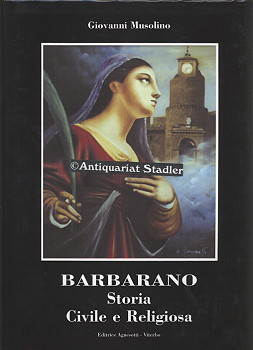
2001réf. 29629Viterbo: Editrice Agnesotti 2001. Mit zahlr. farb. u. s/w. Abb. 653 S. OLeinenbd. m. Goldpräg. u. Schutzumschlag in Schuber. 31x22 cm.
1988réf. 34840München , Zürich : Piper, 1988. 683 S. : 4 Ill. (farb.), gebundene Ausgabe mit illustr. Umschl.