KAMALASHILA (com.), GANGANATHA JHA (trad.),Livre Rare Book

1 237 résultats
1986réf. 20474Delhi, Motilal Banarsidass, 1986. 2 forts vol. in-8°, xi-739 ; xi-[741-1593] (pagination continue), intérieurs frais. 2 vol. relié de même, pleine toile ocre-rouge, dos lisse titré doré, avec jacquettes (jacquettes us., coins lég. écrasés).
1986réf. 20474Delhi, Motilal Banarsidass, 1986. 2 forts vol. in-8°, xi-739 ; xi-[741-1593] (pagination continue), intérieurs frais. 2 vol. relié de même, pleine toile ocre-rouge, dos lisse titré doré, avec jacquettes (jacquettes us., coins lég. écrasés).
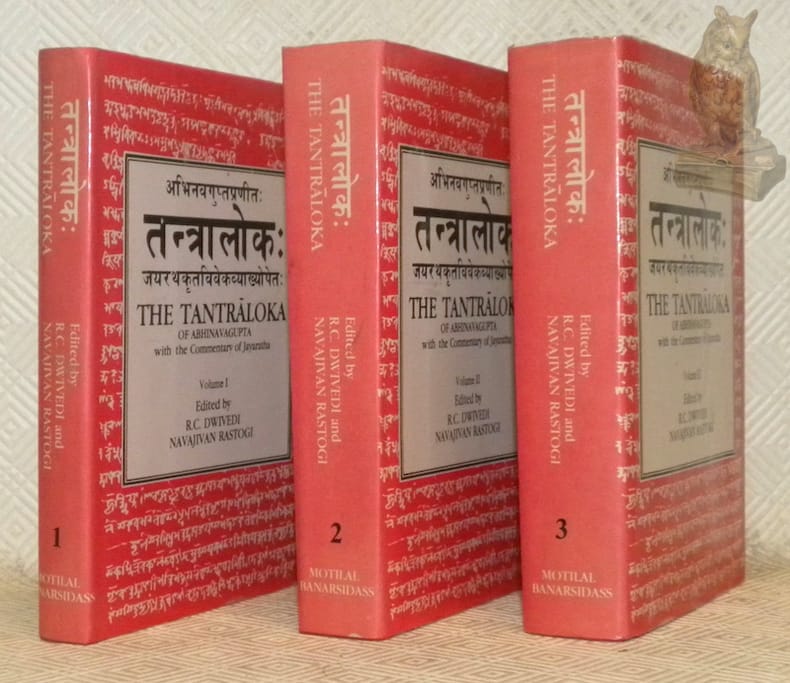
réf. 119342Delhi, Motilal Banarsidass 1987, 185x125mm, XXIX + XVII + XXVII - 1350pages, editor's binding with jacket. Book in good condition.
réf. 4383good state, 120 pages, size : 18 x 24, english language, presentation by Jawharlal Nehru, ISBN : 978-8170110644
réf. 120582aafLondon, Kegan Paul, Trench, Trübner & Co. Ltd, 1905, in-8vo, 400 p., Publisher’s light brown cloth, gilt title on spine, gilt emblem on first cover, very good copy
réf. 119394Oxford, The Clarendon Press 1894, 225x155mm, XXVII - 424pages, editor's binding. Owner's stamp in the bottom corner of the front cover page, otherwise clean inside. Book in good condition.
1988réf. 100112567Viking 1988 560 pages 16 9926x23 5966x4 5974cm. 1988. Relié. première édition. 560 pages.
réf. 119329Madras, The Adyar Library 1950, 210x140mm, editor's binding. Book in good condition.
2001réf. 126387Leiden-Boston-Köln, Brill, coll. « Numen Books Series. Studies in the History of Religions », n° 91 2001 Livre en anglais. In-4 cartonné 25 cm sur 15,5. XVII-431 pages, couverture illustrée. Bon état d’occasion.
19208vo., First Edition; cloth, gilt back, backstrip mildly faded else a very good, firm copy. Extremely scarce.
2017The Title 'The Religion of India : the Sociology of Hinduism and Buddhism written/authored/edited by Max Weber', published in the year 2017. The ISBN 9788121213639 is assigned to the Hardcover version of this title. This book has total of pp. 402 (Pages). The publisher of this title is Gyan Publishing House. This Book is in English. The subject of this book is History / Religion / Sociology / Hinduism. Size of the book is 14.34 x 22.59 cms Vol:-
2017The Title 'The Religion of India : the Sociology of Hinduism and Buddhism written/authored/edited by Max Weber', published in the year 2017. The ISBN 9788121213646 is assigned to the Paperback version of this title. This book has total of pp. 402 (Pages). The publisher of this title is Gyan Publishing House. This Book is in English. The subject of this book is History / Religion / Sociology / Hinduism. Size of the book is 13.34 x 21.59 cms Vol:-
réf. 38904Cambridge, Harvard University Press 1925, 265x175mm, VII - 370pages, cloth binding. Book in good condition.
réf. IXY-548Traduction de A.J. Alston. Shanti Sadan, London, 2e édition, 1971 [1959], XVI + 269 p. Cartonnage éditeur sous jaquette, 13,3 x 25,5 cm.
2023About The Book: The Sundara Kanda forms the heart of Valmiki's Ramayana and consists of a detailed, vivid account of Hanuman's adventures. After learning about Sita, Hanuman assumes a gargantuan form and makes a colossal leap across the ocean to Lanka after defeating Surasa, the mother of the nagas, and Simhika, who is sent by the devatas. In Lanka, Hanuman searches for Sita, and finally finds her in the Ashoka Vatika. In the Ashoka Vatika, Sita is wooed and threatened by Ravana and his rakshasi mistresses to marry Ravana. Hanuman reassures her, giving Rama's signet ring as a sign of good faith. He offers to carry Sita back to Rama; however, she refuses, reluctant to allow herself to be rescued by anyone other than her husband. She says that Rama himself must come and avenge the insult of her abduction. Hanuman then wreaks havoc in Lanka by destroying trees and buildings, and kills Ravana's warriors. He allows himself to be captured and produced before Ravana. He gives a bold lecture to Ravana to release Sita. He is condemned and his tail is set on fire, but he escapes his bonds and, leaping from roof to roof, sets fire to Ravana's citadel, and makes the giant leap back from the island. The joyous search party returns to Kishkindha with the news. About The Editor: Manmatha Nath Dutt (1855–1912) Bengali writer, scholar of Sanskrit and Pali, served as rector in educational institutions (Keshab Academy and Serampore College), described as India's most prolific translator of Hindu epics and scriptures. Later known as Manmatha Nath Shastri after getting that degree. Maternal grandfather of Sucheta Kripalani. Partial biography here. Works:Gleanings from Indian Classics (1893); Kamandakiya Nitisara, or, The elements of polity (1896); Buddha-his life, his teachings, his order (1901); Outlines of Hindu Metaphysics (1904); Markandeya Purana (1896).Translations:The Ramayana (1891-94); Bala Kanda; Ayodhya Kanda; Aranya Kanda; Kishkindha Kanda; Sundara Kanda; Yuddha Kanda; Uttara Kanda.
2023About The Book: The Sundara Kanda forms the heart of Valmiki's Ramayana and consists of a detailed, vivid account of Hanuman's adventures. After learning about Sita, Hanuman assumes a gargantuan form and makes a colossal leap across the ocean to Lanka after defeating Surasa, the mother of the nagas, and Simhika, who is sent by the devatas. In Lanka, Hanuman searches for Sita, and finally finds her in the Ashoka Vatika. In the Ashoka Vatika, Sita is wooed and threatened by Ravana and his rakshasi mistresses to marry Ravana. Hanuman reassures her, giving Rama's signet ring as a sign of good faith. He offers to carry Sita back to Rama; however, she refuses, reluctant to allow herself to be rescued by anyone other than her husband. She says that Rama himself must come and avenge the insult of her abduction. Hanuman then wreaks havoc in Lanka by destroying trees and buildings, and kills Ravana's warriors. He allows himself to be captured and produced before Ravana. He gives a bold lecture to Ravana to release Sita. He is condemned and his tail is set on fire, but he escapes his bonds and, leaping from roof to roof, sets fire to Ravana's citadel, and makes the giant leap back from the island. The joyous search party returns to Kishkindha with the news. About The Editor: Manmatha Nath Dutt (1855–1912) Bengali writer, scholar of Sanskrit and Pali, served as rector in educational institutions (Keshab Academy and Serampore College), described as India's most prolific translator of Hindu epics and scriptures. Later known as Manmatha Nath Shastri after getting that degree. Maternal grandfather of Sucheta Kripalani. Partial biography here. Works:Gleanings from Indian Classics (1893); Kamandakiya Nitisara, or, The elements of polity (1896); Buddha-his life, his teachings, his order (1901); Outlines of Hindu Metaphysics (1904); Markandeya Purana (1896).Translations:The Ramayana (1891-94); Bala Kanda; Ayodhya Kanda; Aranya Kanda; Kishkindha Kanda; Sundara Kanda; Yuddha Kanda; Uttara Kanda.
2023About The Book: The Ramayana of Tulsi Das; On comparing the above sketch with my translation of the corresponding portion of the Hindi poem, it will be seen that the two agree only in the broadest outline. The episodes so freely introduced by both poets are, for the most part, entirely dissimilar; and even in the main narrative some of the most important incidents, such as the breaking of the bow and the contention with Parasuram, are differently placed and assume a very altered complexion. In other passages where the story follows the same lines, whatever Valmiki has condensed as, for example, the description of the marriage festivities Tulsi Das has expanded and wherever the elder poet has lingered longest, his successor has hastened on most rapidly. About The Translator: Frederic Salmon Growse CIE (1836 – 19 May 1893) was a British civil servant of the Indian Civil Service (ICS), Hindi scholar, archaeologist and collector, who served in Mathura and Bulandshahr in the North-Western Provinces during British rule in India. He studied Indian literature and languages, and founded the Catholic Church of the Sacred Heart and the Government Museum, both at Mathura. Between 1876 and 1883, he published in series, the first English translation of the Ramayana of Tulsidas. He also wrote Mathura: A district memoir (1880) and a description of the district of Bulandshahr (1884) and of its new architecture (1886). Described as "never a persona grata to his superiors", he was nonetheless gazetted CIE in 1879. At Bulandshahr between 1878 and 1884 he caused a number of buildings to be constructed using local designs and craftsmen. In 1882, he donated a collection of Indian pottery to the British Museum. In Mathura, he became intrigued by the popularity among its ordinary people of the Ramayana of Tulsidas. In 1876 he published his translation into English of the original text by Tulsidas. Growse published a revised version in 1880 as a four-volume second edition and published a full version in 1883. It was the first illustrated version of the complete English translation of the Ramcharitmanas, which he completed in Bulandshahr. He writes in the introduction that the epic Sanskrit Ramayana of Valmiki had been translated into several languages including English, but the more popular Hindi version, a retelling of Rama's life, titled Ramcharitmanas by Tulsidas, previously had not been translated into English.
2023About The Book: The Ramayana of Tulsi Das; On comparing the above sketch with my translation of the corresponding portion of the Hindi poem, it will be seen that the two agree only in the broadest outline. The episodes so freely introduced by both poets are, for the most part, entirely dissimilar; and even in the main narrative some of the most important incidents, such as the breaking of the bow and the contention with Parasuram, are differently placed and assume a very altered complexion. In other passages where the story follows the same lines, whatever Valmiki has condensed as, for example, the description of the marriage festivities Tulsi Das has expanded and wherever the elder poet has lingered longest, his successor has hastened on most rapidly. About The Translator: Frederic Salmon Growse CIE (1836 – 19 May 1893) was a British civil servant of the Indian Civil Service (ICS), Hindi scholar, archaeologist and collector, who served in Mathura and Bulandshahr in the North-Western Provinces during British rule in India. He studied Indian literature and languages, and founded the Catholic Church of the Sacred Heart and the Government Museum, both at Mathura. Between 1876 and 1883, he published in series, the first English translation of the Ramayana of Tulsidas. He also wrote Mathura: A district memoir (1880) and a description of the district of Bulandshahr (1884) and of its new architecture (1886). Described as "never a persona grata to his superiors", he was nonetheless gazetted CIE in 1879. At Bulandshahr between 1878 and 1884 he caused a number of buildings to be constructed using local designs and craftsmen. In 1882, he donated a collection of Indian pottery to the British Museum. In Mathura, he became intrigued by the popularity among its ordinary people of the Ramayana of Tulsidas. In 1876 he published his translation into English of the original text by Tulsidas. Growse published a revised version in 1880 as a four-volume second edition and published a full version in 1883. It was the first illustrated version of the complete English translation of the Ramcharitmanas, which he completed in Bulandshahr. He writes in the introduction that the epic Sanskrit Ramayana of Valmiki had been translated into several languages including English, but the more popular Hindi version, a retelling of Rama's life, titled Ramcharitmanas by Tulsidas, previously had not been translated into English.
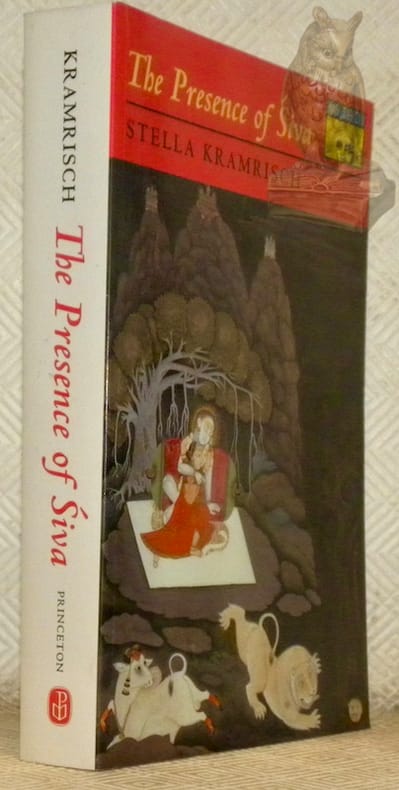
réf. 119117Chichester, West Sussex, Princeton University Press 1981, 235x155mm, XI - 514pages, paperback. Book in good condition.
1996xi + 138pp., 24cm., text in English, Dissertation (Excerpta ex dissertatione ad Doctoratum in Facultate Philosophiae Pontificiae Universitatis Gregorianae), softcover, stamp at verso of title page, text is clean and bright, X112119
1996réf. X112119Roma [Rome], Pontificia Universitas Gregoriana 1996 xi + 138pp., 24cm., text in English, Dissertation (Excerpta ex dissertatione ad Doctoratum in Facultate Philosophiae Pontificiae Universitatis Gregorianae), softcover, stamp at verso of title page, text is clean and bright, X112119
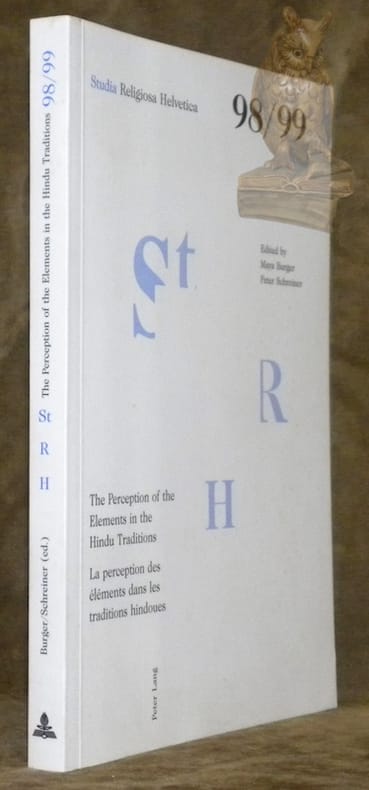
réf. 119378Bern, Peter Lang 1999, 225x150mm, VIII - 215pages, broché. Bel exemplaire.
1973. Softcover, good condition, w. smwht rubbed wraps, marks. Decorative sticker on fr. Tanning, sme lt soil on r. Wear at sp edges. V. ltly slanted sp, ltly bumped corners, lt edgwr.Tanned p. edges, sme lt soil. Tanned ins wraps, pp. 2 cm tear on fr, on 1st
1980réf. 43722Boston MA D. Reidel Publishing 1980. Hardcover First Edition unstated. Near Fine in Very Near Fine DJ: The Book shows only minute indications of use: a bit of wrinkling to the front free endpaper and the half title page; the binding is square and secure; the text is clean. The DJ shows just a touch of wear to the extremities; unclipped; mylar-protected. Virtually 'As New'. NOT a Remainder Book-Club or Ex-Library. 8vo. 213pp. Studies of Classical India Series. First Edition unstated. Hardback with DJ. D. Reidel Publishing, hardcover
1991Contents: Introduction; Vedic Antecedent to the Avataric Nature of Visnu; Brahmanic Antecedents to the Avataric Nature of Visnu; The Blink of an Unblinking Eye; Myths of the Narasimhavatara: Motif Analysis & Discussion; Myths of the Vamanavatara: Motif Analysis & Discussion; Conclusions ; SUNY Series in Hindu Studies; 321 pages