7 624 résultats
1754réf. 14359Florentiae: ex Typographio Imperiali 1754. Cm. 37 pp. xix 1 173 1. Frontespizio in rosso e nero una tavola fac-simile di scrittura antica fuori testo ed alcuni capolettera figurati. Perfetta legatura coeva in pergamena rigida con dorso a piccoli nervi. Tagli rossi. Smagliante esemplare marginoso a carte candide ed in perfetto stato di conservazione. Stampato su carta forte. Testo originale greco e latino a fronte. Edizione originale ed unica per questa raccolta di testi di medicina antica raccolti e presentati da Antonio Cocchi. Vi appaiono i due lunghi testi di Oribasio e Sorano da Efeso seguiti da alcune dissertazioni di minor mole. I due testi di ortopedia appaiono per la prima volta a stampa e provengono da manoscritti miracolosamente sopravvissuti. Dal punto di vista scientifico rivelano una sorprendente conoscenza della struttura anatomica soprattutto nella microcomposizione ossea. Cfr. Graesse II 134 e Brunet II 1687: "Trés-belle édition.". Welcome II a p. 363. ex Typographio Imperiali unknown
1991réf. 150818Alpignano: Tallone 1991-2006. Otto volumi di cm. 34 pp. 50/100 ciascuno. Brossura originale con protezione in velina. Ciascuno dei volumi entro camicia e cofanetto in cart. rigido. Esemplare in ottimo stato di conservazione. Raccolta completa di questa raccolta talloniana stampata in tiratura limitata di 250 esemplari. Il presente appartiene alla tiratura di soli 48 esemplari stampati su carta di Amalfi. Edizione che presenta il testo in ligua originale greca e nella traduzione italiana. Collezione così composta: 1. EMPEDOCLE "La natura". - 2. DIOGENE DI APOLLONIA "La natura". - 3. EMPEDOCLE "Il poema delle purificazioni". - 4. PARMENIDE DI ELEA "Il poema". - 5. MELISSO "La natura o l'essere". - 6. ZENONE D'ELEA "La natura". - 7. PITAGORA "I versi d'oro". - 8. ANASSAGORA "La natura". Si allega l'opuscolo stampato nel 2002 con la lunga presentazione all'opera di 24 pagine di Zanfiropulo. Tallone unknown
1676réf. 4401855London: R. Royston 1676. Preliminaries thumbed a bit foxed and a few scattered stains; binding scuffed and worn at extremities with some loss of the headband rear board stained. Folio with a frontispiece and double page 'Tree of Faith' plate trimmed and mounted on plain paper several other cuts in the text title-page printed in black and red; contemporary English crimson calf gilt unlettered spine with ornately gilt-decorated panels between raised bands. An attractive folio in contemporary English red calf binding. The second of several editions of this history of the early church illustrated with remarkable cuts depicting the apostles persecuted in all manner of ways it includes crucifixion immolation and the dreaded 'cauldron of boyling oyl'. Each apostle is awarded a separate chapter and is depicted both beatified and under duress. William Cave 1637-1713 was a minister and scholar of Church history who took his Doctor of Divinity at Cambridge before serving as vicar of Islington and later in London. He was chaplain to Charles II and Canon of Windsor. Cave's primary area of expertise was the early history of the Church and following the structure of Eusebius of Caesarea he weaves the lives of the apostles into a close narrative that illuminates arcane early theology for his reader successfully making the early history of the Church accessible to a wider audience: "what is significant about Cave's writings is that they follow the tradition of Christian bio-bibliography that in late antiquity and into the medieval period had such a long and rich history and which was revived in the Reformation. Cave's works provide valuable evidence for the interest in patristic scholarship at the end of the seventeenth century." ODB. . Provenance: Early signature of Elizabeth Wyndham; from the library of Chillingham Castle Northumberland spruiked today as "Britain's most haunted historic castle" with old label to the front endpaper; ownership inscription on title of "Cam. Tankerville 1727" Chillingham was the family seat of the Earls of Tankerville; from 1674 to 1931 the seven successive earls were all named Charles Bennet. R. Royston unknown
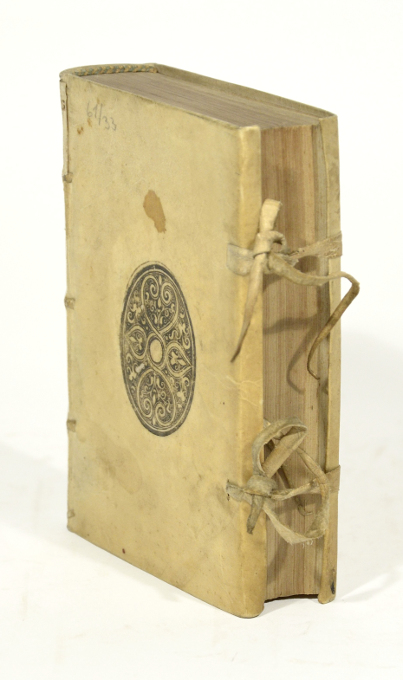
1587réf. 45116Ingolstadt, Wolfgang Eder (gedruckt von Adam Berg in München), 1587. 8°. Mit einigen Holzschn.-Vignetten u. -Initialen. 16 Bll., 578 S., 1 Bl., Pgmt. d. Zt. m. durchzogenen Bunden, gepr. Deckelvignette, handschriftl. Rückenschild u. intakten Schließbändern.
réf. 108401890-1900 ; 11 tomes reliés en 1 fort volume in-folio, demi-chagrin vert foncé, faux-nerfs et filets dorés, titre et dates dorés (reliure de l'époque) ; 50, 4, (1) f. blanc ; (4), 64 ; (4), 72 ; (4), 79 ; (4), 101, (1) f. blanc ; (4), 106, (1) f. blanc ; (4), 113, (1) f. blanc ; (4), 138, (1) f. blanc ; (1), 144 ; (6), 135, (1) f. blanc ; (6), 135 pp. Texte manuscrit lithographié.
réf. 11576In 4 plein cuir fauve raciné à nerfs, pice de titre cuir brun clair, caissons palmettes dorés. Portait gravé de l’auteur, en frontispice, titre illustré et gravé, épitre avec bandeau illustré et gravé, 8 pages, préface 6 pages, 6 pages de table historique et chronologique. Grande carte dépliante Civita Tullensis aujourd’hui diocèse de TOUL. 16 pages avertissement- 71pages- CXXIII Varia Regum et Principum Diplomata- 2 pages additions et fautes à corriger. Tranches rouges. A Toul chez Alexis Laurent imprimeur du Roi & de Mgr l’évêque. 1707. Seconde édition Pâle mouillure angle supérieur au frontispice, à la page de titre, ainsi qu’aux 4 premières pages de l’épitre, sans gravité, Sinon bel exemplaire de cet ouvrage rare, bien complet de sa grande carte dépliante.
réf. 2305PG009Conseguidas em Tres Campanhas Da Vida Morte & Bemaventurança da BEATA RITA DE CASSIA Viuva religiosa da Ordem dos Eremitas de N. Grande Padre Santo Agostinho acclamada commummente pela devoção dos povos ADVOGADA DOS IMPOSSIVEIS Com as noticias da grande veneração & culto em que he tida a Bemaventurada S. Rita Nas principaes Cidades Villas & lugares do Reyno de Portugal e das muytas mercès & maravilhas que os povos dellas atribuem à poderosa intercessão da mesma Santa. Author o Padre Mestre Fr. Joseph de S. Antonio Religioso da mesma Ordem & Commissario da Correa. Lisboa Occidental. Na Officina de Antonio Pedrozo Galram. Com todas as licenças necessarias. Anno de 1718. In 8.º de 206x152 cm. Com xvi 164 págs. Encadernação da época inteira de pele com nervos e ferros a ouro na lombada. Impressão em caracteres redondos e alguns itálicos na folha de rosto nas citações no texto e em alguns títulos ornamentada com cabeções constituídos por pequenas vinhetas iniciais decoradas e um florão de remate no fim da segunda parte. Exemplar com pertence manuscrito no pé da margem inferior da folha de rosto: «He do padre Joze Leite de Lemos e Castro». As folhas preliminares contêm o Prólogo ao Leitor as licenças com aprovações do Padre Mestre Frei João de Santo Agostinho Frei Miguel de Santa Maria Frei Teodósio da Cunha Padre Teodósio de Santa Marta Frei António Cruz e Pedro Ãlvares; e um conjunto de 16 epigramas em latim em louvor da santa. Muito rara. Inocêncio não menciona não consta dos principais catálogos de leilões e livreiros e a Porbase só regista um exemplar. Santa Rita de Cassia 1381-1457 religiosa italiana foi beatificada em 1627 e canonizada em 1900. Frei José de Santo António Lisboa - Lisboa 1737 Eremita Augustiniano; professou em 21 de Agosto de 1688. Foi Vigário Provincial e muito versado nas antiguidades da sua Ordem. Escreveu as três primeiras partes do Flos Sanctorum Augustiniano publicado em Lisboa entre 1723 e 1726 assim como outras obra de hagiografia. EN In octavo. 206x152 cm. xvi 164 pp. Contemporary full leather binding with raised bands and gilt tools on spine. Printing in round characters and some italics on the title page in quotations in the text and in some titles decorated with headpieces consisting of small vignettes decorated initials and a finishing fleuron at the end of the second part. Exemplar with handwritten ownership title at the foot of the lower margin of the title page: "He do padre Joze Leite de Lemos e Castro" Belongs to padre Joze . The preliminary leaves contain the Prologue to the Reader the licences with approvals from Padre Mestre Frei João de Santo Agostinho Frei Miguel de Santa Maria Frei Teodósio da Cunha Padre Teodósio de Santa Marta Frei António Cruz e Pedro Ãlvares; and a set of 16 epigrams in Latin in praise of the saint. Very rare. Inocêncio does not mention it it is not in the main auction and booksellers' catalogues and Porbase only records one copy. Saint Rita of Cassia 1381-1457 Italian nun was beatified in 1627 and canonised in 1900. Frei José de Santo António Lisbon - Lisbon 1737 Augustinian hermit; professed on 21 August 1688. He was Vicar Provincial and well versed in the antiquities of his Order. He wrote the first three parts of the Augustinian Flos Sanctorum published in Lisbon between 1723 and 1726 as well as other works of hagiography. Referências/References: Inocêncio IV 236. Barbosa Machado 822. M-6-E-15 hardcover
réf. 2606PG002em a festa que se fez a Sancto Antonio aos 14. de Septembro deste anno de 1642. Tendo se publicado as Cortes para o dia seguinte. EM COIMBRA. Com todas as Licenças necessarias. Na Impressam de Thome Carualho Impressor da Vniversidade Anno de 1658. De 20x15 cm. Com 57-83 i em br. págs. Encadernação recente do século XX inteira de percalina com gravações a ouro na pasta anterior. Ilustrado com na folha de rosto com o trigrama geralmente usado pela Companhia de Jesus encimado por querubim e concha rodeado por legenda latina e envolto por ornamentos arquitectónicos frutos e folhagem Texto disposto em duas colunas com paginação que indica o projecto de realização de uma coletânea de sermões de que não se conhecem hoje quaisquer exemplares e que poderá nunca ter sido publicada. Exemplar com leve acastanhamento próprio do papel alguma manchas e um pouco aparado à cabeça afectando a paginação e as referências nas margens. As primeiras 2 folhas incluindo a de rosto estão numeradas a tinta coeva de 1 a 4; com pequenas manchas de tinta e de humidade nos dois primeiros fólios. Muito importante para o estudo da divulgação dos sermões de Vieira para a fixação crítica do texto e para o estudo da oratória sagrada em Portugal. Edição muito rara e de uma variante tão rara que não foi identificada na pormenorizada Bibliografia do Padre António Vieira BNP 1999 que identifica três. Esta 4.º variante caracteriza-se entre muitas outras marcas pela disposição do texto na página 95 i. é 59 como por exemplo: coluna 2 linha 11: «ao lume da Igre-/ja»; linha 8: «celebra-/mos festa hoje. Necessario». Notável sermão que foi pregado no dia 14 de Setembro de 1642 em honra de Santo António na véspera da reunião das Cortes do Reino em Lisboa pois como artificiosamente disse o Padre António Vieira era como se o Santo fosse o procurador do Céu enviado às Cortes pois «como há dias que o ceo está pella Coroa de Portugal manda tambem seu Procurador o ceo ás Cortes do Reyno.». Desenvolvendo o tema escolhido Vieira expõe diversas considerações políticas sobre a responsabilidade dos procuradores dos seus deveres de justiça e de rectidão defende que devem ter sempre as virtudes de Santo António como modelo e especifica mesmo que ao determinarem aumentos de impostos necessários para a guerra devem ter o maior cuidado em que sejam obtidos pela persuasão e sejam repartidos por todos. p. 69. tema que é a questão principal do sermão. Texto do sermão começa ao alto página 95 i. é 59 e termina na página 83 com a expressão Laus Deo e tem mais uma página em branco. Texto em caracteres redondos com as citações em itálico. Referências bíblicas e bibliografia das obras citadas em itálico nas margens. PADRE ANTÓNIO VIEIRA Lisboa 1608 - Salvador Brasil 1697 considerado por muitos como o maior escritor português é autor de uma vasta obra em português latim e italiano sendo definido lapidarmente por Fernando Pessoa como o «Imperador da língua portuguesa». Ao mesmo tempo desenvolveu com brilhantismo visão e coragem atividades políticas e diplomáticas na defesa de Portugal durante a Guerra da Restauração tendo entrado em conflito aberto com a Inquisição que venceu com o apoio do Papa. Mais importante ainda foi a sua prolongada e dedicada atividade missionária em que se distinguiu pela defesa da liberdade dos índios e pela condenação da escravatura dentro dos moldes possíveis na sua época pelo que chegou a ser expulso pelos colonos que tratavam mal os escravos oriundos de Ãfrica e queriam escravizar os índios apesar das leis régias em contrário que obteve de D. João IV e de D. Pedro II. Vieira conseguiu conciliar um grande realismo político com uma crença arraigada no Sebastianismo começando por identificar D. João IV como o «Desejado» do mito Sebastianista que havia de ressuscitar. Apesar de Vieira dar grande valor e se ter dedicado prolongadamente às suas obras teológicas e proféticas foram os sermões que o consagraram como grande orador e escritor. A sua forte personalidade e capacidade oratória atraíam multidões para ouvi-lo pregar mas foi a possibilidade de rever e acompanhar a publicação dos sermões que os tornou obras literárias de grande valor e não apenas o frio registo das suas capacidades oratórias. Em 1614 Vieira foi para a Baía com a família e ingressou no Colégio da Companhia de Jesus onde segundo uma lenda superou inesperadas dificuldades de aprendizagem destacando-se pelas suas habilidades intelectuais e linguísticas o que lhe valeu em 1625 aos 17 anos a tarefa de redigir o relatório anual evento conhecido como o «Estalo de Vieira». Em 1623 iniciou o noviciado familiarizando-se com a cultura e a língua tupi e em 1625 fez os primeiros votos começando a ensinar retórica em Olinda. Ordenado sacerdote em 1634 tornou-se conhecido como orador realizando a sua primeira pregação oficial na Baía. Em 1641 acompanhou a Lisboa o filho do Vice-rei do Brasil iniciando uma fase como conselheiro político de D. João IV e missões diplomáticas na Europa. Em Roma reviu os seus sermões publicando o primeiro volume em 1679 e recebeu isenção da Inquisição. Regressou ao Brasil em 1681 onde se dedicou até à sua morte à revisão dos sermões e à redação da sua obra teológica «Clavis Prophetarum». EN 20 × 15 cm. 5783 pages i blank. Recently bound in the 20th century entirely in percaline with gold embossing on the front cover. Illustrated on the title page with the trigram commonly used by the Society of Jesus surmounted by a cherub and a conch shell surrounded by a Latin caption and encircled by architectural motifs fruit and foliage The text is laid out in two columns with pagination suggesting a planned collection of sermons of which no copies are known to exist today and which may never have been published. A copy with slight browning characteristic of the paper some stains and a little trimming at the top affecting the pagination and the references in the margins. The first two leaves including the title page are numbered in contemporary ink from 1 to 4; there are small ink and damp stains on the first two folios. Of great importance for the study of the dissemination of Vieiras sermons for the critical collation of the text and for the study of sacred oratory in Portugal. A very rare edition of a variant so rare that it was not identified in the detailed bibliography by Father António Vieira BNP 1999 which lists three such variants. This fourth variant is characterised amongst many other features by the layout of the text on page 95 i.e. 59 for example: column 2 line 11: «ao lume da Igre-/ja»; line 8: «celebra-/mos festa hoje. Necessario». A remarkable sermon preached on 14 September 1642 in honour of Saint Anthony on the eve of the meeting of the Cortes of the Kingdom in Lisbon; for as Father António Vieira artfully put it it was as though the Saint were Heavens procurator sent to the Cortes for just as Heaven has been with the Crown of Portugal for days now so too does Heaven send its procurator to the Cortes of the Kingdom. In developing his chosen theme Vieira sets out various political considerations regarding the responsibility of public prosecutors and their duties of justice and integrity; he argues that they must always embody the virtues of Saint Anthony as a model and even specifies that when determining tax increases necessary for the war they must take the utmost care to ensure that these are obtained through persuasion and shared equally amongst all. folio 7 r. a theme which forms the main focus of the sermon. The sermon text begins at the top of page 95 i.e. 59 and ends on page 83 with the phrase Laus Deo followed by a blank page. The text is set in round type with quotations in italics. Biblical references and a bibliography of the works cited are given in italics in the margins. FATHER ANTÓNIO VIEIRA Lisbon 1608 Salvador Brazil 1697 regarded by many as the greatest Portuguese writer is the author of a vast body of work in Portuguese Latin and Italian and was succinctly described by Fernando Pessoa as the Emperor of the Portuguese language. At the same time he pursued political and diplomatic activities with brilliance vision and courage in defence of Portugal during the War of Restoration coming into open conflict with the Inquisition which he overcame with the Popes support. Even more important was his long and dedicated missionary work during which he distinguished himself by defending the freedom of the indigenous peoples and condemning slavery as far as was possible in his time; for this he was eventually expelled by the colonists who mistreated slaves from Africa and sought to enslave the indigenous peoples despite royal decrees to the contrary which he had obtained from King João IV and King Pedro II. Vieira managed to reconcile a profound political realism with a deep-rooted belief in Sebastianism beginning by identifying King João IV as the Desired One of the Sebastianist myth who was destined to rise from the dead. Although Vieira placed great value on his theological and prophetic works and devoted himself to them at length it was his sermons that established him as a great orator and writer. His strong personality and oratorical skills drew crowds to hear him preach but it was the opportunity to revise and oversee the publication of his sermons that turned them into literary works of great value rather than merely a cold record of his oratorical abilities. In 1614 Vieira moved to Baía with his family and enrolled at the College of the Society of Jesus where according to legend he overcame unexpected learning difficulties and distinguished himself through his intellectual and linguistic abilities which earned him in 1625 at the age of 17 the task of drafting the annual report an event known as the Estalo de Vieira. In 1623 he began his novitiate familiarising himself with Tupi culture and language and in 1625 he took his first vows beginning to teach rhetoric in Olinda. Ordained as a priest in 1634 he became known as an orator delivering his first official sermon in Bahia. In 1641 he accompanied the son of the Viceroy of Brazil to Lisbon embarking on a period as a political adviser to King João IV and undertaking diplomatic missions in Europe. In Rome he revised his sermons publishing the first volume in 1679 and was granted exemption from the Inquisition. He returned to Brazil in 1681 where he devoted himself until his death to revising his sermons and writing his theological work Clavis Prophetarum. Referências/References: José Pedro Paiva - Padre António Vieira 1608-1697. Bibliografia 1080 a 1083. Arouca 222 Leite 1949 IX 205 42 Ãvila Perez 8011 26 páginas numeradas de 59 a 83 1 em br. Exposição Bibliográfica do Bi-Centenário 1897m na Biblioteca Nacional de Portugal p. 10 n.º 36 Inocêncio I 371 2688 SACO RS869-11 hardcover
réf. 1309JC012DEL PADRE ANTONIO VIEYRA DE LA COMPAÑIA DE IESVS. NVEVAMENTE ACRECENTADOS com dos Sermones del mismo Autor. Y DOS TABLAS VNA DE LOS LVGARES de la Sagrada Escritura y otra de los Assumptos y cosas Notables. Parte Primeira Parte Segunda. DEDICADOS AL MVY REVERENDO PADRE ALONSO DE Pantoja de la Sagrada Ilustre y Docta Religion de la Compañia de Iesus Procurador que fue por su Prouincia de nueuo Reyno de las Ãndias a la Congregacion General que se celebrò en la Corte Romana oy Rector meritissimo de su Religiosissimo Colegio de Quito y Calificador de la Santa Inquisicion. CON PRIVILEGIO DE CASTILLA Y ARAGON. En Madrid Por Ioseph Fernandez de Buendia Año 1664. Acosta de Lorenço Ibarra Mercader de libros. Obra com 2 partes em 1 volume. In 8º de 20x15 cm com viii 214 xviii 382 xxiv pags. Encadernação da época inteira de pele com ferros a ouro na lombada. Corte das folhas carminado da época. Exemplar com oxidação natural do papel e manchas marginais de humidade sem afectar a leitura do texto. Palau 1973 XXV pag. 465 ent. 364277 não refere a colação da Parte Segunda. M-4-C-21 unknown
réf. 1309JC028Della Compagnia di Giesù. Nella Solennità del B. STANISLAO. Vinheta da Companhia de Jesus. In Roma per il Lazzari Varese: 1675. Con licenza de" Superiori. In 8º de 17x11 cm com x 99 i 79 i págs. Encadernação da época em pergaminho flexível. Exemplar com falta de uma folha preliminar em branco antes da folha de rosto com pequeno restauro de papel à cabeça da folha de rosto que cobre uma assinatura de posse coeva com ex-libris oleográfico do Dr. José Bayolo na folha de rosto e com o número de registo 07892 também por carimbo oleográfico no pé da folha de rosto. As folhas preliminares contêm dedicatória a João III rei da Polónia donde era natural Santo Estalisnau Kostka por Giovanni Hernmani da Companhia de Jesus o imprimatur e uma última página em branco. Cada uma das partes tem uma folha inicial com o verso em branco com o título e o autor e as páginas finais de cada uma delas está em branco. Livro muito raro e importante para o estudo da personalidade e da obra do Padre António Vieira da vida religiosa e dos processos de canonização de membros da Companhia de Jesus. A presente obra coloca em evidência o prestígio internacional e as invulgares e excepcionais capacidades linguísticas do Padre António Vieira que além de ser um dos maiores escritores portugueses dominava o latim o italiano a ponto de escrever nestas línguas obras primas da literatura epistolar e paranética. O Padre António Vieira estava em Roma desde 1668 para obter revisão da sentença do Tribunal da Inquisição de Coimbra onde tinha estado detido desde 1665 a 1667 e que o tinha proibido de escrever ensinar e pregar. Contém dois sermões pregados em italiano em louvor de São Estanislau Kostka em 15 de Agosto de 1675 na Igreja de Santo André em Roma por Giovanni Paolo Oliva que era nesta data Superior Geral da Companhia de Jesus e pelo Padre António Vieira que já era um célebre pregador e diplomata ao serviço de D. João IV. Nesta data São Estanislau Kostka era beato desde 1605 e estas sumptuosas cerimónias faziam parte das acçções destinadas a conseguir a canonização que veria a ocorrer em 1726. S. Estalisnau Kostka Castelo de Rostków Czernice Borowe 20-10-1550 - Roma 15-10-1567 Santo da Companhia de Jesus que é um modelo para a juventude e para os estudantes e cuja festa se celebra a 15 de Agosto. Aos treze anos foi estudar para o Colégio dos Jesuítas em Viena onde teve o apoio do jesuíta português Padre Francisco António confessor da Inmperatriz. Com uma forte vocação religiosa desde a infância apesar da oposição do pai entrou na casa dos jesuítas em Diligen an der Donau na Alemanha onde foi recebido por S. Pedro Canísio posteriormente com dezassete anos foi para Roma estudar no Colégio Romano tendo falecido de doença ao fim de poucos meses. Foi beatificado em 1605 e canonizado em 31 de Dezembro de 1726 pelo Papa Bento XIII. Giovanni Paolo Oliva Génova 1600 - 1681 Padre Jesuíta que se celebrizou como Pregador Apostólico ao serviço de quatro papas foi o Décimo primeiro Superior Geral da Companhia de Jesus de 1654 a 1681. É autor de livros de sermões de cartas e de uma vasta obra em seis volumes sobre a Bíblia: In Selecta Scripturae Loca Ethicae Commentationes in Genesim. Padre António Vieira Lisboa 1608 - Baía Brasil 1697 Um dos maiores escritores portugueses o Imperador da Língua Portuguesa como disse Fernando Pessoa foi autor de uma vasta e grandiosa obra constituída por Sermões tratados teológicos e proféticos cartas tratados políticos e poesias. Foi igualmente uma personagem notável do século XVII tendo exercido funções diplomáticas e defendido os escravos e os índios contra os abusos e a escravatura. Durante a sua estadia em Roma tornou-se confessor da Rainha Cristina da Suécia pregou em muitas ocasiões numa delas perante o Colégio dos Cardeais. José Pedro Paiva. Bibliografia do Padre António Vieira. BNP. 1998. Nº 1319. Catalogo del Servizio Bibliotecario Nazionale. IT/ICCU/BVEE/050031. Inocêncio XXII 374 M-3-B-10 unknown
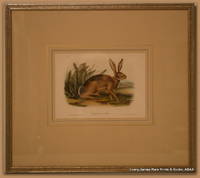
1849réf. 6425New York:: V.G. Audubon 1849-54. First Royal Octavo Edition. Fine with original hand-coloring. A fine original hand-colored lithograph on paper. Royal Octavo 10.5 x 7 inches. Drawn from nature by John Audubon drawn on stone by William E. Hitchcock and lithographed printed and colored by JT Bowen Philadelphia. Accompanied by the original text written by the Reverend John Bachman DD. The Quadrupeds of North America; portrayals of 155 four-legged mammals native to North America depicted in their natural environment was a collaborative effort between the premier nineteenth century American Ornithologist Naturalist Artist and Frontiersman John James Audubon 1785-1851 his sons John Woodhouse Audubon and Victor Gifford Audubon and the naturalist Reverend John Bachman. The four men were unified in their desire to document and portray what they recognized as a dwindling resource; America's native animals amidst the natural beauty of the untouched American landscape. Their collective wisdom predicted the impending effects of Manifest Destiny- man's encroachment on the wilderness and natural landscape of North America- and as such was the impetus for the journey. To document and then portray America's native animals in the splendor and majesty of the uninhabited North American landscape the team traveled westward from Audubon's home in Mill Grove Pennsylvania up the Missouri River and through territory just previously explored by Lewis and Clark; from the Canadian border of the Northern Russian Territories- now Alaska- then southward to Mexico. Arduous and monumental the journey is recognized in the pathos of the compositions. However the true legacy of the work rests on John James Audubon's prolific vision and mastery of his subject and medium. Heretofore unseen The Quadrupeds of North American is a wildlife classic: an essential and timeless contribution to both Early American culture and the Art of American Wildlife Painting. The American Review a Whig journal heralded the national origin of the Quadrupeds: "We have at last have a Great National Work; originated and completed among us- authors artists and artisans of which are our own citizens the Bible of Nature!" John James Audubon in the West. New York: Henry H. Abrams 2000. Sabin 2368. Wood 208. Archivally matted & framed V.G. Audubon, unknown
1963réf. 1475n. 1 7 Anno 2.: dicembre 1963. Quarto 96 pages illustrated throughout. Printed red wrappers. Lightly soiled and edgewear towards spine. summary: collazione - S. Bussotti - " Mi travolse una remota esistenza " da " Torso "; F. Evangelisti: e i da " Random or not Random " ; verifica - Paolo Emilio Carapezza; - Domenico Guaccero : Una conclusione provvisoria; Heinz-Klaus Metzger - Ueber Schallquellen / Le sorgenti sonore; letture - R. Kayn: Schwingungen N. Sgro; D. Schnebel: Glossolalie D. Schnebel; E. Macchi: Parabola E. Macchi; asterisco 1 - La nuova musica dopo la " 4 Settimana " di Palermo P. E. Carapezza; Notizie; confronto - F. Bacon e J. Johrn M. Calvesi; Lawrence Alloway - Six painters and the object / Sei pittori e loggetto; Maurizio Calvesi - Ricognizione e reportage / Recognition and reportage; Scheda - Mimmo Rotella a cura di Vittorio Rubiu; asterisco 2 Aforismi sulla maniera di dipingere Franco Nonnis. " Aspetti dellarte contemporanea " all Aquila; Christo alla Salita di Roma; Millares all' Odyssia di Roma; il " Teodelapio " di Calder. V. Rubiu. Notizie. n. 2 8 Anno 3.: marzo 1964. Quarto 95 pages illustrated throughout. Printed red wrappers. Edgewear towards spine. summary: arti visive collazione - Inghilterra - U.S.A.: pitture di Kitaj. RauschenbergFahlstrom Johns; Verifica - Vittorio Rubiu; Jean-Jacques Lebel - Un regard neuf; Nello Ponente - Ideologia e pseudo-ideologia/ Ideology and pseudo-ideology; john coplans - American painting and Pop Art / Pittura americana e Pop Art; Cesare Vivaldi - Commento a Coplans / Comment to Coplans; Letture - Cesare Brandi Burri Filiberto Menna; Ballardini e Quattrini Ceramica italiana moderna Benedetto Patera: Cultura del vino e cultura del Coca-cola Maurizio Calvesi; Asterisco 1° Tre mostre alla Tartaruga di Roma Cesare Vivaldi / Retrospettive di Rauschenberg a Londra; " Nuove Tendenze " a Venezia / Dine Oldenburg Rosenquist e Segal alla Sidney Janis di New York Maurizio Calvesi. Segal e Pistoletto alla Sonnabend di Parigi Anna Nosei. Hoeme all'Attico di Roma: Novelli all' Arco dell'Alibert di Roma Vittorio Rubiu; musica Confronto - La nuova musica di 2500 anni fa e quella dei giorni nostri Paolo Emilio Carapezza / New music 2500 years ago and in modern times Paolo Emilio Carapezza; Heinz-Klaus Metzger - Das Altern der jüngsten Musik / L'invecchiamento della musica nuovissima; Giuseppe Chiari – Appunti / Notes; Domenico Guaccero - A provisory conclusion; 2 - Sylvano Bussotti a cura di Antonino Titone; Asterisco 2' - Notizie ILLUSTRAZIONI; pitture di Kitaj. Rauschenberg Fahlstrom Johns Angeli Warhol Lichtenstein Festa Morris Samaras Segal Oldenburg Pistoletto Mondino Saul Lombardo fotografie di Scianna. musiche di Bussotti Chiari La Monte Young. papiri " Arciduca Ranieri " Cairense 59533 Osloense 1413. n. 3-4 11 Anno 3.: dicembre 1964. Quarto 118 pages illustrated throughout. Printed red wrappers. Slightly bumped towards the top right of this issue. summary: musica collazione Karl-Heinz Stockhausen - Plus-Minus; verifica Domenico Guaccero - Materiali per per verifica sociologica; Christian Wolff - Duct For violins. Questions. Domando; Mauricio Kagel - I. Komposition Decomposition II. Notation heute III. Analyse des Analysierens. 1. Composizione Scomposizione II. La notazione oggi III. Analisi dell'analizzare; Luis De Pablo - Control del material: la cantidad sonora como nocion eje de una perceptiva musical; Dieter Schnebel - Das musikalische Material: Verhältnisse und Aktionen. Kommentar zur neuer Musik. Il materiale musicale: rapporti e azioni. Commento alla nuova musica; scheda 3. — Mauricio Kagel; letture Paolo Castaldi - Anfrage. Luciano Berio – Traces; asterisco • Domenico Guaccero - I concerti di Nuova Consonanza e le manifestazioni per gli universitari a Roma. Luciano Alberte - Vita musicale contemporanca IV ciclo a Firenze; Paolo Emilio Carapezza - Arte e tecnologia il convegno del " gruppo 70" a Firenze; Gertrud Meyer-Denkmann - Darmstadt al bivio. NOTIZIE arti visive collazione Spazio E Movimento; verifica Maurizio Calvesi - Un pensiero concreto I; George Brecht - Chance Imagery. Immagini casuali; Sandra Pinto - Intervista a Brett Whiteley; M. C. - A proposito di Whiteley e della situazione inglese; Vittorio Rubiu - La materia dell'informale è esplosa nell'oggetto / The material of the informel burst into the object; confront Mario Diacono – " Parole e disegni " di Frank O' Hara e Mario Schifano / " Word and Drawings " of Frank O' Hara and Mario Schifano; G. Robert Swenson - The darker Ariel: Random notes on Andly Warhol / Annotazioni casuali su Andy Warhol; Jolanda Brunetti - Appunti sulla danza fino a Merce Cunningham / Notes on the dance up to Merce Cunningham; asterisco James Brodey - The George Segal exhibit Green Gallery New York; Maurizio Calvesi - Mario Ceroli alla " Tartaruga " Roma; Cesare Vivaldi - Piero Dorazio alla " Malborough " Roma; Vittorio Rubiu - Antologia di Capogrossi alla " Medusa " Roma. Il premio Marzotto - Comunità Europea; Antonio Bandera - il XVIII premio Michetti. NOTIZIE ILLUSTRAZIONI: musiche di Stockhausen Wolf Kagel Castaldi / pitture di Whiteley Schifano Lichtenstein Capogrossi Warhol Titone Dorazio / sculture di Segal Ceroli / fotografie di azioni corcografiche di Merce Cunningham / servizio fotografico su Warhol.TRADUZIONI: dal tedesco di Laura Valdes Schnebel Anna Maria Rubino: Kagel Meyer-Denkmann Liborio Mario Rubino Kagel: dall'inglese e in inglese di Rende Plaja-Levine. numero 5 12: settembre 1965. Quarto 97 pages illustrated throughout. Printed red wrappers. arti visive verifica. Maurizio Calvesi - A concrete thought; scheda 4. - Ettore Colla a cura di Augusta Monferini; letture Maurizio Calvesi - Cinque sintesi radiofoniche di F. T. Marinetti e il manifesto del teatro radiofonico. REVORT 1 - PALERMO SETTEMBRE 1965. Mario Diacono - Una prefazione invettiva / An invective preface; Cesare Vivaldi - Una mostra di giovanissimi / An exhibition of the very young/ Lawrence Alloway - Order and reference / Ordine e riferimento; Jasia Reichardt - Now and Here / Ora e qui; Manfred de La Motte - Neue malerei in Deutschland / La nuova pittura in Germania. musica collazione. Franco Donatoni - Black and White; Heinz-Klaus Metzger - Ueber die Verantwortung des Komponisten / Sulla responsabilità del compositore; Paolo Emilio Carapezza - Atti e fatti di rilievo costituzionale nella nuova musica d'oggi / Acts and facts of constitutional impor-tance in the new music of to day; scheda 5. - Francesco Agnello a cura di Paolo Emilio Carapezza; asterisco . Eric Salzmann - New Music 1964 Lettere E Notizie; letture Francesco Pennisi - Hymn Paolo Emilio Carapezza. ILLUSTRAZIONI: pitture e sculture di Colla Barni Ceroli Lombardo Pascali Tacchi Titone Chow Green Furnival Whitfield Fischer-Lueg Kriwet Richter. musiche di Donatoni e Carapezza. TRADUZIONI: dall'inglese e in inglese: Juliet Siragusa Arning; dal tedesco: Liborio Mario Rubino. n. 6 13: settembre 1966. Quarto 98 pages illustrated throughout. Illustrated wrappers. Wrappers with light foxing. summary: musica collazione. Juliusz Luciuk : Pacem In Terris ; Domenico Guaccero : Klaviatura. verifica. Paolo Emilio Carapezza : verifica pratica ; Dieter Schnebel : Das Formproblem in der Neuen Musik ; Dieter Schnebel : Mahlers Spätwerk als Neue Musik ; Henri Pousseur : Elementi Realistici della Musica Elettronica ; Jacobo Romano : La Nueva Musica Argentina ; Norbert Weiss : Film in der Oper ; Giuseppe Chiari : alcune opere alcuni scritti. scheda 6. Frederic Rzewski ; letture ; Jean Barraque : Sequence Paolo Renlmosto ; Gilbert Amy : Epigramme Pour Piano Paolo Renosto ; Vittorio Gelmetti : Nous Irons àTahiti Giuseppe Chiari ; Svenskt Musik 60-Tal Paolo Emilio Carapezza ; Domenico Guaccero : Negativo Domenico Guaccero.asterisco . Gabriella MulachiÈ : Inattualit‡ della Danza ; Paolo Emilio Carapezza : Premio Italia 65. lettere e notizie. arti visive verifica. Otto Hahn: Critique = compréhension compréhension = action; Mario Diacono : Antimetaphisica ; William S. Wilson : Ray Johnson: Vibration and Reverberation ; Ann Wilson : . from a patchwork history: 1958 ; Maurizio Fagiolo : La Ragion Purapratica di Lichtenstein ; Martial Raysse : Jai mille choses à classer. ; Heinz Ohff : Gernot Bobenik ; Cesare Vivaldi : La Scuola di Pistoia ; Henry Martin : Flowers facades and IBM machines ; Peter Bruning und Manfred de la Mott : Làgendes ; Vittorio Rubiu : I falsi giocattoli di Pino Pascali. letture. Dick Higgins : Jeffersons Birthday and Postface Juliet Arning Siragusa ; asterisco . Daniel Spoerri : Una topografia aneddotica del caso ; Emilio Vedova : Interventi ; Seiichi Niikuni - Pierre Garnier : TroisiËme manifeste du spatialisme pour une poesie supranationale. illustrazioni: musiche di Luciuk Guaccero Chiari Rzewski ; pitture disegni e sculture di Lichtenstein. Tilson Brecht Kounellis Johnson Raysse Bobenik Barni Buscioni Natalini Ruffi Nesbitt Bruning Pascali Topor Vedova Innocente I. e P. Garnier Kolàr ; in copertina: J. Kounellis Paint 1966; F. Rzewski dal Requiem. - First editions. Collage used to be a spoken periodical. With nr. 1 7 the printed version of this magazine came into existence. Da una rivista parlata a una stampata: Collage costituisce un raro esempio di esoeditoria di una pubblicistica cio‡ gestita direttamente da artisti al fine di promuovere unalternattiva alla cultura dominante nata a Palermo nel corso degli anni Sessanta. collage 8. dicembre 1968. Direttore Antonino Titone. Folio 132 pages illustrated throughout. Illustrated wrappers by Gianni Maniscalco Basile. Bumped at lower part that affects the first 40 pages. summary: 2 "verifica" 3 Christian Wolf - Electricity and music; 5. Peter P. Várnai - I mille anni dell'alea; 8. Dieter Schnebel - Sichtbare music; 19. Paolo Castaldi - Take care; 27. " scheda 9 " - Franco Donatoni; 34. Mario Diacono - La struttura negativa di Robert Morris; 40. Joe Tilson - The porcelain factory - questionnaire III; 43. Gianni Maniscalco Basile - Living Theatre Palermo 1968; 51. " asterisco " William Wilson - Five ways of looking at the medium. Mario Diacono - Intervista a Kitaj. Ben Vautier - Art = pas art. Tullio Catalano - Sergio Lombardo; una ricerca per una poetica 1961-1968. Daniela Palazzoli - Di un ex.hibition in/pro.gress. Achille Bonito Oliva - Un'arte del positive; 61. " letture " Claes Oldenburg - Store days Juliet Arning Siragusa; 73. " revort 2 " Gillo Dorfles - Revort 2. Buren Mosset Parmentier Toroni - Sept manifestations a cura di Otto Hahn. Daniela Palazzoli - La pittura multiversa di Fahlström e Simonetti. Cesare Vivaldi - Nuovo astrattismo romano. C. V. - Quattro presenze a Revort 2. Adriano Spatola - Due scritti per Parmiggiani. Francesco Carbone - Progetto e invenzione. 89. "VI Settimana Internazionale nuova musica" Gioacchino Lanza Tomasi - Le musiche della sesta "Settimana"; Edoardo Sanguineti - La descrittione del gran paese. Domenico Gudccero - Scene del potere. Gli esecutori. 123. " asterisco " direct-drawn filmakers painters Mario Diacono - Per un nuovo cineMANIfesto. cinema indipendente Gregorio Napoli – La cinepresa a pendolo. I films; i registi. Roberto Levdi - Musica popolare e nuova cultura. I testi; gli esecutori. Diego Carpitella - Musica contemporanea e musica etnica. illustrazioni: musiche di Stockhausen Cage Kagel Evangelisti Ligeti Riedl Schnebel Castaldi Donatoni Brecht Denisov Sciarrino Cardew Carraro. Pitture e sculture di Morris Tilson Wilson Kienholz Kitaj Buren Mosset Parmentier Toroni Olden Fioroni Lorenzetti Kounellis Paolini Tolve Nojiri Simonetti Fahlström Simonetti Nespolo Scheggi Bonalumi Cecchini Ruffi Grisi Alfano Carbone Parmiggiani Volpini Reina Bignardi." illustrazioni " " tavole a colori " 1. Pitture e sculture di Kitaj e Lombardo; II. Pitture e sculture di Verna Lecci e Manпо. Fotografie e copertina die Gianni Maniscalco Basile. Text in Italian German French and English. collage 9. dicembre 1970. annuario di nuova musica e arti visive contemporanee. Direttore Antonino Titone. Palermo: S.F. Flaccovio Editore. 1970 Folio 98 pages illustrated throughout. Illustrated wrappers. Summary: " verifica ": Achille Bonito Oliva Le circostanze magiche; Mario Diacono Materia-destruttura.; Robert Smithson Incidents of mirror; Robert C. Kenedy Notes; " asterisco " Cunningham Higgins Rot Something else. Jan Donia Art behind the dikes; " verifica " Paolo Emilio Carapezza De modis musicandi; ÐдиÑон ДениÑов " Вариации " op. 27 Ð. Веберна Edison Denisov Le variazioni op. 27 di Webern; Michal Bristiger Sonorismo e strutturalismo; " scheda 10 " Aldo Clementi; " letture " Miroslaw Kondracki W. Szalonek 1 1 1 1. " asterisco " Roland Kayn Kybernetische Prozesse. Richard Toop Musical notation. Illustrations: Richard Serra Bruce Nauman Joseph Kosuth Robert Smithson Jan van Munster; Cunningham-Higgins-Rot Anton Webern Aldo Clementi Witold Szalonek Roland Kayn Boguslaw Schäffer John Cage François Bayle Karlheinz Stockhausen Gerd Zacher Morton Feldman Luis Andressen Franco Donatoni Anestis Logo-thetis Cornelius Cardew Toshi Ichiyanagi Cristian Wolft Frank Ashley Tom Phillips Michael von Biel Gordon Mumma " tavole a colori " Notazioni coreografiche di Merce Cunningham ; Manifesto di Jan Mirò ; Cybernetics II di Roland Kayn " copertina " Particolare della vetrata d'ingresso di Villa Belforte in Palermo fotografia di Giuseppe Cappellani. Text in Italian German French and English. - First editions. Collage used to be a 'spoken periodical'. With nr. 1 7 the printed version of this magazine came into existence. 'Da una rivista 'parlata' a una stampata: "Collage" costituisce un raro esempio di 'esoeditoria' di una pubblicistica cioà gestita direttamente da artisti al fine di promuovere un'alternativa alla cultura dominante nata a Palermo nel corso degli anni Sessanta. Se "Collage. Dialoghi di cultura" 1962-64 fondata da Paolo Emilio Carapezza Antonino Titone e Gaetano Testa affrontà un'ampia panoramica di argomenti riguardanti la cultura palermitana basandosi su veri e proprio indici che fungevano da scaletta per gli interventi orali dei partecipanti la versione stampata 1963-70 fu sviluppata secondo un doppio binario quello della nuova musica e delle arti visive con due redazioni parallele e una fitta rete di prestigiosi collaboratori internazionali. L'esperienza di "Collage" rimasta un unicum in Sicilia per l'ampiezza di respiro che la caratterizzà e per la capacità di cogliere con prontezza fenomeni cardine dell'arte contemporanea dalla Pop Art all'Arte Povera dall'happening alla danza/teatro/azione offre un interessante spaccato della Palermo degli anni Sessanta al centro di un momento d'oro di risveglio culturale che non si à pià ripetuto.' Marina Giordano in 'teCLa'. G. Denaro
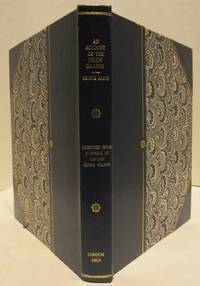
1803réf. 3374London: Captain Henry Wilson. Very Good. 1803. Fifth Edition. Later binding of half gilt ruled faux blue morocco over marbled boards. Gilt particulars and decoration to spine. Top and bottom of front hinge cracked top of rear hinge beginning. Blue endpapers. Enlarged edition with supplement by Reverend John Pearce Hockin. "William Taylor 1813" delicately inked to top right of title page. Foldout "Chart of the Pelew Islands and Adjacent Seas" to front of book suffers foxing and some creasing as well as a small closed tear to the bottom margin of a fold line not affecting text. Contains eighteen steel plates with two additional plates included in supplement along with vocabulary of Pelew language. A nice clean copy without further markings. ; 4to 11" - 13" tall; xvii i 244; ii 72 pages; All shipments through USPS insured Priority Mail. . Captain Henry Wilson hardcover
1877réf. 124005Montreal: Eusebe Senecal Imprimeur-Editeur 1877. Hardcover. ex library-very good. 13 plates with pasted-in b&w composite photographs of churchmen with 20 p. of text. 98 portraits of Rimouski clergymen photo of Pope Pius IX. Pages opposite plates have brief biographies. 29.5 cm. Rebound in burgundy cloth with new endpapers. Library ink deaccession stamp at top of title page. Repairs throughout. Plate V has one empty frame plate VI has two empty and plate X has one empty. The inspiration for this album would appear to be a work entitled: "Album Photo-Biographique du Clerge Catholique du Diocese de St. Hyacinthe" by Alphonse Denis published around 1873. Charles Guay 1845-1922 may be best remembered as the author of the Chronique de Rimouski the first history of the city and its region published in two volumes in 1873 and 1874. He was vicar at the cathedral of Rimouski. Eusebe Senecal, Imprimeur-Editeur hardcover
1962réf. L3 box811 b1Soeren Kierkegaard: Diario - Diario di Kierkegaard. I 1834-1849; II 1849-1885. Seconda edizione riveduta. a cura di Cornelio Fabro. Morcelliana 1962 I 1963 II. Hardcover two volumes total 2012 pp: 1040 pp I 972 pp II. Morcelliana hardcover
1933réf. ABE-1471962072250Shanghai China: The Pei-sin Book Co. Ltd. 1933 1933 First edition. Small octavo 18.713.2cm. English and Chinese bilingual text. Extremely rare. Photos available upon request. 1st Edition. Soft cover. Fine/No Jacket. Shanghai, China: The Pei-sin Book Co., Ltd., 1933 paperback
1641réf. ABC_49539Barcelona Pedro Lacavalleria; Lisbon 1641. 4to 19 x 14 cm. Antonio Alvarez Blueish-green paper wrappers with the hand-written title author and year of publication added in black marker on the front wrapper. With 2 woodcut decorated initials and a large woodcut vignette on the title page of ad 2. Further with one headpiece. 4; 76 pp. Contemporary account of the major events and conflicts occurred in the first two years year of the Guerra de los Segadores also known as the Catalan Revolt or the Reapers War 1640-1652. The work accounts other principal events occurred at Tortosa Barcelona Terragona Martorell Lérida Martorell Perpiñan and so on.Included is the narration of the important Battle of Montjuic 1641 which marked the official start of the lengthy Guerra de los Segadores that lasted approximately 9 years. This long war which affected almost the entire Principality of Catalonia started with the discontentment of the Catalans by the presence of the Castilian troops in the region during the wars between France and Spain. The first edition published in Barcelona is regarded as Palau as muy estimada. The present copy is probably the second Catalan edition with the preliminaries of the Portuguese translation of the same year. It is unclear if the head margin at some point contained page numbers that were lost when the margin was cut short or that there were not any page numbers. See Palau 285725 second Catalan ed. and 285276 Portuguese ed.The head margin is cut short without affecting the text. The corners of the blank margins of the leaves are occasionally very slightly stained. Otherwise in very good condition.l Palau 285725 and 285726; USTC 5036258 3 copies; WorldCat 23775406 433609675 1045841604 68682055 224501317 10 copies incl. 1 incomplete; cf. USTC 5018526 unclear if first or second Catalan ed. unknown
1977In 16 (18x12) Legatura editoriale in pelle, sovracoperta illustrata in b/n e cartone protettivo; ottimo
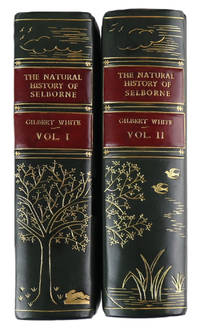
1900réf. 23925London: S.T. Freemantle 1900. leather. Very Good. 2 volumes 8vo. b&w illustrations ""The Natural History & Antiquities of Selborne & A Garden Kalendar by The Reverend Gilbert White M.A. edited by R. Bowdler Sharpe LL.D. with an Introduction to the Garden Kalendar by The Very Reverend S. Reynolds Hole Dean of Rochester & numerous illustrations by J.G. Keulemans Herbert Railton & Edmund J. Sullivan in two volumes""; Gilbert White's classic work detailing the natural history of the area around his family home at the Vicarage of Selborne composed in the form of a series of letters to Thomas Pennant and Daines Barrington; here in a new custom binding by fine art binder Karen McGuire - full green leather with four compartments to each spine being two red labels with gilt titling bird and cloud motifs to top compartments the lower compartments with gilt illustrations: vol 1 showing a tree in bloom with a mobile hare vol 2 with tree lake and foliage and birds overhead; gilt borders to boards front and rear; new marbled endpapers new prelims; both volumes with frontispiece plates and copiously illustrated throughout with full-page engravings text drawings and fold-out facsimile letters; a superb art binding enhancing Gilbert White's enduring natural history; title pages and text blocks foxed occasional light foxing in text o.w. both volumes Very Good; PLEASE NOTE: VERY HEAVY TWO VOLUME SET MAY INCUR EXTRA SHIPPING DEPENDING ON DESTINATION. S.T. Freemantle hardcover
1952réf. 85558Verona: Officina Bodoni per Cento Amici del Libro 1952. Cm. 38 pp. 39 7. Con 10 tavole f.t. con incisioni in bronzo di Dario Viterbo ciascuna protetta da velina. Leg. edit. in cart. rigido con titoli impressi in oro. Entro custodia. Perfetta conservazione. Pregevole edizione impressa su carta distinta in tiratura limitata di 120 esemplari. Il presente esemplare ad personam per Vincenzo Lapiccirella. Officina Bodoni per Cento Amici del Libro unknown
1960réf. 85557Verona: Officina Bodoni per Cento Amici del Libro 1960. Cm. 30 x 215 pp. 100. Con sedici belle acqueforti di Dario Cecchi di cui quattordici nel testo una a doppia pagina e una sulla copertina. Leg. edit. in cart. illustrato protetto da velina ed entro custodia. Perfetta conservazione. Di quest'opera furono tirati 116 esemplari numerati su carta a mano Magnani. Il ns. esemplare porta il numero XXXI con la firma del presidente. Stampato come tredicesima pubblicazione per i Cento Amici del Libro cfr. Catalogo Mardersteig. Il presente è l'esemplare ad personam per Vincenzo Lapiccirella. Raccolta di novelle prese dalla bocca del popolo pistoiese nella fine dell'800. Officina Bodoni per Cento Amici del Libro unknown
1870réf. 030898LONDON: George Bell & Sons 1870 A nice set of the second edition of Morris's History of British Birds. In 6 volumes with original decorative cloth bindings and 365 hand coloured plates as called for. The bindings are all clean with bright gilt pictures of birds to each front board and gilt titles and decoration to spine. There is some wear: volume I has some cloth splitting at the hinges and splitting at the rear endpaper with rubbing to corners; volumes II III and IV have very slight pulling to top and bottom of spine and a little rubbing at corners; volume V has very small splits at the top and bottom of the spine; and volume VI has a 1 inch tear at the top of the spine with no loss and scuffing at the corners. Internally all have the original endpapers; the first section including the frontispiece is becoming loose on volumes I II and III; volume IV is sound but the stitching is looser than on the others. There is a little spotting to some plates and text pages but in general the contents are very clean looking unread and the plates are bright and well coloured. A few plates in volume III lack tissue guards and the plate of the Whitethroat is present but detached. Volume 5 has 4 plates present but detached: the Little Stint Schinz's Sandpiper Pochard and Polish Swan - and pages 131-134 the same. A few pages have been roughly opened and a few have darkening to edges. Overall the set is complete with bright bindings and well coloured plates. George Bell & Sons hardcover
1684réf. YRG-374Fort in-8,reliure d'époque Maroquin rouge, dos à nerfs, tranches dorées, titre doré, fleurons dorés, dentelle dorée bornant les plats, double filet aux coupes. Texte sur six colonnes.Intérieur frais. Dorure des tranches estompée en petites zones, petit manque sur 3 coins. Trés bon état général. coloniae agrippinae. apud balthasarum ab egmond.
1773réf. 46406198, 1773 ; in-4, basane brune marbrée de l’époque. 335 pagesTraduction inédite en vers des Métamorphoses. Le premier feuillet indique : «Monsieur Girard Prêtre curé de Bémécour proche Breteuil Diocese d'Évreux, est autheure de cette traduction des Métamorphoses d'Ovide en vers françois, que j'ay transcrite sur l'original écrit de sa main, que M. Girard Curé de Préaux au Perche, son frère et son héritier me confia (...) pour revoir l'ouvrage en entier, ce que l'auteur prévenu par la mort, n'avoit pu faire. Et parce qu'il jettoit sur le papier ses vers à mesure qu'il les composoit quoy que de differente mesure, j'ai donc rangé chacun d'eux en sa place, avec attention à la ponctuation régulière, ainsi qu'aux virgules ( ... ) ce qui dez lors me fit naître le dessein de chercher les moîens de le mettre au jour à la faveur de l'impression. Mais dans le temps que je m'occupois de ce projet avec mon ami, à peine lui avois-je remis en main le manuscrit, que la mort me l'enleva aussi en peu de jours ( ... ) Je m'adressai donc à une personne aussi distinguée par son goust connu pour les sciences, que par sa haute naissance [Monseigr le Duc de Sully note] qui m'honoroit de la bienveillance...» Ce dernier lui répondit qu'il avait a présenté l'ouvrage à divers imprimeurs, en vain. « Nous ne sommes plus, Mr dans le tems où le goust pour les bons ouvrages les faisoit rechercher ; de frivoles écrits, des nouveautés dangereuses, l'appétit du gain par le prompt et prodigieux débit, qui s'en faict chez le vulgaire qui les dévore, tout cela ferme chez les imprimeurs l'entrée aux bons écrits ( ... )» Ce manuscrit est de la main de P. Le Sueur, curé de Ménil-Erreux(Orne) Page 319 on lit : « Achevé de transcrire le présent ouvrage malgré ma main rebelle et tremblante, ce 16 Novembre 1773 et de mon âge 74 ans et 7 mois accomplis. P. Le Sueur curé de Ménil Erreux». Ce Girard avait fait paraître anonymement un recueil de fables à Rouen en 1729 , ainsi lit-on dans Archives du bibliophile, bulletin de l’amateur II, 2810 que Les Malheurs des enfants du Parnasse est “suivant une note manuscrite, de M. Girard, curé de Bemecourt...”Page 266 on trouve la table des 24 Métamorphoses. Suit (pp. 268 à 319) une série de notices sur les dieux, héros et personnages mythologiques de Métamorphoses « pour donner au lecteur une idée de l'antiquité payenne, du nombre et de la turpitude de ses dieux et déesses et de l'extravagante imagination de l'homme abandonné à ses propres lumières, disons-mieux, à ses propres ténèbres ». Les pages 320 à 35 contiennent : J.B. ROUSSEAU. Stances sur les misères de l'homme avec une traduction latine de ce poème ; une homélie en latin sur la Résurrection de J. Christ par le R.P. Pierre VAULGEARD, bénédictin, professeur de rhétorique pendant 42 ans au Collège de Tyron au Perche. «Je la prononçay le jeudy d'avant la quasimodo 1716 dans la classe de Rhétorique ( ... ) comme elle eut un grand applaudissement, je l'ay conservée précieusement jusqu'icy. Ce morceau d'éloquence est peut-être unique en son genre». - Suit : L'Horloge de Sable, figure du monde par un Solitaire. Ce poème de Gilles de CAUX (1682- 1733) avait paru à Paris chez Sevestre en 1714
réf. 2309MA191In Duas Partes Distributus. AUTHORE P. Francisco Pinheiro Lusitano Govveensi Societatis Jesu Doctore Theologo In Eborensi Academia Olim Primario Sacrae Theologiae professore atque ejusdem Academiae Cancellario. EBORAE Cum Superiorum permissu. Ex Typographia Academiae Anno Domini. M. DCC. LXXXI. 1681 In fólio de 288x207 cm. Com xvi 618 l ii em br. págs. Encadernação da época inteira de pele com nervos e ferros a ouro na lombada. Exemplar com desgaste em toda a encadernação em especial na coifa e nos cantos com perdas de pele com furos de traça perda do rótulo assim como extensas faltas superficiais de pele nas pastas. Manchas no interior das pastas folhas de guarda anterior com as seguintes anotações em letra coeva: arabesco seguido do número 1200 preço e o número 480 preço em 1804. Folha de rosto com assinatura de posse de Carvalho e rubrica em tinta coeva rasurada. Mancha no canto inferior das primeiras páginas e pequena mancha à cabeça desde a folha de rosto até página 150. Com alguns sublinhados no texto e notas marginais em letra coeva. Impressão com caracteres redondos e alguns itálicos no prólogo e no início de cada uma das partes. Texto ornamentado com cabeções com motivos vegetalistas e animalistas enquadrando o trigrama sagrado característico da Companhia de Jesus com iniciais decoradas e com um belo florão de remate cesto com flores no fim do índice de assuntos. As folhas preliminares contêm: extensa dedicatória do autor a Manuel de Faria Severim Prólogo do autor Licenças de 22 de Junho a 2 de Julho de 1651 da primeira edição com aprovações de Francisco Távora Provincial da Companhia de Jesus; Frei António Veloso e Frei Valério de São Raimundo e de 22 de Julho de 1678 a 24 de Setembro de 1682 com aprovação desta 2.ª edição por Gaspar de Lemos Galvão. Incluem também o índice dos títulos das partes da obra e das disputas em que estão divididas. As folhas finais contêm o índice de assuntos e duas páginas em branco. A 1.ª edição foi publicada em Coimbra pelo impressor Manuel Dias em 1655. Esta 2.ª Edição é bastante rara pois não consta dos principais catálogos de leilões e de livreiros. Existe uma variante em que os cabeções e iniciais são todos diferentes incluindo o florão de remate no final do índice. Obra muito importante para o estudo da história do direito em especial porque os contratos enfitêuticos mantiveram-se em uso em Portugal até cerca da segunda metade do século XX e no Brasil até 2003. Importante também para o estudo do instituto dos morgadios em Portugal. O autor trata com grande pormenor de dois tipos de contratos: 1.º - O Censo que podia ter pelo menos duas formas - censo consignativo e censo reservativo. No primeiro uma das partes entrega à outra uma determinada quantia em dinheiro ficando a segunda obrigada a pagar-lhe uma renda. O segundo consiste na cedência do domínio de um bem a uma parte ficando esta na obrigação de pagar uma pensão anual pelos rendimentos do bem cedido. 2.º - A enfiteuse é um instituto jurídico oriundo do Direito Romano e consiste Segundo J. M. de Carvalho Santo a enfiteuse também dita de emprazamento e de aforamento designa o contrato pelo qual o proprietário de terreno alodial cede a outrem o direito de percepção de toda utilidade do mesmo terreno seja temporária ou perpetuamente com o encargo de lhe pagar uma pensão ou foro anual e a condição de conservar para si o domínio direto. Francisco Pinheiro Gouveia 1596 - Coimbra 1661. Ingressou na Companhia de Jesus no Colégio de Coimbra em 14 de Março de 1611. Estudou Filosofia no Colégio das Artes 1613-1617 Teologia no Colégio de Jesus 1619-1923 e doutorou-se em Teologia na Universidade de Évora em 21 de Julho de 1633. Foi professor de Teologia Especulativa e de Teologia Moral. Regeu Filosofia na Universidade de Évora 1626-1630 onde foi cancelário 1651. Em Coimbra foi Reitor do Colégio das Artes 1654-1657. Foi preso pela Inquisição de Évora por contestar a actuação dos Inquisidores na prisão do almotacé Roque Cortez tendo sido libertado em 1643. Foi professor de Teologia Escolástica durante dezasseis anos de Teologia Moral durante três anos. Reitor dos Colégios de Coimbra e Évora da Companhia. É autor das seguintes obras: Tractatus de Testamentis Tomus Primus Conimbricae; apud Josephum Ferreyra Universitatis Typographus 1681. Tomus Secundus 1684. Teve segunda edição em 1715. Existem diversos manuscritos com os textos que ensinava nas suas aulas e o manuscrito do Tractatus de Testamentis com data de 1645. EN In folio. 28.8x20.7 cm. xvi 618 xlviii pp. Contemporary full leather binding with raised bands and gilt tools on spine. Copy showing signs of wear on the binding especially at the head of the spine with a small moth hole on the folders with superficial flaws of leather and at the corners. A note with the cost of this book in 1724 and a handwritten ownership title by Inácio Monteiro de Faria; a second handwritten ownership title and a rubric all on the front flyleaf. Coeval rubric at the foot of the title page; some underlining in the text and marginal notes in coeval ink; small stain at the head of the first leaves up to page 150; stain at the bottom corner of the first pages. Printing with round characters and some italics in the prologue and at the beginning of each part. Text decorated with headpieces depicting plant and animal motifs framing the sacred trigram characteristic of the Society of Jesus with decorated initials and with a beautiful finishing fleuron a basket with flowers at the end of the subject index. The preliminary leaves contain: the author's extensive dedication to Manuel de Faria Severim the author's Prologue Licences from 22 June to 2 July 1651 of the first edition with approvals from Francisco Távora Provincial of the Society of Jesus; Friar António Veloso and Friar Valério de São Raimundo and from 22 July 1678 to 24 September 1682 with approval of this 2nd edition by Gaspar de Lemos Galvão. They also include an index of the titles of the parts of the work and the disputes into which they are divided. The final pages contain the subject index and two blank pages. The 1st edition was published in Coimbra by the printer Manuel Dias in 1655. This 2nd Edition is quite rare as it doesn't appear in the main auction and bookseller catalogues. There is a variant in which the headpieces and initials are all different including the finishing fleuron at the end of the table of contents. Very important book for the study of the history of law especially as emphyteutical contracts remained in use in Portugal until around the second half of the 20th century and in Brazil until 2003. It is also important for studying the institute of morgadios Majorats in Portugal. The author deals in great detail with two types of contracts: 1st - The Census which could take at least two forms - consignative census and reservative census. In the former one of the parties gives the other a certain amount of money and the latter is obliged to pay rent. The second consists of one party transferring control of an asset to the other who is obliged to pay an annual pension for the income from the asset. 2nd. - The emphyteusis is a legal institute that originated in Roman Law and consists according to J. M. de Carvalho Santo of an emphyteusis also known as an emprazamento or aforamento which is the contract by which the owner of allodial land assigns to another the right to perceive all the usefulness of the same land either temporarily or in perpetuity with the burden of paying an annual pension or rent and the condition of retaining the direct domain for himself. Francisco Pinheiro Gouveia 1596 - Coimbra 1661. Joined the Society of Jesus at the College of Coimbra on 14 March 1611. He studied philosophy at the College of Arts 1613-1617 theology at the College of Jesus 1619-1923 and obtained his doctorate in theology at the University of Évora on 21 July 1633. He was a professor of Speculative Theology and Moral Theology. He taught philosophy at the University of Évora 1626-1630 where he was cancellor 1651. In Coimbra he was Rector of the College of Arts 1654-1657. He was imprisoned by the Évora Inquisition for contesting the Inquisitors' actions in the imprisonment of the almotacé municipal officer Roque Cortez and was released in 1643. He taught scholastic theology for sixteen years and moral theology for three years. Rector of the Society's Coimbra and Évora Colleges. He is the author of the following works: Tractatus de Testamentis Tomus Primus Conimbricae; apud Josephum Ferreyra Universitatis Typographus 1681 Tomus Secundus 1684. It had a second edition in 1715. There are several manuscripts of the texts he taught in his classes and the manuscript of the Tractatus de Testamentis dated 1645. Referências/References: SBN IT/ICCU/BVEE/069045 Iberian Books C19196 119071 USTC n.º 5060700. Arouca n.º P173. Catálogo da Biblioteca da Ordem dos Advogados. I Lisboa 1956 p. 68. Barbosa Machado II 223. M-6-A-22 hardcover