SMITH, AdamABAA
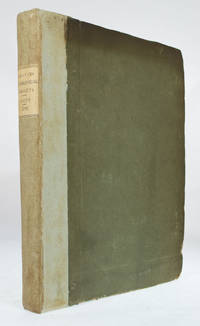
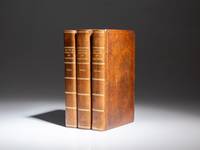
1795Best.-Nr. 66518London: Printed for T. Cadell Jun. and W. Davies etc. 1795. First edition. Quarto. xcv 244 pp. Contemporary boards rebacked. Small library stamp on title and verso and on last page a small ink smudge on title previous owner's bookplate. Overall a very good large paper copy totally uncut. A posthumously published collection of essays mainly of scientific and philosophical nature. Smith had instructed his literary editors Joseph Black and James Hutton to destroy almost all of his manuscript material amounting to some sixteen volumes. These essays were exempted because the editors perceived them to "be part of a plan he had once formed for giving a connected history of the liberal sciences and elegant arts" even though Smith had to abandon the plan because it was too extensive. HBS 66518. $10000. Printed for T. Cadell Jun. and W. Davies, etc. unknown books
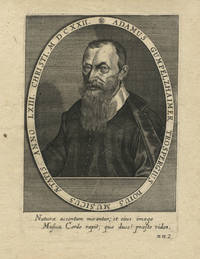
Best.-Nr. 22296143 x 97 mm. wide margins. Slightly worn; edges browned. In very good condition overall. Possibly after the same painting on which the woodcut portrait in his Compendium Musicae of 1632 is based. Gumpelzhaimer spent most of his active life in Augsburg where he was Kantor and Präzeptor at the school and church of St. Anna from 1581 until his death. "He was probably best known to German musicians of and after his time through his Compendium musicae. . The richness of musical activity of St Anna is indicated not only by Gumpelzhaimer's music but also by the extensive holdings of the church library during his 44 years there. A handwritten inventory was started by Gumpelzhaimer in 1620 and continued by Faust in 1625. This list includes in addition to many printed collections several large manuscript books of polyphonic music in score notation. Two of these books have survived one begun in 1599 and the other completed in 1624. They were copied out mostly by Gumpelzhaimer and contain compositions by many prominent musicians of the time." William E. Hettrick in Grove Music Online. unknown books
1923Best.-Nr. 246618Boston: Houghton Mifflin 1923. No. 60 of 525 copies. With descriptions and reproductions of 75 plates by Benson plus an original etched frontispiece signed by the artist in pencil. 1 vols. 4to. Original gray paper covered boards beige linen spine with printed label. A few spots on last two leaves of text else fine. Benson Frank W. No. 60 of 525 copies. With descriptions and reproductions of 75 plates by Benson plus an original etched frontispiece signed by the artist in pencil. 1 vols. 4to. A well-produced survey of the great etcher's work dealing primarily with wildfowl. Mill/well/26/1 Houghton Mifflin unknown books
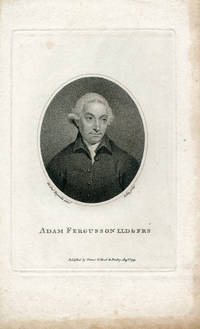
1799Best.-Nr. 41799Vernor & Hood 1799. Plate: 165x113 mm. Margin: 235x146 mm. Marginal discoloration light foxing. Vernor & Hood unknown books
1929Best.-Nr. 245993Boston: Houghton Mifflin Company Printed at the Riverside Press 1929. No 62 of 600 copies. With descriptions and reproductions of 62 plates by Benson plus an original etched frontispiece "Flying Pintail" signed by him. 1 vols. 4to. Original gray paper covered boards beige linen spine with printed label. Label scuffed else very good. Bookplate of G. Peabody Gardner & Rose Gardner. Benson Frank W. No 62 of 600 copies. With descriptions and reproductions of 62 plates by Benson plus an original etched frontispiece "Flying Pintail" signed by him. 1 vols. 4to. A well-produced survey of the great etcher's work dealing primarily with wildfowl. The Flying Pintail etching original to this volume is item 275 in the catalogue and was produced in 1927. Houghton Mifflin Company [Printed at the Riverside Press] unknown books
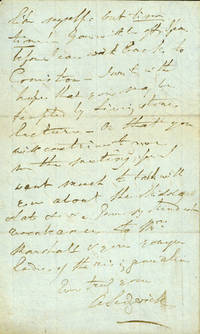
1857Best.-Nr. 408581857. Sedgwick Adam 1785-1873. Two autograph letters signed to James Marshall. Dent Yorkshire Oct. 7 1857; Trinity College Cambridge Oct. 31 1857. 8pp. total. 186 x 113 mm. Light soiling along folds but very good. Letters with excellent scientific content from one of the founders of modern geology. Sedgwick was responsible for defining the Devonian and Cambrian ages in the geological time scale and his immensely popular lecture courses on geology delivered annually at Cambridge between 1819 and 1870 had an enormous influence on succeeding generations of English geologists. One of his students was Charles Darwin who began attending Sedgwick's lectures in January 1831 and accompanied Sedgwick on a geological field tour of Wales the following summer. The two men remained friends until Sedgwick's death even though Sedgwick was never able to accept Darwin's theory of evolution by natural selection. IIn his Oct. 7 letter to Marshall Sedgwick discusses the geological researches he was then undertaking in England's Lake District: "I mean D.V. to work my way to Ulverston; & on Saturday or possibly Monday to transfer my head quarters to Broughton. I want to connect our work in all quarries on the east side of the road with the great open quarries in the Ireleth country; which we failed to do. The beds in the great open quarries strike very differently from those you & I saw; yet the strike of the cleavage is unchanged in direction & from end to end almost perpendicular--I think it highly probable that the bed between the Ireleth slate & the Ulverston estuary are nearly all from the flag or flag & grit--And I suspect that some hard gritty ridges I remember to have seen in a part of Cartmell Fell are but a repetition by enormous fault of the Comiston grits. . . ." Sedgwick also notes his intention to "hear Dr. Livingstone's evening lecture"; this is a reference to David Livingstone 1813-73 famous for his exploration of Africa. Sedgwick later provided a preface to Dr. Livingstone's Cambridge Lectures 1858. In his Oct. 31 letter Sedgwick touches on his precarious health--"On Monday I ought to have begun my course of lectures but on that day I had a severe relapse of vertigo & was obliged to put off my lectures until Friday yesterday"--and continues his discussion of his work: "All the rocks from the Ireleth country to the Comiston Ulverston sands are Comiston flag--But in our final traverse we found the hard Comiston grits in the hills S. W. of Penny Bridge--just where they ought to be--I think there is an enormous break down the valley meeting the complicated faults which come down from the hill a little North of Seathwaite at an angle.--In short the country from Ireleth Moor inclusive to the Sand of Ulverston has had a shove southwards of about five miles!" The recipient of these letters James Marshall was an amateur geologist and Fellow of the Geological Society. A friend of both Sedgwick and John Herschel Marshall was "a keen advocate of scientific education" Briggs Victorian Cities 1993 p. 161. Olroyd Earth Water Ice and Fire 2002 p. 20. Dictionary of Scientific Biography. . unknown books
1948Best.-Nr. 220115Pasadena California: Trail's End Publshing Co 1948. Collector's Edition one of 600 copies. Illustrated. 2 vols. 8vo. Carl Rungius. Collector's Edition one of 600 copies. Illustrated. 2 vols. 8vo. Rampaging Herd 16; Adams Six-Guns 14 Trail's End Publshing Co unknown books
1814Best.-Nr. 236681London: Printed for the Author 1814. Fourth edition with "many additions and improvements. 44 pp. 1 vols. Small 8vo. Bound in marbled later wrappers. Very good. Fourth edition with "many additions and improvements". 44 pp. 1 vols. Small 8vo. First published in 1797 this was a popular anti-tobacco tract which was also reprinted in editions of 1798 1805 as well as this last lifetime London edition a New York edition appeared in 1829. "Fairholt notices that DISSERTATION 'was one of the bitterest attacks on the habit and becme the textbook of the oppositionists'" Brooks Arents Catalogue. Arents Vol. IV 1126-c Printed for the Author unknown books
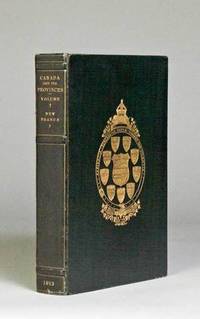
1917Best.-Nr. 217987Toronto: Printed by T. & A. Constable at the Edinburgh University Press for the Publisher's Association of Canada Limited 1917. Author' Edition. First edition Number 848 of 875 Impressions on All-Rag Watermarked Paper signed by the Publisher. Illustrated. 23 vols. 4to 27.2 x 20.5 cm. Bound in fulll green morocco upper board with large gilt seal t.e.g. Fine. Author' Edition. First edition Number 848 of 875 Impressions on All-Rag Watermarked Paper signed by the Publisher. Illustrated. 23 vols. 4to 27.2 x 20.5 cm. Printed by T. & A. Constable at the Edinburgh University Press for the Publisher's Association of Canada Limited unknown books
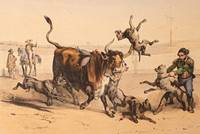
Best.-Nr. 06714Paris: chez Bulla et chez Aumont 1830. Victor Adam's Spectacular Masterpiece of the Bullring Twelve Magnificent Hand-Colored Lithographs Heightened with Gum Arabic With an Autograph Letter Signed by the Artist ADAM Victor Jean Victor Adam. Combat du Taureau / Corrida de Toros Bull Fight. Douze sujets dessinés d'après nature par Victor Adam. Paris: chez Bulla et chez Aumont ca. 1837. First edition. Oblong folio 13 7/16 x 18 7/8 inches; 341 x 480 mm. Twelve magnificent hand-colored lithographed plates by Victor Adam printed by Lemercier Bénard et Cie. each with captions in French and Spanish and all heightened with gum arabic. An autograph letter in French signed by Victor Adam mounted on the verso of the front blank. Plate III with a neat one-inch repair to the lower blank margin; a few occasional minor marginal marks. The contemporary hand-coloring exceptionally bright and fresh throughout. Three-quarter dark blue morocco over marbled boards. Front cover with large rectangular dark blue morocco label bordered and lettered in gilt. Spine with five raised bands ruled in gilt and lettered in gilt compartments. An exceptionally fine complete and beautifully colored example of one of the most spectacular pictorial representations of the Spanish bullfight produced during the French Romantic era further distinguished by an autograph letter signed by the artist. Jean Victor Adam 1801-1866 one of the most accomplished and prolific French lithographers of the nineteenth century studied under Jean-Baptiste Regnault and Charles Meynier. Celebrated particularly for his military and equestrian subjects Adam possessed an extraordinary ability to capture animals in motion a talent nowhere more dramatically displayed than in his remarkable Combat du Taureau. The twelve plates present a vivid and compelling pictorial narrative of the traditional Spanish corrida beginning with the ceremonial entrance of the bull into the arena and proceeding through the successive encounters with the picadors and other participants the increasingly dangerous confrontations between man horse and bull and finally the matador's fatal thrust and the removal of the dying animal from the ring. Adam's remarkable powers of observation his understanding of equine and bovine anatomy and his ability to convey movement and violent action combine to produce a series of exceptional dramatic intensity. The magnificent bulls spirited horses brilliantly costumed horsemen and richly decorated borders are rendered with extraordinary precision and vitality. The artist does not disguise the brutality of the spectacle; rather he captures its pageantry danger excitement and tragedy with an immediacy seldom encountered in nineteenth-century sporting lithography. Each composition is enclosed within an elaborate ornamental border incorporating appropriate emblems and motifs of the bullring. The exceptionally fine contemporary hand-coloring heightened throughout with gum arabic lends a remarkable brilliance and luminosity to the costumes animals and arena scenes. The resulting visual effect is both sumptuous and theatrical. Of particular interest is the accompanying autograph letter in French signed by Victor Adam and mounted on the verso of the front blank. An attractive and unusual association with the artist adding a further dimension of desirability to this already remarkable suite. A notably scarce publication especially complete and in such exceptionally fine contemporary coloring. An imperfect example containing only six of the twelve plates appeared as lot 953 in the dispersal of the library of Howth Castle Ireland on September 22 2021. A complete example retaining its original lithographed wrapper is preserved in the Musée Carnavalet Paris where the series is dated 1837. The work is also recorded by Palau and in the nineteenth-century catalogue of Damascène Morgand. Adam's finest lithographic achievements belong to the great flourishing of French Romantic lithography during the 1830s and 1840s before his work became increasingly commercial in character. Combat du Taureau is among the most ambitious and visually impressive productions of this period combining his celebrated mastery of animal subjects with a powerful sense of theatrical composition. A magnificent and exceptionally desirable suite of twelve hand-colored lithographs representing one of the great achievements of nineteenth-century French sporting art and a cornerstone work for any serious collection of bullfighting literature and iconography. References: Palau 2598; Damascène Morgand 18412; not in Bobins. Paris: chez Bulla et chez Aumont, 1830 unknown books
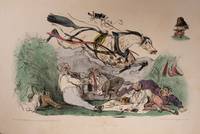
Best.-Nr. 06465Paris: Hautecoeur Frères 1860. A Delightful and Extremely Scarce Equestrian Caricature Album Sixteen Fine Hand-Colored Lithograph Plates by Albert Adam Son of the Celebrated Victor Adam ADAM Albert illustrator. Scènes Comiques d'après Nature. Plates lithographed by Godard. Paris: Hautecoeur Frères 1860. Oblong octavo 6 5/16 × 10 inches; 161 × 253 mm. Hand-colored lithographed pictorial title-page and sixteen numbered hand-colored lithograph plates many containing several individual scenes. Publisher's pictorial green paper boards upper cover illustrated lithographically neatly rebacked to style. Neat contemporary ink inscription dated 1860 on front free endpaper. An excellent example of this extremely scarce and delightfully humorous collection of equestrian caricatures preserved in its original pictorial publisher's boards. Albert Adam's Scènes Comiques d'après Nature is a wonderfully entertaining series of humorous sketches depicting the trials and tribulations of horses riders coachmen passengers and other unfortunate participants in the hazards of nineteenth-century travel. The sixteen beautifully hand-colored lithographs contain numerous individual illustrations frequently combining a principal composition with several smaller vignettes. Horses bolt carriages overturn riders are unceremoniously thrown from their mounts and the supposedly dignified travelers of fashionable France find themselves in the most undignified predicaments. Adam's spirited draughtsmanship keen observation of equine behavior and delightful sense of humor are evident throughout. An Extremely Scarce Publisher's Album of Sixteen Hand-Colored Lithographs The present example contains the first sixteen consecutively numbered plates of Scènes Comiques d'après Nature preserved in the publisher's original pictorial green boards. David Brass Rare Books previously handled a larger example DB 04067 containing thirty-two numbered plates comprising the same first sixteen compositions followed by a further sixteen numbered 17-32. A closely related publication Tribulations Parisiennes et Campagnardes also issued by Hautecoeur Frères and lithographed by Godard presents thirty-two numbered compositions arranged two to a sheet on sixteen larger leaves. The first compositions correspond to those in the present album. See David Brass Rare Books DB 04860 and Bibliotheca Hippologica Johan Dejager no. 361. These surviving examples establish that Adam's illustrations circulated in different formats and arrangements. Whether Scènes Comiques d'après Nature was originally issued in separate sixteen-plate livraisons or whether the smaller albums represent publisher's selections from a more extensive series remains to be conclusively determined. Copies retaining their original pictorial boards are particularly desirable. Albert Adam 1833-1900 was a French draughtsman caricaturist and lithographer the son of the celebrated painter and lithographer Jean-Victor Adam 1801-1866 with whom he frequently collaborated. Like his father Albert specialized in equestrian subjects demonstrating a particular talent for the depiction of horses in motion and the humorous mishaps of riders and travelers. His lively compositions capture both the elegance and the inherent absurdities of nineteenth-century sporting and social life. The Plates: Un Chien emporté with two smaller scenes. Culbute à la Marche. Désagrément du Macadam with two smaller scenes. Le Pot de fer et le Pot de terre with two smaller scenes. Une Famille d'Allemands. Touché!!! with three smaller scenes. Ces Messieurs s'amusent with five smaller scenes. C'est celle-là! qui est une bête de premier mérite with one smaller scene. Une branche de salut with three smaller scenes. Une belle Famille with four smaller scenes. Un accident imprévu with two smaller scenes. Un Cheval qui a couru à la Marche with five smaller scenes. Voiture à l'usage des amateurs de culbutes with one smaller scene. Le Déjeuner interrompu. Arrosement public et gratis with four smaller scenes. La Ruade with five smaller scenes. A charming and remarkably uncommon example of mid-nineteenth-century French equestrian caricature with delightful contemporary hand-coloring preserved in the publisher's original illustrated green boards. Related reference: Bibliotheca Hippologica Johan Dejager no. 361 for the related Tribulations Parisiennes et Campagnardes. Paris: Hautecoeur Frères, 1860 unknown books
1799Best.-Nr. 19803London: A. Strahan; T. Cadell Jun. and W. Davies 1799. Ninth Edition. Leather bound. Near fine. The ninth edition of The Wealth of Nations by Adam Smith published in London in 1799. Octavo three volumes xii 499; 2; vi 518pp 6; vii 1 465pp 1 49pp index 1 ads. With an appendix to the second volume and an index in the third. Half title in each volume. Uniformly bound period polished calf boards new spines titles stamped in gilt with decorative gilt embellishments. Original marbled boards hinges rebuilt text block resewn. Light toning to endpapers text block clean throughout. Pencil marks on rear endpapers of Volume I. An attractive set which appeared nine years after Smith's death. First published in 1776 Smith's work established a foundation for classical political economy through its treatment of the division of labor capital international trade taxation and public expenditure. A. Strahan; T. Cadell Jun. and W. Davies unknown books
2025Best.-Nr. 17148New York: MCD Farrar Straus and Giroux 2025. First Edition. Hardcover. Near fine/near fine. First Edition. Hardcover. Signed by Adam Johnson in ink to page specially bound in by the publisher. Stated first edition with full number line indicating first printing. 9 1/4" X 6 1/8". 716pp. Gentle shelfwear to dust jacket. Bound in black paper over boards with upper board decorated in gilt stars and spine lettered in gilt. Binding is firm tight and sound. Pages are clean bright and unmarked. A highly presentable signed first edition of this "powerful and original epic" The New York Times by the Pulitzer Prize winning author of The Orphan Master's Son. ABOUT THIS BOOK: A historical epic about a girl from a remote Tongan island who becomes her people's queen. Talking corpses poetic parrots and a fan that wafts the breath of life-this is the world young K rero finds herself thrust into when a mysterious visitor lands on her island a place so remote its inhabitants have forgotten the word for stranger. Her people are desperate and on the brink of starvation and the wayward stranger offers them an impossible choice: they can remain in the only home they've ever known and await the uncertainty to come or K rero can join him and venture into unfamiliar waters guided by only the night sky and his assurance of a bountiful future in the Kingdom of Tonga. What K rero and her people don't know is that the promised refuge is no utopia-instead Tonga is an empire at war and on the verge of collapse a place where brains are regularly liberated from skulls and souls get trapped in coconuts with some frequency. The perils of Tonga are compounded by a royal feud: loyalties are shifting graves are being opened and everyone lives in fear of a jellyfish tattoo. Here survival can rest on a perfectly performed dance or the acceptance of a cup of kava. Together the stranger and K rero embark upon an epic voyage-one that will deliver them either to salvation or to the depths of the Pacific. Evoking the grandeur of Wolf Hall and the splendor of Sh gun the Pulitzer Prize-winning novelist Adam Johnson conjures oral history restores the natural world and locates what's best in humanity. Toweringly ambitious and breathtakingly immersive The Wayfinder is an instant timeless classic. Signed by Adam Johnson in ink to page specially bound in by the publisher. Stated first edition with full number line indicating first printing. 9 1/4" X 6 1/8". 716pp. Gentle shelfwear to dust jacket. Bound in black paper over boards with upper board decorated in gilt stars and spine lettered in gilt. Binding is firm tight and sound. Pages are clean bright and unmarked. A highly presentable signed first edition of this "powerful and original epic" The New York Times by the Pulitzer Prize winning author of The Orphan Master's Son. ABOUT THIS BOOK: A historical epic about a girl from a remote Tongan island who becomes her people's queen. Talking corpses poetic parrots and a fan that wafts the breath of life-this is the world young KÅrero finds herself thrust into when a mysterious visitor lands on her island a place so remote its inhabitants have forgotten the word for stranger. Her people are desperate and on the brink of starvation and the wayward stranger offers them an impossible choice: they can remain in the only home they've ever known and await the uncertainty to come or KÅrero can join him and venture into unfamiliar waters guided by only the night sky and his assurance of a bountiful future in the Kingdom of Tonga. What KÅrero and her people don't know is that the promised refuge is no utopia-instead Tonga is an empire at war and on the verge of collapse a place where brains are regularly liberated from skulls and souls get trapped in coconuts with some frequency. The perils of Tonga are compounded by a royal feud: loyalties are shifting graves are being opened and everyone lives in fear of a jellyfish tattoo. Here survival can rest on a perfectly performed dance or the acceptance of a cup of kava. Together the stranger and KÅrero embark upon an epic voyage-one that will deliver them either to salvation or to the depths of the Pacific. Evoking the grandeur of Wolf Hall and the splendor of ShÅgun the Pulitzer Prize-winning novelist Adam Johnson conjures oral history restores the natural world and locates what's best in humanity. Toweringly ambitious and breathtakingly immersive The Wayfinder is an instant timeless classic. MCD, Farrar, Straus and Giroux hardcover books
2025Best.-Nr. 17260New York: Author's Equity 2025. First Edition. Hardcover. Very good /very good . First Edition. Hardcover. Signed by Adam Cohen to page specially bound in by the publisher. Stated first edition first printing. 9 1/2" X 6 3/8". xviii 357pp. A hint of shelfwear to unclipped dust jacket with Signed Copy label to front panel. Bound in blue paper over boards with spine lettered in gilt. Gentle bumping to head and tail of spine. Binding is firm tight and sound. Pages are clean bright and unread. A very presentable signed first edition of this account of a harrowing journey at sea and its legal aftermath by acclaimed journalist Pulitzer Prize juror and New York Times bestselling author Adam Cohen. ABOUT THIS BOOK: Four men in a lifeboat. Two weeks without food. One impossible choice that would reshape the boundaries between survival and murder. "A perfect enunciation of the classic philosophical conundrum: can you sacrifice one innocent life to save many" Yann Martel author of Life of Pi On May 19 1884 the yacht Mignonette set sail from England on what should have been an uneventful voyage. When their vessel sank in the Atlantic Captain Thomas Dudley and his crew found themselves adrift in a tiny lifeboat. As days turned to weeks they faced an unthinkable choice: starve to death or resort to cannibalism. Their decision to sacrifice the youngest-17-year-old cabin boy Richard Parker-ignited a firestorm of controversy upon their rescue. Instead of being hailed as heroes and survivors Dudley and his crew found themselves at the center of Regina v. Dudley and Stephens a landmark murder trial that would establish the legal precedent that necessity cannot justify murder-a principle that continues to shape Anglo-American law today. In Captain's Dinner acclaimed journalist Pulitzer Prize juror and New York Times bestselling author Adam Cohen masterfully depicts both the harrowing weeks at sea and the sensational trial that followed. "Is killing one innocent person justified if it saves the lives of three others Cohen's answer-in this riveting account-reads like a thriller" former U.S. Secretary of State Antony J. Blinken. Through this Victorian tragedy Cohen reveals an enduring conflict between primal instincts and moral principles. This book will "make you think long and hard about what you might do to survive" Ezekiel J. Emanuel M.D. Ph.D. University of Pennsylvania. Perfect for readers of David Grann's The Wager and Nathaniel Philbrick's In the Heart of the Sea this pulse-pounding true story has become a real-life example of one of life's greatest moral dilemmas. "Thoroughly researched and impeccably argued" Martel. Rich with narrative detail and real-life courtroom twists "brilliant and profound" bestselling author Amy Chua Captain's Dinner strikes at the heart of a question that haunts us all: When does survival justify murder Publisher. Signed by Adam Cohen to page specially bound in by the publisher. Stated first edition first printing. 9 1/2" X 6 3/8". xviii 357pp. A hint of shelfwear to unclipped dust jacket with Signed Copy label to front panel. Bound in blue paper over boards with spine lettered in gilt. Gentle bumping to head and tail of spine. Binding is firm tight and sound. Pages are clean bright and unread. A very presentable signed first edition of this account of a harrowing journey at sea and its legal aftermath by acclaimed journalist Pulitzer Prize juror and New York Times bestselling author Adam Cohen. ABOUT THIS BOOK: Four men in a lifeboat. Two weeks without food. One impossible choice that would reshape the boundaries between survival and murder. "A perfect enunciation of the classic philosophical conundrum: can you sacrifice one innocent life to save many" Yann Martel author of Life of Pi On May 19 1884 the yacht Mignonette set sail from England on what should have been an uneventful voyage. When their vessel sank in the Atlantic Captain Thomas Dudley and his crew found themselves adrift in a tiny lifeboat. As days turned to weeks they faced an unthinkable choice: starve to death or resort to cannibalism. Their decision to sacrifice the youngest-17-year-old cabin boy Richard Parker-ignited a firestorm of controversy upon their rescue. Instead of being hailed as heroes and survivors Dudley and his crew found themselves at the center of Regina v. Dudley and Stephens a landmark murder trial that would establish the legal precedent that necessity cannot justify murder-a principle that continues to shape Anglo-American law today. In Captain's Dinner acclaimed journalist Pulitzer Prize juror and New York Times bestselling author Adam Cohen masterfully depicts both the harrowing weeks at sea and the sensational trial that followed. "Is killing one innocent person justified if it saves the lives of three others Cohen's answer-in this riveting account-reads like a thriller" former U.S. Secretary of State Antony J. Blinken. Through this Victorian tragedy Cohen reveals an enduring conflict between primal instincts and moral principles. This book will "make you think long and hard about what you might do to survive" Ezekiel J. Emanuel M.D. Ph.D. University of Pennsylvania. Perfect for readers of David Grann's The Wager and Nathaniel Philbrick's In the Heart of the Sea this pulse-pounding true story has become a real-life example of one of life's greatest moral dilemmas. "Thoroughly researched and impeccably argued" Martel. Rich with narrative detail and real-life courtroom twists "brilliant and profound" bestselling author Amy Chua Captain's Dinner strikes at the heart of a question that haunts us all: When does survival justify murder Publisher. Author's Equity hardcover books
2012Best.-Nr. 17759New York: Random House 2012. First Edition First Printing. Hardcover. Fine/fine. Signed first edition of The Orphan Master's Son: A Novel by Adam Johnson. Octavo 12 443pp 7. Black hardcover title in red on spine. Stated "First Edition" on copyright page with full number line listed. Solid text block. In the publisher's dust jacket $26.00 retail price on front flap a fine example. Signed by Adam Johnson on a tipped-in leaf. The Orphan Master's Son received the 2013 Pulitzer Prize for Fiction. Random House hardcover books
2025Best.-Nr. 16410New York: Little Brown and Company 2025. First Edition. Hardcover. Very good /Very good . First Edition. Hardcover. Signed by Adam Haslett in ink to page specially bound in by the publisher. First Edition Stated First Printing. 9 1/2" X 6 1/4". 323pp. Very mild shelf wear to covers corners and edges of unclipped dust jacket. Bound in gray paper over boards with spine backed in red and lettered in white. Pages are clean and unmarked. Binding is firm and sound. A very presentable signed first edition. ABOUT THIS BOOK: A mother and son estranged for years must grapple with the shared secret that drove their lives apart in this enthralling story about family forgiveness and how a fleeting act of violence can change a life forever by "one of the country's most talented writers" Wall Street Journal At forty Peter an asylum lawyer in New York City is overworked and isolated. He spends his days immersed in the struggles of immigrants only to return to an empty apartment and occasional hook-ups with a man who wants more than Peter can give. But when the asylum case of a young gay man pierces Peter's numbness the event that he has avoided for twenty years returns to haunt him. Ann his mother who runs a women's retreat center she founded after leaving his father is hurt by the estrangement from Peter but cherishes the world she has built. She long ago put behind her the decision that divided her from her son. But as Peter's case plunges him further into the fraught memory of his first love and the night of violence that changed his life he and his mother must confront the secret that tore them apart. With unsurpassed emotional depth Mothers and Sons reveals all that is lost by looking away from the past and the love that might be restored by facing it.Publisher. Signed by Adam Haslett in ink to page specially bound in by the publisher. First Edition Stated First Printing. 9 1/2" X 6 1/4". 323pp. Very mild shelf wear to covers corners and edges of unclipped dust jacket. Bound in gray paper over boards with spine backed in red and lettered in white. Pages are clean and unmarked. Binding is firm and sound. A very presentable signed first edition. ABOUT THIS BOOK: A mother and son estranged for years must grapple with the shared secret that drove their lives apart in this enthralling story about family forgiveness and how a fleeting act of violence can change a life forever by "one of the country's most talented writers" Wall Street Journal At forty Peter an asylum lawyer in New York City is overworked and isolated. He spends his days immersed in the struggles of immigrants only to return to an empty apartment and occasional hook-ups with a man who wants more than Peter can give. But when the asylum case of a young gay man pierces Peter's numbness the event that he has avoided for twenty years returns to haunt him. Ann his mother who runs a women's retreat center she founded after leaving his father is hurt by the estrangement from Peter but cherishes the world she has built. She long ago put behind her the decision that divided her from her son. But as Peter's case plunges him further into the fraught memory of his first love and the night of violence that changed his life he and his mother must confront the secret that tore them apart. With unsurpassed emotional depth Mothers and Sons reveals all that is lost by looking away from the past and the love that might be restored by facing it.Publisher. Little, Brown and Company hardcover books
2024Best.-Nr. 16788Brooklyn: Pacific Books 2024. Presumed First Edition. Paperback. Very good . Presumed First Edition. Paperback. 9 1/2" X 6 1/2". 105pp. No further printings noted. Very mild shelf wear to covers corners and edges of paper wraps. Pages are clean and unmarked. Binding is firm tight and sound. ABOUT THIS BOOK: "I am that thing that doesn't fit" appears early on in Joyspace architect Adam Rolston's vibrant sharp manifesto on the practice to which he has dedicated his life. Chronicling nearly four decades of a singular creative vision within which a brief history of modern architecture unfurls and is then critiqued Joyspace presents the reader with new definitions of art and value within the built environment. An act of personal and intellectual self-definition-that includes references as diverse as ACT UP Filippo Tommaso Marinetti's futurist manifesto and Rutger Hauer's chilling "tears in the rain" monologue from Blade Runner-Rolston's Joyspace is a transformative force capable of shaping a new interconnected global aesthetic that resists the boundaries of conventional design where nothing fits and everybody belongs. The Pacific Design Series explores design as an act of problem solving and alternative thinking. With contributions from some of today's most visionary thinkers in the mediums of art architecture photography and creative writing the series positions design as a gesture of hope-a belief that if we can imagine another way forward then we can create a better way forward.Publisher. 9 1/2" X 6 1/2". 105pp. No further printings noted. Very mild shelf wear to covers corners and edges of paper wraps. Pages are clean and unmarked. Binding is firm tight and sound. ABOUT THIS BOOK: "I am that thing that doesn't fit" appears early on in Joyspace architect Adam Rolston's vibrant sharp manifesto on the practice to which he has dedicated his life. Chronicling nearly four decades of a singular creative vision within which a brief history of modern architecture unfurls and is then critiqued Joyspace presents the reader with new definitions of art and value within the built environment. An act of personal and intellectual self-definition-that includes references as diverse as ACT UP Filippo Tommaso Marinetti's futurist manifesto and Rutger Hauer's chilling "tears in the rain" monologue from Blade Runner-Rolston's Joyspace is a transformative force capable of shaping a new interconnected global aesthetic that resists the boundaries of conventional design where nothing fits and everybody belongs. The Pacific Design Series explores design as an act of problem solving and alternative thinking. With contributions from some of today's most visionary thinkers in the mediums of art architecture photography and creative writing the series positions design as a gesture of hope-a belief that if we can imagine another way forward then we can create a better way forward.Publisher. Pacific Books paperback books
Best.-Nr. 05952Paris & London: V. Morlet & McLean 1830. Behind the Walls of Sainte-Pélagie Debt Despair and Defiance in Restoration Paris Twelve Superb Hand-Colored Lithographs by Victor Adam An Exceptionally Rare and Remarkable Pictorial Record of Life in a Parisian Debtor's Prison ADAM Jean-Victor 1801-1866. Album de Sainte-Pélagie Prison de la Dette. Gravures rehaussées à l'aquarelle. Douze scènes intérieures dessinées et lithographiées d'après nature par V. Adam. Paris: Publié par V. Morlot; New York: Bailly Ward & Co.; London: McLean circa 1830. First edition. Oblong folio 10 5/8 × 13 7/8 inches; 270 × 352 mm. 4 pp. of descriptive text. Twelve superb numbered hand-colored lithograph plates by Victor Adam printed by Bénard. Each plate with the publisher's oval blind-stamp in the lower blank margin. Bound without the original lithographed pictorial wrapper which served as the title. Mid-nineteenth-century quarter red calf over marbled boards smooth spine ruled and lettered in gilt. A superb example with exceptionally fine contemporary hand-coloring. An extraordinarily rare and wonderfully revealing collection of twelve hand-colored lithographs depicting the daily lives pleasures humiliations and occasional absurdities of the inmates of the notorious Sainte-Pélagie debtor's prison in Paris. One of the most unusual and socially perceptive early lithographic albums by the celebrated French artist Jean-Victor Adam. Published during the closing years of the Bourbon Restoration or the opening years of the July Monarchy Album de Sainte-Pélagie offers a remarkable visual record of an institution in which imprisonment for debt brought together men from widely differing social circumstances. Sainte-Pélagie situated in the fifth arrondissement of Paris occupied buildings formerly belonging to a religious establishment. Converted into a prison during the French Revolution it subsequently housed debtors political prisoners and other categories of detainees. Among its more celebrated inmates were the Marquis de Sade the mathematician Évariste Galois the poet Gérard de Nerval and much later the painter Gustave Courbet. The debtor's prison was an institution in which the unfortunate debtor could find himself deprived of his liberty through the legal action of his creditors. Imprisonment did not necessarily extinguish his debts and the consequences could be devastating particularly for men without independent financial resources. It is this extraordinary mixture of financial misfortune social inequality and human resilience that Victor Adam portrays with such wit and sympathy. A Remarkable Social Commentary: The original four-page descriptive text accompanying the twelve plates is of particular interest. In his introductory remarks the publisher openly questions the morality of imprisonment for debt describing the institution as a relic of legislation insufficiently adapted to a civilized society and one that could become an instrument of vengeance or greed. The declared purpose of the album was to introduce the public to a world that few outsiders had witnessed and to reveal the contrasting circumstances of those confined within its walls. Adam's twelve illustrations accomplish this with extraordinary success: The series begins with L'Écrou depicting the formal admission of a debtor into the prison and proceeds to contrast the miserable surroundings of the impoverished prisoner with the considerably more comfortable-and frequently convivial-circumstances of those who possessed money friends or other means of support. In Chambre du détenu malheureux the unfortunate debtor inhabits a crowded and dismal room. The sparse furnishings worn clothing and general atmosphere of despondency convey the wretchedness of imprisonment without financial resources. By contrast Chambre du détenu philosophe presents a wonderfully animated interior in which the prisoners appear to have transformed their confinement into an opportunity for cheerful sociability. Men and women converse drink embrace and celebrate around a crowded table while the general disorder of the room suggests a complete disregard for conventional prison discipline. The scene is both amusing and deeply ironic. The subsequent plates continue this remarkable exploration of prison society. The inmates organize elections gather in a reading room frequent the prison tavern and café take their meals together and pursue amusements in the courtyard. The prison appears at times less like an institution of punishment than a miniature society complete with its own customs entertainments political controversies and social distinctions. In Le Café the prisoners gather around a table in a spirit of boisterous camaraderie. A notice on the wall proclaims hostility toward creditors and enthusiasm for liberty encapsulating the rebellious humour that permeates the collection. Particularly striking is Le Bain du créancier in which an unfortunate creditor becomes the object of the prisoners' collective indignation. The crowded composition filled with struggling figures and animated gestures is among the most spirited of the entire series. The final plate Sortie du débiteur provides a delightful conclusion showing a released debtor emerging from confinement in a scene full of movement emotion and excitement. Together these twelve compositions form an exceptionally engaging pictorial account of an institution that was simultaneously a place of suffering social interaction and resistance to the authority of creditors. The Twelve Hand-Colored Lithographs L'Écrou. The Admission. The formal registration and reception of a debtor upon entering Sainte-Pélagie. Chambre du détenu malheureux. The Unfortunate Prisoner's Room. A moving representation of the miserable conditions endured by prisoners without financial resources. Chambre du détenu philosophe. The Philosophical Prisoner's Room. A wonderfully animated scene of conviviality drinking and celebration. Les Élections. The Elections. The inmates gather in the prison courtyard to participate in their own political proceedings. Le Cabinet de lecture. The Reading Room. Prisoners reading conversing and occupying themselves with books and newspapers. Le Cabaret. The Tavern. A lively interior depicting the social pleasures available within the prison. Le Café. The Café. A spirited gathering of prisoners drinking and celebrating together. Le Repas dans la cour. The Meal in the Courtyard. The inmates assemble for an outdoor meal. Les Jeux dans la cour. Games in the Courtyard. Prisoners engaging in various recreations. Le Bain du créancier. The Creditor's Bath. A wonderfully humorous scene in which the prisoners express their resentment toward a creditor. La Paye. Payment Day. A gathering of inmates around a table in the prison's administrative quarters. Sortie du débiteur. The Debtor's Release. An animated and emotional conclusion to the series. The Artistic and Historical Importance of the Album The quality of Adam's draughtsmanship is particularly evident in the crowded interiors and animated figure compositions. Unlike conventional illustrations of prison architecture which tend to emphasize the buildings and their physical arrangements Adam is primarily concerned with the people who inhabit them. His prisoners are portrayed as recognizable individuals with their own distinctive appearances gestures costumes and personalities. The interiors are filled with precisely observed details: beds tables chairs clothing books bottles cooking utensils and the various improvised possessions with which prisoners attempted to make their confinement more tolerable. These details give the album considerable documentary interest providing a vivid impression of the material conditions and social relationships within a Parisian prison during the early nineteenth century. The compositions also reveal Adam's considerable skill as a caricaturist. His figures are animated without becoming grotesque and the humour frequently arises from the contrast between the solemn purpose of the institution and the extraordinary behaviour of its inhabitants. The beautiful contemporary hand-coloring adds greatly to the visual effect with brilliantly colored costumes and lively figure groups standing out against the more subdued tones of the prison interiors and courtyards. The series belongs to the same tradition of French social observation and humorous lithography represented by the work of Henry Monnier Charles Philipon and subsequently Honoré Daumier. Yet Adam brings a particularly engaging combination of sympathy and comic invention to his subject. Jean-Victor Adam 1801-1866 was among the most prolific French painters and lithographers of the nineteenth century. Born in Paris on 28 January 1801 the son of the engraver Jean Adam he studied at the École des Beaux-Arts and in the studios of Charles Meynier and Jean-Baptiste Regnault. He first exhibited at the Paris Salon in 1819 and soon established a reputation as a painter of historical and military subjects receiving important commissions for the historical galleries at Versailles. Awarded a gold medal in 1824 and a second-class medal in 1836 Adam gradually devoted himself increasingly to lithography in which medium he achieved his greatest success. His extraordinary output encompassed military subjects horses and coaching landscapes animal studies costume caricature and scenes of contemporary society. The distinguished scholar Gordon N. Ray noted that the print historian Henri Beraldi attributed between 7000 and 8000 designs to Adam whose reputation extended particularly to his ability to introduce lively figure groups into architectural and landscape compositions. Ray also recognized the unusual charm and narrative accomplishment of Adam's early albums devoted to contemporary French life. Album de Sainte-Pélagie is among the most interesting examples of this aspect of his career combining the observational precision of the genre painter with the wit and social awareness of the caricaturist. Bibliographical Note: The work was issued with twelve numbered lithographs and four pages of descriptive text. The original pictorial lithographed wrapper which is not present in this copy served as the title and depicted the exterior of the prison. The plates bear the addresses of V. Morlot in Paris Bailly Ward & Co. in New York and McLean in London reflecting the international distribution of the publication. The lithographic printing is attributed to Bénard. The precise date of publication has not been conclusively established. The work is generally dated to circa 1830 although surviving examples and institutional catalogues have been assigned somewhat differing dates within the late 1820s and early 1830s. The Musée Carnavalet Paris preserves a complete twelve-plate suite together with the original pictorial wrapper and identifies the artist lithographic printer and publishers. The original four-page descriptive text is an important component of the publication and is preserved in the present copy. Exceptionally scarce particularly with all twelve plates in fine contemporary hand-coloring and with the original descriptive text. An extraordinarily attractive and historically significant album combining twelve superb hand-colored lithographs with a rare contemporary account of one of the most remarkable-and controversial-institutions of nineteenth-century Paris. An outstanding example of Victor Adam's talents as a social observer caricaturist and illustrator of contemporary French life. Reference: Bobins V 1524. Paris [&] London: V. Morlet [&] McLean, 1830 unknown books
1764Best.-Nr. 1721551764. ADAM Robert. Ruins of the Palace of the Emperor Diocletian at Spalatro in Dalmatia. vi 8 33 1 pp. with 61 engraved plates on 54 sheets some double-page. Folio 525 x 370 mm. bound in full contemporary calf. London: For the author 1764. First edition. "The book incorporated the first encyclical of Britain's most popular architect of the day who had now been in practice for several years with an immense patronage. Adam makes it quite plain that the great palace of Diocletian forms the source of his ideas upon domestic building and he modestly claims that it is the first private dwelling-house of the Romans to have been illustrated and described." Adam's account was based on his five-week visit to Spalatro in Croatia now known as Split; the sixty-one superb plates were executed after Clerisseau Zucchi and others some of the drawings survive at the Hermitage St. Petersburg. In his introduction Adam expresses his conviction that Diocletian had revived a taste in Architecture superior to that of his own times. Adam's "observance on unusual detail throughout is remarkable. Nothing is too minute to escape his notice. A careful reading of the descriptions shows whence Robert Adam derived his theories for the planning of his domestic buildings on a monumental scale like Syon and Kedleston" James Lees-Milne The Age of Adam pp. 67-69. A fine copy of this landmark book. Millard British 1. Harris British Architectural Books 4. Fowler 2. Berlin Katalog 1893. Cicognara 3567. John Fleming Robert Adam and His Circle 1962 pp. 235-240. Georg Kowalczyk Denkmäler der Kunst in Dalmatien 1910 reproducing 22 plates. unknown books
Best.-Nr. 05978Paris: Sazerac et Duval Engelmann Langlumè & Brossier 1824. A French Rake's Progress The First Edition of One of Victor Adam's Earliest and Most Entertaining Lithographic Albums Seventeen Superb Hand-Colored Lithographs Telling the Story of a Young Man's Disastrous Adventures in Paris ADAM Victor. Un An de la Vie d'un Jeune Homme. Histoire véritable en 17 Chapitres. Écrits par lui-même et Lithographiés par Victor Adam. Paris: Sazerac et Duval Engelmann Langlumé & Brossier 1824. First edition. Folio 13 9/16 × 10 3/8 inches; 345 × 264 mm. Lithographed title-page and seventeen superb hand-colored lithographic plates by Victor Adam printed by Langlumé. Some occasional light marginal foxing; plate 10 with two neatly repaired short closed tears in the lower blank margin. All seventeen plates with the blind stamp of the publisher Sazerac et Duval in the lower blank margin. Small circular ownership stamp of Bernard Franck at the foot of the title-page and on the front free endpaper. Contemporary quarter dark-green scored calf over green paper boards smooth spine ruled in gilt tan morocco lettering-piece. Board edges worn. Engraved bookplate of the celebrated French collector Bernard Franck on the front free endpaper. An excellent complete example of this very rare early French lithographic narrative with particularly attractive original hand-coloring and distinguished provenance. Un An de la Vie d'un Jeune Homme is one of the most accomplished and amusing of Victor Adam's early albums and a particularly interesting example of sequential visual storytelling in nineteenth-century French lithography. The seventeen beautifully colored plates follow the fortunes - or rather misfortunes - of an ambitious young provincial who arrives in Paris determined to enjoy everything the capital has to offer. Beginning with his arrival in the city the young man rapidly transforms himself into a fashionable Parisian. He purchases an extravagant new wardrobe acquires a horse enjoys the attentions of fashionable women and becomes increasingly immersed in the pleasures and temptations of metropolitan life. His adventures soon take an unfortunate turn. A romantic entanglement leads to an embarrassing consultation with a physician; gambling and extravagant living bring mounting debts; and the unfortunate hero eventually finds himself incarcerated in the notorious Sainte-Pélagie debtors' prison. Released but destitute he finally resolves to seek salvation through marriage to a wealthy older woman. The final lithograph depicts the reluctant young bridegroom beside his prosperous considerably older bride. The narrative recalls the moral and social satire of William Hogarth's A Rake's Progress translated into the world of Restoration-era Paris with its fashionable clothing public entertainments commercial temptations and precarious social ambitions. Gordon N. Ray particularly admired the album's unusual continuity of narrative contrasting its spirited and finished compositions with much of Adam's later prolific output. Ray characterizes the work as a bourgeois variation upon the rake's progress an especially apt description of this entertaining sequence. Jean-Victor Adam 1801-1866 initially established his reputation as a painter of historical and military subjects. The son of the engraver Jean Adam he studied under Charles Meynier and Baron Regnault and subsequently produced numerous paintings for the museum at Versailles. His career increasingly centered upon lithography a medium in which his gifts for spirited characterization humor and the depiction of contemporary life found particularly successful expression. Although best remembered for his military and equestrian compositions this early work reveals his considerable talents as a satirical observer of fashionable society. Provenance: Bernard Franck 1849-1924. A distinguished French collector and industrialist Franck assembled an important collection of eighteenth- and early nineteenth-century decorative arts prints medals miniatures military objects and historical memorabilia. His ownership is recorded in the present volume by his engraved bookplate and small circular ownership stamps. The complete series of seventeen lithographs is also represented in the Metropolitan Museum of Art New York in the Elisha Whittelsey Collection accession 62.570.3. A most desirable example of an early French caricature album notable for the completeness of its seventeen hand-colored plates its contemporary binding and its distinguished provenance. References: Bobins V 1523; Hiler p. 6; Lipperheide 3561; Ray The Art of the French Illustrated Book 126. Paris: Sazerac et Duval, Engelmann, Langlumè & Brossier, , 1824 unknown books
1850Best.-Nr. 1716611850. ADAM Victor. Charades alphabet. 25 coloured and gummed lithographic plates. 268 x 340 mm. Publisher's blue moiré percaline boards in a new cloth folding box. Paris: Aubert ca. 1850. A truly spectacular large scale alphabet with the stunning plates by Victor Adam exquisitely hand coloured. The book was clearly intended for export with the plates bearing the names of English and American publishers. This copy is clearly as published and is without title-page or text. Extremely rare with OCLC listing Princeton UCLA Amsterdam American Antiquarian Society and BN hardcover books
1840Best.-Nr. 1721771840. ADAM V. Nouvel Abecedaire en Enigmes. Original front wrapper and 27 illustrated leaves. Folio 349 x 259 mm. bound in contemporary full morocco. Paris: Rittner and Goupil 1840. A wonderfully imaginative and appealing alphabet by the prolific French illustrator Victor Adam. Despite considerable foxing it is still an extremely appealing work. It is also very rare with OCLC listing copies in the U.S. only in Florida and Princeton and 4 copies in Europe. unknown books
1974Best.-Nr. 312647San Diego: Surrey House 1974. Paperback. 185p. residue and marks on back cover otherwise very good first printing PBO in camp pictorial wraps. Gay pulp fiction. HIS69109. Republished in 1991 by American Art as MOA-120. Surrey House paperback books
Best.-Nr. 05603Paris: Chez Dero-Becker 1840. Forty-Two Magnificent Hand-Colored Lithographs by Victor Adam An Exceptionally Rare Complete Collection of French Military Costumes With the Original Lithographed Wrapper and from the Celebrated Norman Bobins Collection ADAM Jean-Victor 1801-1866. Collection des Costumes Militaires Armée Française 1832 Représentés dans des Sujets de Genre. Lithographiés par V. Adam. Paris: Chez Dero-Becker circa 1840. First edition. Oblong folio 10 7/8 × 14 1/4 inches; 278 × 362 mm. Forty-two superb original hand-colored lithograph plates all heightened with gum arabic and gouache. Complete with all forty-two plates as called for by Colas. Bound by the Atelier Bindery for Charles Scribner's Sons in three-quarter red morocco over red cloth boards. Spine with five raised bands lettered in gilt in the second compartment; marbled endpapers. The original pictorial lithographed upper wrapper trimmed to its principal decorative and title portion preserved and mounted on the front pastedown. Engraved bookplate bearing an unidentified crowned monogram. A fine copy the lithographs exceptionally fresh with brilliant contemporary hand-coloring and luminous gum-arabic highlighting. An extraordinarily beautiful and exceptionally rare complete collection of forty-two hand-coloured lithographs depicting the uniforms military customs and everyday activities of the French Army during the early years of the reign of Louis-Philippe 1830-1848. One of the finest achievements of the celebrated French military and equestrian artist Jean-Victor Adam. The publication of Collection des Costumes Militaires Armée Française 1832 coincided with a period of considerable military political and social transformation in France. The July Revolution of 1830 had brought Louis-Philippe to the throne establishing the constitutional monarchy known as the July Monarchy. The French Army together with the reorganized National Guard occupied a central position in the political and public life of the country. Against this background Victor Adam produced his magnificent series of military costumes illustrating an extraordinary variety of regiments ranks uniforms and branches of service. Unlike conventional military costume books in which individual soldiers are generally represented standing against plain backgrounds Adam places his subjects within beautifully observed scenes of everyday life. Mounted cavalry officers converse with civilians in picturesque village streets; infantrymen gather beside country roads; artillerymen attend their horses and equipment; gendarmes escort prisoners; and naval officers assemble on a quayside against a background of ships and maritime activity. The result is a wonderfully animated pictorial panorama of the French military establishment in which the uniforms are presented not merely as specimens of regulation dress but as the clothing of living men engaged in the ordinary duties of their professions. The series encompasses almost every important branch of the French armed forces: infantry light infantry cavalry artillery engineers gendarmerie the National Guard military transport medical services and the Navy. Particularly interesting are the plates devoted to the French Army of Africa including the newly established Zouave regiments whose distinctive uniforms and military traditions would become internationally celebrated during the nineteenth century. The uniforms are depicted with remarkable precision. Plumed helmets elaborate shakos braided tunics epaulettes swords carbines sabretaches and richly decorated horse furniture are rendered in meticulous detail. Adam's profound understanding of the horse is especially evident in the cavalry subjects. His spirited chargers beautifully proportioned and animated with natural movement are among the finest elements of the series. Yet it is the magnificent hand-coloring that gives these plates their exceptional visual appeal. The brilliant scarlets deep blues emerald greens rich yellows and gleaming metallic details of the military uniforms are beautifully contrasted with the more subdued tones of the surrounding landscapes and architectural backgrounds. The application of gum arabic and gouache lends particular brilliance to the fabrics equipment and ornamental details. The hand-coloring is of unusually high quality transforming Adam's superbly drawn lithographs into an exceptionally attractive series of military costume pictures. A Remarkable Record of French Military Life: The historical value of the collection extends well beyond its representation of uniforms. Through his carefully composed genre scenes Adam preserves a fascinating record of the relationship between the military and civilian populations during the early nineteenth century. The soldiers are not invariably depicted on parade or in battle. Instead they appear in villages markets camps workshops stable yards and streets frequently interacting with ordinary citizens. These carefully observed surroundings provide valuable evidence of contemporary architecture transportation military equipment and social customs. Especially noteworthy are the distinctions between grande tenue full dress petite tenue undress or informal uniform and tenue d'écurie stable dress details that make the series particularly useful to historians of French military costume. The celebrated French military-costume bibliography published by Henri Vivien in 1900 singled out Adam's collection for its documentary importance and the quality of its coloring noting that complete sets had already become scarce. Colas similarly described the work as "Très rare complet" - very rare when complete. The Forty-Two Hand-Coloured Lithographs: Garde Nationale. National Guard. Dragons. Dragoons. Maréchal de Camp. A general officer. Hussards. Hussars. Lanciers Cavalerie de la Ligne. Lancers of the line cavalry. Artillerie de la Ligne. Artillery of the Line. Carabiniers. Carabiniers the distinguished heavy cavalry. Lanciers 1er Régiment. First Regiment of Lancers. Corps Municipal de la Ville de Paris. The Paris Municipal Corps including mounted guards in full undress and stable uniforms together with foot guards in full dress. Infanterie de Ligne. Grenadier Voltigeur Soldat du Centre. Line infantry: grenadier voltigeur and centre-company soldier. Infanterie Officiers. Infantry Officers. Artillerie à Pied. Grande Tenue. Foot Artillery in full dress. Cuirassiers. Cavalerie de Réserve. Cuirassiers of the Reserve Cavalry. Chasseurs. Chasseurs. Garde Nationale de Paris. Sapeur Voltigeur Chasseur Musicien et Tambour-Major. Paris National Guard including sapper voltigeur chasseur musician and drum major. Gendarmes des Départements. Grande et Petite Tenue. Departmental Gendarmes in full and undress uniforms. Sapeurs-Pompiers de la Ville de Paris. Grande et Petite Tenue. Paris Firefighters in full and undress uniforms. Train des Équipages. The Military Transport Corps. Infanterie Légère. Light Infantry. Marins. Sailors. Dragons Officiers et Trompette. Dragoon Officers and Trumpeter. Gendarmes à Pied des Départements. Departmental Foot Gendarmes. Officiers de Hussards. Hussar Officers. Chirurgiens de l'Armée. Army Surgeons. État-Major de la Garde Nationale. General Staff of the National Guard. Sapeurs du Génie Officiers et Soldat. Grande et Petite Tenue. Engineers and Sappers officers and soldier in full and undress uniforms. Infanterie Légère. Light Infantry. Officiers d'Artillerie Grande et Petite Tenue. Artillery Officers in full and undress uniforms. Officier Supérieur de Chasseurs Trompette et Soldat. Senior Chasseur Officer Trumpeter and Soldier. Général de Division. Divisional General. Carabiniers. Grande et Petite Tenue. Carabiniers in full and undress uniforms. Vétérans et Officiers d'Invalides. Veterans and Officers of the Invalides. Cuirassiers. Cavalerie de Réserve. Cuirassiers of the Reserve Cavalry. Écoles de Cavalerie St. Cyr et Polytechnique. Military Schools including Saint-Cyr and the École Polytechnique. Régiments des Zouaves Armée Française d'Afrique 1832. Zouave Regiments of the French Army of Africa. Lanciers et Chasseurs Armée Française d'Afrique 1832. Lancers and Chasseurs of the French Army of Africa. Artillerie Légère. Light Artillery. Garde Municipale. Officier Garde à Cheval Capitaine Garde à Pied Petite Tenue. Municipal Guard including a mounted officer and a captain of the foot guard. Hussards en Campagne. Hussars on Campaign. Garde Nationale et Pompier de la Banlieue. National Guard and Suburban Firefighters. Intendant Militaire. Military Intendant. Officiers de Marine. Naval Officers. Jean-Victor Adam 1801-1866 Jean-Victor Adam was among the most prolific and accomplished French painters and lithographers of the nineteenth century particularly celebrated for his military equestrian and historical subjects. Born in Paris on 28 January 1801 the son of the engraver Jean Adam he studied at the École des Beaux-Arts and in the studios of Charles Meynier and Jean-Baptiste Regnault. He made his Salon debut in 1819 and soon attracted important commissions for the historical galleries at Versailles where he executed numerous paintings illustrating French military history. Awarded a gold medal in 1824 and a second-class medal in 1836 Adam gradually devoted himself to lithography the medium in which his remarkable draughtsmanship and powers of observation found their fullest expression. His enormous artistic output included military engagements horses and coaching historical scenes landscapes animals caricatures and illustrations of fashionable society. Among these many accomplishments his military subjects occupy a particularly important place reflecting both his early training as a history painter and his exceptional facility for depicting horses military equipment and animated figure compositions. Collection des Costumes Militaires represents one of his most ambitious achievements in this field combining the documentary accuracy of a military costume book with the picturesque qualities of contemporary genre painting. He died at Viroflay on 30 December 1866. Bibliographical Note The work was originally published in individual parts each accompanied by a printed wrapper. The present copy preserves the principal title and pictorial portion of an original wrapper mounted on the front pastedown. The complete collection comprises forty-two lithographed plates as confirmed by Colas and the specialist military-costume bibliography published in Paris in 1900. The latter bibliography describes the series as particularly interesting for its representation of French military uniforms during the opening years of Louis-Philippe's reign noting the importance of Adam's detailed depictions of informal and everyday service dress. Although the title bears the date 1832 the exact publication period requires further bibliographical investigation; the work is frequently catalogued as circa 1840. Vinet records only thirty-six plates whereas Colas establishes the full complement of forty-two. Provenance The celebrated Norman Bobins Collection of Colour-Plate Books. Apparently the identical copy offered at Christie's London 13 July 2023 The Magnificent Library of Norman Bobins: Part Two - The Colourful World lot 112. The auction description corresponds to the present copy in the number and treatment of its plates the Atelier binding original wrapper mounted on the front pastedown and unidentified crowned-monogram bookplate. The collection assembled by Norman Bobins was among the most distinguished modern private collections of eighteenth- and nineteenth-century colour-plate books encompassing natural history travel costume military history sporting subjects and caricature. An exceptionally rare and complete copy of one of the finest French military costume books of the nineteenth century. The forty-two magnificent hand-coloured lithographs the survival of the original pictorial wrapper and the distinguished Norman Bobins provenance combine to make this a particularly desirable example. References: Bobins IV 1204; Colas 34; Hiler p. 6; Vinet 2259 thirty-six plates only; Glasser pp. 1-2. Not in Lipperheide. Paris: Chez Dero-Becker, 1840 unknown books
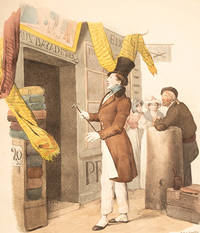
Best.-Nr. 05535Paris: Sazerac et Duval Engelmann Langlumè & Brossier 1824. A French Rake's Progress One Year in the Life of a Young Man - From Parisian Pleasures to Debtors' Prison and Marriage Seventeen Superb Hand-Coloured Lithographs by Victor Adam An Exceptionally Scarce and Delightful Early Example of French Narrative Caricature ADAM Jean-Victor 1801-1866. Un An de la Vie d'un Jeune Homme. Histoire véritable en 17 Chapitres. Escrits par lui-même et Lithographiés par Victor Adam. Paris: Sazerac et Duval Engelmann Langlumé & Brossier 1824. First edition. Folio 13 1/4 × 9 7/8 inches; 336 × 251 mm. Facsimile cover-title. Seventeen superb hand-colored lithograph plates by Victor Adam printed by Langlumé. Plates 2 8 15 and 17 with the blind-stamp of the publisher Sazerac et Duval in the lower blank margins. Modern royal blue cloth front cover with facsimile title mounted within a rectangular panel. Short marginal tear neatly repaired to the lower margin of the first plate not affecting the image. A very good example with the hand-colored plates remarkably fresh and attractive. An exceptionally scarce and wonderfully entertaining series of seventeen hand-colored lithographs presenting a continuous narrative of youthful ambition fashionable excess romantic misadventure financial ruin and eventual marriage. One of the most accomplished and delightful early works of the celebrated French lithographer Jean-Victor Adam. Published in Paris in 1824 when the artist was only twenty-three years old Un An de la Vie d'un Jeune Homme occupies a particularly interesting position in the development of French narrative caricature. Subtitled Histoire véritable en 17 Chapitres A True Story in Seventeen Chapters the work recounts with considerable wit and irony the adventures of an ambitious young provincial gentleman who arrives in Paris determined to experience the pleasures and attractions of fashionable metropolitan society. The story unfolds entirely through seventeen successive lithographed scenes each identified as a chapter and accompanied by a brief frequently ironic caption. Our young hero's adventures begin innocently enough with his arrival in the capital. Having acquired an extravagant new wardrobe he is almost immediately captivated by the attractions of fashionable society. He makes the acquaintance of attractive young women purchases a horse becomes involved in romantic entanglements and embarks upon a succession of increasingly expensive diversions. His apparent social success is short-lived. The pleasures of Paris prove considerably more costly than anticipated and his adventures lead him into the hands of gamblers creditors and ultimately a physician whose services appear to have become necessary following one particularly unfortunate romantic encounter. As his financial situation deteriorates the young man finds himself pursued by creditors and eventually incarcerated for debt in the notorious Sainte-Pélagie prison. Even this humiliation fails entirely to extinguish his ambitions. Released from confinement but still in desperate need of financial security he turns his attention toward a wealthy older woman whose affections may offer the solution to his troubles. The final plate provides the deliciously ironic conclusion: our once-romantic and fashionable young adventurer declares Il faut faire une fin! Je l'épouse Something must be done to bring this to an end! I'll marry her. The bride considerably older than her prospective husband and conspicuously well provided with worldly possessions represents the ultimate triumph of financial necessity over youthful sentiment. Adam's lively and beautifully observed illustrations provide a remarkable visual record of Parisian society during the Bourbon Restoration. The changing fashions elegant interiors fashionable top hats elaborate women's costumes furnishings vehicles and social customs are depicted with delightful precision. Particularly successful is the artist's representation of character through gesture and expression. The increasing desperation of his protagonist the predatory enthusiasm of his creditors the solemnity of the physician and the calculated tenderness of the final marriage scene are all conveyed with extraordinary economy and humour. The beautiful contemporary hand-coloring gives the series an additional appeal enhancing the brightly coloured costumes fashionable interiors and carefully composed figure groups. An Early Example of Sequential Pictorial Narrative The significance of Un An de la Vie d'un Jeune Homme extends well beyond its considerable charm as a collection of humorous lithographs. Unlike many contemporary albums of caricatures which consist of independent and essentially unrelated scenes Adam's seventeen plates form a coherent narrative with the same central character progressing through a series of interdependent episodes. In this respect the work belongs to the distinguished tradition of sequential pictorial satire established in eighteenth-century England by William Hogarth particularly his celebrated A Rake's Progress. The comparison was recognized by the distinguished scholar of illustrated books Gordon N. Ray who characterized Adam's work as "a sort of bourgeois rake's progress." Ray particularly admired the unusual continuity of the narrative considering the series more spirited and accomplished than much of Adam's enormous later output. Adam's young protagonist may lack the tragic grandeur of Hogarth's Tom Rakewell but his cheerful vanity extravagant ambitions financial disasters and final marriage of convenience place him firmly within the same satirical tradition. The album thus represents a particularly attractive early French example of visual storytelling anticipating the extended comic narratives that would become increasingly popular throughout the nineteenth century. The Seventeen Hand-Colored Lithographs J'arrive! - I arrive! The young provincial gentleman makes his entrance into Paris full of expectation. Je ne me reconnais plus. - I hardly recognize myself! His transformation through fashionable dress. C'est superbe! - How splendid! The delights and novelties of Parisian life. Elle me regarde! Dieu quel bonheur! - She's looking at me! Heavens what happiness! The excitement of an apparent romantic conquest. C'est une femme honnête. - She is a respectable woman. The young man's continuing romantic adventures. Je ne pouvais pas aller à pied. - I couldn't possibly go on foot! The purchase of a fashionable horse. C'est à qui m'aura. - They're all competing for me! His supposed triumph in fashionable society. Comment Docteur! - What Doctor! The unexpected consequences of youthful indiscretion. Jasmin!. elle avait l'air si ingénu!! - Jasmin!. She seemed so innocent!! Our unfortunate hero recovering from his amorous adventures. Quel guignon! - What rotten luck! The beginning of his financial misfortunes. Des mémoires! Fi donc. - Bills! How outrageous! The unwelcome attentions of his creditors. Je le savais. - I knew it! A further stage in his mounting difficulties. Ste Pélagie. charmant séjour! - Sainte-Pélagie. what a charming residence! Imprisoned for debt. Quels inhumains! Me mettre dehors! - What heartless people! Throwing me out! His indignation at being expelled. Aux grands maux les grands remèdes. - Desperate situations call for desperate remedies. La simpiternelle serait ma bisaïeule. - That tiresome old woman could be my great-grandmother! The prospective bride somewhat advanced in years. Il faut faire une Fin! Je l'épouse. - I must bring this to a conclusion! I'll marry her! A financially advantageous marriage provides the final resolution. Jean-Victor Adam 1801-1866 Jean-Victor Adam was among the most prolific and accomplished French painters and lithographers of the nineteenth century. Born in Paris on 28 January 1801 the son of the engraver Jean Adam he received his early artistic training at the École des Beaux-Arts and in the studios of Charles Meynier and Jean-Baptiste Regnault. He first exhibited at the Salon in 1819 and rapidly established a reputation as a painter of historical and military subjects receiving important commissions for the galleries at Versailles. Awarded a gold medal in 1824 and a second-class medal in 1836 Adam gradually devoted himself increasingly to lithography the medium in which he achieved his greatest popularity. His enormous output included military history horses and coaching landscapes animal studies costume fashionable society and humorous scenes of contemporary life. The present album belongs to the earliest period of his lithographic career and is particularly distinguished by its sustained narrative invention accomplished figure drawing and lively social satire. Whereas much of Adam's later reputation rests upon his military and equestrian subjects Un An de la Vie d'un Jeune Homme demonstrates his considerable talents as a caricaturist and observer of human folly. He died at Viroflay on 30 December 1866. Bibliographical Note: The same year saw the appearance of Émile Wattier's Un An de la Vie d'une Jeune Fille another illustrated narrative in seventeen chapters similarly presenting the romantic misadventures and eventual marriage of its protagonist. The two albums provide a fascinating parallel in the development of French pictorial storytelling. The Metropolitan Museum of Art New York possesses a complete seventeen-plate suite of Adam's work Elisha Whittelsey Collection accession 62.570.3. Gordon N. Ray discusses the series in The Art of the French Illustrated Book 1700 to 1914 no. 126 commenting particularly upon its unusual narrative continuity and the spirited quality of its illustrations. A scarce and highly desirable first edition of one of Victor Adam's most entertaining early lithographic productions complete with all seventeen beautifully hand-colored plates. An especially appealing example of French Restoration-period caricature combining social satire costume history and the emerging art of extended pictorial narrative. References: Bobins V 1523; Hiler p. 6; Lipperheide 3561; Ray The Art of the French Illustrated Book 126. Paris: Sazerac et Duval, Engelmann, Langlumè & Brossier, 1824 unknown books