917 risultati
1995rif. __3931095002Beyerlein Und Steinschulte 1995. Turtleback. New. 1197 pages. German language. 8.98x5.91x1.73 inches. Beyerlein Und Steinschulte unknown
rif. 11941721-nnew. unknown
rif. 11941721like new. unknown
1980rif. 304221-1Wien, Octopus 1980. 263 S. Mit Diagrammen und Tabellen. Original-Pappband mit Schutzumschlag.
1956rif. 55052Berlin : Akademie-Verl. 1956. XIII, 423 S. ; 8°, ohne Schutzumschlag Lw., gebundene Ausgabe, Leinen, ausgemustertes Bibliotheksexemplar mit Bibliotheks-Signatur, sonst Exemplar in gutem Erhaltungszustand
1947Very Good English Original cloth bdg. Roy. 8vo. (24 x 17 cm). In German. 338 p. First Edition. Die Philosophen der Upanishaden.
1997rif. 1188105München ; Zürich : Piper, 1997. 141 S. ; 19 cm kart.
1873rif. 7-3-447Budapest, Buchdrueckerei des Arthenaeum, 1873. gr. 8°, mit großem, mehrfach ausfaltbaren, lithografierten Plan und einigen Holzstichillustrationen, 145(1) S., 1 Bl., OBrosch
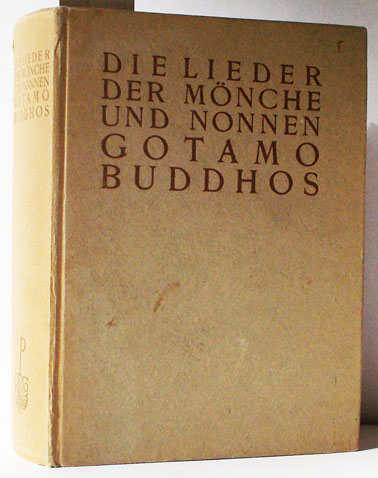
1923rif. 67064-1München, Piper 1923. Kl.8°. XVII, 634 S. OIdr.
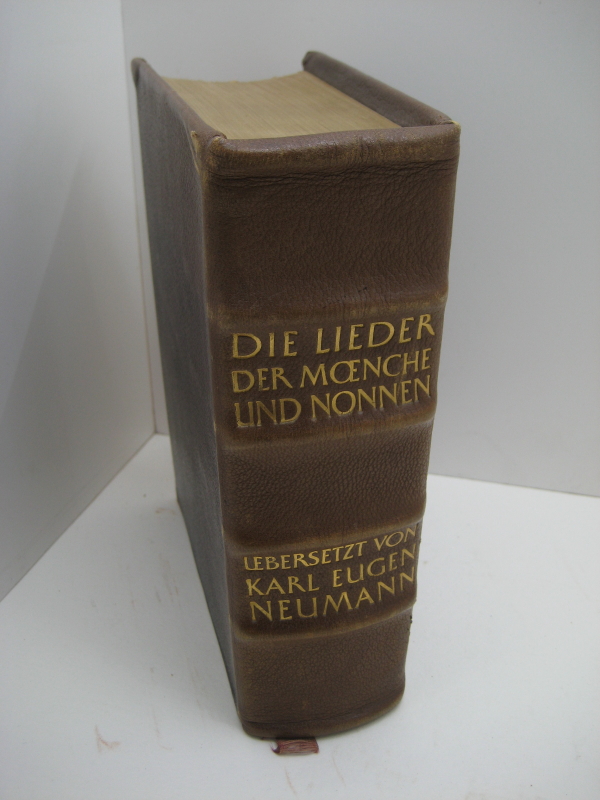
1923rif. A1530München, R. Piper & Co, 1923. Ganzleinen , 8°, 634 S., 2. Auflage, aus dem Theragatha und Therigatha zum ersten Mal übersetzt von Karl Eugen Neumann
1923rif. 3754München, Piper, 1923. XXVII, 278 (1) S., 2 Bl, 2. Auflage. Original-Pappband, dreiseitiger Farbschnitt. ZUSTAND 1.
1911rif. 25115München, Piper 1911. Goldgepr., illustr. OPp. XVII S., 1 Bl., 182 S., 1 Bl. sowie zahlreiche Tafeln mit photographischen Abbildungen. 8°. Einband stellenweise bestoßen, berieben und beschabt. Buchblock leicht verzogen und gering gestaucht. Stellenweise etwas stockfl. Insgesamt gut erhalten.
rif. 23310CBWiesbaden, Löwit, ohne Jahr. 8°. L, 516 S., roter original Leineneinband (Hardcover) mit goldener Deckel- und Rückenbeschriftung und original Schutzumschlag, Schutzumschlag minimal berieben, Schutzumschlag am Rückdeckel an unterer Kante mit ca. 1cm Anriss (sauber mit säurefreiem Filmoplast hinterlegt), sonst schönes, sauberes Exemplar
1979rif. BN58153München : Goldmann 1979. 4. Aufl. Religion München : Goldmann unknown
1933rif. 013794Harrassowitz, Leipzig 1933. Broschiert Gut
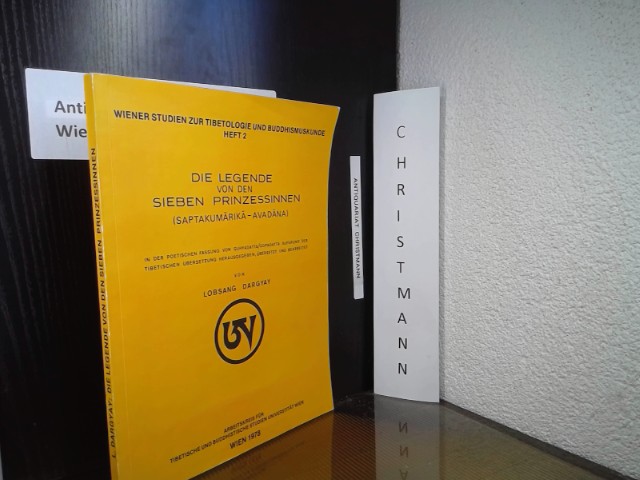
1978rif. 51303Wien : Arbeitskreis für Tibet. u. Buddhist. Studien 1978. X, 162 S. ; 28 cm kart., Softcover/Paperback, Exemplar in gutem Erhaltungszustand
1929rif. 1256224Volksverband der Bücherfreunde / Wegweiser Verlag; Berlin, 1929. Farb. Frontispiz; 248 Seiten; Illustr. (auch farbig) auf Tafelseiten; 21,5 cm; fadengeh., rückengoldgepr., illustr. Orig.-Halblederband.
1975rif. 37233Bern, München, Wien : Barth 1975. 109 S. ; 22 cm, mit Schutzumschlag, SU etwas kürzer, Ex-Libris auf Vorsatzblatt Lw., gebundene Ausgabe, Leinen, sonst Exemplar in gutem Erhaltungszustand
1951rif. 65349Ascended Master Teaching Foundation 1951. 72 Seiten Softcover/Paperback, Exemplar in gutem Erhaltungszustand
1936Very Good German Paperbaack. Large demy 8vo. (22 x 15 cm). In German. 64, [4] p. Die Katha-Upanishad. The Katha-Upanishad is one of the mukhya (primary) Upanishads, embedded in the last short eight sections of the Ka?ha school of the Krishna Yajurveda. It is also known as Ka?haka Upanishad, and is listed as number 3 in the Muktika canon of 108 Upanishads. The Katha Upanishad consists of two chapters (Adhyayas), each divided into three sections (Vallis). The first Adhyaya is considered to be of older origin than the second. The Upanishad is the legendary story of a little boy, Nachiketa - the son of Sage Vajasravasa, who meets Yama (the Indian deity of death). Their conversation evolves to a discussion of the nature of man, knowledge, Atman (Soul, Self) and moksha (liberation). The chronology of Katha Upanishad is unclear and contested, with Buddhism scholars stating it was likely composed after the early Buddhist texts (fifth century BCE), and Hinduism scholars stating it was likely composed before the early Buddhist texts in 1st part of 1st millennium BCE. The Kathaka Upanishad is an important ancient Sanskrit corpus of the Vedanta sub-schools, and an influential Sruti to the diverse schools of Hinduism. It asserts that "Atman (Soul, Self) exists", teaches the precept "seek Self-knowledge which is Highest Bliss", and expounds on this premise like the other primary Upanishads of Hinduism. The Upanishad presents ideas that contrast Hinduism with Buddhism's assertion that "Soul, Self does not exist", and Buddhism's precept that one should seek "Emptiness (Sunyata) which is Highest Bliss". The detailed teachings of Katha Upanishad have been variously interpreted, as Dvaita (dualistic) and as Advaita (non-dualistic).
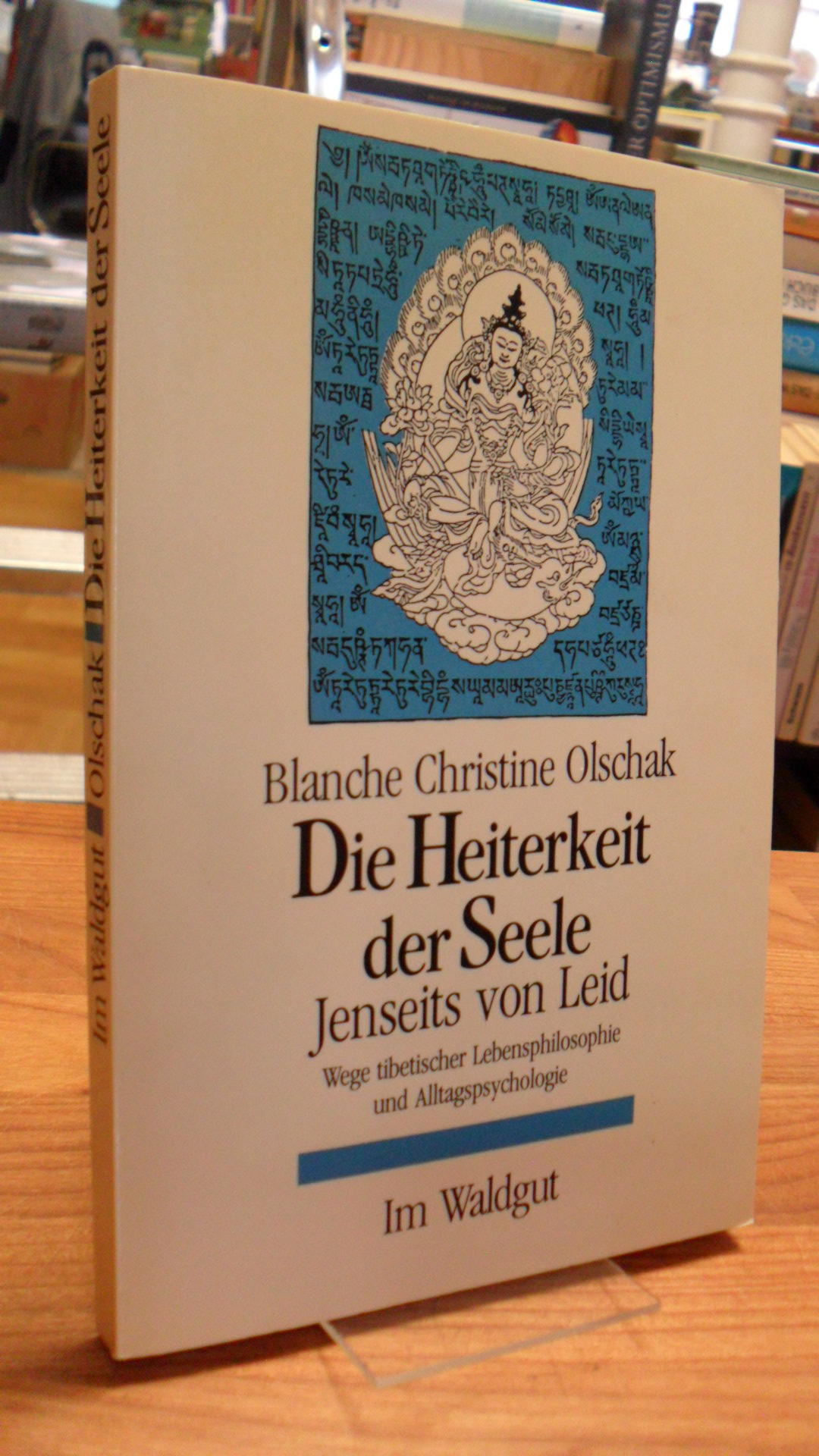
1988rif. 8501CBFrauenfeld, Verlag Im Waldgut, 1988. 8°, 149 S. mit s/w-Abbildungen, illustr. original Kartonage (Paperback), sehr schönes, sauberes Exemplar (Re06)
1958rif. 33906Hamburg, Blüchert Verlag, 1958. 151 Seiten , 31 cm, Hardcover/Pappeinband
2013rif. 225193Oberkrämer: Tharpa-Verlag, 2013. Unpag. [30] S., zahlr. Ill., 21 x 26 cm. kart., broschiert.
1956rif. 47085Freiburg ; München : Alber 1956. 108 S. ; 8° Lw., gebundene Ausgabe, Leinen, Einband stockfleckig, sonst Exemplar in gutem Erhaltungszustand
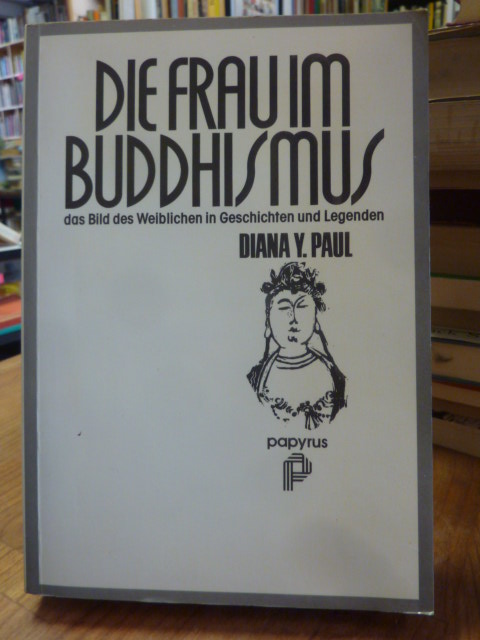
1981rif. 3648CBHamburg, Papyrus Verlag, 1981. 8°, 334 S., illustr. original Kartonage (Paperback), deutsche Erstausgabe eine zarte Längsfalte auf Buchrücken, sonst schönes, sauberes Exemplar (Li 5 - A)