SILLARD, A.MareMagnum
Siebert, RüdigerAntiquariat.de
Unterwegs mit Buddha. Eine Spurensuche in Indien und Nepal.
2004ref. 93768Bad Honnef, Horlemann Verlag 2004. Mit Abbildungen., 238 Seiten., 8°. ill. rote OBroschur.,
828 resultados
in-16, 221 pages, broche, couverture illustree. Bon etat. [LP-10]
1924ref. 6070166München-Neubiberg : Schloss 1924. 27 S. + 31 S., 23cm x 15cm
2004ref. 93768Bad Honnef, Horlemann Verlag 2004. Mit Abbildungen., 238 Seiten., 8°. ill. rote OBroschur.,
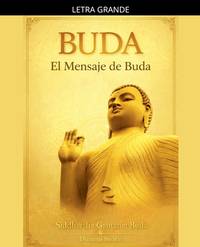
ref. ria9798233565700_inpPaperback. New. New Book; Fast Shipping from UK; Not signed; Not First Edition; Toda la religión de Gautama el Buda puede reducirse a una sola palabra. Esa palabra es libertad. Ese es su mensaje esencial su fragancia misma. Nadie ha elevado tanto la libertad. Es el máximo valor en la visión de Buda el SUMMUM BONU paperback
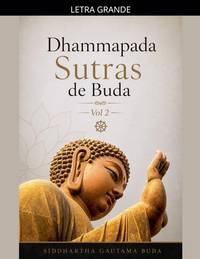
ref. ria9798232625276_inpPaperback. New. New Book; Fast Shipping from UK; Not signed; Not First Edition; Los incomparables Dhammapada Sutras de Buda. Afirma que estos sutras tratan todas las áreas de la inconsciencia humana y que todo el discurso de Buda está dedicado a la elevación de nuestra consciencia. Adentrarse en el Dhammapada es se paperback
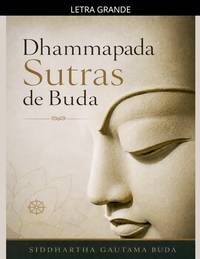
ref. ria9798233446894_inpPaperback. New. New Book; Fast Shipping from UK; Not signed; Not First Edition; Los incomparables Dhammapada Sutras de Buda. Afirma que estos sutras tratan todas las áreas de la inconsciencia humana y que todo el discurso de Buda está dedicado a la elevación de nuestra consciencia. Adentrarse en el Dhammapada es se paperback
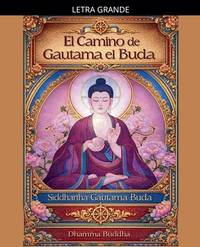
ref. ria9798233889172_inpPaperback. New. New Book; Fast Shipping from UK; Not signed; Not First Edition; El nombre de Gautama el Buda es más dulce que la miel es más dorado que el oro mismo. Gautama el Buda es más divino que Dios mismo. De hecho no existe otro Dios. Dios sólo existe cuando existe la budeidad. Dios necesita el contexto de paperback
2010ref. 8511BBMünchen / Hamburg, Shinnyo-En, 2010. quer4°, 151 S. mit zahlreichen Farbabbildungen, illustr. original Pappband, wie frisch aus der Buchhandlung.
1981ref. 1709110667xbvkJapan, Showa 55 (1981). 207 pages with 100 wholepage photographic plates of Shimizus clay-sculptures. - Publisher's white hardcover binding with transparent dustjacket in a triptych-like grey titled clothfolder, in the publisher's titled cardboard-box; oblong-4to.(ca. 30 x 32 x 4 cm; ca. 1,9 kg.).
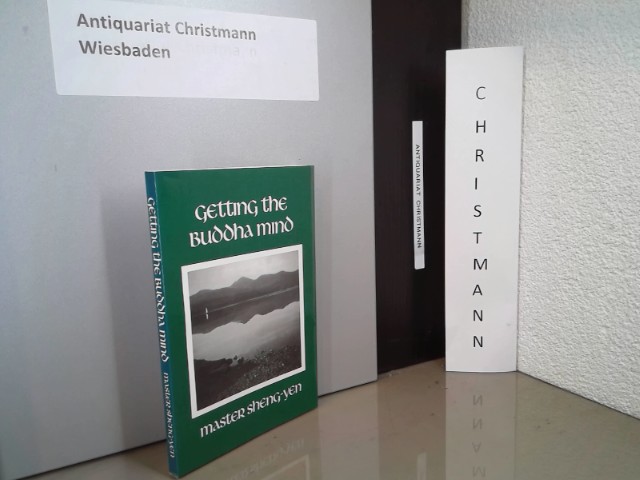
1987ref. 59435Dharma Drum 1987. 139 pages Softcover/Paperback, book in good condition
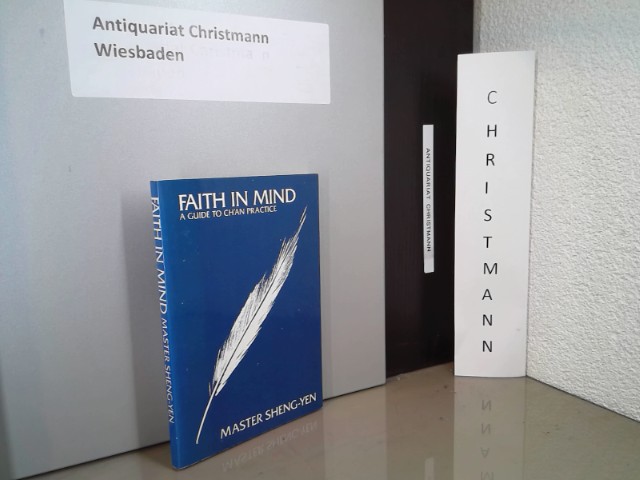
1982ref. 59434Taipei. Dharma Drum Corp. 1989 1982. 147 pages Softcover/Paperback, book in good condition, Exemplar in gutem Erhaltungszustand
1982MAI SFOGLIATO, COME NUOVO, LIEVISSIMI SEGNI DEL TEMPO, QUALCHE FIORITURA ALLA COPERTINA. Dopo la morte di un maestro di un monastero tibetano, cinque discepoli si mettono alla ricerca del nuovo Budda. Durante il loro viaggio incontreranno metamorfosi, reincarnazioni, false piste, levitazioni. Dal Tibet a Miami, da Parigi all'India e a Cuba, l’autore dona un ritmo danzante alla sua prosa conducendo in un labirinto stellato dove si affastellano tutti gli orpelli del nostro tempo. Severo Sarduy (Camagüey, Cuba, 1937 – Parigi, Francia, 1993), poeta, scrittore, drammaturgo cubano. Trasferitosi nel 1961 in Francia in esilio, ottenne in seguito la cittadinanza francese. Era inoltre un conosciuto collezionista di opere d'Arte. Ha collaborato spesso con importanti riviste cubane e francesi. Tutta la sua opera è orientata verso la distribuzione dell’intreccio narrativo mediante il ricorso a uno sperimentalismo linguistico, dove agisce l’influenza dell’avanguardia francese e il ricordo della cultura del suo paese. Informazioni bibliografiche Titolo: Maitreya: il Budda che deve venire: romanzo Titolo originale dell'opera: Maitreya Collana: Volume 60 di Tasco Autore: Severo Sarduy Traduttore: Piero Verni Editore: Milano: SugarCo, 1982 Lunghezza: 147 pagine; 21 cm Soggetti: Narrativa spagnola, Letteratura caraibica, Cubana, Buddha, Tibet, Romanzi, Contemporanea, Novecento
1988ref. 135356Druck von K. K. Gyösei, Tokyo Nara 1988. 29 und 16 S., Abb. 25,5*18 cm. OBroschur.
ref. 108981 p.l. 38 folding leaves. 8vo 280 x 174 mm. orig. wrappers with cover wrappers old stitching. Thần Xá: An Thái French colonial period. An extremely rare woodcut book printed by nuns in a rural monastery in northern Vietnam. “An eponymous MahÄyÄna sutra that recounts the qualities vows and pure land of the buddha Bhaiṣajyaguru — the Master of Healing also known as the Medicine Buddha or the TathÄgata of Lapis-Lazuli Light. The scripture was most likely written in northern India during the early centuries of the Common Era. In this sutra Bhaiṣajyaguru vowed that his name if merely uttered would cure diseases free prisoners secure food and clothing for the impoverished and produce other similar benefits. He also vowed that his body would be as resplendent as lapis lazuli itself so that it might illuminate the world” Donald Lopez & Robert Buswell The Princeton Dictionary of Buddhism “Bhaiṣajyagurusūtra”. The Scripture of the Medicine Buddha T. 450 translated from Sanskrit into Chinese by Xuanzang 602–664 in the year 650 C.E. has been a popular text in East Asian and Tibetan Buddhist traditions. In our copy the sutra itself is bookended by a liturgical opening including the “Incense Praise” praises for the Buddha and a “sutra-opening gÄthÄ” and a final homage to the Medicine Buddha. According to the colophon bound at the beginning of the volume the scripture was printed for a specific occasion by three bhikkhuni or ordained Buddhist nuns affiliated with the An Thái temple 安泰寺 in the Thần Xá village 神èˆæ‘ of the An Lại commune 安賴社 in the Thanh Khê canton 清溪 Äại An district 大安縣 Nam Äịnh province å—å®šçœ of northern Vietnam. Only the names of two of them are fully legible: they are Quảng Thuận 廣順 and Quảng Thành 廣æˆ. They printed and disseminated this Scripture of the Medicine Buddha with a sincere mind when the statues of three of their masters were completed and placed into stupas. In their colophon they traced the lineage of themselves and their masters to the bhikkhuni An Dương Tháp 安陽塔 dharma name Nguồn Hạnh æºå¹¸ and pseudonym Minh Lâm 明ç³. Despite the country’s long history of Buddhist and Confucian learning woodblock-printed books published within Vietnam itself are far fewer in number than their Chinese or Japanese counterparts. This scarcity is owed to the high cost of domestic production: according to the estimate of Kathlene Baldanza as late as the 19th century “the labor cost of printing in Vietnam was five to ten times higher than in China. Even ink and brushes were more expensive to produce in Vietnam.” Extensive international trade between northern Vietnam and southern China — where plentiful books were printed at very low costs — meant that “it was generally cheaper to purchase books from China than to buy them locally” “Publishing Book Culture and Reading Practices in Vietnam” Journal of Vietnamese Studies 13.3 2018 pp. 10–11. Beyond the limited cases of official and temple-based publishing Vietnamese publishers were pushed toward niche genres such as Sino-Vietnamese dictionaries ritual manuals or morality books. Regardless of genre woodblock-printed books from Vietnam are very difficult to find today outside a few major collections such as the Institute of Sino-Nôm Studies in Hanoi and l’École française d’Extrême-Orient in Paris. We will not focus on the humid climate of the country or the massive destruction of the nation’s cultural heritage during its long war of independence in the post World War II period. The catalogue of materials kept at the Institute of Sino-Nôm Studies mentions two copies VHv.1071 AC.116 of the Scripture of the Medicine Buddha printed in 1911 and it is unclear if those were printed with the same woodblocks as ours. We know for certain however that no material at the Institute of Sino-Nôm Studies gives the An Thái temple as the place of publication despite the large numbers of temples and monasteries listed. This copy being an example of Vietnamese women’s printing in a rural monastery is extremely rare. Fine copy. First leaf a little frayed and the outer wrappers are quite frayed. ⧠Li Guimin æŽè²´æ°‘ “Zaizhi yu bianyi: Yuenan hanchuan fojiao dianji de zhuanhua å†è£½èˆ‡è®Šç•°â€”—越å—漢傳佛教典ç±çš„轉化” Foguang xuebao 佛光學報 7 No. 1 2021: pp. 111–37. Yuenan Hannan wenxian ziliaoku 越å—漢喃文ç»è³‡æ–™åº« Academia Sinica. unknown books
ref. 108981 p.l. 38 folding leaves. 8vo 280 x 174 mm. orig. wrappers with cover wrappers old stitching. Thần Xá: An Thái French colonial period. An extremely rare woodcut book printed by nuns in a rural monastery in northern Vietnam. “An eponymous MahÄyÄna sutra that recounts the qualities vows and pure land of the buddha Bhaiṣajyaguru — the Master of Healing also known as the Medicine Buddha or the TathÄgata of Lapis-Lazuli Light. The scripture was most likely written in northern India during the early centuries of the Common Era. In this sutra Bhaiṣajyaguru vowed that his name if merely uttered would cure diseases free prisoners secure food and clothing for the impoverished and produce other similar benefits. He also vowed that his body would be as resplendent as lapis lazuli itself so that it might illuminate the world” Donald Lopez & Robert Buswell The Princeton Dictionary of Buddhism “Bhaiṣajyagurusūtra”. The Scripture of the Medicine Buddha T. 450 translated from Sanskrit into Chinese by Xuanzang 602–664 in the year 650 C.E. has been a popular text in East Asian and Tibetan Buddhist traditions. In our copy the sutra itself is bookended by a liturgical opening including the “Incense Praise” praises for the Buddha and a “sutra-opening gÄthÄ” and a final homage to the Medicine Buddha. According to the colophon bound at the beginning of the volume the scripture was printed for a specific occasion by three bhikkhuni or ordained Buddhist nuns affiliated with the An Thái temple 安泰寺 in the Thần Xá village 神èˆæ‘ of the An Lại commune 安賴社 in the Thanh Khê canton 清溪 Äại An district 大安縣 Nam Äịnh province å—å®šçœ of northern Vietnam. Only the names of two of them are fully legible: they are Quảng Thuận 廣順 and Quảng Thành 廣æˆ. They printed and disseminated this Scripture of the Medicine Buddha with a sincere mind when the statues of three of their masters were completed and placed into stupas. In their colophon they traced the lineage of themselves and their masters to the bhikkhuni An Dương Tháp 安陽塔 dharma name Nguồn Hạnh æºå¹¸ and pseudonym Minh Lâm 明ç³. Despite the country’s long history of Buddhist and Confucian learning woodblock-printed books published within Vietnam itself are far fewer in number than their Chinese or Japanese counterparts. This scarcity is owed to the high cost of domestic production: according to the estimate of Kathlene Baldanza as late as the 19th century “the labor cost of printing in Vietnam was five to ten times higher than in China. Even ink and brushes were more expensive to produce in Vietnam.” Extensive international trade between northern Vietnam and southern China — where plentiful books were printed at very low costs — meant that “it was generally cheaper to purchase books from China than to buy them locally” “Publishing Book Culture and Reading Practices in Vietnam” Journal of Vietnamese Studies 13.3 2018 pp. 10–11. Beyond the limited cases of official and temple-based publishing Vietnamese publishers were pushed toward niche genres such as Sino-Vietnamese dictionaries ritual manuals or morality books. Regardless of genre woodblock-printed books from Vietnam are very difficult to find today outside a few major collections such as the Institute of Sino-Nôm Studies in Hanoi and l’École française d’Extrême-Orient in Paris. We will not focus on the humid climate of the country or the massive destruction of the nation’s cultural heritage during its long war of independence in the post World War II period. The catalogue of materials kept at the Institute of Sino-Nôm Studies mentions two copies VHv.1071 AC.116 of the Scripture of the Medicine Buddha printed in 1911 and it is unclear if those were printed with the same woodblocks as ours. We know for certain however that no material at the Institute of Sino-Nôm Studies gives the An Thái temple as the place of publication despite the large numbers of temples and monasteries listed. This copy being an example of Vietnamese women’s printing in a rural monastery is extremely rare. Fine copy. First leaf a little frayed and the outer wrappers are quite frayed. ⧠Li Guimin æŽè²´æ°‘ “Zaizhi yu bianyi: Yuenan hanchuan fojiao dianji de zhuanhua å†è£½èˆ‡è®Šç•°â€”—越å—漢傳佛教典ç±çš„轉化” Foguang xuebao 佛光學報 7 No. 1 2021: pp. 111–37. Yuenan Hannan wenxian ziliaoku 越å—漢喃文ç»è³‡æ–™åº« Academia Sinica. unknown
1992ref. 73586Olten, Walter-Verlag, 1992. Eine Pilgerfahrt zu den historischen Stätten 183 S. (23,5 cm) Pappband mit Umschlag / gebundene Ausgabe
1976ref. 32656Olten, Freiburg im Breisgau : Walter 1976. 238 S. : Ill. ; 24 cm, mit Schutzumschlag, Eigentümersignatur auf Vorsatzblatt Lw., gebundene Ausgabe, Leinen, Exemplar in gutem Erhaltungszustand
1988ref. Khe04346München (Eugen Diederichs) 1988 (= Erste Auflage der Neuausgabe). 8°, illustrierte Orginalbroschur (Paperback) 320 S., ISBN 3424009237 1
1931ref. 6039041München-Neubiberg : Benares 1931. 48 S., 21cm x 14cm
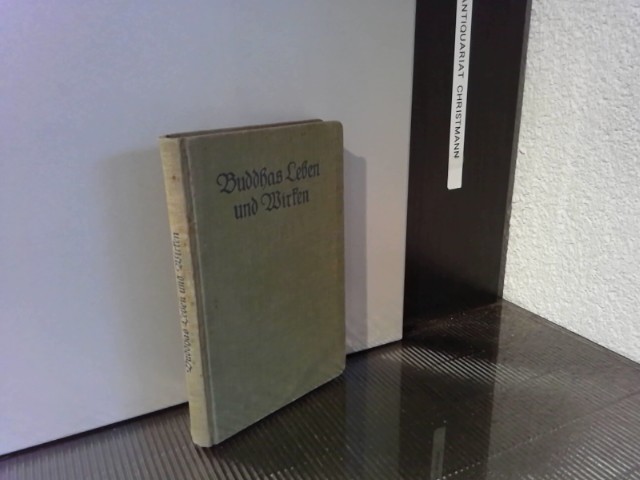
1922ref. 27460Leipzig : Ph. Reclam jun. [1922]. 303 S. ; kl. 8 gebundene Ausgabe, Leinen, Einband etwas stockfleckig, Exemplar in gutem Erhaltungszustand
1980ref. 1248260Darmstadt: Wissenschaftliche Buchgesellschaft, 1980. XII, 221 S., 4 Ill., 2 Kt. kart.
1923ref. 75365Hagen i. W. : Folkwang-Verlag, 1923. Ein altindisches Heldengedicht des 1. Jahrhunderts nach Chr. Zum ersten Male ins Deutsche übertragen von Richard Schmidt (Schriften-Reihe Kulturen der Erde / Abt. Textwerke; 8) 126 S. (29x23 cm) illustrierter Pappband / gebundene Ausgabe
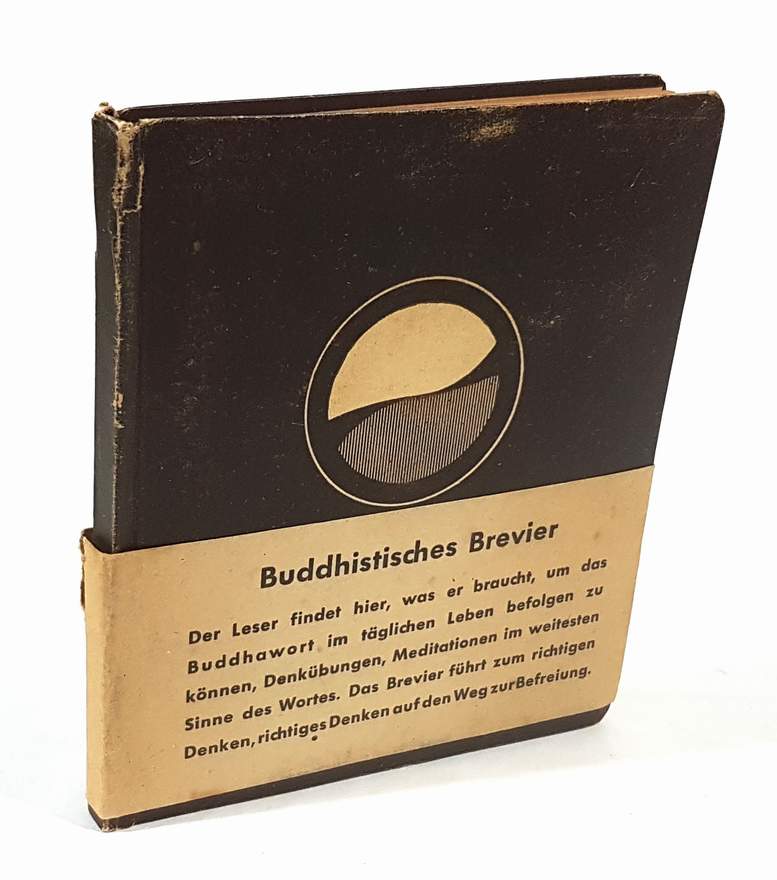
1948ref. 69062Konstanz, Weller, 1948. 64 SS. Kl.-8°, Original-Pappband mit Bauchbinde.
1951ref. 65349Ascended Master Teaching Foundation 1951. 72 Seiten Softcover/Paperback, Exemplar in gutem Erhaltungszustand
ref. 16233BBindependently published, 2019. 419 p., illustr. original Kartonage (Paperback), Einband etwas knickspurig, Einbandkanten stellenweise mit kleinen Schabspuren, durchgehend oben rechts mit kleinem Eckknick, die ersten 20 Blatt am Oberen Rand minimal feuchtigkeitsfleckig, sonst ein ordentliches Exemplar ohne Anstreichungen, ohne Vorbesi