3083 resultados
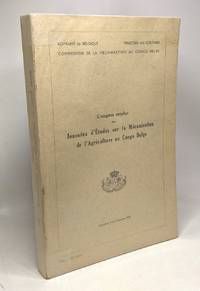
1961ref. C44515Bruxelles, 1961 61pp., br.orig., dans la série "Académie royale des Sciences d'Outre-Mer. Classe des sciences naturelles et médicales. Mémoires in-8. Nouvelle série" Tome XII fasc.4, ex.bibl. (qqs.estampes), bon état
1972ref. C108327Bruxelles, 1972 95pp., 25cm., br.orig., dans la série "Académie royale des sciences d'Outre-Mer. Classe des sciences morales et politiques" N.S. XLII-1, bon état, C108327
1950ref. WOC-2677Préface de M. Pierre Ryckmans (Gouverneur Général Honoraire du Congo Belge). Introduction de M. Marcel Vanden Abeele (Administrateur Générale des Colonies) et de M. Frans-M. Olbrecthts (Directeur du Musée du Congo Belge). Ouvrage orné de 64 planches hors-texte, 19 cartes dans le texte et 102 figures dans le texte,. Bruxelles, Les Éditions de Visscher, 1950, Grand et fort in-8 (28x8x19,5cm) de toile beige éditeur avec les légendes sur plat supérieur et au dos en bordeaux et les armes della Casa Alfonsi Re Dell Congo. XVIII,647pp.
ref. 13980702Bruxelles: Imprimerie Eugène Denis, 1923 in-8, 233 pages. Broché, défr.
1956ref. C99908Hasselt, Heideland 1956 xxiii + 642pp. met 115 illustraties in tekst + 64 platen buiten tekst, stempeltje, linnen uitgeversband, gewicht: 2.3kg., C99908
2006ref. C104178Paris, Editions Karthala 2006 501pp., 24cm., br.orig., bon état, C104178
1999ref. 0271021999 Lannoo Soft cover
1954ref. 100071790Clarence Denis imp. 1954. Bon état sous papier de soie couverture un peu défraîchie intérieur propre. in8. 1954. Broché. illustrations en noir et blanc Clarence Denis (imp.) unknown
1947ref. ZB402696Bruxelles: 1947. Part 2 only; iv 557-952 pp. illustrated including a small folding map; paper wrappers darkened and chippedat extremities a few brown spots but mostly unopened. - If you are reading this this item is actually physically in our stock and ready for shipment once ordered. We are not bookjackers. Buyer is responsible for any additional duties taxes or fees required by recipient's country. Bruxelles: unknown
Bruxelles, 1956, 199pp.avec illustrations & carte dépliante, in-4, peu de rousseurs, bon état, C10845
195384pp., stempeltje, goede staat
in-8°, 330 pages, gravures et carte in-t., broch2, couverture illustree plastifiee à rabats.— Devenu rare. Bel exemplaire. [CA30-4]
1969Mm 125x185 Collana "Uomini e tempi" - Volume in copertina rigida con sovraccoperta illustrata e custodia morbida muta, xix-279 pagine con numerose riproduzioni delle incisioni dell'edizione originale dell'800. Prefazione di Paolo Monelli. Esemplare eccellente, in condizioni pari al nuovo. SPEDIZIONE IN 24 ORE DALLA CONFERMA DELL'ORDINE.
1936ref. 109357Vanves, Imp. franciscaine missionnaire, 1936, in-8°, 144 pp, deuxième édition, 88 amusantes illustrations dans le texte, broché, couv. illustrée, bon état
1950ref. WOC-2670Nombreuses illustrations de photographies, cartes hors-texte du Congo (Le domaine du Comité Spécial du Katanga), (Le domaine minier du Comité Spécial du Katanga). (Le domaine foncier du Comité Spécial du Katanga.). Bruxelles, Éditions L. Cuypers, juin 1950. In-4 (32x3,5x24cm) cartonnage beige éditeur avec titres dorés sur le plat supérieur et au dos, armoiries dorées sur fond bleu. 327pp.
ref. 13976329Bruxelles: Maison Ferdinand Larcier, 1953 gr. in-8, 423 pages, broché, passages soulignés.
ref. 13982680Léopoldville: Editions C. E. P. , [c.1960] in-8, 259 pages. Broché, lég. mouillure, couv. défr., qq annotations, bon état. Ouvrage polémique sur la propagande communique en Afrique noire et au Congo.
ref. C10845, Bruxelles, 1956, 199pp.avec illustrations & carte dépliante, in-4, peu de rousseurs, bon état, C10845
1953ref. C37578Brussel, 1953 84pp., stempeltje, goede staat
1880ref. C115811Paris, Hachette 1880 600pp., illustré de 60 gravures et 6 cartes, 3e édition, traduit de l'anglais avec l'autorisation de l'auteur, 25cm., reliure d'époque (plats marbrés, dos en cuir avec titre et fleurons dorés), feuilles de garde marbrées, avec rousseurs (texte toujours bien lisible), bon état, poids: 1.3 kg., C115811
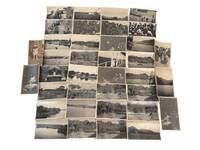
1946ref. 232341946. Belgian Congo photo archive documenting colonialism and segregated settlement in Paulis Jadotville and at Kiubo Falls in 1946-1947 while Belgian rule expanded displacing Congolese communities from political power and control over local resources. Made by an unidentified traveler or colonial observer the group moves between industrial sites river traffic town streets waterfalls village compounds and posed encounters with Congolese residents placing daily life beside the infrastructure of empire. Jadotville in Katanga had been built within the orbit of Union Minière du Haut-Katanga and the copper economy that tied the Congo to European industry; Paulis belonged to the northeastern colonial administrative network that extended surveillance mission activity and commercial penetration into local societies. By the later 1940s these systems were producing wealth for Belgium and foreign markets through forced and controlled labor regimes. Photo archive of 36 black and white silver gelatin photographs various sizes ranging from 2.5" x 3.5" to 5" x 7" Belgian Congo 1946-1947. Nine photographs are identified to the Paulis region in 1946 including versos inscribed in French with "Habitations Européens à Paulis" "Pavillon de l'hotel" and "Le Kigoma sur le fleuve." These images show European-style houses set among palms a large riverside or lakeside steamer a broad colonial street with automobiles and low commercial buildings thatched structures and Congolese figures posed near village compounds and along a tree-lined road. The remaining photographs from Jadotville and Kiubo Falls in 1947 include multiple views of the falls from overlooks and near the waterline several repeated compositions of cascades and riverbanks a dense electrical installation with transformers and steel framing public crowd scenes dugout canoes on calm water groups standing beside temporary camp structures and additional views of thatched settlements large shade trees and Congolese men women and children positioned before houses or in open clearings. Several photographs set European-built environments against Congolese dwellings and occupied landscapes making the colonial dichotomy apparent within this grouping. Waterfalls river steamers electric infrastructure and ordered streets mark the channels through which copper labor and administrative authority moved outward to Belgian and international markets while the photographs of Congolese settlements and residents show the populations who bore that reorganization of land and economy. In the late colonial Congo extraction and transport depended on African labor under coercive conditions and urban growth in places such as Jadotville advanced through racially unequal housing wage structures and civic access leaving Congolese people concentrated in subordinate quarters or rural zones even when their work sustained the entire system. Light wear and occasional creasing; several versos inscribed in French; overall very good condition. An intimate look into Belgian colonial rule at the point where industrial wealth infrastructure and local displacement met on the ground. unknown books
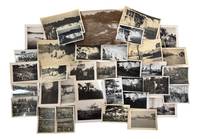
1920ref. 235621920. Belgian Congo travel and colonial encounter photo archive June 1929 documenting Western movement through river settlements Congolese communities and transport corridors during the late 1920s expansion of Belgian colonial administration. The archive dates to the period after Belgium took over the Congo Free State in 1908 and after Leopoldville became the colonial capital in 1926 placing the group inside a decade when river rail missionary commercial and administrative routes shaped how European travelers moved through the colony. The photographs record Congolese people and Western visitors in proximity but the camera's position remains that of the outsider turning encounters village life river crossings and gathered groups into a colonial travel record. Photo archive of 37 likely silver gelatin prints each approximately 3 x 5.5 inches Belgian Congo including Leopoldville June 1929. The photos show broad river views with low shorelines and wooded banks; small boats and steam launches moving across open water; river landings with houses palms and distant hills; rough timber walkways and cleared paths through dense vegetation; and several views of Congolese people near water canoes and village structures. Other images show Western travelers or colonial personnel in light clothing and hats including figures posed near vehicles and on board transport while group scenes show Congolese men women and children gathered in circles or facing the camera. Several photographs depict Congolese men wearing body ornaments patterned cloth arm rings and headdresses including one scene with a large gathered crowd and another showing a man with a leopard skin or spotted pelt before a group. A portrait of a small child standing against a large tree shaded picnic or camp scenes and repeated riverbank views broaden the record from formal encounter to travel rest and observation. One verso is inscribed "Leopoldville. Juin 1929" confirming place and date for at least part of the group. Belgian Congo in 1929 stood between the violent reputation of the Congo Free State and the later high colonial period but Belgian rule continued to depend on racial hierarchy forced labor regimes missionary schooling transport expansion and extractive production. Leopoldville's rise as capital shifted administrative focus inland from Boma and tied the colony more tightly to the Congo River and the Matadi rail connection making the river corridor a principal route for officials commercial travelers missionaries and tourists. These photographs belong to that mobile colonial world: they show Westerners entering Congolese spaces by boat road and landing place while Congolese subjects appear as workers hosts spectators performers children and crowds arranged before an external camera. Light surface wear and toning some versos have penciled inscriptions. Overall in very good condition. A concentrated visual record of Belgian colonial travel and encounter along Congo River routes at the moment Leopoldville was becoming the administrative center of the Belgian Congo. unknown books
1946ref. 232341946. Belgian Congo photo archive documenting colonialism and segregated settlement in Paulis Jadotville and at Kiubo Falls in 1946-1947 while Belgian rule expanded displacing Congolese communities from political power and control over local resources. Made by an unidentified traveler or colonial observer the group moves between industrial sites river traffic town streets waterfalls village compounds and posed encounters with Congolese residents placing daily life beside the infrastructure of empire. Jadotville in Katanga had been built within the orbit of Union Minière du Haut-Katanga and the copper economy that tied the Congo to European industry; Paulis belonged to the northeastern colonial administrative network that extended surveillance mission activity and commercial penetration into local societies. By the later 1940s these systems were producing wealth for Belgium and foreign markets through forced and controlled labor regimes. Photo archive of 36 black and white silver gelatin photographs various sizes ranging from 2.5" x 3.5" to 5" x 7" Belgian Congo 1946-1947. Nine photographs are identified to the Paulis region in 1946 including versos inscribed in French with "Habitations Européens à Paulis" "Pavillon de l'hotel" and "Le Kigoma sur le fleuve." These images show European-style houses set among palms a large riverside or lakeside steamer a broad colonial street with automobiles and low commercial buildings thatched structures and Congolese figures posed near village compounds and along a tree-lined road. The remaining photographs from Jadotville and Kiubo Falls in 1947 include multiple views of the falls from overlooks and near the waterline several repeated compositions of cascades and riverbanks a dense electrical installation with transformers and steel framing public crowd scenes dugout canoes on calm water groups standing beside temporary camp structures and additional views of thatched settlements large shade trees and Congolese men women and children positioned before houses or in open clearings. Several photographs set European-built environments against Congolese dwellings and occupied landscapes making the colonial dichotomy apparent within this grouping. Waterfalls river steamers electric infrastructure and ordered streets mark the channels through which copper labor and administrative authority moved outward to Belgian and international markets while the photographs of Congolese settlements and residents show the populations who bore that reorganization of land and economy. In the late colonial Congo extraction and transport depended on African labor under coercive conditions and urban growth in places such as Jadotville advanced through racially unequal housing wage structures and civic access leaving Congolese people concentrated in subordinate quarters or rural zones even when their work sustained the entire system. Light wear and occasional creasing; several versos inscribed in French; overall very good condition. An intimate look into Belgian colonial rule at the point where industrial wealth infrastructure and local displacement met on the ground. unknown
1920ref. 235621920. Belgian Congo travel and colonial encounter photo archive June 1929 documenting Western movement through river settlements Congolese communities and transport corridors during the late 1920s expansion of Belgian colonial administration. The archive dates to the period after Belgium took over the Congo Free State in 1908 and after Leopoldville became the colonial capital in 1926 placing the group inside a decade when river rail missionary commercial and administrative routes shaped how European travelers moved through the colony. The photographs record Congolese people and Western visitors in proximity but the camera's position remains that of the outsider turning encounters village life river crossings and gathered groups into a colonial travel record. Photo archive of 37 likely silver gelatin prints each approximately 3 x 5.5 inches Belgian Congo including Leopoldville June 1929. The photos show broad river views with low shorelines and wooded banks; small boats and steam launches moving across open water; river landings with houses palms and distant hills; rough timber walkways and cleared paths through dense vegetation; and several views of Congolese people near water canoes and village structures. Other images show Western travelers or colonial personnel in light clothing and hats including figures posed near vehicles and on board transport while group scenes show Congolese men women and children gathered in circles or facing the camera. Several photographs depict Congolese men wearing body ornaments patterned cloth arm rings and headdresses including one scene with a large gathered crowd and another showing a man with a leopard skin or spotted pelt before a group. A portrait of a small child standing against a large tree shaded picnic or camp scenes and repeated riverbank views broaden the record from formal encounter to travel rest and observation. One verso is inscribed "Leopoldville. Juin 1929" confirming place and date for at least part of the group. Belgian Congo in 1929 stood between the violent reputation of the Congo Free State and the later high colonial period but Belgian rule continued to depend on racial hierarchy forced labor regimes missionary schooling transport expansion and extractive production. Leopoldville's rise as capital shifted administrative focus inland from Boma and tied the colony more tightly to the Congo River and the Matadi rail connection making the river corridor a principal route for officials commercial travelers missionaries and tourists. These photographs belong to that mobile colonial world: they show Westerners entering Congolese spaces by boat road and landing place while Congolese subjects appear as workers hosts spectators performers children and crowds arranged before an external camera. Light surface wear and toning some versos have penciled inscriptions. Overall in very good condition. A concentrated visual record of Belgian colonial travel and encounter along Congo River routes at the moment Leopoldville was becoming the administrative center of the Belgian Congo. unknown
Paperb. groot in-8°, n.p., 2 kleuren illustr. VG++ GOOD. [109B-18] Tenstoonstelling van 11 september tot 31 december 1993, Galerij Brabo te Antwerpen.