MAYNARD, JohnMareMagnum

20 546 résultats
1947In 8°, pp. 335, (5). Brossura editoriale con qualche segno del tempo. Interno in buono stato. collana: "Orientamenti. XII".
Milano-Corbaccio, 1929 in 8° pp. 239 con 11 tavv. ill. b.n. Contiene: Lo czarevic Alessio; Una congiura di palazzo; L’incendio di Mosca (1812). Dorso con menda. Cop. ill.
FIRENZE, GIUNTI - MARTELLO, 1979. In 8°gr.: pp. 366. Fotografie a.c. di Dean Conger. A cura della Division National Geographic Society, Washington D.C. Leg. t. tl. edit. sopracop fig. con lievi mende.
1979pp. 367, cm 26, rilegatura editoriale con sopracoperta, fotografie di Dean Conger.
1979Firenze, Martello, 1979, 8vo tutta tela con sovraccopertina, ill. a col. pp.367 compl. ill. da foto a col.
First Edition. 6 1/4 x 9 1/4 Inches. 481 pages.
1973réf. 005939Paris Julliard 1973 In-8 Broché Bon
1978MEDVEDEV R. Dopo la rivoluzione. Primavera 1918. Roma, Editori Riuniti 1978, In 8??, bross., pp. 158 + 2 n.n Buono (Good) .
1976MEDVEDEV R. La rivoluzione d'ottobre era ineluttabile? Prefaz. di R. Villari. Roma, Editori Riuniti 1976, In 8??, bross., pp. 133 + 3 n.n Buono (Good) .
1970(Codice SO/3016) In 16° stretto (17,5x9 cm) 168 pp. Brossura originale, ottimo. ~~~ SPEDIZIONE IN ITALIA SEMPRE TRACCIATA
1979195 p.; 21,5 cm. Brossura editoriale. Buono
1982Cm. 21x14, pp. 355, legato in cartoncino morbido illustrato. Ottimo.
1933réf. 100812Paris, Grasset, 1933. In-12, 275 pp., broché. (H2)
1964Trad. di Marta Bignami, Camilla Faralli, Maria Teresa Franci. (Collana storica). 8°, pp.566 (2), t. tela edit., manca la sovracop. edit.
1998réf. IMMIGRATION52510623Paris, Autrement, HS n° 110, "Français d'ailleurs, peuple d'ici", 1998, 17 x 24,5, 188 pages sous couverture souple illustrée. Illustrations noir & blanc.
194124x17. 96p. Firma anterior poseedor. Ilstr. J. Juezl. Portada, E. Freixas. Trad. H. Ventosa. Col. Biblioteca cisne de Novelas selectas. Joyas literarias. N. 1, agosto, 1941.
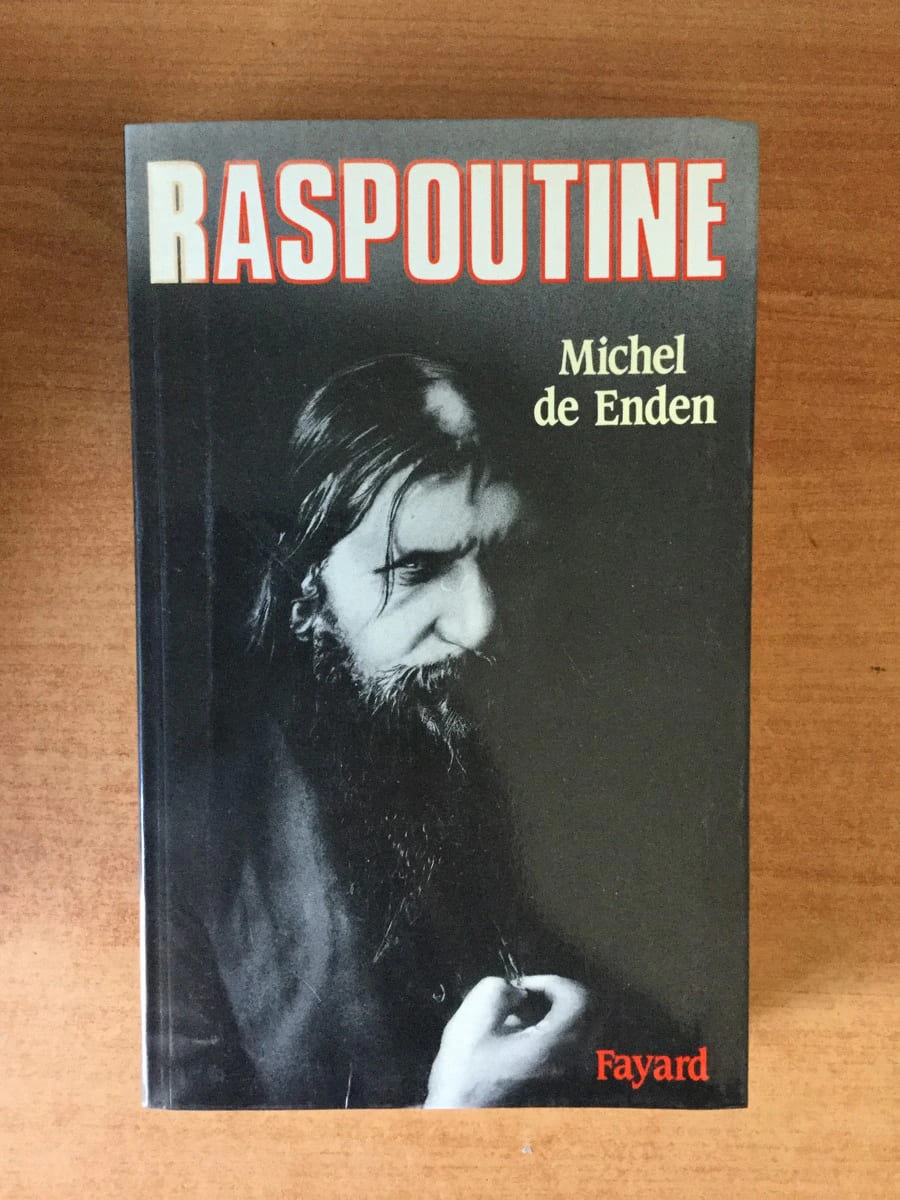
réf. 60908Fayard 1991 livre biographie 22*14 367 pages
1984Un volume (23 cm) di 855 pagine, con 32 illustrazioni fuori testo. Qualche segno a penna nel testo; margine delle pagine un po' ingiallite. Tela editoriale con sovracoperta illustrata. Buone condizioni.
196820x14. 221p. Trad. J. Fernández Yáñez. Enc. Cart. ed. sobrecubierta.
réf. 26998Broché, 19X12 cm, 2008, 310 pages, éditions actes sud. Très bon état.
2008(Codice MF/1569) In 16° 156 pp. Brossura editoriale, cartine alle sguardie. Nuovo. ~~~ SPEDIZIONE IN ITALIA SEMPRE TRACCIATA
1930In-8°, pp. 431, 62 tavv. f.t., tela editoriale, titolo in oro al piatto superiore.
8vo 216 x 145 mm. searing accounts of Aleksandr Solzhenitsyn, Evgeniia Ginzburg and Varlam Shalamov opened the world's eyes to the terrors of the Soviet Gulag. But not until now has there been a memoir of life inside the camps written from the perspective of an actual employee of the Secret police. In this riveting memoir, superbly translated by Deborah Kaple, Fyodor Mochulsky describes being sent to work as a boss at the forced labor camp of Pechorlag in the frozen tundra north of the Arctic Circle. Only twenty-two years old, he had but a vague idea of the true nature of the Gulag. What he discovered was a world of unimaginable suffering and death, a world where men were starved, beaten, worked to death, or simply executed. Mochulsky details the horrific conditions in the camps and the challenges facing all those involved, from prisoners to guards. He depicts the power struggles within the camps between the secret police and the communist party, between the political prisoners (most of whom had been arrested for the generic crime of counter-revolutionary activities) and the criminal convicts.And because Mochulsky writes of what he witnessed with the detachment of the engineer that he was, readers can easily understand how a system that destroyed millions of lives could be run by ordinary Soviet citizens who believed they were advancing the cause of socialism. Mochulsky remained a communist party member his entire life--he would later become a diplomat--but was deeply troubled by the gap between socialist theory and the Soviet reality of slave labor and mass murder. This unprecedented memoir takes readers into that reality and sheds new light on one of the most harrowing tragedies of the 20th century.
1955Milano, 20/02/1955, la sola copertina illustrata a colori, senza il fascicolo, della Domenica del Corriere.
1931Firmin Didot 1931, In-8 broché. 340 pages. Bon état. Broché