20.697 Ergebnisse
1980Best.-Nr. 108723Paris Presses de la Renaissance 1980 1 vol. broché fort vol. in-8, broché, 781 pp., index. Traduit du russe par Denis Authier et Pierre Grazimis. Préface de Pierre Daix. Très bon état.
2003Best.-Nr. 820192003 Lausanne, L'Age d'Homme, 2003, in 8° broché, 319 pages.
1930Best.-Nr. 1082039(1930). 8, 288 S., 4 Bl. OLwd.
1953Broch?. 303 pages. Rousseurs. Mouillure ? la couverture.
1969Best.-Nr. 177200Nagel Nagel, 1969. In-8 relié cartonnage éditeur sous jaquette illustrée de 251 pages, 78 illustratiosn en couleurs et 92 en noir. Collection Archéologia Mundi. Bon état
1930Best.-Nr. 60881930. Paris Alexis Redier éditeur Librairie de la revue française 1930 - Broché 12 cm x 19 cm 265 pages - Texte de Grégoire Bessedovsky - Bon état
1929Broch?. 258 pages.
1942Cm. 14.5x22.5, pp. XVI-482 con illustrazioni in b/n. Legato in cartoncino editoriale morbido. Segni dÕuso sulla copertina, per la maggior parte intonso. Ottimo.
1937Best.-Nr. 127025Paris S.F.E.L.T., Malfère 1937 1 vol. broché in-12, broché, V + 185 pp. Edition originale sans grand papier. Petite déchirure sans manque au plat supérieur de la couverture.
1937Best.-Nr. 23891Paris Gallimard 1937 In-12 267 pp, exemplaire non coupé
19581 Vol. In-8 t. editoriale. Sovracopt. ill. Ben tenuto pag. XXVI-550 PROG 40576 CATT_ATT 54
1931Best.-Nr. 32222ABFreiburg, Herder 1931. 8°. XI, 337 S. OLwd mit Rücken- und Deckeltitel in Gold. Einband etwas berieben und angestaubt; Endbll. etwas stockfleckig. 1
1947Cm. 15.5x21, pp. XXIII-431. Legato in cartoncino editoriale morbido. Molto buono.
1937Best.-Nr. 126041937. Paris Intersyndical des Services Publics 1937 - Broché 13 5 cm x 21 5 cm 128 pages - Texte de H. Lartigue préface de Hénaff photo noir & blanc in-texte - Etat d'usage
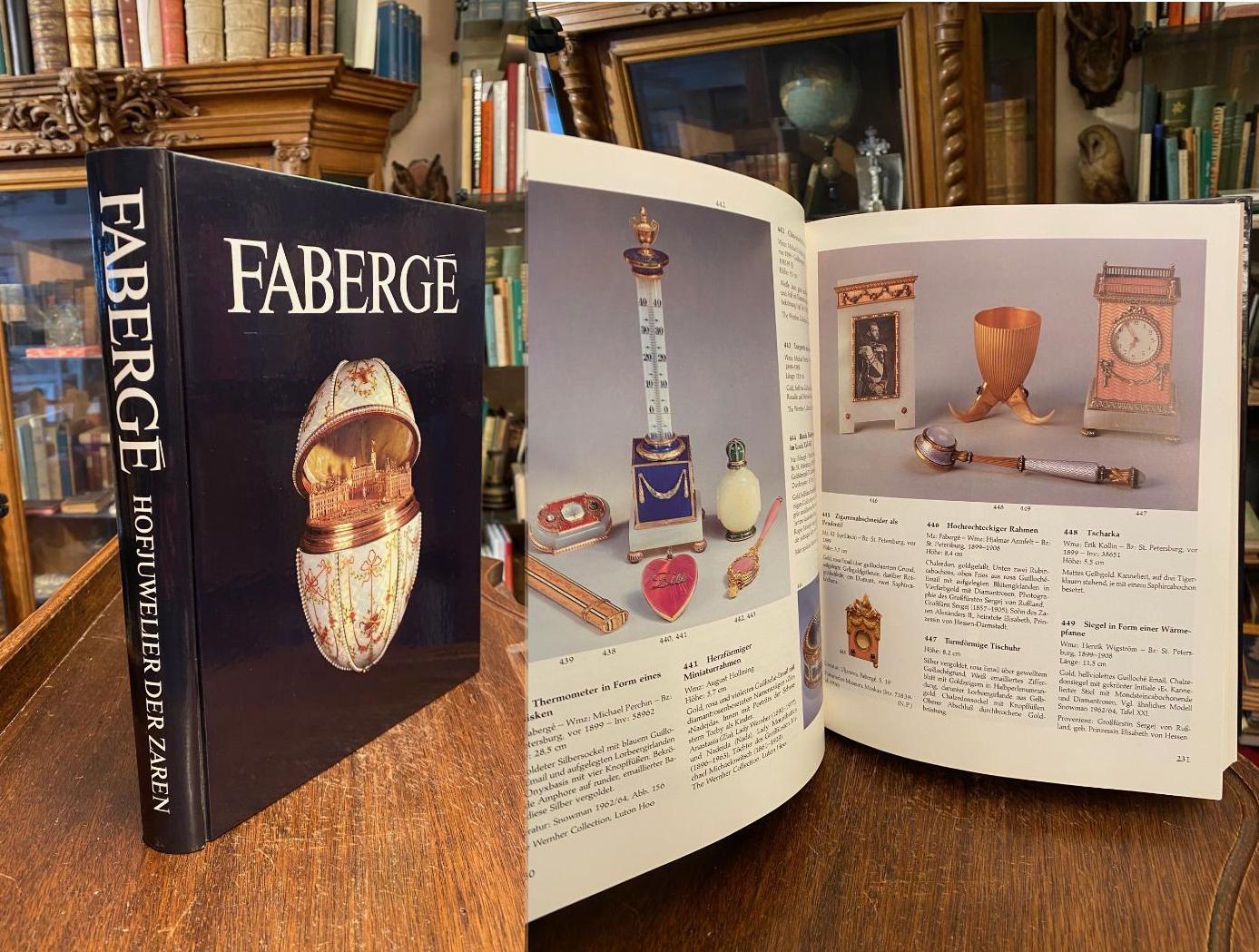
1986Best.-Nr. 11474ABMünchen, Hirmer Verlag, (1986). 4° (27x22), 359 S., mit zahlr. dokumentarischen Aufnahmen, Katalogteil mit 664 meist farb Abb., fotoill OPbd, Einband marginal berieben, nahezu ungelesen, schönes gepflegtes Exemplar,
1954Best.-Nr. 27959PENGUIN, 1954, in-8°, Penguin Books 1954, XXI-320p., 180 planches hors texte, index, grand in-8, reliure d'éditeur (bon état).
1960Broch?. 227 pages.
8vo, hardcover in dj, the first ever substantiated and complete history of Soviet intelligence. Based on a mass of newly declassified Russian secret intelligence documentation, it reveals the true story of Soviet intelligence from its very beginnings in 1917 right through to the end of the Cold War. Covering both main branches of Soviet espionage - civilian and military - Jonathan Haslam charts the full range of the Soviet intelligence effort and the story of its development: in cryptography, disinformation, special forces, and counter-intelligence. In a tragic irony, an organization that so casually disposed of others critically depended upon the human factor. Due to their lack of expertise and technological know-how, from early on the Soviets were forced to rely heavily on secret agents instead of the more sophisticated code-breaking techniques of other intelligence agencies. But in this they were highly successful, recruiting spy rings such as the infamous Cambridge Five in the 1930s. Had it not been for Soviet espionage against Britain s code-breaking effort during the Second World War, Stalin might never have won the victory that later enabled him to dominate half of Europe. Similarly, espionage directed at his allies enabled the Soviets to build an atomic bomb earlier than expected and to take calculated risks in post-war diplomacy, such as his audacious blockade of Berlin which led to the Berlin Airlift. Khrushchev s denunciation of Stalin in 1956 alienated many of the foreign friends so valued by the Soviet intelligence services. It also made new recruitment of foreign agents much more difficult, as the USSR rapidly lost its glamour and ideological appeal to potential supporters in the West during the 1950s. However, the gap was finally bridged through exploiting greedy and disloyal Western intelligence officers, using blackmail and bribery - and with great success. In fact, it was the ultimate irony that the KGB and GRU had never been more effective than when the Soviet Union began to collapse from within
8vo, cloth in dj, ex-library with usual marks. Synopsis: Focusing on what they call lying about spying the authors reveal how revisionist scholars have ignored or distorted documents from Russian archives that point to espionage links between Moscow and the CPUSA. About the Author: John Haynes and Harvey Klehr co-authors of "The Secret World of American Communism" and "Venona: Decoding Soviet Espionage in America." Ex-Library
Best.-Nr. 30020P., Wapler, 1952, in 12 broché, 124 pages ; non coupé.
1914Best.-Nr. REIS1101Leipzig, Brockhaus 1914. Gr.-8°, XII, 396 S.; VIII, 390 S.; mit 347 einfarbigen u. bunten Abb., 4 von 5 Karten; Original-Leinenbände mit farbig geprägtem Deckeltit. u. Deckelabb., Schnitt etwas angestaubt, Titelblätter gestempelt.
1910Best.-Nr. REIS0589Leipzig, Brockhaus 1910. Gr.-8°, XII, 396 S.; VIII, 390 S.; mit 347 einfarbigen u. bunten Abb., 4 von 5 Karten; Original-Leinenbände mit farbig geprägtem Deckeltit. u. Deckelabb., Schnitt angestaubt u. leicht fleckig, sonst sauber u. gut erhalten.
1989Broch?. 345 pages.