1 592 résultats
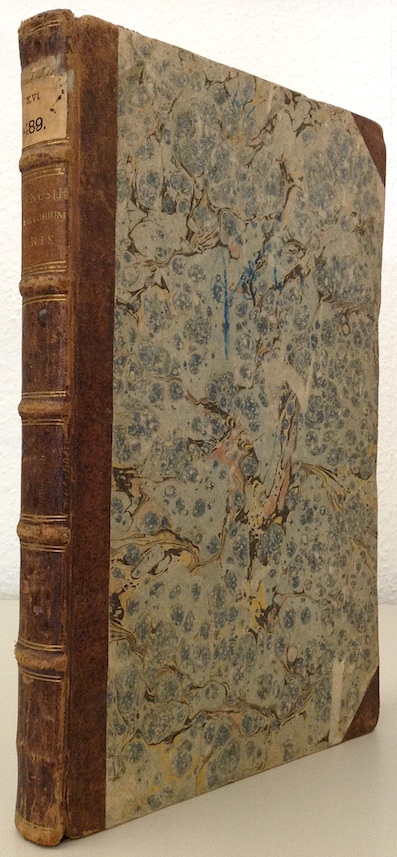
18392 voll. in 16, pp. 362 + (1) + (1b); 439 + (1). Lievissima mancanza al marg. est. dell'occhietto del I vol. Gora al marg. int. delle prime 6 cc. e delle ultime 4 cc. del II vol. Legatura in mz. pl. coeva con tit. e fregi oro al d. Storia romanzata del bandito ungherese Schobri, o Schubri (o Scubri).
19681st edition. Original cloth. 4to. X, 197, XXXI pages. 22 x 30 cm. In English, Hebrew, and Hungarian. Edited by Randolph L. Braham with the collaboration of Ervin Farkas. Profusely illustrated album of black and white photographs of Hungarian synagogues. "This album includes 467 photographs and drawings. The compilers succeeded in obtaining illustrations of most of the destroyed or converted synagogues. We hope this work will serve as an everlasting memorial to a significant element of Hungarian-Jewish culture and as a tribute to the thousands of martyrs who left from these very synagogues on their last fateful journey to destruction. (From the preface) . Subjects: Synagogues - Hungary. Edificios Religiosos (Arquitetura) Synagogues. Hungary. Ex-library with usual marks, binding repaired, spine rebacked, otherwise Good condition. (BRAHAM-1-43A)
20058vo; ISBN: 9632196511 8vo, 279 pages. 25 cm. Loaded with photos. In Hungarian. A history of the Jews of Eger, Hungary, before and during the Holocaust. Includes bibliographical referenceson pages 277-278. OCLC lists 5 copies worldwide (Harvard, USHMM, Yeshiva, Penn, U of Washington), none south of Pennsylvania. SUBJECT(S): Jews -- Hungary -- Eger -- History. Jews -- Hungary -- Eger -- Social life and customs. Holocaust, Jewish (1939-1945) -- Hungary -- Eger. Eger (Hungary) -- Ethnic relations. Slightly damaged boards, but good solid condition. (MX-22-5) xx
1821réf. 400351Preßburg, Erben Belnaya, 1821. Folio. 5 Bl., 474 S. Halbleder d. Zeit mit marmorierten Deckelbezügen u. Rückenschild (berieben, bestoßen u. verstaubt, Rückdeckel mit Schabstellen). [2 Warenabbildungen]
1984used very good condition; Original Cloth. 8vo. XVI, 501 pages. 24 cm. Second, revised and enlarged edition. Enlarged edition of the 1962 edition. Contains 3, 000 items in numerous languages relating to the Holocaust in Hungary; annotated throughout. Subjects: Jews - Hungary - Bibliography. Holocaust, Jewish (1939-1945) - Hungary - Bibliography. Holocaust survivors - Hungary - Bibliography. Judenvernichtung. Bibliographie. Kriegsverbrechen. Ethnic relations. Holocaust survivors. Jews. Holocaust, Jewish (1939-1945) Bibliography. Geschichte 1944-1945. Hungary - Ethnic relations - Bibliography. Very good conditionin Good Jacket. (BRAHAM-1-22) xx
1984used very good condition; Original Cloth. 8vo. XVI, 501 pages. 24 cm. Second, revised and enlarged edition. Enlarged version of the 1962 edition. Contains 3,000 items in numerous languages relating to the Holocaust in Hungary; annotated throughout. Subjects: Jews - Hungary - Bibliography. Holocaust, Jewish (1939-1945) - Hungary - Bibliography. Holocaust survivors - Hungary - Bibliography. Judenvernichtung. Bibliographie. Kriegsverbrechen. Ethnic relations. Holocaust survivors. Jews. Holocaust, Jewish (1939-1945) Bibliography. Geschichte 1944-1945. Hungary - Ethnic relations - Bibliography. Very good conditionin Good Jacket. (BRAHAM-1-22)
1987used Very Good Condition; Original Cloth. 8vo. IX, 333 pages. 24 cm. First edition. Edited by Randolph L. Braham. Contents: Federal Republic of Germany / Walter F. Renn - Israel / Ruth Firer - The United States of America / Glenn S. Pate. Subjects: Holocaust, Jewish (1939-1945) , in textbooks. Holocaust, Jewish (1939-1945) - Study and teaching - Germany (West) Holocaust, Jewish (1939-1945) - Study and teaching - Israel. Holocaust, Jewish (1939-1945) - Study and teaching - United States. Holocaust. Leerboeken. Geschiedenisonderwijs. Judenvernichtung Schulbuch Holocaust, Jewish (1939-1945) in textbooks. Study skills. Holocaust, Jewish (1939-1945) . Very good condition in good jacket. (HOLO2-115-18)
1999Original Cloth. 8vo. 240 pages. 25 cm. First U. S. Edition. Published in conjuction with the film The Last Days. Originally published: London: Weidenfeld & Nicolson, 1999. Profusely illustrated, with an epilogue by Randolph L. Braham. Presented by Steven Spielberg and Survivors of the Shoah Visual History Foundation; with an introduction by David Cesarani; historical consultants, Michael Berenbaum, Randolph Braham. The German plan for annihilation of the Jews-called the 'Final Solution'-set the goal that not a single survivor would be left to bear witness to the events. Fifty years later, Steven Spielberg established Survivors of the Shoah Visual History Foundation to record the testimony of as many survivors as possible. From the ashes of the Holocaust these voices now emerge to share their stories and to represent the nearly six million Jews who did not survive. Survivors and liberators share what they experienced in gripping, firsthand testimony. Archival photographs document history, and powerful color images chronicle the survivors' emotional return to the places of their pasts: from homes unseen for fifty years to the ghettos and concentration camps of their imprisonment. Top scholars have been brought together to share their insights into one of humanity's darkest chapters. These elements are poignantly synthesized in The Last Days as a warning for all mankind. - Publishers Description. Subjects: Holocaust, Jewish (1939-1945) Jews - Persecutions - Hungary. World War, 1939-1945 - Concentration camps. World War, 1939-1945 - Jews. Concentration camps. Jews. Jews - Persecutions. Survivors of the Shoah Visual History Foundation. Survivors of the Shoah Visual History Foundation. Holocaust, Jewish (1939-1945) . OCLC lists 28 copies. Light wear to jacket. Very good + condition in vg jacket. (BRAHAM-1-54)
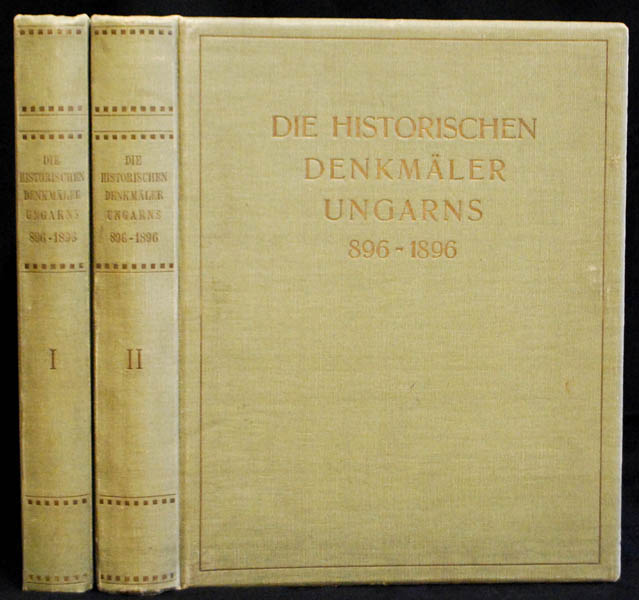
1896réf. 56070BBBudapest und Wien, Martin Gerlach und Compagnie, 1896. Groß-4°. 36 cm. 470 Seiten, 90 Tafeln. Original-Leinenbände mit goldgeprägten Rücken- und Deckeltiteln.
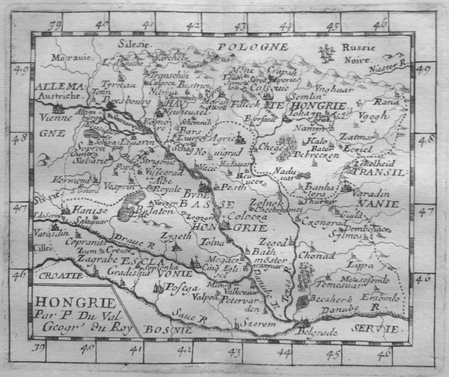
1661réf. LBW027bf[1661. 106 x 130 mm.
18524 voll. in 16, pp. XV + 222 + (2b); 235 + (1); 311 + (1); 304. Usuali fioriture della carta. Annotazioni manoscritte ai fr. dei 4 voll. Dei quattro voll. il quarto e il terzo si presentano con la br. orig. (lieve mancanza al p. post. del IV), il secondo ha il p. ant. orig. e il p. post. rifatto con carta d'epoca, il primo ha la br. interamente rifatta con carta d'epoca. Artur Gorgei fu un personaggio di spicco della rivoluzione ungherese del 1848, alla guida di un corpo d'armata che riusci' a cacciare gli Asburgo dall'Ungheria nella primavera del '48. D'Ayala, 'Bibliografia militare-italiana, antica e moderna': Il nome del Gorgei non puo' che essere vilipeso dagli Ungheresi, dagl'Italiani, e da tutti i popoli che hanno un giogo da scuotere' (p. 287).
18524 voll. in 16 rilegati in 2 tomi, pp. XV + 222 + (2b); 235 + (1); 311 + (1); 304. Legatura in mz. pg. con angoli. Etichette al d. Tagli gialli spruzzati. Artur Gorgei fu un personaggio di spicco della rivoluzione ungherese del 1848, alla guida di un corpo d'armata che riusci' a cacciare gli Asburgo dall'Ungheria nella primavera del '48. D'Ayala, 'Bibliografia militare-italiana, antica e moderna': Il nome del Gorgei non puo' che essere vilipeso dagli Ungheresi, dagl'Italiani, e da tutti i popoli che hanno un giogo da scuotere' (p. 287). Bell'esemplare.
1984réf. R117591Roma, Editiones Cistercienses 1984 329pp., with 107 bl/w ills., 28cm., in the series "Bibliotheca Cisterciensis" volume 7, publisher's hardcover, text in Latin, good condition, weight: 1kg., R117591
réf. 69779Budapest, éd. Hungaria, S.d. (1937/38), EDITION ORIGINALE, gd. in-12, cartonnage souple, couv. ill. coul. avec un dessin de A. Diosy éd., 120 pp., nb. publicités pleine page, table des recettes, Un ouvrage très intéressant qui nous fait découvrir la cuisine hongroise des années 30. Avec ses 172 recettes inspirées par le grand chef de cuisine, Zoltan Koranyi, son époux, et par Ladislas Szinder, autre grand chef de cuisine, qui occupaient tous les deux les cuisines des plus grands restaurants de Budapest (Le Grand Hôtel Royal et le restaurant Kis Royal) nous entrons de plein pied dans cette cuisine qui n'est ni européenne ni russe. Un livre qui est devenu Très RARE et Recherché ! Très bon état du papier; la couverture est légèrement défraîchie
1984réf. 192691984. Paris Éditions Flammarion 1984 e.o. française - Cartonné bien complet de la jaquette 21 cm x 27 5 cm 438 pages 252 ills noir & blanc in et hors-texte - Textes de Krisztina Passuth et Laszlo Moholy-Nagui notes bibliographie index - Léger accroc sur la jaquette sinon très bon état
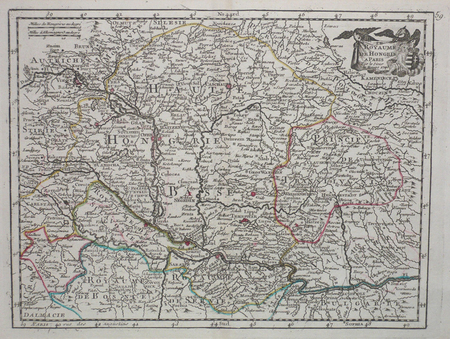
1743réf. LBW027b21743 203 x 266 mm.
1860In 16, pp. 199 + (1b). Legatura in mz. pl. coeva con tassello al d. Il p. ant. presenta un'abrasione dello strato superficiale di carta di 4,5 x 6 cm. Saggio storico sulla politica ungherese con particolare riferimento al rapporto di sudditanza dall'Austria, ai vari trattati che normarono i rapporti fra i due Paesi, e alla questione religiosa.
réf. 65706ABo.J. 65706AB Im unteren Rand eine sehr kleine Feuchtigkeitsspur, sonst sehr gutes Exemplar.
20018vo. 259 pages. Illustrated with tables. In Hungarian. SUBJECT (S) : Jews Hungary Heves Megye history; Holocaust, Jewish (1939-1945) Hungary Heves Megye; Heves Megye (Hungary) history. OCLC lists 23 copies worldwide. Reviewed below by Randolph L. Braham: "In historical terms, the Jewish communities of Heves County were relatively short-lived. As was the case of their counterparts in virtually all other provinces of Hungary, most of these communities lasted just a little over one hundred years. While some of the settlements were established toward the end of the eighteenth century, most came into being only during the nineteenth century. The Jews were originally encouraged to settle on the estates of the feudal landlords, who were eager to see them engage in trade and commerce - economic pursuits the landed aristocracy found demeaning and the basically illiterate peasantry was not qualified to fill. By 1840, the number of Jews living in the county was 1, 953; it reached a peak of 10, 928 in 1880. During the decades that followed, the size of the county's Jewish population gradually declined, and by the time of the anti-Semitic drive of the 1940s was only a little over 7, 000.The many historical, political, and socioeconomic factors determining the rise and fall of the Jewish communities in the county, including, among others those of Eger, Gyöngyös, Hatvan, Heves, and Tiszafüred, are described and analyzed in this well documented work by Dr. Ágnes Szegö Orbán, head of the public library of Tiszafüred. The author of A tiszafüredi zsidóság törtenete és demográfiája, Orban skillfully exploits the archival resources of the county to document the evolution of the communities, differentiating between the various phases of Hungarys national history. Using the tools of the social sciences, she highlights the social structure and the religious and welfare organizations of the communities, identifies the branches of trade, commerce and industry in which Jews played a pioneering role, and documents the increasingly difficult political climate in which the communities struggled to survive, especially after the end of World War I. As elsewhere in truncated Hungary, the anti-Jewish drive in Heves County intensified in 1938, following the adoption of the First Anti-Jewish Law. This was followed in rapid succession by many increasingly more ominous anti-Semitic acts, culminating in the tragedy that engulfed all of the Jews of Hungary after the German occupation of March 19, 1944. The last section of the book is devoted to the Holocaust era. It succinctly describes the measures that were enacted by the central and local authorities, including the humiliation, isolation, and expropriation of the Jews. It also reveals the horrible conditions that prevailed in the various ghettos, including those of Eger, Gyöngyös, Hatvan, Szúcsi-Bagólyuk, and Tiszafüred, and documents the inhumane conditions under which the Hungarian instruments of state power the civil service, the police and gendarmerie -- carried out the deportations. The attempt to reestablish some of the communities after the war was basically unsuccessful. It was doomed to failure from the beginning. For one thing, only a pitiful number of the relatively few survivors were eager to establish new roots in the towns and villages from which their loved ones had been so brutally deported to Auschwitz. Some of the survivors decided to relocate in the larger cities that for a while at least -- still had viable Jewish communities; others decided to emigrate at the first opportunity. Moreover, the policies of the Soviet-supported Communist regime that came to power shortly after the war discouraged the nurturing of traditional Jewish values or the reinvigoration of religious communities. Fine condition. (Comhist-13-2)
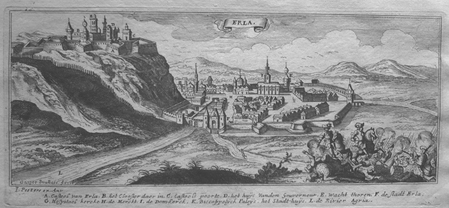
réf. LBW0279ccirca 1690 100 x 247 mm.
réf. LBW02799circa 1690 96 x 244 mm.
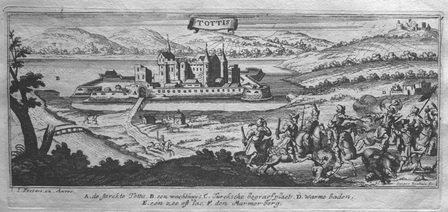
réf. LBW0279ecirca 1690 101 x 270 mm.
réf. LBW027a0circa 1690 101 x 248 mm.
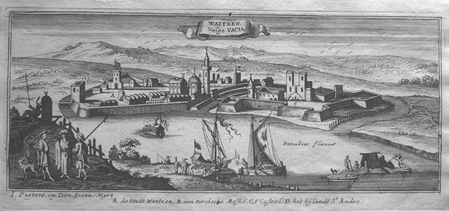
réf. LBW0279acirca 1690 105 x 256 mm.
réf. LBW0279fcirca 1690 101 x 245 mm.