1592 resultados
ref. UNGA0119o.J. Nouvelle Revue de Hongrie. Budapest 1936. (Inhalt u.a.: Gratz, Gustave. Politique et économie en Europe Cetral; Makkai, J. La constitution hongroise et la vie politique en Hongrie; Szekfü, J. La Hongrie médiévale et ses minorités; Duc de Lévis Mirepoix: Paul Valéry; Rapaics, R. La forêt hongroise; Surányi, N. Le comte Etienne Széchenyi chez Metternich.) gr.-8°, OKart., abgegriff., leicht verstaubt, einige kl. Randknitter./Meray, Tibor. Imre Nagy. L'Homme Trahi. Traduit du hongrois par Imre Laszlo. Paris, Julliard (1960). 357 S., OKart., verstaubt, papierbed. gebr.
ref. UNGA0152o.J. Werbebroschüren in Französisch, mit Fotos, Gebrauchsspuren.
ref. UNGA0213o.J. Ungarn. Ein Kampf um die Freiheit. (Wien, Sozialistischer Verlag 1956). 88 S., mit zahlr. Fotos, fot. OKart., klammergeheft., abgegriff., gebräunt. (Schriftenreihe der Arbeiter-Zeitung Heft 3)/Die Volkserhebung in Ungarn. 23. Oktober 1956-4. November 1956. Chronologie der Ereignisse im Spiegel ungarischer Rundfunkmeldungen. (München, Redaktion d. Zeitschr. "Hinter dem Eisernen Vorhang" 1956). 4°, 84 S., mit zahlr. Abb. u. 1 Gebietskarte am hint. Innenumschlag, OKart., Gebrauchsspuren/Der Volksaufstand in Ungarn. Bericht des Sonderausschusses der Vereinten Nationen. Bonn, Deutsche Gesellschaft für die Vereinten Nationen (1957). gr.-8°, 245 S., OKart., angestaubt, abgegriff., Ränder etw. bestoß., Kaffeefleck am Seitenschnitt.
ref. Piipo, KariIn Pristine Condition. unknown
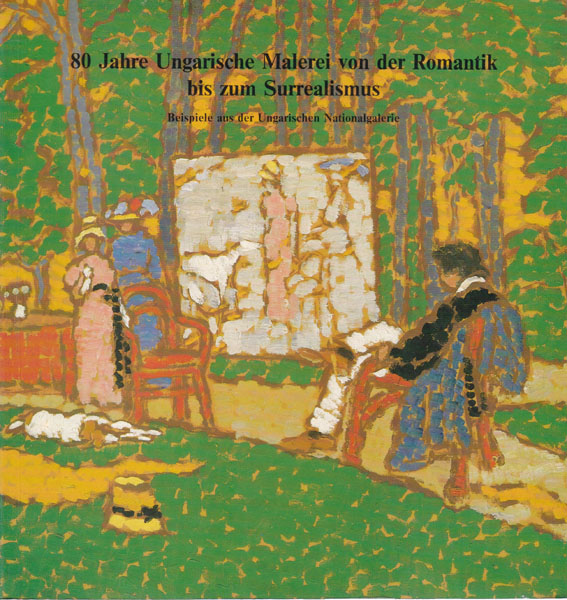
1989ref. 12097DBMannheim., Kunsthalle Mannheim., 1989. 22,5 x 21,5 cm. 249 S. Illustrierter OKarton., 12097D Erste Auflage. Einbandkanten mit kleinen Bereibungen, Rückendeckel mit winziger Knickspur. Sonst gutes bis sehr gutes Exemplar.
1984ref. 316611984. Softcover. VG. Black ill. stapled wraps. Unpaginated. Numerous bw plates. Text in Hungarian and English. Comprised of introduction and annotated plates. paperback books
1962ref. 46707ABDüsseldorf., Kunstverein für die Rheinlande und Westfalen., 1962. 26 x 19 cm. 34 unpaginierte S. Illustrierter OKarton., 46707AB Erste Ausgabe. Einbandkanten mit Bereibungen, stellenweise etwas beschabt. Ordentliches Exemplar.
ref. 20035S.l.n.d. [vers 1850] in-4 oblong (26,5 cm x 37, 5 cm) demi-veau havane à coins, dos lisse orné de filets dorés [Rel. de l'époque], dos et coins refaits
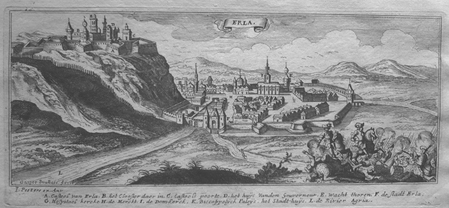
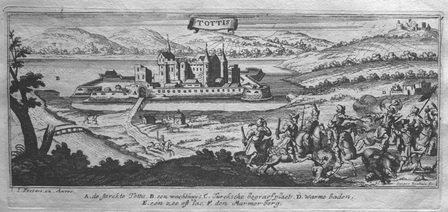
ref. LBW0279ccirca 1690 100 x 247 mm.
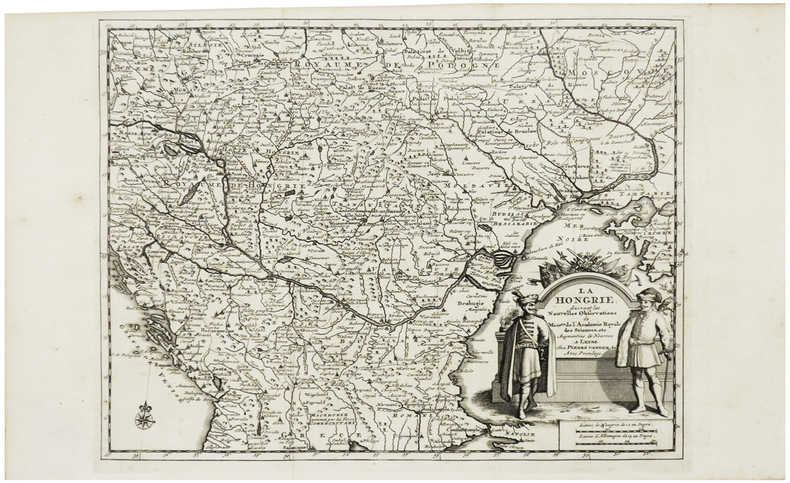
1729ref. LBW-6175Leide, Pierre Vander Aa, [1729]. 223 x 296 mm.
ref. 018788[Philippe Briet, Parallela geographiae veteris et novae] Le grand royaume de Hongrie. Gravure originale, 1649, environ 240*170mm. Gravure tirée de l'ouvrage du savant jésuite Philippe Briet (1601-1668) publié en 1648-1649. Texte au dos. [436]
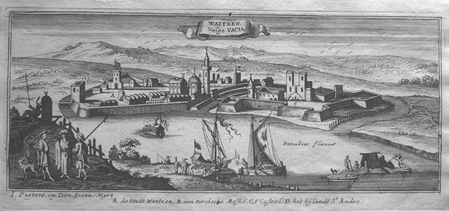
ref. LBW02799circa 1690 96 x 244 mm.
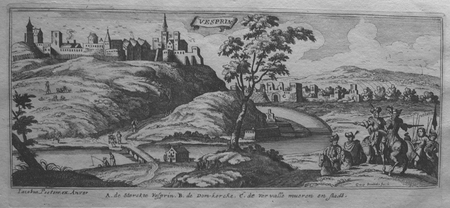
ref. LBW0279ecirca 1690 101 x 270 mm.
ref. LBW027a0circa 1690 101 x 248 mm.
ref. LBW0279acirca 1690 105 x 256 mm.
ref. LBW0279fcirca 1690 101 x 245 mm.
ref. LBW0279bcirca 1690 103 x 265 mm.
1998ref. 516021 vol. 4to. softcover, lots of col. pictures, Központi Papnevel Intézet, Mikes Kiado, Budapest, 1998, 47 pp. + circa 50 pp. of colored pictures. Text in Magyar, with summary in German. All legends are in both Magyar and German.
19981 vol. 4to. softcover, lots of col. pictures, Központi Papnevel Intézet, Mikes Kiado, Budapest, 1998, 47 pp. + circa 50 pp. of colored pictures. Text in Magyar, with summary in German. All legends are in both Magyar and German. Very nice copy Hongrois
1876ref. 1317371Budapest, Magyar Tudományos Akadémia Könyvkiadó Hivatala, 1875 - 1876. 4to. 4 Bl., 336 S. m. 277 Textabb., 10 Taf. (davon 1 farbig) (Magyarországi Régészeti Emlékek. Monumenta Hungariae archaeologica 2/2). Hldrbd d. Zeit m. goldgeprägtem Rücken (beschabt, Rücken m. Fehlstellen, Ecken bestoßen, Papier leicht randgebräunt).
ref. 11029aafBudapest, Society of the Hungarian Quarterly, 1943, gr. in-8°, XII + 532 p., abundant photographic plates, handwritten dedication on first fly, original half-cloth binding.
Budapest : MIOK Kulturális Központ Készült az OPTIMUM Kiadó gondozásában, 1989. Paper Wrappers, 8vo, [40] pages. Includes color illustrations. 20 cm. Bilingual Hungarian (front) & English (rear). Includes bibliographical references. SUBJECT(S) Synagogue architecture -- Hungary -- Budapest. Synagogues -- Hungary -- Budapest. Geographic: Budapest (Hungary) -- Buildings, structures, etc. OCLC lists 6 copies. Very Good Condition. (MX-33-20)
ref. 26084HUNGARY A GOLDEN AGE. ART AND SOCIETY IN HUNGARY 1896-1914. Miami: Barbican Art Gallery Center 1990. Folio. Pictorial wrappers. 197 pages. First edition. An exhibition catalogue well-illustrated in black and white and color. Fine. unknown books
ref. 37180Budapest, 1926. Format 15x23 cm, broche, 279 pages. Avec un portrait de Jozsef Foherceg en frontispice. Ouvrage en langue hongroise. Bon etat.
20018vo. 259 pages. Illustrated with tables. In Hungarian. SUBJECT (S) : Jews Hungary Heves Megye history; Holocaust, Jewish (1939-1945) Hungary Heves Megye; Heves Megye (Hungary) history. OCLC lists 23 copies worldwide. Reviewed below by Randolph L. Braham: "In historical terms, the Jewish communities of Heves County were relatively short-lived. As was the case of their counterparts in virtually all other provinces of Hungary, most of these communities lasted just a little over one hundred years. While some of the settlements were established toward the end of the eighteenth century, most came into being only during the nineteenth century. The Jews were originally encouraged to settle on the estates of the feudal landlords, who were eager to see them engage in trade and commerce - economic pursuits the landed aristocracy found demeaning and the basically illiterate peasantry was not qualified to fill. By 1840, the number of Jews living in the county was 1, 953; it reached a peak of 10, 928 in 1880. During the decades that followed, the size of the county's Jewish population gradually declined, and by the time of the anti-Semitic drive of the 1940s was only a little over 7, 000.The many historical, political, and socioeconomic factors determining the rise and fall of the Jewish communities in the county, including, among others those of Eger, Gyöngyös, Hatvan, Heves, and Tiszafüred, are described and analyzed in this well documented work by Dr. Ágnes Szegö Orbán, head of the public library of Tiszafüred. The author of A tiszafüredi zsidóság törtenete és demográfiája, Orban skillfully exploits the archival resources of the county to document the evolution of the communities, differentiating between the various phases of Hungarys national history. Using the tools of the social sciences, she highlights the social structure and the religious and welfare organizations of the communities, identifies the branches of trade, commerce and industry in which Jews played a pioneering role, and documents the increasingly difficult political climate in which the communities struggled to survive, especially after the end of World War I. As elsewhere in truncated Hungary, the anti-Jewish drive in Heves County intensified in 1938, following the adoption of the First Anti-Jewish Law. This was followed in rapid succession by many increasingly more ominous anti-Semitic acts, culminating in the tragedy that engulfed all of the Jews of Hungary after the German occupation of March 19, 1944. The last section of the book is devoted to the Holocaust era. It succinctly describes the measures that were enacted by the central and local authorities, including the humiliation, isolation, and expropriation of the Jews. It also reveals the horrible conditions that prevailed in the various ghettos, including those of Eger, Gyöngyös, Hatvan, Szúcsi-Bagólyuk, and Tiszafüred, and documents the inhumane conditions under which the Hungarian instruments of state power the civil service, the police and gendarmerie -- carried out the deportations. The attempt to reestablish some of the communities after the war was basically unsuccessful. It was doomed to failure from the beginning. For one thing, only a pitiful number of the relatively few survivors were eager to establish new roots in the towns and villages from which their loved ones had been so brutally deported to Auschwitz. Some of the survivors decided to relocate in the larger cities that for a while at least -- still had viable Jewish communities; others decided to emigrate at the first opportunity. Moreover, the policies of the Soviet-supported Communist regime that came to power shortly after the war discouraged the nurturing of traditional Jewish values or the reinvigoration of religious communities. Fine condition. (Comhist-13-2)