3.903 resultados
ref. 14543Paris, Paul Morihien, 1948 ; in-8 (23 x 14,5 cm), broché. 390 pp.-1f. Couverture un peu jaunie, manque de papier en queue et petits accrocs au dos. Pâles rousseurs sur les tranches et les tous premiers et derniers feuillets.
ref. awd-1126Portfolio collectif contenant 2 pointes sèches signées de l’artiste (sans titres, 1987, 40/49 et 99/40 cm). Autres contributions P. Brifflot, Ch. Kalfas, A. Claudé et J.M Scanreigh.
ref. awd-1125Portfolio collectif contenant une pointe sèche originale signée de l’artiste (Mensongeur, 1984, 31/24 mm). Autres contributions de Jean-Philippe Aubanel, Pierre Charpin, Annick Claudé, Christine Crozat, Christos Kalfas, Jean-Marc Scanreigh et Max Schoendorff. Tirage à 12 ex. numérotés et signés.
1984ref. 23823Calverton Long Island NY: Not Published 1984. Album with 29 color & black and white photographs printed on glossy Kodak paper; images of the visit of NY House Speaker Stanley Fink 1936 - 1997 and Paul E. Harenberg 1931- 2010 also a NY politician to the Calverton Grumman Aviation plant to inspect the Grumman X-29 - an experimental aircraft built primarily for the use of DARPA Defense Advanced Research Projects Agency program testing - from the NASA site ". X-29 aircraft featuring one of the more unusual designs in aviation history were flown at NASA Ames-Dryden Flight Research Facility The demonstrators investigated advanced concepts and technologies during a multi-phased program conducted from 1984 to 1992 provided an engineering database that is available for the design and development of future aircraft."; photographs include the jet on the tarmac official handshakes with company representatives the X-29 in the hangar workers Mr. Fink & Mr. Harenberg taking turns sitting in the cockpit the assembly line plant photographs and an impressive aerial view of the Grumman manufacturing and testing grounds; photographs not credited presumably by a company photographer and dated via internal evidence; 8" x 10" size approx. size photographs; all in the original imprinted official Grumman blue plastic hardcover three-ring binder; each photograph loosely inserted two to a protective sleeve; a few of the sleeves chipped and worn; the photographs clean clearly-taken and in very good condition; an interesting visual record of this experimental jet aircraft at its inception and the involvement of politicians in promoting the aerospace and military. Photography. Three Ring Binder . Very Good. Not Published Hardcover
1897ref. 4291Chaumont N.Y.: Ladies' Aid Society of the Methodist Episcopal Church 1897. Octavo-sized stapled booklet 23 x 15 cm. 48 pages. Advertisements. Stated Second Edition on wrappers only. An attractively designed church cookbook emanating from a hamlet in Jefferson County near Lake Ontario whose central district is now listed in The National Register of Historic Places. The Methodist Episcopal Society traces its presence in Chaumont to the earliest days of settlement by Europeans during the first decades of the nineteenth century. The offering of Tried and True Recipes – 300 of them a great many attributed– coincided with the dedication on 1 December 1897 of the New Church following the decimation of the First Church in a fire the previous spring. Though among the unsigned household medical recipes in the "Scrap Basket" miscellany compel notice: Cough Syrup – Whooping Cough Liniment – Syrup for Whooping Cough – Blackberry Cordial – Remedy for Croup – Excellent Cough Mixture – To Keep Jellies from Moulding – To Renew Black Silk – To Clarify Fat – Washing Fluid – To Wash Blankets – To Clean Marble – To Destroy Ants – Silver Polish – Cold Starch – Starching – To Remove Ink Stains From Paper – To Take Kerosine from a Carpet – To Take Mildew Out of Cloth – Raspberry Shrub – Coffee – To Purify Cistern Water – Unfermented Communion Wine – Mock Cream – Cough Cure – Brine for Eggs – To Remove Indelible Ink – Javelle Water for bleaching white goods – To Remove Grass Stain – To Remove Iron Rust and Stain – Furniture Polish – To Remove Ceiling Paper – Weights of Groceries. Clean and tight in a typographically attractive wrapper with a tiny bit of staining otherwise fine. Very handsome. Rare. OCLC locates one copy Chapin Library Williams College; not in Brown Cagle or Cook. Ladies' Aid Society of the Methodist Episcopal Church hardcover
1897ref. 4291Chaumont N.Y.: Ladies' Aid Society of the Methodist Episcopal Church 1897. Octavo-sized stapled booklet 23 x 15 cm. 48 pages. Advertisements. Stated Second Edition on wrappers only. An attractively designed church cookbook emanating from a hamlet in Jefferson County near Lake Ontario whose central district is now listed in The National Register of Historic Places. The Methodist Episcopal Society traces its presence in Chaumont to the earliest days of settlement by Europeans during the first decades of the nineteenth century. The offering of Tried and True Recipes – 300 of them a great many attributed– coincided with the dedication on 1 December 1897 of the New Church following the decimation of the First Church in a fire the previous spring. Though among the unsigned household medical recipes in the "Scrap Basket" miscellany compel notice: Cough Syrup – Whooping Cough Liniment – Syrup for Whooping Cough – Blackberry Cordial – Remedy for Croup – Excellent Cough Mixture – To Keep Jellies from Moulding – To Renew Black Silk – To Clarify Fat – Washing Fluid – To Wash Blankets – To Clean Marble – To Destroy Ants – Silver Polish – Cold Starch – Starching – To Remove Ink Stains From Paper – To Take Kerosine from a Carpet – To Take Mildew Out of Cloth – Raspberry Shrub – Coffee – To Purify Cistern Water – Unfermented Communion Wine – Mock Cream – Cough Cure – Brine for Eggs – To Remove Indelible Ink – Javelle Water for bleaching white goods – To Remove Grass Stain – To Remove Iron Rust and Stain – Furniture Polish – To Remove Ceiling Paper – Weights of Groceries. Clean and tight in a typographically attractive wrapper with a tiny bit of staining otherwise fine. Very handsome. Rare. OCLC locates one copy Chapin Library Williams College; not in Brown Cagle or Cook. Ladies' Aid Society of the Methodist Episcopal Church hardcover books
ref. 63-6894New York: Hammacher Schlemmer & Co. ca. 1917. Folio. Green Cloth covered Boards 1142 pp. Good with tears along spine corners worn to boards a few pages with minor staining and marginal small tears. Black and white illustrations throughout.Heavy book will cost extra for shipping. New York: Hammacher Schlemmer & Co., [ca. 1917]. hardcover
ref. 32049The first book 121 pages commences with the 1884 organizational meeting and ends with the meeting of October 1 1909. The second book 151 pp begins in 1924 and continues through 1950. Each volume contains meeting minutes which detail the events in the meetings guest speakers. Each volume contains a list of members. Not in Blair which talks about Methodist Missionary organization. The society was open to women of all denominations who were willing to pay the $.02 a week up to $.10 a month depending on their means. The purpose of the Society was to create an interest on the part of area women in missionary work. There was a special emphasis on "woman's work for woman. unknown
ref. 32049The first book 121 pages commences with the 1884 organizational meeting and ends with the meeting of October 1 1909. The second book 151 pp begins in 1924 and continues through 1950. Each volume contains meeting minutes which detail the events in the meetings guest speakers. Each volume contains a list of members. Not in Blair which talks about Methodist Missionary organization. The society was open to women of all denominations who were willing to pay the $.02 a week up to $.10 a month depending on their means. The purpose of the Society was to create an interest on the part of area women in missionary work. There was a special emphasis on "woman's work for woman. unknown books
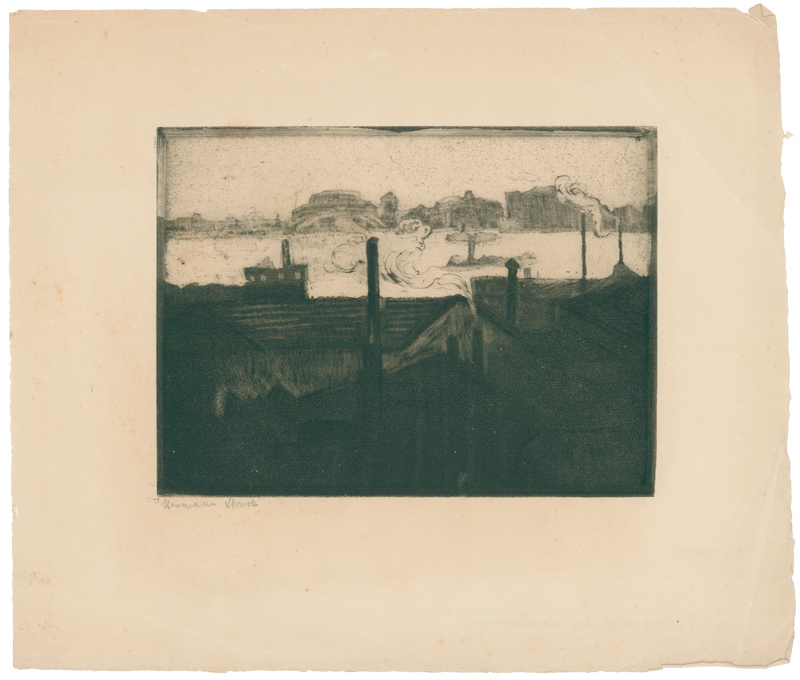
ref. 0162-Co.J. Kaltnadel und Vernis mou, auf Bütten, links unten signiert, verso bezeichnet ?Nr. 323 New York, Fabriken am Hudson?. 14,3:19,4 cm.
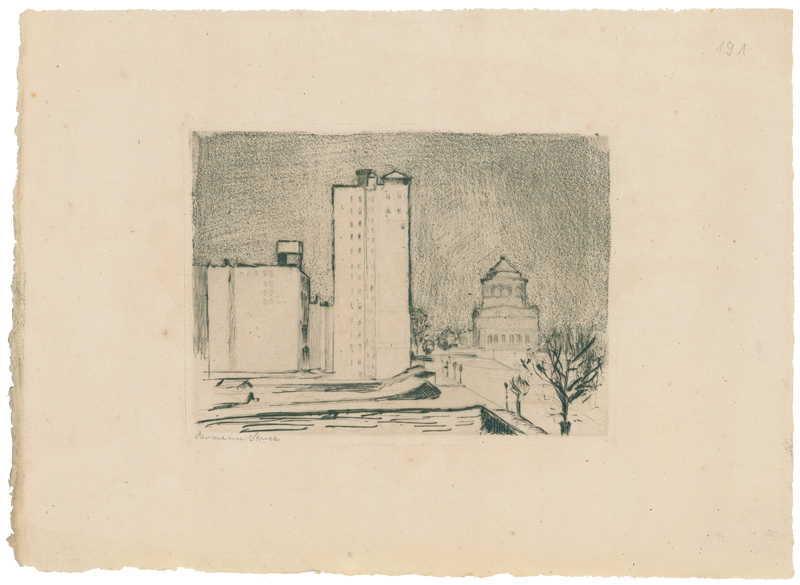
1912ref. 0157-C1912/13. Radierung und Vernis mou, um 1912/1913, signiert, verso bezeichnet ?Nr. 319 New York Monument Grant und Wolkenkratzer?. 11:15 cm. Erschienen in: Amerika, Berlin 1922. Rusel 334 R. ? Breitrandiger Abdruck mit zartem Plattenton auf Bütten. Etwas fleckig, Knickfalte in der Ecke rechts oben geglättet. Das Monument Grant ist das Mausoleum von Ulysses Grant (1822 ? 1885), des Oberbefehlshabers der Nordstaatenarmee während des Bürgerkrieges und späteren US-Präsidenten.
2026ref. x-1032737425Taylor & Francis Ltd 2026. Hardcover. New. 2nd edition. 354 pages. 9.18x6.12x9.45 inches. Taylor & Francis Ltd hardcover
ref. 11691Both on letterheads of the Syndicate Publishing Company New York. Adair's letter: 2 December 1914. Wright's letter: 30 March 1915. The letters provide a fascinating insight into the development of the transatlantic publishing industry. They are closely typed with single spacing and both centre around Walton's employment situation and his complaints about the sending over from America of 'Mr. Russell' about whose 'absolute worthlessness to the business' he complains. Adair's letter: 2pp. 4to. Good on lightly-aged paper. The firm has 'not the slightest doubt' that what Walton has said in his 'confidential communication' is 'entirely sincere': 'We feel it is just such a letter as a really big man having the interest of his employers at heart would right. sic' They have complete confidence in Russell's 'integrity honesty etc.' but acknowledge that it is important 'that he expenses of the London Office be kept down to the last notch'. Russell is 'familiar with so many things that have been done in this country and the manner in whcih either successes or failures have been made out of them' and is 'rather expert in figuring out the cheapest way to do things . A great many firms go to pieces not because they have not made money but for the reason that they failed to save any of that made'. Wright's letter: 3pp. 4to. Good on lightly-aged paper with slight damage not affecting the legibility of the text to the third of its three leaves. He has delayed replying to Walton's letter as he 'wanted to take sufficient time to think over our London situation more carefully and to definitely make up my own mind as to what would be for the best interests of the business'. He is not surprised that 'Mr. Starmer' has made Walton 'a liberal offer': 'there are plenty of other newspaper men in England who would not be slow to recognise your ability and to make you a satisfactory proposition'. Walton is highly qualified 'to handle the large and successful papers'. Wright lays out the plans he has for Walton: 'I have away down deep in my heart a great degree of interest in yourself and I have taken up the matter of your future with my associates with the idea in mind that at the proper time you will be given a connection with the company in a way that will be highly satisfactory to you; in fact I would not be at all surprised if an opportunity of absolute control of the English company would be given you'. In the meantime Walton's salary of £750 will be continued and he will be assisted by a 'traveling man'. 'You have been with our company going on two years. You have seen evidenced in Sheffield and one or two other towns what our plan of operation is worth and at such time as the war is over and things settle down to calm conditions you will in my opinion be able to produce results over there that will be highly gratifying to everybody interested.' He considers that England is not 'in nearly as serious a condition' as America: 'in fact I believe that business has been affected as much if not more in certain lines in the United States than it has in England'. On the question of Russell's 'absolute worthlessness to the business it would seem that backed up with a college education coupled with what he has learned in knocking about this country for fifteen or twenty years that he ought to be able in time and under the proper tuition of one more capable to at least earn a respectable part of his salary.' Both on letterheads of the Syndicate Publishing Company, New York. Adair's letter: 2 December 1914. Wright's letter: 30 March 19 unknown
1883ref. JC111671883. Hardcover. Very Good. Mottled blue cloth black calf backstrip; oblong 175 x 127; contains 18 pencil drawings most of them titled and dated. It includes landscapes of the Catskill Mountains; studies of clouds waterfalls and tree and rock formations; a farm scene; "The great whist game" image of 4 men at a table playing cards; "Prairie Fire in Dakota Night" the artist was very well-traveled; and 5 portraits. Spine tips chipped; edges of boards lightly scuffed; a few leaves neatly excised; one leaf loose laid-in. Nicely acccomplished works most of them on one side of the leaf therefore removable and suitable for display. Harley DeWitt Nichols 1859-1939 was born in Barton Wisconsin. He began his education in art as early as 11 years of age. His first job putting his talent and training to use came in the form of an apprenticeship with the Milwaukee firm Marr & Richards where he stayed for 3 years drawing and engraving on wood. The subsequent years included many moves from Milwaukee to Chicago and later to New York where he studied at ASL and was encouraged by Professor Packard to pursue a career as an illustrator at a European school. Nichols left for Munich in October 1885 to attend the Royal Academy where he studied under Heckel became a member of the American Club and socialized with Carl von Marr the clubs president. He went to London for a little while and worked as an illustrator. By 1893 hed returned to New York working mostly in advertising and illustrating for Harpers Weekly and Century magazines. He helped organize the New York Water Color Club. Nichols didnt curb his parapatetic lifestyle until he moved to Laguna Beach California in 1894. The art community in Los Angeles was in its infancy but he got a teaching job at the Echo Mountain summer school and he was inspired by the scenery of Yosemite Monterey San Juan Capistrano and other locations in southern California. He stayed in Laguna Beach until his death in 1939. hardcover
1883ref. JC111671883. Hardcover. Very Good. Mottled blue cloth black calf backstrip; oblong 175 x 127; contains 18 pencil drawings most of them titled and dated. It includes landscapes of the Catskill Mountains; studies of clouds waterfalls and tree and rock formations; a farm scene; "The great whist game" image of 4 men at a table playing cards; "Prairie Fire in Dakota Night" the artist was very well-traveled; and 5 portraits. Spine tips chipped; edges of boards lightly scuffed; a few leaves neatly excised; one leaf loose laid-in. Nicely acccomplished works most of them on one side of the leaf therefore removable and suitable for display. Harley DeWitt Nichols 1859-1939 was born in Barton Wisconsin. He began his education in art as early as 11 years of age. His first job putting his talent and training to use came in the form of an apprenticeship with the Milwaukee firm Marr & Richards where he stayed for 3 years drawing and engraving on wood. The subsequent years included many moves from Milwaukee to Chicago and later to New York where he studied at ASL and was encouraged by Professor Packard to pursue a career as an illustrator at a European school. Nichols left for Munich in October 1885 to attend the Royal Academy where he studied under Heckel became a member of the American Club and socialized with Carl von Marr the clubs president. He went to London for a little while and worked as an illustrator. By 1893 hed returned to New York working mostly in advertising and illustrating for Harpers Weekly and Century magazines. He helped organize the New York Water Color Club. Nichols didnt curb his parapatetic lifestyle until he moved to Laguna Beach California in 1894. The art community in Los Angeles was in its infancy but he got a teaching job at the Echo Mountain summer school and he was inspired by the scenery of Yosemite Monterey San Juan Capistrano and other locations in southern California. He stayed in Laguna Beach until his death in 1939. hardcover books
1845ref. 41243New York: John R. M'Gown 1845. Dark brown straight grain leather gilt lettered and ruled rubbed at spine and extremities hinges starting. 104 pp. plus two lithograph folding plates frontis: plan of the hospital wards; tinted lithograph view of the hospital. Lithograph plate after page 54 comprising a view of the lunatic asylum. Most of the text is interleaved with blanks. Very Good with the bookplate of William Ten Eyck Hardenbrook. This may be the man whom the New York Times called P.T. Barnum's first press agent New York Times 30 November 1931. Included are lists of Governors and Officers of the Society from its 1770 founding until January 1 1846; names and dates of appointment of the Society's physicians and surgeons; numbers of patients received and discharged with dispositions; data on "Lunatics" admitted since the Bloomingdale Asylum's 1821 founding and their dispositions; nativity of patients including patients from Africa and the West and East Indies; "supernumerary seamen" and a long list of Members of the Society about six pages. Information included here was updated in several printings: 1833 and 1838 preceding this publication and 1856. Sabin 54484. John R. M'Gown unknown
1845ref. 41243New York: John R. M'Gown 1845. Dark brown straight grain leather gilt lettered and ruled rubbed at spine and extremities hinges starting. 104 pp. plus two lithograph folding plates frontis: plan of the hospital wards; tinted lithograph view of the hospital. Lithograph plate after page 54 comprising a view of the lunatic asylum. Most of the text is interleaved with blanks. Very Good with the bookplate of William Ten Eyck Hardenbrook. This may be the man whom the New York Times called P.T. Barnum's first press agent New York Times 30 November 1931. Included are lists of Governors and Officers of the Society from its 1770 founding until January 1 1846; names and dates of appointment of the Society's physicians and surgeons; numbers of patients received and discharged with dispositions; data on "Lunatics" admitted since the Bloomingdale Asylum's 1821 founding and their dispositions; nativity of patients including patients from Africa and the West and East Indies; "supernumerary seamen" and a long list of Members of the Society about six pages. Information included here was updated in several printings: 1833 and 1838 preceding this publication and 1856. Sabin 54484. John R. M'Gown unknown books
1922ref. DOV18025New York 1922. Hardcover. Very Good. Presentation leather binding replicating the cover design of the pictorial wrappers bound in in gilt. Joints worn and quite tender; edges rubbed. Inscribed by Henry Collins Brown: "to my amicable friend.W.W. Corwan .who needent go west to find an Indian. With the salutations of the compiler.Henry Collins Brown.Oct. 9th 1922." A richly illustrated in b/w and full-color throughout. With laid-in photo-illustration double-page b/w aerial photo of mid- and lower-Manahattan neato -- Brooklyn and Jersey are also visible. Covers very lightly rubbed and age-toned and just a little wrinkled along the edges. Images of old New York horse-drawn carriages just a few people and new New York cars and crowds sometimes placed side-by-side for comparison. Also includes images of ships in the harbor a facsimile reproduction of a whaler's log book landmark buildings wars days Liberty Loan campaigns the Hudson the Palisades and more. hardcover
1922ref. DOV18025New York 1922. Hardcover. Very Good. Presentation leather binding replicating the cover design of the pictorial wrappers bound in in gilt. Joints worn and quite tender; edges rubbed. Inscribed by Henry Collins Brown: "to my amicable friend.W.W. Corwan .who needent go west to find an Indian. With the salutations of the compiler.Henry Collins Brown.Oct. 9th 1922." A richly illustrated in b/w and full-color throughout. With laid-in photo-illustration double-page b/w aerial photo of mid- and lower-Manahattan neato -- Brooklyn and Jersey are also visible. Covers very lightly rubbed and age-toned and just a little wrinkled along the edges. Images of old New York horse-drawn carriages just a few people and new New York cars and crowds sometimes placed side-by-side for comparison. Also includes images of ships in the harbor a facsimile reproduction of a whaler's log book landmark buildings wars days Liberty Loan campaigns the Hudson the Palisades and more. hardcover books
1919ref. 49241Buffalo: J. W. Clement Co. Printers 1919. 1919. TRADE CATALOG LUGGAGE. First edition. 16mo. 6 3/4" x 5" color pictorial stiff wrappers 55 1 pp. introduction illustrated in black & white terms of sale mail orders. This is a scarce and nicely illustrated catalog promoting the travel bags trunks and suit cases built by the Buffalo Trunk Co. Buffalo New York at the end of World War I. Founded originally in 1838 the company flourished with the growth and spread of railroad and canal traffic across the Northeast and New England. In 1901 they had constructed their new slow-burn masonry and wood factory to protect against industrial factory fires. The catalog includes enamel coated trunks with sheet metal Duck canvas covered trunks three-ply veneer trunks leather satchels and woven-fiber suit cases. Also provides a small list of accessories. Rear cover lightly soiled minor rubbing to the front cover else a very good bright copy. J. W. Clement, Co., Printers, 1919]. hardcover
1801ref. 16184New York: Printed by L. Nichols & Co. for John Tiebout Bookseller & Stationer No. 246 Water-Street 1801. 63 1 pp. Disbound. Light edge wear a couple of inoffensive old institutional rubberstamps. Good. This document prints the so-called 'Montgomerie Charter' of 1730 printed by Peter Zenger in New York in 1735. The Charter begins with a recitation of Dongan's Charter of 1686 which called for freemen in each of the six wards to elect an alderman and assistant who with the mayor and recorder form the Common Council the City's primary governing body. The Mayor was appointed by the Governor. Montgomerie's Charter left intact the basic structure of City government adding a seventh ward and enhancing the powers of the mayor to include some judicial functions. Montgomerie's Charter remained intact until 1813 when some minor modifications occurred. Howes N95 ref. AI 1021 3. II Harv. Law Cat. 197. Sabin 54170. Jackson Encyclopedia of New York City 203. Cohen 8732-8733 later printings. Printed by L. Nichols & Co.. for John Tiebout, Bookseller & Stationer, No. 246 Water-Street unknown
1801ref. 16184New York: Printed by L. Nichols & Co. for John Tiebout Bookseller & Stationer No. 246 Water-Street 1801. 63 1 pp. Disbound. Light edge wear a couple of inoffensive old institutional rubberstamps. Good. This document prints the so-called 'Montgomerie Charter' of 1730 printed by Peter Zenger in New York in 1735. The Charter begins with a recitation of Dongan's Charter of 1686 which called for freemen in each of the six wards to elect an alderman and assistant who with the mayor and recorder form the Common Council the City's primary governing body. The Mayor was appointed by the Governor. Montgomerie's Charter left intact the basic structure of City government adding a seventh ward and enhancing the powers of the mayor to include some judicial functions. Montgomerie's Charter remained intact until 1813 when some minor modifications occurred. Howes N95 ref. AI 1021 3. II Harv. Law Cat. 197. Sabin 54170. Jackson Encyclopedia of New York City 203. Cohen 8732-8733 later printings. Printed by L. Nichols & Co.. for John Tiebout, Bookseller & Stationer, No. 246 Water-Street unknown books
1906Moses King, 1906. In 4to cm. 38 x 26, bella legatura editoriale de luxe, con piatti massicci, arrotondati, in tela rossa con piatti illustrati a colori, pp. 96 con disegni e numerosissime illustrazioni fotografiche. Bella edizione di questo noto ma sempre ricercatissimo testo riccamente illustrato che celebra il panorama urbano di New York, già metropoli.
1944ref. 004015Paris Denoël 1944 In-8 Broché, couverture rempliée
1850Veduta della Borsa di New York e piazza antistante da scena di vita quotidiana. Stampata su fondino seppia entro doppio filetto, pubblicata by Goupil, Vibert & Co. New York & Paris. Piccolo restauro al margine in basso