Boston ExpositionBiblio.com

10.131 risultati
rif. 1332171389.Gpaperback. Good. Access codes and supplements are not guaranteed with used items. May be an ex-library book. paperback
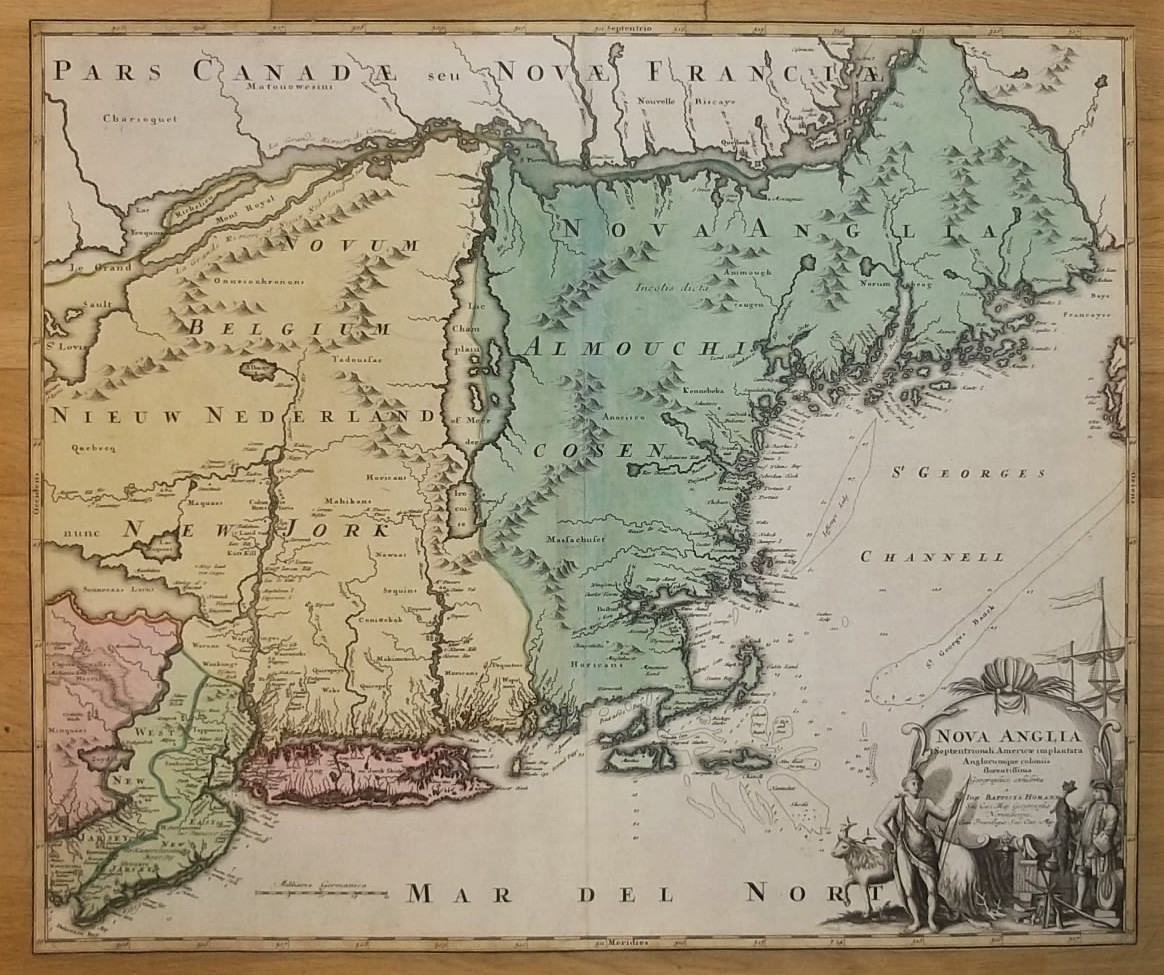
1730rif. 18639Nürnberg, Homann, ca. 1730. Ca. 49 cm x 58 cm.
1846rif. 57019Boston:: Pulbished by all the Booksellers 1846. First edition. original printed wrappers. Very light foxing; wrappers unchipped and unworn; overall very nice. 8vo. Pulbished by all the Booksellers, unknown
rif. 1020464135.Ghardcover. Good. Access codes and supplements are not guaranteed with used items. May be an ex-library book. hardcover
1979rif. ASTMBOST38Boston: .Distributed by The University Press of Virginia Charlottesville 1979. 1979. 4to. pp. 255. 24 colour & 162 b/w illus. biblio. index. cloth. dw. Published in conjunction with exhibition of same name. Freitag 100. Hardcover. Boston: .Distributed by The University Press of Virginia, Charlottesville, [1979]. Hardcover
2009rif. 384274Oxford : Oxford Archaeological Unit 2009. 1st edition. Softcover. Fine paperback copy. Particularly and surprisingly well-preserved; tight bright clean and especially sharp-cornered. Physical description; xv 234 pp. illustrations maps 30 cm. Notes; Includes bibliographical references p. 227-234 and index. Subjects; St. George's Church Bloomsbury London England. Human remains. Archaeology. Excavations. Bloomsbury History. Oxford : Oxford Archaeological Unit paperback
rif. 0904220532.Gpaperback. Good. Access codes and supplements are not guaranteed with used items. May be an ex-library book. paperback
rif. 1120312957.Gpaperback. Good. Access codes and supplements are not guaranteed with used items. May be an ex-library book. paperback
rif. 1166594378.Gpaperback. Good. Access codes and supplements are not guaranteed with used items. May be an ex-library book. paperback
rif. 77-1346Boston MA: Museum of Fine Arts 1984. 8vo. Soft Cover/stapled wrap. 22 pp. Very good B&W and color plates. Boston, MA: Museum of Fine Arts, 1984 paperback
2010rif. 31948Edition Un Autre Reg'Art 2010 160 pages 23x17x1cm. 2010. Broché. 160 pages.
1970rif. 268399Greenwich: New York Graphic Society 1970. Softcover. Very Good. Paperback in very good Condition shelf rubbing with some light bumping light yellowing of page edges. New York Graphic Society unknown books
1985rif. UTL12-2233Ieee 1985-06-01. Hardcover. Good. Ex-Library hardcover in good condition with the usual markings and attachments. Text block clean and unmarked. Tight binding. Ieee hardcover
1839rif. 191757Boston: John H. Eastburn Printer 1839. Minor dog earing to lower right sheets corners heavy soiling to title-page could be cleaned delicately. FRONT COVER MISSING. Yellow sewn wraps. 15 pp. FRONT COVER MISSING. Catalogue lists 174 works by living and deceased artists. Very uncommon. FRONT COVER MISSING. John H. Eastburn, Printer paperback
1839rif. 191757Boston: John H. Eastburn Printer 1839. Minor dog earing to lower right sheets corners heavy soiling to title-page could be cleaned delicately. FRONT COVER MISSING. Yellow sewn wraps. 15 pp. FRONT COVER MISSING. Catalogue lists 174 works by living and deceased artists. Very uncommon. FRONT COVER MISSING. John H. Eastburn, Printer paperback books
1759rif. mon0000160234John Robertson 1759. Leather. Acceptable. in x in x in. Front board detached. Rear board almost fully detached. Staining. Ex library with markings. Gift inscription on ffep. Tape repair. Names on title page. John Robertson hardcover
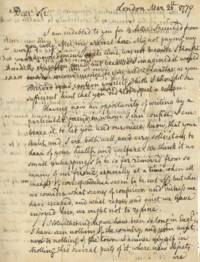
1779rif. List3711London 1779. Autograph letter signed Joseph Green to Boston merchant Samuel Eliot. Folded letter datelined "London Mar. 26th 1779" with "Rec'd 22nd Decr. 1779" docket on top flap. 7 x 9 ¼ inches 3pp. Some repairs with archival tape folded small tears at some folds. Excellent. A thoughtful Revolutionary-era letter written by Joseph Green the Boston clergyman poet satirist and wit whose verses made him one of the best-known literary figures in colonial New England. A graduate of Harvard College and member of Boston's mercantile elite Green maintained friendships with figures including Mather Byles and Benjamin Church. He is known for his satirical poetry and as a signer of the 1773 attestation supporting Phillis Wheatley's authorship of Poems on Various Subjects Religious and Moral. A Loyalist during the American Revolution and named in the 1778 Massachusetts Banishment Act Green departed Boston in 1775 and spent the remainder of his life in England. The present letter was written only a year before his death in London in 1780. Written during the period of British blockade and privateering that turned the Atlantic into a contested military space the letter survives as a rare example of communication successfully passing between a Loyalist exiled in London and a Boston merchant. Green repeatedly returns to the difficulty of maintaining contact noting that "all means of correspondence seem to be cut off" and explaining that he is able to write only because he has found "a particular friend in whom I can confide." The letter itself written in March and not received until December 1779 provides tangible evidence of the obstacles confronting transatlantic correspondence during the Revolution. Green writes: "Having now an opportunity of writing by a particular friend in whom I can confide I embrace it to let you and our niece know that your Aunt and I are both well and very solicitous to hear of your health and welfare. We think it no small unhappiness to be so far removed from so many of our friends especially at a time when all means of correspondence seem to be cut off; but when we consider what scenes of confusion and distress we have escaped and what repose and quiet we have enjoyed here we ought not to repine. "Notwithstanding we have been so long in Engl'd I have seen nothing of the country and your Aunt next to nothing of the town. I amuse myself in trolling thro' several parts of it where new objects are perpetually presenting themselves; and I am the fonder of this exercise as it contributes to health as well as amusement. "The climate here agrees well with my constitution. I enjoy better health than I did at home & my friends tell me I am younger. But I know better than to believe them in this because I think if I was to go about it I could prove I am near four years older than when I left Boston." Green's remarks describe the reality of transatlantic communication during the Revolutionary War when Loyalists abroad and their friends in America frequently depended upon trusted private carriers rather than regular postal channels. The letter's journey from London to Boston-requiring months to arrive and bearing Eliot's receipt docket of December 22 1779-illustrates precisely the obstacles Green describes. Green continues with observations on one of the great public controversies of wartime Britain the celebrated court martial of Admiral Augustus Keppel following his engagement with the French fleet off Brest. Green describes the intense public reaction and the partisan passions surrounding the affair: "We have had a forced and ostentatious display of joy on acct. of Admiral Keppel's acquittal. He has been try'd by a court martial on a charge brought against him by Admiral Palliser for misconduct in the engagement he had the last summer with the French fleet off Brest. This has been made a party affair and has been carry'd to a most extravagant height. The whole city has been illuminated three or four nights and there have been great rejoicings thro' the Kingdom. But the matter is now pretty well over and Palliser has ruin'd himself by it." Most affecting however is Green's reflection on the increasingly remote prospect of ever returning to Boston. He seems to realize that his exile may be permanent writing that "At the time I left Boston it was uncertain when I should return or whether I should return at all. But the improbability was not so great then as it is now. The door was then shut now it is bolted." Green's letter offers a moving account of Loyalist exile-separation from friends and family with hope for return fading. We find no other records of letters written by Green during this period in commerce or at auction.
1779rif. List3711London 1779. Autograph letter signed Joseph Green to Boston merchant Samuel Eliot. Folded letter datelined "London Mar. 26th 1779" with "Rec'd 22nd Decr. 1779" docket on top flap. 7 x 9 ¼ inches 3pp. Some repairs with archival tape folded small tears at some folds. Excellent. A thoughtful Revolutionary-era letter written by Joseph Green the Boston clergyman poet satirist and wit whose verses made him one of the best-known literary figures in colonial New England. A graduate of Harvard College and member of Boston's mercantile elite Green maintained friendships with figures including Mather Byles and Benjamin Church. He is known for his satirical poetry and as a signer of the 1773 attestation supporting Phillis Wheatley's authorship of Poems on Various Subjects Religious and Moral. A Loyalist during the American Revolution and named in the 1778 Massachusetts Banishment Act Green departed Boston in 1775 and spent the remainder of his life in England. The present letter was written only a year before his death in London in 1780. Written during the period of British blockade and privateering that turned the Atlantic into a contested military space the letter survives as a rare example of communication successfully passing between a Loyalist exiled in London and a Boston merchant. Green repeatedly returns to the difficulty of maintaining contact noting that "all means of correspondence seem to be cut off" and explaining that he is able to write only because he has found "a particular friend in whom I can confide." The letter itself written in March and not received until December 1779 provides tangible evidence of the obstacles confronting transatlantic correspondence during the Revolution. Green writes: "Having now an opportunity of writing by a particular friend in whom I can confide I embrace it to let you and our niece know that your Aunt and I are both well and very solicitous to hear of your health and welfare. We think it no small unhappiness to be so far removed from so many of our friends especially at a time when all means of correspondence seem to be cut off; but when we consider what scenes of confusion and distress we have escaped and what repose and quiet we have enjoyed here we ought not to repine. "Notwithstanding we have been so long in Engl'd I have seen nothing of the country and your Aunt next to nothing of the town. I amuse myself in trolling thro' several parts of it where new objects are perpetually presenting themselves; and I am the fonder of this exercise as it contributes to health as well as amusement. "The climate here agrees well with my constitution. I enjoy better health than I did at home & my friends tell me I am younger. But I know better than to believe them in this because I think if I was to go about it I could prove I am near four years older than when I left Boston." Green's remarks describe the reality of transatlantic communication during the Revolutionary War when Loyalists abroad and their friends in America frequently depended upon trusted private carriers rather than regular postal channels. The letter's journey from London to Boston-requiring months to arrive and bearing Eliot's receipt docket of December 22 1779-illustrates precisely the obstacles Green describes. Green continues with observations on one of the great public controversies of wartime Britain the celebrated court martial of Admiral Augustus Keppel following his engagement with the French fleet off Brest. Green describes the intense public reaction and the partisan passions surrounding the affair: "We have had a forced and ostentatious display of joy on acct. of Admiral Keppel's acquittal. He has been try'd by a court martial on a charge brought against him by Admiral Palliser for misconduct in the engagement he had the last summer with the French fleet off Brest. This has been made a party affair and has been carry'd to a most extravagant height. The whole city has been illuminated three or four nights and there have been great rejoicings thro' the Kingdom. But the matter is now pretty well over and Palliser has ruin'd himself by it." Most affecting however is Green's reflection on the increasingly remote prospect of ever returning to Boston. He seems to realize that his exile may be permanent writing that "At the time I left Boston it was uncertain when I should return or whether I should return at all. But the improbability was not so great then as it is now. The door was then shut now it is bolted." Green's letter offers a moving account of Loyalist exile-separation from friends and family with hope for return fading. We find no other records of letters written by Green during this period in commerce or at auction. books
rif. 43677Interesting stuff!. Soft Cover. Worn Condition. Paperback
1881rif. 950No place listed: Forbes Co 1881. Stiff wraps. Near fine. 16mo 5 ½" x 2 ¾"; 26pp; chromolithographed stiff pictorial wrapper steamboat to front and Hotel Pemberton illustration to rear; string binding; 17pp advertisements 4 with illustrations; 2 maps; small chip to fore-edge rear wrapper and one to bird's-eye view map bottom corner; near fine. Held in 7 WorldCat libraries. Timetable for the steamboat and railroad with two maps: center-fold color map of the ferry route and a black & white bird's-eye view of Melville Garden Downer Landing Hingham Massachusetts. Boston newspaper advertisements for furniture tableware clothing beer bicycles builders grocers and more. Forbes Co unknown
1881rif. 950No place listed: Forbes Co 1881. Stiff wraps. Near fine. 16mo 5 ½" x 2 ¾"; 26pp; chromolithographed stiff pictorial wrapper steamboat to front and Hotel Pemberton illustration to rear; string binding; 17pp advertisements 4 with illustrations; 2 maps; small chip to fore-edge rear wrapper and one to bird's-eye view map bottom corner; near fine. Held in 7 WorldCat libraries. Timetable for the steamboat and railroad with two maps: center-fold color map of the ferry route and a black & white bird's-eye view of Melville Garden Downer Landing Hingham Massachusetts. Boston newspaper advertisements for furniture tableware clothing beer bicycles builders grocers and more. Forbes Co unknown books
1896rif. 306157Charles R. Stobbs Worcester Mass 1896. Card Covers. Good. 14 pages. Original printed wrappers. Covers very dusty contents generally clean. Size: 15 x 23 cms. Category: Antiquarian & Rare; Special Interest. This item may require more postage than the rates shown for delivery outside the UK. If extra postage is required we will contact you before processing your order and you will be given the details and option to decline the extra cost. Charles R. Stobbs unknown
1914rif. 303"This is a rare 1914 railway timetable pamphlet for the Boston Terminal Company featuring arrivals and departures of the Boston & Albany Railroad New York Central & Hudson River Railroad and New Haven & Hartford Railroad. Dated September 27 1914 this piece was intended for employee use only. While the cover has a tear on the left corner and some additional small tears along the spine the interior is intact and the pamphlet holds together well. This is a significant piece of early 20th-century rail history ideal for collectors of railroad ephemera." See Photos paperback
rif. 0428293425.Ghardcover. Good. Access codes and supplements are not guaranteed with used items. May be an ex-library book. hardcover
rif. 0265916674.Ghardcover. Good. Access codes and supplements are not guaranteed with used items. May be an ex-library book. hardcover