BERNIER, FrançoisLivre Rare Book

536 résultats
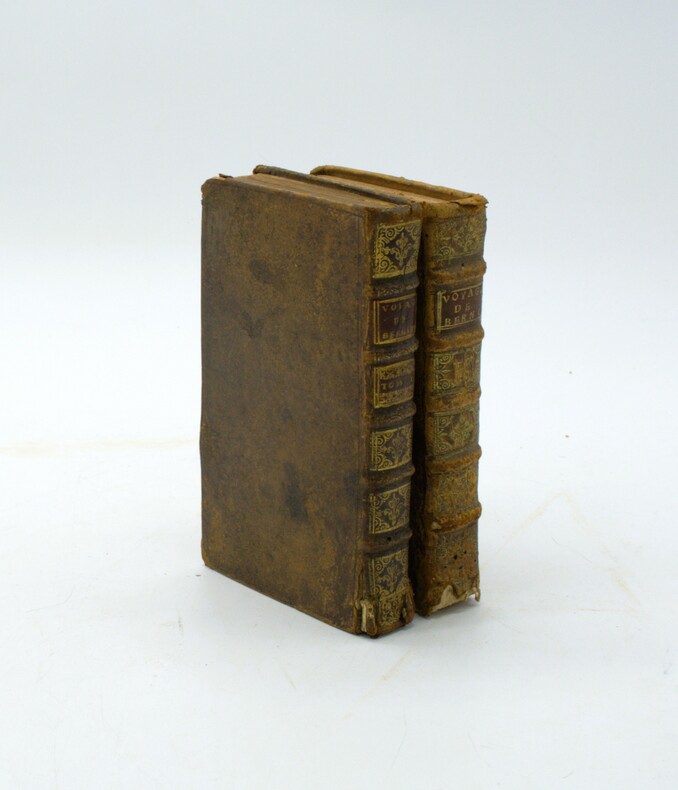
1711réf. PHO-1634Amsterdam, chez Paul Marret, 1711, 2 tomes en 1 volume in-2 (15,5x 10 cm), 320 pp. et 358 pp., illustré de 2 frontispices et 4 planches dépliantes dont 3 cartes, titre rouge et noir, relié plein maroquin, dos orné avec titre, lieu et date, triples filets aux plats, filets aux coupes, dentelle intérieure, tranches dorées, ex-libris en page de garde (Elzear Pin, homme politique)
1710réf. PHO-1760Amsterdam, chez Paul Marret, 1710-1711, 2 tomes in-12, 320 pp. et 358 pp., illustré de 2 frontispices et 4 planches dépliantes dont 3 cartes, titre rouge et noir, relié plein cuir époque, dos à nerfs ornés (dos légèrement différents), frottements et épidermures tome 2, petit manque au dos, coiffes et coins usés, une carte déchirée, papier ébarbé tome 1 sur les premiers feuillets, cachet et signature au titre tome 2, rousseurs.
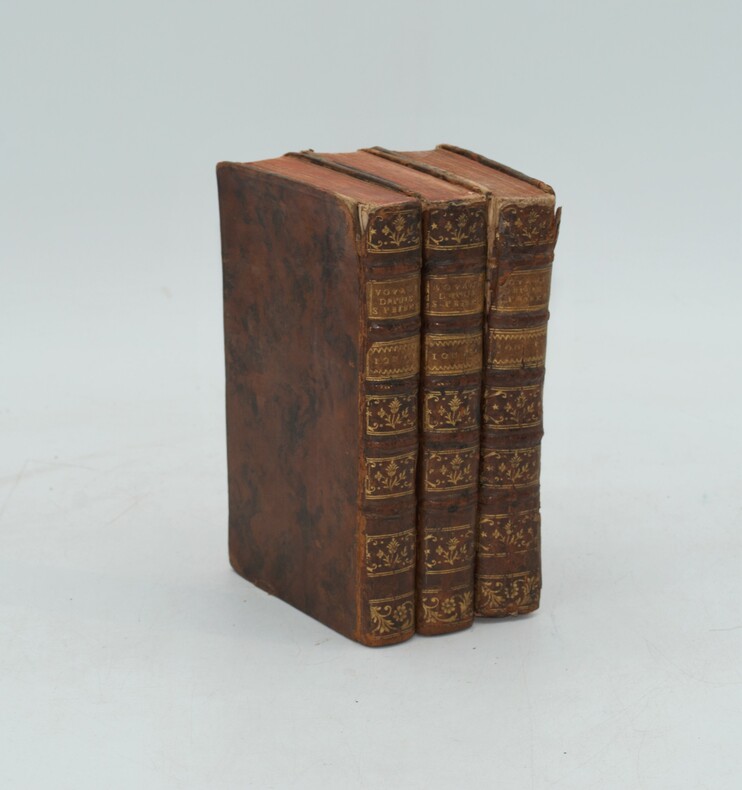
1766réf. PHO-1265Paris, Robin, 1766. 3 volumes in-12, veau marbré, dos là nerfs orné (Reliure de l'époque) avec pièce de titre et tomaison , tranches rouges , ex-libris sur le contre-plat , défauts de reliure , coins et coiffes usés , début de fentes aux charnières , etc.
1914réf. 028291New York 1914 JOHN Lane Company Hardcover
1960pp.217 to 425, with folding table in finis, 29cm., text in Mongolian script, in the series "Corpus Scriptorum Mongolorum Instituti Linguae et Litterarum Comiteti Scientiarum et Educationis Altae Reipublicae Populi Mongoli" tomus IX fasc.3B, original softcover (spine bit repaired at ends, well protected by cristal paper wrappers), text and interior in very good condition, rare, OCLC 879524588, X91508
1960réf. X91508Ulaanbaatar [Ulan Bator], 1960 pp.217 to 425, with folding table in finis, 29cm., text in Mongolian script, in the series "Corpus Scriptorum Mongolorum Instituti Linguae et Litterarum Comiteti Scientiarum et Educationis Altae Reipublicae Populi Mongoli" tomus IX fasc.3B, original softcover (spine bit repaired at ends, well protected by cristal paper wrappers), text and interior in very good condition, rare, OCLC 879524588, X91508
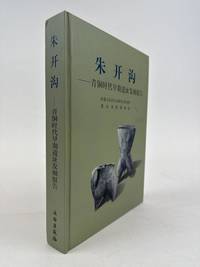
2000réf. 1363063Beijing: Cultural Relics Publishing House 2000. Hardcover. Octavo: 449 pages XCVI pages of black and white photographic plates with numerous black and white illustrations throughout text. Very good. Light green spine with blue and grey titling in Chinese. Binding lightly bumped and marked with price sticker still on rear board; text block lightly age-toned. Text in Chinese with English abstract. SH consignment. 1363063. Special Collections. Cultural Relics Publishing House hardcover
2000réf. 1363063Beijing: Cultural Relics Publishing House 2000. Hardcover. Octavo: 449 pages XCVI pages of black and white photographic plates with numerous black and white illustrations throughout text. Very good. Light green spine with blue and grey titling in Chinese. Binding lightly bumped and marked with price sticker still on rear board; text block lightly age-toned. Text in Chinese with English abstract. SH consignment. 1363063. Special Collections. Cultural Relics Publishing House hardcover books
1999xiv + 316 + ii pp.with ills. + 16 plates out-of-text, 26cm., in the series "Senri Ethnological Reports" vol.11, softcover, stamp on title page, stain of humidity on lower edges (not affecting the text), text in good condition, X74875
1999réf. X74875Osaka, National Museum of Ethnology 1999 xiv + 316 + ii pp.with ills. + 16 plates out-of-text, 26cm., in the series "Senri Ethnological Reports" vol.11, softcover, stamp on title page, stain of humidity on lower edges (not affecting the text), text in good condition, X74875
2009Fine Fine Turkish Original bdg. Dust wrapper. 4to. (28 x 20 cm). In Turkish with Uighur texts. 334 p., color ills., maps, plans and color photographic plates. Ötüken Uygur dönemi yazitlarindan: Tes - Tariat - Sine Us. Inscriptions from the Ötüken period: Tes, Tariat and Sine Usu. Cultur and civilization traces belonging to the Uigur who they lived in today's Mongolia geography between the years of 744-840 is substantially important in the sense of Turkish history. Afterwards, the Uighurs using the system of runic in their earliest period developed Uighur writing that carried the traces of Manichaeism and was adopted from Sogd writing and they used it as formal writing. Scholars have been assuming a close historical and philological connection between the Tes, Terx and Sine Usu inscriptions of the Uighur steppe empire.