Chegaray JacquesLivre Rare Book

1758 resultados
1964ref. 100053294Presses de la Cité 1964 in8. 1964. Cartonné.
1928ref. 14890Paris Pierre Roger 1928 Grand In-8 Ecu VII+291 pp, traduit du danois par Margrethe Trock, préface du Commandant J.-B. Charcot, 120 figures en noir in-texte, 2 cartes in-fine dont une dépliante, 1ère de couverture illustrée. Intérieur très correct, brochage passé avec quelques coupures mais faibles manques.
1947ref. 100114940Payot 1947 in8. 1947. Relié.
ref. 98169Paris, Payot 1928, 225x145mm, 203pages, broché. Bon état.
1962ref. 100084118Lucien de meyer 1962 in8. 1962. Broché. illustrations en noir et blanc et en couleurs
ref. 101731Paris, Ernest Flammarion sans date, vers 1905, 230x160mm, frontispice, IX - 403pages, reliure demi-chagrin à coin. Pièce de titre et d’auteur dorés au dos. Plats toilé. Illustration dorée sur le plat supérieur. Tranche supérieure dorée. Coiffes légèrement frotées, autrement belle reliure, bel exemplaire.
2004ref. 172185Saphira 2004 210 pages in12. 2004. Broché jaquette. 210 pages.
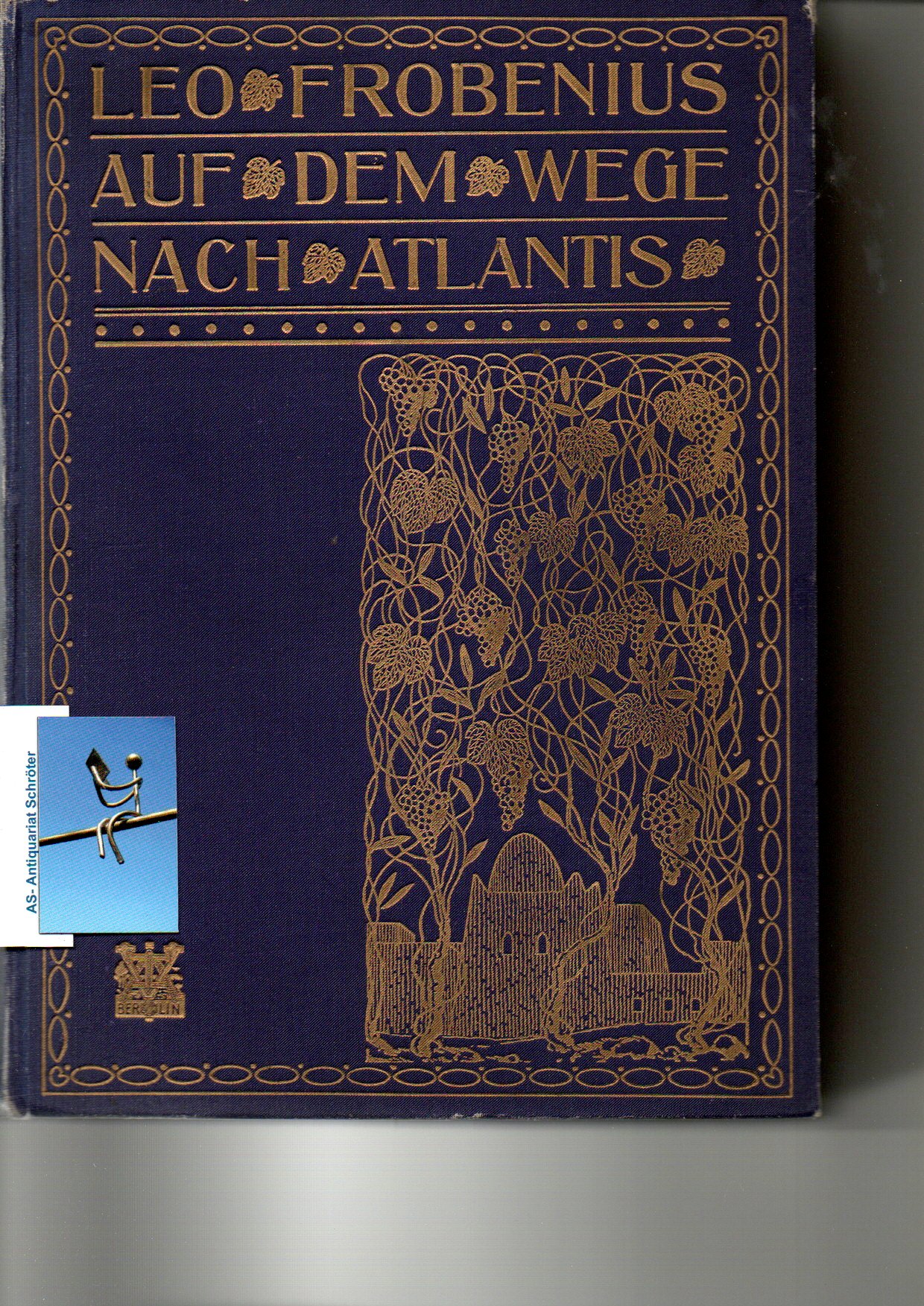
1911ref. 15496Vita Deutsches Verlagshaus, Berlin, 1911. XV, 410 Seiten, ca 26x19cm, illustrierter, goldgeprägter OLeinenband. 48 Tafeln, 27 Illustrationen (z.T. montiert), einem bunten Bild und 2 (eine davon ausfaltbar) Karten. Zweiter Reisebericht der `Deutschen Inner-Afrikanischen Forschungs-Expedition`. Einbandkanten etwas bestossen. Gutes Exemplar. Good copy.
1999ref. 1206872Bern ; München ; Wien : Scherz, 1999. 255 S. : Ill. ; 22 cm gebundener Originalpappband mit Schutzumschlag
1999Sauber erhalten. Verlag: Auf seiner Suche nach den letzten wildlebenden Baktrischen Kamelen, einem der seltensten Tiere der Erde, unternahm John Hare Expeditionen in die mongolische Wüste Gobi sowie in die Gashun Gobi, ein entlegenes und unwirtliches Gebiet in der chinesischen Provinz Xinjiang. Hare und seinem Team ist es gelungen, weltweit das Interesse an dem vom Aussterben bedrohten Baktrischen Kamel zu wecken. Dank seinem Verhandlungsgeschick und seinen unermüdlichen Bemühungen konnte der Autor die chinesischen Behärden davon überzeugen, ein Naturreservat einzurichten, in dem die Kamele heute vor illegaler Jagd geschützt sind. Hier erzählt er die Geschichte seiner abenteuerlichen Reisen, Begegnungen und Erfahrungen, die er in dieser 'den Weite gesammelt hat. Das Buch ist ein mitreißender Bericht über Wüstenabenteuer, Naturschutz und internationale Diplomatie. ISBN 9783502152897
1942ref. 201860Leipzig, F.A. Brockhaus, 1942. Halbleinen
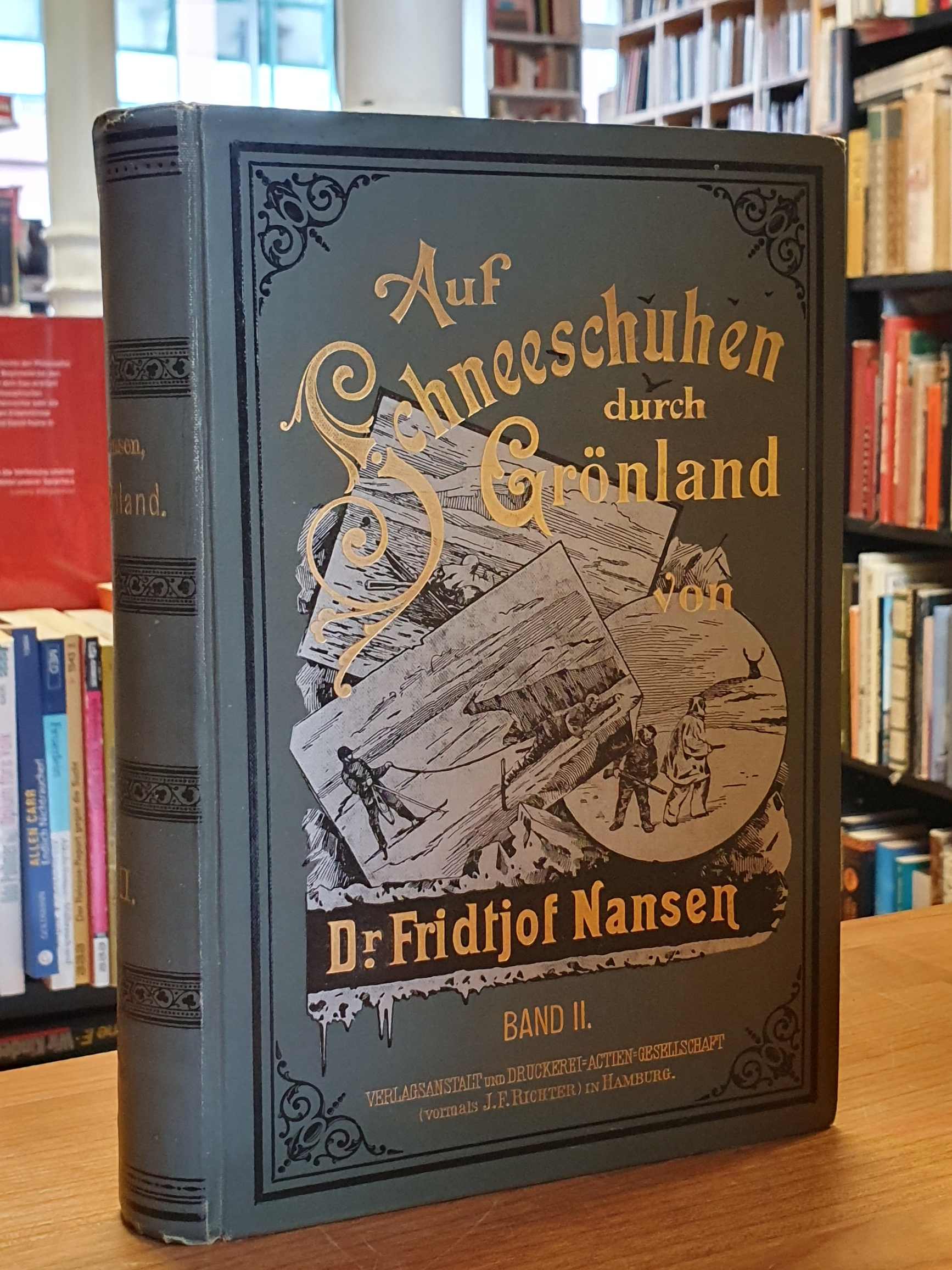
1897ref. 18163Verlagsanstalt und Druckert Actien Gesellschaft Grand in-8 Couverture rigide illustrée Hamburg 1897
1898ref. 17878CBHamburg, Verlagsanstalt u. Druckerei Actien-Gesellschaft, 1898. gr.8°, 455 S. mit 159 s/w-Abbildungen und 4 Faltkarten, original Leineneinband (Hardcover), illustratierter Vorderdeckel mit schwarzem Zierrahmen, goldener Deckel- und Rückenbeschriftung, Rückdeckel mit blindgeprägtem Verlagsemblem und blindgeprägtem Zierrahmen, Buchrücken mit Zierbünden im Stil der Zeit, Marmorschnitt und Musterpapiervorsätze, 2. Ausgabe Einbandkanten zum Teil minimal berieben, Musterpapiervorsätze am inneren Gelenk zwischen Vorderdeckelinnenseite und Vorsatzseite stellenweise minimal angeplatzt, Musterpapiervorsätze an oberer Kante der hinteren Vorsatzseite und der Rückdeckelinnenseite
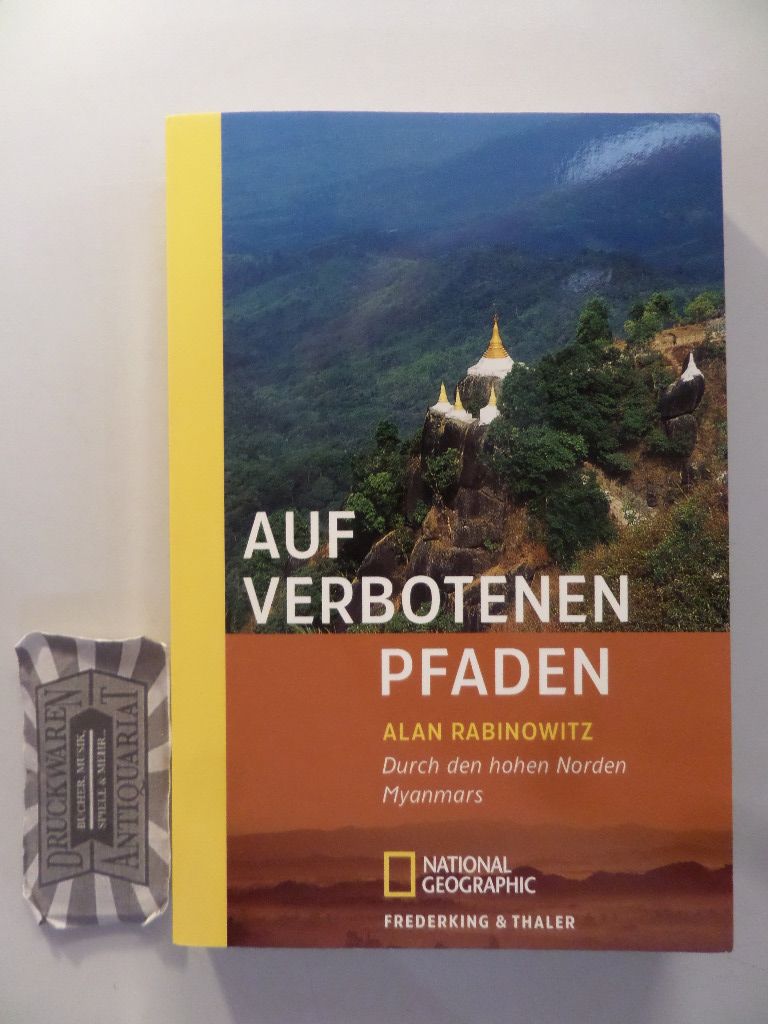
2007ref. 175333München: Frederking & Thaler, 2007. 339 S., Ill., 19 cm. kart., broschiert.
1901ref. 43281Leipzig : Dieterich 1901. VII, 303 S. : Mit 12 Vollbildern ; 8° illustrierter Kaliko - Einband, gebundene Ausgabe, Seiten alters- und papierbedingt gebräunt, sonst guter Zustand
2011ref. 17402CBStuttgart, Theiss, 2011. 4°, 168 S. zahlr. Ill. u. Kt. original Pappband (Hardcover) mit montiertem original Schutzumschlag, Erstausgabe sehr schönes, sauberes Exemplar.
1901ref. 15514Verlag von Gebrüder Jänecke, Hannover, 1901. XI,414(+ Karten) Seiten, ca 21,5x14,4cm, rundum Farbschnitt Wenige Anstreichungen am Rand und im Text. Das Papier zeitbedingt vorwiegend an den Rändern nachgedunkelt. Eine Ecke gestaucht. Insgesamt gutes Exemplar. Good copy. Selten. Rare.
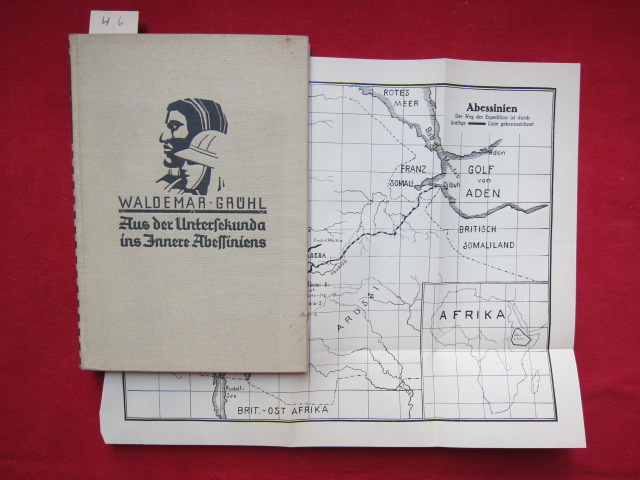
1929ref. 46Berlin / Minden i.W. / Leipzig, Wilhelm Köhler, 1929. Mit 45 Abb. auf Tafeln u. einer [Falt-] Karte (Maße: 28 x 35 cm). 8°,182 S., beigefarb. Org.-Lwd. mit Deckelillustr.
1923ref. 59729Leipzig : A. Kröner Verlag 1923. VIII, 240 S. ; gr. 8°, Schrift: Antiqua, Einband lichtschattig, Eigentümersignatur auf Titelblatt, gebundene Ausgabe, Halbleinen, sonst Exemplar in gutem Erhaltungszustand
1996ref. 100089516France-empire 1996 304 pages 16x24x2cm. 1996. Broché. 304 pages.
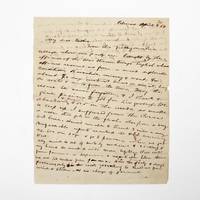
1854ref. 369733Palmas Panama 1854. 2pp. single 4to sheet. With: Carte-de-visite photograph of Mayo signed and inscribed to his sister on verso. Folds minor separations. 2pp. single 4to sheet. With: Carte-de-visite photograph of Mayo signed and inscribed to his sister on verso. Seeking a low-level train or canal route to bridge the Atlantic and Pacific Oceans in late 1853 President Franklin Pierce ordered a U.S. Naval exploring expedition to participate in an international attempt affiliated with a venture by the Atlantic and Pacific Junction Company. Although ships from Great Britain New Grenada and the United States were involved the principle overland portion of the expedition through 40 miles of dense jungle would be led by Lieutenant Isaac G. Strain who had previously led exploring expeditions in Brazil Baja California and Chile. With a party of 27 officers and men and including the author of the present letter they entered the jungle on January 20 1854. Problems began almost immediately. While puting ashore a boat was swamped and a portion of the party's provisions lost. Next the route Strain had been tasked with following contained no gap in the cordillera as had been previously believed. Led through the jungle by several groups of indigenous people the promise of a few days hike turned into months of wandering in the jungle before being abandoned by the guides. Subsisting on plantains and bananas and drinking river water Stain divided his men with an advance party striking out to seek rescue. On March 9 forty-nine days after starting from Caledonia Bay Strain and his advance party reached Yavisa; it would be another nearly three weeks before the main body was rescued but not before at least five had died of starvation or disease. Sometimes compared with the trials of the crew of the Essex or the members of the Donner Party the men on the Darien expedition endured extreme harship and resorted to unspeakable things. This remarkable letter was written by one of the expedition's survivors shortly after his rescue and return to civilization. George Upshur Mayo 1834-1896 was born into a prominent family in Norfolk VA. He attended the Virginia Military Institute served as an assistant engineer on the Strain Expedition was involved in the United States Geodetic Survey and was later a major in the Confederate Army. Here he writes: "My dear father From this filthy native village where our party are brought by the officers of the war steamer Virago English whose officers rescued us from a most deplorable condition starvation misery & want for about 70 days without bread or meat living on roots & nuts from the trees. May the rescue be never forgotten & I thank & give praises to God for his goodness. We abandoned & buried 4 or 5 in the woods as unable to keep up. I suffered from the cusano a worm that gets in the flesh also from a very bad knee. Almost unable to travel 3 miles a day. Unfavorable reports reached the U.S. concerning us. We are safe & go to Panama when we get well. My mind is out of sorts by medicine & sickness & my hand too weak to write more legibly. Will write from Panama or Aspinwall a respectable letter there. We are 100 miles from Panama. Had the party 8 days provisions only in the woods yet nothing to shield us from wind & storm & no change of garments. The suffering was intense & the rescue came at the most dreadful & important for our safety. I with 3 others on the river bank washing at sundown when the canoes came in sight. Captain Strain had no pants or underdraws to protect him from the briars & vermin. God be praised for rescue. Love to Annie. . . . In all probability will meet the Cyane at Aspinwall." A remarkable first-hand account of a desperate struggle for survival. unknown
1854ref. 369733Palmas Panama 1854. 2pp. single 4to sheet. With: Carte-de-visite photograph of Mayo signed and inscribed to his sister on verso. Folds minor separations. 2pp. single 4to sheet. With: Carte-de-visite photograph of Mayo signed and inscribed to his sister on verso. Seeking a low-level train or canal route to bridge the Atlantic and Pacific Oceans in late 1853 President Franklin Pierce ordered a U.S. Naval exploring expedition to participate in an international attempt affiliated with a venture by the Atlantic and Pacific Junction Company. Although ships from Great Britain New Grenada and the United States were involved the principle overland portion of the expedition through 40 miles of dense jungle would be led by Lieutenant Isaac G. Strain who had previously led exploring expeditions in Brazil Baja California and Chile. With a party of 27 officers and men and including the author of the present letter they entered the jungle on January 20 1854. Problems began almost immediately. While puting ashore a boat was swamped and a portion of the party's provisions lost. Next the route Strain had been tasked with following contained no gap in the cordillera as had been previously believed. Led through the jungle by several groups of indigenous people the promise of a few days hike turned into months of wandering in the jungle before being abandoned by the guides. Subsisting on plantains and bananas and drinking river water Stain divided his men with an advance party striking out to seek rescue. On March 9 forty-nine days after starting from Caledonia Bay Strain and his advance party reached Yavisa; it would be another nearly three weeks before the main body was rescued but not before at least five had died of starvation or disease. Sometimes compared with the trials of the crew of the Essex or the members of the Donner Party the men on the Darien expedition endured extreme harship and resorted to unspeakable things. This remarkable letter was written by one of the expedition's survivors shortly after his rescue and return to civilization. George Upshur Mayo 1834-1896 was born into a prominent family in Norfolk VA. He attended the Virginia Military Institute served as an assistant engineer on the Strain Expedition was involved in the United States Geodetic Survey and was later a major in the Confederate Army. Here he writes: "My dear father From this filthy native village where our party are brought by the officers of the war steamer Virago English whose officers rescued us from a most deplorable condition starvation misery & want for about 70 days without bread or meat living on roots & nuts from the trees. May the rescue be never forgotten & I thank & give praises to God for his goodness. We abandoned & buried 4 or 5 in the woods as unable to keep up. I suffered from the cusano a worm that gets in the flesh also from a very bad knee. Almost unable to travel 3 miles a day. Unfavorable reports reached the U.S. concerning us. We are safe & go to Panama when we get well. My mind is out of sorts by medicine & sickness & my hand too weak to write more legibly. Will write from Panama or Aspinwall a respectable letter there. We are 100 miles from Panama. Had the party 8 days provisions only in the woods yet nothing to shield us from wind & storm & no change of garments. The suffering was intense & the rescue came at the most dreadful & important for our safety. I with 3 others on the river bank washing at sundown when the canoes came in sight. Captain Strain had no pants or underdraws to protect him from the briars & vermin. God be praised for rescue. Love to Annie. . . . In all probability will meet the Cyane at Aspinwall." A remarkable first-hand account of a desperate struggle for survival. unknown books
2006ref. 1190602006 Editions Atlas - 2006 - In-4, cartonnage illustré en couleurs et en doré de l'éditeur; tranches dorées - 383 p. - Nombreuses illustrations in et hors texte en N&B
ref. 100077103Noizette et cie in4. Sans date. Agrafé. 2 volume(s). planches en couleurs
Hardcover in-12, 354 pages, illustrations en noir et blanc, cartonnage vert illustre de l"editeur (image collee). Tres bel exemplaire [TX-11]