1943réf. 84106Baghdad: Printed at the Government Press 1943. Paperback. Very Good. photo and 3 plans all grainy 9p. Softcover pamphlet in original stapled wrapper. 17 cm. Cover fading around edges. Printed at the Government Press paperback books
1943réf. 84105Baghdad: Printed at the Government Press 1943. Paperback. Very Good. 4 grainy photos amd plans 11p. Softcover pamphlet in original stapled wrapper. 17 cm. Printed at the Government Press paperback books
réf. 84015Good. Some foxing and a jagged edge tear. Faisal signing as "Faisal/R" writes in rather stilted prose thanking Tuffill for a present hoping that she will enjoy Malta and sending his best wishes for Christmas and the New Year. King Faisal was only 23 when he was killed during a military coup in 1958. unknown books
1967réf. 90149Baghdad: Dar Al-Jumhuriya Press 1967. Paperback. Good. photos 16p. Softcover in original wrapper. 22cm. Heavy horizontal crease. Minor cover soil. Photos and claims concerning the use of Napalm Bombs by Israel during The Six-Day War. Dar Al-Jumhuriya Press paperback books
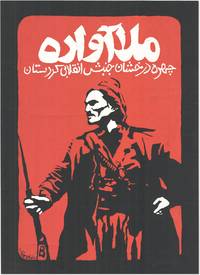
1990réf. 83129Kurdistan: New Organization 1990's. Original silkscreened poster 63.5cm x 46cm printed in red and white on heavy black paper. Slight wear to edges almost neglible and some minor surface cracking to the very heavily applied paint are the only things that could be considered defects. A very good example. An exceptionally striking image printed in dramatic red and white onto black card depicting a heavily armed figure in traditional Kurdish dress beneath the legend in Kurdish: "The Displaced Mullah; The Shining Face of Revolutionary Kurdistan" The figure depicted is in all likelihood a stylized portrait of Mahmoud Barzanji a national Kurdish hero from the unrest of the early 20th century who became the first King of Kurdistan and was appointed Governor of the region by the British after the formation of the Kurdistan Protectorate after WW1. Barzanji not universally popular in Southern Kurdistan was a leader of considerable energy and ambition which far outstripped British plans for his 'control' of the region. The British and Barzanji came into direct conflict when he began arresting and imprisoning British officials who put up any opposition to his plans and embarking upon a localised uprising. The British predictably enough put a stop to his ambitions by ambushing him on the Sulamaniah road wounding him and then graciously commuting his death sentence to one of imprisonment in the British stronghold of Lahore in India where Barzanji was kept prisoner until 1922. The other possibility and with a stronger resemblance is that the poster depicts Simko Shakik early 20th century warlord and revolutionary who aside from massacring Armenians and Assyrians for the greater good of Kurdistan also led a rebellion against Iran. Although not conspicuously working from a Kurdish nationalist perspective modern critical thought suggests that Shikak should be placed "within the confines of Kurdish ethno-nationalism" Kamal Soleimani; "The Kurdish image in statist historiography: the case of Simko" 2017. Shikak himself was mainly interested in plunder and what he no doubt considered 'punitive justice against' basically anyone who sought to extert power over him or as a secondary consideration other Kurds; the results of his aggressive energy and willingness to fight anybody however are historically considered evidence of his benefit to Kurdish freedoms. No other examples of this poster can currently be traced in trade or institutional database. New Organization unknown books