806 résultats
Carta geografica scolastica murale raffigurante il Canale di Panama. Cromolitografia, cm. 90x190. Scala 1:400000. Qualche strappo abilmente restaurato. Alcune pieghe.
1913In-8° (23,5 x 16 cm). (6), II, 774 pp. Tav. fotografiche e 2 cartine ripiegate nel testo. Buon esemplare rilegato in piena tela, con titoli oro al dorso. Bunau-Varilla (1859-1940), ingegnere francese e soldato, si adoperò presso il governo degli Stati Uniti per la costruzione del Canale di Panama.
1913In-8 gr., brossura (piccole mancanze), pp. (6),II,774, con numerose tavole fotografiche in b.n. fuori testo e 2 cartine piu' volte ripieg. Storia del Canale di Panama a partire dal 1879 fino ai lavori quasi ultimati. Testo ben conservato.
réf. 54103P., Pierre Roger (Collection "Les Pays Modernes"), sans date, in 8° broché, 251 pages ; non coupé ; couverture illustrée.
1914In-16° (cm. 18,7x12,5), pp. (4), 251, (1) + 20 TAVOLE fotogr. + 1 CARTA ripiegata del canale b.n. fuori testo. Mezza tela coeva, tit. oro al dorso. Molte e diffuse fioriture alle pagine di testo. Importante storia, descrizione dei lavori, dettagli tecnici (dighe, ferrovie, canali, frane ecc.) ed economici (tra cui le tariffe di retribuzione e le condizioni degli sterratori e degli altri lavoratori, americani, neri, cinesi ecc., vitto e costi, alloggi, servizi, zanzare ecc).; vantaggi e previsioni alla soglia dell'inaugurazione (1914).
1930In-8 p., mz. pergam., tit. oro su tassello al dorso, pp. 148,(2), con 4 cartine geografiche nel t. e alc. ill. fotografiche in b.n. in tavv. f.t. Monografia geografica con cenni storici ed etnografici. Ben conservato.
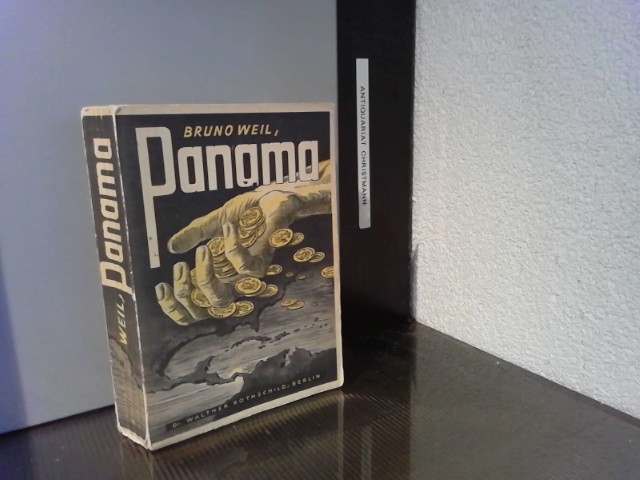
1933réf. 35792Berlin-Grunewald : Rothschild 1933. 579 S. ; 8 + Mit 6 Bildbeil. Broschiert, Exemplar in gutem Erhaltungszustand
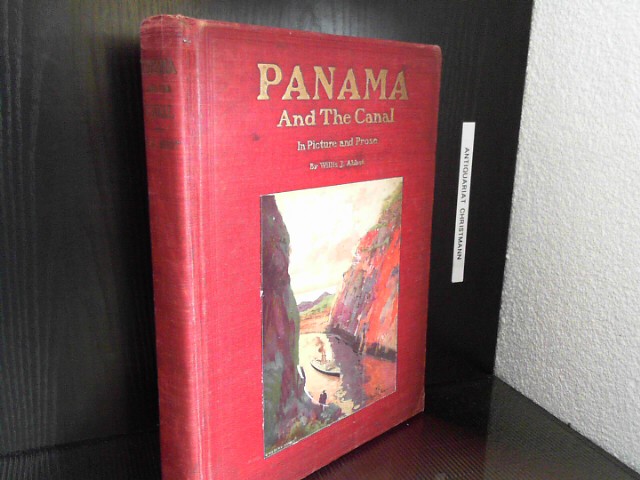
1913réf. 20017Sydicate Publ. Comp., New York 1913. 414 S. mit über 600 Fotos u. zahlr. Aquarell-Tafeln von E. J. read u. G. Grant., original farbig illustr. Leinen- gebundene Ausgabe, roter illustrierter Leinenband, goldgeprägter Deckel und Rücken, Gebrauchsspuren am Einband, sonst guter Zustand
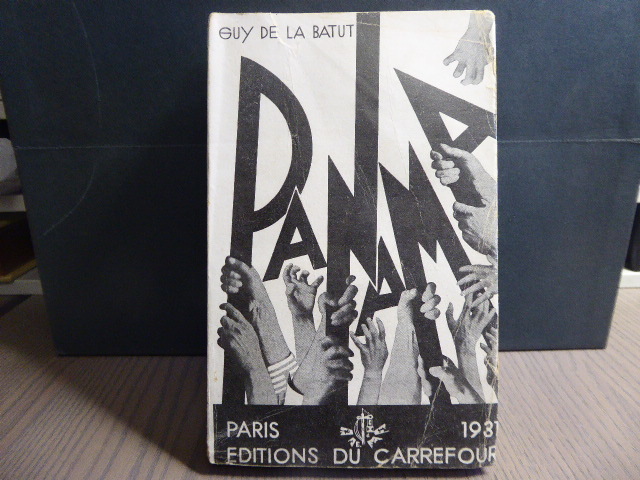
réf. 592952Editions Du Carrefour Paris 1931 In-12 ( 190 X 120 mm ) de 449 pages, broché sous couverture illustrée. Edition originale dont il n'a pas été tiré de grands papiers. Bon exemplaire.
réf. R100075130Delroisse / Vilo. non daté. In-4. Relié. Bon état, Couv. convenable, Dos satisfaisant, Intérieur frais. 159 pages - nombreuses photos en couleurs hors texte - une étiquette collée sur le 1er plat de la jaquette - la jaquette est illustrée en couleurs - texte en espagnol, anglais, français et allemand.. Avec Jaquette. . . Classification Dewey : 986-Colombie, Panama, Equateur
réf. 7746Paris, Bernard Grasset, (27 décembre) 1933. Fort in-12, broché.
réf. 46542Paris, Bernard Grasset 1934, 180x115mm, 494pages, reliure demi-basane. Plats papier marbré. Pièces d’auteur et de titre rouge au dos. Très bel exemplaire.
1977réf. LFA-126729530Un ouvrage de 263 pages, format 150 x 240 mm, broché couverture couleurs, publié en 1977, Flammarion, collection "Grands Feuilletons", bon état
réf. 8721Paris, P.Roger sans date, vers 1920 195x140mm, 246pages, relié demi toile, étiquette de titre manuscrite au dos, plat un peu frotté, autrement bon état.
Broché. 251 pages. Rousseurs.
1977Flammarion 1977, In-8 broché 262 p. Bon état.
1977réf. 107688Flammarion Flammarion 1977, In-8 broché 262 p. Bon état.
1934réf. 021125004Panama Pacific Line 1934. Very Good. Two dinner menus and an entertainment program from July 1934 voyage of the S.S. Virginia. The S.S. Virginia along with two sister ships ran a route from New York to San Francisco via the Panama Canal. The menus feature photographically illustrated covers and a wide range of items from Lobster ala Newburg to Cherry Jello. The entertainments included a masquerade ball horse racing and dancing. Staining to the menus creasing to the entertainment program. Very Good. Panama Pacific Line unknown
réf. 243476Paris, Hachette [Imprimerie Émile Martinet], 1881 in-12, [2] ff. n. ch., 422 pp., avec des illustrations en noir dans le texte, dont un portrait-frontispice, et 2 cartes dépliantes hors texte, percaline brique, dos et plats ornés de décor or et noirs, tranches rouges (reliure de l'éditeur). Usures au premier plat.
S.L. (Padova?), s.d. (primi del ‘900), in-8, br., pp. 7. Estratto.
1995réf. DIV151MEditions Assouline, 1995. In-4° avec reliure d'éditeur sous jaquette, 143 pp, illustrations en NB et en couleur dans et hors texte.
réf. 10696PA CTY PCIO 1964. FIRST EDITION VERY GOOD-FINE. F. PA CTY, PCIO, 1964 unknown books
1915réf. 224481915. Unknown photographer Panama Canal Zone and local life photo archive 1915 documents Panama during the first year after the canal's opening to traffic and supports research into U.S. imperial administration Canal Zone settlement travel photography military protection of infrastructure and the visual ordering of colonial space. The Panama Canal opened to traffic on August 15 1914 after U.S. construction created a strategic interoceanic route administered through the Canal Zone and Balboa Heights became a key administrative and residential center for the U.S.-controlled canal system. These photographs capture the built and natural environment through which American authority was made visible: locks river landscapes official buildings hilltop housing city views and naval practice appear together as evidence of a recently completed engineering project becoming an occupied administrative territory. Twenty-four original silver gelatin photographs including two real photo postcards dated 1915 with some undated images several with handwritten inscriptions in English on versos and some with printed captions on rectos. Photographs measure approximately 3½ x 5 inches to 5½ x 7 inches. The archive includes views of the Chagres River the largest river in the Panama Canal drainage basin and a major part of the canal water system together with photographs of the Gatun Locks canal gates aerial views of Panama City the main city plaza a bull ring and Balboa Heights. The Balboa Heights images show American-style bungalows arranged along curving terraced roads with broad verandas raised foundations and landscaped grounds visual evidence of the residential hierarchy attached to U.S. canal administration. Additional images show the Administration Building at Balboa Heights completed in 1914 and positioned above the town as a central administrative landmark while a real photo postcard captioned "Ready to Fire-Division Practice" shows U.S. naval boats in formation off the coast connecting sightseeing views to the military protection of the newly opened canal. The archive's research value lies in its combination of personal travel documentation official-looking captioned views urban and infrastructural scenes and military imagery from the early Canal Zone era. Its views of Balboa Heights are especially significant because U.S. canal society was organized through racialized and occupational distinctions including the "gold roll" and "silver roll" labor categories that separated white American workers from largely Black Caribbean and Latin American workers and shaped housing pay and privilege within the zone. Light edge wear legible inscriptions and preserved image surfaces very good overall. Cohesive Panama Canal Zone photo archive documenting the immediate post-opening landscape of U.S. power in Panama through canal infrastructure river systems segregated administrative space urban views and naval readiness. unknown books
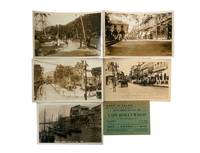
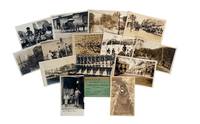
1910réf. 226891910. Early twentieth-century Panama photo archive circa 1910s to 1920s documents Panama during the decades surrounding the completion and early operation of the Panama Canal supporting research into U.S. engineering influence urban modernization Indigenous representation tourism waterfront labor and the transformation of Panama City and Colón into canal-era commercial spaces. The Panama Canal was completed and opened in 1914 linking the Atlantic and Pacific through one of the period's most consequential engineered waterways and the Gatun Locks formed part of the lock system that lifted vessels to Gatun Lake before lowering them at the opposite end of the route. These photographs record not only canal machinery and civic streets but also the human geography around the canal: tourists workers traders children waterfront activity ruins and leisure businesses appear together in a visual record of Panama's modernization under strong American commercial and infrastructural presence. Fifteen pieces comprising fourteen silver gelatin photographs and real photo postcards with one printed business advertisement card Panama circa 1910s to 1920s measuring approximately 2½ x 3¾ inches to 4 x 6 inches. The canal views include "Operating Emergency Dam Gatun Locks Panama Canal" and a view captioned "Gatun Locks" showing massive steel gates and early twentieth-century bridgework. Urban scenes include "Street Scene Panama City on Southern Cruise 1923" with American tourists Model T automobiles and colonial façades and "The Plaza Panama City" showing palm trees streetcar tracks and civic space. Local and historical subjects include a real photo postcard captioned "Circular Stairway in Old Panama ruins of Old Panama standing at the foot and looking directly up" documenting Panama Viejo the site of the original Panama City founded in 1519 and later recognized as part of a UNESCO World Heritage site. Other images include "Panama Water Front at High Tide" with fishing boats and market activity; dockworkers and traders near the canal's edge; and "Children in San Blas Panama" foregrounding Indigenous presence during the Canal era. The San Blas Islands are associated with the Guna an Indigenous people of Panama and Colombia whose communities are strongly identified with Guna Yala and the San Blas archipelago. The advertisement card reading "When in Colon Visit the Café Hollywood" places the photographic group within the leisure and service economy that grew around canal traffic tourism and foreign presence. Together the images clarify the different but connected worlds of early twentieth-century Panama: the engineered landscape of Gatun Locks the colonial and modern streets of Panama City the ruins of Old Panama the working waterfront Indigenous children in San Blas and the commercial culture of Colón. Minor corner wear and toning; images sharp and well preserved very good overall. Cohesive Panama Canal era archive documenting the intersection of American engineering urban transformation Indigenous life waterfront labor and tourist commerce in the early decades of the Canal Zone. unknown books
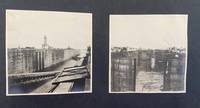
1904réf. 182051904. Photograph album circa 1904-1914 documenting maritime activity canal construction and social life in Panama during the period of American engineering control of the Panama Canal project. The images center on a group of American men traveling aboard a small yacht identified in several photographs by the presence of the American yacht ensign indicating a private pleasure vessel rather than a military or commercial ship. Several photographs appear to show large-scale excavation and infrastructure consistent with canal construction situating the album within the decade of intensive labor and engineering that culminated in the canal's completion in 1914. Alongside these scenes are numerous images of local life including Indigenous children and adults along coastal and riverine environments as well as built landscapes featuring plantation-style houses adapted to tropical climates. The album provides visual evidence of the intersection of American presence large-scale infrastructure development and local communities in early twentieth-century Panama. Photograph album containing images mounted on black pages within a black leather-bound volume measuring approximately 10 x 7 inches and comprising 86 pages. The photographs depict shipboard life including crew members steering and managing vessels group portraits of men in bathing attire and social gatherings such as shared meals. Additional images show coastal scenes with canoes swimmers and shoreline activity as well as occasional figures in military dress. The composition of the album reflects both travel documentation and informal social photography capturing a range of maritime domestic and environmental subjects. 86-page album with photographs mounted throughout; one page partially clipped and one page removed with small tears to several pages not affecting images. Light sunning to some photographs; overall very good condition. A cohesive visual record of American maritime travel and canal-era activity in Panama documenting both infrastructure development and everyday life in the region. unknown books