2 090 résultats
réf. B268691-1Bucuresti 1976. 298pp. Prof. illus. Sm. 4to. Wraps. Parallel texts in Romanian and German. Bucuresti, 1976. paperback books
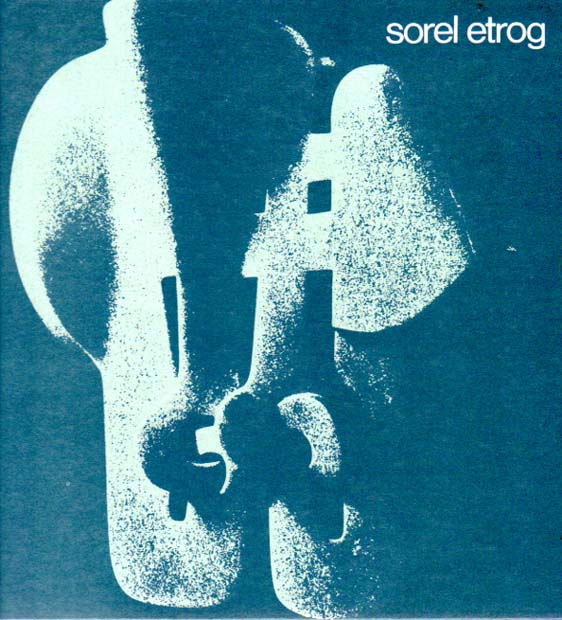
1968réf. 62701BBFlorence., Centro di documentazione internazionale sulle arti., 1968. 23 x 23 cm. 92 unpaginierte S. OPappband., 62701BB Erste Auflage. Vorsatz gering stockig, Seiten leicht lichtrandig, untere Stoßkanten gering gestaucht, sonst gutes Exemplar.
197723,3x20,5 cm; (60) pp. Brossura editoriale. Celebre "manifesto" artistico del noto pittore, scultore e critico d'arte romeno ma italo-americano d'adozione, Eugen Ciuca (Miluan, Cluj, 1913 - New York 2005). Testo in italiano e inglese.
198023,3x20,5 cm; (16) pp. Brossura editoriale. Monografia dedicata alla figura e all'opera del noto artista romeno ma italo-americano d'adozione, Eugen Ciuca (Miluan, Cluj, 1913 - New York 2005). Testo in italiano e inglese.
1921Illustrated first hand account by an American diplomat of his experiences from 1913 to the end of WW I in Romania,Serbia & Bulgaria. 330p.plates. light shelf wear to extremities Book
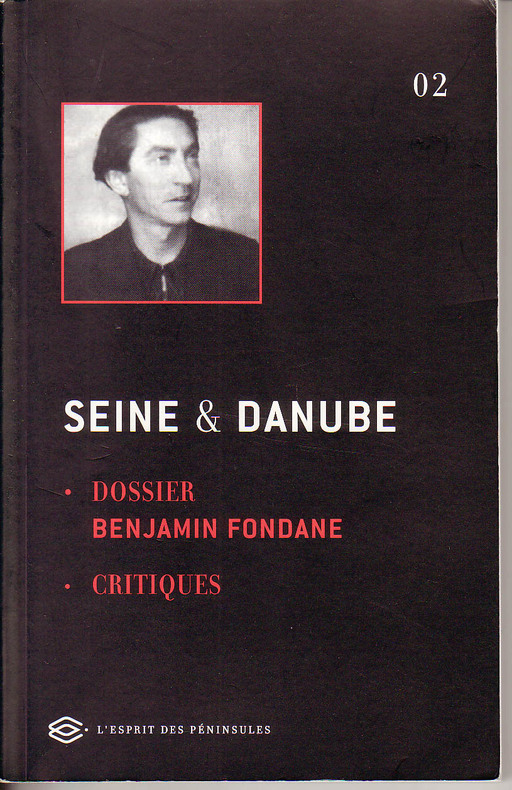
2004réf. LITTROUMANIE440220Paris, L'Esprit des Péninsules, 2004, 13,5 x 21, 240 pages sous couverture souple illustrée.
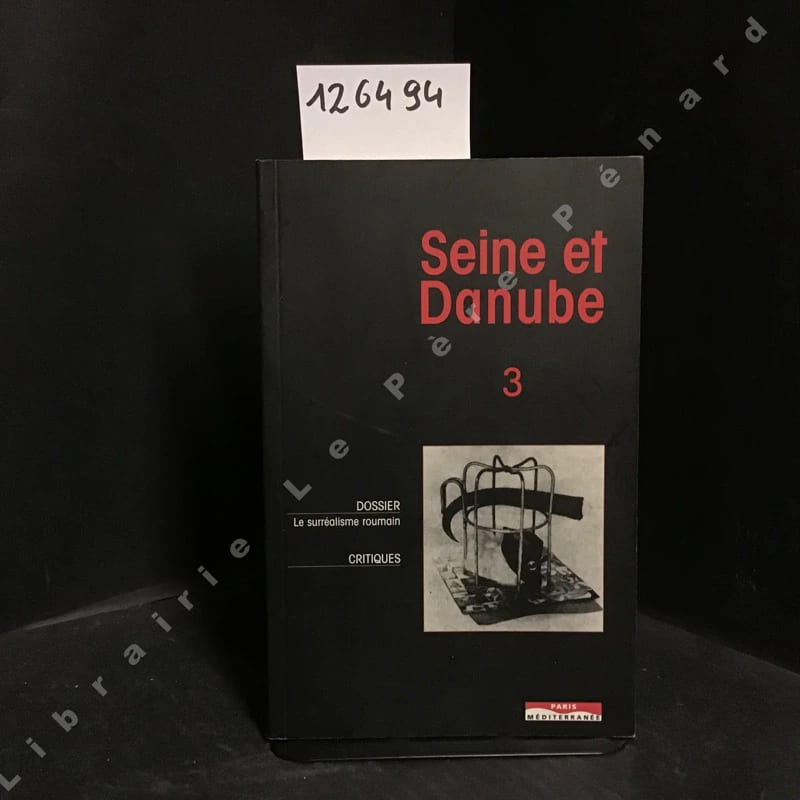
2004réf. 1264942004 Editions Paris-Méditerranée - 2004 - In-8 broché - 189 pages
2006New English Paperback. Pbo. Roy. 8vo. (24 x 17 cm). In French. 628 p. Contents: Marie-Mathilde Alexandrescu-Dersca Bulgaru Préface, par le Prof. Mihai Maxim Avant-propos : recherches d'une vie, par le Prof. Cristina Fenesan I. L'ÉTAT OTTOMAN: SOCIÉTÉ, EXPANSION (XVe-XVIIIe SIÈCLES) 1. Historiographie - Les études islamiques en Roumanie, «Revue des Études islamiques», 2, 1969, p. 351-361. - N. Iorga et l'histoire de l'Empire Ottoman, in Nicolas Iorga. L'Homme et l'?uvre, Bucarest, 1972, p. 175-186. 2. Aspects socio-économiques Sur la transmission du timar dans l'Empire ottoman (XVe-XVIe siècles), in Türkische Wirtschafts-und Sozialgeschichte von 1071 bis 1920. Akten des IV. Internationalen Kongresses, 1995, Wiesbaden, p. 5-10. La politique démographique des sultans à Istanbul (1453-1496), «Revue des Études Sud-Est Européennes», XXVIII, 1-4, 1990, p. 45-56. Sur le régime des captifs dans l'Empire ottoman aux XVe-XVIIe siècles, «Studia et Acta Orientalia», XI, 1983, p. 5-2 Coutumes appliquées aux esclaves dans l'Empire ottoman (XIVe-XVIIe siècles), in La Coutume, IIIe partie, De Boeck Université, Bruxelles, 1993, p. 299-310. Le rôle des esclaves en Romanie turque au XVe siècle, «Byzantinische Forschungen», XI, 1987, p. 15-28. 3. Les réactions de Venise et de l'Occident à l'avance ottomane (XVe-XVIe siècles) Venezia e la ripresa dell'espansione ottomana al tempo di Murad II, «Il Veltro. Rivista della Civiltà Italiana», XXIII, 2-4, 1979, p. 75-92. L'action diplomatique et militaire de Venise pour la défense de Constantinople (1452-1453), «Revue Roumaine d'Histoire», XIII, 2, 1974, p. 247-267. - Une relation vénitienne sur l'Empire ottoman à l'époque de Süleyman le Magnifique, in Varia Turcia IV. Comité International d'Études Pré-Ottomanes VIth Symposium Cambridge 1st-4th July 1984, Proceedings edited by Jean-Louis Bacqué-Grammont, Istanbul-Paris-Leiden 1987, p. 136-145. Les réactions de l'Occident aux succès remportées par l'Empire ottoman au XVIème siècle, in Besinci Milletlerarasi Türkoloji Kongresi, Istanbul 23-28 Eylül 1985, Tebligler III, Türk Tarihi, p. 35-46. 4. La Transylvanie face à l'avance ottomane en Europe Centrale Un privilège accordé par Süleyman Ier après l'occupation de Bude (1526), «Revue des Études Sud-Est Européennes», IV, 3-4, 1966, p. 377-391. Sur la condition des re'ayas de l'eyalet de Timisoara (Temesvar) sous la domination ottomane (1552-1718), «Revue des Études Roumaines», XIX-XX, Paris, 1995-1996, p. 77-108. Aspects de la crise de la domination des Habsbourg en Transylvanie au début du XVIIe siècle, «Nouvelles Études d'Histoire», t. 4, Bucarest, 1970, p. 111-119. Projets d'organisation de la Transylvanie sous la domination des Habsbourg (1602-1602), «Revue Roumaine d'Histoire», XI, 2, 1972, p. 251-264. La conquête d'Oradea (Varat) par les Turcs (1660) et la question de cinq comtés (besnahiye), «Studia et Acta Orientalia», X, 1980, p. 5-13. Sur les relations entre Habsbourg et Ottomans (1681-1683), in Habsburgisch-osmanische Beziehungen. CIÈPO Colloque, Wien, 26-30 September 1983, p. 193-207. La condition des captifs turcs dans l'Empire des Habsbourg (1688-1689) d'après les mémoires de Osman Aga, «Studia et Acta Orientalia», VIII, 1971, p. 125-144. II. SELDJOUKIDES, OTTOMANS ET L'ESPACE ROUMAIN 1. Dobroudja: Toponymie et histoire L'origine du nom de Dobroudja, Contributions onomastiques publiées à l'occasion du VIe Congrès International des Sciences Onomastiques à Munich du 24 au 28 août, 1958, Bucarest, 1958, p. 1-18. La seigneurie de Dobroticv, fief de Byzance, in Actes du XIVe Congrès International des Études Byzantines, Bucarest, 6-12 septembre 1971, t. II, Bucarest, 1975, p. 13-20. Sur l'administration des villes de Dobroudja sous la domination ottomane (XVIe-XVIIIe siècles), «Revue des Études Sud-Est Européennes», XXXII, 3-4, 1994, p. 249-257. 2. Seldjoukides et l'espace roumain aux XIVe et XVe siècles Sur l'importance de l'ordre Mevlevi dans la société seldjoukide in 1. Milletlerarasi Mevlâna Kongresi 3-
Barcelona, Plaza & Janés, 1981, 18 x 10 cm., cartulina editorial, 152 págs. + 4 hojas.
réf. 53251Paris, Firmin-didot 1894, 185x115mm, LXIII- 343pages, demi-percaline rouge, étiquette de titre manuscrite au dos, plats papier marbré. Bon état.
1963Notizie geografiche, popolazione, notizie storiche, Stato democratico popolare, economia, previdenza sociale, sanità pubblica, insegnamento, cultura, sport, i tesori turistici, indirizzi utili, stazioni balneari e climatiche. Una cartina ripiegata nel testo della Repubblica popolare Rumena, moltissime illustrazioni in nero nel testo. Esemplare perfetto. Brossura editoriale, sopracoperta illustrata, pp. 169, in 8°
Bucarest, Editrice Meridiane, 1972, in-16, br., pp. 240, (4). Con illustrazioni in b.n., a colori ed una carta piegata.
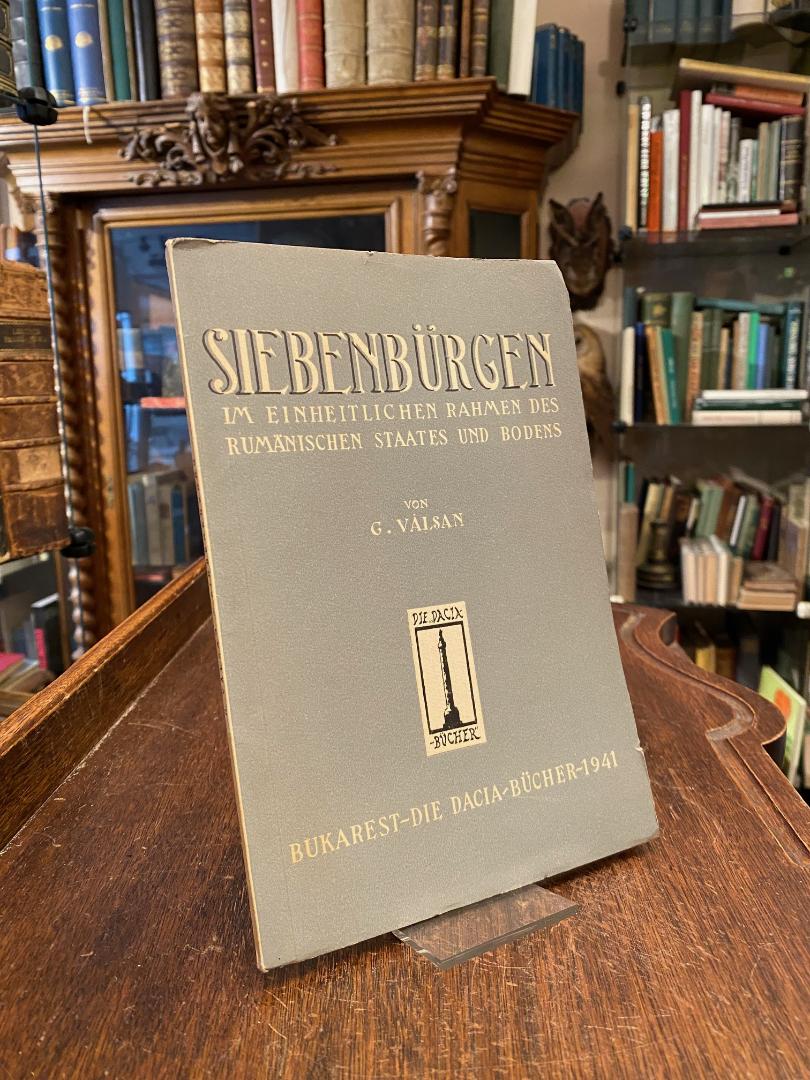
1941réf. 54427ABBukastest, Die Dacia Bücher, 1941. 8° (22x15), 53 S., 3 Bl., mit 1 gefalteten Karte, OKart (Brosch), (1. Aufl.) ohne Gebrauchsspuren, wohl ungelesen,
1995réf. 1102861995 Editions Museion - 1995 - In-4, broché, couverture illustrée - 104 p. - Reproductions photographiques et illustrations en N&B in et hors-texte - Ouvrage en roumain, allemand, anglais et français
1926réf. 3298581926. framed. near fine. Card signed by Queen Marie of Romania in 1926 framed with three portrait photographs titled 'Her Majesty Queen Marie of Romania'. Please inquire for more information. Marie Romanian: Maria; born Princess Marie Alexandra Victoria of Edinburgh was the last queen of Romania from 10 October 1914 to 20 July 1927 as the wife of King Ferdinand I. Marie was born into the British royal family. Her parents were Prince Alfred Duke of Edinburgh later Duke of Saxe-Coburg and Gotha and Grand Duchess Maria Alexandrovna of Russia. Marie's early years were spent in Kent Malta and Coburg. After refusing a marriage proposal from her cousin the future King George V she was chosen in 1892 to marry Ferdinand then crown prince of Romania and they wed the next year. Marie was crown princess between 1893 and 1914 and became immediately popular with the Romanian people. unknown
1926réf. 3298581926. framed. near fine. Card signed by Queen Marie of Romania in 1926 framed with three portrait photographs titled 'Her Majesty Queen Marie of Romania'. Please inquire for more information. Marie Romanian: Maria; born Princess Marie Alexandra Victoria of Edinburgh was the last queen of Romania from 10 October 1914 to 20 July 1927 as the wife of King Ferdinand I. Marie was born into the British royal family. Her parents were Prince Alfred Duke of Edinburgh later Duke of Saxe-Coburg and Gotha and Grand Duchess Maria Alexandrovna of Russia. Marie's early years were spent in Kent Malta and Coburg. After refusing a marriage proposal from her cousin the future King George V she was chosen in 1892 to marry Ferdinand then crown prince of Romania and they wed the next year. Marie was crown princess between 1893 and 1914 and became immediately popular with the Romanian people. unknown books
2000A clean, unmarked book with a tight binding. Slight wear to cover. Inscribed by author.
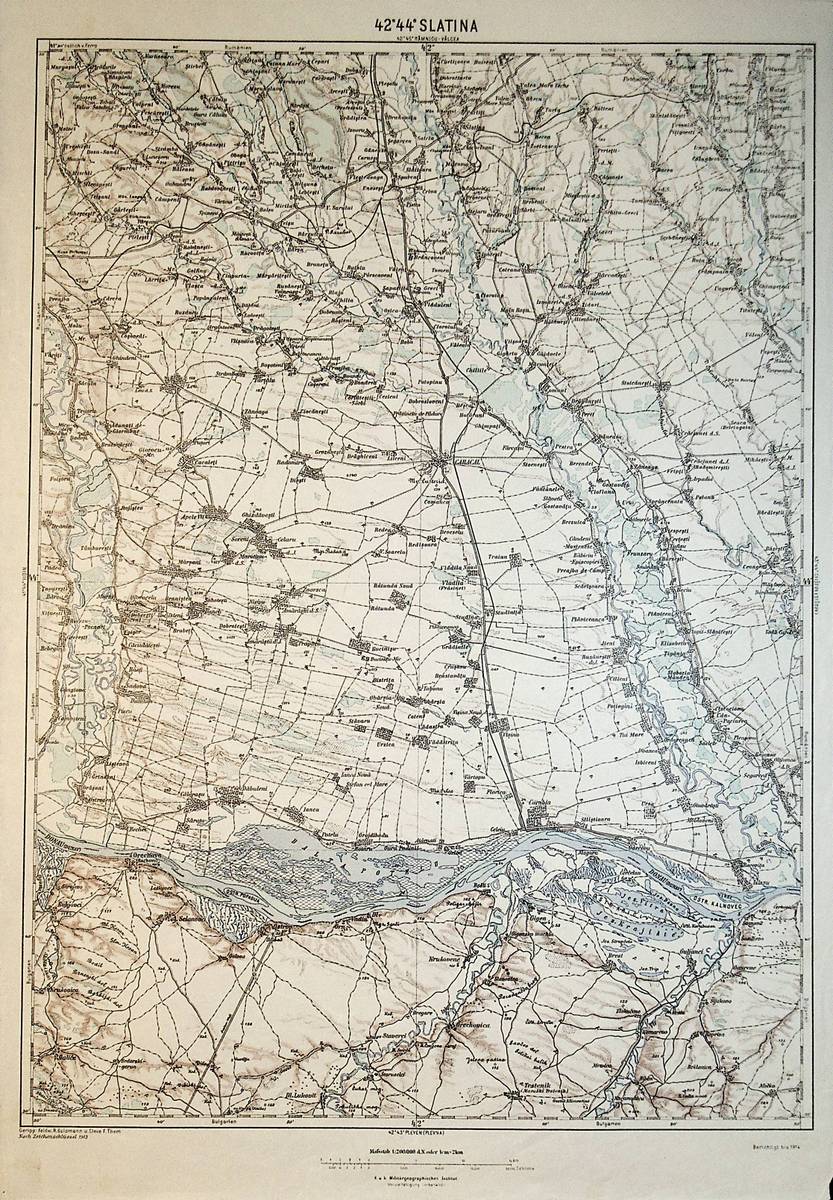
1915réf. A111-181Wien, Kaiserlich-K?nigliches Milit?r-Geographisches Institut, 1915. Hochformat, ca. 42 x 55 cm Ausgabe: mehrf?rbig; Zustand: gut
réf. 37861Bucarest I. V. Socecù 1903 in 12 (18x11,5) 1 volume reliure pleine percaline marron ornée de l'éditeur, plat supérieur titré, 164 pages [1], avec des illustrations et 3 cartes dépliantes en couleurs. Très bel exemplaire ( Photographies sur demande / We can send pictures of this book on simple request )
2000PP. 132, CM. 22X24, BROSS., FOTO.
1914réf. A111-142Wien, Kaiserlich-K?nigliches Milit?r-Geographisches Institut, 1914. Hochformat, ca. 42 x 55 cm, Ausgabe: mehrf?rbig; Zustand: gut +
1966Firenze, (1966) 8vo stralcio con copertina posticcia muta, pp. 162/166 con una tavola illustrata. - !! ATTENZIONE !!: Con il termine estratto (o stralcio) intendiamo riferirci ad un fascicolo contenente un articolo, completo in se, sia che esso sia stato stampato a parte utilizzando la stessa composizione sia che provenga direttamente da una rivista. Le pagine sono indicate come "da/a", ad esempio: 229/231 significa che il testo è composto da tre pagine. Quando la rivista di provenienza non viene indicata é perché ci è sconosciuta. - !! ATTENTION !!: : NOT A BOOK : “extract” or “excerpt” means simply a few pages, original nonetheless, printed in a magazine. Pages are indicated as in "from” “to", for example: 229/231 means the text comprises three pages (229, 230 and 231). If the magazine that contained the pages is not mentioned, it is because it is unknown to us.
1900réf. K-1447Wien, Kaiserlich-K?nigliches Milit?r-Geographisches Institut, [um 1900]. Hochformat, ca. 38 x 55 cm, gefaltet zu 8 Segmenten, Ausgabe: mehrf?rbig; Zustand: Grenzmarkierungen mit blauem Buntstift, Markierungen mit rotem Buntstift, zwei kleine L?cher auf Kartenblatt, sonst gut +
1900réf. K-1429Wien, Kaiserlich-K?nigliches Milit?r-Geographisches Institut, [um 1900]. Hochformat, ca. 38 x 55 cm, gefaltet zu 16 Segmenten, Ausgabe: mehrf?rbig; Zustand: Markierungen mit Buntstift, zwei L?cher in rechtem unterem Viertel des Kartenblattes, sonst gut
1914réf. A111-159Wien, Kaiserlich-K?nigliches Milit?r-Geographisches Institut, 1914. Hochformat, ca. 38 x 55 cm, Ausgabe: mehrf?rbig; Zustand: gut