1 030 résultats
2010réf. 54783Deutsche Grammophon, 2010. CD CD
réf. feb102392Used. For more details please contact me unknown
réf. RO50064157Durand & schoenewerk. Non daté. In-4. Broché. Bon état, Couv. convenable, Dos satisfaisant, Intérieur frais. 17 pages de partitions en noir et blanc. . . . Classification Dewey : 780.26-Partitions
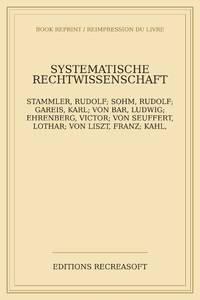
2026réf. LRB505156Paris: Editions Recreasoft 2026 Sprache: Deutsch. Ca. 612 Seiten. Deutsch : Nachdruck auf Anfrage. Originalausgabe : 1906. Sammelband zur systematischen Rechtswissenschaft mit Beiträgen von Rudolf Stammler Rudolf Sohm Karl Gareis Ludwig von Bar Victor Ehrenberg Lothar von Seuffert Franz von Liszt Wilhelm Kahl Paul Laband Gerhard Anschütz Edmund Bernatzik und Ferdinand von Martitz. Der Band behandelt Grundfragen des Rechts und der Rechtswissenschaft sowie die wichtigsten Teilgebiete des Privatrechts Zivilprozessrechts Strafrechts Kirchenrechts Staatsrechts Verwaltungsrechts Völkerrechts und die Zukunftsaufgaben der Rechtswissenschaft. Buchbilder sind unverbindlich English : Print-on-demand reprint. Original edition : 1906. Collected volume on systematic jurisprudence with contributions by Rudolf Stammler Rudolf Sohm Karl Gareis Ludwig von Bar Victor Ehrenberg Lothar von Seuffert Franz von Liszt Wilhelm Kahl Paul Laband Gerhard Anschütz Edmund Bernatzik and Ferdinand von Martitz. The volume covers fundamental questions of law and legal science as well as the main branches of private law civil procedure criminal law canon law constitutional law administrative law international law and the future tasks of legal scholarship. Book images are non-contractual. Editions Recreasoft. Softcover. New. Editions Recreasoft paperback
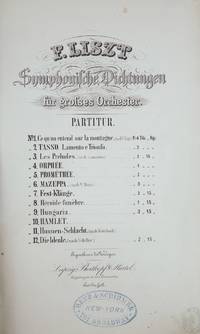
1874réf. 41065Leipzig: Breitkopf & Härtel PN 9056 1874. Octavo. Original publisher's dark ivory wrappers. 1f. recto title verso blank 1f. recto preface in German verso preface in French 1f. recto composer's note in German on performance practice verso same note in French dated "Weimar Mars 1856" 97 i blank pp. Title preface and note lithographed; music engraved. Small B & H stamp to lower outer corner of title. With publisher's catalogue to verso of lower wrapper. Wrappers slightly worn and soiled; spine lacking. Occasional small stains; dampstaining to lower outer corners of first leaves; one signature partiallky detached. Re-issue from first edition plates. Searle 97. Raabe 414. Sonneck p. 266. Liszt was a distinguished Hungarian composer pianist conductor and writer. "Sketchbook evidence points to 1846-7 as the years when Liszt began to conceive the idea of a series of programmatic orchestral works. Of the four works he named all based on French poetry Ce qu'on entend sur la montagne and Les Préludes eventually became symphonic poems. . Liszt's concentration on the symphonic poem largely coincided with his tenure as Kapellmeister in Weimar where he had an orchestra at his disposal and provided music for performances at the Court Theatre. The Grand Duke commissioned Liszt's 'overtures' to preface specific dramas which thereby determined the subject matter of what were to become a number of his symphonic poems. Cormac F2017 argues that Liszt's approach to the overtures and their transformation into symphonic poems was influenced by his experience of an array of dramatic media opera plays melodramas tableaux vivants and by his interaction with staff and actors involved in the dramatic productions in Weimar. A New German School acolyte Felix Draeseke writing about the symphonic poems in a series of essays from the late 1850s acknowledged the influence of dramatic music especially opera on Liszt's Festklänge. Draeseke also addressed the issue that continues to interest scholars - the symphonic poems' engagement with sonata form. . Looking at the 12 Weimar symphonic poems Vande Moortele . views all but three Orpheus Héroide funèbre and Hunnenschlacht as using sonata form as one of the central principles guiding their large-scale organization. Furthermore Liszt seems to have attempted the same merging of sonata form and sonata cycle evident in the B Minor Sonata in Tasso Les préludes and Die Ideale and possibly Ce qu'on entend sur la montagne. . Some of the symphonic poems include mimetic representation of scenes and actions such as Hunnenschlacht's depiction of a battle and Prometheus's evocation of a voice followed by a storm. The inclusion of such passages drew criticism that a number of the symphonic poems seemed formless and could not be understood without access to a programme. In other symphonic poems such as Les Préludes and Orpheus Liszt responded to a philosophical programme without compromising musical logic. In these cases critics recognized Liszt the 'tone poet' who could capture a poetic stimulus in an expressive evocative musical flow unified by a single theme that underwent transformations. In general Liszt's sumptuous orchestral colorings were the dominant focus of critics' positive reception of his symphonic poems and programme symphonies." Dolores Pesce Maria Eckhardt and Rena Charnin Mueller in Grove Music Online. Breitkopf & Härtel [PN 9056] unknown books
1862réf. 41066Leipzig: Breitkopf & Härtel PN 9056 1862. Octavo. Original publisher's blue printed wrappers. 1f. recto title verso blank 1f. recto composer's note on performance practice in German verso same note in French dated "Weimar Mars 1856" 1f. recto preface in German verso preface in French 97 iii blank pp. Title note and preface lithographed; music engraved. With publisher's catalogue to verso of lower wrapper. With Beer & Schirmer New York and Musik-Antiquariat Doblinger handstamps to upper wrapper; Beer and Schirmer and publisher's handstamp to title. Wrappers worn soiled chipped and torn; spine reinforced with paper tape with small pieces of same tape to verso of upper wrapper. Minor internal wear. First Edition later issue. Searle 97. Raabe 414. Sonneck Orchestral Music p. 266. Liszt was a distinguished Hungarian composer pianist conductor and writer. "Sketchbook evidence points to 1846-7 as the years when Liszt began to conceive the idea of a series of programmatic orchestral works. Of the four works he named all based on French poetry Ce qu'on entend sur la montagne and Les Préludes eventually became symphonic poems. . Liszt's concentration on the symphonic poem largely coincided with his tenure as Kapellmeister in Weimar where he had an orchestra at his disposal and provided music for performances at the Court Theatre. The Grand Duke commissioned Liszt's 'overtures' to preface specific dramas which thereby determined the subject matter of what were to become a number of his symphonic poems. Cormac F2017 argues that Liszt's approach to the overtures and their transformation into symphonic poems was influenced by his experience of an array of dramatic media opera plays melodramas tableaux vivants and by his interaction with staff and actors involved in the dramatic productions in Weimar. A New German School acolyte Felix Draeseke writing about the symphonic poems in a series of essays from the late 1850s acknowledged the influence of dramatic music especially opera on Liszt's Festklänge. Draeseke also addressed the issue that continues to interest scholars - the symphonic poems' engagement with sonata form. . Looking at the 12 Weimar symphonic poems Vande Moortele . views all but three Orpheus Héroide funèbre and Hunnenschlacht as using sonata form as one of the central principles guiding their large-scale organization. Furthermore Liszt seems to have attempted the same merging of sonata form and sonata cycle evident in the B Minor Sonata in Tasso Les préludes and Die Ideale and possibly Ce qu'on entend sur la montagne. . Some of the symphonic poems include mimetic representation of scenes and actions such as Hunnenschlacht's depiction of a battle and Prometheus's evocation of a voice followed by a storm. The inclusion of such passages drew criticism that a number of the symphonic poems seemed formless and could not be understood without access to a programme. In other symphonic poems such as Les Préludes and Orpheus Liszt responded to a philosophical programme without compromising musical logic. In these cases critics recognized Liszt the 'tone poet' who could capture a poetic stimulus in an expressive evocative musical flow unified by a single theme that underwent transformations. In general Liszt's sumptuous orchestral colorings were the dominant focus of critics' positive reception of his symphonic poems and programme symphonies." Dolores Pesce Maria Eckhardt and Rena Charnin Mueller in Grove Music Online. Breitkopf & Härtel [PN 9056] unknown books
1874réf. 41065Leipzig: Breitkopf & Härtel PN 9056 1874. Octavo. Original publisher's dark ivory wrappers. 1f. recto title verso blank 1f. recto preface in German verso preface in French 1f. recto composer's note in German on performance practice verso same note in French dated "Weimar Mars 1856" 97 i blank pp. Title preface and note lithographed; music engraved. Small B & H stamp to lower outer corner of title. With publisher's catalogue to verso of lower wrapper. Wrappers slightly worn and soiled; spine lacking. Occasional small stains; dampstaining to lower outer corners of first leaves; one signature partiallky detached. Re-issue from first edition plates. Searle 97. Raabe 414. Sonneck p. 266. Liszt was a distinguished Hungarian composer pianist conductor and writer. "Sketchbook evidence points to 1846-7 as the years when Liszt began to conceive the idea of a series of programmatic orchestral works. Of the four works he named all based on French poetry Ce qu'on entend sur la montagne and Les Préludes eventually became symphonic poems. . Liszt's concentration on the symphonic poem largely coincided with his tenure as Kapellmeister in Weimar where he had an orchestra at his disposal and provided music for performances at the Court Theatre. The Grand Duke commissioned Liszt's 'overtures' to preface specific dramas which thereby determined the subject matter of what were to become a number of his symphonic poems. Cormac F2017 argues that Liszt's approach to the overtures and their transformation into symphonic poems was influenced by his experience of an array of dramatic media opera plays melodramas tableaux vivants and by his interaction with staff and actors involved in the dramatic productions in Weimar. A New German School acolyte Felix Draeseke writing about the symphonic poems in a series of essays from the late 1850s acknowledged the influence of dramatic music especially opera on Liszt's Festklänge. Draeseke also addressed the issue that continues to interest scholars - the symphonic poems' engagement with sonata form. . Looking at the 12 Weimar symphonic poems Vande Moortele . views all but three Orpheus Héroide funèbre and Hunnenschlacht as using sonata form as one of the central principles guiding their large-scale organization. Furthermore Liszt seems to have attempted the same merging of sonata form and sonata cycle evident in the B Minor Sonata in Tasso Les préludes and Die Ideale and possibly Ce qu'on entend sur la montagne. . Some of the symphonic poems include mimetic representation of scenes and actions such as Hunnenschlacht's depiction of a battle and Prometheus's evocation of a voice followed by a storm. The inclusion of such passages drew criticism that a number of the symphonic poems seemed formless and could not be understood without access to a programme. In other symphonic poems such as Les Préludes and Orpheus Liszt responded to a philosophical programme without compromising musical logic. In these cases critics recognized Liszt the 'tone poet' who could capture a poetic stimulus in an expressive evocative musical flow unified by a single theme that underwent transformations. In general Liszt's sumptuous orchestral colorings were the dominant focus of critics' positive reception of his symphonic poems and programme symphonies." Dolores Pesce Maria Eckhardt and Rena Charnin Mueller in Grove Music Online. Breitkopf & Härtel [PN 9056] unknown
1862réf. 41066Leipzig: Breitkopf & Härtel PN 9056 1862. Octavo. Original publisher's blue printed wrappers. 1f. recto title verso blank 1f. recto composer's note on performance practice in German verso same note in French dated "Weimar Mars 1856" 1f. recto preface in German verso preface in French 97 iii blank pp. Title note and preface lithographed; music engraved. With publisher's catalogue to verso of lower wrapper. With Beer & Schirmer New York and Musik-Antiquariat Doblinger handstamps to upper wrapper; Beer and Schirmer and publisher's handstamp to title. Wrappers worn soiled chipped and torn; spine reinforced with paper tape with small pieces of same tape to verso of upper wrapper. Minor internal wear. First Edition later issue. Searle 97. Raabe 414. Sonneck Orchestral Music p. 266. Liszt was a distinguished Hungarian composer pianist conductor and writer. "Sketchbook evidence points to 1846-7 as the years when Liszt began to conceive the idea of a series of programmatic orchestral works. Of the four works he named all based on French poetry Ce qu'on entend sur la montagne and Les Préludes eventually became symphonic poems. . Liszt's concentration on the symphonic poem largely coincided with his tenure as Kapellmeister in Weimar where he had an orchestra at his disposal and provided music for performances at the Court Theatre. The Grand Duke commissioned Liszt's 'overtures' to preface specific dramas which thereby determined the subject matter of what were to become a number of his symphonic poems. Cormac F2017 argues that Liszt's approach to the overtures and their transformation into symphonic poems was influenced by his experience of an array of dramatic media opera plays melodramas tableaux vivants and by his interaction with staff and actors involved in the dramatic productions in Weimar. A New German School acolyte Felix Draeseke writing about the symphonic poems in a series of essays from the late 1850s acknowledged the influence of dramatic music especially opera on Liszt's Festklänge. Draeseke also addressed the issue that continues to interest scholars - the symphonic poems' engagement with sonata form. . Looking at the 12 Weimar symphonic poems Vande Moortele . views all but three Orpheus Héroide funèbre and Hunnenschlacht as using sonata form as one of the central principles guiding their large-scale organization. Furthermore Liszt seems to have attempted the same merging of sonata form and sonata cycle evident in the B Minor Sonata in Tasso Les préludes and Die Ideale and possibly Ce qu'on entend sur la montagne. . Some of the symphonic poems include mimetic representation of scenes and actions such as Hunnenschlacht's depiction of a battle and Prometheus's evocation of a voice followed by a storm. The inclusion of such passages drew criticism that a number of the symphonic poems seemed formless and could not be understood without access to a programme. In other symphonic poems such as Les Préludes and Orpheus Liszt responded to a philosophical programme without compromising musical logic. In these cases critics recognized Liszt the 'tone poet' who could capture a poetic stimulus in an expressive evocative musical flow unified by a single theme that underwent transformations. In general Liszt's sumptuous orchestral colorings were the dominant focus of critics' positive reception of his symphonic poems and programme symphonies." Dolores Pesce Maria Eckhardt and Rena Charnin Mueller in Grove Music Online. Breitkopf & Härtel [PN 9056] unknown
réf. 48654Deutsche Grammophon. 463650-2 CD
réf. RO50020050Costallat et Cie. XXème. In-4. En feuillets. Bon état, Tâchée, Dos satisfaisant, Intérieur frais. 7 pages. Ornements en couverture. Quelques petites déchirures.. . . . Classification Dewey : 780.26-Partitions
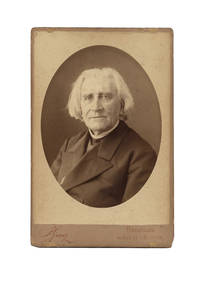
1882réf. Liszt1LISZT Franz 1811-1886 Original photograph by Julien Ganz Period albumen print 1882 cabinet format 145 x 105 cm Mounted on thick cardboard in the photographer's credit 165 x 108 cm Dark red edge all around "Liszt" annotation on back side from an unknown hand Striking and unpublished portrait of the musician Several variants taken on the same day are known. However none of them show Liszt staring at the lens. His portrait is all the more intense here. Some traces of an old assembly mounting on margins small scratches and small accidents at the lower corners of the cardboard see scans otherwise good condition.
vii, 234 S. 8°. HLn. OU aufgezogen. Ehemaliges Bibliotheksexpl. mit Stempeln./Etikett.
vii, 234 S. 8°. Kanten etwas fransig, Rúcken gering schadhaft. Stempel auf Titel.
réf. 0267745281.Gpaperback. Good. Access codes and supplements are not guaranteed with used items. May be an ex-library book. paperback
réf. 0364297980.Ghardcover. Good. Access codes and supplements are not guaranteed with used items. May be an ex-library book. hardcover
réf. ria9783111164564_inpHardcover. New. New Book; Fast Shipping from UK; Not signed; Not First Edition; N/A hardcover
réf. 41589836-nnew. unknown
réf. 41589836like new. unknown
réf. ria9783112412732_inpHardcover. New. New Book; Fast Shipping from UK; Not signed; Not First Edition; N/A hardcover
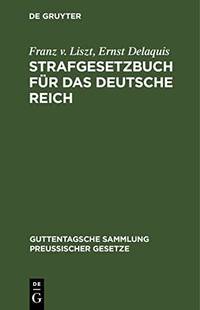
réf. __311116456XDe Gruyter 1900. Hardcover. New. 24 edition. 495 pages. German language. 9.05x6.10x8.00 inches. De Gruyter hardcover
réf. __3112412737De Gruyter 1928. Hardcover. New. 28 reprint edition. 653 pages. German language. 5.00x1.63x8.00 inches. De Gruyter hardcover
réf. __3112676297De Gruyter Art & Architecture 1920. Hardcover. New. 25 reprint edition. 498 pages. German language. 5.00x1.25x8.00 inches. De Gruyter Art & Architecture hardcover
réf. 43228994-nnew. unknown
réf. 43228994like new. unknown
réf. 45226508-nnew. unknown