NINON FLEURON JAZZ LADIES, TheBiblio.com
4.481 Ergebnisse
1928Best.-Nr. 173491Austria: 1928-33. Girljazzband" wows 1920s Austria A delightful Jazz Age scrapbook that doubles as liber amicorum and guest book assembled by the pianist and singer Anny Gloss recording in part her career with the Ninon Fleuron Jazz Ladies opening a window into the experiences of European women in jazz during the music's formative years. The first set of newspaper clippings record that in 1928 Gloss was teamed with the American "Jazz Queen" Elsie Teele at the "charming and elegant" Viennese bar the Bonbonnière with Teele billed as "the female Whiteman" - she gave the Austrian premier of Gershwin's Rhapsody in Blue in 1927. Much of the album is then devoted to Gloss's experiences at Hotel Radetzky in Hinterbrühl Lower Austria where she performed as part of the Ninon Fleuron Jazz Ladies. At the time the other members of the band were the eponymous Ninon Fleuron drums pseudonym of Rosa Sophie Radio 1899-1974 Mariska Gerö violin and Gretl Heller piano. One advert mentions them "Singing the Latest American Song-hits" while a newspaper clipping praises their "rendering of classical music". The album contains numerous messages sometimes addressed to her directly from friends audience members and well-wishers. While most of these are in German some are in English "Your music makes me feel 10 years younger". The Ninon Fleuron Jazz Ladies which had various personnel came to an abrupt end with Hitler's invasion of Austria in 1938. Gloss also performed under the name Anni Hölzl as demonstrated by the cast list for a 1931 performance of Der Kärntner Totentanz and the programme for a concert in which she had a soprano solo 1933. Octavo 241 x 190 mm ff. 60 final 20 ff. blank. Contents generally on rectos only numerous items of ephemera pasted in including c.20 newspaper clippings 15 original silver gelatin photographs of which two are signed by Ninon Fleuron messages and autographs in various hands one watercolour sketch of the Karlskirche Vienna one concert programme loosely enclosed. Original patterned cloth covers light orange endpapers. Binding just slightly shaken otherwise in excellent condition. hardcover
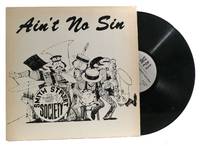
Best.-Nr. 0312IC29LC1Vinyl. Vinyl LP. Very Good. All 12 10-inch LPs in very good condition in good original color pictorial jackets some scuffs exterior. Many lacking interior record jacket. Vols 1-12 complete 120 songs. unknown
1960Cartellina a 3 falde (chiusa misura cm 22 x 20) con 1 foglio sciolto con titolo che funge da frontespizio e 12 tavole sciolte illustrate dedicate al mondo del jazz. Edizione privata, fuori commercio, e senza data di stampa (ma ascrivibile ai primi anni Sessanta). Si legge al verso del frontespizio: "Non e', questa, una storia del jazz; Piccinelli vuole presentare con i suoi disegni l'origine popolare e per conseguenza la validita' e il valore di questo tipo di musica, in modo che il volumetto diventa anche una presentazione del costume di questi ultimi cinquant'anni". Pietro (detto Pit) Piccinelli nacque nel 1917 a Torino. Studio' disegno e incisione. Attivo sul fronte antifascista, durante la guerra svolse funzioni di collegamento tra i gruppi partigiani. Nel 1942 tenne la sua prima mostra, a Pescara. All'esperienza pittorica uni' lattivita' di giornalista, stampando anche il giornale antifascista "La voce di Spartaco". Il richiamo dell'Ecole de Paris lo porto' in Francia dove, tra la fine degli anni Cinquanta e gli anni Sessanta, conobbe diverse personalita' tra cui Chagall e Cocteau; con Prevert e Picasso, in particolare, strinse una durevole e solida amicizia. Nel 1968 fu barricadero a Parigi. Appassionato della cultura degli Indiani dAmerica, gia' alla fine degli anni Quaranta stabili' i primi contatti con gli Indios Jivaros in Ecuador. All'inizio degli anni Settanta lascio' Torino per trasferirsi definitivamente in Monferrato nella casa di Ottiglio. E' morto nel 2002.
1987pp. xx, 311 + Plus numerous photographs. Paste downs very slightly dampstained. Tall 8vo. Original full cloth backed binding. Original dust jacket (slight dampstain at corners). JAZZ 1 ** !
1953Best.-Nr. 22109Paris, Éditions Albin Michel, 1953, édition originale sur papier d’édition. Broché, 12,5 cm x 19 cm, 254 pages. Texte de Robert Sabatier, bel envoi de l’auteur. Bon état. Premier roman de l’auteur
1994Best.-Nr. 51194Traumton, 1994. 2406 CD CD
1994Best.-Nr. 54566Traumton, 1994. 2406 CD CD
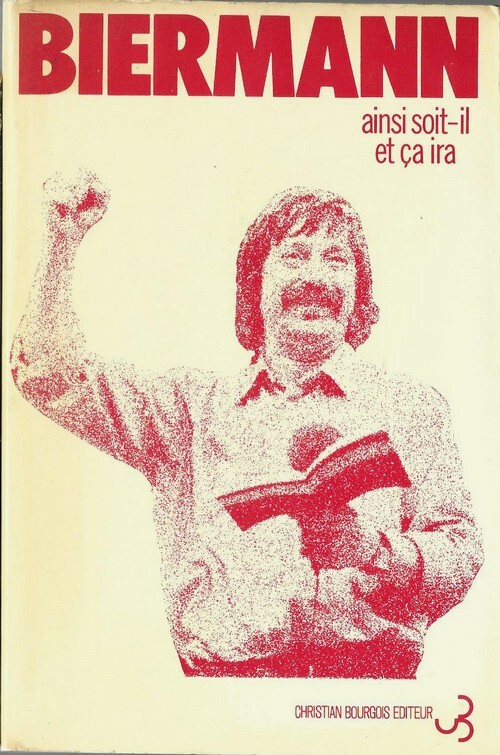
1978Best.-Nr. 13003Editions Christian Bourgois 1978. In-8 broché de 280 pages au format 20 x 13 cm. Couverture à rabats avec photographie de Wolf Biermann prise par Isolde Ohlbaum. Dos resté carré avec de légères plissures du pelliculage. Plats et intérieur frais. Traduction et présentation par Jean-Pierre Hammer. Première et unique édition française, bilingue, avec le texte original en allemand et la traduction française en regard. En fin d'ouvrage quelques partitions sont reproduites. Rare édition originale en superbe état général.
1990Best.-Nr. 45345DMP, 1990. CD 478 CD CD
Best.-Nr. 314899New York: Muskrat Productions. Record. Very Good record and jacket. Light shelfwear on jacket corners. Muskrat Productions unknown
2004Best.-Nr. 51241Univision Records, 2004. 0883100750 CD/DVD CD
1999Best.-Nr. 45049Superclasse, 1999. SUC 9907 CD CD CD
2000Un volume (23 cm) di 212 pagine, con foto nel testo. In lingua inglese. Brossura editoriale illustrata. Ottime condizioni. Musicians covered include: Tito Puente, Cal Tjader, Willie Bobo, Machito, Poncho Sanchez, Chucho Valdes, Arturo Sandoval, Mongo Santamaria, Gato Barbieri, Eddie Palmieri, and many more.
2000Best.-Nr. Q-087930619XBackbeat 2000-11-30. Paperback. New. In shrink wrap. Looks like an interesting title! Backbeat paperback
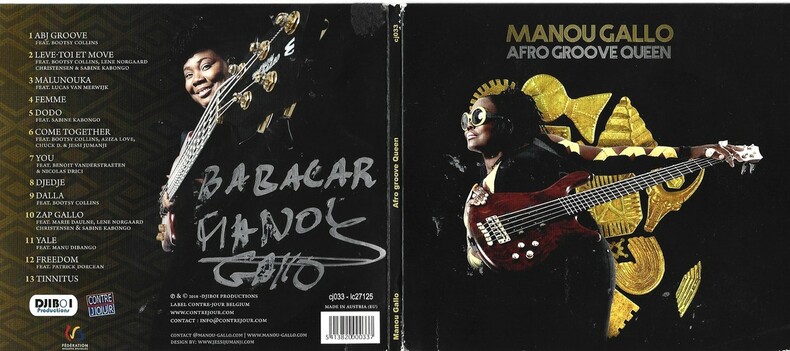
2023Best.-Nr. 30794Djiboi Productions Records 2018. CD digipack avec petit frottis aux coins. Support CD comme neuf. Album de fusion Jazz, Funk et musique africaine. Signé au verso par la bassiste Manou Gallo. Obtenu en concert. Collection personnelle. Rare.
1973Best.-Nr. 54298ECM Records, [1973]. 835 020-2 CD CD
1987Best.-Nr. 54299Enja, 1987. CD 4030-17 CD CD
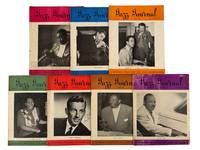
1948Best.-Nr. 223231948. 1 Traill Sinclair ed. Jazz Journal issues 1948 document postwar British jazz culture as readers collectors critics and musicians rebuilt access to American jazz after wartime disruption and expanding record scarcity. Founded by Sinclair Traill in 1948 Jazz Journal became a major English-language jazz periodical; its inaugural year placed African American performers blues aesthetics revivalist debate discography and record reviews at the center of British jazz criticism. These issues support research into jazz reception in the United Kingdom transatlantic music journalism record collecting racialized cultural admiration and the postwar circulation of African American musical authority through British print culture. Jazz Journal. Volume 1 Nos. 1-3 5-6 8-9. London: J.J. Publications May-November 1948. Seven issues each approximately 12 pages in pictorial wrappers. The run includes the May June July September October and November 1948 issues with one additional issue represented by number rather than month in the supplied description and contains record reviews discographies artist profiles editorials criticism and jazz news. The premier issue opens with Traill's editorial appeal to jazz readers recalling that "Even in those far-off days between the two wars when paper was to be had for the asking and printers' costs didn't resemble a millionaire's hotel bill it was always a dubious endeavour" and closing with the hope that readers would see "a new issue of JAZZ JOURNAL on the first of each month for many years to come." Contents cited in the supplied description include "Make Way for Dixieland or Return to Sanity" a Thomas Waller discography a September 1948 appreciation of Hoagy Carmichael with signed portrait cover and Hugues Panassié's November essay "Count Basie and the Blues" which argues that "Count Basie knows how to play the blues as well as it seems possible to do so on the piano." Cover portraits include Louis Armstrong Nellie Lutcher Count Basie and Humphrey Lyttelton placing African American jazz innovators alongside British revivalist musicians within a magazine aimed at a postwar readership hungry for recordings biographical knowledge and critical guidance. Traill Sinclair ed. Jazz Journal. Vol. 1 No. 1. London: J.J. Publications 1948. The opening issue establishes the magazine's postwar purpose through Traill's editorial address to jazz enthusiasts and its promise of sustained monthly criticism. Its contents including revivalist commentary and discographical attention to Thomas "Fats" Waller show the early publication's effort to organize jazz knowledge for British readers dependent on print mediation and record collecting. 2 Traill Sinclair ed. Jazz Journal. Vol. 1 No. 2. London: J.J. Publications 1948. This issue continues the magazine's early program of criticism record commentary and performer-centered coverage for a readership attentive to American jazz and its British reception. It belongs to the first sequence of issues issued after the May 1948 relaunch from Traill's earlier Pick Up whose final issue preceded the first Jazz Journal in May 1948. 3 Traill Sinclair ed. Jazz Journal. Vol. 1 No. 3. London: J.J. Publications 1948. The third issue forms part of the magazine's initial attempt to stabilize a postwar jazz readership through recurring reviews essays and documentation of recordings and artists. Its position in the first volume is useful for tracing how British jazz criticism developed a regular periodical form in 1948. 4 Traill Sinclair ed. Jazz Journal. Vol. 1 No. 5. London: J.J. Publications 1948. This issue continues the first-year sequence with the supplied description emphasizing the magazine's mix of artist portraits discographical writing and critical essays. The issue contributes to the archive's broader value as evidence of how British jazz readers encountered American performers through images reviews and commentary. 5 Traill Sinclair ed. Jazz Journal. Vol. 1 No. 6. London: J.J. Publications 1948. The September 1948 issue features an appreciation of Hoagy Carmichael with a signed portrait cover connecting jazz readership to popular song composition and the American music industry. Its treatment of Carmichael alongside coverage of African American jazz performers demonstrates the publication's wide understanding of jazz-adjacent culture in the late 1940s. 6 Traill Sinclair ed. Jazz Journal. Vol. 1 No. 8. London: J.J. Publications 1948. This issue belongs to the later portion of the inaugural-year run and continues the magazine's regular pattern of record culture criticism and performer documentation. In the context of the seven-issue group it helps show the durability of Traill's monthly editorial project beyond the launch months. 7 Traill Sinclair ed. Jazz Journal. Vol. 1 No. 9. London: J.J. Publications 1948. The November issue includes Hugues Panassié's "Count Basie and the Blues" a critical essay distinguishing blues feeling and phrasing from commercialized improvisation. Its attention to Basie foregrounds African American musical authority within British jazz discourse and gives the archive direct relevance to the study of blues reception swing-era memory and postwar criticism. Moderate soiling and creasing to wrappers occasional spine chipping intact stapled bindings delicate covers and vivid photographic contrasts good overall. Substantial inaugural-year run of a long-lived British jazz periodical preserving the early critical vocabulary through which postwar British readers studied African American jazz swing-era performers blues expression and record collecting. unknown books
1948Best.-Nr. 223231948. 1 Traill Sinclair ed. Jazz Journal issues 1948 document postwar British jazz culture as readers collectors critics and musicians rebuilt access to American jazz after wartime disruption and expanding record scarcity. Founded by Sinclair Traill in 1948 Jazz Journal became a major English-language jazz periodical; its inaugural year placed African American performers blues aesthetics revivalist debate discography and record reviews at the center of British jazz criticism. These issues support research into jazz reception in the United Kingdom transatlantic music journalism record collecting racialized cultural admiration and the postwar circulation of African American musical authority through British print culture. Jazz Journal. Volume 1 Nos. 1-3 5-6 8-9. London: J.J. Publications May-November 1948. Seven issues each approximately 12 pages in pictorial wrappers. The run includes the May June July September October and November 1948 issues with one additional issue represented by number rather than month in the supplied description and contains record reviews discographies artist profiles editorials criticism and jazz news. The premier issue opens with Traill's editorial appeal to jazz readers recalling that "Even in those far-off days between the two wars when paper was to be had for the asking and printers' costs didn't resemble a millionaire's hotel bill it was always a dubious endeavour" and closing with the hope that readers would see "a new issue of JAZZ JOURNAL on the first of each month for many years to come." Contents cited in the supplied description include "Make Way for Dixieland or Return to Sanity" a Thomas Waller discography a September 1948 appreciation of Hoagy Carmichael with signed portrait cover and Hugues Panassié's November essay "Count Basie and the Blues" which argues that "Count Basie knows how to play the blues as well as it seems possible to do so on the piano." Cover portraits include Louis Armstrong Nellie Lutcher Count Basie and Humphrey Lyttelton placing African American jazz innovators alongside British revivalist musicians within a magazine aimed at a postwar readership hungry for recordings biographical knowledge and critical guidance. Traill Sinclair ed. Jazz Journal. Vol. 1 No. 1. London: J.J. Publications 1948. The opening issue establishes the magazine's postwar purpose through Traill's editorial address to jazz enthusiasts and its promise of sustained monthly criticism. Its contents including revivalist commentary and discographical attention to Thomas "Fats" Waller show the early publication's effort to organize jazz knowledge for British readers dependent on print mediation and record collecting. 2 Traill Sinclair ed. Jazz Journal. Vol. 1 No. 2. London: J.J. Publications 1948. This issue continues the magazine's early program of criticism record commentary and performer-centered coverage for a readership attentive to American jazz and its British reception. It belongs to the first sequence of issues issued after the May 1948 relaunch from Traill's earlier Pick Up whose final issue preceded the first Jazz Journal in May 1948. 3 Traill Sinclair ed. Jazz Journal. Vol. 1 No. 3. London: J.J. Publications 1948. The third issue forms part of the magazine's initial attempt to stabilize a postwar jazz readership through recurring reviews essays and documentation of recordings and artists. Its position in the first volume is useful for tracing how British jazz criticism developed a regular periodical form in 1948. 4 Traill Sinclair ed. Jazz Journal. Vol. 1 No. 5. London: J.J. Publications 1948. This issue continues the first-year sequence with the supplied description emphasizing the magazine's mix of artist portraits discographical writing and critical essays. The issue contributes to the archive's broader value as evidence of how British jazz readers encountered American performers through images reviews and commentary. 5 Traill Sinclair ed. Jazz Journal. Vol. 1 No. 6. London: J.J. Publications 1948. The September 1948 issue features an appreciation of Hoagy Carmichael with a signed portrait cover connecting jazz readership to popular song composition and the American music industry. Its treatment of Carmichael alongside coverage of African American jazz performers demonstrates the publication's wide understanding of jazz-adjacent culture in the late 1940s. 6 Traill Sinclair ed. Jazz Journal. Vol. 1 No. 8. London: J.J. Publications 1948. This issue belongs to the later portion of the inaugural-year run and continues the magazine's regular pattern of record culture criticism and performer documentation. In the context of the seven-issue group it helps show the durability of Traill's monthly editorial project beyond the launch months. 7 Traill Sinclair ed. Jazz Journal. Vol. 1 No. 9. London: J.J. Publications 1948. The November issue includes Hugues Panassié's "Count Basie and the Blues" a critical essay distinguishing blues feeling and phrasing from commercialized improvisation. Its attention to Basie foregrounds African American musical authority within British jazz discourse and gives the archive direct relevance to the study of blues reception swing-era memory and postwar criticism. Moderate soiling and creasing to wrappers occasional spine chipping intact stapled bindings delicate covers and vivid photographic contrasts good overall. Substantial inaugural-year run of a long-lived British jazz periodical preserving the early critical vocabulary through which postwar British readers studied African American jazz swing-era performers blues expression and record collecting. unknown
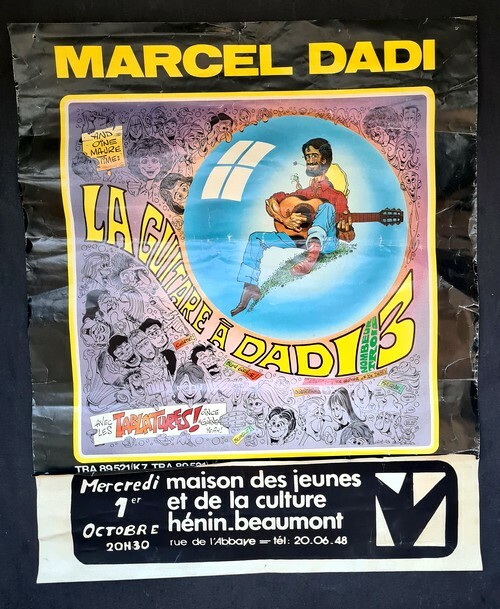
1937Best.-Nr. 28484Superbe affichette au format 49 x 40 cm, pour un concert de Marcel Dadi, dessinée par Marcel Gotlib au début des années 70. Le dessin reprend la couverture de l'album " La Guitare à Dadi, nombeur trois " paru en 1974. Plis et petite déchirures aux bord de l'affichette. Assez bel état général. Rare. ( Colissimo obligatoire ).
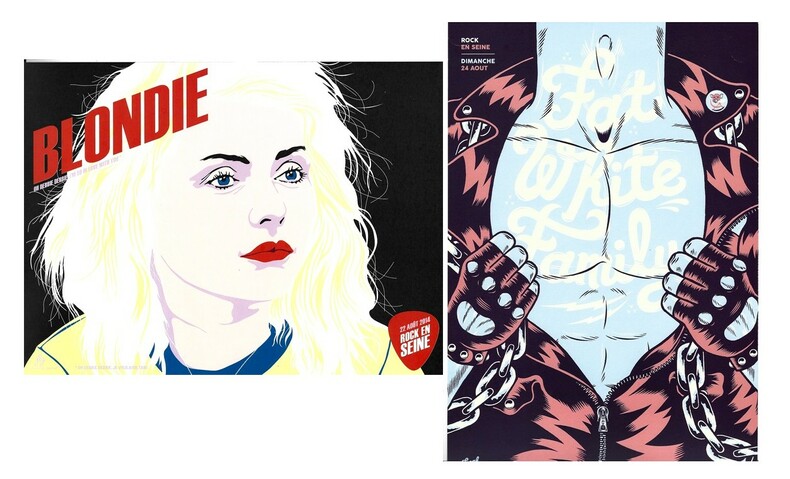
1980Best.-Nr. 31010Superbe Affichette imprimée recto/verso pour les concerts de Blondie et Fat White Family, du dimanche 24 août 2014 au Festival de Rock en Seine. Illustrations de Francis le Gaucher et Freak City. Format 31,5 x 21 cm. Rare édition originale en superbe état.
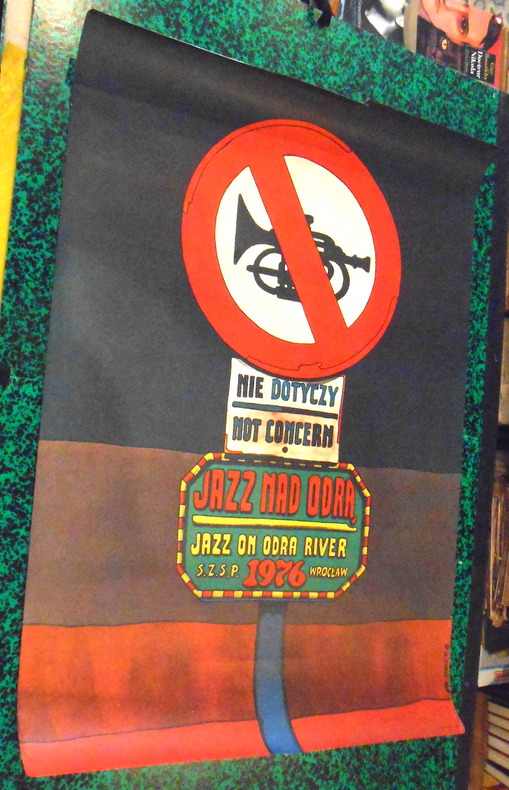
1976Best.-Nr. 22672Wroclaw, P.Z.G., 1976. Affiche non entoilée de Jan Sawka pour le festival de jazz de Wroclaw (Pologne), 67 cm x 97 cm. Accroc bord supérieur sans manque, léger accroc au bas de l ‘affiche sinon bon état
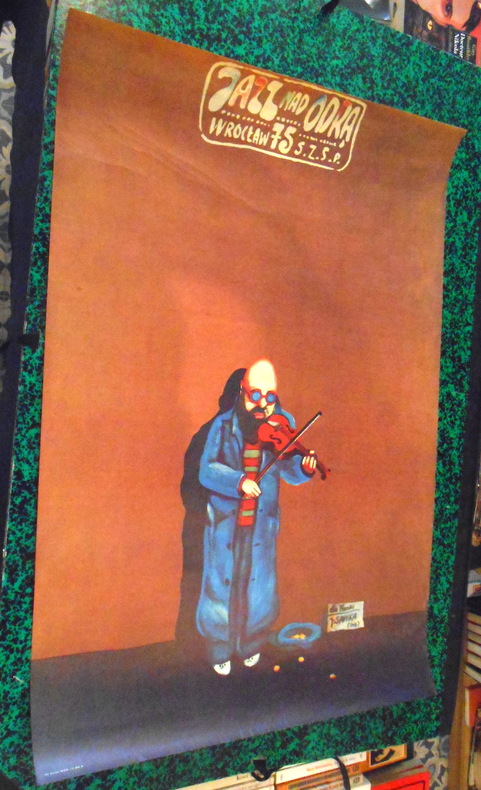
1975Best.-Nr. 22670Wroclaw, P.S.G., 1975. Affiche non entoilée de Jan Sawka pour le festival de jazz de Wroclaw (Pologne), 67 cm x 97 cm. Très bon état
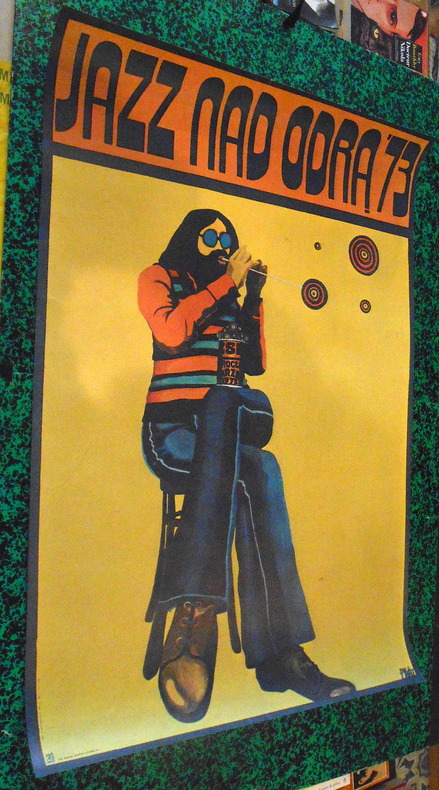
1973Best.-Nr. 22671Wroclaw, P.Z.G., 1973. Affiche non entoilée de Jan Sawka pour le festival de jazz de Wroclaw (Pologne), 67 cm x 97 cm. Léger accroc bord supérieur sinon très bon état
1972Best.-Nr. 22673Wroclaw, P.Z.G., 1972. Affiche non entoilée de Jan Sawka pour le festival de jazz de Wroclaw (Pologne), 67 cm x 97 cm. Accroc bord inférieur sans manque, légers accrocs sur les côtés sinon bon état