1.260 Ergebnisse
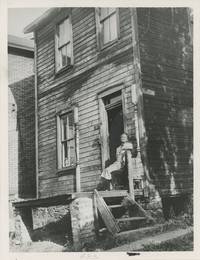
1952Best.-Nr. List2814Homestead Pennsylvania 1952. 7 x 9 inch photograph. International News Photos and Tribune 4th Edition stamps verso with newspaper clipping. Marked “623” in pencil recto. Fine. Olive Moorefield b.1932 is an American opera singer and theater and film actress from Homestead Pennsylvania. As the newspaper clipping on the back of this photograph—from very early in Moorefield’s career—explains “She had earned $22 by baby sitting and decided to go to New York in hopes of auditioning for a play. She was given a try at a part in ‘My Darlin’ Aida’ . She made the grade”. Following Aida she was brought to Vienna by the US Information Service to sing for servicemen and would go on to sing for the Vienna Volksoper Oper Frankfurt Schauspielhaus Zürich and others. She would also star in a number of German and Viennese films. Offered here is a photograph of Moorefield’s mother sitting on the porch of Moorefield’s childhood home. The clipping states that her mother “urged her to try for the part” of Lolly in Aida. unknown
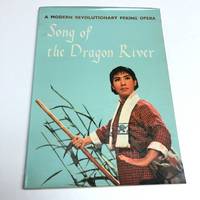
1972Best.-Nr. AG-10060Beijing: Published by Foreign Language Press 1972 FIRST EDITION the January 1972 Script Revised by the Song of the Dragon River Group of Shanghai. Started with Quotation from Chairman Mao on the first page large 8vo xii 44 pp. 12 colophon fine condition fine condition 北京:外语出版社出版,1972年第一版,由上海《龙江颂》改编,开头带有毛主席语录。本册共44页12页彩色舞å°ç…§ç‰‡ï¼Œå“相éžå¸¸å¥½ã€‚ In China revolutionary operas or model operas Chinese: yangban xi æ ·æ¿æˆ were a series of shows planned and engineered during the Cultural Revolution 1966–1976 by Jiang Qing the wife of Chairman Mao Zedong.1 They were considered revolutionary and modern in terms of thematic and musical features when compared with traditional Chinese operas. Many of them were adapted to film. Originally eight revolutionary operas Chinese: Ba Ge Yangban Xi å…«ä¸ªæ ·æ¿æˆ were produced eighteen by the end of the period. Instead of the "emperors kings generals chancellors maidens and beauties" of the traditional Peking opera which was banned as "feudalistic and bourgeois" they told stories from China's recent revolutionary struggles against foreign and class enemies. They glorified the People's Liberation Army and the bravery of the common people and showed Mao Zedong and his thought as playing the central role in the victory of socialism in China. Although they originated as operas they soon appeared on LPs in comic books lianhuanhua on posters postcards and stamps; on plates teapots wash basins cigarette packages vases and calendars. They were performed or played from loudspeakers in schools factories and fields by special performing troupes. The Eight Model Operas dominated the stage in all parts of the country during these years leading to the joke "Eight hundred million people watched eight shows." 本剧本属于文é©æ—¶æœŸçš„å…«å¤§æ ·æ¿æˆï¼Œç”±æ¯›ä¸»å¸å¤«äººæ±Ÿé’负责制作和演出。很多被æ‹æˆäº†ç”µå½±ã€‚ 最åˆæœ‰å…«ä¸ªæ ·æ¿æˆï¼ŒåŽæ¥åœ¨æ–‡é©æ—¶æœŸçš„åŽæœŸå‘展到了18个。ä¸åƒå› å°å»ºå’Œèµ„产阶级的被ç¦äº†çš„ä¼ ç»Ÿäº¬å‰§ï¼Œé‡Œé¢å‡ºçŽ°çš„ä¸çš„国王大臣少女和美人,é©å‘½çŽ°ä»£äº¬å‰§ä¸»è¦è®²è¿°ä¸å›½è¿‘å¹´æ¥çš„抗战故事,宣扬人民解放军的光辉è£è€€å’Œæ¯›ä¸»å¸çš„英勇。虽然是京剧,很快就å˜æˆäº†å„ç§å½¢å¼å‡ºçŽ°åœ¨è¿žçŽ¯ç”»ã€æµ·æŠ¥ã€æ˜Žä¿¡ç‰‡ã€é‚®ç¥¨ã€é¦™çƒŸã€èŠ±ç“¶ã€æ—¥åŽ†ç‰å„ç§åœ°æ–¹ï¼Œç”¨æ‰©éŸ³å–‡å在å¦æ ¡ã€å·¥åŽ‚ç‰åœ°æ–¹ï¼Œç”±æ¼”出团进行表演。8ä¸ªæ ·æ¿æˆä¸»å¯¼äº†å…¨å›½æ‰€æœ‰çš„舞å°ï¼Œå› æ¤æœ‰äº†8亿人看8个剧的笑è¯ã€‚ Foreign Language Press
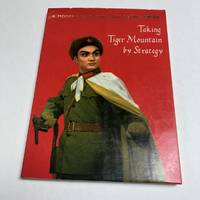
1971Best.-Nr. AG-10059Beijing: Published by Foreign Language Press 1971 FIRST EDITION. The July 1970 Script Revised by "The Taking Tiger Mountain by Strategy" Group of Peking Opera Troupe of Shanghai. Large 8vo. XXX 113 6 pp. colophon with 3 pages Quotations from Chairman Mao. Printed pictorial wrappers minor tear to the foot edge of the front cover minor curled at the head edge of the front cover else very good condition. 北京:外文出版社出版,1971年第一版,由ä¸å›½äº¬å‰§å›¢æ ¹æ®1970年剧本è”åˆæ”¹ç¼–。å‰é¡µå¸¦æœ‰æ¯›ä¸»å¸è¯å½•ã€‚å°çš®é¡¶éƒ¨ç¨æœ‰ç£¨æŸï¼Œå…¶ä»–部分å“相éžå¸¸å¥½ã€‚ In China revolutionary operas or model operas Chinese: yangban xi æ ·æ¿æˆ were a series of shows planned and engineered during the Cultural Revolution 1966–1976 by Jiang Qing the wife of Chairman Mao Zedong.1 They were considered revolutionary and modern in terms of thematic and musical features when compared with traditional Chinese operas. Many of them were adapted to film. Originally eight revolutionary operas Chinese: Ba Ge Yangban Xi å…«ä¸ªæ ·æ¿æˆ were produced eighteen by the end of the period. Instead of the "emperors kings generals chancellors maidens and beauties" of the traditional Peking opera which was banned as "feudalistic and bourgeois" they told stories from China's recent revolutionary struggles against foreign and class enemies. They glorified the People's Liberation Army and the bravery of the common people and showed Mao Zedong and his thought as playing the central role in the victory of socialism in China. Although they originated as operas they soon appeared on LPs in comic books lianhuanhua on posters postcards and stamps; on plates teapots wash basins cigarette packages vases and calendars. They were performed or played from loudspeakers in schools factories and fields by special performing troupes. The Eight Model Operas dominated the stage in all parts of the country during these years leading to the joke "Eight hundred million people watched eight shows." 本组剧本属于文é©æ—¶æœŸçš„å…«å¤§æ ·æ¿æˆï¼Œç”±æ¯›ä¸»å¸å¤«äººæ±Ÿé’负责制作和演出。很多被æ‹æˆäº†ç”µå½±ã€‚ 最åˆæœ‰å…«ä¸ªæ ·æ¿æˆï¼ŒåŽæ¥åœ¨æ–‡é©æ—¶æœŸçš„åŽæœŸå‘展到了18个。ä¸åƒå› å°å»ºå’Œèµ„产阶级的被ç¦äº†çš„ä¼ ç»Ÿäº¬å‰§ï¼Œé‡Œé¢å‡ºçŽ°çš„ä¸çš„国王大臣少女和美人,é©å‘½çŽ°ä»£äº¬å‰§ä¸»è¦è®²è¿°ä¸å›½è¿‘å¹´æ¥çš„抗战故事,宣扬人民解放军的光辉è£è€€å’Œæ¯›ä¸»å¸çš„英勇。虽然是京剧,很快就å˜æˆäº†å„ç§å½¢å¼å‡ºçŽ°åœ¨è¿žçŽ¯ç”»ã€æµ·æŠ¥ã€æ˜Žä¿¡ç‰‡ã€é‚®ç¥¨ã€é¦™çƒŸã€èŠ±ç“¶ã€æ—¥åŽ†ç‰å„ç§åœ°æ–¹ï¼Œç”¨æ‰©éŸ³å–‡å在å¦æ ¡ã€å·¥åŽ‚ç‰åœ°æ–¹ï¼Œç”±æ¼”出团进行表演。8ä¸ªæ ·æ¿æˆä¸»å¯¼äº†å…¨å›½æ‰€æœ‰çš„舞å°ï¼Œå› æ¤æœ‰äº†8亿人看8个剧的笑è¯ã€‚ Foreign Language Press paperback
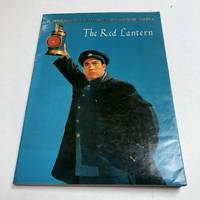
1972Best.-Nr. AG-10058Beijing: Published by Foreign Language Press 1972 FIRST EDITION. The May 1970 Script Revised Collectively by China Peking Opera Troupe. Started with Quotation from Chairman Mao on the first page. Large 8vo. vii 98 1 pp. colophon printed pictorial wrappers very good condition. 北京:外文出版社出版,1972年第一版,由ä¸å›½äº¬å‰§å›¢æ ¹æ®1970年剧本è”åˆæ”¹ç¼–。å‰é¡µå¸¦æœ‰æ¯›ä¸»å¸è¯å½•ã€‚å“相éžå¸¸å¥½ã€‚ In China revolutionary operas or model operas Chinese: yangban xi æ ·æ¿æˆ were a series of shows planned and engineered during the Cultural Revolution 1966–1976 by Jiang Qing the wife of Chairman Mao Zedong.1 They were considered revolutionary and modern in terms of thematic and musical features when compared with traditional Chinese operas. Many of them were adapted to film. Originally eight revolutionary operas Chinese: Ba Ge Yangban Xi å…«ä¸ªæ ·æ¿æˆ were produced eighteen by the end of the period. Instead of the "emperors kings generals chancellors maidens and beauties" of the traditional Peking opera which was banned as "feudalistic and bourgeois" they told stories from China's recent revolutionary struggles against foreign and class enemies. They glorified the People's Liberation Army and the bravery of the common people and showed Mao Zedong and his thought as playing the central role in the victory of socialism in China. Although they originated as operas they soon appeared on LPs in comic books lianhuanhua on posters postcards and stamps; on plates teapots wash basins cigarette packages vases and calendars. They were performed or played from loudspeakers in schools factories and fields by special performing troupes. The Eight Model Operas dominated the stage in all parts of the country during these years leading to the joke "Eight hundred million people watched eight shows." 本剧本属于文é©æ—¶æœŸçš„å…«å¤§æ ·æ¿æˆï¼Œç”±æ¯›ä¸»å¸å¤«äººæ±Ÿé’负责制作和演出。很多被æ‹æˆäº†ç”µå½±ã€‚ 最åˆæœ‰å…«ä¸ªæ ·æ¿æˆï¼ŒåŽæ¥åœ¨æ–‡é©æ—¶æœŸçš„åŽæœŸå‘展到了18个。ä¸åƒå› å°å»ºå’Œèµ„产阶级的被ç¦äº†çš„ä¼ ç»Ÿäº¬å‰§ï¼Œé‡Œé¢å‡ºçŽ°çš„ä¸çš„国王大臣少女和美人,é©å‘½çŽ°ä»£äº¬å‰§ä¸»è¦è®²è¿°ä¸å›½è¿‘å¹´æ¥çš„抗战故事,宣扬人民解放军的光辉è£è€€å’Œæ¯›ä¸»å¸çš„英勇。虽然是京剧,很快就å˜æˆäº†å„ç§å½¢å¼å‡ºçŽ°åœ¨è¿žçŽ¯ç”»ã€æµ·æŠ¥ã€æ˜Žä¿¡ç‰‡ã€é‚®ç¥¨ã€é¦™çƒŸã€èŠ±ç“¶ã€æ—¥åŽ†ç‰å„ç§åœ°æ–¹ï¼Œç”¨æ‰©éŸ³å–‡å在å¦æ ¡ã€å·¥åŽ‚ç‰åœ°æ–¹ï¼Œç”±æ¼”出团进行表演。8ä¸ªæ ·æ¿æˆä¸»å¯¼äº†å…¨å›½æ‰€æœ‰çš„舞å°ï¼Œå› æ¤æœ‰äº†8亿人看8个剧的笑è¯ã€‚ Foreign Language Press paperback
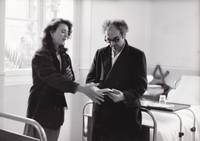
1986Best.-Nr. 154238Paris: Interpress 1986. Vintage borderless reference photograph of Marushka Detmers and director Jean-Luc Godard on the set of the 1983 film. Loosely based on Georges Bizet's 1875 opera. A young woman involved in a terrorist gang is embroiled in a plan to rob a bank but her plans are waylaid when she falls for the security guard. Set and shot on location in Paris. 7 x 5 inches. Near Fine. Godard Histoires du Cinema. Interpress unknown
1986Best.-Nr. 150041Paris: Interpress 1986. Vintage borderless reference photograph of Marushka Detmers from the 1983 film. Later printed French Interpress announcement with typos on verso. Loosely based on Georges Bizet's 1875 opera. A young woman involved in a terrorist gang is embroiled in a plan to rob a bank but her plans are waylaid when she falls for the security guard. Set and shot on location in Paris. 7 x 5 inches. Near Fine. Godard Histoires du Cinema. Interpress unknown
1897Best.-Nr. WA6771New York: G. Schirmer 1897. Hardcover. Fair. 4to quarter morocco lacks spine floral cloth very edgeworn. Used as a scrapbook or souvenir book. Unique. Ex libris Emílie Pavlína Venceslava Kittlová aka Emmy Destinn aka Ema Destinnova. As you know she was famed for her portrayal of Aida at the Metropolitan Opera in New York in 1908. This book bears a two-line inked inscription with her signature dated 11 November 1908 on the blank page. Tipped into the book are 5 official portrait photographs of her in costume. At least two of them are by H. Mishkin New York City. Also tipped-in or laid in are clippings and images of other Aida and operatic performers. Also glued in are reviews of her performances in English and in Czech from a Chicago magazine. Also included are all or parts of printed programs. G. Schirmer hardcover
Best.-Nr. SONG0198123205Used: Good unknown
Best.-Nr. DADAX0367479222Routledge 2020-10-13. 1. hardcover. New. 6.15x0.78x9.21. Buy with confidence. Excellent Customer Service & Return policy. Routledge hardcover
Best.-Nr. DADAX0754660990New unknown
Best.-Nr. DADAX0367476975Routledge 2020-12-31. 1. hardcover. New. 6.25x0.75x9.25. Buy with confidence. Excellent Customer Service & Return policy. Routledge hardcover
Best.-Nr. DADAX0367243180Routledge 2020-05-20. 1. hardcover. New. 6.14x0.63x9.21. Buy with confidence. Excellent Customer Service & Return policy. Routledge hardcover
Best.-Nr. DADAX0415278511New unknown
Best.-Nr. DADAX0415325218New unknown
Best.-Nr. 29868Image size ca. 212 x 142 mm. sheet size 321 x 190 mm. The design depicts a man dressed in an exotic Egyptian costume deocrated with numerous armlets anklets necklace earrings headdress etc. Executed in watercolour and gold paint on heavy wove paper. Slightly worn; browning to outer edges from old mat; remnants of mounting paper to verso. unknown
Best.-Nr. DADAX0367408848New unknown
1786Best.-Nr. 020464Valentiae Edetanorum Valencia Spain: Ex Praelo Josephi et Thomae de Orga 1786. Second Edition. Leather. Acceptable. 0x0x0. VINNIUS CASTIGATUS atque ad usum tironum Hispanorum accomodatus: in quorum gratiam Hispaniae leges opportunioribus locis traduntur. Volume 1 Tomus Primus Only. Opera Joannis Sala Presbyteri in Valentina Metropolitana praepositi. Editio secunda. Text in Latin. Hardcover bound book. Full Leather 568 pages. Vintage fountain pen ink notes and marginalia also in Latin. frontis engraving. front cover detached. The rear hinge the inside portion of the flexible fold where book cover meets the book spine is split loose or open the rear cover is still attached by the joint the exterior flexible fold where book cover meets book spine. Leather on Leather paste on spine title gold gilt designs on spine. There is rub-through to the corners of the boards but the text block is surprisingly sharp. Punishment of Vinnius; and accommodated for the use of Spanish recruits: in favor of whom the laws of Spain are delivered to more convenient places. OR VINNIUS CASTIGATED; and to the use of the recruits of the Spanish adapted to the: in the grace of Spain the laws of the most appropriate places are given. FREE Media Mail Shipping! Images available for any item just ask. Any images shown next to the listing that have our www.aCastleofBooks.com watermark on them are the exact item you will receive all other images are for reference only. Free delivery confirmation for domestic orders. Books with Author signatures are guaranteed authentic. We understand collectors needs in terms of accurate grading and proper packaging. We stand behind our descriptions 100%. All items will be shipped securely to insure that they arrive in exactly the same condition in which they left. May have small easily erasable pencil markings on first page. Our Packing Slips do not contain any pricing information so you may order items as Gifts or for Dropship without concern. We ship every Monday Wednesday & Friday morning. All items subject to prior sale. Why the odd prices We run a percent discount for our Biblio listings which insures Biblio has our lowest prices online but does give odd change. Ex Praelo Josephi et Thomae de Orga hardcover
Best.-Nr. DADAX0198165668New unknown
Best.-Nr. DADAX0754666700New unknown
Best.-Nr. DADAX0754667189New unknown
Best.-Nr. DADAX1409412180New unknown
Best.-Nr. SONG0815334508Used: Good unknown
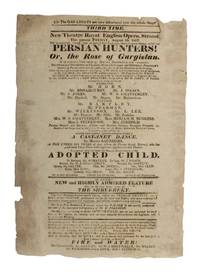
1817Best.-Nr. AQ35159London: s.n. 1817. Single leaf broadside. Browned with staining and chipping to edges and some loss to upper right corner. An apparently unrecorded playbill displaying an early effort by London's Lyceum Theatre renamed The English Opera House in the summer of 1817 to present an illumination of the 'audience part of the theatre' during a performance of The Persian Hunters or the Rose of Gurgistan a comic opera featuring music by English composer Charles Edward Horn 1786-1849. Although the use of gaslight in street-lamps had first been demonstrated a decade prior in 1807 the goal to introduce gaslighting to the commercial stage took years to evolve into the competitive landscape of 1817 where three of London's premier West End venues the Theatre Royal Covent Garden Theatre Royal Drury Lane and the Lyceum Theatre entered into a rapid race to produce the first fully-gaslit public performances in a West End venue. The Royalty an East End theatre later renamed The East London Theatre had previously installed gas piping and lighting fixtures across both the auditorium and the stage in 1816 demonstrating the viability of such a project. The English Opera House led by director Samuel Arnold proudly boasted on August 6 1817 that 'Gas Lighting will this evening be introduced over the whole stage' seemingly claiming themselves the winners of the century's most contested technical theatre contest. Despite this the lack of an illuminated auditorium meant that the theatre's audience remained in candlelight until a month later when the venue opened fully illuminated for the first time. The Theatre Royal Drury Lane despite only revealing its gaslit stage on the 6th September 1817 was able to argue that due to their introduction of gaslighting into the auditorium several weeks prior they were in fact the first of the three theatres to achieve the much vied- for feat. On the same night The Theatre Royal Covent Garden also offered a demonstration of gaslight on their stage finally concluding the rivalry and introducing a vital element of technical staging into London's leading venues for the remainder of the century. . Dimensions. [s.n.] unknown
Best.-Nr. 60995. PLEASE NOTE that those programmes on pink/yellow paper were sold whilst those on white paper were given free with the performance. Apart from the Announcement booklets all the programmes have a central panel on the front cover with an ornamental border. unknown
Best.-Nr. DADAX0415640067New unknown