METASTASIO Pietro:Livre Rare Book

19 782 résultats
1760réf. 9769Parigi, Presso La Vedova Quillau, 1760. 9 volumes in-12, plein veau marbré, dos à 5 nerfs ornés de fleurons, encadrement, roulettes et titre dorés, étiquettes de titre et de tomaison bordeaux, triple filet doré encadrant les plats, simple sur les coupes, tranches mouchetées. 3 mors fendus sur 3 cm., nom de possesseur à la plume sur garde : Pierre Boissier.
In Firenze, appresso Anton-Giuseppe Pagani librajo alle Scalere di Badia, 1778, in-8 piccolo, magnifica cartonatura coeva in carta dorata e goffrata con disegno a racemi floreali lilla su fondo oro, pp. 68. Con emblema xilografico dell'Accademia degli Infuocati (motto: A tempo infuocati) raffigurante una bomba che esplode sul frontespizio. Reca anche i nomi degli attori. Una sola copia censita in ICCU. Magnifico esemplare.
réf. 39138In-12 (150 x 87 mm), veau brun moucheté, dos à 5 nerfs orné de compartiments fleuronnés et cloisonnés, titre doré, roulette dorée sur les coupes, (reliure de l'époque), (8), 167 pages. Paris, Claude Barbin, 1680
In Siena, appreso Il Bonetti nella Stamperia del Pubblico per Francesco Rossi Stampatore, 1758, in-8, pregiata legatura coeva in cartone rivestito in seta (di color rosa, ma piuttosto sbiadita, due mancanze al rivestimento sul dorso), legacci in stoffa verde ai piatti, contropiatti ricoperti da carta settecentesca decorata con motivo floreale policromo, pp. 64. Il testo - di Metastasio - fu musicato da Adolf Hasse. Libretto dell'opera recante anche i nomi degli cantanti e dei ballerini. Edizione molto rara, non censita in ICCU (ultimo accesso: 2.03.2023).
Firenze, appresso Anton-Giuseppe Pagani librajo delle Scalere di Badia, 1778, in-8 piccolo, magnifica cartonatura coeva in carta dorata e goffrata con disegno a racemi floreali rosa su fondo oro, pp. 59, [1]. Con emblema xilografico dell'Accademia degli Infuocati (motto: A tempo infuocati) raffigurante una bomba che esplode sul frontespizio. Reca anche i nomi degli attori, ballerini, ecc. Una sola copia censita in ICCU. Magnifico esemplare.
1780In-8°, 31pp,(1), libretto d’opera di Marco Coltellini, con elenco degli interpreti e coreografi, direttore d’orchestra, costumista, etc. Frontespizio xilografico figurato con due putti. Iniziali e fregi xilografici. Cartonato coevo. Weaver, Robert Lamar; Wright Weaver, Norma, A chronology of music in the Florentine Theater, 1751-1800. Operas, prologues, farces, intermezzos, concerts and plays with incidental music, Warren : Harmonie Park Press, 1993
1775In-8 pp.(1) 99-249. salto di una carta (pp. 232-35) ma comuque l’opera è da ritenersi completa. Legatura in cartonato. Timbro ad inchiostro H.Garriod sul frontespizio.
1777réf. 002085Genève s.n. (Cazin) 1777
1932In-16 gr. (mm. 183x112), affascinante legatura in p. marocchino blu, sottili cornici dorate e decorazioni di foglie ai quattro angoli con, al centro del piatto anteriore, due comici personaggi intarsiati a colori (bianco rosso verde e argento) e la scritta “If I can wheedle a knife or needle why not a silver churn?” e a quello posteriore un giullare a colori ocra e verde con in mano una pillola dorata e la frase “For he who’d make his fellow-creatures wise should always gild the philosophic pill!” - firmata “Bound by Riviere & Son“ al risguardo con preziosa dentelle dorata, tagli pure in oro, in astuccio. Il volume, di pp. (6),698, raccoglie il gruppo completo di tredici operette scritte da Gilbert & Sullivan e così chiamate perchè venivano messe in scena al Savoy Theatre di Londra. La Legatoria Riviere fu una delle più importanti del West End londinese dove operò fra il 1840 e il 1939. Le loro superbe legature erano molto apprezzate dai bibliofili per la qualità e l’attenzione al dettaglio e ricevettero commissioni anche dalla Regina Vittoria e dalla famiglia reale. La dicitura “Riviere & Son” apparve a partire dal 1880 quando Robert Rivière passò la sua attività al genero Percival Calkin. Esemplare in perfetto stato.
1731LINGUA TOSCANA
réf. 20315Londres, R. Bremner, [1770]. In-folio, [4]-127 pp., demi-basane marbrée brune, triples filets à froid sur les plats, étiquette manuscrite au premier plat, dos à nerfs orné de filets à froid (reliure un peu défraîchie mais solide, quelques taches et rousseurs).
Rarissimo foglio volante (mm 304x425) che pubblicizza formule di abbonamento per assistere a opere melodrammatiche italiane. Il Coliseo de los Caños del Peral di Madrid fu in un primo tempo un costruito nel XVIII secolo su un'antica fontana, conosciuta come "fonte del pero" richiesta dell'attore italiano Francesco Bartoli. Nel 1737, Filippo V volle un nuovo teatro più grande, inaugurato nel 1738, con il Demetrio del Metastasio. Durante il regno di Carlos IV ebbe una rinascita per la notevole attività operistica italiana, con rappresentazioni da Cimarosa, Paisiello, Gluck. Fece parte della compagnia anche il tenore Manuel García, che nel 1802 presentò a Madrid Le nozze di Figaro di Mozart. Fu il teatro italiano per eccellenza, in seguito all'introduzione del melodramma sulle scene spagnole (Leza, p. 140) in quel processo di "italianizzazione" perseguito dal Farinelli e incoraggiato dalla presenza di musicisti italiani a corte e presso i nobili spagnoli. I Savoia contribuirono parecchio a tale diffusione. Di notevole interesse. A pieni margini in perfetto stato di conservazioni, come raramente si reperisce per un manifesto da affiggersi. .
réf. 34999[Milan? deuxième moitié du XIXème siècle] 16,5 x 11,5 cm environ (25 x 20 cm environ au cadre) cadre bois doré, petits défauts au cadre
1830350pp, 333pp VG/none First (only) edition, complete in two volumes. Full title Musical Memoirs comprising An Account on the General State of Music in England, from the First Commemoration of Handel in 1784, to the Year 1830, Interspersed with Numerous Anecdotes, Musical, Histrionic, &c. Rebound in modern green buckram with gilt lettering on spine and new endpapers, just a faint damp stain on lower corner of the first sheets in vol.I and sporadic foxing, generally light (see photos), overall in VG conditions. Musical recollections (and much more) of William Thomas Parke, forty years principal oboist to the Theatre Royal Covent Garden, brother of the other notable oboist John Parke. A lot of trivia, gossip and jokes included nevertheless interesting in the information presented on music, opera and opera houses in London in that period.
réf. 50607Roma.1817.In-7 demi-velin.à coins.22 planches gavées.Bon exemplaire avec rousseurs.En italien.
Grand in-4 (312 x 225 mm), demi-chagrin brun de l'époque à grands coins, dos à 5 nerfs, titre doré, couverture conservée (reliure de l'éditeur), xvi, 346, (2) p. Edition originale. "Ouvrage Illustré de 14 lithographies originales de Fantin-Latour, 15 portraits de Wagner, 4 eaux-fortes et 120 gravures : scènes d'opéras, caricatures, vues de théâtres, autographes, etc", ensemble sous serpentes. Historien du théâtre lyrique et un critique musical, Adolphe Jullien (1845-1932) fut l'un des premiers et des plus enthousiastes défenseurs de la musique de Richard Wagner. "La vie qu’il a publiée de Wagner n’est pas seulement un monument d’informations précises et érudites, mais une revue complète et, dans la plupart des cas, juste de toutes ses oeuvres, tandis que la collection de caricatures et les autres illustrations rendent le livre extrêmement amusant". (Silège, 'Bibliographie wagnérienne française', p. 24). Dos légèrement frotté. Bon exemplaire, non rogné, bien conservé, les couvertures originales ont été préservées.
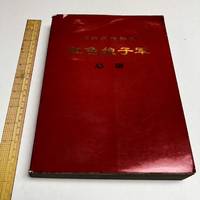
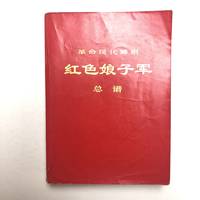
1970réf. AG-10062Red Detachment of Women full Score 红色娘å军总谱 Hong Se Niang Zi Jun Beijing: Published by People's Publishing House printed by Beijing Xinhua Printing Factory distributed by Xinhua Bookstore December 1970 FIRST EDITION. The July 1970 Script Revised and Performed Collectively by Shanghai Peking Opera Troupe. 25×18 cm. xiv 534 1 pp. Colophon. Quotations from Chinaman Mao on the second and third page printed red tilted wrappers minor tear to the cover slight tears to the foot of the binding else very fine condition. 北京:人民出版社,1970年12月第一版,新åŽä¹¦åº—å‘行。本总谱由上海京剧演出团于1970年演出本集体改编,å‰ä¸¤é¡µå¸¦æœ‰æ¯›ä¸»å¸è¯å½•ï¼Œä¹¦çš®æœ‰è½»å¾®ç£¨æŸï¼Œå…¶ä»–å“相éžå¸¸å¥½ã€‚ In China revolutionary operas or model operas Chinese: yangban xi æ ·æ¿æˆ were a series of shows planned and engineered during the Cultural Revolution 1966–1976 by Jiang Qing the wife of Chairman Mao Zedong. They were considered revolutionary and modern in terms of thematic and musical features when compared with traditional Chinese operas. Many of them were adapted to film. Originally eight revolutionary operas Chinese: Ba Ge Yangban Xi å…«ä¸ªæ ·æ¿æˆ were produced eighteen by the end of the period. Instead of the "emperors kings generals chancellors maidens and beauties" of the traditional Peking opera which was banned as "feudalistic and bourgeois" they told stories from China's recent revolutionary struggles against foreign and class enemies. They glorified the People's Liberation Army and the bravery of the common people and showed Mao Zedong and his thought as playing the central role in the victory of socialism in China. Although they originated as operas they soon appeared on LPs in comic books lianhuanhua on posters postcards and stamps; on plates teapots wash basins cigarette packages vases and calendars. They were performed or played from loudspeakers in schools factories and fields by special performing troupes. The Eight Model Operas dominated the stage in all parts of the country during these years leading to the joke "Eight hundred million people watched eight shows." 本组剧本属于文é©æ—¶æœŸçš„å…«å¤§æ ·æ¿æˆï¼Œç”±æ¯›ä¸»å¸å¤«äººæ±Ÿé’负责制作和演出。很多被æ‹æˆäº†ç”µå½±ã€‚ 最åˆæœ‰å…«ä¸ªæ ·æ¿æˆï¼ŒåŽæ¥åœ¨æ–‡é©æ—¶æœŸçš„åŽæœŸå‘展到了18个。ä¸åƒå› å°å»ºå’Œèµ„产阶级的被ç¦äº†çš„ä¼ ç»Ÿäº¬å‰§ï¼Œé‡Œé¢å‡ºçŽ°çš„ä¸çš„国王大臣少女和美人,é©å‘½çŽ°ä»£äº¬å‰§ä¸»è¦è®²è¿°ä¸å›½è¿‘å¹´æ¥çš„抗战故事,宣扬人民解放军的光辉è£è€€å’Œæ¯›ä¸»å¸çš„英勇。虽然是京剧,很快就å˜æˆäº†å„ç§å½¢å¼å‡ºçŽ°åœ¨è¿žçŽ¯ç”»ã€æµ·æŠ¥ã€æ˜Žä¿¡ç‰‡ã€é‚®ç¥¨ã€é¦™çƒŸã€èŠ±ç“¶ã€æ—¥åŽ†ç‰å„ç§åœ°æ–¹ï¼Œç”¨æ‰©éŸ³å–‡å在å¦æ ¡ã€å·¥åŽ‚ç‰åœ°æ–¹ï¼Œç”±æ¼”出团进行表演。8ä¸ªæ ·æ¿æˆä¸»å¯¼äº†å…¨å›½æ‰€æœ‰çš„舞å°ï¼Œå› æ¤æœ‰äº†8亿人看8个剧的笑è¯ã€‚ People’s Publishing House paperback
1971réf. AG-10054Beijing: Published by People's Publishing House printed by Beijing Xinhua Printing Factory distributed by Xinhua Bookstore January 1971 FIRST EDITION. The July 1970 Script Revised and Performed Collectively by Shanghai Peking Opera Troupe. 8vo vi 397 pp. colophon consists of scripts stage photos selected theme score stage action instruction and the stage design started with quotations from Chairman Mao on the second and third page printed color stage photos and instructions inside printed pictorial wrappers slightly curled at the head and foot of the wrappers else very good condition. 北京:人民出版社出版,1971年第一版,由上海京剧团《智å–å¨è™Žå±±ã€‹å‰§ç»„集体改编åŠæ¼”出。本书包括了剧本ã€ä¸»æ—‹å¾‹ã€å‰§ç…§ã€åŠ¨ä½œæŒ‡å¯¼ã€èˆžå°ç¾Žæœ¯ç‰å†…容。包括éžå¸¸å¤šçš„照片。书皮上下ç¨å¾®å·èµ·ï¼Œæ— ç ´æŸï¼Œå“相éžå¸¸å¥½ã€‚ In China revolutionary operas or model operas Chinese: yangban xi æ ·æ¿æˆ were a series of shows planned and engineered during the Cultural Revolution 1966–1976 by Jiang Qing the wife of Chairman Mao Zedong.1 They were considered revolutionary and modern in terms of thematic and musical features when compared with traditional Chinese operas. Many of them were adapted to film. Originally eight revolutionary operas Chinese: Ba Ge Yangban Xi å…«ä¸ªæ ·æ¿æˆ were produced eighteen by the end of the period. Instead of the "emperors kings generals chancellors maidens and beauties" of the traditional Peking opera which was banned as "feudalistic and bourgeois" they told stories from China's recent revolutionary struggles against foreign and class enemies. They glorified the People's Liberation Army and the bravery of the common people and showed Mao Zedong and his thought as playing the central role in the victory of socialism in China. Although they originated as operas they soon appeared on LPs in comic books lianhuanhua on posters postcards and stamps; on plates teapots wash basins cigarette packages vases and calendars. They were performed or played from loudspeakers in schools factories and fields by special performing troupes. The Eight Model Operas dominated the stage in all parts of the country during these years leading to the joke "Eight hundred million people watched eight shows." 本剧是文é©æ—¶æœŸçš„å…«å¤§æ ·æ¿æˆä¹‹ä¸€ã€Šæ™ºå–å¨è™Žå±±ã€‹ï¼Œç”±æ¯›ä¸»å¸å¤«äººæ±Ÿé’负责制作和演出。很多被æ‹æˆäº†ç”µå½±ã€‚ 最åˆæœ‰å…«ä¸ªæ ·æ¿æˆï¼ŒåŽæ¥åœ¨æ–‡é©æ—¶æœŸçš„åŽæœŸå‘展到了18个。ä¸åƒå› å°å»ºå’Œèµ„产阶级的被ç¦äº†çš„ä¼ ç»Ÿäº¬å‰§ï¼Œé‡Œé¢å‡ºçŽ°çš„ä¸çš„国王大臣少女和美人,é©å‘½çŽ°ä»£äº¬å‰§ä¸»è¦è®²è¿°ä¸å›½è¿‘å¹´æ¥çš„抗战故事,宣扬人民解放军的光辉è£è€€å’Œæ¯›ä¸»å¸çš„英勇。虽然是京剧,很快就å˜æˆäº†å„ç§å½¢å¼å‡ºçŽ°åœ¨è¿žçŽ¯ç”»ã€æµ·æŠ¥ã€æ˜Žä¿¡ç‰‡ã€é‚®ç¥¨ã€é¦™çƒŸã€èŠ±ç“¶ã€æ—¥åŽ†ç‰å„ç§åœ°æ–¹ï¼Œç”¨æ‰©éŸ³å–‡å在å¦æ ¡ã€å·¥åŽ‚ç‰åœ°æ–¹ï¼Œç”±æ¼”出团进行表演。8ä¸ªæ ·æ¿æˆä¸»å¯¼äº†å…¨å›½æ‰€æœ‰çš„舞å°ï¼Œå› æ¤æœ‰äº†8亿人看8个剧的笑è¯ã€‚ People’s Publishing House paperback
1972réf. AG-10053Beijing: Published by C printed by Beijing Xinhua Printing Factory distributed by Xinhua Bookstore Beijing Distributing Agency February 1972 FIRST EDITION 8vo. The May 1970 Script Revised Collectively by the China Peking Opera Troupe. iv 374 pp. colophon consists of scripts stage photos selected theme score stage action instruction and the stage design started with quotations from Chairman Mao on the second and third page printed pictorial wrappers slightly curled at the head and foot of the wrappers minor tears to the edge of the wrappers else fine condition. 北京:人民出版社出版。本书å‰ä¸¤é¡µå¸¦æœ‰æ¯›ä¸»å¸è¯å½•ï¼Œå†…容包括了剧本ã€å‰§ç…§ã€ä¸»æ—‹å¾‹ã€åŠ¨ä½œè¯´æ˜Žç‰è¯¦ç»†å†…容,由照片和文å—çš„å½¢å¼ç»„æˆï¼Œç…§ç‰‡å›¾ç‰‡å¾ˆå¤šï¼Œä¹Ÿæ˜¯æœ¬ä¹¦çš„一大特色。书皮上下两段ç¨å¾®å·èµ·ï¼Œå…¶ä»–部分å“相éžå¸¸å¥½ã€‚ In China revolutionary operas or model operas Chinese: yangban xi æ ·æ¿æˆ were a series of shows planned and engineered during the Cultural Revolution 1966–1976 by Jiang Qing the wife of Chairman Mao Zedong.1 They were considered revolutionary and modern in terms of thematic and musical features when compared with traditional Chinese operas. Many of them were adapted to film. Originally eight revolutionary operas Chinese: Ba Ge Yangban Xi å…«ä¸ªæ ·æ¿æˆ were produced eighteen by the end of the period. Instead of the "emperors kings generals chancellors maidens and beauties" of the traditional Peking opera which was banned as "feudalistic and bourgeois" they told stories from China's recent revolutionary struggles against foreign and class enemies. They glorified the People's Liberation Army and the bravery of the common people and showed Mao Zedong and his thought as playing the central role in the victory of socialism in China. Although they originated as operas they soon appeared on LPs in comic books lianhuanhua on posters postcards and stamps; on plates teapots wash basins cigarette packages vases and calendars. They were performed or played from loudspeakers in schools factories and fields by special performing troupes. The Eight Model Operas dominated the stage in all parts of the country during these years leading to the joke "Eight hundred million people watched eight shows." 本剧是文é©æ—¶æœŸçš„å…«å¤§æ ·æ¿æˆä¹‹ä¸€ï¼Œç”±æ¯›ä¸»å¸å¤«äººæ±Ÿé’负责制作和演出。很多被æ‹æˆäº†ç”µå½±ã€‚ 最åˆæœ‰å…«ä¸ªæ ·æ¿æˆï¼ŒåŽæ¥åœ¨æ–‡é©æ—¶æœŸçš„åŽæœŸå‘展到了18个。ä¸åƒå› å°å»ºå’Œèµ„产阶级的被ç¦äº†çš„ä¼ ç»Ÿäº¬å‰§ï¼Œé‡Œé¢å‡ºçŽ°çš„ä¸çš„国王大臣少女和美人,é©å‘½çŽ°ä»£äº¬å‰§ä¸»è¦è®²è¿°ä¸å›½è¿‘å¹´æ¥çš„抗战故事,宣扬人民解放军的光辉è£è€€å’Œæ¯›ä¸»å¸çš„英勇。虽然是京剧,很快就å˜æˆäº†å„ç§å½¢å¼å‡ºçŽ°åœ¨è¿žçŽ¯ç”»ã€æµ·æŠ¥ã€æ˜Žä¿¡ç‰‡ã€é‚®ç¥¨ã€é¦™çƒŸã€èŠ±ç“¶ã€æ—¥åŽ†ç‰å„ç§åœ°æ–¹ï¼Œç”¨æ‰©éŸ³å–‡å在å¦æ ¡ã€å·¥åŽ‚ç‰åœ°æ–¹ï¼Œç”±æ¼”出团进行表演。8ä¸ªæ ·æ¿æˆä¸»å¯¼äº†å…¨å›½æ‰€æœ‰çš„舞å°ï¼Œå› æ¤æœ‰äº†8亿人看8个剧的笑è¯ã€‚ People’s Publishing House paperback
1970réf. AG-10062Red Detachment of Women full Score 红色娘å军总谱 Hong Se Niang Zi Jun Beijing: Published by People's Publishing House printed by Beijing Xinhua Printing Factory distributed by Xinhua Bookstore December 1970 FIRST EDITION. The July 1970 Script Revised and Performed Collectively by Shanghai Peking Opera Troupe. 25×18 cm. xiv 534 1 pp. Colophon. Quotations from Chinaman Mao on the second and third page printed red tilted wrappers minor tear to the cover slight tears to the foot of the binding else very fine condition. 北京:人民出版社,1970年12月第一版,新åŽä¹¦åº—å‘行。本总谱由上海京剧演出团于1970年演出本集体改编,å‰ä¸¤é¡µå¸¦æœ‰æ¯›ä¸»å¸è¯å½•ï¼Œä¹¦çš®æœ‰è½»å¾®ç£¨æŸï¼Œå…¶ä»–å“相éžå¸¸å¥½ã€‚ In China revolutionary operas or model operas Chinese: yangban xi æ ·æ¿æˆ were a series of shows planned and engineered during the Cultural Revolution 1966–1976 by Jiang Qing the wife of Chairman Mao Zedong. They were considered revolutionary and modern in terms of thematic and musical features when compared with traditional Chinese operas. Many of them were adapted to film. Originally eight revolutionary operas Chinese: Ba Ge Yangban Xi å…«ä¸ªæ ·æ¿æˆ were produced eighteen by the end of the period. Instead of the "emperors kings generals chancellors maidens and beauties" of the traditional Peking opera which was banned as "feudalistic and bourgeois" they told stories from China's recent revolutionary struggles against foreign and class enemies. They glorified the People's Liberation Army and the bravery of the common people and showed Mao Zedong and his thought as playing the central role in the victory of socialism in China. Although they originated as operas they soon appeared on LPs in comic books lianhuanhua on posters postcards and stamps; on plates teapots wash basins cigarette packages vases and calendars. They were performed or played from loudspeakers in schools factories and fields by special performing troupes. The Eight Model Operas dominated the stage in all parts of the country during these years leading to the joke "Eight hundred million people watched eight shows." 本组剧本属于文é©æ—¶æœŸçš„å…«å¤§æ ·æ¿æˆï¼Œç”±æ¯›ä¸»å¸å¤«äººæ±Ÿé’负责制作和演出。很多被æ‹æˆäº†ç”µå½±ã€‚ 最åˆæœ‰å…«ä¸ªæ ·æ¿æˆï¼ŒåŽæ¥åœ¨æ–‡é©æ—¶æœŸçš„åŽæœŸå‘展到了18个。ä¸åƒå› å°å»ºå’Œèµ„产阶级的被ç¦äº†çš„ä¼ ç»Ÿäº¬å‰§ï¼Œé‡Œé¢å‡ºçŽ°çš„ä¸çš„国王大臣少女和美人,é©å‘½çŽ°ä»£äº¬å‰§ä¸»è¦è®²è¿°ä¸å›½è¿‘å¹´æ¥çš„抗战故事,宣扬人民解放军的光辉è£è€€å’Œæ¯›ä¸»å¸çš„英勇。虽然是京剧,很快就å˜æˆäº†å„ç§å½¢å¼å‡ºçŽ°åœ¨è¿žçŽ¯ç”»ã€æµ·æŠ¥ã€æ˜Žä¿¡ç‰‡ã€é‚®ç¥¨ã€é¦™çƒŸã€èŠ±ç“¶ã€æ—¥åŽ†ç‰å„ç§åœ°æ–¹ï¼Œç”¨æ‰©éŸ³å–‡å在å¦æ ¡ã€å·¥åŽ‚ç‰åœ°æ–¹ï¼Œç”±æ¼”出团进行表演。8ä¸ªæ ·æ¿æˆä¸»å¯¼äº†å…¨å›½æ‰€æœ‰çš„舞å°ï¼Œå› æ¤æœ‰äº†8亿人看8个剧的笑è¯ã€‚ People’s Publishing House paperback books
1971réf. AG-10054Beijing: Published by People's Publishing House printed by Beijing Xinhua Printing Factory distributed by Xinhua Bookstore January 1971 FIRST EDITION. The July 1970 Script Revised and Performed Collectively by Shanghai Peking Opera Troupe. 8vo vi 397 pp. colophon consists of scripts stage photos selected theme score stage action instruction and the stage design started with quotations from Chairman Mao on the second and third page printed color stage photos and instructions inside printed pictorial wrappers slightly curled at the head and foot of the wrappers else very good condition. 北京:人民出版社出版,1971年第一版,由上海京剧团《智å–å¨è™Žå±±ã€‹å‰§ç»„集体改编åŠæ¼”出。本书包括了剧本ã€ä¸»æ—‹å¾‹ã€å‰§ç…§ã€åŠ¨ä½œæŒ‡å¯¼ã€èˆžå°ç¾Žæœ¯ç‰å†…容。包括éžå¸¸å¤šçš„照片。书皮上下ç¨å¾®å·èµ·ï¼Œæ— ç ´æŸï¼Œå“相éžå¸¸å¥½ã€‚ In China revolutionary operas or model operas Chinese: yangban xi æ ·æ¿æˆ were a series of shows planned and engineered during the Cultural Revolution 1966–1976 by Jiang Qing the wife of Chairman Mao Zedong.1 They were considered revolutionary and modern in terms of thematic and musical features when compared with traditional Chinese operas. Many of them were adapted to film. Originally eight revolutionary operas Chinese: Ba Ge Yangban Xi å…«ä¸ªæ ·æ¿æˆ were produced eighteen by the end of the period. Instead of the "emperors kings generals chancellors maidens and beauties" of the traditional Peking opera which was banned as "feudalistic and bourgeois" they told stories from China's recent revolutionary struggles against foreign and class enemies. They glorified the People's Liberation Army and the bravery of the common people and showed Mao Zedong and his thought as playing the central role in the victory of socialism in China. Although they originated as operas they soon appeared on LPs in comic books lianhuanhua on posters postcards and stamps; on plates teapots wash basins cigarette packages vases and calendars. They were performed or played from loudspeakers in schools factories and fields by special performing troupes. The Eight Model Operas dominated the stage in all parts of the country during these years leading to the joke "Eight hundred million people watched eight shows." 本剧是文é©æ—¶æœŸçš„å…«å¤§æ ·æ¿æˆä¹‹ä¸€ã€Šæ™ºå–å¨è™Žå±±ã€‹ï¼Œç”±æ¯›ä¸»å¸å¤«äººæ±Ÿé’负责制作和演出。很多被æ‹æˆäº†ç”µå½±ã€‚ 最åˆæœ‰å…«ä¸ªæ ·æ¿æˆï¼ŒåŽæ¥åœ¨æ–‡é©æ—¶æœŸçš„åŽæœŸå‘展到了18个。ä¸åƒå› å°å»ºå’Œèµ„产阶级的被ç¦äº†çš„ä¼ ç»Ÿäº¬å‰§ï¼Œé‡Œé¢å‡ºçŽ°çš„ä¸çš„国王大臣少女和美人,é©å‘½çŽ°ä»£äº¬å‰§ä¸»è¦è®²è¿°ä¸å›½è¿‘å¹´æ¥çš„抗战故事,宣扬人民解放军的光辉è£è€€å’Œæ¯›ä¸»å¸çš„英勇。虽然是京剧,很快就å˜æˆäº†å„ç§å½¢å¼å‡ºçŽ°åœ¨è¿žçŽ¯ç”»ã€æµ·æŠ¥ã€æ˜Žä¿¡ç‰‡ã€é‚®ç¥¨ã€é¦™çƒŸã€èŠ±ç“¶ã€æ—¥åŽ†ç‰å„ç§åœ°æ–¹ï¼Œç”¨æ‰©éŸ³å–‡å在å¦æ ¡ã€å·¥åŽ‚ç‰åœ°æ–¹ï¼Œç”±æ¼”出团进行表演。8ä¸ªæ ·æ¿æˆä¸»å¯¼äº†å…¨å›½æ‰€æœ‰çš„舞å°ï¼Œå› æ¤æœ‰äº†8亿人看8个剧的笑è¯ã€‚ People’s Publishing House paperback books
1972réf. AG-10053Beijing: Published by C printed by Beijing Xinhua Printing Factory distributed by Xinhua Bookstore Beijing Distributing Agency February 1972 FIRST EDITION 8vo. The May 1970 Script Revised Collectively by the China Peking Opera Troupe. iv 374 pp. colophon consists of scripts stage photos selected theme score stage action instruction and the stage design started with quotations from Chairman Mao on the second and third page printed pictorial wrappers slightly curled at the head and foot of the wrappers minor tears to the edge of the wrappers else fine condition. 北京:人民出版社出版。本书å‰ä¸¤é¡µå¸¦æœ‰æ¯›ä¸»å¸è¯å½•ï¼Œå†…容包括了剧本ã€å‰§ç…§ã€ä¸»æ—‹å¾‹ã€åŠ¨ä½œè¯´æ˜Žç‰è¯¦ç»†å†…容,由照片和文å—çš„å½¢å¼ç»„æˆï¼Œç…§ç‰‡å›¾ç‰‡å¾ˆå¤šï¼Œä¹Ÿæ˜¯æœ¬ä¹¦çš„一大特色。书皮上下两段ç¨å¾®å·èµ·ï¼Œå…¶ä»–部分å“相éžå¸¸å¥½ã€‚ In China revolutionary operas or model operas Chinese: yangban xi æ ·æ¿æˆ were a series of shows planned and engineered during the Cultural Revolution 1966–1976 by Jiang Qing the wife of Chairman Mao Zedong.1 They were considered revolutionary and modern in terms of thematic and musical features when compared with traditional Chinese operas. Many of them were adapted to film. Originally eight revolutionary operas Chinese: Ba Ge Yangban Xi å…«ä¸ªæ ·æ¿æˆ were produced eighteen by the end of the period. Instead of the "emperors kings generals chancellors maidens and beauties" of the traditional Peking opera which was banned as "feudalistic and bourgeois" they told stories from China's recent revolutionary struggles against foreign and class enemies. They glorified the People's Liberation Army and the bravery of the common people and showed Mao Zedong and his thought as playing the central role in the victory of socialism in China. Although they originated as operas they soon appeared on LPs in comic books lianhuanhua on posters postcards and stamps; on plates teapots wash basins cigarette packages vases and calendars. They were performed or played from loudspeakers in schools factories and fields by special performing troupes. The Eight Model Operas dominated the stage in all parts of the country during these years leading to the joke "Eight hundred million people watched eight shows." 本剧是文é©æ—¶æœŸçš„å…«å¤§æ ·æ¿æˆä¹‹ä¸€ï¼Œç”±æ¯›ä¸»å¸å¤«äººæ±Ÿé’负责制作和演出。很多被æ‹æˆäº†ç”µå½±ã€‚ 最åˆæœ‰å…«ä¸ªæ ·æ¿æˆï¼ŒåŽæ¥åœ¨æ–‡é©æ—¶æœŸçš„åŽæœŸå‘展到了18个。ä¸åƒå› å°å»ºå’Œèµ„产阶级的被ç¦äº†çš„ä¼ ç»Ÿäº¬å‰§ï¼Œé‡Œé¢å‡ºçŽ°çš„ä¸çš„国王大臣少女和美人,é©å‘½çŽ°ä»£äº¬å‰§ä¸»è¦è®²è¿°ä¸å›½è¿‘å¹´æ¥çš„抗战故事,宣扬人民解放军的光辉è£è€€å’Œæ¯›ä¸»å¸çš„英勇。虽然是京剧,很快就å˜æˆäº†å„ç§å½¢å¼å‡ºçŽ°åœ¨è¿žçŽ¯ç”»ã€æµ·æŠ¥ã€æ˜Žä¿¡ç‰‡ã€é‚®ç¥¨ã€é¦™çƒŸã€èŠ±ç“¶ã€æ—¥åŽ†ç‰å„ç§åœ°æ–¹ï¼Œç”¨æ‰©éŸ³å–‡å在å¦æ ¡ã€å·¥åŽ‚ç‰åœ°æ–¹ï¼Œç”±æ¼”出团进行表演。8ä¸ªæ ·æ¿æˆä¸»å¯¼äº†å…¨å›½æ‰€æœ‰çš„舞å°ï¼Œå› æ¤æœ‰äº†8亿人看8个剧的笑è¯ã€‚ People’s Publishing House paperback books
1822in-8° mm 200 x 130 pp. 63, legatura originale in cartone color mattone, cornice decorativa dorata ai piatti. Fu questa una delle oltre venti opere musicate da Francesco Morlacchi; rappresentata per la prima volta al Teatro la Fenice di Venezia nel 1822. L'interpretazione del ruolo principale da parte di Giovanni Battista Velluti contribuì alla diffusione dell'opera, che venne rappresentata nel decennio successivo in più di 40 teatri. Giovan Battista Fattori, messosi a capo di alcuni dilettanti del luogo il 13 gennaio 1775 chiese alla Comunità di poter fare un piccolo Teatro, utilizzando le camere a pian terreno del Palazzo Bentivoglio. I libretti di queste rappresentazioni, completi dei nomi dei cantanti e dei musicisti, sono rari.. .
1962Vol. 35 in-8° di pp. 500 in media con alcune tav. f.t. Leg. in tela edit. con titolo ai dorsi e medaglione d mussolni impresso a secco.
1629réf. 4-0-289Frankfurt, Hoffmann, Fischer, 1629. kl 8°(18x11cm), 15 Bll., 599 S., Pergamenteinband d. Zt mit spanischen Kanten