China Peking Opera troupeBiblio.com
20.176 resultados
1972ref. AG-10053Beijing: Published by C printed by Beijing Xinhua Printing Factory distributed by Xinhua Bookstore Beijing Distributing Agency February 1972 FIRST EDITION 8vo. The May 1970 Script Revised Collectively by the China Peking Opera Troupe. iv 374 pp. colophon consists of scripts stage photos selected theme score stage action instruction and the stage design started with quotations from Chairman Mao on the second and third page printed pictorial wrappers slightly curled at the head and foot of the wrappers minor tears to the edge of the wrappers else fine condition. 北京:人民出版社出版。本书å‰ä¸¤é¡µå¸¦æœ‰æ¯›ä¸»å¸è¯å½•ï¼Œå†…容包括了剧本ã€å‰§ç…§ã€ä¸»æ—‹å¾‹ã€åŠ¨ä½œè¯´æ˜Žç‰è¯¦ç»†å†…容,由照片和文å—çš„å½¢å¼ç»„æˆï¼Œç…§ç‰‡å›¾ç‰‡å¾ˆå¤šï¼Œä¹Ÿæ˜¯æœ¬ä¹¦çš„一大特色。书皮上下两段ç¨å¾®å·èµ·ï¼Œå…¶ä»–部分å“相éžå¸¸å¥½ã€‚ In China revolutionary operas or model operas Chinese: yangban xi æ ·æ¿æˆ were a series of shows planned and engineered during the Cultural Revolution 1966–1976 by Jiang Qing the wife of Chairman Mao Zedong.1 They were considered revolutionary and modern in terms of thematic and musical features when compared with traditional Chinese operas. Many of them were adapted to film. Originally eight revolutionary operas Chinese: Ba Ge Yangban Xi å…«ä¸ªæ ·æ¿æˆ were produced eighteen by the end of the period. Instead of the "emperors kings generals chancellors maidens and beauties" of the traditional Peking opera which was banned as "feudalistic and bourgeois" they told stories from China's recent revolutionary struggles against foreign and class enemies. They glorified the People's Liberation Army and the bravery of the common people and showed Mao Zedong and his thought as playing the central role in the victory of socialism in China. Although they originated as operas they soon appeared on LPs in comic books lianhuanhua on posters postcards and stamps; on plates teapots wash basins cigarette packages vases and calendars. They were performed or played from loudspeakers in schools factories and fields by special performing troupes. The Eight Model Operas dominated the stage in all parts of the country during these years leading to the joke "Eight hundred million people watched eight shows." 本剧是文é©æ—¶æœŸçš„å…«å¤§æ ·æ¿æˆä¹‹ä¸€ï¼Œç”±æ¯›ä¸»å¸å¤«äººæ±Ÿé’负责制作和演出。很多被æ‹æˆäº†ç”µå½±ã€‚ 最åˆæœ‰å…«ä¸ªæ ·æ¿æˆï¼ŒåŽæ¥åœ¨æ–‡é©æ—¶æœŸçš„åŽæœŸå‘展到了18个。ä¸åƒå› å°å»ºå’Œèµ„产阶级的被ç¦äº†çš„ä¼ ç»Ÿäº¬å‰§ï¼Œé‡Œé¢å‡ºçŽ°çš„ä¸çš„国王大臣少女和美人,é©å‘½çŽ°ä»£äº¬å‰§ä¸»è¦è®²è¿°ä¸å›½è¿‘å¹´æ¥çš„抗战故事,宣扬人民解放军的光辉è£è€€å’Œæ¯›ä¸»å¸çš„英勇。虽然是京剧,很快就å˜æˆäº†å„ç§å½¢å¼å‡ºçŽ°åœ¨è¿žçŽ¯ç”»ã€æµ·æŠ¥ã€æ˜Žä¿¡ç‰‡ã€é‚®ç¥¨ã€é¦™çƒŸã€èŠ±ç“¶ã€æ—¥åŽ†ç‰å„ç§åœ°æ–¹ï¼Œç”¨æ‰©éŸ³å–‡å在å¦æ ¡ã€å·¥åŽ‚ç‰åœ°æ–¹ï¼Œç”±æ¼”出团进行表演。8ä¸ªæ ·æ¿æˆä¸»å¯¼äº†å…¨å›½æ‰€æœ‰çš„舞å°ï¼Œå› æ¤æœ‰äº†8亿人看8个剧的笑è¯ã€‚ People’s Publishing House paperback
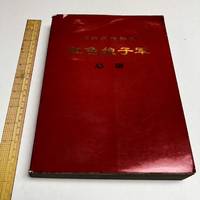
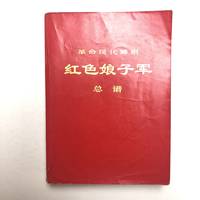
1970ref. AG-10062Red Detachment of Women full Score 红色娘å军总谱 Hong Se Niang Zi Jun Beijing: Published by People's Publishing House printed by Beijing Xinhua Printing Factory distributed by Xinhua Bookstore December 1970 FIRST EDITION. The July 1970 Script Revised and Performed Collectively by Shanghai Peking Opera Troupe. 25×18 cm. xiv 534 1 pp. Colophon. Quotations from Chinaman Mao on the second and third page printed red tilted wrappers minor tear to the cover slight tears to the foot of the binding else very fine condition. 北京:人民出版社,1970年12月第一版,新åŽä¹¦åº—å‘行。本总谱由上海京剧演出团于1970年演出本集体改编,å‰ä¸¤é¡µå¸¦æœ‰æ¯›ä¸»å¸è¯å½•ï¼Œä¹¦çš®æœ‰è½»å¾®ç£¨æŸï¼Œå…¶ä»–å“相éžå¸¸å¥½ã€‚ In China revolutionary operas or model operas Chinese: yangban xi æ ·æ¿æˆ were a series of shows planned and engineered during the Cultural Revolution 1966–1976 by Jiang Qing the wife of Chairman Mao Zedong. They were considered revolutionary and modern in terms of thematic and musical features when compared with traditional Chinese operas. Many of them were adapted to film. Originally eight revolutionary operas Chinese: Ba Ge Yangban Xi å…«ä¸ªæ ·æ¿æˆ were produced eighteen by the end of the period. Instead of the "emperors kings generals chancellors maidens and beauties" of the traditional Peking opera which was banned as "feudalistic and bourgeois" they told stories from China's recent revolutionary struggles against foreign and class enemies. They glorified the People's Liberation Army and the bravery of the common people and showed Mao Zedong and his thought as playing the central role in the victory of socialism in China. Although they originated as operas they soon appeared on LPs in comic books lianhuanhua on posters postcards and stamps; on plates teapots wash basins cigarette packages vases and calendars. They were performed or played from loudspeakers in schools factories and fields by special performing troupes. The Eight Model Operas dominated the stage in all parts of the country during these years leading to the joke "Eight hundred million people watched eight shows." 本组剧本属于文é©æ—¶æœŸçš„å…«å¤§æ ·æ¿æˆï¼Œç”±æ¯›ä¸»å¸å¤«äººæ±Ÿé’负责制作和演出。很多被æ‹æˆäº†ç”µå½±ã€‚ 最åˆæœ‰å…«ä¸ªæ ·æ¿æˆï¼ŒåŽæ¥åœ¨æ–‡é©æ—¶æœŸçš„åŽæœŸå‘展到了18个。ä¸åƒå› å°å»ºå’Œèµ„产阶级的被ç¦äº†çš„ä¼ ç»Ÿäº¬å‰§ï¼Œé‡Œé¢å‡ºçŽ°çš„ä¸çš„国王大臣少女和美人,é©å‘½çŽ°ä»£äº¬å‰§ä¸»è¦è®²è¿°ä¸å›½è¿‘å¹´æ¥çš„抗战故事,宣扬人民解放军的光辉è£è€€å’Œæ¯›ä¸»å¸çš„英勇。虽然是京剧,很快就å˜æˆäº†å„ç§å½¢å¼å‡ºçŽ°åœ¨è¿žçŽ¯ç”»ã€æµ·æŠ¥ã€æ˜Žä¿¡ç‰‡ã€é‚®ç¥¨ã€é¦™çƒŸã€èŠ±ç“¶ã€æ—¥åŽ†ç‰å„ç§åœ°æ–¹ï¼Œç”¨æ‰©éŸ³å–‡å在å¦æ ¡ã€å·¥åŽ‚ç‰åœ°æ–¹ï¼Œç”±æ¼”出团进行表演。8ä¸ªæ ·æ¿æˆä¸»å¯¼äº†å…¨å›½æ‰€æœ‰çš„舞å°ï¼Œå› æ¤æœ‰äº†8亿人看8个剧的笑è¯ã€‚ People’s Publishing House paperback books
1971ref. AG-10054Beijing: Published by People's Publishing House printed by Beijing Xinhua Printing Factory distributed by Xinhua Bookstore January 1971 FIRST EDITION. The July 1970 Script Revised and Performed Collectively by Shanghai Peking Opera Troupe. 8vo vi 397 pp. colophon consists of scripts stage photos selected theme score stage action instruction and the stage design started with quotations from Chairman Mao on the second and third page printed color stage photos and instructions inside printed pictorial wrappers slightly curled at the head and foot of the wrappers else very good condition. 北京:人民出版社出版,1971年第一版,由上海京剧团《智å–å¨è™Žå±±ã€‹å‰§ç»„集体改编åŠæ¼”出。本书包括了剧本ã€ä¸»æ—‹å¾‹ã€å‰§ç…§ã€åŠ¨ä½œæŒ‡å¯¼ã€èˆžå°ç¾Žæœ¯ç‰å†…容。包括éžå¸¸å¤šçš„照片。书皮上下ç¨å¾®å·èµ·ï¼Œæ— ç ´æŸï¼Œå“相éžå¸¸å¥½ã€‚ In China revolutionary operas or model operas Chinese: yangban xi æ ·æ¿æˆ were a series of shows planned and engineered during the Cultural Revolution 1966–1976 by Jiang Qing the wife of Chairman Mao Zedong.1 They were considered revolutionary and modern in terms of thematic and musical features when compared with traditional Chinese operas. Many of them were adapted to film. Originally eight revolutionary operas Chinese: Ba Ge Yangban Xi å…«ä¸ªæ ·æ¿æˆ were produced eighteen by the end of the period. Instead of the "emperors kings generals chancellors maidens and beauties" of the traditional Peking opera which was banned as "feudalistic and bourgeois" they told stories from China's recent revolutionary struggles against foreign and class enemies. They glorified the People's Liberation Army and the bravery of the common people and showed Mao Zedong and his thought as playing the central role in the victory of socialism in China. Although they originated as operas they soon appeared on LPs in comic books lianhuanhua on posters postcards and stamps; on plates teapots wash basins cigarette packages vases and calendars. They were performed or played from loudspeakers in schools factories and fields by special performing troupes. The Eight Model Operas dominated the stage in all parts of the country during these years leading to the joke "Eight hundred million people watched eight shows." 本剧是文é©æ—¶æœŸçš„å…«å¤§æ ·æ¿æˆä¹‹ä¸€ã€Šæ™ºå–å¨è™Žå±±ã€‹ï¼Œç”±æ¯›ä¸»å¸å¤«äººæ±Ÿé’负责制作和演出。很多被æ‹æˆäº†ç”µå½±ã€‚ 最åˆæœ‰å…«ä¸ªæ ·æ¿æˆï¼ŒåŽæ¥åœ¨æ–‡é©æ—¶æœŸçš„åŽæœŸå‘展到了18个。ä¸åƒå› å°å»ºå’Œèµ„产阶级的被ç¦äº†çš„ä¼ ç»Ÿäº¬å‰§ï¼Œé‡Œé¢å‡ºçŽ°çš„ä¸çš„国王大臣少女和美人,é©å‘½çŽ°ä»£äº¬å‰§ä¸»è¦è®²è¿°ä¸å›½è¿‘å¹´æ¥çš„抗战故事,宣扬人民解放军的光辉è£è€€å’Œæ¯›ä¸»å¸çš„英勇。虽然是京剧,很快就å˜æˆäº†å„ç§å½¢å¼å‡ºçŽ°åœ¨è¿žçŽ¯ç”»ã€æµ·æŠ¥ã€æ˜Žä¿¡ç‰‡ã€é‚®ç¥¨ã€é¦™çƒŸã€èŠ±ç“¶ã€æ—¥åŽ†ç‰å„ç§åœ°æ–¹ï¼Œç”¨æ‰©éŸ³å–‡å在å¦æ ¡ã€å·¥åŽ‚ç‰åœ°æ–¹ï¼Œç”±æ¼”出团进行表演。8ä¸ªæ ·æ¿æˆä¸»å¯¼äº†å…¨å›½æ‰€æœ‰çš„舞å°ï¼Œå› æ¤æœ‰äº†8亿人看8个剧的笑è¯ã€‚ People’s Publishing House paperback books
1972ref. AG-10053Beijing: Published by C printed by Beijing Xinhua Printing Factory distributed by Xinhua Bookstore Beijing Distributing Agency February 1972 FIRST EDITION 8vo. The May 1970 Script Revised Collectively by the China Peking Opera Troupe. iv 374 pp. colophon consists of scripts stage photos selected theme score stage action instruction and the stage design started with quotations from Chairman Mao on the second and third page printed pictorial wrappers slightly curled at the head and foot of the wrappers minor tears to the edge of the wrappers else fine condition. 北京:人民出版社出版。本书å‰ä¸¤é¡µå¸¦æœ‰æ¯›ä¸»å¸è¯å½•ï¼Œå†…容包括了剧本ã€å‰§ç…§ã€ä¸»æ—‹å¾‹ã€åŠ¨ä½œè¯´æ˜Žç‰è¯¦ç»†å†…容,由照片和文å—çš„å½¢å¼ç»„æˆï¼Œç…§ç‰‡å›¾ç‰‡å¾ˆå¤šï¼Œä¹Ÿæ˜¯æœ¬ä¹¦çš„一大特色。书皮上下两段ç¨å¾®å·èµ·ï¼Œå…¶ä»–部分å“相éžå¸¸å¥½ã€‚ In China revolutionary operas or model operas Chinese: yangban xi æ ·æ¿æˆ were a series of shows planned and engineered during the Cultural Revolution 1966–1976 by Jiang Qing the wife of Chairman Mao Zedong.1 They were considered revolutionary and modern in terms of thematic and musical features when compared with traditional Chinese operas. Many of them were adapted to film. Originally eight revolutionary operas Chinese: Ba Ge Yangban Xi å…«ä¸ªæ ·æ¿æˆ were produced eighteen by the end of the period. Instead of the "emperors kings generals chancellors maidens and beauties" of the traditional Peking opera which was banned as "feudalistic and bourgeois" they told stories from China's recent revolutionary struggles against foreign and class enemies. They glorified the People's Liberation Army and the bravery of the common people and showed Mao Zedong and his thought as playing the central role in the victory of socialism in China. Although they originated as operas they soon appeared on LPs in comic books lianhuanhua on posters postcards and stamps; on plates teapots wash basins cigarette packages vases and calendars. They were performed or played from loudspeakers in schools factories and fields by special performing troupes. The Eight Model Operas dominated the stage in all parts of the country during these years leading to the joke "Eight hundred million people watched eight shows." 本剧是文é©æ—¶æœŸçš„å…«å¤§æ ·æ¿æˆä¹‹ä¸€ï¼Œç”±æ¯›ä¸»å¸å¤«äººæ±Ÿé’负责制作和演出。很多被æ‹æˆäº†ç”µå½±ã€‚ 最åˆæœ‰å…«ä¸ªæ ·æ¿æˆï¼ŒåŽæ¥åœ¨æ–‡é©æ—¶æœŸçš„åŽæœŸå‘展到了18个。ä¸åƒå› å°å»ºå’Œèµ„产阶级的被ç¦äº†çš„ä¼ ç»Ÿäº¬å‰§ï¼Œé‡Œé¢å‡ºçŽ°çš„ä¸çš„国王大臣少女和美人,é©å‘½çŽ°ä»£äº¬å‰§ä¸»è¦è®²è¿°ä¸å›½è¿‘å¹´æ¥çš„抗战故事,宣扬人民解放军的光辉è£è€€å’Œæ¯›ä¸»å¸çš„英勇。虽然是京剧,很快就å˜æˆäº†å„ç§å½¢å¼å‡ºçŽ°åœ¨è¿žçŽ¯ç”»ã€æµ·æŠ¥ã€æ˜Žä¿¡ç‰‡ã€é‚®ç¥¨ã€é¦™çƒŸã€èŠ±ç“¶ã€æ—¥åŽ†ç‰å„ç§åœ°æ–¹ï¼Œç”¨æ‰©éŸ³å–‡å在å¦æ ¡ã€å·¥åŽ‚ç‰åœ°æ–¹ï¼Œç”±æ¼”出团进行表演。8ä¸ªæ ·æ¿æˆä¸»å¯¼äº†å…¨å›½æ‰€æœ‰çš„舞å°ï¼Œå› æ¤æœ‰äº†8亿人看8个剧的笑è¯ã€‚ People’s Publishing House paperback books
1822in-8° mm 200 x 130 pp. 63, legatura originale in cartone color mattone, cornice decorativa dorata ai piatti. Fu questa una delle oltre venti opere musicate da Francesco Morlacchi; rappresentata per la prima volta al Teatro la Fenice di Venezia nel 1822. L'interpretazione del ruolo principale da parte di Giovanni Battista Velluti contribuì alla diffusione dell'opera, che venne rappresentata nel decennio successivo in più di 40 teatri. Giovan Battista Fattori, messosi a capo di alcuni dilettanti del luogo il 13 gennaio 1775 chiese alla Comunità di poter fare un piccolo Teatro, utilizzando le camere a pian terreno del Palazzo Bentivoglio. I libretti di queste rappresentazioni, completi dei nomi dei cantanti e dei musicisti, sono rari.. .
1962Vol. 35 in-8° di pp. 500 in media con alcune tav. f.t. Leg. in tela edit. con titolo ai dorsi e medaglione d mussolni impresso a secco.
1629ref. 4-0-289Frankfurt, Hoffmann, Fischer, 1629. kl 8°(18x11cm), 15 Bll., 599 S., Pergamenteinband d. Zt mit spanischen Kanten
ref. 22363Marchetti's autograph on letterhead of the R. Accademia di S. Cecilia 'Liceo Musicale'. Rome 14 September 1892. Villari's autograph on reverse of leaf dated from Florence 2 November 1892. 1p 12mo. Leaf of lightly-browned and creased aged paper with closed tears to one edge. The two men are clearly writing in response to requests for autographs. Marchetti has written out four bars – slightly affected at end by closed tear – from what he states is 'Ruy Blas Preludio'. Beneath this he signs in a firm attractive hand 'F Marchetti'. At the head he dates: 'Roma 14 9bre 92'. On the reverse Villari has written out neatly an eight-line comment on 'Chi cessa d'essere bimbo prima del tempo' losing 'la gaiezza l'innocenza la spontaneità infantile' and all the qualities 'necessari all'uomo'. Beneath the quotation he signs in another attractive hand 'Pasquale Villari Firenze 2 Nov. 92'. Marchetti's autograph on letterhead of the R. Accademia di S. Cecilia ('Liceo Musicale'). Rome, 14 September 1892. Villari's aut unknown
1915Very Good French Original business card. 6x9,5 cm. In Arabic and French. On card, engraved b/w portrait photo of Sultan, his tughra (dated 1331 Hegira), and the sign of Lahej sultanate. Lahej was a Sheikdom based in Lahej in Southern Arabia. The Sultanate became self-ruled in 1728 and gained independence in 1740. In 1839, the Sultanate became the Protectorate of Aden of the British Empire, though nominally the 'Abdali Sultan retained his status. The the Protectorate of Aden was briefly ruled again by the Ottomans during World War I, but regained by the British and absorbed into Federation of South Arabia in 1963. The 'Abdali dynasty was officialy abolished in 1967, through the proclamation by South Yemen. Hegira: 1331 = Gregorian: 1915.
ref. DADAX1856261751New unknown
In Venezia, per Giambatista Pasquali, 1757, voll. 2, in-12, legatura coeva in piena pergamena, titolo in oro ai dorsi, tagli spruzzati in rosso, pp. [16], 434, [2], errata sull'ultima carta - [4], 459, [5], errata sulla penultima carta, bianca l'ultima carta. Con vignetta calcografica (lo strumento lira sormontato da un compasso) sui frontespizi. Tra i testi contenuti, alcuni in prima edizione a stampa, segnaliamo: "Dialoghi sopra l'ottica Newtoniana", "Vita di Stefano Benedetto Pallavicini", "Intorno alla traduzione dell'Eneide del Caro", "Lettere varie", "Saggio sopra la necessità di scrivere nella propria lingua", "Sopra la durata de' regni de' Re di Roma", "Saggio sopra le artiglierie", "Saggio sopra la lingua franzese", "Saggio sopra la rima", "Saggio sopra l'architettura", "Saggio sopra la pittura", "Saggio sopra l'opera in musica". Bell'esemplare.
1721ref. 41271Paris, Montalant, 1721. Fol. (40 x 26 cm). Titel in Rot u. Schwarz. Mit zahlr. Holzschn.-Vignetten u. -Initialen. 27 Bll., 707 (1) S., 40 Bll.; 2 Bll., 215 (1) S., Pgmt. d. Zt. m. handschriftl. Rückentitel.
4 volumes in-8, demi-veau vert sapin, dos lisses ornés de triples filets dorés, titres et tomaisons dorés, tranches citron (rel. vers 1850). Recueil des principaux articles publiés dans la "Gazette Littéraire de l'Europe" ainsi que dans le "Journal des étrangers", par François Arnaud et Jean Baptiste Antoine Suard, fondateurs et rédacteurs historiques de ces périodiques, entre 1764 et 1766, augmenté de plusieurs articles qui ne figuraient pas dans l'édition originale. Ambitionnant d'élaborer un périodique culturel encyclopédique de "référence", les auteurs obtinrent le soutien actif du gouvernement et du ministère des Affaires étrangères et un large rayonnement international. Outre les articles d'Arnaud et de Suard, La "Gazette littéraire" comptait parmi ses rédacteurs Diderot, Voltaire, le baron d'Holbach, Morellet, Saint-Lambert, etc. De nombreux articles concernent la musique et l'opéra, sujet privilégié de François Arnaud, mais aussi beaux-arts, sciences de la vie, littérature et poésie, théâtre, médecine, philosophie, voyages, etc., etc. Chaque volume s'achève par une table. (Hatin, 'Bibliographie de la presse périodique française', p. 48). Quelques auréoles et quelques rousseurs. Bon exemplaire, bien relié.
1804ref. 381364 volumes in-8, demi-veau vert sapin, dos lisses ornés de triples filets dorés, titres et tomaisons dorés, tranches citron (rel. vers 1850). Paris, Xhrouet et Déterville, an XII - 1804.
1737ref. 43574Ingolstadt, Johann Andreas de la Haye (gedruckt von Maria Magdalena Riedlin [Riedl] in München), 1737. 8°. 32 Bll., 362 S., 18 Bll.; 7 Bll., 318 S., 23 Bll.; 6 Bll., 283 (1) S., 20 Bll.; 7 Bll., 432 S., 20 Bll.; 7 Bll., 413 (1) S., 25 Bll., Ldr.-Bde. d. Zt. a. 5 Bünden m. reicher Rückenverg. u. je 2 goldgepr. Rückenschildern.
2 volumes in-8, plein veau porphyre de l'époque, dos lisses ornés de compartiments fleuronnés et cloisonnés, pièces de titre et de tomaison de maroquin bordeaux et havane, (4), 252 p., (3) p. de table et errata et (4), 231 p., (8) de table, errata et privilège, 17 p. de catalogue éditeur, vignettes de titre gravées. Edition originale de cet important ouvrage sur l'esthétique consacré, pour la moitié, à la musique, mais aussi : "parole", danse, peinture, sculpture, architecture, achevant de donner une perspective encyclopédique du sujet. Estève adopte un point de vue strictement sensualiste: les mouvements matériels des sensations sont les principes primitifs des sentiments qui se communiquent à l'âme. Dès lors, le seul guide en matière d'appréciation artistique ne peut être fondé que sur les "principes les plus vrais de la sensibilité". Contre Rameau, il remet en cause l'application du principe de l'imitation en musique et développe une explication physique originale du phénomène des consonances. L'ouvrage est cité comme une source notable de la doctrine de Rousseau en matière de théorie musicale. "Cet essai occupe une place charnière dans l'évolution de la notion d'imitation des passions et marque le passage à de nouvelles conceptions et à de nouveaux discours sur les arts" (cf. B. Cannone, 'Philosophies de la Musique', Klincksieck, 1990, passim). François Estève (1720-1790) était médecin et membre de l'Académie des sciences de Montpellier. (Corot, p. 72. Fétis, III, 160. B.A. Elkner, 'Pensée esthétique en France au XVIIIe', Slatkine, 1971, p. 65-67). Accrocs aux coiffes avec manques. Bon exemplaire. Intérieur très frais.
3 volumes in-8, plein veau raciné de l'époque, dos lisses ornés de compartiments garnis d'un jeu de filets perlés, filets gras et petit fleuron central répété, pièces de titre et de tomaison de veau noir et havane, roulette dorée sur les coupes, (4), lxxxvi, 308 p.; (4), 440 p. et (4), 328 p. Edition originale et unique. "Bonne source d’informations sur les spectacles parisiens et les querelles littéraires de l’époque. À travers la correspondance de Favart avec Voltaire, et avec l’abbé de Voisenon, il est possible de comprendre leurs positions respectives au sujet de nombreux problèmes liés à l’écriture dramaturgique (…). Egalement important concernant ses relations internationales (Goldoni, Garrick, Monnet), ses spectacles et, en général, l’art théâtral au XVIIIe siècle" (Flora Mele, 'L’Atelier dramatique de Ch.-S. Favart', thèse, Paris Sorbonne, 2008). Auteur dramatique et librettiste à succès Ch.-S. Favart (1710-1792) obtint la direction du théâtre de la Monnaie à Bruxelles (1746-1748) puis de l'Opéra-Comique. Ses oeuvres connurent une énorme popularité à travers toute l'Europe. Quelques brunissures. Bon exemplaire, très bien relié à l'époque.
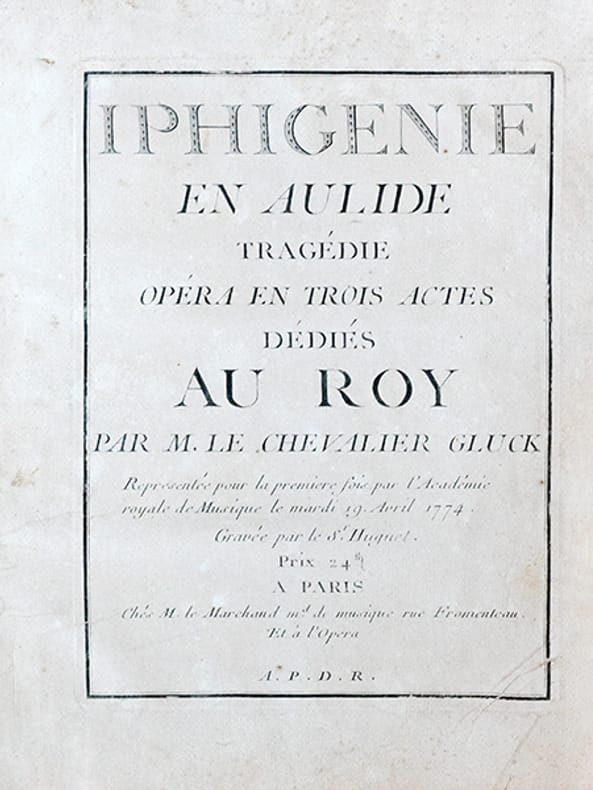
1774ref. 35809In-folio (330 x 255 mm), plein vélin teinté vert de l'époque, dos lisse, (1) f. de titre, (1) f. de dédicace, 298 p., (1) f. de catalogue des ouvrages de musique de l'éditeur. Paris, chez M. Le Marchand, rue Fromenteau, Et à l'Opéra, [1774].
In-8, broché sous couture, couverture d'attente, 72 p., faux-titre et titre compris., exemplaire non rogné. Nouvelle édition de cet ouvrage, développement d'un projet que l'auteur avait soumis au Comité d'instruction publique, alors qu'il était employé de la Commission exécutive. Théorisant autour de l'universalité de la musique et de son utilisation pour atteindre les objectifs révolutionnaires de "régénération publique", l'auteur soumet un vaste projet visant à propager la musique et son enseignement, sous forme d'un maillage d'hommes et d'institutions répartis à travers tout le territoire national. "No author of the revolutionary decade understood this logic better than Jean-Baptiste Leclerc. He shared the view that music possessed the power to make all minds one in the nation - it produced 'simultaneous and unanimous affections among the masses – he wrotes'" (cf. longue analyse in James H. Johnson, 'Listening in Paris. A Cultural History', U. of California Press, 1995, p. 136 et passim). Né à Angers, Jean-Baptiste Leclerc (1756-1826) fut élu député à l’Assemblée constituante, puis à la Convention. Emprisonné sous la Terreur, il siégea au Conseil des Cinq-Cents. Il a joué un rôle décisif dans la création du Conservatoire National de musique en 1798 et fut l'un des principaux théoriciens des hymnes révolutionnaires. (Monglond, IV, 719. RISM, B. VI1, p. 490). WorldCat ne recense que 2 exemplaires de cette édition dans le monde (BnF et Nederland Muziek Instituut). Très bon exemplaire, très frais, entièrement non rogné, tel que paru.
1848ref. 3384213 livraisons de 4 p. chacune, réunies en un volume in-4, plein cartonnage de l’époque, 52 p. (pagination continue), texte sur 2 colonnes, 13 caricatures lithographiées à pleine page. Louvain, J. Jorand-Dusart, juin-sept. 1848.
1802ref. 39445Paris Au Cabinet de Lecture de Mestayer Et Salle Favart An X [1802] petit in-8 cousu, non rogné, couvertures papier marbré bleu de l'époque
1824ref. 46402783Paris, Crapelet, 1824 ; 2 volumes grand in-8, plein maroquin violet, large encadrement de filets dorés et guirlandes à froid, grande arabesque à froid au centre des plats, dos orné d’un décor romantique doré et à froid, tranches dorées, dentelles intérieurieures dorées. (Dauphin) 2 ff., portrait, 50 pp., 1 f., 446 pp., 1 f. - 2 ff., 460 pp.Portrait de Quinault gravé par Bonvoisin.Belle édition typographique du théâtre de Quinault : Astrate, La mère coquette, Alcestee, Thésée, Atys, Isis, Prosperine, Persée, Phaeton, Amadis, Roland, Le Temple de la Paix, Armide, Sceaux. La plupart de ces oeuvres ont été mises en musique par Lulli.Le premier tome, outre la vie de Quinault par Crapelet et un examen de ses oeuvres par Laharpe, contient diverses pièces relatives à l’établissement de l’Académie Royale de Musique, les lettres patentes du roi pour l’établissement de l’Académie de Danse de Paris, la création d’Académies d’opéra ou représentations en musique, en langue française, sur le pied de celles d’Italie, en faveur de Perrin, la permission en faveur de Lulli, le privilège pour l’impression des oeuvres de Lulli.UN DES 42 EXEMPLAIRES NUMÉROTÉS SUR GRAND RAISIN VÉLIN, seuls grands papiers. Vicaire VI, 902. Il est somptueusement relié à l’époque par l’excellent relieur lyonnais Dauphin. Qq. rousseurs.
1743Un foglio (41 x 30 cm.) di editto, sottoscritto da Francesco Ricci “Governatore e Vice-Camerlengo”, stemma di Ricci sotto la testata. Interessante editto che disciplina l’attività dei teatri a Roma. An edict bringing detailed rules about theaters in Rome, headed both to showmen and audience.
In-8, plein veau porphyre de l'époque, dos à 5 nerfs fleuronnés et cloisonnés, pièce de titre de maroquin bordeaux, triple encadrement de filets dorés fleuronnés aux coins sur les plats, coupes filetées, tranches marbrées, roulette intérieure, (6), 224 p. Edition originale (une contrefaçon parut simultanément). "Auteur et comédien, Dancourt excellait dans les rôles d'Arlequin. Le meilleur de ses ouvrages (…), apologie de la comédie et des comédiens, en réponse au discours de Rousseau contre les spectacles. Le titre 'd'Arlequin de Berlin' est pris pour parodier celui de 'citoyen de Genève'. Ce livre est le plus estimé sans contredit de ceux qui parurent en réplique à la lettre de Rousseau" (Michaud, 'Biographie universelle', X, 89). "Réplique mordante à Rousseau ('Lettre à D'Alembert') depuis le point de vue d'un comédien, d'un homme qui a une connaissance approfondie du répertoire, l'expérience de la scène et celle des réactions du public. Il prend le temps de citer point par point Rousseau mais aussi de nombreux textes de théâtre à l'appui de sa démonstration" (Nathalie Ferrand, "Le dernier état de la 'Lettre à D'Alembert sur les spectacles'", Genesis, 34, 2012, p. 135 sq.). (Conlon, 'Ouvrages français relatifs à Rousseau', n°120). Bel exemplaire, très bien relié à l'époque.
1759ref. 36516In-8, plein veau porphyre de l'époque, dos à 5 nerfs fleuronnés et cloisonnés, pièce de titre de maroquin bordeaux, triple encadrement de filets dorés fleuronnés aux coins sur les plats, coupes filetées, tranches marbrées, roulette intérieure, (6), 224 p. Berlin, et se trouve à Amsterdam, J. H. Schneider, 1759.