19.992 Ergebnisse
Best.-Nr. 3926Paris, Editions Richard-Masse, La Revue Musicale , 1971, broché avec jacquette à rabats avec illustration en couleurs contrecollée sur 1er plat, 20x26,5 cm, 182 pages, 25 dessins hors-texte de Pablo Picasso. Edition originale tirée à 1200 exemplaires numérotés sur vergé teinté Arjomari-Prioux (n° 167). Très bel exemplaire en bon état.
Best.-Nr. latin10M1801, Libraria Weidmannia, Lipsiae. 2 fort volumes in-8, relié, plein vélin ivoire rigide, dos long orné, pièce d'auteur grenat. Tomus prior : LXXVII - 6 ff n. ch.- 1060pp. Tomus posterior : XVIII-1138pp. Figure en frontispice du T.I. Infimissime piqure des plats. Très bon exemplaires
189328 cm, rilegatura originale in piena tela rossa dell'epoca, titolo in oro al dorso, tagli colorati; pp. 474, con l'indicazione degli interpreti trattandosi della prima rappresentazione alla Scala di Milano; (G 96000 G). Frma all'occhietto del musicista Guido Spagnoli (1896-1963). Leggera contusione ad un angolo della cop.
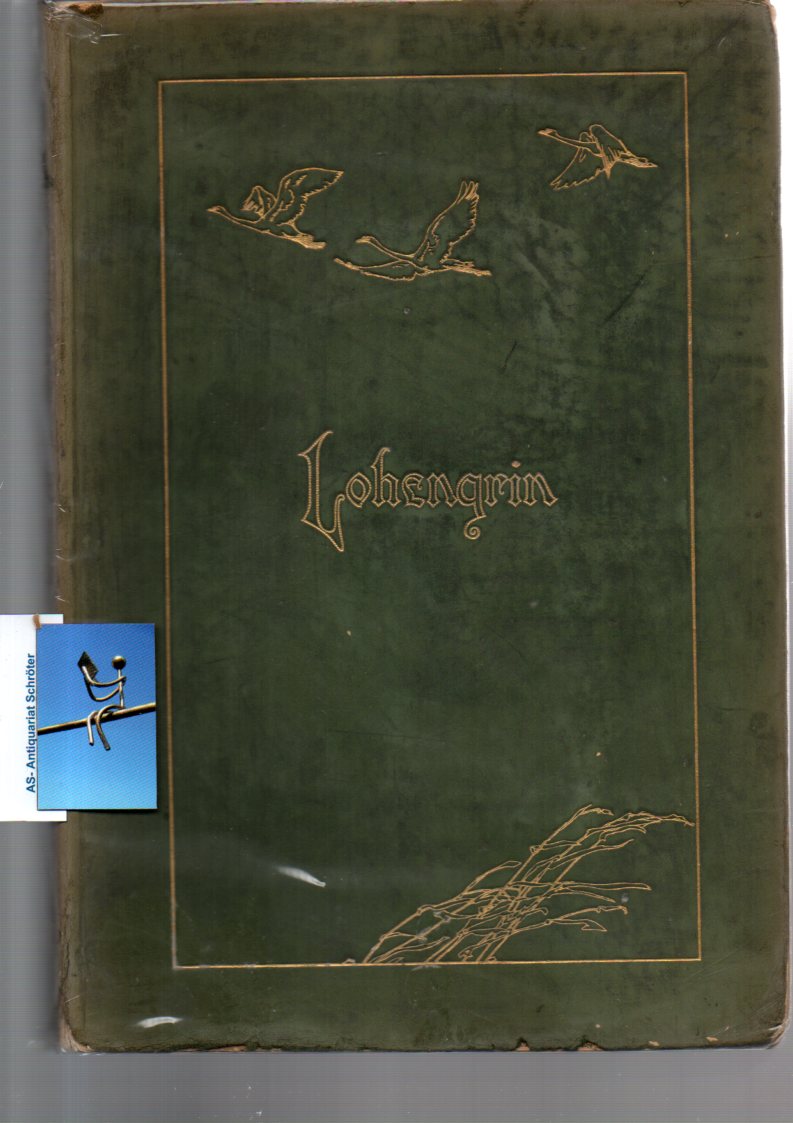
1913Best.-Nr. 12583G.G. Harrap & Co, London, o.J. (um 1913). ca 190nn Seiten, ca 28x19cm, goldgeprägter und illustrierter OBroschur Fadenheftung. Durchgängig illustriert, zum Teil mit montierten farbigen Abbildungen. Druck auf getöntem Papier. Die Seiten durchgängig gestaltet, überwiegend im floralen Stil. Der Einband mit deutlichen Schmutzspuren und einigen Fehlstellen an den Kapitalen. Insgesamt noch ein gutes Exemplar dieser seltenen Ausgabe. Text in englisch. English printed edition. Some damages at the binding. Good copy.
Best.-Nr. Schepelern, GerhardIn Pristine Condition. unknown
1929Milano, E.I.A.R., 1929 - VII E.F., 53 fascicoli raccolti in 3 voll., in-8, copertine fittizie (ma conservate le br. editoriali a col. di A. Bucci), da 60 a 130 pp. ciascuno. Con ill. in b.n., vignette (Schipani, Veneziani, Marotta, Depero) e pubblicità tematiche (Telefunken RAM, Orion, Philips, Superpila, Magnadyne, Para, Siemens, Loewe, Ricordi, SAFAR, Altoparlanti Brown, ecc.) Oltre alle trasmissioni italiane ed estere della settimana: radiodrammi (E. Romagnoli, A. Pedrollo, G. Mulè, E. Petrella); trasmissioni dai grandi teatri (Teatro dell'Opera di Roma, Teatro alla Scala, Carlo Felice di Genova, Teatro Regio di Torino); notizie tecniche; corsi di lingue estere; articoli sul teatro (il San Carlo di Napoli, il Metropolitan di New York) e la musica (liuteria italiana, Leonardo e la musica, il pianoforte invenzione italiana); eventi (prima del "Giuliano" di Zandonai diretto dall'autore, il prof. Martenot e il suo eterofono, Ia Mostra Nazionale della Radio a Milano, inaugurazione della stazione nazionale di Roma, il I° Radio raduno automobilistico italiano, il film sonoro, A. Casella dirige alla radio di Roma). Segnaliamo articolo di Bernasconi su "Marinetti alla radio" e di Barbarisi su Rosso di San Secondo.
Best.-Nr. 561613P., Bourdilliat, Lécrivain et Toubon, 1860. 4 tomes relilé en 2 vol. in-4, demi-chagrin rouge à coins, dos à 5 nerfs, caissons dorés ornés aux petits fers dorés, têtes dorées, (signée Smeers) ; abondamment ill. de gravures sur acier par MM. de Beaumont, Boilly, D'Aubigny, Dublouloz, E. Giraud, Meissonnier, Pascal, Staal, Steinheil, Trimolhet, etc.
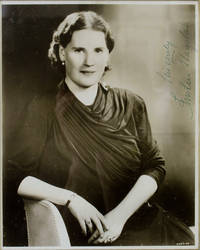
1930Best.-Nr. 144431930. Image 9 1/2 x 7 1/2 inches matted and framed to 14 1/4 x 12 1/4 inches overall. 1 vols. Fine condition. Image 9 1/2 x 7 1/2 inches matted and framed to 14 1/4 x 12 1/4 inches overall. 1 vols. An attractive image showing the great Wagnerian soprano in street clothes seated. unknown
1930Best.-Nr. 144431930. Image 9 1/2 x 7 1/2 inches matted and framed to 14 1/4 x 12 1/4 inches overall. 1 vols. Fine condition. Image 9 1/2 x 7 1/2 inches matted and framed to 14 1/4 x 12 1/4 inches overall. 1 vols. An attractive image showing the great Wagnerian soprano in street clothes seated. unknown books
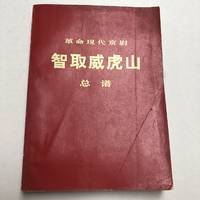
1971Best.-Nr. AG10051Beijing: Published by People's Publishing House printed by Beijing Xinhua Printing Factory distributed by Xinhua Bookstore August 1971 FIRST EDITION. The July 1970 Script Revised and Performed Collectively by Shanghai Peking Opera Troupe. 8vo. xii 425 3 pp. Colophon. Quotations from Chinaman Mao on the second and third page. Printed red tilted wrappers minor crease to the cover minor tear to the foot of the binding else fine condition. 《智å–å¨è™Žå±±ã€‹æ€»è°± 北京: 人民出版社出版,å‰2页带有毛主席语录,1971年8月出版,由上海京剧团《智å–å¨è™Žå±±ã€‹å‰§ç»„改å˜é›†ä½“演出,1970年演出本。第一版第一å°ã€‚å°çš®ç¨å¾®æœ‰åˆ’痕,其他完好。 In China revolutionary operas or model operas Chinese: yangban xi æ ·æ¿æˆ were a series of shows planned and engineered during the Cultural Revolution 1966–1976 by Jiang Qing the wife of Chairman Mao Zedong.1 They were considered revolutionary and modern in terms of thematic and musical features when compared with traditional Chinese operas. Many of them were adapted to film. Originally eight revolutionary operas Chinese: Ba Ge Yangban Xi å…«ä¸ªæ ·æ¿æˆ were produced eighteen by the end of the period. Instead of the "emperors kings generals chancellors maidens and beauties" of the traditional Peking opera which was banned as "feudalistic and bourgeois" they told stories from China's recent revolutionary struggles against foreign and class enemies. They glorified the People's Liberation Army and the bravery of the common people and showed Mao Zedong and his thought as playing the central role in the victory of socialism in China. Although they originated as operas they soon appeared on LPs in comic books lianhuanhua on posters postcards and stamps; on plates teapots wash basins cigarette packages vases and calendars. They were performed or played from loudspeakers in schools factories and fields by special performing troupes. The Eight Model Operas dominated the stage in all parts of the country during these years leading to the joke "Eight hundred million people watched eight shows." æœ¬å‰§æ˜¯æ–‡é©æ—¶æœŸçš„å…«å¤§æ ·æ¿æˆä¹‹ä¸€ã€Šæ™ºå–å¨è™Žå±±ã€‹ï¼Œç”±æ¯›ä¸»å¸å¤«äººæ±Ÿé’è´Ÿè´£åˆ¶ä½œå’Œæ¼”å‡ºã€‚å¾ˆå¤šè¢«æ‹æˆäº†ç”µå½±ã€‚ æœ€åˆæœ‰å…«ä¸ªæ ·æ¿æˆï¼ŒåŽæ¥åœ¨æ–‡é©æ—¶æœŸçš„åŽæœŸå‘展到了18个。ä¸åƒå› å°å»ºå’Œèµ„产阶级的被ç¦äº†çš„ä¼ ç»Ÿäº¬å‰§ï¼Œé‡Œé¢å‡ºçŽ°çš„ä¸çš„国王大臣少女和美人,é©å‘½çŽ°ä»£äº¬å‰§ä¸»è¦è®²è¿°ä¸å›½è¿‘å¹´æ¥çš„æŠ—战故事,宣扬人民解放军的光辉è£è€€å’Œæ¯›ä¸»å¸çš„è‹±å‹‡ã€‚è™½ç„¶æ˜¯äº¬å‰§ï¼Œå¾ˆå¿«å°±å˜æˆäº†å„ç§å½¢å¼å‡ºçŽ°åœ¨è¿žçŽ¯ç”»ã€æµ·æŠ¥ã€æ˜Žä¿¡ç‰‡ã€é‚®ç¥¨ã€é¦™çƒŸã€èŠ±ç“¶ã€æ—¥åކç‰å„ç§åœ°æ–¹ï¼Œç”¨æ‰©éŸ³å–‡ååœ¨å¦æ ¡ã€å·¥åŽ‚ç‰åœ°æ–¹ï¼Œç”±æ¼”出团进行表演。8ä¸ªæ ·æ¿æˆä¸»å¯¼äº†å…¨å›½æ‰€æœ‰çš„舞å°ï¼Œå› æ¤æœ‰äº†8亿人共看8个剧的笑è¯ã€‚ People’s Publishing House paperback
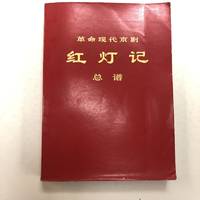
1971Best.-Nr. AG-10050The Red Lantern Full Score红ç¯è®° Hong Deng Ji Beijing: Published by People's Publishing House printed by Beijing Xinhua Printing Factory distributed by Xinhua Bookstore Beijing Distributing Agency,August 1971 FIRST EDITION. The May 1970 Script Created Collectively by the China Peking Opera troupe. Quotations from Chinaman Mao on the second and third page 8vo. xii 380 2 pp. colophon printed titled wrappers crease to the cover very slight tear to the foot of the binding else fine condition. In China revolutionary operas or model operas Chinese: yangban xi æ ·æ¿æˆ were a series of shows planned and engineered during the Cultural Revolution 1966–1976 by Jiang Qing the wife of Chairman Mao Zedong. They were considered revolutionary and modern in terms of thematic and musical features when compared with traditional Chinese operas. Many of them were adapted to film. 京剧《红ç¯è®°ã€‹æ€»è°± 北京:人民出版社出版,中国京剧团集体制作,基于1970年五月演出本,第一版,书的å‰ä¸¤é¡µæœ‰æ¯›ä¸»å¸è¯å½•,共380é¡µä¸»ä½“å†…å®¹ã€‚ä¹¦çš®ç¨æœ‰ä¸€é“ä¸Šä¸‹æ–¹å‘æŠ˜ç—•ï¼Œå…¶ä»–å“相éžå¸¸å¥½ã€‚ In China revolutionary operas or model operas Chinese: yangban xi æ ·æ¿æˆ were a series of shows planned and engineered during the Cultural Revolution 1966–1976 by Jiang Qing the wife of Chairman Mao Zedong.1 They were considered revolutionary and modern in terms of thematic and musical features when compared with traditional Chinese operas. Many of them were adapted to film. Originally eight revolutionary operas Chinese: Ba Ge Yangban Xi å…«ä¸ªæ ·æ¿æˆ were produced eighteen by the end of the period. Instead of the "emperors kings generals chancellors maidens and beauties" of the traditional Peking opera which was banned as "feudalistic and bourgeois" they told stories from China's recent revolutionary struggles against foreign and class enemies. They glorified the People's Liberation Army and the bravery of the common people and showed Mao Zedong and his thought as playing the central role in the victory of socialism in China. Although they originated as operas they soon appeared on LPs in comic books lianhuanhua on posters postcards and stamps; on plates teapots wash basins cigarette packages vases and calendars. They were performed or played from loudspeakers in schools factories and fields by special performing troupes. The Eight Model Operas dominated the stage in all parts of the country during these years leading to the joke "Eight hundred million people watched eight shows." æœ¬å‰§æ˜¯æ–‡é©æ—¶æœŸçš„å…«å¤§æ ·æ¿æˆä¹‹ä¸€ã€Šçº¢ç¯è®°ã€‹ï¼Œç”±æ¯›ä¸»å¸å¤«äººæ±Ÿé’è´Ÿè´£åˆ¶ä½œå’Œæ¼”å‡ºã€‚å¾ˆå¤šè¢«æ‹æˆäº†ç”µå½±ã€‚ æœ€åˆæœ‰å…«ä¸ªæ ·æ¿æˆï¼ŒåŽæ¥åœ¨æ–‡é©æ—¶æœŸçš„åŽæœŸå‘展到了18个。ä¸åƒå› å°å»ºå’Œèµ„产阶级的被ç¦äº†çš„ä¼ ç»Ÿäº¬å‰§ï¼Œé‡Œé¢å‡ºçŽ°çš„ä¸çš„国王大臣少女和美人,é©å‘½çŽ°ä»£äº¬å‰§ä¸»è¦è®²è¿°ä¸å›½è¿‘å¹´æ¥çš„æŠ—战故事,宣扬人民解放军的光辉è£è€€å’Œæ¯›ä¸»å¸çš„è‹±å‹‡ã€‚è™½ç„¶æ˜¯äº¬å‰§ï¼Œå¾ˆå¿«å°±å˜æˆäº†å„ç§å½¢å¼å‡ºçŽ°åœ¨è¿žçŽ¯ç”»ã€æµ·æŠ¥ã€æ˜Žä¿¡ç‰‡ã€é‚®ç¥¨ã€é¦™çƒŸã€èŠ±ç“¶ã€æ—¥åކç‰å„ç§åœ°æ–¹ï¼Œç”¨æ‰©éŸ³å–‡ååœ¨å¦æ ¡ã€å·¥åŽ‚ç‰åœ°æ–¹ï¼Œç”±æ¼”出团进行表演。8ä¸ªæ ·æ¿æˆä¸»å¯¼äº†å…¨å›½æ‰€æœ‰çš„舞å°ï¼Œå› æ¤æœ‰äº†8亿人看8个剧的笑è¯ã€‚ People’s Publishing House paperback
1971Best.-Nr. AG10051Beijing: Published by People's Publishing House printed by Beijing Xinhua Printing Factory distributed by Xinhua Bookstore August 1971 FIRST EDITION. The July 1970 Script Revised and Performed Collectively by Shanghai Peking Opera Troupe. 8vo. xii 425 3 pp. Colophon. Quotations from Chinaman Mao on the second and third page. Printed red tilted wrappers minor crease to the cover minor tear to the foot of the binding else fine condition. 《智å–å¨è™Žå±±ã€‹æ€»è°± 北京: 人民出版社出版,å‰2页带有毛主席语录,1971年8月出版,由上海京剧团《智å–å¨è™Žå±±ã€‹å‰§ç»„改å˜é›†ä½“演出,1970年演出本。第一版第一å°ã€‚å°çš®ç¨å¾®æœ‰åˆ’痕,其他完好。 In China revolutionary operas or model operas Chinese: yangban xi æ ·æ¿æˆ were a series of shows planned and engineered during the Cultural Revolution 1966–1976 by Jiang Qing the wife of Chairman Mao Zedong.1 They were considered revolutionary and modern in terms of thematic and musical features when compared with traditional Chinese operas. Many of them were adapted to film. Originally eight revolutionary operas Chinese: Ba Ge Yangban Xi å…«ä¸ªæ ·æ¿æˆ were produced eighteen by the end of the period. Instead of the "emperors kings generals chancellors maidens and beauties" of the traditional Peking opera which was banned as "feudalistic and bourgeois" they told stories from China's recent revolutionary struggles against foreign and class enemies. They glorified the People's Liberation Army and the bravery of the common people and showed Mao Zedong and his thought as playing the central role in the victory of socialism in China. Although they originated as operas they soon appeared on LPs in comic books lianhuanhua on posters postcards and stamps; on plates teapots wash basins cigarette packages vases and calendars. They were performed or played from loudspeakers in schools factories and fields by special performing troupes. The Eight Model Operas dominated the stage in all parts of the country during these years leading to the joke "Eight hundred million people watched eight shows." æœ¬å‰§æ˜¯æ–‡é©æ—¶æœŸçš„å…«å¤§æ ·æ¿æˆä¹‹ä¸€ã€Šæ™ºå–å¨è™Žå±±ã€‹ï¼Œç”±æ¯›ä¸»å¸å¤«äººæ±Ÿé’è´Ÿè´£åˆ¶ä½œå’Œæ¼”å‡ºã€‚å¾ˆå¤šè¢«æ‹æˆäº†ç”µå½±ã€‚ æœ€åˆæœ‰å…«ä¸ªæ ·æ¿æˆï¼ŒåŽæ¥åœ¨æ–‡é©æ—¶æœŸçš„åŽæœŸå‘展到了18个。ä¸åƒå› å°å»ºå’Œèµ„产阶级的被ç¦äº†çš„ä¼ ç»Ÿäº¬å‰§ï¼Œé‡Œé¢å‡ºçŽ°çš„ä¸çš„国王大臣少女和美人,é©å‘½çŽ°ä»£äº¬å‰§ä¸»è¦è®²è¿°ä¸å›½è¿‘å¹´æ¥çš„æŠ—战故事,宣扬人民解放军的光辉è£è€€å’Œæ¯›ä¸»å¸çš„è‹±å‹‡ã€‚è™½ç„¶æ˜¯äº¬å‰§ï¼Œå¾ˆå¿«å°±å˜æˆäº†å„ç§å½¢å¼å‡ºçŽ°åœ¨è¿žçŽ¯ç”»ã€æµ·æŠ¥ã€æ˜Žä¿¡ç‰‡ã€é‚®ç¥¨ã€é¦™çƒŸã€èŠ±ç“¶ã€æ—¥åކç‰å„ç§åœ°æ–¹ï¼Œç”¨æ‰©éŸ³å–‡ååœ¨å¦æ ¡ã€å·¥åŽ‚ç‰åœ°æ–¹ï¼Œç”±æ¼”出团进行表演。8ä¸ªæ ·æ¿æˆä¸»å¯¼äº†å…¨å›½æ‰€æœ‰çš„舞å°ï¼Œå› æ¤æœ‰äº†8亿人共看8个剧的笑è¯ã€‚ People’s Publishing House paperback books
1971Best.-Nr. AG-10050The Red Lantern Full Score红ç¯è®° Hong Deng Ji Beijing: Published by People's Publishing House printed by Beijing Xinhua Printing Factory distributed by Xinhua Bookstore Beijing Distributing Agency,August 1971 FIRST EDITION. The May 1970 Script Created Collectively by the China Peking Opera troupe. Quotations from Chinaman Mao on the second and third page 8vo. xii 380 2 pp. colophon printed titled wrappers crease to the cover very slight tear to the foot of the binding else fine condition. In China revolutionary operas or model operas Chinese: yangban xi æ ·æ¿æˆ were a series of shows planned and engineered during the Cultural Revolution 1966–1976 by Jiang Qing the wife of Chairman Mao Zedong. They were considered revolutionary and modern in terms of thematic and musical features when compared with traditional Chinese operas. Many of them were adapted to film. 京剧《红ç¯è®°ã€‹æ€»è°± 北京:人民出版社出版,中国京剧团集体制作,基于1970年五月演出本,第一版,书的å‰ä¸¤é¡µæœ‰æ¯›ä¸»å¸è¯å½•,共380é¡µä¸»ä½“å†…å®¹ã€‚ä¹¦çš®ç¨æœ‰ä¸€é“ä¸Šä¸‹æ–¹å‘æŠ˜ç—•ï¼Œå…¶ä»–å“相éžå¸¸å¥½ã€‚ In China revolutionary operas or model operas Chinese: yangban xi æ ·æ¿æˆ were a series of shows planned and engineered during the Cultural Revolution 1966–1976 by Jiang Qing the wife of Chairman Mao Zedong.1 They were considered revolutionary and modern in terms of thematic and musical features when compared with traditional Chinese operas. Many of them were adapted to film. Originally eight revolutionary operas Chinese: Ba Ge Yangban Xi å…«ä¸ªæ ·æ¿æˆ were produced eighteen by the end of the period. Instead of the "emperors kings generals chancellors maidens and beauties" of the traditional Peking opera which was banned as "feudalistic and bourgeois" they told stories from China's recent revolutionary struggles against foreign and class enemies. They glorified the People's Liberation Army and the bravery of the common people and showed Mao Zedong and his thought as playing the central role in the victory of socialism in China. Although they originated as operas they soon appeared on LPs in comic books lianhuanhua on posters postcards and stamps; on plates teapots wash basins cigarette packages vases and calendars. They were performed or played from loudspeakers in schools factories and fields by special performing troupes. The Eight Model Operas dominated the stage in all parts of the country during these years leading to the joke "Eight hundred million people watched eight shows." æœ¬å‰§æ˜¯æ–‡é©æ—¶æœŸçš„å…«å¤§æ ·æ¿æˆä¹‹ä¸€ã€Šçº¢ç¯è®°ã€‹ï¼Œç”±æ¯›ä¸»å¸å¤«äººæ±Ÿé’è´Ÿè´£åˆ¶ä½œå’Œæ¼”å‡ºã€‚å¾ˆå¤šè¢«æ‹æˆäº†ç”µå½±ã€‚ æœ€åˆæœ‰å…«ä¸ªæ ·æ¿æˆï¼ŒåŽæ¥åœ¨æ–‡é©æ—¶æœŸçš„åŽæœŸå‘展到了18个。ä¸åƒå› å°å»ºå’Œèµ„产阶级的被ç¦äº†çš„ä¼ ç»Ÿäº¬å‰§ï¼Œé‡Œé¢å‡ºçŽ°çš„ä¸çš„国王大臣少女和美人,é©å‘½çŽ°ä»£äº¬å‰§ä¸»è¦è®²è¿°ä¸å›½è¿‘å¹´æ¥çš„æŠ—战故事,宣扬人民解放军的光辉è£è€€å’Œæ¯›ä¸»å¸çš„è‹±å‹‡ã€‚è™½ç„¶æ˜¯äº¬å‰§ï¼Œå¾ˆå¿«å°±å˜æˆäº†å„ç§å½¢å¼å‡ºçŽ°åœ¨è¿žçŽ¯ç”»ã€æµ·æŠ¥ã€æ˜Žä¿¡ç‰‡ã€é‚®ç¥¨ã€é¦™çƒŸã€èŠ±ç“¶ã€æ—¥åކç‰å„ç§åœ°æ–¹ï¼Œç”¨æ‰©éŸ³å–‡ååœ¨å¦æ ¡ã€å·¥åŽ‚ç‰åœ°æ–¹ï¼Œç”±æ¼”出团进行表演。8ä¸ªæ ·æ¿æˆä¸»å¯¼äº†å…¨å›½æ‰€æœ‰çš„舞å°ï¼Œå› æ¤æœ‰äº†8亿人看8个剧的笑è¯ã€‚ People’s Publishing House paperback books
1938Best.-Nr. 3114056NP: Merle Armtage. Very Good with no dust jacket. 1938. First Edition; First Printing. Softcover. Souvenir program for the first revival of George Gershwin's operatic masterpiece staged in Los Angeles and San Francisco in 1938 in the pattern of director Rouben Mamoulian original production. Very good in yellow oversize printed wrappers. 9" X 12" 22pp. Couple short edge tears and traces of mild shelf-soiling. Features several photographs of the principal artists involved as well Gershwin and others. Surprisingly uncommon. ; 9" X 12"; 22 pages . Merle Armtage. paperback
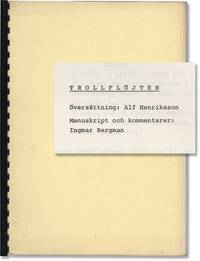
1973Best.-Nr. 146818N.p.: N.p. 1973. Agency Draft script for the 1975 film. With 31 pages of director Ingmar Bergman's commentary bound in after the script. Text in Swedish. Based on the 1791 German opera about a young prince tasked with rescuing a princess from a mysterious high priest. Widely considered one of the most successful operatic adaptations to film ever released. Shot on location in Stockholm Sweden. Pale yellow untitled wrappers. Title page present dated November 1973 with credits for director Ingmar Bergman and screenwriter Alf Henrikson. 93 leaves with last page of text numbered 61. Xerographic duplication rectos only. Pages Very Good plus wrapper Very Good plus with a black comb binding. Criterion Collection 71. N.p. unknown
1973Best.-Nr. 146818N.p.: N.p. 1973. Agency Draft script for the 1975 film. With 31 pages of director Ingmar Bergman's commentary bound in after the script. Text in Swedish. Based on the 1791 German opera about a young prince tasked with rescuing a princess from a mysterious high priest. Widely considered one of the most successful operatic adaptations to film ever released. Shot on location in Stockholm Sweden. Pale yellow untitled wrappers. Title page present dated November 1973 with credits for director Ingmar Bergman and screenwriter Alf Henrikson. 93 leaves with last page of text numbered 61. Xerographic duplication rectos only. Pages Very Good plus wrapper Very Good plus with a black comb binding. Criterion Collection 71. N.p. unknown books
1776Best.-Nr. 143864à Paris, chez Lacombe 1776 3 volumes. In-8 20 x 12 cm. Reliures de l’époque veau havane, dos à nerfs encadrés de filets dorés, pièces de titre maroquin grenat, 527-510-615 pp. Ex-libris J. Dietrich. Tampons humides. Reliurees sensiblement frottées, coiffes arasées, intérieur frais.
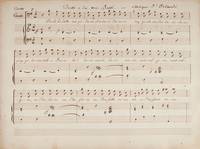
Best.-Nr. 41573Oblong folio. Contemporary leather-backed marbled boards. In a single hand throughout. 1 Orlandini Giuseppe Maria 1676-1760 Duetto a due voci Bassi Musique d'Orlandi. 19 i blank pp. With text commencing "Perchè hà detto mio padrone." From Pergolesi's La serva padrona "The large number and wide spread of performances of his operas confirm the opinions of Burney La Borde Martini and Quadrio that Orlandini was highly celebrated as a composer of dramatic music. He was best known for his comic intermezzos in which genre his importance almost certainly outweighs that of Pergolesi." John Walter Hill and Francesco Giuntini in Grove Music Online 2 Curcio Giuseppe Maria 1752-1832 Di marte la Tromba. Duo di G. Curcio. For Zulema and Gonsalvo. 13 pp. With text commencing "Zulema e dunque in vano t'ho salvato o Zamoro." From Zulema first performed in Naples at the Teatro San Carlo on 13 August 1797. "Curcio composed operas for Naples Florence Rome and other cities and librettos from 1797 onwards indicate that he was a member of the Florence Accademia degli Armonici." Ugo Gironacci in Grove Music Online 3 Nicolini Giuseppe 1762-1842 Duetto del Opera il Coriolano. 25 pp. With text commencing "Fra i perigli onor mi chiama." From Coriolano first performed in Vienna no date and in Milan and Turin in 1808. "For about 20 years principally between 1811 and 1820 Nicolini could count on an enormous public even outside Italy who exalted him to the level of the most celebrated masters. In 1807 in Rome his Traiano in Dacia starring the castrato Velluti defeated Cimarosa's much-loved classic Gli Orazi ed i Curiazi in a contest for popular favour. His operas were performed by the best virtuosos of the time including besides Velluti Bonoldi Pasta Pisaroni and the young Catalani." Andrea Lanza in Grove Music Online 4 Catrufo Giosefo 1771-1851 Duo de l'Intrigue au Chateau Musique de Catrufo. 9 i blank pp. For Lorange and Florville. With text commencing "Vous jurez de rester fidele." From L'Intrigue au Chateau. "Known chiefly for his stage works . Catrufo followed closely in the footsteps of the opéra comique composers of the beginning of the 19th century. He possessed a fresh melodic inspiration and a spontaneous popular and simple style." Francesco Bussi in Grove Music Online 5 Gluck Christoph Willibald Ritter von 1714-1787 Scene & Duo d'Iphigénie en Tauride. 1f. recto title verso blank 7 i blank pp. For Oreste and Pylade. With text commencing "O moment trop heureuse!" From Iphigénie en Tauride. Tragédie in four acts by Christoph Willibald Ritter von Gluck to a libretto by Nicolas-François Guillard after Guymond de la Touche's Iphigénie en Tauride itself based on Euripides was first performed in Paris at the Opéra on 18 May 1779. 6 Berton Henri-Montan 1767-1844 Duo de Françoise de Foix. 1f. recto title verso blank 12 pp. 1f. blank. For Françoise and the King. With text commencing "Jamais l'ars ne fut mon partage." Françoise de Foix first performed in Paris at the Opéra Comique on 28 January 1809 was the "last really popular work" of this French composer teacher and writer. David Charlton in Grove Music Online With manuscript index to verso of front free endpaper listing 5 additional works not part of the present volume. Binding worn rubbed and bumped; spine lacking; upper board detached. Minor internal wear browning and showthrough; front endpaper and first 4 leaves detached. unknown
Best.-Nr. 41573Oblong folio. Contemporary leather-backed marbled boards. In a single hand throughout. 1 Orlandini Giuseppe Maria 1676-1760 Duetto a due voci Bassi Musique d'Orlandi. 19 i blank pp. With text commencing "Perchè hà detto mio padrone." From Pergolesi's La serva padrona "The large number and wide spread of performances of his operas confirm the opinions of Burney La Borde Martini and Quadrio that Orlandini was highly celebrated as a composer of dramatic music. He was best known for his comic intermezzos in which genre his importance almost certainly outweighs that of Pergolesi." John Walter Hill and Francesco Giuntini in Grove Music Online 2 Curcio Giuseppe Maria 1752-1832 Di marte la Tromba. Duo di G. Curcio. For Zulema and Gonsalvo. 13 pp. With text commencing "Zulema e dunque in vano t'ho salvato o Zamoro." From Zulema first performed in Naples at the Teatro San Carlo on 13 August 1797. "Curcio composed operas for Naples Florence Rome and other cities and librettos from 1797 onwards indicate that he was a member of the Florence Accademia degli Armonici." Ugo Gironacci in Grove Music Online 3 Nicolini Giuseppe 1762-1842 Duetto del Opera il Coriolano. 25 pp. With text commencing "Fra i perigli onor mi chiama." From Coriolano first performed in Vienna no date and in Milan and Turin in 1808. "For about 20 years principally between 1811 and 1820 Nicolini could count on an enormous public even outside Italy who exalted him to the level of the most celebrated masters. In 1807 in Rome his Traiano in Dacia starring the castrato Velluti defeated Cimarosa's much-loved classic Gli Orazi ed i Curiazi in a contest for popular favour. His operas were performed by the best virtuosos of the time including besides Velluti Bonoldi Pasta Pisaroni and the young Catalani." Andrea Lanza in Grove Music Online 4 Catrufo Giosefo 1771-1851 Duo de l'Intrigue au Chateau Musique de Catrufo. 9 i blank pp. For Lorange and Florville. With text commencing "Vous jurez de rester fidele." From L'Intrigue au Chateau. "Known chiefly for his stage works . Catrufo followed closely in the footsteps of the opéra comique composers of the beginning of the 19th century. He possessed a fresh melodic inspiration and a spontaneous popular and simple style." Francesco Bussi in Grove Music Online 5 Gluck Christoph Willibald Ritter von 1714-1787 Scene & Duo d'Iphigénie en Tauride. 1f. recto title verso blank 7 i blank pp. For Oreste and Pylade. With text commencing "O moment trop heureuse!" From Iphigénie en Tauride. Tragédie in four acts by Christoph Willibald Ritter von Gluck to a libretto by Nicolas-François Guillard after Guymond de la Touche's Iphigénie en Tauride itself based on Euripides was first performed in Paris at the Opéra on 18 May 1779. 6 Berton Henri-Montan 1767-1844 Duo de Françoise de Foix. 1f. recto title verso blank 12 pp. 1f. blank. For Françoise and the King. With text commencing "Jamais l'ars ne fut mon partage." Françoise de Foix first performed in Paris at the Opéra Comique on 28 January 1809 was the "last really popular work" of this French composer teacher and writer. David Charlton in Grove Music Online With manuscript index to verso of front free endpaper listing 5 additional works not part of the present volume. Binding worn rubbed and bumped; spine lacking; upper board detached. Minor internal wear browning and showthrough; front endpaper and first 4 leaves detached. unknown books
Best.-Nr. 1106UH8J0HQVery Good. Barely very good black on light blue paper back 338 pages in English and Latin. Arnaldi de Villanova Opera medica omnia GRADIBUS Edited and with an important essay on the development of medieval pharmaceutical theory by Michael McVaugh. Please see our pictures unknown
1954Best.-Nr. 012511Paris Revue chorégraphique de Paris - Richard-Masse éditeur 1954 In-4 Broché, couverture illustrée Dédicacé par l'illustrateur
In Bologna, per il Saffi Successore del Benacci, [1755], in-12 piccolo, brossura in carta settecentesca dorata e goffrata con disegno di fiori in rilievo su fondo oro (qualche consunzione), pp. 60. Prima edizione. Con i nomi degli attori e dei ballerini. "La musica è tutta nuovamente composta dal celebre Sig. Baldassare Galuppi, detto Buranello". Raro, non censito in ICCU.
Grand in-8, broché, xii, (2), 329 p., exemplaire non coupé. Edition originale et unique illustrée de "80 figures d'idées et exemples géométriques et musicaux". Elève de Massenet et admirateur de Wagner, Émile Chizat (1855-1924) obtint, comme compositeur un grand succès populaire. Il livre ses théories d'une "esthétique musicale nouvelle" fondée sur une cosmogonie singulière qui le rattache aux "fous littéraires". "Son approche consiste à une révision du premier type de musique planétaire qui compare les distances des planètes aux intervalles sur une corde hypothétique. Contrairement aux théoriciens grecs et médiévaux, dont le système musical a été limité à deux ou trois octaves, Chizat trouve faut plus de sept octaves pour transcrire les intervalles des planètes de Mercure à Neptune, y compris les astéroïdes Hungaria, Vesta, Cérès, Psyché, et Ismène, et de découvrir qu'ils se mettaient en place en un accord majeur gigantesque" (cf. J. Godwin, ‘L'ésotérisme musical en France’, 1991, p. 187 sq.). Couverture défraîchie, un mors fendu. Intérieur très frais, Exemplaire non coupé. Rare.
Best.-Nr. 36314Grand in-8, broché, xii, (2), 329 p., exemplaire non coupé. Paris, Hugues Robert et Cie, 1899.