19 988 résultats
1983réf. 2102150081zbvkParis, L'Echo des Savanes - Éditions Albin Michel, 1983. 57 pages on strong paper, fully illustrated. - Publisher's colour-illustrated hardcover; large-4to.(ca. 33 x 24 cm).
1981réf. 2102150078zbvkLe Square, Éditions Albin Michel, 1981. 91 (1) pages, fully illustrated. - Publisher's colour-illustrated softcover; 4to.(ca. 30 x 21 cm).
réf. 29868Image size ca. 212 x 142 mm. sheet size 321 x 190 mm. The design depicts a man dressed in an exotic Egyptian costume deocrated with numerous armlets anklets necklace earrings headdress etc. Executed in watercolour and gold paint on heavy wove paper. Slightly worn; browning to outer edges from old mat; remnants of mounting paper to verso. unknown
réf. 29868Image size ca. 212 x 142 mm. sheet size 321 x 190 mm. The design depicts a man dressed in an exotic Egyptian costume deocrated with numerous armlets anklets necklace earrings headdress etc. Executed in watercolour and gold paint on heavy wove paper. Slightly worn; browning to outer edges from old mat; remnants of mounting paper to verso. unknown books
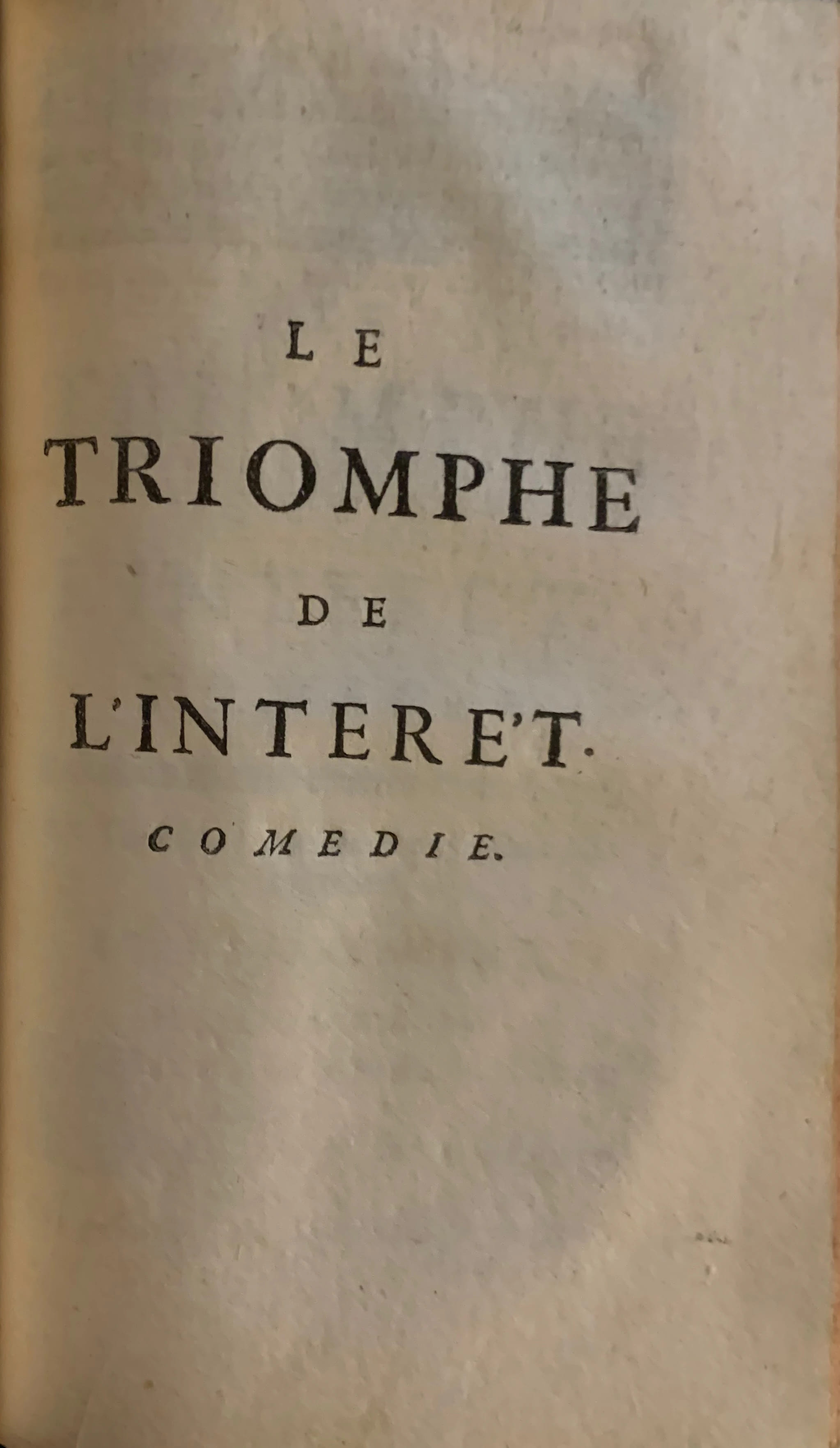
In-8, pleine basane marbrée, dos lisse orné de compartiments dorés, filets d'encadrement à froid sur les plats, pièce de titre de maroquin rouge, tranches rouges (pet. départ de fente au mors sup.), xxx, (2), 124 p., rouss. et auréoles marginales, une planche, vignettes en bandeau. Edition ornée d'une planche légendée : "Puits d'amour" et de 3 en-têtes non signés, précédée d'un "Essai sur les progrès de la langue française". Les pages 97 à 124 contiennent de la musique gravée de Philidor (pseud. de A.-F. Danican) et de Antoine Albanese. "Véritable chef-d'oeuvre en miniature, perle précieuse montrant que Sauvigny s'était assimilé à un degré remarquable la manière ingénue de nos anciens poëtes et conteurs français" (Pierre Larousse). (Cf. 'Billardon de Sauvigny et l'innocence perdue du premier âge' in : 'Dix-Huitième Siècle', n° 26 (1994), pages 468-469). (Cohen, 148, Gay, II, 486).
réf. 28773In-8, pleine basane marbrée, dos lisse orné de compartiments dorés, filets d'encadrement à froid sur les plats, pièce de titre de maroquin rouge, tranches rouges (pet. départ de fente au mors sup.), xxx, (2), 124 p., rouss. et auréoles marginales, une planche, vignettes en bandeau. Londres, 1768.
1902réf. 307Couverture rigide Flammarion 1902 Paris 24x32,5 cm
1785Ensemble de deux volumes de format in 8° sur beau vergé de: pour le vol.I; 2 ff. (f.bl., portrait en frontipice de l'auteur); VI pp (page de titre et épitre), 380 pp.; et pour le vol. II; 3ff. (1 f.bl, frontispice, titre); 382 pp.. 1 gravure pleine page de Moreau; 2 vignettes in texte de Marillier; 2 de Eisen et 3 de Cochin (beau tirage). Reliure postérieure uniforme en plein maroquin cerise, riche décor avec triple encadrement doré sur les plats, fleurs dorées en angle, arabesques... Dos à 5 nerfs, caissons dorés. Têtes dorées, non rogné. Reliure non signée...début 20ème ? Exemplaire en très bel état. Quelques rares et pâles rousseurs dans le texte. Voir les photos.
Musica - Biografie Biographie universelle des musiciens et bibliographie gé,né,rale de la musique par F.J. Fé,tis Paris, Librairie de Firmin Didot, 1866 / 1867 2^ edizione. 8 Volumi - Pag: XXXVII, 478, 484, 480, 491, 480, 496, 548, 527. Non sono inclusi i due volumi di supplemento. Legatura in mezza pelle. Testo in francese. Condizioni molto buone, salvo piccoli segni del tempo.
1915Very Good French Original business card. Slightly stained. 5x8,5 cm. In Arabic and French. On card, engraved his tughra (dated 1331 Hegira), and the sign of Lahej sultanate. No photo. Lahej was a Sheikdom based in Lahej in Southern Arabia. The Sultanate became self-ruled in 1728 and gained independence in 1740. In 1839, the Sultanate became the Protectorate of Aden of the British Empire, though nominally the 'Abdali Sultan retained his status. The the Protectorate of Aden was briefly ruled again by the Ottomans during World War I, but regained by the British and absorbed into Federation of South Arabia in 1963. The 'Abdali dynasty was officialy abolished in 1967, through the proclamation by South Yemen. Hegira: 1331 = Gregorian: 1915.
1739réf. 126691739 A Londres, chez Samuel Harding. M. DCC. XXXIX (1739); petit in-8 de (2)- 206-75pp. Vignette gravée au titre, frontispice; pleine basane brune époque, dos à nerfs orné de petits fers dorés, titre doré sur étiquette de maroquin rouge, tranches mouchetées de rouge, ex-libris étiquette moderne à l'intérieur du 1er plat. Edition originale.
1886réf. 55097Denver: Denver Lith. Co 1886. 1 vols. 10 in x 7 in lithographed card with printed silk cover overlay. One inch tear in card at fold silk spotted with creases and very small holes. 1 vols. 10 in x 7 in lithographed card with printed silk cover overlay. Denver Lith. Co unknown
1886réf. 55097Denver: Denver Lith. Co 1886. 1 vols. 10 in x 7 in lithographed card with printed silk cover overlay. One inch tear in card at fold silk spotted with creases and very small holes. 1 vols. 10 in x 7 in lithographed card with printed silk cover overlay. Denver Lith. Co unknown books
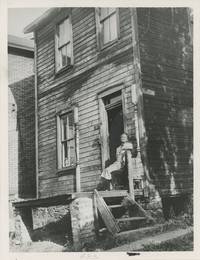
1952réf. List2814Homestead Pennsylvania 1952. 7 x 9 inch photograph. International News Photos and Tribune 4th Edition stamps verso with newspaper clipping. Marked “623” in pencil recto. Fine. Olive Moorefield b.1932 is an American opera singer and theater and film actress from Homestead Pennsylvania. As the newspaper clipping on the back of this photograph—from very early in Moorefield’s career—explains “She had earned $22 by baby sitting and decided to go to New York in hopes of auditioning for a play. She was given a try at a part in ‘My Darlin’ Aida’ . She made the grade”. Following Aida she was brought to Vienna by the US Information Service to sing for servicemen and would go on to sing for the Vienna Volksoper Oper Frankfurt Schauspielhaus Zürich and others. She would also star in a number of German and Viennese films. Offered here is a photograph of Moorefield’s mother sitting on the porch of Moorefield’s childhood home. The clipping states that her mother “urged her to try for the part” of Lolly in Aida. unknown
1952réf. List2814Homestead Pennsylvania 1952. 7 x 9 inch photograph. International News Photos and Tribune 4th Edition stamps verso with newspaper clipping. Marked “623” in pencil recto. Fine. Olive Moorefield b.1932 is an American opera singer and theater and film actress from Homestead Pennsylvania. As the newspaper clipping on the back of this photograph—from very early in Moorefield’s career—explains “She had earned $22 by baby sitting and decided to go to New York in hopes of auditioning for a play. She was given a try at a part in ‘My Darlin’ Aida’ . She made the grade”. Following Aida she was brought to Vienna by the US Information Service to sing for servicemen and would go on to sing for the Vienna Volksoper Oper Frankfurt Schauspielhaus Zürich and others. She would also star in a number of German and Viennese films. Offered here is a photograph of Moorefield’s mother sitting on the porch of Moorefield’s childhood home. The clipping states that her mother “urged her to try for the part” of Lolly in Aida. unknown books
1972réf. AG-10060Beijing: Published by Foreign Language Press 1972 FIRST EDITION the January 1972 Script Revised by the Song of the Dragon River Group of Shanghai. Started with Quotation from Chairman Mao on the first page large 8vo xii 44 pp. 12 colophon fine condition fine condition 北京:外语出版社出版,1972年第一版,由上海《龙江颂》改编,开头带有毛主席语录。本册共44页12页彩色舞å°ç…§ç‰‡ï¼Œå“相éžå¸¸å¥½ã€‚ In China revolutionary operas or model operas Chinese: yangban xi æ ·æ¿æˆ were a series of shows planned and engineered during the Cultural Revolution 1966–1976 by Jiang Qing the wife of Chairman Mao Zedong.1 They were considered revolutionary and modern in terms of thematic and musical features when compared with traditional Chinese operas. Many of them were adapted to film. Originally eight revolutionary operas Chinese: Ba Ge Yangban Xi å…«ä¸ªæ ·æ¿æˆ were produced eighteen by the end of the period. Instead of the "emperors kings generals chancellors maidens and beauties" of the traditional Peking opera which was banned as "feudalistic and bourgeois" they told stories from China's recent revolutionary struggles against foreign and class enemies. They glorified the People's Liberation Army and the bravery of the common people and showed Mao Zedong and his thought as playing the central role in the victory of socialism in China. Although they originated as operas they soon appeared on LPs in comic books lianhuanhua on posters postcards and stamps; on plates teapots wash basins cigarette packages vases and calendars. They were performed or played from loudspeakers in schools factories and fields by special performing troupes. The Eight Model Operas dominated the stage in all parts of the country during these years leading to the joke "Eight hundred million people watched eight shows." æœ¬å‰§æœ¬å±žäºŽæ–‡é©æ—¶æœŸçš„å…«å¤§æ ·æ¿æˆï¼Œç”±æ¯›ä¸»å¸å¤«äººæ±Ÿé’è´Ÿè´£åˆ¶ä½œå’Œæ¼”å‡ºã€‚å¾ˆå¤šè¢«æ‹æˆäº†ç”µå½±ã€‚ æœ€åˆæœ‰å…«ä¸ªæ ·æ¿æˆï¼ŒåŽæ¥åœ¨æ–‡é©æ—¶æœŸçš„åŽæœŸå‘展到了18个。ä¸åƒå› å°å»ºå’Œèµ„产阶级的被ç¦äº†çš„ä¼ ç»Ÿäº¬å‰§ï¼Œé‡Œé¢å‡ºçŽ°çš„ä¸çš„国王大臣少女和美人,é©å‘½çŽ°ä»£äº¬å‰§ä¸»è¦è®²è¿°ä¸å›½è¿‘å¹´æ¥çš„æŠ—战故事,宣扬人民解放军的光辉è£è€€å’Œæ¯›ä¸»å¸çš„è‹±å‹‡ã€‚è™½ç„¶æ˜¯äº¬å‰§ï¼Œå¾ˆå¿«å°±å˜æˆäº†å„ç§å½¢å¼å‡ºçŽ°åœ¨è¿žçŽ¯ç”»ã€æµ·æŠ¥ã€æ˜Žä¿¡ç‰‡ã€é‚®ç¥¨ã€é¦™çƒŸã€èŠ±ç“¶ã€æ—¥åކç‰å„ç§åœ°æ–¹ï¼Œç”¨æ‰©éŸ³å–‡ååœ¨å¦æ ¡ã€å·¥åŽ‚ç‰åœ°æ–¹ï¼Œç”±æ¼”出团进行表演。8ä¸ªæ ·æ¿æˆä¸»å¯¼äº†å…¨å›½æ‰€æœ‰çš„舞å°ï¼Œå› æ¤æœ‰äº†8亿人看8个剧的笑è¯ã€‚ Foreign Language Press
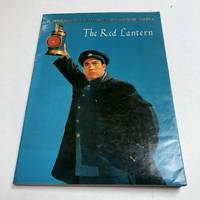
1971réf. AG-10059Beijing: Published by Foreign Language Press 1971 FIRST EDITION. The July 1970 Script Revised by "The Taking Tiger Mountain by Strategy" Group of Peking Opera Troupe of Shanghai. Large 8vo. XXX 113 6 pp. colophon with 3 pages Quotations from Chairman Mao. Printed pictorial wrappers minor tear to the foot edge of the front cover minor curled at the head edge of the front cover else very good condition. 北京:外文出版社出版,1971年第一版,由ä¸å›½äº¬å‰§å›¢æ ¹æ®1970年剧本è”åˆæ”¹ç¼–。å‰é¡µå¸¦æœ‰æ¯›ä¸»å¸è¯å½•。å°çš®é¡¶éƒ¨ç¨æœ‰ç£¨æŸï¼Œå…¶ä»–部分å“相éžå¸¸å¥½ã€‚ In China revolutionary operas or model operas Chinese: yangban xi æ ·æ¿æˆ were a series of shows planned and engineered during the Cultural Revolution 1966–1976 by Jiang Qing the wife of Chairman Mao Zedong.1 They were considered revolutionary and modern in terms of thematic and musical features when compared with traditional Chinese operas. Many of them were adapted to film. Originally eight revolutionary operas Chinese: Ba Ge Yangban Xi å…«ä¸ªæ ·æ¿æˆ were produced eighteen by the end of the period. Instead of the "emperors kings generals chancellors maidens and beauties" of the traditional Peking opera which was banned as "feudalistic and bourgeois" they told stories from China's recent revolutionary struggles against foreign and class enemies. They glorified the People's Liberation Army and the bravery of the common people and showed Mao Zedong and his thought as playing the central role in the victory of socialism in China. Although they originated as operas they soon appeared on LPs in comic books lianhuanhua on posters postcards and stamps; on plates teapots wash basins cigarette packages vases and calendars. They were performed or played from loudspeakers in schools factories and fields by special performing troupes. The Eight Model Operas dominated the stage in all parts of the country during these years leading to the joke "Eight hundred million people watched eight shows." æœ¬ç»„å‰§æœ¬å±žäºŽæ–‡é©æ—¶æœŸçš„å…«å¤§æ ·æ¿æˆï¼Œç”±æ¯›ä¸»å¸å¤«äººæ±Ÿé’è´Ÿè´£åˆ¶ä½œå’Œæ¼”å‡ºã€‚å¾ˆå¤šè¢«æ‹æˆäº†ç”µå½±ã€‚ æœ€åˆæœ‰å…«ä¸ªæ ·æ¿æˆï¼ŒåŽæ¥åœ¨æ–‡é©æ—¶æœŸçš„åŽæœŸå‘展到了18个。ä¸åƒå› å°å»ºå’Œèµ„产阶级的被ç¦äº†çš„ä¼ ç»Ÿäº¬å‰§ï¼Œé‡Œé¢å‡ºçŽ°çš„ä¸çš„国王大臣少女和美人,é©å‘½çŽ°ä»£äº¬å‰§ä¸»è¦è®²è¿°ä¸å›½è¿‘å¹´æ¥çš„æŠ—战故事,宣扬人民解放军的光辉è£è€€å’Œæ¯›ä¸»å¸çš„è‹±å‹‡ã€‚è™½ç„¶æ˜¯äº¬å‰§ï¼Œå¾ˆå¿«å°±å˜æˆäº†å„ç§å½¢å¼å‡ºçŽ°åœ¨è¿žçŽ¯ç”»ã€æµ·æŠ¥ã€æ˜Žä¿¡ç‰‡ã€é‚®ç¥¨ã€é¦™çƒŸã€èŠ±ç“¶ã€æ—¥åކç‰å„ç§åœ°æ–¹ï¼Œç”¨æ‰©éŸ³å–‡ååœ¨å¦æ ¡ã€å·¥åŽ‚ç‰åœ°æ–¹ï¼Œç”±æ¼”出团进行表演。8ä¸ªæ ·æ¿æˆä¸»å¯¼äº†å…¨å›½æ‰€æœ‰çš„舞å°ï¼Œå› æ¤æœ‰äº†8亿人看8个剧的笑è¯ã€‚ Foreign Language Press paperback
1972réf. AG-10058Beijing: Published by Foreign Language Press 1972 FIRST EDITION. The May 1970 Script Revised Collectively by China Peking Opera Troupe. Started with Quotation from Chairman Mao on the first page. Large 8vo. vii 98 1 pp. colophon printed pictorial wrappers very good condition. 北京:外文出版社出版,1972年第一版,由ä¸å›½äº¬å‰§å›¢æ ¹æ®1970年剧本è”åˆæ”¹ç¼–。å‰é¡µå¸¦æœ‰æ¯›ä¸»å¸è¯å½•。å“相éžå¸¸å¥½ã€‚ In China revolutionary operas or model operas Chinese: yangban xi æ ·æ¿æˆ were a series of shows planned and engineered during the Cultural Revolution 1966–1976 by Jiang Qing the wife of Chairman Mao Zedong.1 They were considered revolutionary and modern in terms of thematic and musical features when compared with traditional Chinese operas. Many of them were adapted to film. Originally eight revolutionary operas Chinese: Ba Ge Yangban Xi å…«ä¸ªæ ·æ¿æˆ were produced eighteen by the end of the period. Instead of the "emperors kings generals chancellors maidens and beauties" of the traditional Peking opera which was banned as "feudalistic and bourgeois" they told stories from China's recent revolutionary struggles against foreign and class enemies. They glorified the People's Liberation Army and the bravery of the common people and showed Mao Zedong and his thought as playing the central role in the victory of socialism in China. Although they originated as operas they soon appeared on LPs in comic books lianhuanhua on posters postcards and stamps; on plates teapots wash basins cigarette packages vases and calendars. They were performed or played from loudspeakers in schools factories and fields by special performing troupes. The Eight Model Operas dominated the stage in all parts of the country during these years leading to the joke "Eight hundred million people watched eight shows." æœ¬å‰§æœ¬å±žäºŽæ–‡é©æ—¶æœŸçš„å…«å¤§æ ·æ¿æˆï¼Œç”±æ¯›ä¸»å¸å¤«äººæ±Ÿé’è´Ÿè´£åˆ¶ä½œå’Œæ¼”å‡ºã€‚å¾ˆå¤šè¢«æ‹æˆäº†ç”µå½±ã€‚ æœ€åˆæœ‰å…«ä¸ªæ ·æ¿æˆï¼ŒåŽæ¥åœ¨æ–‡é©æ—¶æœŸçš„åŽæœŸå‘展到了18个。ä¸åƒå› å°å»ºå’Œèµ„产阶级的被ç¦äº†çš„ä¼ ç»Ÿäº¬å‰§ï¼Œé‡Œé¢å‡ºçŽ°çš„ä¸çš„国王大臣少女和美人,é©å‘½çŽ°ä»£äº¬å‰§ä¸»è¦è®²è¿°ä¸å›½è¿‘å¹´æ¥çš„æŠ—战故事,宣扬人民解放军的光辉è£è€€å’Œæ¯›ä¸»å¸çš„è‹±å‹‡ã€‚è™½ç„¶æ˜¯äº¬å‰§ï¼Œå¾ˆå¿«å°±å˜æˆäº†å„ç§å½¢å¼å‡ºçŽ°åœ¨è¿žçŽ¯ç”»ã€æµ·æŠ¥ã€æ˜Žä¿¡ç‰‡ã€é‚®ç¥¨ã€é¦™çƒŸã€èŠ±ç“¶ã€æ—¥åކç‰å„ç§åœ°æ–¹ï¼Œç”¨æ‰©éŸ³å–‡ååœ¨å¦æ ¡ã€å·¥åŽ‚ç‰åœ°æ–¹ï¼Œç”±æ¼”出团进行表演。8ä¸ªæ ·æ¿æˆä¸»å¯¼äº†å…¨å›½æ‰€æœ‰çš„舞å°ï¼Œå› æ¤æœ‰äº†8亿人看8个剧的笑è¯ã€‚ Foreign Language Press paperback
1972réf. AG-10060Beijing: Published by Foreign Language Press 1972 FIRST EDITION the January 1972 Script Revised by the Song of the Dragon River Group of Shanghai. Started with Quotation from Chairman Mao on the first page large 8vo xii 44 pp. 12 colophon fine condition fine condition 北京:外语出版社出版,1972年第一版,由上海《龙江颂》改编,开头带有毛主席语录。本册共44页12页彩色舞å°ç…§ç‰‡ï¼Œå“相éžå¸¸å¥½ã€‚ In China revolutionary operas or model operas Chinese: yangban xi æ ·æ¿æˆ were a series of shows planned and engineered during the Cultural Revolution 1966–1976 by Jiang Qing the wife of Chairman Mao Zedong.1 They were considered revolutionary and modern in terms of thematic and musical features when compared with traditional Chinese operas. Many of them were adapted to film. Originally eight revolutionary operas Chinese: Ba Ge Yangban Xi å…«ä¸ªæ ·æ¿æˆ were produced eighteen by the end of the period. Instead of the "emperors kings generals chancellors maidens and beauties" of the traditional Peking opera which was banned as "feudalistic and bourgeois" they told stories from China's recent revolutionary struggles against foreign and class enemies. They glorified the People's Liberation Army and the bravery of the common people and showed Mao Zedong and his thought as playing the central role in the victory of socialism in China. Although they originated as operas they soon appeared on LPs in comic books lianhuanhua on posters postcards and stamps; on plates teapots wash basins cigarette packages vases and calendars. They were performed or played from loudspeakers in schools factories and fields by special performing troupes. The Eight Model Operas dominated the stage in all parts of the country during these years leading to the joke "Eight hundred million people watched eight shows." æœ¬å‰§æœ¬å±žäºŽæ–‡é©æ—¶æœŸçš„å…«å¤§æ ·æ¿æˆï¼Œç”±æ¯›ä¸»å¸å¤«äººæ±Ÿé’è´Ÿè´£åˆ¶ä½œå’Œæ¼”å‡ºã€‚å¾ˆå¤šè¢«æ‹æˆäº†ç”µå½±ã€‚ æœ€åˆæœ‰å…«ä¸ªæ ·æ¿æˆï¼ŒåŽæ¥åœ¨æ–‡é©æ—¶æœŸçš„åŽæœŸå‘展到了18个。ä¸åƒå› å°å»ºå’Œèµ„产阶级的被ç¦äº†çš„ä¼ ç»Ÿäº¬å‰§ï¼Œé‡Œé¢å‡ºçŽ°çš„ä¸çš„国王大臣少女和美人,é©å‘½çŽ°ä»£äº¬å‰§ä¸»è¦è®²è¿°ä¸å›½è¿‘å¹´æ¥çš„æŠ—战故事,宣扬人民解放军的光辉è£è€€å’Œæ¯›ä¸»å¸çš„è‹±å‹‡ã€‚è™½ç„¶æ˜¯äº¬å‰§ï¼Œå¾ˆå¿«å°±å˜æˆäº†å„ç§å½¢å¼å‡ºçŽ°åœ¨è¿žçŽ¯ç”»ã€æµ·æŠ¥ã€æ˜Žä¿¡ç‰‡ã€é‚®ç¥¨ã€é¦™çƒŸã€èŠ±ç“¶ã€æ—¥åކç‰å„ç§åœ°æ–¹ï¼Œç”¨æ‰©éŸ³å–‡ååœ¨å¦æ ¡ã€å·¥åŽ‚ç‰åœ°æ–¹ï¼Œç”±æ¼”出团进行表演。8ä¸ªæ ·æ¿æˆä¸»å¯¼äº†å…¨å›½æ‰€æœ‰çš„舞å°ï¼Œå› æ¤æœ‰äº†8亿人看8个剧的笑è¯ã€‚ Foreign Language Press books
1971réf. AG-10059Beijing: Published by Foreign Language Press 1971 FIRST EDITION. The July 1970 Script Revised by "The Taking Tiger Mountain by Strategy" Group of Peking Opera Troupe of Shanghai. Large 8vo. XXX 113 6 pp. colophon with 3 pages Quotations from Chairman Mao. Printed pictorial wrappers minor tear to the foot edge of the front cover minor curled at the head edge of the front cover else very good condition. 北京:外文出版社出版,1971年第一版,由ä¸å›½äº¬å‰§å›¢æ ¹æ®1970年剧本è”åˆæ”¹ç¼–。å‰é¡µå¸¦æœ‰æ¯›ä¸»å¸è¯å½•。å°çš®é¡¶éƒ¨ç¨æœ‰ç£¨æŸï¼Œå…¶ä»–部分å“相éžå¸¸å¥½ã€‚ In China revolutionary operas or model operas Chinese: yangban xi æ ·æ¿æˆ were a series of shows planned and engineered during the Cultural Revolution 1966–1976 by Jiang Qing the wife of Chairman Mao Zedong.1 They were considered revolutionary and modern in terms of thematic and musical features when compared with traditional Chinese operas. Many of them were adapted to film. Originally eight revolutionary operas Chinese: Ba Ge Yangban Xi å…«ä¸ªæ ·æ¿æˆ were produced eighteen by the end of the period. Instead of the "emperors kings generals chancellors maidens and beauties" of the traditional Peking opera which was banned as "feudalistic and bourgeois" they told stories from China's recent revolutionary struggles against foreign and class enemies. They glorified the People's Liberation Army and the bravery of the common people and showed Mao Zedong and his thought as playing the central role in the victory of socialism in China. Although they originated as operas they soon appeared on LPs in comic books lianhuanhua on posters postcards and stamps; on plates teapots wash basins cigarette packages vases and calendars. They were performed or played from loudspeakers in schools factories and fields by special performing troupes. The Eight Model Operas dominated the stage in all parts of the country during these years leading to the joke "Eight hundred million people watched eight shows." æœ¬ç»„å‰§æœ¬å±žäºŽæ–‡é©æ—¶æœŸçš„å…«å¤§æ ·æ¿æˆï¼Œç”±æ¯›ä¸»å¸å¤«äººæ±Ÿé’è´Ÿè´£åˆ¶ä½œå’Œæ¼”å‡ºã€‚å¾ˆå¤šè¢«æ‹æˆäº†ç”µå½±ã€‚ æœ€åˆæœ‰å…«ä¸ªæ ·æ¿æˆï¼ŒåŽæ¥åœ¨æ–‡é©æ—¶æœŸçš„åŽæœŸå‘展到了18个。ä¸åƒå› å°å»ºå’Œèµ„产阶级的被ç¦äº†çš„ä¼ ç»Ÿäº¬å‰§ï¼Œé‡Œé¢å‡ºçŽ°çš„ä¸çš„国王大臣少女和美人,é©å‘½çŽ°ä»£äº¬å‰§ä¸»è¦è®²è¿°ä¸å›½è¿‘å¹´æ¥çš„æŠ—战故事,宣扬人民解放军的光辉è£è€€å’Œæ¯›ä¸»å¸çš„è‹±å‹‡ã€‚è™½ç„¶æ˜¯äº¬å‰§ï¼Œå¾ˆå¿«å°±å˜æˆäº†å„ç§å½¢å¼å‡ºçŽ°åœ¨è¿žçŽ¯ç”»ã€æµ·æŠ¥ã€æ˜Žä¿¡ç‰‡ã€é‚®ç¥¨ã€é¦™çƒŸã€èŠ±ç“¶ã€æ—¥åކç‰å„ç§åœ°æ–¹ï¼Œç”¨æ‰©éŸ³å–‡ååœ¨å¦æ ¡ã€å·¥åŽ‚ç‰åœ°æ–¹ï¼Œç”±æ¼”出团进行表演。8ä¸ªæ ·æ¿æˆä¸»å¯¼äº†å…¨å›½æ‰€æœ‰çš„舞å°ï¼Œå› æ¤æœ‰äº†8亿人看8个剧的笑è¯ã€‚ Foreign Language Press paperback books
1972réf. AG-10058Beijing: Published by Foreign Language Press 1972 FIRST EDITION. The May 1970 Script Revised Collectively by China Peking Opera Troupe. Started with Quotation from Chairman Mao on the first page. Large 8vo. vii 98 1 pp. colophon printed pictorial wrappers very good condition. 北京:外文出版社出版,1972年第一版,由ä¸å›½äº¬å‰§å›¢æ ¹æ®1970年剧本è”åˆæ”¹ç¼–。å‰é¡µå¸¦æœ‰æ¯›ä¸»å¸è¯å½•。å“相éžå¸¸å¥½ã€‚ In China revolutionary operas or model operas Chinese: yangban xi æ ·æ¿æˆ were a series of shows planned and engineered during the Cultural Revolution 1966–1976 by Jiang Qing the wife of Chairman Mao Zedong.1 They were considered revolutionary and modern in terms of thematic and musical features when compared with traditional Chinese operas. Many of them were adapted to film. Originally eight revolutionary operas Chinese: Ba Ge Yangban Xi å…«ä¸ªæ ·æ¿æˆ were produced eighteen by the end of the period. Instead of the "emperors kings generals chancellors maidens and beauties" of the traditional Peking opera which was banned as "feudalistic and bourgeois" they told stories from China's recent revolutionary struggles against foreign and class enemies. They glorified the People's Liberation Army and the bravery of the common people and showed Mao Zedong and his thought as playing the central role in the victory of socialism in China. Although they originated as operas they soon appeared on LPs in comic books lianhuanhua on posters postcards and stamps; on plates teapots wash basins cigarette packages vases and calendars. They were performed or played from loudspeakers in schools factories and fields by special performing troupes. The Eight Model Operas dominated the stage in all parts of the country during these years leading to the joke "Eight hundred million people watched eight shows." æœ¬å‰§æœ¬å±žäºŽæ–‡é©æ—¶æœŸçš„å…«å¤§æ ·æ¿æˆï¼Œç”±æ¯›ä¸»å¸å¤«äººæ±Ÿé’è´Ÿè´£åˆ¶ä½œå’Œæ¼”å‡ºã€‚å¾ˆå¤šè¢«æ‹æˆäº†ç”µå½±ã€‚ æœ€åˆæœ‰å…«ä¸ªæ ·æ¿æˆï¼ŒåŽæ¥åœ¨æ–‡é©æ—¶æœŸçš„åŽæœŸå‘展到了18个。ä¸åƒå› å°å»ºå’Œèµ„产阶级的被ç¦äº†çš„ä¼ ç»Ÿäº¬å‰§ï¼Œé‡Œé¢å‡ºçŽ°çš„ä¸çš„国王大臣少女和美人,é©å‘½çŽ°ä»£äº¬å‰§ä¸»è¦è®²è¿°ä¸å›½è¿‘å¹´æ¥çš„æŠ—战故事,宣扬人民解放军的光辉è£è€€å’Œæ¯›ä¸»å¸çš„è‹±å‹‡ã€‚è™½ç„¶æ˜¯äº¬å‰§ï¼Œå¾ˆå¿«å°±å˜æˆäº†å„ç§å½¢å¼å‡ºçŽ°åœ¨è¿žçŽ¯ç”»ã€æµ·æŠ¥ã€æ˜Žä¿¡ç‰‡ã€é‚®ç¥¨ã€é¦™çƒŸã€èŠ±ç“¶ã€æ—¥åކç‰å„ç§åœ°æ–¹ï¼Œç”¨æ‰©éŸ³å–‡ååœ¨å¦æ ¡ã€å·¥åŽ‚ç‰åœ°æ–¹ï¼Œç”±æ¼”出团进行表演。8ä¸ªæ ·æ¿æˆä¸»å¯¼äº†å…¨å›½æ‰€æœ‰çš„舞å°ï¼Œå› æ¤æœ‰äº†8亿人看8个剧的笑è¯ã€‚ Foreign Language Press paperback books
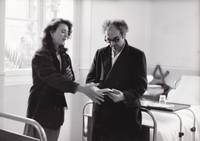
1986réf. 154238Paris: Interpress 1986. Vintage borderless reference photograph of Marushka Detmers and director Jean-Luc Godard on the set of the 1983 film. Loosely based on Georges Bizet's 1875 opera. A young woman involved in a terrorist gang is embroiled in a plan to rob a bank but her plans are waylaid when she falls for the security guard. Set and shot on location in Paris. 7 x 5 inches. Near Fine. Godard Histoires du Cinema. Interpress unknown
1986réf. 150041Paris: Interpress 1986. Vintage borderless reference photograph of Marushka Detmers from the 1983 film. Later printed French Interpress announcement with typos on verso. Loosely based on Georges Bizet's 1875 opera. A young woman involved in a terrorist gang is embroiled in a plan to rob a bank but her plans are waylaid when she falls for the security guard. Set and shot on location in Paris. 7 x 5 inches. Near Fine. Godard Histoires du Cinema. Interpress unknown
1986réf. 150041Paris: Interpress 1986. Vintage borderless reference photograph of Marushka Detmers from the 1983 film. Later printed French Interpress announcement with typos on verso. Loosely based on Georges Bizet's 1875 opera. A young woman involved in a terrorist gang is embroiled in a plan to rob a bank but her plans are waylaid when she falls for the security guard. Set and shot on location in Paris. 7 x 5 inches. Near Fine. Godard Histoires du Cinema. Interpress unknown books
1986réf. 154238Paris: Interpress 1986. Vintage borderless reference photograph of Marushka Detmers and director Jean-Luc Godard on the set of the 1983 film. Loosely based on Georges Bizet's 1875 opera. A young woman involved in a terrorist gang is embroiled in a plan to rob a bank but her plans are waylaid when she falls for the security guard. Set and shot on location in Paris. 7 x 5 inches. Near Fine. Godard Histoires du Cinema. Interpress unknown books