20,007 results
1985ref. 148425Ashton Tate 1985. Hardcover. Very Good. Version 1. 1. Illustrated by Metropolitan Opera Guild. Very good with 5 1/4" diskettes in slipcase. Ashton Tate hardcover books
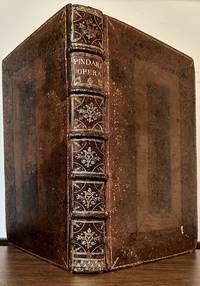
1697ref. 23479Oxford: Etheatro Sheldoniano 1697. leather_bound. Contemporary cambridge style binding in full brown calf. Very good. Folio6 A4-Ppp4 Qqq-Pppp Qqqq2-Zzzz2 Aaaaa-Mmmmm. The first English edition of the Greek text edited by Richard West & Robert Welsted. Engraved portrait of Pindar by M. Burghers facing the title page. DIBDIN II 289. "a beautiful and celebrated edition. on the whole we must allow that the editors of this magnificent work have taken infinite pains to bring together every thing which could illustrate and improve the reading of the poet". The editors compared the Mss held by the Bodleian with that of the Biblioteca Palatina. Engraved portrait of Pindar and large title page vignette by M. Burghers. Pindar c. 522 – c. 443 BC was an Ancient Greek lyric poet of the classical period from Thebes and the first Greek poet to reflect on the nature of poetry and on the poet's role. Errata. BRUNET IV p.659. Armorial bookplate. Raised bands spines richly gilt small front cover nick scrape lower front cover corner binding tight with leaves at end of text of Pindari Opera Omnia leaves Oooo-Mmmm toned. Etheatro Sheldoniano unknown books
2011ref. 263455Spoleto: Archivio Fotografico 2011. Two related items in a clever slipcase cum snap-closer box: largely captioned portrait and group photography b&w only in the Gian Carlo Menotti honor-fest vivid color in book devoted to Carla Fendi. Neither volume paginated Fendi's is lengthy and bound in laminated colorphoto boards the Menotti in openweave black cloth and dust jacket and much shorter. Item shows very classy upper-class doings the men in formal attire the women quite variously dressed there are g-strings for burly-que fun. Readers musically in tune will recognize many faces here this cataloguer was merely Oooo! Pavarotti! Both Menotti and Fendi make people open up; he for example is the only party host who ever publicly drew out Jackie Onassis' reserve; his congrats to her on RFK's win in the 1968 CA primary was met with her flairing "Why they will just kill him like they killed my husband" a remark that made European media but not here. Archivio Fotografico unknown books
1968ref. 215764San Francisco: the Club 1968. 36p. staplebound booklet 8.5x11 inches minor handling wear and dust soil. Includes photos of performers explanatory text and advertisements. the Club unknown books
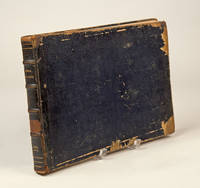
1838ref. 36247Girard: Naples 1838. Oblong quarto. Contemporary quarter dark brown calf with green textured paper boards decorative dark brown leather label to upper with "Costanza Angelillo" gilt spine in decorative compartments gilt. Occasional secondary pagination. Contains: Pacini Giovanni 1796-1867 Merope Grand Opera . arrangé pour Piano solo. PNs 8867-8879. Ca. 1848. 1f. recto title verso blank 1 list of subscribers as of 24 December 1847 18 numbers in piano score with occasional text. Subscribers include Filippo Angelillo in all likelihood related to Costanza Angelillo owner of the volume. Merope in 3 acts to a libretto by Cammarano after Voltaire was first performed in Naples at the Teatro S Carlo on 25 November 1847. Pacini Saffo . Souvenirs. Choeur de femmes. Musical manuscript. 1f. recto title on light green paper verso blank 6 pp. Donizetti Gaetano 1797-1848 Roberto Devereux . Représenté au théâtre Royal de St. Charles le 28 Octobre 1837 . L'opéra entier . D.2.50. . 1er -2ème cahier. 1f. recto title verso blank 3-19 i blank; 1f. recto title verso blank 18 pp. PNs 3939-3943. Ca. 1838. Donizetti No. 8. Cavatine PN 6045. Ca. 1843. 6 pp. 1f. From Don Pasquale. Donizetti Linda di Chamounix Nouvel opéra . arrangé pour piano solo. 1f. recto title verso blank. Cavatine O luce di quest' anima Ajoutée à Paris pour Mme. Persiani-Tacchinardi et chantée à Naples par Mme. Tadolini. 4 pp. PN 5863; No. 14 Air Final du 2ème Acte de Linda . A consolarmi affrettati Chanté par Mme. Tadolini. 8 pp. PN 5685. Ca. 1840. 2 numbers in total. Donizetti Lucia di Lammermoor. No. 4. Duo chanté par Mme. Tacchinardi et par Duprez. 9-18 pp. PN 3953; Grand opéra . arrangé par piano solo. 1f. recto title verso blank 9-15 i blank pp. PN 3962. Ca. 1838. 2 numbers in total. Verdi Giuseppe 1813-1901 I Due Foscari. No. 14 Choeur d'Introduction Allagioia. 4 pp. PN 6884; No. 2 Cavatine de Jacopo Dal più remoto esilio Chantée à Naples par Fraschini. 10 pp. PN 6875; No. 3 Choeur et Cavatine de Lucrezia Tu al cui sguardo Chantée à Naples par Mme. Bishop. 7 i blank pp. PN 6876; No. 6 Duo de Lucrezia et du Doge Tu pur lo sai Chanté à Naples par Mme. Bishop et Coletti. 9 i blank pp. PN 6879/ Ca. 1845. 4 numbers in total. Verdi Ernani . arrangé pour piano solo. 1f. recto title on light blue paper within decorative border verso blank. No. 12 Suite et Stretta No vendetta. 4 pp. PN 6647; No. 14 Duo final d'Ernani et de Silva Esci a te scegli segimi. 9 i blank pp. PN 6604; No. 15. Air final de Mme. Toldi Se crudele il cor mostrai. 4 pp. PNs 4312 3222; No. 3 Cavatine tyrolienne de Mme. Toldi In questo semplice. 7 i blank pp. PNs 4302 3221. 4 numbers in total. Bellini Vincenzo 1801-1835 I Puritani. No. 18 Duo Il rival salvar tu dei Chanté Par Tamburini et Lablache. 12 pp. PNs 4167 2765. Ca. 1842. 1 number in total. Mercadante Saverio 1795-1870 l Giuramento. . arrangé pour piano solo. 1f. recto title listing the 21 numbers in the opera verso blank No. 4. Quatuor Vicino a chi si adora. 5 i blank pp. PN 4115. Ca. 1847. 1 number in total. Binding very slightly worn rubbed and bumped. Occasional light foxing. A clean wide-margined copy overall. An attractively-bound collection. Naples unknown books
ref. 36029Includes works of Battista 5 Donizetti 6 Mercadante 7 Pacini 1 Petrella 1 and Verdi 1. With contemporary mansucript index to front free endpaper. Contents: BATTISTA Vincenzio 1823-1873 Ermelinda Dramma lirico in Quattro Atti di Domenico Bolognese. Monaco: Orlando e C. after 1850. - Duetto Signor Capitano. PN 599. 19 pp. - Coro alla danza. PN 600. 14 pp. - Terzettino Febo ei vieni. PN 606. 8 pp. - No. 13. Scena e Romanza. Partenopeo. PN 12093. 4 pp. Anna La Prie. Tragedia lirica di Nicola Leoncavallo. Napoli: Fabricatore e Co. ca. 1845. - Scena e cavatina Alboix. PN 105. 10 pp. DONIZETTI Gaetano 1797-1848 La Favorita Melodramma tragico in 4 atti Posto in musica pel Real teatro di Parigi. Napoli: Girard e Ci. ca. 1844. - Aria O mio Fernando. PN 5181. 9 pp. - Scena e Duetto Ah moio bene un Dio t'invia. PN 5185. 12 pp. - Quartettino Deh paventa il furor. PN 5197. 4 pp. - Scene e Duetto Ah va t'invo la e questa. PN 5184. 13 pp. Maria di Rohan Melodramma tragico in tre atti di S. Cammarano . Riduzione per Canto con accompo. di Pianoforte di C. Czerny. Milano: Giovanni Ricordi 1843 - N: 14. Scena e Freghier . No osoalzarcilumi! PN 14914HH. 6 pp. - Scena e Ballata . Cavalieri che veggio. Napoli: F. Fabricatore e C.; Palermo: R. Zerega. PN 146 ca. 1845. 7 pp. MERCADANTE Saverio 1795-1870 Violetta Opera semiseria in 4 Atti . Rappresentata per la prima volta nel Teatro Nuovo di Napoli li 10 Gennajo 1853. Napoli: Partenopeo ca. 1856-60. - No. 22. Rondo Finale. PN 10756. 10 pp. Virginia Tragedia Lirica in tre atti di S. Cammarano . Rappresenta per la prima volta nel R. Teatro S. Carlo di Napoli il 7 Apr. 1866. Napoli: T. Cottrau ca. 1866. - No. 10. Preghiera di Virginia. PN 14610. 4 pp. - No. 14. Terzetto di Virginia Appio ed Icilio. PN 14614. 8 pp. Stratira opera tragica in tre Atti. Esuguita nel R. Teatro di S. Carlo li 8 Gennajo 1853. Poesie di Domenico Bolognese. Napoli: Partenopea ca. 1866. - No. 3. Scena e cavatina Cassandro. PN 10757. 15 pp. - No. 14. Romanza Cassandro. PN 10758. 4 pp. Orazi e Curiaze Tragedia lirica in 3 atti di S. Cammarano. Posta in musica per il Teatro di S. Carlo ov'é stata rappresentata á 10 Novembre 1846. Napoli: Girard ca. 1846 - No. 2. Scena Romanza e Cavatina. PN 7555. 14 pp. - No. 13. Scena Preghiera ed Aria Finale. PNs 7565 7560 7567. 13 pp. Later issue of ca. 1856-60. PACINI Giovanni 1796-1867 Malvina di Scozia. Opera in 3 acts Grande Scena Preghiera ed aria. L'orror mi rese immobile. Napoli: Fabricatore e C. PN 725 ca. 1852. 19 pp. PETRELLA Errico 1813-1877 Elena di Tolosa. Melodramma in tre Atti. Eseguito nel R. Teatro del Fondo li 112 Agosto 1852. Poesia di Domenico Bolognese. Napoli: Successori della Ditta Girard ca. 1852. - No. 6. Duetto. Dembra mesta! . male! male! PN 10466. 14 pp. VERDI Giuseppe 1813-1901 Rigoletto. Melodramma di F.M. Piave. Milano: Giovanni Ricordi after 1852 - No. 9. Scena ed Aria "Coro nome che'il mio cor." PN N23079N. 7 i list of publisher's plate numbers for excerpts of piano-vocal piano 2-hands and piano 4-hands pieces pp. Oblong folio. 19th century black leather-backed boards. Binding somewhat worn and abraided; joints split. Occasional minor wear and soiling; some small tears. In very good condition overall. An interesting collection of scarce mostly Neapolitan imprints in all likelihood associated with contemporary performances. unknown books
ref. 30832Executed in ink pencil gouache and silver paint on wove paper. Unsigned but with monogrammatic handstamp to lower left corner. With annotations in ink in Russian relative to various parts of the costume. 13.125" x 8.75" 332 x 222 mm. Slightly worn and soiled; some edge tears and repairs; upper right corner with erasure resulting in minor paper loss. Korovine designed costumes for productions of Russian operas including Borodin's Prince Igor Mussorgsky's Khovanshchina and Rimsky-Korsakov's Sadko and Le Coq d'Or. "Konstantine Korovine is one of the most famous of Russia's twentieth-century stage designers . He made his debut as a theatrical painter in 1885 when he executed the sets and costumes for the production of Snegurochka at Savva Mamontov's Private Opera after Vasnetsov's designs and thereafter he emerged rapidly as an independent stage designer - decorating according to one souce 80 operas 37 ballets and 17 dramas during his lifetime. Korovine brought to the Russian stage a vibrancy and richness that was lacking in the traditional Imperial theaters . He felt more at ease when called upon to design operas and ballets treating of Russian history and legend such as Prince Igor Sadko and The Golden Cockerel and he designed sets and costumes for such spectacles at home and abroad." Bowlt: Russian Stage Design Scenic Innovation 1900-1930 from the Collection of Mr. & Mrs. Nikita D. Lobanov-Rostovsky pp. 175-176. Provenance: MacDougall Arts Ltd. London auction June 9 2011 lot 413 catalogue p. 17. unknown books
1980ref. 277981980. Quarto. Original pictorial wrappers printed in colour. 32 pp. Includes an essay on the company the stage the music and the actors by A.C. Scott together with synopses of operas in the repertoire. With photographic illustrations in colour and black-and-white throughout. Slightly worn. unknown books
1980ref. 41218NY:: Cambridge University Press. Fine in Near Fine dust jacket. 1980. Hardcover. 0521229111 . Translated from the Italian and edited by Roger Parker. First edition thus. Fine in a near fine one short closed edge tear dust jacket. . Cambridge University Press, hardcover books
1991ref. 38360North Pomfret:: Trafalgar Square Publishing. Near Fine in Near Fine dust jacket. 1991. Hardcover. 0943955335 . First American edition. Remainder mark on top edge else near fine in a near fine dust jacket. . Trafalgar Square Publishing, hardcover books
2000ref. 40471NY:: St. Martin's. Fine in Fine dust jacket. 2000. Hardcover. 0312244185 . Part of The New Grove Composers Series. First edition. Fine in a fine dust jacket. . St. Martin's, hardcover books
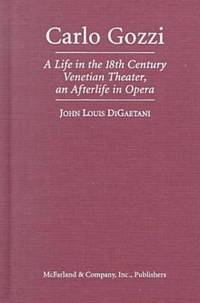
2000ref. 23461Jefferson: Mcfarland & Company. Fine. 2000. Hardcover. 0786400773 . First edition. Fine in red cloth. No dust jacket. . Mcfarland & Company hardcover books
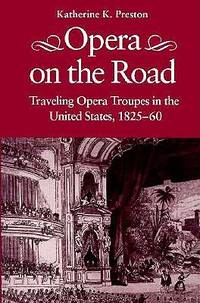
1993ref. 23688Urbana: University of Illinois Press. As New in As New dust jacket. 1993. Hardcover. 0252019741 . First printing. As new in like dust jacket. . University of Illinois Press hardcover books
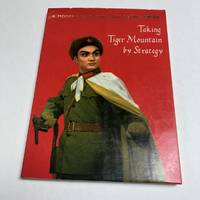
1971ref. AG-10059Beijing: Published by Foreign Language Press 1971 FIRST EDITION. The July 1970 Script Revised by "The Taking Tiger Mountain by Strategy" Group of Peking Opera Troupe of Shanghai. Large 8vo. XXX 113 6 pp. colophon with 3 pages Quotations from Chairman Mao. Printed pictorial wrappers minor tear to the foot edge of the front cover minor curled at the head edge of the front cover else very good condition. 北京:外文出版社出版,1971年第一版,由ä¸å›½äº¬å‰§å›¢æ ¹æ®1970年剧本è”åˆæ”¹ç¼–。å‰é¡µå¸¦æœ‰æ¯›ä¸»å¸è¯å½•。å°çš®é¡¶éƒ¨ç¨æœ‰ç£¨æŸï¼Œå…¶ä»–部分å“相éžå¸¸å¥½ã€‚ In China revolutionary operas or model operas Chinese: yangban xi æ ·æ¿æˆ were a series of shows planned and engineered during the Cultural Revolution 1966–1976 by Jiang Qing the wife of Chairman Mao Zedong.1 They were considered revolutionary and modern in terms of thematic and musical features when compared with traditional Chinese operas. Many of them were adapted to film. Originally eight revolutionary operas Chinese: Ba Ge Yangban Xi å…«ä¸ªæ ·æ¿æˆ were produced eighteen by the end of the period. Instead of the "emperors kings generals chancellors maidens and beauties" of the traditional Peking opera which was banned as "feudalistic and bourgeois" they told stories from China's recent revolutionary struggles against foreign and class enemies. They glorified the People's Liberation Army and the bravery of the common people and showed Mao Zedong and his thought as playing the central role in the victory of socialism in China. Although they originated as operas they soon appeared on LPs in comic books lianhuanhua on posters postcards and stamps; on plates teapots wash basins cigarette packages vases and calendars. They were performed or played from loudspeakers in schools factories and fields by special performing troupes. The Eight Model Operas dominated the stage in all parts of the country during these years leading to the joke "Eight hundred million people watched eight shows." æœ¬ç»„å‰§æœ¬å±žäºŽæ–‡é©æ—¶æœŸçš„å…«å¤§æ ·æ¿æˆï¼Œç”±æ¯›ä¸»å¸å¤«äººæ±Ÿé’è´Ÿè´£åˆ¶ä½œå’Œæ¼”å‡ºã€‚å¾ˆå¤šè¢«æ‹æˆäº†ç”µå½±ã€‚ æœ€åˆæœ‰å…«ä¸ªæ ·æ¿æˆï¼ŒåŽæ¥åœ¨æ–‡é©æ—¶æœŸçš„åŽæœŸå‘展到了18个。ä¸åƒå› å°å»ºå’Œèµ„产阶级的被ç¦äº†çš„ä¼ ç»Ÿäº¬å‰§ï¼Œé‡Œé¢å‡ºçŽ°çš„ä¸çš„国王大臣少女和美人,é©å‘½çŽ°ä»£äº¬å‰§ä¸»è¦è®²è¿°ä¸å›½è¿‘å¹´æ¥çš„æŠ—战故事,宣扬人民解放军的光辉è£è€€å’Œæ¯›ä¸»å¸çš„è‹±å‹‡ã€‚è™½ç„¶æ˜¯äº¬å‰§ï¼Œå¾ˆå¿«å°±å˜æˆäº†å„ç§å½¢å¼å‡ºçŽ°åœ¨è¿žçŽ¯ç”»ã€æµ·æŠ¥ã€æ˜Žä¿¡ç‰‡ã€é‚®ç¥¨ã€é¦™çƒŸã€èŠ±ç“¶ã€æ—¥åކç‰å„ç§åœ°æ–¹ï¼Œç”¨æ‰©éŸ³å–‡ååœ¨å¦æ ¡ã€å·¥åŽ‚ç‰åœ°æ–¹ï¼Œç”±æ¼”出团进行表演。8ä¸ªæ ·æ¿æˆä¸»å¯¼äº†å…¨å›½æ‰€æœ‰çš„舞å°ï¼Œå› æ¤æœ‰äº†8亿人看8个剧的笑è¯ã€‚ Foreign Language Press paperback books
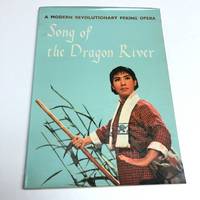
1972ref. AG-10060Beijing: Published by Foreign Language Press 1972 FIRST EDITION the January 1972 Script Revised by the Song of the Dragon River Group of Shanghai. Started with Quotation from Chairman Mao on the first page large 8vo xii 44 pp. 12 colophon fine condition fine condition 北京:外语出版社出版,1972年第一版,由上海《龙江颂》改编,开头带有毛主席语录。本册共44页12页彩色舞å°ç…§ç‰‡ï¼Œå“相éžå¸¸å¥½ã€‚ In China revolutionary operas or model operas Chinese: yangban xi æ ·æ¿æˆ were a series of shows planned and engineered during the Cultural Revolution 1966–1976 by Jiang Qing the wife of Chairman Mao Zedong.1 They were considered revolutionary and modern in terms of thematic and musical features when compared with traditional Chinese operas. Many of them were adapted to film. Originally eight revolutionary operas Chinese: Ba Ge Yangban Xi å…«ä¸ªæ ·æ¿æˆ were produced eighteen by the end of the period. Instead of the "emperors kings generals chancellors maidens and beauties" of the traditional Peking opera which was banned as "feudalistic and bourgeois" they told stories from China's recent revolutionary struggles against foreign and class enemies. They glorified the People's Liberation Army and the bravery of the common people and showed Mao Zedong and his thought as playing the central role in the victory of socialism in China. Although they originated as operas they soon appeared on LPs in comic books lianhuanhua on posters postcards and stamps; on plates teapots wash basins cigarette packages vases and calendars. They were performed or played from loudspeakers in schools factories and fields by special performing troupes. The Eight Model Operas dominated the stage in all parts of the country during these years leading to the joke "Eight hundred million people watched eight shows." æœ¬å‰§æœ¬å±žäºŽæ–‡é©æ—¶æœŸçš„å…«å¤§æ ·æ¿æˆï¼Œç”±æ¯›ä¸»å¸å¤«äººæ±Ÿé’è´Ÿè´£åˆ¶ä½œå’Œæ¼”å‡ºã€‚å¾ˆå¤šè¢«æ‹æˆäº†ç”µå½±ã€‚ æœ€åˆæœ‰å…«ä¸ªæ ·æ¿æˆï¼ŒåŽæ¥åœ¨æ–‡é©æ—¶æœŸçš„åŽæœŸå‘展到了18个。ä¸åƒå› å°å»ºå’Œèµ„产阶级的被ç¦äº†çš„ä¼ ç»Ÿäº¬å‰§ï¼Œé‡Œé¢å‡ºçŽ°çš„ä¸çš„国王大臣少女和美人,é©å‘½çŽ°ä»£äº¬å‰§ä¸»è¦è®²è¿°ä¸å›½è¿‘å¹´æ¥çš„æŠ—战故事,宣扬人民解放军的光辉è£è€€å’Œæ¯›ä¸»å¸çš„è‹±å‹‡ã€‚è™½ç„¶æ˜¯äº¬å‰§ï¼Œå¾ˆå¿«å°±å˜æˆäº†å„ç§å½¢å¼å‡ºçŽ°åœ¨è¿žçŽ¯ç”»ã€æµ·æŠ¥ã€æ˜Žä¿¡ç‰‡ã€é‚®ç¥¨ã€é¦™çƒŸã€èŠ±ç“¶ã€æ—¥åކç‰å„ç§åœ°æ–¹ï¼Œç”¨æ‰©éŸ³å–‡ååœ¨å¦æ ¡ã€å·¥åŽ‚ç‰åœ°æ–¹ï¼Œç”±æ¼”出团进行表演。8ä¸ªæ ·æ¿æˆä¸»å¯¼äº†å…¨å›½æ‰€æœ‰çš„舞å°ï¼Œå› æ¤æœ‰äº†8亿人看8个剧的笑è¯ã€‚ Foreign Language Press books
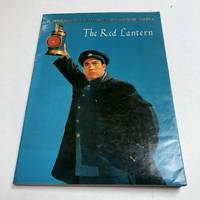
1972ref. AG-10058Beijing: Published by Foreign Language Press 1972 FIRST EDITION. The May 1970 Script Revised Collectively by China Peking Opera Troupe. Started with Quotation from Chairman Mao on the first page. Large 8vo. vii 98 1 pp. colophon printed pictorial wrappers very good condition. 北京:外文出版社出版,1972年第一版,由ä¸å›½äº¬å‰§å›¢æ ¹æ®1970年剧本è”åˆæ”¹ç¼–。å‰é¡µå¸¦æœ‰æ¯›ä¸»å¸è¯å½•。å“相éžå¸¸å¥½ã€‚ In China revolutionary operas or model operas Chinese: yangban xi æ ·æ¿æˆ were a series of shows planned and engineered during the Cultural Revolution 1966–1976 by Jiang Qing the wife of Chairman Mao Zedong.1 They were considered revolutionary and modern in terms of thematic and musical features when compared with traditional Chinese operas. Many of them were adapted to film. Originally eight revolutionary operas Chinese: Ba Ge Yangban Xi å…«ä¸ªæ ·æ¿æˆ were produced eighteen by the end of the period. Instead of the "emperors kings generals chancellors maidens and beauties" of the traditional Peking opera which was banned as "feudalistic and bourgeois" they told stories from China's recent revolutionary struggles against foreign and class enemies. They glorified the People's Liberation Army and the bravery of the common people and showed Mao Zedong and his thought as playing the central role in the victory of socialism in China. Although they originated as operas they soon appeared on LPs in comic books lianhuanhua on posters postcards and stamps; on plates teapots wash basins cigarette packages vases and calendars. They were performed or played from loudspeakers in schools factories and fields by special performing troupes. The Eight Model Operas dominated the stage in all parts of the country during these years leading to the joke "Eight hundred million people watched eight shows." æœ¬å‰§æœ¬å±žäºŽæ–‡é©æ—¶æœŸçš„å…«å¤§æ ·æ¿æˆï¼Œç”±æ¯›ä¸»å¸å¤«äººæ±Ÿé’è´Ÿè´£åˆ¶ä½œå’Œæ¼”å‡ºã€‚å¾ˆå¤šè¢«æ‹æˆäº†ç”µå½±ã€‚ æœ€åˆæœ‰å…«ä¸ªæ ·æ¿æˆï¼ŒåŽæ¥åœ¨æ–‡é©æ—¶æœŸçš„åŽæœŸå‘展到了18个。ä¸åƒå› å°å»ºå’Œèµ„产阶级的被ç¦äº†çš„ä¼ ç»Ÿäº¬å‰§ï¼Œé‡Œé¢å‡ºçŽ°çš„ä¸çš„国王大臣少女和美人,é©å‘½çŽ°ä»£äº¬å‰§ä¸»è¦è®²è¿°ä¸å›½è¿‘å¹´æ¥çš„æŠ—战故事,宣扬人民解放军的光辉è£è€€å’Œæ¯›ä¸»å¸çš„è‹±å‹‡ã€‚è™½ç„¶æ˜¯äº¬å‰§ï¼Œå¾ˆå¿«å°±å˜æˆäº†å„ç§å½¢å¼å‡ºçŽ°åœ¨è¿žçŽ¯ç”»ã€æµ·æŠ¥ã€æ˜Žä¿¡ç‰‡ã€é‚®ç¥¨ã€é¦™çƒŸã€èŠ±ç“¶ã€æ—¥åކç‰å„ç§åœ°æ–¹ï¼Œç”¨æ‰©éŸ³å–‡ååœ¨å¦æ ¡ã€å·¥åŽ‚ç‰åœ°æ–¹ï¼Œç”±æ¼”出团进行表演。8ä¸ªæ ·æ¿æˆä¸»å¯¼äº†å…¨å›½æ‰€æœ‰çš„舞å°ï¼Œå› æ¤æœ‰äº†8亿人看8个剧的笑è¯ã€‚ Foreign Language Press paperback books
1818ref. D7301Leipzig: Breitkopf & Härtel 1818. Hardcover. Very Good. Oblong folio 330 x 240mm. 184 pages. Complete vocal score. Notated music. Added engraved title page: Il dissoluto punito; osia Il Don Giovanni. Dramma giocoso in due Atti posto in Musica da Wolfgang Amadeus Mozart. Ridotto per il Pianoforte da A.E. Müller with vignette of Don Giovanni scene by Fr. Bolt after Kininger Pr. 4 Rthlr. Italian-German text. Richly bound in crushed green morocco handsomely gilt with device of lyre and central lozenge on front and rear covers spine done in the same and lettered in gilt Don Juan Mozart speckled edges; toned and only lightly foxed few pages margins lightly torn or with paper repairs not frequent good with all with engraved music otherwise. 1818 Leipzig printing for the vocal score of Mozarts famous opera Don Giovanni. Italian librettos were translated into German owing to the growing popularity of opera in Germany during the last decade of the 18th century; contemporary to Mozarts death in 1791. Mozart immediately accepted at least the title under which on of his works would become known in the German-speaking countries: writing home on 3 October 1790 he reported on Tuesday the theatrical company of the elector of Mainz are performing my Don Juan. German communities variously received Mozarts operas; the battle between the aristocratic and bourgeois audiences raged to and fro. When Don Juan played for the first time in the Frankfurt theater it was deemed suitable for the general public but not for its educated section. Yet the critics could all concede of Mozarts popularity and that the subject matter turned the heads of the public. This fine well-preserved dual text is an early and complete keyboard transcription of the opera. It gives Lorenzo da Ponte's original Italian with the German translation by Schröder underneath. Excellent piece of music history and staple of the standard operatic repertoire. Breitkopf & Härtel hardcover books
ref. B197408-1Paris 1991. 144 4pp. Prof. illus. Sm. 4to. Wraps. Program and libretto. Paris, 1991. paperback books
ref. B197409-1Paris 1994. 169 11pp. Prof. illus. in color. Lrg. 8vo. Wraps. Libretto illustrated with Wilson designs for sets and costumes for the 1994/1995 production. Program 20pp. loosely inserted as issued. Paris, 1994. paperback books
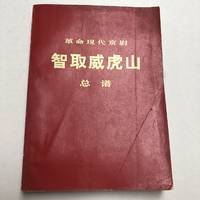
1971ref. AG10051Beijing: Published by People's Publishing House printed by Beijing Xinhua Printing Factory distributed by Xinhua Bookstore August 1971 FIRST EDITION. The July 1970 Script Revised and Performed Collectively by Shanghai Peking Opera Troupe. 8vo. xii 425 3 pp. Colophon. Quotations from Chinaman Mao on the second and third page. Printed red tilted wrappers minor crease to the cover minor tear to the foot of the binding else fine condition. 《智å–å¨è™Žå±±ã€‹æ€»è°± 北京: 人民出版社出版,å‰2页带有毛主席语录,1971年8月出版,由上海京剧团《智å–å¨è™Žå±±ã€‹å‰§ç»„改å˜é›†ä½“演出,1970年演出本。第一版第一å°ã€‚å°çš®ç¨å¾®æœ‰åˆ’痕,其他完好。 In China revolutionary operas or model operas Chinese: yangban xi æ ·æ¿æˆ were a series of shows planned and engineered during the Cultural Revolution 1966–1976 by Jiang Qing the wife of Chairman Mao Zedong.1 They were considered revolutionary and modern in terms of thematic and musical features when compared with traditional Chinese operas. Many of them were adapted to film. Originally eight revolutionary operas Chinese: Ba Ge Yangban Xi å…«ä¸ªæ ·æ¿æˆ were produced eighteen by the end of the period. Instead of the "emperors kings generals chancellors maidens and beauties" of the traditional Peking opera which was banned as "feudalistic and bourgeois" they told stories from China's recent revolutionary struggles against foreign and class enemies. They glorified the People's Liberation Army and the bravery of the common people and showed Mao Zedong and his thought as playing the central role in the victory of socialism in China. Although they originated as operas they soon appeared on LPs in comic books lianhuanhua on posters postcards and stamps; on plates teapots wash basins cigarette packages vases and calendars. They were performed or played from loudspeakers in schools factories and fields by special performing troupes. The Eight Model Operas dominated the stage in all parts of the country during these years leading to the joke "Eight hundred million people watched eight shows." æœ¬å‰§æ˜¯æ–‡é©æ—¶æœŸçš„å…«å¤§æ ·æ¿æˆä¹‹ä¸€ã€Šæ™ºå–å¨è™Žå±±ã€‹ï¼Œç”±æ¯›ä¸»å¸å¤«äººæ±Ÿé’è´Ÿè´£åˆ¶ä½œå’Œæ¼”å‡ºã€‚å¾ˆå¤šè¢«æ‹æˆäº†ç”µå½±ã€‚ æœ€åˆæœ‰å…«ä¸ªæ ·æ¿æˆï¼ŒåŽæ¥åœ¨æ–‡é©æ—¶æœŸçš„åŽæœŸå‘展到了18个。ä¸åƒå› å°å»ºå’Œèµ„产阶级的被ç¦äº†çš„ä¼ ç»Ÿäº¬å‰§ï¼Œé‡Œé¢å‡ºçŽ°çš„ä¸çš„国王大臣少女和美人,é©å‘½çŽ°ä»£äº¬å‰§ä¸»è¦è®²è¿°ä¸å›½è¿‘å¹´æ¥çš„æŠ—战故事,宣扬人民解放军的光辉è£è€€å’Œæ¯›ä¸»å¸çš„è‹±å‹‡ã€‚è™½ç„¶æ˜¯äº¬å‰§ï¼Œå¾ˆå¿«å°±å˜æˆäº†å„ç§å½¢å¼å‡ºçŽ°åœ¨è¿žçŽ¯ç”»ã€æµ·æŠ¥ã€æ˜Žä¿¡ç‰‡ã€é‚®ç¥¨ã€é¦™çƒŸã€èŠ±ç“¶ã€æ—¥åކç‰å„ç§åœ°æ–¹ï¼Œç”¨æ‰©éŸ³å–‡ååœ¨å¦æ ¡ã€å·¥åŽ‚ç‰åœ°æ–¹ï¼Œç”±æ¼”出团进行表演。8ä¸ªæ ·æ¿æˆä¸»å¯¼äº†å…¨å›½æ‰€æœ‰çš„舞å°ï¼Œå› æ¤æœ‰äº†8亿人共看8个剧的笑è¯ã€‚ People’s Publishing House paperback books
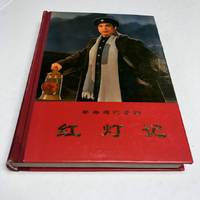
1972ref. AG-10057The Red Lantern Script红ç¯è®° Hong Deng Ji Beijing: Published by People's Publishing House printed by Beijing Xinhua Printing Factory distributed by Xinhua Bookstore Beijing Distributing Agency February 1972 FIRST EDITION 8vo. The May 1970 Script Revised Collectively by the China Peking Opera Troupe. iv374 pp. colophon consists of scripts stage photos selected theme score stage action instructions and designs beginning with quotations from Chairman Mao on the second and third pages printed pictorial stiff cover wrappers fine condition. 京剧《红ç¯è®°ã€‹å‰§æœ¬ 北京:人民出版社出版,中国京剧团集体制作,基于1970年五月演出本,1970年12月第一版,书的å‰ä¸¤é¡µæœ‰æ¯›ä¸»å¸è¯å½•,共374页主体内容。精装,å“相éžå¸¸å¥½ã€‚ People’s Publishing House hardcover books
1960ref. 88091CULTURAL REVOLUTION MODEL OPERA Manuscript Ledger Master Inventory: General Record of Stage Props for a traveling Chinese theatrical repertory company introducing Revolutionary Opera into its program including costs for creating silk stage props sets costumes and scenery with various paper slip receipts some loose dated from 1963 to 1969. Oblong album measuring 7-3/4 x 10-5/8 inches contents with 20 numbered leaves of double-sided ruled ledger; bound in brown cloth-backed plain light blue paper board with lettered pink paper label decorative pattern endpapers originally with ribbon-tied spine now lost contents loose. Includes entries for the revolutionary opera Taking Tiger Mountain 1968 with one entry bearing signature of Wang Xiu Wen dated 12 September 1967. Includes a pink silk armband laid into the album inscribed "Mei Ying Shan" which could be translated as Huaying Mountain. https://www.youtube.com/watchv=cjE0LDNycE8 There is also reference to a 1961 novel which the Bejing Film Studio made into a movie called Lie Huo Zhong Yong Sheng Living Forever in Burning Flame its IMDB title translated as Red Crag based partly on fact by Chinese authors Luo Guangbin and Yang Yiyan former inmates in a Kuomintang prison in Sichuan. It was set in Chongqing during the Chinese Civil War 1949 and featured underground communist agents under the command of Zhou Enlai fighting an espionage battle against the Kuomintang. The story takes place in Huaying Mountain. hardcover books
1902ref. 76699Lebanon Ohio: Patriot Print. Very Good. 1902. Softcover. This program is soft-bound in tan wrappers with gilt printing to the upper cover. The covers show light toning and wear to the edges. The white ribbon binding is solid. The contents are bright and clean. This item is scarce in the trade. . Patriot Print. paperback books
1965ref. 951New York: Viking Press 1965. Hardcover. Very Good/very good. Illus. Folio. The Metropolitan Opera Co. in New York. Viking Press hardcover books
1927ref. D12058Milan 1927. Ephemera. Very Good. Broadside advertisements for the performance of "Piccolo Harem" at Teatro Manzoni 4 large printed in color; 7 handwritten letters by Costa 5 of them signed with content related to the drama; 78-pp. typescript of the play in French "Petit Harem" signed by Costa; and 7 contemporary newspapers containing reviews. Condition is VG or better. The broadsides are particularly striking -- some flattened creases from folding but boldly designed and colors remain bright would display nicely. unknown books