Oil Refinery; IndustrialismBiblio.com
1699 risultati
1945rif. 232411945. Oil refinery photo archive documenting refinery labor plant operations and worker identity at Kern Oil in Southern California and Mid West Refineries in Grand Rapids Michigan in the immediate postwar years showing how petroleum production expanded through the daily work of identified laborers during the industrial reorganization that followed World War II. The group centers on the men who stood on the ground among cracking towers tank farms piping runs shop buildings and control areas. Postwar oil demand rose with civilian automobile use trucking suburban growth and military-industrial continuity and refineries became key sites where that expansion was made practical through skilled and semi-skilled labor shift work maintenance inspection and dangerous physical proximity to heat pressure fuel storage and heavy equipment. The archive records that system at worker level where industrial growth appears as crews posing beside process units inside service spaces and at small plant structures rather than as abstract production statistics. Photo archive of 26 silver gelatin photographs each 2.5" x 4.5" Kern Oil Southern California and Mid West Refineries Grand Rapids Michigan circa 1945-1949. Roughly half the images show refinery infrastructure with dense fields of distillation columns and stacks cylindrical tanks elevated piping steel frameworks service roads and storage areas; one dramatic view shows a damaged or collapsed horizontal tank or vessel within a twisted metal structure. A large painted sign reading "MID-WEST REFINERIES INC." advertises "GASOLINES / FUEL OILS / BURNER OILS / KEROSENE." Other views show broader plant grounds with horizontal storage tanks outbuildings and open yards. The remaining photographs focus on workers posed alone and in groups in overalls work shirts caps and brimmed hats standing beside towers near pipe runs outside small office or shack structures and in work areas with process equipment visible behind them. Several versos identify individuals by name including groupings such as "Perry / Bob Patter / Lou Lane / John Higdon" "Charles Johnson / Bart Klein / 1946" "B. Klein / C. West / D. Golden" one inscription reads "4-15-49 / Place / MAX WERTZ SHACK / M-50 / Lou Peterson." American oil refining in the mid-1940s stood at the junction of wartime production and postwar consumer expansion. Plants that had helped sustain military logistics now fed the fuel economy that depended on workers whose labor was physically demanding and hazardous. These photographs preserve the named men occupying the industrial landscape that structured their livelihoods. Light wear and minor curling; numerous versos with identifying inscriptions; overall very good condition. A grounded postwar labor archive that places refinery workers inside the machinery of American oil production at the moment petroleum became central to everyday life. unknown
1945rif. 232411945. Oil refinery photo archive documenting refinery labor plant operations and worker identity at Kern Oil in Southern California and Mid West Refineries in Grand Rapids Michigan in the immediate postwar years showing how petroleum production expanded through the daily work of identified laborers during the industrial reorganization that followed World War II. The group centers on the men who stood on the ground among cracking towers tank farms piping runs shop buildings and control areas. Postwar oil demand rose with civilian automobile use trucking suburban growth and military-industrial continuity and refineries became key sites where that expansion was made practical through skilled and semi-skilled labor shift work maintenance inspection and dangerous physical proximity to heat pressure fuel storage and heavy equipment. The archive records that system at worker level where industrial growth appears as crews posing beside process units inside service spaces and at small plant structures rather than as abstract production statistics. Photo archive of 26 silver gelatin photographs each 2.5" x 4.5" Kern Oil Southern California and Mid West Refineries Grand Rapids Michigan circa 1945-1949. Roughly half the images show refinery infrastructure with dense fields of distillation columns and stacks cylindrical tanks elevated piping steel frameworks service roads and storage areas; one dramatic view shows a damaged or collapsed horizontal tank or vessel within a twisted metal structure. A large painted sign reading "MID-WEST REFINERIES INC." advertises "GASOLINES / FUEL OILS / BURNER OILS / KEROSENE." Other views show broader plant grounds with horizontal storage tanks outbuildings and open yards. The remaining photographs focus on workers posed alone and in groups in overalls work shirts caps and brimmed hats standing beside towers near pipe runs outside small office or shack structures and in work areas with process equipment visible behind them. Several versos identify individuals by name including groupings such as "Perry / Bob Patter / Lou Lane / John Higdon" "Charles Johnson / Bart Klein / 1946" "B. Klein / C. West / D. Golden" one inscription reads "4-15-49 / Place / MAX WERTZ SHACK / M-50 / Lou Peterson." American oil refining in the mid-1940s stood at the junction of wartime production and postwar consumer expansion. Plants that had helped sustain military logistics now fed the fuel economy that depended on workers whose labor was physically demanding and hazardous. These photographs preserve the named men occupying the industrial landscape that structured their livelihoods. Light wear and minor curling; numerous versos with identifying inscriptions; overall very good condition. A grounded postwar labor archive that places refinery workers inside the machinery of American oil production at the moment petroleum became central to everyday life. unknown books
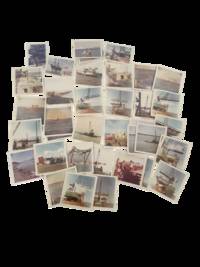
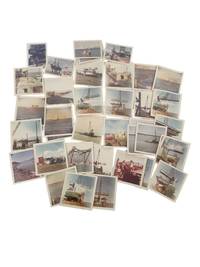
1965rif. 233141965. Offshore oil construction photographs documenting platform fabrication barge work marine transport and field logistics tied to the Gulf Coast petroleum industry in 1965-66 with direct evidence of how offshore drilling depended on a broad labor system before a rig ever reached a producing field. Taken at Farmers Marine Copper Works in Galveston Texas the archive records the building and handling of steel jackets deck sections cranes work barges service vessels and crew activity that made offshore extraction possible. The Gulf of Mexico was the proving ground of the modern offshore petroleum industry as the region became the incubator for an industry later exported worldwide. Photo archive of 53 color photographs 3.5" x 3.5" Galveston Texas 1965-66. The photographs show offshore structures in multiple stages of assembly and movement rather than a single completed drilling scene. Repeated views include steel platform legs and jacket sections standing in the water beside cranes and barges; large deck modules being hoisted or aligned over pilings; work decks with hoses railings and moored service boats; crewmen gathered onshore and aboard vessels; and small aircraft and automobiles used in project access and inspection. Several images show major marine lifts in progress with cranes extending over partially assembled structures and barges positioned tight against the work. Others widen out to open water towing scenes or partially completed platforms against distant mountainous terrain indicating that some photographs may record project deployment or field work beyond Galveston even if no specific destination is identified on the objects themselves. Handwriting on one verso of a group of men identifies "McClure / Chas. Young / Smithy." By the mid 1960s offshore oil had become central to both the U.S. energy economy and Texas coastal industry. Gulf Coast yards built and serviced the jackets pipe vessels and equipment that allowed companies to move farther offshore and later federal studies described fabrication yards as a core part of the offshore system that linked land based labor to offshore production. Texas held a special place in that expansion because its ports yards engineering firms and petroleum capital helped turn the Gulf into a permanent industrial frontier. Light handling wear and most exhibit curling; images generally clean and well preserved. Overall good condition. A strong documentary record of offshore construction labor at the moment when Texas Gulf Coast yards were helping scale the offshore oil industry from regional enterprise to national system. unknown
1965rif. 233141965. Offshore oil construction photographs documenting platform fabrication barge work marine transport and field logistics tied to the Gulf Coast petroleum industry in 1965-66 with direct evidence of how offshore drilling depended on a broad labor system before a rig ever reached a producing field. Taken at Farmers Marine Copper Works in Galveston Texas the archive records the building and handling of steel jackets deck sections cranes work barges service vessels and crew activity that made offshore extraction possible. The Gulf of Mexico was the proving ground of the modern offshore petroleum industry as the region became the incubator for an industry later exported worldwide. Photo archive of 53 color photographs 3.5" x 3.5" Galveston Texas 1965-66. The photographs show offshore structures in multiple stages of assembly and movement rather than a single completed drilling scene. Repeated views include steel platform legs and jacket sections standing in the water beside cranes and barges; large deck modules being hoisted or aligned over pilings; work decks with hoses railings and moored service boats; crewmen gathered onshore and aboard vessels; and small aircraft and automobiles used in project access and inspection. Several images show major marine lifts in progress with cranes extending over partially assembled structures and barges positioned tight against the work. Others widen out to open water towing scenes or partially completed platforms against distant mountainous terrain indicating that some photographs may record project deployment or field work beyond Galveston even if no specific destination is identified on the objects themselves. Handwriting on one verso of a group of men identifies "McClure / Chas. Young / Smithy." By the mid 1960s offshore oil had become central to both the U.S. energy economy and Texas coastal industry. Gulf Coast yards built and serviced the jackets pipe vessels and equipment that allowed companies to move farther offshore and later federal studies described fabrication yards as a core part of the offshore system that linked land based labor to offshore production. Texas held a special place in that expansion because its ports yards engineering firms and petroleum capital helped turn the Gulf into a permanent industrial frontier. Light handling wear and most exhibit curling; images generally clean and well preserved. Overall good condition. A strong documentary record of offshore construction labor at the moment when Texas Gulf Coast yards were helping scale the offshore oil industry from regional enterprise to national system. unknown books
1970rif. 233331970. Texas and Kansas petroleum infrastructure photo archive 1970s and 1984 documenting the industrial system that linked Gulf Coast fabrication yards port facilities heavy marine transport offshore petroleum extraction and inland drilling in the mature oil fields of Kansas. The photographs show offshore structures moving from shore side assembly into open water service and a separate 1984 Kansas sequence inscribed "Lee's oil well" where a land based drilling rig trucks workers and rig floor equipment record oil production away from the coast. The archive places petroleum extraction within both the Gulf Coast industrial corridor that built and deployed offshore structures and the inland lease field where drilling remained dependent on mobile rigs pipe handling and small crews. Its value lies in that shift of scale from Galveston waterfront engineering and offshore installation to the working machinery of a Kansas well in the early 1980s. Photo archive of 42 chromogenic color photographs 3.5 x 5 inches Galveston Texas circa 1970s and Kansas 1984. The photographs center first on large offshore structures at several stages of completion and deployment including jack up rigs elevated decks cranes and a prominent circular helipad or radar platform mounted above the main deck. Several views show rigs still at dockside beside harbor pavement parked vehicles and industrial lifting equipment; others place the same or similar structures offshore standing above open water on extended legs or surrounded by service craft. One photograph includes a banner reading "Galveston Project Post USA" anchoring part of the sequence to a named project site while another frames the Galveston waterfront with dense ranks of harbor cranes and marine industrial equipment. Additional images show smaller fixed platforms a long yellow boom or gangway extending over water crane barges maneuvering beside offshore structures and a wider sea view with multiple platforms operating at once establishing repeated movement between fabrication yard port transfer and offshore installation. Six later Kansas photographs show "Lee's oil well" in 1984 including a land drilling rig in open field country truck mounted support equipment a lowered mast or rig component being moved into position workers on the rig floor handling chain and pipe a standing derrick and close views of the drill string hoisting line block and metal rig fittings. By the mid 1960s offshore oil had become central to both the U.S. energy economy and Texas coastal industry. Gulf Coast yards built and serviced the jackets pipe vessels and equipment that allowed companies to move farther offshore and later federal studies described fabrication yards as a core part of the offshore system that linked land based labor to offshore production. Texas held a special place in that expansion because its ports yards engineering firms and petroleum capital helped turn the Gulf into a permanent industrial frontier. Kansas had a different petroleum history beginning with commercial production in the 1890s and continuing through thousands of smaller lease fields where independent operators and mobile drilling crews extended the life of older oil districts. The 1984 "Lee's oil well" photographs add that inland production economy to the Galveston material showing how petroleum infrastructure depended not only on large coastal fabrication and marine transport but also on field rigs pipe work trucks and crew labor at individual wells. Light surface wear mild fading and minor edge wear; overall very good condition. A concentrated visual record of how American petroleum production moved between Gulf Coast offshore construction marine installation and inland drilling work in late twentieth century Texas and Kansas. unknown
1970rif. 233331970. Texas and Kansas petroleum infrastructure photo archive 1970s and 1984 documenting the industrial system that linked Gulf Coast fabrication yards port facilities heavy marine transport offshore petroleum extraction and inland drilling in the mature oil fields of Kansas. The photographs show offshore structures moving from shore side assembly into open water service and a separate 1984 Kansas sequence inscribed "Lee's oil well" where a land based drilling rig trucks workers and rig floor equipment record oil production away from the coast. The archive places petroleum extraction within both the Gulf Coast industrial corridor that built and deployed offshore structures and the inland lease field where drilling remained dependent on mobile rigs pipe handling and small crews. Its value lies in that shift of scale from Galveston waterfront engineering and offshore installation to the working machinery of a Kansas well in the early 1980s. Photo archive of 42 chromogenic color photographs 3.5 x 5 inches Galveston Texas circa 1970s and Kansas 1984. The photographs center first on large offshore structures at several stages of completion and deployment including jack up rigs elevated decks cranes and a prominent circular helipad or radar platform mounted above the main deck. Several views show rigs still at dockside beside harbor pavement parked vehicles and industrial lifting equipment; others place the same or similar structures offshore standing above open water on extended legs or surrounded by service craft. One photograph includes a banner reading "Galveston Project Post USA" anchoring part of the sequence to a named project site while another frames the Galveston waterfront with dense ranks of harbor cranes and marine industrial equipment. Additional images show smaller fixed platforms a long yellow boom or gangway extending over water crane barges maneuvering beside offshore structures and a wider sea view with multiple platforms operating at once establishing repeated movement between fabrication yard port transfer and offshore installation. Six later Kansas photographs show "Lee's oil well" in 1984 including a land drilling rig in open field country truck mounted support equipment a lowered mast or rig component being moved into position workers on the rig floor handling chain and pipe a standing derrick and close views of the drill string hoisting line block and metal rig fittings. By the mid 1960s offshore oil had become central to both the U.S. energy economy and Texas coastal industry. Gulf Coast yards built and serviced the jackets pipe vessels and equipment that allowed companies to move farther offshore and later federal studies described fabrication yards as a core part of the offshore system that linked land based labor to offshore production. Texas held a special place in that expansion because its ports yards engineering firms and petroleum capital helped turn the Gulf into a permanent industrial frontier. Kansas had a different petroleum history beginning with commercial production in the 1890s and continuing through thousands of smaller lease fields where independent operators and mobile drilling crews extended the life of older oil districts. The 1984 "Lee's oil well" photographs add that inland production economy to the Galveston material showing how petroleum infrastructure depended not only on large coastal fabrication and marine transport but also on field rigs pipe work trucks and crew labor at individual wells. Light surface wear mild fading and minor edge wear; overall very good condition. A concentrated visual record of how American petroleum production moved between Gulf Coast offshore construction marine installation and inland drilling work in late twentieth century Texas and Kansas. unknown books
rif. DADAX1466556242New unknown
1999rif. 0112421999. Soft Cover. Very Good. Publisher: Automotive Oil Chanhe Association 1999 V.Good Plastic Case Cassettes 12 Tapes. paperback
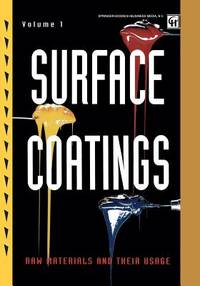
2012rif. DADAX9401045348Springer 2012-11-02. 3rd ed. 1993. paperback. New. 7.01x1.44x10.00. Buy with confidence. Excellent Customer Service & Return policy. Springer paperback
rif. DADAX0891340785New unknown
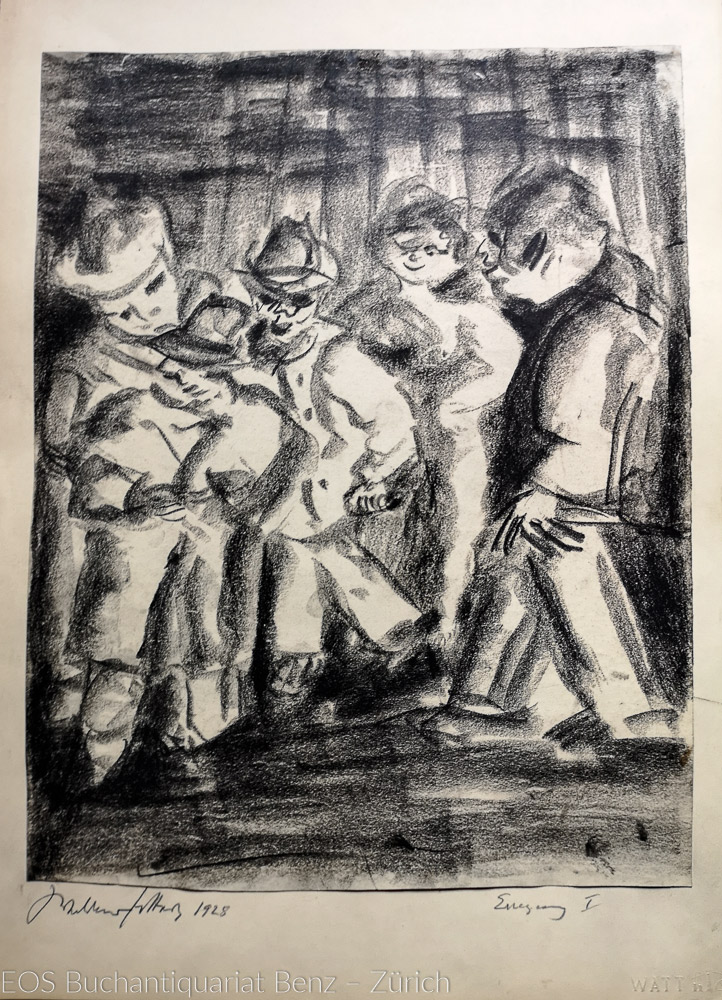
1928rif. 846DG1928. Ölkreide auf festem Blatt montiert, signiert und datiert. 41 x 31 cm. + Wichtig: Für unsere Kunden in der EU erfolgt der Versand alle 14 Tage verzollt ab Deutschland / Postbank-Konto in Deutschland vorhanden +, A
1930rif. 218981930. Archive of press photographs documenting systems of petroleum extraction offshore drilling and industrial emergency response in Texas between 1938 and 1979. The material documents how oil companies drilling crews firefighters and industrial workers operated within the high-risk infrastructure of the American petroleum industry through visual records of refinery explosions well blowouts offshore platform accidents and active drilling operations. The photographs reveal the mechanisms of oil production and disaster response across inland fields and Gulf Coast offshore sites during a period when Texas oil played a central role in the expansion of American industrial power military logistics and global energy markets. Produced largely for the Houston Post Houston Chronicle Associated Press and United Press International the archive provides primary-source evidence for the study of industrial labor workplace hazards extractive infrastructure and the environmental and human costs of mid-twentieth-century oil production. Collection consists of seven original black-and-white silver gelatin press photographs measuring approximately 10 x 8 inches. Several images document catastrophic oilfield fires and explosions associated with the East Texas oil boom and Gulf Coast petroleum industry. One aerial photograph dated July 28 1956 depicts the aftermath of the Shamrock Oil & Gas Corporation explosion near Dumas Texas showing scorched circular storage fields collapsed piping infrastructure and thick smoke rising from burned refinery grounds. The attached caption notes that sixteen workers died and at least thirty were injured in the blast with the resulting fireball reportedly visible from Amarillo forty miles away. Two Associated Press photographs dated January 1938 portray uncontrolled oil well fires in the Kilgore oil field during the height of the East Texas oil boom. One image shows flames reportedly reaching 150 feet above a wild well blowout while firefighters attempt unsuccessfully to suppress the fire with high-pressure water streams. Another photograph depicts silhouetted firefighters approaching the burning wellhead after temporarily suppressing the flames with chemicals in order to close a valve. Additional photographs document offshore drilling operations in the Gulf of Mexico including a United Press International image dated May 11 1979 showing exhausted survivors of a collapsed offshore platform south of Galveston wrapped in towels while awaiting medical treatment; the accompanying caption notes that nine workers remained missing from the thirty-four-man crew. Another image dated September 15 1956 depicts oilmen silhouetted atop an offshore drill rig approximately fifteen miles off the Texas coast while a helicopter approaches carrying replacement personnel. A June 1954 photograph from Brazoria County documents drilling operations at a depth of 9544 feet as workers remove drill stems to change bits at the McGeary D.G. Company No. 1 Jamison Estate well. Additional images show derricks under construction drilling fields crowded with infrastructure and industrial crews working amid active extraction sites. Together the photographs document the immense economic importance and physical danger of the Texas petroleum industry during the mid-twentieth century when inland oil booms and offshore exploration transformed both regional landscapes and global energy systems. Particularly notable is the archive's sustained focus on labor and catastrophe preserving visual evidence of the hazardous conditions faced by oilfield workers firefighters and offshore drilling crews operating under extreme pressure and technological risk. The images also illustrate the growing complexity of extraction systems as drilling operations expanded from rural inland fields to large-scale offshore platforms in the Gulf of Mexico. Minor editorial markings and light handling wear to versos with scattered creasing consistent with newsroom use; photographs remain sharp and well-preserved overall. Very good condition. A substantial documentary archive of industrial labor extraction technology and petroleum disasters in twentieth-century Texas oil history. unknown
1930rif. 218981930. Archive of press photographs documenting systems of petroleum extraction offshore drilling and industrial emergency response in Texas between 1938 and 1979. The material documents how oil companies drilling crews firefighters and industrial workers operated within the high-risk infrastructure of the American petroleum industry through visual records of refinery explosions well blowouts offshore platform accidents and active drilling operations. The photographs reveal the mechanisms of oil production and disaster response across inland fields and Gulf Coast offshore sites during a period when Texas oil played a central role in the expansion of American industrial power military logistics and global energy markets. Produced largely for the Houston Post Houston Chronicle Associated Press and United Press International the archive provides primary-source evidence for the study of industrial labor workplace hazards extractive infrastructure and the environmental and human costs of mid-twentieth-century oil production. Collection consists of seven original black-and-white silver gelatin press photographs measuring approximately 10 x 8 inches. Several images document catastrophic oilfield fires and explosions associated with the East Texas oil boom and Gulf Coast petroleum industry. One aerial photograph dated July 28 1956 depicts the aftermath of the Shamrock Oil & Gas Corporation explosion near Dumas Texas showing scorched circular storage fields collapsed piping infrastructure and thick smoke rising from burned refinery grounds. The attached caption notes that sixteen workers died and at least thirty were injured in the blast with the resulting fireball reportedly visible from Amarillo forty miles away. Two Associated Press photographs dated January 1938 portray uncontrolled oil well fires in the Kilgore oil field during the height of the East Texas oil boom. One image shows flames reportedly reaching 150 feet above a wild well blowout while firefighters attempt unsuccessfully to suppress the fire with high-pressure water streams. Another photograph depicts silhouetted firefighters approaching the burning wellhead after temporarily suppressing the flames with chemicals in order to close a valve. Additional photographs document offshore drilling operations in the Gulf of Mexico including a United Press International image dated May 11 1979 showing exhausted survivors of a collapsed offshore platform south of Galveston wrapped in towels while awaiting medical treatment; the accompanying caption notes that nine workers remained missing from the thirty-four-man crew. Another image dated September 15 1956 depicts oilmen silhouetted atop an offshore drill rig approximately fifteen miles off the Texas coast while a helicopter approaches carrying replacement personnel. A June 1954 photograph from Brazoria County documents drilling operations at a depth of 9544 feet as workers remove drill stems to change bits at the McGeary D.G. Company No. 1 Jamison Estate well. Additional images show derricks under construction drilling fields crowded with infrastructure and industrial crews working amid active extraction sites. Together the photographs document the immense economic importance and physical danger of the Texas petroleum industry during the mid-twentieth century when inland oil booms and offshore exploration transformed both regional landscapes and global energy systems. Particularly notable is the archive's sustained focus on labor and catastrophe preserving visual evidence of the hazardous conditions faced by oilfield workers firefighters and offshore drilling crews operating under extreme pressure and technological risk. The images also illustrate the growing complexity of extraction systems as drilling operations expanded from rural inland fields to large-scale offshore platforms in the Gulf of Mexico. Minor editorial markings and light handling wear to versos with scattered creasing consistent with newsroom use; photographs remain sharp and well-preserved overall. Very good condition. A substantial documentary archive of industrial labor extraction technology and petroleum disasters in twentieth-century Texas oil history. unknown books
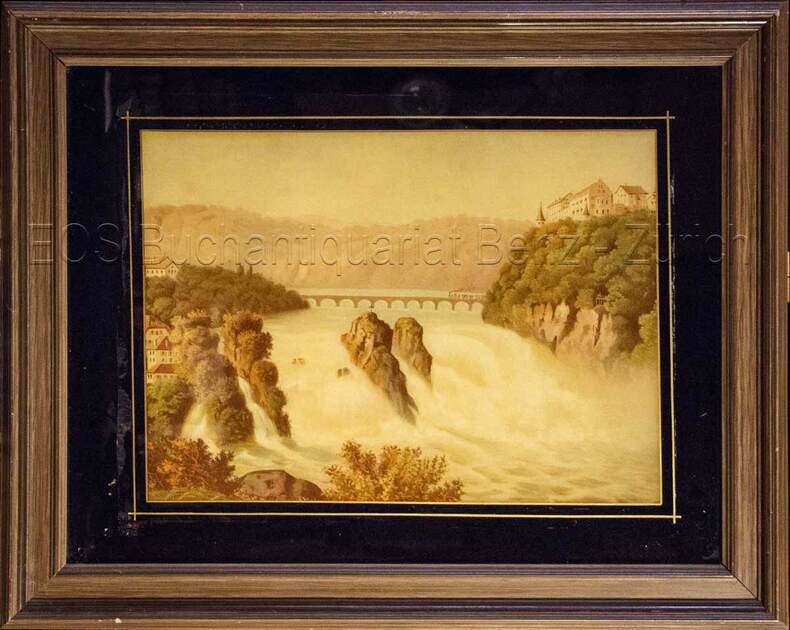
1860rif. 825CG(um 1860). Chromolithographie hinter Glas. Bildausschnitt: 28,5 x 39 cm.
1925rif. 1102DGca. 1925. Ölkreide auf festem Papier. 63 x 45 cm.
1998rif. 2081502111902485China Guangxi Art Publishing House 1998. Soft Cover. Fine. The book is in fine condition. China Guangxi Art Publishing House paperback
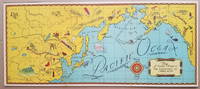
1934rif. 3798This delightful pictorial map focusing on the North Pacific Ocean was distributed as a premium in connection with the syndicated radio program "Air Adventures of Jimmie Allen." The program featuring Jimmie Allen as an adventurous 16-year old pilot ran from 1933 to 1937 and from 1946 to 1947 and was sponsored initially by the Skelly Oil Company. Background on the show appears on the Radio Days Theater of the Mind Museum website http://radiodaysmuseum.org: "Broadcast History: 1933 to 1937 and 1946 to 1947. The writers of Jimmie Allen had been flying aces in World War I. They came up with the idea of a show about a boy pilot while at a party in Kansas City and used their experience as pilots to create and write the show. The show was one of the first to capitalize on the idea of a club as a promotional tool. To join the Jimmie Allen Flying Club all a child had to do was apply at any Skelly Gas Station the initial sponsor. As a member the child received a whole host of goodies ranging from a set of wings through to a "personal" letter from Jimmie himself. An incredible 600000 club newspapers were sent out to children each week and many thousands attended the Jimmie Allen Air Races that were held in Midwest cities. The show was first broadcast between 1933 and 1937 and then came back to the air with brand new stories after the war between 1946 and 1947. The post-war stint in no way lived up to the fascination for the show in the 1930s." http://radiodaysmuseum.org/index.php/our-collection-1/2-old-time-radio-shows/7-juvenile/265-air-adventures-of-jimmie-allen-the An uncommon map. References: David Rumsey Map Collection: List no. 11105.001. No examples on OCLC. Condition: Two vertical fold lines which may have been partially separated. Mounted on backing board. Very good. ICN 7719.3 Skelly Oil Co.
rif. DADAX190557004XNew unknown
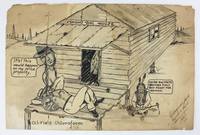
1937rif. 6117Edmond Ok 1937. Good. Ink wash drawing on heavy stock 12 x 18 inches. A few tears and chips at edges lightly dampstained some light soiling. A satirical and slightly racist drawing featuring the Oklahoma oil fields a Native American and a cat. The centerpiece is a long shabby building labeled "Edmond Tool House" in haphazard letters. This rickety-looking building has cracked windows a peeling tin roof and a slightly sketchy porch upon which reclines a man who appears to be sniffing the hind end of a cat. The label below reads "Oil-field chloroform" and a waft of smoke rises from the back end of the cat which hides the lower half of the reclining man's face. From around the side of the building a fedora-clad man exclaims "!!x! This would happen on my prize property." The face is a very accurate portrait pasted on to the artwork. On the other side of the building a Native American sits cross-legged on the ground holding a peace pipe opining "Maybe big white brother finly sic buy feast for Indians." Oil derricks can be seen in the background. The image is inscribed and signed in the lower right corner "Recalling a very pleasant trip and a damned embarrassing experience. J.G. Dyer 7/21/37." The oil fields of Oklahoma were some of the busiest and most productive from 1900 to 1935 though the West Edmond Oil Field wasn't discovered until the 1940s. An unusual piece of art which would seem to contain some sort of inside joke. unknown
1937rif. 6117Edmond Ok 1937. Good. Ink wash drawing on heavy stock 12 x 18 inches. A few tears and chips at edges lightly dampstained some light soiling. A satirical and slightly racist drawing featuring the Oklahoma oil fields a Native American and a cat. The centerpiece is a long shabby building labeled "Edmond Tool House" in haphazard letters. This rickety-looking building has cracked windows a peeling tin roof and a slightly sketchy porch upon which reclines a man who appears to be sniffing the hind end of a cat. The label below reads "Oil-field chloroform" and a waft of smoke rises from the back end of the cat which hides the lower half of the reclining man's face. From around the side of the building a fedora-clad man exclaims "!!x! This would happen on my prize property." The face is a very accurate portrait pasted on to the artwork. On the other side of the building a Native American sits cross-legged on the ground holding a peace pipe opining "Maybe big white brother finly sic buy feast for Indians." Oil derricks can be seen in the background. The image is inscribed and signed in the lower right corner "Recalling a very pleasant trip and a damned embarrassing experience. J.G. Dyer 7/21/37." The oil fields of Oklahoma were some of the busiest and most productive from 1900 to 1935 though the West Edmond Oil Field wasn't discovered until the 1940s. An unusual piece of art which would seem to contain some sort of inside joke. unknown books
rif. 1183754Arabian American Oil Company. Paperback. Good - Cash. General reader wear to the corners edges and cover. Previous owner's name and address stamped on cover. The covers/corners have some creasing. Some pages are wrinkled. The pages show some general reader wear as well. The book is in good condition with some normal reader wear. Stock photos may not look exactly like the book. Arabian American Oil Company paperback
rif. 109DGo.J. Öl auf Leinwand. Bildformat: 68 x 49 cm. + Wichtig: Für unsere Kunden in der EU erfolgt der Versand alle 14 Tage verzollt ab Deutschland / Postbank-Konto in Deutschland vorhanden +
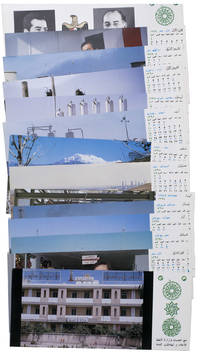
1977rif. ABC_47947Baghdad: Ministry of Oil 1977. Original sturdy plastic case. Oblong 10 x 23 cm. With photographic illustrations all postcards are printed in colour. Remarkable complete set of 14 postcards published by the Iraqi Ministry of Oil to celebrate the flourishing petroleum industry and probably its nationalisation in 1972. The first 2 postcards show the building of the ministry and the official state portraits of then President of Iraq Ahmed Hassan al-Bakr 1914-1982 and Vice Chairman Saddam Hussein 1937-2003. The remaining 12 postcards are each printed for a different month of the year and show various aspects of the Iraqi petroleum industry including the Al-Bakr deep water terminal renamed in 2003 to Al-Basah oil terminal the Al-Khalida oil products tanker the degassing station at North Rumaila oil field the eternal fire near Kirkuk which was the first oil field found in Iraq and the Haditha-Rumaila pipeline which was newly built at the time.With a small crack in one of the sides of the sturdy plastic case. The first and last card in the set are slightly creased. Otherwise in very good condition. Ministry of Oil, unknown
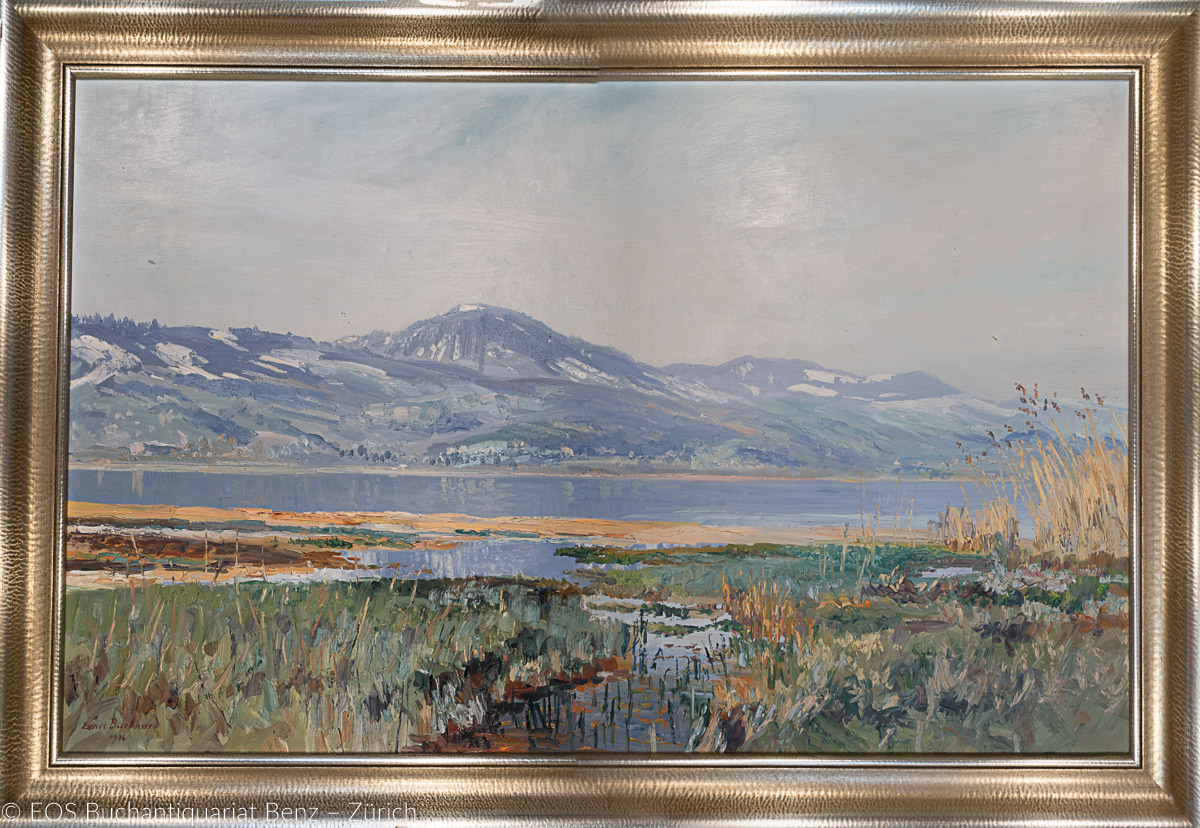
1936rif. 753DG1936. Oelgemälde. Leinwandgrösse: 86 x 55 cm. Bildmasse: 98 x 66 + Wichtig: Für unsere Kunden in der EU erfolgt der Versand alle 14 Tage verzollt ab Deutschland / Postbank-Konto in Deutschland vorhanden +, A
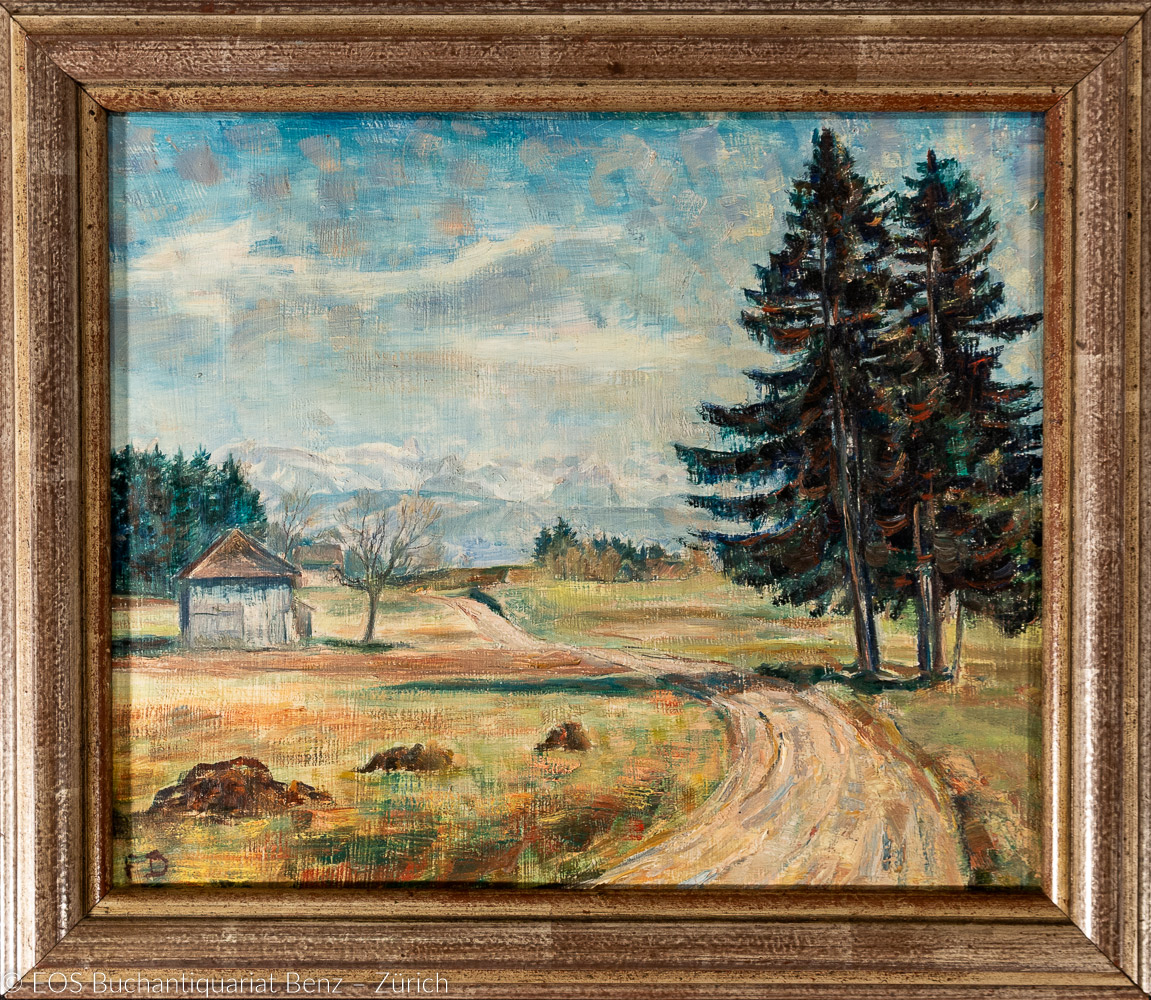
1931rif. 764DGUetikon., 1931. Oelgemälde auf Holz. Bildausschnitt: 27 x 22 cm. Bildgrösse mit Rahmen: 33 x 28.5 cm. + Wichtig: Für unsere Kunden in der EU erfolgt der Versand alle 14 Tage verzollt ab Deutschland / Postbank-Konto in Deutschland vorhanden +, A