ENU (Henri-Jean).Livre Rare Book

1725 risultati
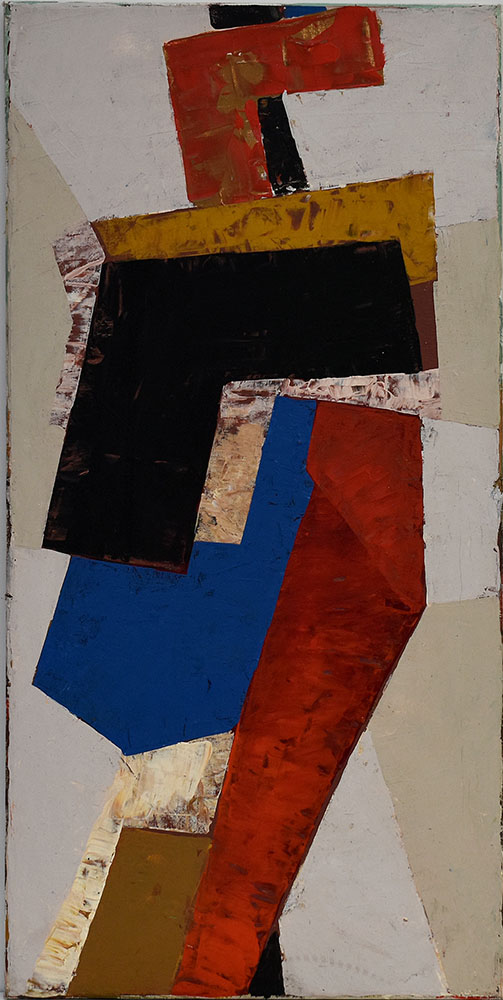
rif. 1303Huile sur papier, signée et datée 1986 en haut à droite (30,5/40,5 cm).
rif. 1308Pastel sur vergé de Rives recyclé, recouvert d’un film rhodoïd ayant servi pour l’impression offset d’un article illustré de la rubrique Fiction d’Olivier Dumont, paru dans le n° 7 de Parapluie. Légende, signature et date (2024) au dos (40/30 cm).
rif. 1307Huile sur papier, signée et datée, 1988 (28/38,5 cm).
1938This special issue most notable for its article beginning on page 238 which introduces hemp as a new billion dollar cash crop for American farmers. Pages: 161-320 plus 128 pages of great vintage ads. Other features include: The Lockheed Electra - Flying Wing of the Future (with cover illustration); Chemistry and You - Part 3; The Rough Road to Glory; The Toy That Grew Up; Hunting Oil with Earthquakes; Short Waves Rule the Seas; Shoot When They Don't Expect It; The Puzzle of the Ice Ages; Game Wardens with Wings; Adventures of the Hurricane Hunters; The Hit and Run Fleet. Advertising page 113A is a fantastic one-page black and white photo ad for Harley Davidson motorcycles entitled "You Can't Beat Fun". Unmarked with average wear. Binding intact. Lacking back cover. A worthy copy of this historic vintage issue. Magazine
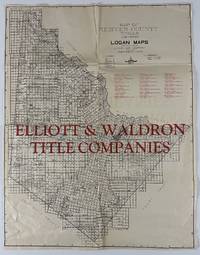
1930rif. 13064Fort Worth: Logan Map Company 1930. Folded map 23 x 17.75 inches. Old folds minor wear a few closed tears along folds repaired with tape on verso bottom left marginal section a bit munched up. Good condition. A scarce and detailed plat map for Reeves County Texas in the crook of West Texas between Fort Stockton and New Mexico. This gridded county map provides numerous details on land ownership oil leases railroad lands and other claims; a number of the major oil companies including Humble Texas California Marland and Atlantic were active in the county at this time. A key is printed in the margin locating various types of oil and gas wells. The middle portion of the map is overprinted in large red letters "Elliot & Waldron Title Companies" who provided information to prospective land buyers in Reeves and several surrounding West Texas counties at this time. "In the early 1920s Pecos became the focus of Delaware Basin oil exploration and received substantial publicity though little oil and gas were found in paying quantities. By 1930 however oil excitement had brought a larger and more diversified population to the county" -- Handbook of Texas online. We find records for about twenty Logan Map Company maps all recorded in single copies. Logan Map Company unknown
1930rif. 13064Fort Worth: Logan Map Company 1930. Folded map 23 x 17.75 inches. Old folds minor wear a few closed tears along folds repaired with tape on verso bottom left marginal section a bit munched up. Good condition. A scarce and detailed plat map for Reeves County Texas in the crook of West Texas between Fort Stockton and New Mexico. This gridded county map provides numerous details on land ownership oil leases railroad lands and other claims; a number of the major oil companies including Humble Texas California Marland and Atlantic were active in the county at this time. A key is printed in the margin locating various types of oil and gas wells. The middle portion of the map is overprinted in large red letters "Elliot & Waldron Title Companies" who provided information to prospective land buyers in Reeves and several surrounding West Texas counties at this time. "In the early 1920s Pecos became the focus of Delaware Basin oil exploration and received substantial publicity though little oil and gas were found in paying quantities. By 1930 however oil excitement had brought a larger and more diversified population to the county" -- Handbook of Texas online. We find records for about twenty Logan Map Company maps all recorded in single copies. Logan Map Company unknown books
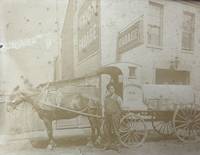
1900rif. 233021900. Massachusetts oil delivery photographs documenting the horse drawn transport system that moved petroleum products through small town New England before motor trucks displaced wagon distribution. Images depict oil wagons teamsters and tank rigs tied to local commercial delivery via horse and carriage. The turn of the century marked an industrial boom when kerosene lubricants and other oil products circulated through growing towns. This archive shows how it's its daily movement still relied on animal power and local hand delivery. Photo archive of 5 albumen and silver gelatin photographs and one RPCC photos measuring about 3.5" x 5" with various sized mounts Ashfield Massachusetts circa 1900-15. Three photographs bear photographer credit on the reverse to A.W. & G.E. Howes Ashfield Mass. One view shows a line of horse drawn tank wagons posed along an unpaved street before frame houses and utility poles with drivers seated in their rigs and teams held in place for a group portrait; the company is identified as Consumers Oil Company as visible on one of the carriages. A second image shows a single horse and tank wagon before a brick commercial building painted "UNION GARAGE" linking oil delivery by wagon to the emerging repair and automobile service trade. Two photographs are duplicate prints of the same scene each showing a man beside a white horse and covered oil wagon while a child sits on the driver's seat beneath the canopy; the man holds a metal can and partial wagon lettering ending in "OIL CO." is visible on the side. Another photograph shows a two horse team hitched to a larger wagon with partial company lettering also ending in "OIL CO." Massachusetts was deeply tied to the early oil economy not as a major drilling region but as a refining shipping storage and consumption market linked to the industrial Northeast. By the late nineteenth and early twentieth centuries petroleum products moved into the state through rail and coastal trade then outward through local dealers who supplied homes shops farms garages and machinery with kerosene fuel and lubricants. These photographs place that distribution system at ground level in Ashfield where horses still pulled the wagons that served an industry increasingly associated with mechanization and the rise of motor transport. Light fading and surface wear throughout; several mounts chipped at corners and edges; one of the duplicate pair having a 1.5" chip to the right side of the mount. Photos mostly show no signs of loss though the sepia photograph on the largest mount has a small chip to edge and a 0.5" tear to left side where horse's face is. Overall good condition. A compact Massachusetts record of the petroleum trade at the moment when horse drawn delivery and automotive modernity still occupied the same street. unknown
1900rif. 233021900. Massachusetts oil delivery photographs documenting the horse drawn transport system that moved petroleum products through small town New England before motor trucks displaced wagon distribution. Images depict oil wagons teamsters and tank rigs tied to local commercial delivery via horse and carriage. The turn of the century marked an industrial boom when kerosene lubricants and other oil products circulated through growing towns. This archive shows how it's its daily movement still relied on animal power and local hand delivery. Photo archive of 5 albumen and silver gelatin photographs and one RPCC photos measuring about 3.5" x 5" with various sized mounts Ashfield Massachusetts circa 1900-15. Three photographs bear photographer credit on the reverse to A.W. & G.E. Howes Ashfield Mass. One view shows a line of horse drawn tank wagons posed along an unpaved street before frame houses and utility poles with drivers seated in their rigs and teams held in place for a group portrait; the company is identified as Consumers Oil Company as visible on one of the carriages. A second image shows a single horse and tank wagon before a brick commercial building painted "UNION GARAGE" linking oil delivery by wagon to the emerging repair and automobile service trade. Two photographs are duplicate prints of the same scene each showing a man beside a white horse and covered oil wagon while a child sits on the driver's seat beneath the canopy; the man holds a metal can and partial wagon lettering ending in "OIL CO." is visible on the side. Another photograph shows a two horse team hitched to a larger wagon with partial company lettering also ending in "OIL CO." Massachusetts was deeply tied to the early oil economy not as a major drilling region but as a refining shipping storage and consumption market linked to the industrial Northeast. By the late nineteenth and early twentieth centuries petroleum products moved into the state through rail and coastal trade then outward through local dealers who supplied homes shops farms garages and machinery with kerosene fuel and lubricants. These photographs place that distribution system at ground level in Ashfield where horses still pulled the wagons that served an industry increasingly associated with mechanization and the rise of motor transport. Light fading and surface wear throughout; several mounts chipped at corners and edges; one of the duplicate pair having a 1.5" chip to the right side of the mount. Photos mostly show no signs of loss though the sepia photograph on the largest mount has a small chip to edge and a 0.5" tear to left side where horse's face is. Overall good condition. A compact Massachusetts record of the petroleum trade at the moment when horse drawn delivery and automotive modernity still occupied the same street. unknown books
1955rif. 5578Greggton TX: Stanolind Oil and Gas Company. Small 4to 9" - 11" tall; 363 pages; Manual No. 509. This is truly a remarkable find. Black & White Photographs of Field Operations. Book Shows Little Wear Text is clean no markings seen . Comes with a letter of introduction to the Stanolind Oil and Gas Company. Glass case 47-E . Very Good with no Dust Jacket. Third Edition. Trade Paperback. 1955. Stanolind Oil and Gas Company paperback
2020rif. 2-1856099180Witherby Seamanship International Ltd 2020. Hardcover. New. 4.25x3.35x0.83 inches. Witherby Seamanship International Ltd hardcover
1900rif. 233951900. Turn-of-the-century Japan photo archive documenting foreign commercial travel oil and mining activity rural labor and domestic life during the late Meiji era when Japan was rapidly building railways mines refineries modern ports and industrial companies after the 1868 Meiji Restoration. The material appears connected to a Western man and his family moving through Japan in connection with oil extraction or related industrial work with repeated views of derricks refinery sites pipe trenches miners labor crews interpreters servants hotels villages and named regional destinations. Images show various scenes throughout northern Japan such as Hokkaido settlements Sapporo gatherings Naoetsu refinery work Nara and coastal travel household service and encounters between foreign visitors and Japanese workers at a time when foreign technical knowledge and Japanese state-backed industrial growth were reshaping the country. Photo archive of more than 150 photographs including approximately 6 cyanotypes and numerous silver gelatin and albumen photographs sizes range between 2" x 3.5" to 4" x 6" Japan circa late 1890s to early 1900s. Nearly every image bears a handwritten caption en verso identifying places people professions work scenes and social relationships. Captions include "Launching conveying pipe to and from steamship Corea Yokohama" "Refinery location Naoetsu Japan" "Celebrating the fall of Mukden Sapporo Mar. 21st 1905" "Crowd at Naoetsu Hotel" "Working on foundation for refinery Naoetsu" "Digging a great ditch for drain pipe from refinery to ocean" "Drillers and visitors" "Japanese servants at home in the bamboo grove" "Old American Naval Hospital" and "Mines & Smelters Sumitake Hotel Omori Japan." Workers dig trenches handle pipe gather beside derricks and refinery structures pose at mine entrances stand near kilns and industrial yards and move through villages and hotel courtyards. Other scenes record women in kimono children household staff rickshaw pullers street processions with rising-sun banners thatched structures coastal views mission or hospital buildings and Western family members partaking in local culture seated in gardens or standing among Japanese attendants and guides. The archive records Japan's industrial modernization from the perspective of foreign business presence rather than official state publicity. Oil had been produced in Japan since the nineteenth century especially in regions such as Niigata while Hokkaido mining railway building and settlement became central to Meiji development; this group places those broader changes inside fieldwork travel and household arrangements. The handwritten captions add another layer of specification by naming locations and functions that would otherwise be difficult to identify especially the refinery and drilling views. Condition varies across the group with curling fading toning creasing edge wear occasional surface loss and some with missing corners; images generally clean and clear captions remain present and visible on many versos. Overall in very good condition. By the turn of the century oil fields in Niigata and Akita were part of Japan's push to build an industrial economy but domestic crude was limited and often difficult to refine. The archive also reflects the unequal social and technical relationships that accompanied Meiji industrial expansion with foreign commercial specialists Japanese labor crews domestic servants and frontier extraction zones appearing together within the same industrial landscape. unknown
1900rif. 233951900. Turn-of-the-century Japan photo archive documenting foreign commercial travel oil and mining activity rural labor and domestic life during the late Meiji era when Japan was rapidly building railways mines refineries modern ports and industrial companies after the 1868 Meiji Restoration. The material appears connected to a Western man and his family moving through Japan in connection with oil extraction or related industrial work with repeated views of derricks refinery sites pipe trenches miners labor crews interpreters servants hotels villages and named regional destinations. Images show various scenes throughout northern Japan such as Hokkaido settlements Sapporo gatherings Naoetsu refinery work Nara and coastal travel household service and encounters between foreign visitors and Japanese workers at a time when foreign technical knowledge and Japanese state-backed industrial growth were reshaping the country. Photo archive of more than 150 photographs including approximately 6 cyanotypes and numerous silver gelatin and albumen photographs sizes range between 2" x 3.5" to 4" x 6" Japan circa late 1890s to early 1900s. Nearly every image bears a handwritten caption en verso identifying places people professions work scenes and social relationships. Captions include "Launching conveying pipe to and from steamship Corea Yokohama" "Refinery location Naoetsu Japan" "Celebrating the fall of Mukden Sapporo Mar. 21st 1905" "Crowd at Naoetsu Hotel" "Working on foundation for refinery Naoetsu" "Digging a great ditch for drain pipe from refinery to ocean" "Drillers and visitors" "Japanese servants at home in the bamboo grove" "Old American Naval Hospital" and "Mines & Smelters Sumitake Hotel Omori Japan." Workers dig trenches handle pipe gather beside derricks and refinery structures pose at mine entrances stand near kilns and industrial yards and move through villages and hotel courtyards. Other scenes record women in kimono children household staff rickshaw pullers street processions with rising-sun banners thatched structures coastal views mission or hospital buildings and Western family members partaking in local culture seated in gardens or standing among Japanese attendants and guides. The archive records Japan's industrial modernization from the perspective of foreign business presence rather than official state publicity. Oil had been produced in Japan since the nineteenth century especially in regions such as Niigata while Hokkaido mining railway building and settlement became central to Meiji development; this group places those broader changes inside fieldwork travel and household arrangements. The handwritten captions add another layer of specification by naming locations and functions that would otherwise be difficult to identify especially the refinery and drilling views. Condition varies across the group with curling fading toning creasing edge wear occasional surface loss and some with missing corners; images generally clean and clear captions remain present and visible on many versos. Overall in very good condition. By the turn of the century oil fields in Niigata and Akita were part of Japan's push to build an industrial economy but domestic crude was limited and often difficult to refine. The archive also reflects the unequal social and technical relationships that accompanied Meiji industrial expansion with foreign commercial specialists Japanese labor crews domestic servants and frontier extraction zones appearing together within the same industrial landscape. unknown books
rif. 59849BBo.J. [3 Warenabbildungen]
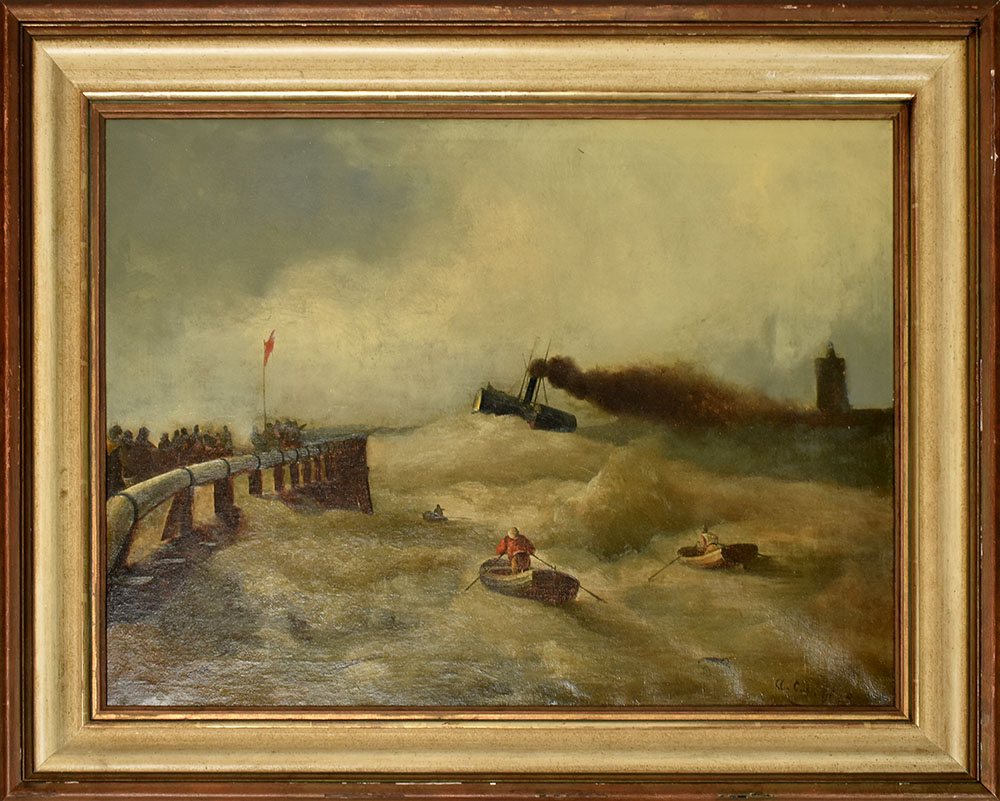
1990rif. TAB0000098. 1990. In-12. Broché. Bon état, Couv. convenable, Dos satisfaisant, Intérieur frais. Huile sur toile avec joli cadre en bois peint. Dimensions avec cadre : 69x90cm. Dimensions de la toile à vue: 59x80cm. Oeuvre datée et signée en bas à droite. Frottements sur le cadre. Quelques imperfections mineures (voir photos).. . . . Classification : 920.4-Huile
rif. TAB0000003Non Renseigné. XXème siècle. In-12. Broché. Bon état, Couv. convenable, Dos satisfaisant, Intérieur frais. Huile sur toile. Dimensions : 65 x 81 cm. Oeuvre signée bas droite. Composition abstraite. Titre au dos de la toile : L'océan des pins.. . . . Classification : 920.4-Huile
1940rif. 1564AGBerlin, o.J. (um 1940). Öl auf Leinwand. Bildformat: 67 x 79 cm. + Wichtig: Für unsere Kunden in der EU erfolgt der Versand alle 14 Tage verzollt ab Deutschland / Postbank-Konto in Deutschland vorhanden +, 1564AG
rif. 30108SIGNED Personalized CARD by J. Paul Getty Oil Magnate Billionaire 2.5 X4 IN. WITH A JSA COA INCLUDES HAND ADDRESSED ENVELOPE
rif. 1335.1aaf54x65.5 cm/cadre 70x80 cm.
1937rif. 788DG1937. Ölgemälde. 60 x 50 cm.
1934rif. 1160DG(1934) Ölgemälde auf Holz. 72 x 59 cm.
rif. 1472.1aafImage 33.5x38.5 cm / cadre 43.5x48 cm.
1993rif. Q-0412552108Springer 1993-10-31. hardcover. New. In shrink wrap. Looks like an interesting title! Springer hardcover
1925rif. 56537Chicago IL & La Crosse WI: Standard Oil Company Indiana; Stanolind Record 1925-1929. Two vols. 1st - 4to. 9 x 11.5 in. Approx 120 leaves many added leaves over numbering. mimeographed sheets throughout w/ text illustrations diagrams and decorative lettering with 15 sample sales brochures & catalogues most 12mo. & 16mo. w/ 4 to 24 pp. most illustrated several printed in colour inks and all retaining their original covers carefully tipped-in to their respective sections. Three-quarter black cloth over gray boards post-binder brass split-pin posts at gutter margin occasional minor creasing to a few corners light interior toning still VG copy; together with 2nd -- 8vo. 72 pp. Numerous photo & text illustrations. Colour-illustrated softcovers bound into simulated black calf gilt lettering stamped on front cover rounded corners minor shelfwear rubbing still VG copies of both from the library of Andrew Edward MacMeekin 1884-1949 who was the purchasing manager for Standard Oil of Indiana at the main offices in Chicago IL from before World War I to his death w/ his ownership stamp on front cover of the Stanolind vol. First editions of these very scarce Standard Oil Company Indiana sales publications by one of the independent oil companies to emerge after the breakup of Standard Oil in 1911. Standard Oil Indiana pioneered the “cracking” process for refining crude oil under pressure resulting in far higher yields of gasoline and the many byproducts and by the mid-1920s was the third largest oil refiner in the U.S. behind Standard Oil New Jersey and Standard Oil California. This very scarce salesman’s advertising manual was created for distribution around the time that Standard Indiana had merged with the American Oil Co. Amoco and was looking to streamline both their purchasing and marketing pitches to service stations wholesalers and jobbers. The manual continually extolls the product diversity and reach of the Standard Indiana Company with Sinclair Dixie Pan-American Petroleum and Midwest Refining as subsidiaries the extensive fleet of oil tankers railroad tank cars and chain of service stations. The splendid sample catalogues encompass a range of styles and products including Red Crown gasoline featuring an Art Deco cover of a Standard Oil service station; the high octane Red crown Gasoline; Neolite kerosene for more efficiently and economically raising poultry; competing motor oils of Iso-Vis and Polarine designed for Ford engines; as well as Mica Axle Grease used to coat hog scratching poles; Merusol Petrolatum White petrolatum used as a non-stick coating for bakeries and with a number of “medical” applications as well or the KIP insecticide used for everything from ants and flies to bed bugs and mosquitoes. Also included are customer sales letters sample thank you letters sales goals tips and more. The second volume focuses on an extended article by MacMeekin on the Standard Indiana purchasing department which at the end of the 1920s was spending over $ 50 million a year on 14000 different items ranging from rare Asian flowers to wax from the head of whales pins by the ton locomotives and everything else to fuel the massive oil company. Detailed list of tipped-in catalogues available upon request. No copies located in Worldcat for Sales Manual very incomplete runs and records for holdings of Stanolind Record BP Archive appears to have an issue as well as Univ. of Illinois but incomplete records and run; See: Mark Wilson Stephen Porter Janice Reiff Standard Oil Company Indiana Dictionary of Leading Chicago Businesses 1820-2000. Standard Oil Company (Indiana); Stanolind Record, paperback
rif. 59414BBo.J. Victor Popov geboren 1952 in Kasachstan, studierte Kunst in Lemberg. Er ist seit 1980 freier Künstler. Victor Popov lebt und arbeitet in Düsseldorf. [4 Warenabbildungen]
rif. 30114SIGNED LETTER by J. Paul Getty ON DEATH OF HIS SON 1958 Oil Magnate Billionaire SIGNED J. P. GETTY RARE INCLUDES TYPED ENVELOPE