Livre Rare Book

1 326 résultats
réf. 45023Vevey, Compagnie du Gaz et du Coke - Imprimerie Säuberlin & Pfeiffer 1962, 280x220mm, 62pages, broché. Exemplaire sur papier couché, numéroté, n°133/1000. Sous emboîtage cartonné. Bel exemplaire.
1847Cm. 21,5 x 15; pp. 75 (1) con 5 tavv. in litografia più volte ripiegate; copertina in carta sottile; cucito. CONDIZIONI MOLTO BUONE (etichetta di smembrata biblioteca privata al contropiatto; piccol aperdita all'angolo sup. sx del retro di copertina e dell'ultima pagina - rosicchiatura?). Rarissimo!
1866In 8, pp. 48 + (2) con 1 grande tav. f.t. in lit. piu' volte rip. Piccolo strappetto alla tav. Bruniture alle cc. Bella legatura romantica con cornici tip. e motivi floreali goffrati al p. ant. in oro su sfondo bianco e due medaglioni con figure femminili in rilievo. Relazione sull'industria del gas a seguito di una visita degli allievi della R. Scuola d'Applicazione degli Ingegneri di Torino alla Societa' dei consumatori. Argomenti: Combustbile adoperato. Edifizio di distillazione; Condensatori; Estrattore; Colonne a cok-purificatori; Misuratore del gaz fabbricato; Rapportatore grafico; Gazometri; Regolatore ed indicatore delle pressioni; Condotta; Misura del gaz consumato al becco.
1947dispensa sulle turbine a gas, lezioni dell'accademia navale di Livorno, corso ufficiali
1998réf. 2090502113715992Not Available 1998. Soft Cover. Fine. The book is in fine condition. Not Available paperback
réf. ga1550Anonyme Images publicitaires In-12 (15,5 x 13 cm.), feuille publicitaire pour le chauffage par le gaz, dessin de F. Decaix, illustration noir et blanc au recto, découpé dans un journal ou magazine, sans date ; menus incidents et plats un peu jaunis, par ailleurs bon état général. Livraison a domicile (La Poste) ou en Mondial Relay sur simple demande.
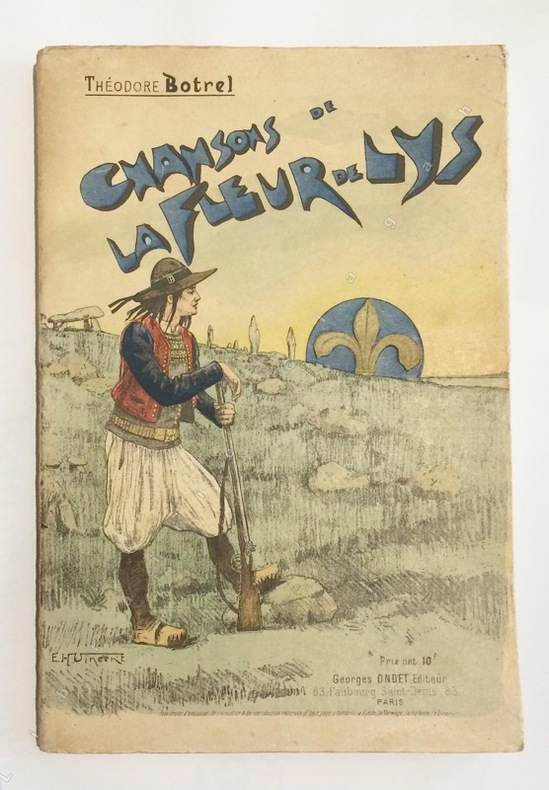
1899réf. 10762Paris, Ondet, 1899 ; in-4, broché ; 101, (3) pp., couverture rempliée illustrée d'une grande lithographie en couleurs, 15 lithographies monochromes de différentes couleurs, photographie de l'auteur en frontispice.
191536p. Numerous illustrations. Slightly soiled. Tall thin 8vo. Original printed wraps, slightly soiled on front cover. Nice example. AUTO/1
1910réf. ROD0064481Imprimerie Nationale. 1910. In-4. En feuillets. Bon état, Couv. convenable, Dos satisfaisant, Intérieur frais. 3 pages + 1 planche hors texte, dépliable, noir et blanc. . . . Classification Dewey : 665-Technologie des huiles, graisses, cires, gaz industriels
1915Roma, 1915, 31 ottobre, firma Tomaso di Savoia Duca di Genova, Zupelli, Corsi, pag. 2 + 8 regolamento
1941312 pages. Index. "Covers all aspects of war gas. The history of the subject is covered as are the men behind the story, the various classifications of gases according to their composition and physiological effects, tables, figures, statistics, and all other pertinent material. The author has kept in mind the practical military applications of the gases as well as protection against them - he reveals a thorough understanding of the whole subject, its past history and future possibilities." - from dust jacket. Formerly of the U.S. Air Force Library at Fort Bragg, N.C. Usual library markings. Dust jacket preserved in glossy new archival-grade Brodart cover. Book mildly musty with above-average wear. Binding sound. A worthy copy of this fascinating reference. Book
1937réf. 24874ABBonn, Verlag der Buchgemeinde 1937. 3. verbesserte u. vermehrte Aufl. Gr. 8°. III, 248 S. mit 68 Abbildungen a. Tafeln im Anhang. OLeinen m. Aufschrift a. Deckel u. Rü., Lesebändchen, Einband etwas gebräunt, Gebrauchsspuren, gut erhalten. 3
2004317 pages. Signed and inscribed by Deane Finlayson and author upon front free endpaper. "The story of a journey of one man's life, tracing his roots and then the starting and raising of his family, but mostly leaving an indelible mark on all who have met him." - from dust jacket. Mr. Finlayson was instrumental in Nanaimo history with prominent activity related to Woodgrove Mall, Piper's Lagoon, and Neck Point. Clean, bright and unmarked with negligible wear. Dust jacket preserved in glossy new Brodart cover. A beautiful copy. Book
2003réf. LFA-126725442Revue d'histoire en Dauphiné : 48 pages, format 210 x 295 mm, illustrée, brochée couverture couleurs, bon état
2003réf. LFA-126737887Revue d'histoire en Dauphiné : 48 pages, format 210 x 295 mm, illustrée, brochée couverture couleurs, bon état
2004réf. LFA-126737888Revue d'histoire en Dauphiné : 48 pages, format 210 x 295 mm, illustrée, brochée couverture couleurs, bon état
réf. 2990Lausanne, 1904; in-4,cartonnage. Abondante iconographie.
1937réf. R320124650Desforges. 1937. In-12. Broché. Etat d'usage, Tâchée, Dos satisfaisant, Papier jauni. 231 + 32 pages - étiquette collée sur le 1er contre plat - quelques annotations au crayon à papier à l'intérieur de l'ouvrage sans conséquence sur la lecture.. . . . Classification Dewey : 665-Technologie des huiles, graisses, cires, gaz industriels
2009réf. 1187322009 Editions Histoire&Collections - 2009 - In-4, cartonnage illustré - 320 pages - Nombreuses reproductions photographiques en N&B in-texte
1939réf. LFA-126713411Un ouvrage de 48 pages, format 130 x 210 mm, illustré, broché, publié en 1939, Flammarion, bon état, peu courant
1962réf. 300255The American Association of Petroleum Geologists, Tulsa (Oklahoma) 1962. 279 S. mit zahlreichen Abbildungen, (279 pp. with numerous illustrations), Groß 8°, Original-Leinen (Hardcover), Titel mit Namensstempel, Schnitt leicht stockfleckig, insgesamt gutes Exemplar, (title with name stamp, cut slightly foxy, overall good copy),
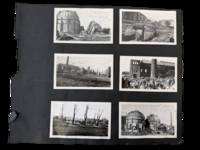
1944réf. 233061944. East Ohio Gas explosion photographs recording the October 20 1944 liquefied natural gas disaster in Cleveland Ohio one of the deadliest industrial catastrophes in city history. The unidentified photographer assembled photos of collapsed gas tanks burned automobiles leveled brick buildings ash fields and rescue activity after the blast and fire that tore through the East 55th Street and St. Clair Avenue district. The event killed roughly 130 people and destroyed a broad swath of the surrounding neighborhood after gas escaped entered sewers and gutters and ignited across the district. Photo archive of 14 silver gelatin photographs photos measure 2.75" x 4.75" mounted on 10.5" x 13" black album leaf Cleveland Ohio October 1944. A few carry captions including "East Ohio Gas Explosion." The strongest images center on the damaged storage plant itself including two views of the large spherical gas holders with torn metal skins and collapsed structures at their base. Other photographs move outward into the destroyed neighborhood: a burned sedan sits twisted in rubble; brick factory walls stand roofless and hollow; streets are reduced to ash mud and broken masonry; and leafless tree trunks rise from a flattened landscape where houses and smaller structures had stood. One photograph shows a crowd of civilians and workers gathered amid debris before a shattered industrial building. Another isolates a man standing in the wreckage. A second group portrait includes several men in coats and hats beside uniformed personnel probably police or fire officials. The repeated emphasis on wrecked tanks gutted streets and pulverized building shells makes the archive a sequential record of blast damage rather than a general view of a fire scene. The East Ohio plant was an early liquefied natural gas facility and the 1944 disaster became a turning point in the history of gas storage in American cities. A Bureau of Mines investigation followed and later historical accounts note that the fire destroyed 79 homes 2 factories and 217 automobiles while forcing new attention to safer low temperature gas storage methods. The destruction covered roughly a square mile on Cleveland's east side and exposed the danger of placing large fuel reserves beside dense working class neighborhoods and urban utility systems. Light wear and chipping to album leaf; images remain clear and well preserved. Overall very good condition. These photographs preserve that system after failure when industrial modernity appeared not as progress but as wreckage displaced residents and a city forced to rethink how fuel infrastructure should be built. unknown
1944réf. 233061944. East Ohio Gas explosion photographs recording the October 20 1944 liquefied natural gas disaster in Cleveland Ohio one of the deadliest industrial catastrophes in city history. The unidentified photographer assembled photos of collapsed gas tanks burned automobiles leveled brick buildings ash fields and rescue activity after the blast and fire that tore through the East 55th Street and St. Clair Avenue district. The event killed roughly 130 people and destroyed a broad swath of the surrounding neighborhood after gas escaped entered sewers and gutters and ignited across the district. Photo archive of 14 silver gelatin photographs photos measure 2.75" x 4.75" mounted on 10.5" x 13" black album leaf Cleveland Ohio October 1944. A few carry captions including "East Ohio Gas Explosion." The strongest images center on the damaged storage plant itself including two views of the large spherical gas holders with torn metal skins and collapsed structures at their base. Other photographs move outward into the destroyed neighborhood: a burned sedan sits twisted in rubble; brick factory walls stand roofless and hollow; streets are reduced to ash mud and broken masonry; and leafless tree trunks rise from a flattened landscape where houses and smaller structures had stood. One photograph shows a crowd of civilians and workers gathered amid debris before a shattered industrial building. Another isolates a man standing in the wreckage. A second group portrait includes several men in coats and hats beside uniformed personnel probably police or fire officials. The repeated emphasis on wrecked tanks gutted streets and pulverized building shells makes the archive a sequential record of blast damage rather than a general view of a fire scene. The East Ohio plant was an early liquefied natural gas facility and the 1944 disaster became a turning point in the history of gas storage in American cities. A Bureau of Mines investigation followed and later historical accounts note that the fire destroyed 79 homes 2 factories and 217 automobiles while forcing new attention to safer low temperature gas storage methods. The destruction covered roughly a square mile on Cleveland's east side and exposed the danger of placing large fuel reserves beside dense working class neighborhoods and urban utility systems. Light wear and chipping to album leaf; images remain clear and well preserved. Overall very good condition. These photographs preserve that system after failure when industrial modernity appeared not as progress but as wreckage displaced residents and a city forced to rethink how fuel infrastructure should be built. unknown books
réf. ria9780309151764_inpPaperback / softback. New. New Book; Fast Shipping from UK; Not signed; Not First Edition; N/A paperback
réf. A9780309151764Paperback / softback. New. Emissions of carbon dioxide from the burning of fossil fuels have ushered in a new epoch where human activities will largely determine the evolution of Earth's climate. Because carbon dioxide in the atmosphere is long lived it can effectively lock the Earth and future generations into a range of impacts some of which could become very severe. Emissions reductions decisions made today matter in determining impacts experienced not just over the next few decades but in the coming centuries and millennia. According to Climate Stabilization Targets: Emissions Concentrations and Impacts Over Decades to Millennia important policy decisions can be informed by recent advances in climate science that quantify the relationships between increases in carbon dioxide and global warming related climate changes and resulting impacts such as changes in streamflow wildfires crop productivity extreme hot summers and sea level rise. One way to inform these choices is to consider the projected climate changes and impacts that would occur if greenhouse gases in the atmosphere were stabilized at a particular concentration level. The book quantifies the outcomes of different stabilization targets for greenhouse gas concentrations using analyses and information drawn from the scientific literature. Although it does not recommend or justify any particular stabilization target it does provide important scientific insights about the relationships among emissions greenhouse gas concentrations temperatures and impacts. Climate Stabilization Targets emphasizes the importance of 21st century choices regarding long-term climate stabilization. It is a useful resource for scientists educators and policy makers among others. paperback