2645 resultados
ref. DADAX0415396093New unknown
1854Hardcover. No jacket. Ex - library. Contains illustrations on wood and stone, some in colour. Boards are worn and scored. Leading corners, edges and spine are bumped and split. Spine sides are split but binding remains intact. Boards, page block and pages are tanned and marked. Library plate on BEP. Embossed and ink stamps on FEP, title page and throughout volume. Minor bumps and creases on some pages. One or two pages are chipped on upper leading corners. Contents remain clear throughout. HCW Ex - Library
ref. DADAX0792379845New unknown
ref. SONG3132414409Used: Good unknown
ref. DADAX0470689285New unknown
ref. SONG9057022923Used: Good unknown
ref. SONG1555819753Used: Good unknown
ref. SONG019879536XUsed: Good unknown
1969ref. 64531London UK: Radius Book/Hutchinson 1969. 8vo. x 2 273 1 pp. Text illustrations. Colour-illustrated softcovers minor creasing to lower corner rear cover still VG bright copy inscribed “In good friendship Lotte” to Elof Axel Carlson 1931-2025 noted geneticist historian of science and fierce opponent of eugenics. Revised edition signed of this well-written work by the pioneering Jewish German-British geneticist considered the “mother of chemical mutagenesis” who had discovered while researching mustard gas through World War II that it could induce gene mutations in fruit flies and that chemicals could alter DNA. Auerbach 1899-1994 was perhaps also best remembered for her work Genetics in the Atomic Age 1956 as well as her vociferous opposition to Nuclear weapons and Apartheid. Radius Book/Hutchinson, paperback

ref. ria9780198783695_inpPaperback / softback. New. New Book; Fast Shipping from UK; Not signed; Not First Edition; A fresh approach to biology centred on a clear narrative active learning and confidence with quantitative concepts and scientific enquiry. Designed for flexible learning it will give you a deeper understanding of the key concepts an paperback
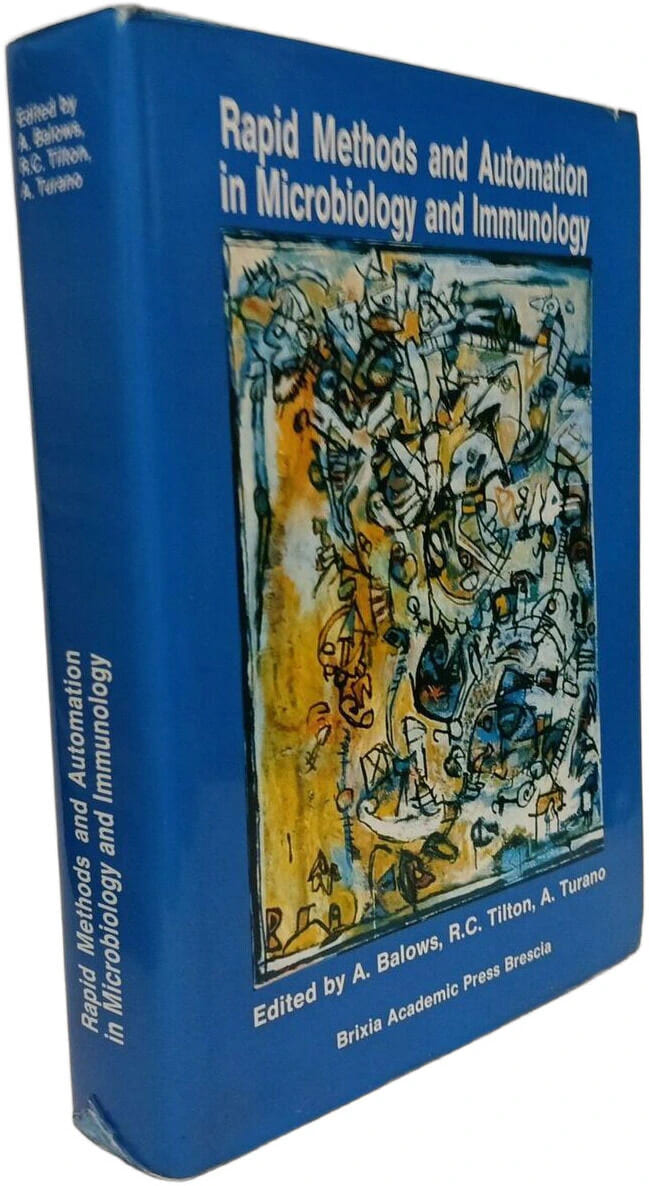
1998ref. 100158888Brixia academic press Brescia 1998 195 pages in8. 1998. Cartonné jaquette. 195 pages.
1995ref. BT040761995 xii, 479 p., num. figs, hardbound. Crisp new copy.
1995ref. BT144321995 xii, 479 p., num. figs, hardbound. Crisp new copy.
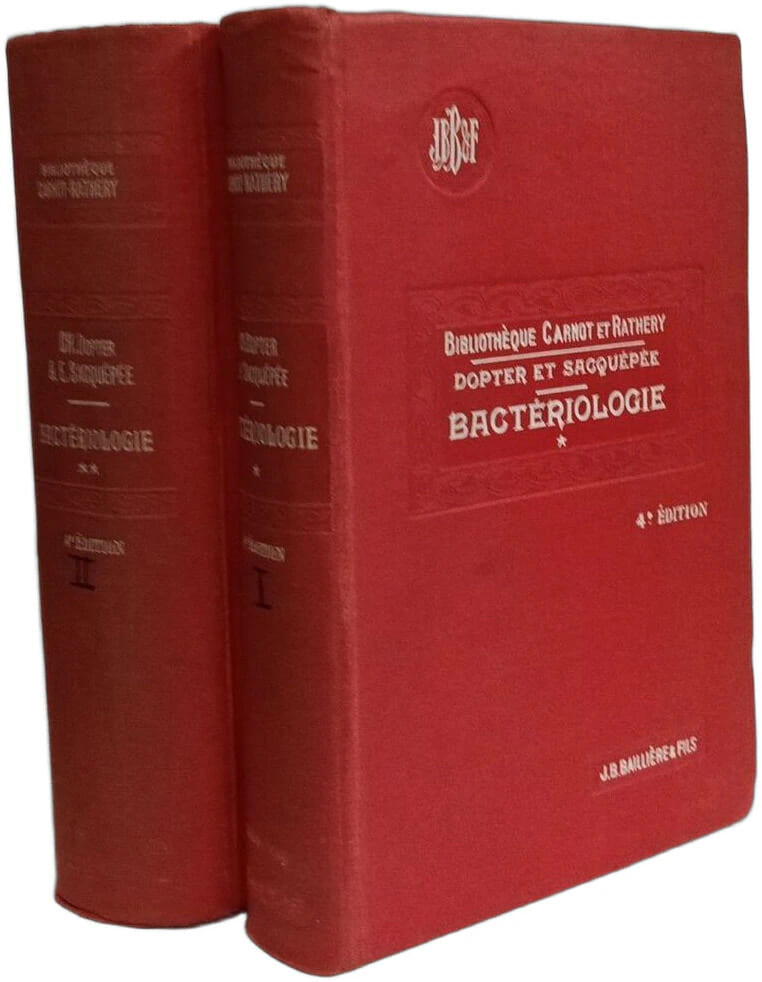
1930ref. 100159484J.B. Baillière & Fils 1930 collection Bibliothèque Carnot et Rathery. in8. 1930. Cartonné. 2 volume(s).
19332 volumi in 16, cm 13 x 19,5, pp. XXXII + 562; 566. Timbro di estinta biblioteca. Brossura editoriale con piccola mancanza riparata a un piatto. Opera fondamentale di tutte le teorie razziste contemporanee, venne pubblicata per la prima volta nel 1853 - 54. Gobineau suddivide le razze in gialla (materialista), nera (sensi sviluppati all'eccesso) e bianca (contraddistinta da nobili virtu' e amore per la liberta')
1903In-8, tela, tassello con titolo oro al dorso, pp. XIX, 912. In buono stato (good copy).
1834ref. 74237Couverture rigide. Reliure demi-basane frottée avec manques. Mors fendu. 346 pages.
1842ref. 126137Regensburg, 1842. 18,5 x 11 cm. 123 Seiten, 1 Blatt. Broschierter Umschlag der Zeit (leicht fleckig).
1931Large 8vo, 25cm. Pp. 19-174, many figs. on 15 plates, 35 figs. in text, refs. Orig. printed wrs. Spine mended. - Russian text with full English translation. - Rare offprint of the paper containing the introduction of the term "karyotype": "The term karyotype was introduced by Levitsky. At that time, it was meant to describe nuclear morphology (as its Greek meaning explains). In 1931, Levitsky wrote 'Me personally, used the term karyotype to define the characteristics of the nuclei from one or a group of organisms.' As in plant nuclei chromosomes were easily visualized, the karyotyping or looking at nuclei became synonymous. Because of this, the term has taken on its current definition as describing the particular chromosome complement of an individual, as defined by the number and morphology of the chromosomes. Thus, the meaning of the word 'karyotype' has evolved and is time and context dependent. Karyotyping was the first genome-wide screening tool for chromosomal imbalances and – in addition – enables the identification of chromosomal translocations. [...]" (J.R. Vermeesch and A. Rauch, European Journal of Human Genetics (2006) 14.)
ref. DADAX0521702712New unknown
ref. DADAX0195168186New unknown
ref. DADAX0521100801New unknown
ref. DADAX1911510703New unknown
1949Hardcover, first edition, with unclipped dust jacket in plastic sleeve. Jacket is tanned at spine and faintly marked both front and rear. Green cloth boards are rubbed along edges and spine ends. Page block is foxed and hinge break at rear pastedown. Internal pages are clean and unmarked throughout. AD Used