Leisure ArtsBiblio.com

rif. 1574866370.Gpaperback. Good. Access codes and supplements are not guaranteed with used items. May be an ex-library book. paperback
rif. 1601405227.Gpaperback. Good. Access codes and supplements are not guaranteed with used items. May be an ex-library book. paperback
rif. 3849435-6Used - Very Good. Pages intact with possible writing/highlighting. Binding strong with minor wear. Dust jackets/supplements may not be included. Stock photo provided. Product includes identifying sticker. Better World Books: Buy Books. Do Good. unknown
rif. 18772705-6Used - Good. Pages intact with minimal writing/highlighting. The binding may be loose and creased. Dust jackets/supplements are not included. Stock photo provided. Product includes identifying sticker. Better World Books: Buy Books. Do Good. unknown
rif. DADAX1574860518Brand: Oxmoor House 0000-00-00. paperback. New. 8.75x0.50x11.00. Buy with confidence. Excellent Customer Service & Return policy. Brand: Oxmoor House paperback
2000rif. SONG1574867873LEISURE ARTS 2000-11-01. paperback. Used: Good. 9.00x0.25x11.75. Buy with confidence. Excellent Customer Service & Return policy. LEISURE ARTS paperback
2009rif. 1-160140784XLeisure Arts Inc. 2009. Paperback. New. 76 pages. 10.60x8.30x0.30 inches. Leisure Arts, Inc. paperback
2002rif. 1-1574862480Sunset BooksU.S. 2002. Hardcover. New. 96 pages. 11.00x8.75x0.25 inches. Sunset Books,U.S. hardcover
rif. 1601406606.Gpaperback. Good. Access codes and supplements are not guaranteed with used items. May be an ex-library book. paperback
rif. 1609003888.Gpaperback. Good. Access codes and supplements are not guaranteed with used items. May be an ex-library book. paperback
rif. 1601400187.Gpaperback. Good. Access codes and supplements are not guaranteed with used items. May be an ex-library book. paperback
rif. 1574867598.Gpaperback. Good. Access codes and supplements are not guaranteed with used items. May be an ex-library book. paperback
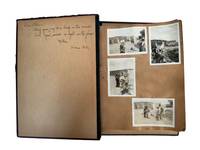
1910rif. 235641910. Cuba photograph album depicting encounters between Western visitors and Cuban communities during the early republican period circa 1910s to 1920s when the island occupied an unusual position between formal independence and continuing American political and economic influence. The photographs move between Havana's monumental architecture hotels and waterfront districts and the rural landscapes villages rivers and agricultural communities that remained largely outside the tourist image promoted to foreign visitors. Repeated appearances of the same Western man often accompanied by a woman who appears to be his wife suggest an extended journey through both urban and remote regions of the island during a period when American travelers businessmen and government personnel moved through Cuba in growing numbers following the Spanish American War and the establishment of the Cuban Republic. Photo album of 26 silver gelatin photographs mounted on unbound album boards with blue covers boards measuring approximately 9 x 15 inches Cuba circa 1910s to 1920s. The photographs range from 6 x 6.5 to 8 x 9.5 inches. Images show waterfront houses built directly along riverbanks; tropical waterfalls and dense forest landscapes; interior courtyards and hotel spaces with colonnades and tiled floors; Morro Castle and lighthouse overlooking Havana Harbor; panoramic views of Cuban towns set among surrounding mountains; market scenes crowded with vendors women and children; cattle standing in shallow waterways; village gatherings outside rural buildings; and groups of local residents posed alongside visiting Westerners. Several photographs depict women standing in rivers holding broad metal pans possibly associated with washing river labor or mineral collection activities. Other images show children families agricultural workers and river communities while a series of portraits records the principal traveler and his companion at various points throughout the journey. One image depicts a group of local residents and Western visitors posed together in a forested region; another shows villagers gathered near a rural homestead while several photographs focus on transportation livestock and daily work in the countryside. The album belongs to the decades following Cuba's transition from Spanish colony to nominally independent republic a period shaped by the Platt Amendment American investment expanding tourism and intensive foreign interest in the island's economic resources and landscapes. Rather than concentrating exclusively on Havana's civic monuments and colonial architecture the photographer devoted substantial attention to rural communities Afro Cuban and mixed-race populations river labor village life and frontier environments seldom emphasized in commercial tourist imagery of the period. The contrast between hotels government-era landmarks village settlements cattle crossings market scenes and encounters with local residents documents the unequal worlds that coexisted within early twentieth century Cuba as foreign visitors moved between urban centers and agricultural regions. Light surface wear occasional toning minor album mounting wear and scattered edge wear to several boards; overall very good condition. A concentrated visual record of how Westerners experienced and represented Cuba's rural communities laboring populations landscapes and colonial-era urban centers during the first decades of the Cuban Republic. unknown
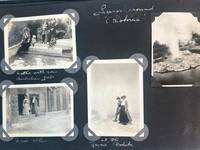
1918rif. 236571918. International travel and native documentation photograph album circa 1918 to 1930 documenting how an English speaking group encountered MÄori New Zealand Atlantic Africa Chile California and the Panama Canal during the golden age of long distance steamship travel and an era of Western imperial expansion across the globe. Photographs record the MÄori built environment at Rotorua the geothermal landscape surrounding PÅhutu geyser and Cape Verdean men working from small boats beside a passenger vessel at São Vicente. These images preserve the travelers' view of early twentieth century infrastructure cities Indigenous people labor and daily life. The album documents Indigenous communities rural life and economy and the foreign visitors who photographed and captioned them. Photograph album of approximately 220 silver gelatin photographs in various small formats New Zealand Britain Atlantic Africa South America California and Panama circa 1918 to 1930. The Rotorua sequence includes two travelers standing before a carved MÄori whare women beside a thermal pool and visitors at PÅhutu geyser recording architecture and geothermal land as parts of the tourist economy. The photographs preserve MÄori visual culture through the carved meeting house and its ornament but the captions remain those of visitors and do not identify the house carvers guides or community represented. A photograph captioned "Divers at St Vincent's off the coast of Africa" shows several small boats clustered around the travelers' ship with local men rowing diving and working close to the hull. The scene records maritime labor at São Vicente in Cape Verde a major Atlantic coaling and provisioning port where local workers serviced foreign steamships and performed hazardous labor within an economy controlled by international shipping. Chilean pages show ox drawn traffic in Santiago streets in Valparaíso and Coquimbo and residents posed in urban settings while California photographs include San Juan Capistrano and San Diego's mission revival architecture. Other photographs show women and men on farms horse teams plowing fields harvesting machinery a steam powered chaff cutter railway assisted canal operations cargo handling passenger steamships and small boat traffic. The album belongs to the golden age of passenger travel when steamship companies expanded international routes and promoted distant ports Indigenous cultural sites engineering works and territories shaped by Western imperial power as components of an increasingly accessible international tourism. At Rotorua MÄori guides hosts performers and communities made tourism possible while government agencies regulated access presentation and revenue; the resulting photographs preserve MÄori presence and engagement while also recording the selective framework through which visitors encountered MÄori culture. At São Vicente the divers and boatmen appear as laboring figures their work framed as spectacle from the deck of a foreign vessel. Moderate wear to the album covers and binding with occasional fading silvering and surface abrasion to the photographs; several captions faint but legible. Overall in good condition. A visual record of how Indigenous architecture labor land and historical memory were encountered during the expansion of Western imperial commercial and transportation power. unknown
1939rif. 236791939. Mexico travel album documenting archaeology bullfighting urban leisure regional performance religious architecture and roadside travel from 1931 to 1939 during the first major expansion of tourism under the postrevolutionary government. The photographs follow visitors through Mexico City and its surrounding attractions presenting Teotihuacan Xochimilco public markets tropical landscapes and the bullring as components of a modern national itinerary. Mexican authorities during the 1930s institutionalized tourism within government policy and used historic centers architecture cultural traditions and natural scenery to shape an internationally recognizable image of the country. Photo album containing 96 items including 71 silver gelatin photographs 21 postcards and 4 pieces of printed Mexican ephemera including tickets and menus most photographs approximately 2.5" x 3.5" mounted in an album measuring approximately 8.5" x 11" Mexico 1931 to 1939. The photographs show bullfights before crowded stands at El Toreo; visitors standing among the monumental architecture of Teotihuacan; canal boats and waterside excursions at Xochimilco; church entrances plazas street markets gardens rural roads thatched buildings tropical vegetation animal displays and a roadside sign reading "Tropic of Cancer." Other scenes record costumed performers vendors working beside public buildings groups traveling by automobile social outings and companions posed at archaeological and scenic destinations. Printed material includes tickets for the 1939 season at "Plaza de Toros El Toreo" a color "Aguas de Lourdes" restaurant menu advertising "Un 'Seltzer' alcalino natural" newspaper clippings and postcards extending the private snapshots through commercially produced views of Mexican landscapes and monuments. An inscription on the front pastedown dated "Xmas 1931" establishes the beginning of the chronology while the El Toreo tickets extend the record through 1939. Tourism became an instrument of economic policy and national image making after the Mexican Revolution translating archaeological sites colonial architecture regional customs food and public spectacle into destinations for domestic and foreign visitors. Government tourism promotion of the period used bullfighting as a recognizable emblem of Mexico including official travel posters issued between 1930 and 1950 while preservation programs increasingly linked historic buildings and urban centers to the visitor economy. Pages and photos exhibit rippling but no apparent staining some minor wear consistent with age; several photographs remain securely mounted while others show lifting or losses. Overall in good condition. A sustained record of how postrevolutionary Mexico presented archaeology spectacle landscape and regional culture as the foundations of a modern tourist nation. unknown
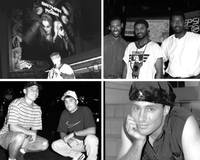
1996rif. 236891996. Very large 1990s Los Angeles street culture photo negative archive with over 1000 images circa 1996 to 1999 recording the social scene of Hollywood Boulevard through street fashion performance tourism nightlife events and informal local portraits. The negatives show people on Hollywood Boulevard and nearby venues: break dancers performing on the Walk of Fame teenagers in streetwear musicians fashion shows costumed entertainers police officers tourists posing with Hollywood signs families nightclub patrons merchants and local personalities known to the photographer by name or occupation. A vibrant contemporary collection of Los Angeles street culture in the late 1990s. Archive of approximately 1038 color and black and white photographic negatives Los Angeles circa 1996 to 1999. Photographer unknown. Individual negatives measure approximately 1 x 1.5 inches and are retained in strips of three to six exposures in archival sleeves bound in a red faux leather binder embossed "The Melaleuca Portfolio". The Los Angeles material centers on Hollywood Boulevard and the Walk of Fame including dancers performing for sidewalk crowds portraits outside the Chinese Theatre Halloween costumes nightclub and fashion events police motorcycles and patrol cars street vendors visitors displaying Hollywood souvenirs and people posing beside limousines convertibles advertising vehicles storefronts and entertainment landmarks. Handwritten captions include "Basketball Players" "Girls on Marilyn" "Tanya - Star Trek Writer" "99/Boulevard" "Dr. Jones" "Carlos Cassio - Drug Bust @ Hotel" "Roesha" "Policewoman on Bicycle" "Fashion Show" "Blvd. Oct. Nov - 96 Halloween" and "Cable Guy Premiere" while several sheets document repeated portrait sittings public performances group gatherings and street encounters over multiple frames. About 30 images from Las Vegas show performers in masks and costumes interiors that appear to be hotels or casinos and portraits from the same period. Hollywood Boulevard in the late 1990s attracted residents street performers tourists promoters aspiring entertainers and nightlife patrons from all walks of life to the famous aisle of movie theatres and the Walk of Fame. These negatives record that environment at the street level with special attention to street wear and performers musicians and local characters. Negatives remain housed in sleeves and retain generally strong image density; occasional blank frames handling marks and isolated surface wear. Overall very good condition. A dense record of LA fashion performance tourism nightlife and informal portraits on Hollywood Boulevard at the close of the twentieth century. unknown
1958rif. 237661958. Mexico travel photo album containing more than 150 photographs 1958 to 1961 documenting an American journey through cities coastal settlements fishing communities archaeological and historic sites markets and rural landscapes during the rapid expansion of postwar tourism to Mexico. The photographer traveled well beyond a single resort itinerary recording Guadalajara Guaymas San Blas Tequila Acapulco Cozumel and other locations while repeatedly turning the camera toward local residents vernacular buildings working waterfronts boats vegetation and roadside landscapes. Printed processing dates of "Dec. 58" and "Jan. 61" establish at least two photographic episodes while handwritten captions trace portions of the route and identify places and people encountered along it. Travel photo album of more than 150 color and black and white snapshots most approximately 3.5 x 3.5 inches Mexico and one page at an unidentified Southeast Asian location 1958 to 1961. The Mexico photographs range from city streets and groups of travelers to fishing boats harbors lagoons markets mountains tropical vegetation stone buildings construction archaeological or historic architecture and portraits of local residents. Handwritten captions identify "San Blas" "Guadalajara" "Guaymas" "Travel thru Mexico" "Tequila" "Cuernavaca" "Lerma Cozumel" and "Acapulco Cozumel '61" while another photograph of three women wearing traditional dress is captioned "Mayan women." A photograph identified "Tequila" records an open landscape and roadside setting while the Guaymas sequence includes fishing vessels and a man standing among their masts and rigging. Other images follow waterways by small boat showing passengers settlements along the banks dense tropical growth and working boats. The photographer also recorded companions and acquaintances including a man identified in a caption apparently reading "Ralph Glad hill" as well as paired portraits captioned "Lerma Cozumel" and "Bathing 30 '61." A group of black and white photographs records stone structures in varying states of construction or repair including one view captioned "My house as purchased." The final approximately ten photographs depart abruptly from the Mexican itinerary and depict an unidentified Southeast Asian village or settlement. The album belongs to a period when Mexico had become one of the principal foreign destinations for American travelers following decades of government investment in highways hotels archaeological tourism resort development and international promotion. By the late 1950s and early 1960s improved road and air connections allowed foreign visitors to construct itineraries extending from major cities into Pacific ports smaller towns archaeological sites and newly developing coastal destinations. The photographs register that mobility directly: named tourist centers sit beside fishing communities working harbors rural roads vernacular houses market activity and portraits of residents encountered during travel. Moderate handling wear to the album and mounts; photographs with occasional fading color shift surface wear and minor edge wear with several color prints showing pronounced red or magenta shift. Overall in good condition. A substantial photographic record of postwar American travel through Mexico preserving the movement between established tourist destinations and local communities before mass international tourism transformed many of the coastal places represented here. unknown
rif. P02S-00174UNKNO. Used - Very Good. Very Good condition. A copy that may have a few cosmetic defects. May also contain light spine creasing or a few markings such as an owner’s name short gifter’s inscription or light stamp. UNKNO unknown
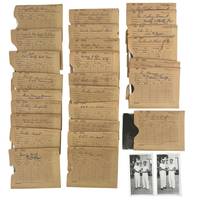
1951rif. 238661951. Large photo archive documenting recreational and civic life in Pinellas County Florida during the 1950s when rapid postwar migration was transforming communities along Florida's Gulf Coast. The photographs record the substantial postwar expansion of organized competitive sport in the United States particularly at the youth school amateur and spectator levels alongside the growth of commercial leisure and civic recreation. Through photographs of the Pinellas County Fair Clearwater Marina fishing and golf tournaments Clearwater High School athletics clubs theatrical productions dances and youth competitions the archive shows how Sunbelt population growth coincided with the proliferation of organized recreation spectator events and community institutions in Clearwater and the surrounding county. Fulmer's photographs document the social infrastructure of a rapidly expanding postwar population from school gymnasiums and golf courses to fairgrounds marinas clubs and tournament venues. Photo archive of approximately 193 items comprising 103 gelatin silver photographs and 91 corresponding large format negatives contained in 27 captioned envelopes Pinellas County Florida primarily 1951 to 1952. Photographs and negatives range from approximately 2½ x 4½ to 4 x 5 inches. Pinellas County Fair photographs show harness racing and horse competition crowded grandstands officials addressing spectators a woman riding before the crowd and aerial performers suspended above the fairgrounds. Golf appears repeatedly in a February 29 1952 Berg Golf Clinic at Pelican Golf Course; a "P.G.A. Boys & Girls Golf Tourn." with young competitors receiving trophies and certificates; junior champions; and adult tournament winners. Clearwater Marina provides another recurring center of organized leisure with charter fishermen displaying large catches beneath the "Clearwater Florida Marina" sign and Clearwater Fishing Tournament winners posing with certificates prizes and a results board sponsored by the Exchange Club of Clearwater. School athletics include basketball action inside a crowded Clearwater gymnasium Clearwater High School baseball a girls volleyball team and football players and coaches discussing plays on a chalkboard. Other assignments show boys competing with numbered model sailboats young archers practicing in formation boys and girls receiving tennis awards Scouts at ceremonies golfers at clinics and presentations a theatrical cast outside Phillips Park and civic groups at dinners and dances. Pinellas County's recreational culture expanded during the same postwar decades in which Florida became a principal destination of Sunbelt migration and Fulmer's assignments register that convergence. Between rapid population growth along the Gulf Coast and a national transformation in popular culture toward organized sport spectator entertainment commercial leisure and legalized wagering this photo archive documents the institutions which provided new residents and Pinellas County tourists with access to a modern sense of culture and American identity principally based on this kind of community organization. In Clearwater these developments coincided with the arrival of new residents drawn by Florida's climate automobile mobility expanding housing stock and promise of leisure producing a concentrated local version of the midcentury American "dream" in which prosperity was increasingly measured not only through homeownership and consumption but through access to recreation tourism sport and entertainment a population of with disposable income spiking an increase in wagering based activities. Fulmer's surviving job envelopes retain client or subject identifications job numbers and occasional dates preserving the working organization of a commercial photographer repeatedly hired to record the county's institutions and public occasions. Light surface wear and occasional handling marks to envelopes; photographs show minor curling few negatives in poor condition showing degradation. Archive in overall good condition. unknown
1990rif. 221090Arkansas: Leisure Arts Inc 1990. First Edition; First Printing. Hardcover. Near Fine in boards.; Creative Holiday Ideas Book Four; 4to 11" - 13" tall; 199 pages. Leisure Arts, Inc hardcover
1986rif. 0139372024-1-37398392Pearson 1986-10-11. paperback. Like New. 0x6x9. Pearson paperback
1950rif. 231941950. Mid-century Mexico photo archive of markets colonial architecture rural households and regional custom recording Mexico everyday labor Indigenous craft traditional dress and iconic national scenery. The photos primarily show on the ground local customs basket vendors seated behind stacks of woven wares pottery sellers in street market display women posed before hanging textiles and earthen vessels and a rural family gathered outside an adobe or jacal dwelling. These photos document monumental Mexico City life smaller scenes of household economy and village life cathedral plazas bullfighting spectacle Indigenous and mestizo craft traditions and rural environments. Photo archive of 20 real photo and photographic postcards varying postcard format sizes Mexico mid twentieth century. Visible captions identify scenes including "Vendedores de canastos. Mex." "Lacandon y textiles mayas C.D. de Las Casas Chis. Mex." "A Mexican Family / Mexican Casa / Adobe Huts" "El Zocalo Mexico D.F." "La Quebrada Acapulco Gro." "Patio de la fonda en San Blas Nay." and "En Xochimilco Mexico." The archive includes broad scenic and civic views of cathedral architecture plazas volcanic landscape lake and garden settings cliffside resort construction at Acapulco and waterfront or canal-side leisure scenes. Other cards focus closely on cultural and economic life: men in broad-brimmed hats selling baskets in market space pottery laid out for sale in the street women cooking outdoors in a scene labeled for the Mexican army a bullfighter in the arena a fruit or pottery market display a palm-thatched dwelling marked "A Mexican Home" and portraits tied to Chiapas and the Lacandon region. The archive belongs to a period when postcards were a primary vehicle for circulating Mexico as both modern nation and regional mosaic with tourism ethnographic curiosity and nationalist image-making all folded into the same marketable format. Light surface and edge wear; overall very good condition. The combination of major landmark views with market household and Indigenous-associated scenes gives the archive a grounded record of how mid century Mexico was pictured through work craft and regional custom. unknown
1905rif. 231541905. Texas HistoryBorderlands U.S.-Mexico borderlands photograph album 1905-1906 centered on El Paso and Juárez with additional views in New Mexico Arizona California Oregon and Alaska. The album documents an early twentieth-century traveler's movement through the southern border of the U.S. when El Paso and Ciudad Juárez were being promoted through rail travel tourism and cross-border entertainment and when American visitors regularly treated Mexican religious sites plazas bullrings and street life as part of a border excursion circuit. Its strongest historical value lies in the concentration of images tied to the Texas-Mexico border including Juárez bullfight and cockfight scenes street and church views and domestic group portraits in El Paso alongside a labeled photograph of a Santo Domingo Pueblo corn dance likely Kewa Pueblo north of Albuquerque showing non-Native travelers recording Indigenous life in the Southwest. Photograph album containing 81 original photographs most measuring approximately 2 x 3 to 4 x 5 inches mounted on thick black paper leaves in a cloth-bound album. Contemporary manuscript captions identify numerous locations and subjects including "El Paso Tex" "Juarez Mex" "Bull Fight" "Cock Fight" "Near Albuquerque 1906" "1906 New Mexico" "New Mexico 1905" "Juarez Mex Church over 350 years old" and "Corn Dance. Santo Domingo." Visible subjects include family and social group portraits posed on porches and in front of residences; women in white dresses and men in coats hats and ties; a tree-lined park path in El Paso; religious architecture and church interiors in Juárez; a fountain identified as Robinson Park in Albuquerque; river and landscape views labeled Rio Grande; a saguaro cactus study; a donkey; a seated elderly woman in a doorway; and multiple arena photographs showing matadors horses attendants spectators and ring action in Juárez. Several photographs bear later ink inscriptions including one later image of five men captioned "Alaska" en recto and with names on verso including "Mayor Goldstein" a prominent Jewish businessman and six time Juneau Mayor Isadore Goldstein. The album records border travel encompassing scenes of domestic life in El Paso tourism in Juárez and excursions into New Mexico and the wider West. The Juárez images are especially strong preserving direct vernacular views of public spectacle in the bullring and cockfight pit as well as church architecture and urban settings seen from the perspective of a visiting American observer. Photographs mounted throughout; some images faded or silvered with scattered surface wear corner wear occasional discoloration and a few later annotations or tape remnants visible. Overall very good condition. unknown
1936rif. 232721936. Camp Mabry and Texas personal photo album documenting prewar military camps domestic and civic life in Austin and San Antonio Arkansas political rally activity and Mexico in 1936 and 1937 with direct evidence of how an American soldier moved between troop grounds private homes city streets and cross border travel before the Second World War. Handwritten captions place the sequence at Bull Creek Road Breckenridge Park Dr. Davis's home in San Antonio the University of Texas Camp Mabry Pulaski political sites Mexico City and the pyramids and ruins visited on the Mexico trip. The Camp Mabry section shows troop buildings motor transport horses trench mortar practice parade formations and guard changes within the daily structure of a Texas military post in the late Depression period. Photo archive of 308 silver gelatin photographs and 1 photographic negative most measuring approximately 4 x 3 inches with several larger snapshot prints laid into the album Texas Arkansas and Mexico 1936 to 1937. Contemporary white ink captions identify places dates and subjects throughout including "Bull Creek Road / December 1936" "Bordeaux Home Thanksgiving November 1936" "Breckenridge Park S.A. 1937" "Dr. Davis's Home in San Antonio May 1937" "Ark. Stage During Political Rally" "Pulaski Office 1936 Aug" "State Capitol" "Congress Ave." "Law Bldg. Univ. Tex" "Motor Transport Units" "Troop Bldg." "Saddle Room" "Trench Mortar" "Troop Horses" "Parade" "Changing the Guards" "Mexico City" "El Gran Catedral" "Indian Ruins" "Big Pyramid" and "Early Ruins." The Texas photographs include women posed beside late 1930s automobiles garden and yard portraits at the Bordeaux home rocky riverbank scenes at Bull Creek and Marble Falls couples' snapshots and views around Austin and San Antonio. The Arkansas pages show storefronts hotel facades backstage and basement interiors campaign imagery around the Arkansas Theater and Pulaski office and men identified in caption as Ray Coley and Frank MacMahon. Camp Mabry appears in sustained sequence through barracks views transport lines artillery vehicles horse trough scenes calisthenics fields band and baseball activity parade grounds and numerous named soldiers and officers including Bill Brooks Capt. Sutton Capt. Müller Col. Boyd Maj. Newgarden Bill Connors Brown Luther Stone Jimmy Sadler and Jeff Kersey. The Mexico section extends from mountain roads and city streets to cathedral architecture and archaeological tourism including stepped pyramids broad stairways summit views and crowd scenes at the ruins. The album documents Texas in 1936 and 1937 Texas prewar military organization and the Mexico photographs placing the compiler within a broader 1930s culture of automobile tourism and hemispheric travel. Light edge wear to the album corner and mount wear scattered fading and silvering to some prints and handling wear to several laid in photographs; overall good condition. Photos from Camp Mabry act as dated records of daily troop routine at one of Texas's principal military posts that soon assumed a wartime home-front role as headquarters of the Texas Defense Guard. The dated photographs show Camp Mabry in the years immediately preceding World War II and the Arkansas and Mexico sections reveal how this interwar period allowed for movement leisure and social life in a way which would soon be restricted by the second world war. unknown
1914rif. 231551914. Caribbean photograph album likely compiled by a person connected to the Panama Canal Zone and the Caribbean documenting how steamship mobility port circulation and U.S. imperial presence linked Jamaica Venezuela Trinidad Barbados Cuba Puerto Rico the Bahamas Florida and Panama in the years after the canal opened. The felt cover lettered "PANAMA" and bearing the Seal of the Canal Zone places the album within the new travel geography created by U.S. control of the Canal Zone and the canal's 1914 opening when Panama became a central hinge between Atlantic and Pacific movement and a major point of contact between North American travelers and Caribbean port cities. Photos show passengers on steamers and docks markets and streets forts and government buildings and repeated encounters between white visitors and Afro Caribbean and mixed-heritage residents across multiple colonial and semi-colonial settings. Panama Canal Zone travel photograph album. Caribbean and circum-Caribbean locations including Kingston Jamaica; La Guaira and Caracas Venezuela; Trinidad; Key West and Palm Beach Florida; Havana Cuba; Barbados; Panama City Balboa and Colón Panama; Nassau Bahamas; and San Juan Puerto Rico. Likely circa mid 1910s to early 1920s. Oblong felt-covered album measuring 6.5" x 11" with "PANAMA" stitched in large letters on the front cover and photographs pasted to grey leaves. Contains more than 160 black-and-white photographs most approximately 2.5 x 4.5 inches many with handwritten captions identifying locations activities and occasional names. The sequence opens in Kingston with captions including "Kingston JA" and "on the steamer" then moves through island and mainland stops; "Port of Spain Trinidad" "Market at Barbados" "Rapid Transit Barbados" "Havana Cuba" "San Juan Porto Rico" "Morro Castle" "Balboa" and "Colon R.P." Repeated figures especially a young college-aged woman and an older woman appear throughout. Notable images include a group of locals in shallow water at Barbados sifting for tossed coins from rowboats; a large crowd scene in San Juan gathered for what appears to be a public speech or civic event; battlements cannon and stone defenses in Havana; vernacular dwellings and children in impoverished conditions in Balboa; posed visitor photographs in what is labeled a "bull ring"; and numerous street dockside market and architectural views that juxtapose local populations with hotels public buildings ruins and newer urban construction. The album's historical force comes from the way it captures the social landscape of Caribbean travel under early twentieth-century U.S. power. After 1914 the Canal Zone intensified Panama's role within a wider American maritime sphere while Caribbean travel increasingly moved through port infrastructures shaped by empire commerce military strategy and tourism; this album records that world at eye level with photographs of docks steamers fortifications government sites public squares and local street life rather than limiting themselves to family snapshots alone. At the same time the images preserve the unequal human encounters built into that system especially where visitors photograph Black children boatmen market crowds and working neighborhoods as part of the travel experience. Felt cover worn and soiled with losses at edges and stitching strain; leaves brittle with chipping and tears; photographs generally present and legible with silvering fading corner wear and occasional losses or lifting. Overall fair to good condition. A substantial early twentieth-century visual record of Canal Zone connected Caribbean travel with dense captioning and wide geographic reach from Jamaica and Barbados to Havana San Juan and Panama. unknown