3.744 resultados
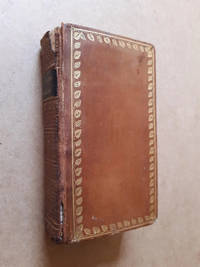
ref. ALDR0193Wien Johannes Adamus Schmidius Johann Adam Schmidt 1733. Titelbl. 3 nn. Bll. 118 S. 1 nn. Bll. 119-124 S. 1 Bl. 2 gef. gest. Taf. Dietell del. et sc. mit Initialen Kopfleisten u. Schlussvignetten. Angebunden: Debiel Ludwig. Dissertatio de Nobilitate Romana Et Ejus Insignibus. Honori Perillustrium Reverendorum Praenobilium Nobilium ac Eruditorum Dominorum AA. LL. & Philosophiae Doctorum Cùm In Universitate Viennensi Promotore R. P. Ludovico Debiel ornarentur; Anno 1734. Wien Typis Mariae Theresiae Voigtin Viduae Maria Theresia Voigt 1734. Kl. 8°. Titelbl. 2 nn Bll. 79 S. mit 29 Textkupfern Initialen Kopfleisten u. Schlussvignetten. Marmorierter Lederband d. Zeit Rücken schadhaft frühere Rückenschildchen u. -verzierung goldgeprägt Vorsatz marmoriert flieg. Vorsatzpapiere fehlen Bindung gelockert. De-Backer-S. I1858 Adl; Wurzbach 4375ff.; Meusel 3539 unter Frölich; vgl. ADB 4791. Sammelband mit zwei selbständig erschienenen von Ludwig Debiel auch De Biel; 1697-1771 herausgegebenen Universitätsschriften. Der angesehene Pädagoge Jesuit lehrte an den Universitäten von Wien und Graz und war der erste Rektor des neugegründeten Theresianums. E. Frölich 1700-1758 Jesuit Professor u. Bibliothekar am Theresianum trat besonders als Numismatiker hervor u. verfasste mit Utilitas Rei Numariae Vetereris Compendio sein erstes münzkundliches Werk. Die Münzabbildungen in dieser Schrift wurden von einem Mitglied der in Wien ansässigen Kupferstecherfamilie Dietel auch Dietell angefertigt. Wien, Johannes Adamus Schmidius (Johann Adam Schmidt) 1733. unknown
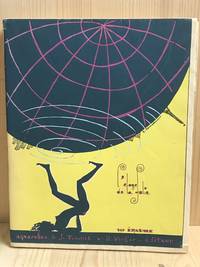
1926ref. 3450Paris: R. Kieffer 1926. good condition one of the 450 numbered on Velin Blanc nr 314 illustrated with aquerelles of J Touchet R. Kieffer unknown
ref. 30087Lugdunum Batavorum = Leiden Ex officina Joannis Maire 1644. . Ob. Kap. beschäd. stellenw. Wurmspuren Notiz von alter Hand aV 1 Bl. mit kl. hinterl. Fehlst. Buchstabenverlust. - RTitel: "Erasmi opuscula theologiae I". - Erasmus widmete seine Psalmen-Auslegungen dem Freund Beatus Rhenanus 1 dem BaronThomas Rocheford 2 Bischof Conrad von Würzburg 3 u. dem Bischof zu Linncoln Johannes Longlondus Beichtvater Heinrichs d. VIII 4. - Desiderius Erasmus von Rotterdam 1466-1536 gilt als "Prototyp des Humanisten von europäischer Geltung u. souveräner Überlegenheit". Er stand mit den bedeutendsten Gelehrten seiner Zeit in Verbindung u. wurde von Karl V. zum Kaiserlichen Rat ernannt Zischka Allgem. Gelehrten-Lex. S. 198; Jöcher Comp. Gelehrten-Lex. Tl. 1 Sp. 877 f. Lugdunum Batavorum (= Leiden), Ex officina Joannis Maire, 1644. unknown
1777ref. 3006455London and Paris: Barbou 1777. Joints chafed and head of spine slightly chipped. Duodecimo with a frontispiece to the first work; contemporary dark green morocco sides bordered and spine panelled in gilt all edges gilt. The beautifully-printed Barbou edition of Utopia bound as often with the matching edition of Erasmus' Praise of Folly. The friendship between Sir Thomas More 1478-1535 and Erasmus 1469-1536 was one of the great scholarly alliances. More's Utopia 1516 was a revolutionary work of philosophy which inaugurated the entire tradition of the modern imaginary voyage but it was also a book to which a small coterie of his greatest friends contributed particularly including Erasmus. More also played an important part in turn in the writing of Erasmus' Moriae Enkomion-the "praise of folly" but also a pun on the "praise of More" - which is said to have been written whilst they were staying at More's London house. It was first published in 1511. This Barbou edition of both works is particularly attractive. The Barbou family was in business from the early sixteenth-century through to the beginning of the twentieth and was known in the later 1700s for their superb editions of the Latin and Greek classics not unlike a French Baskerville. . Barbou unknown
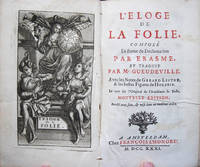
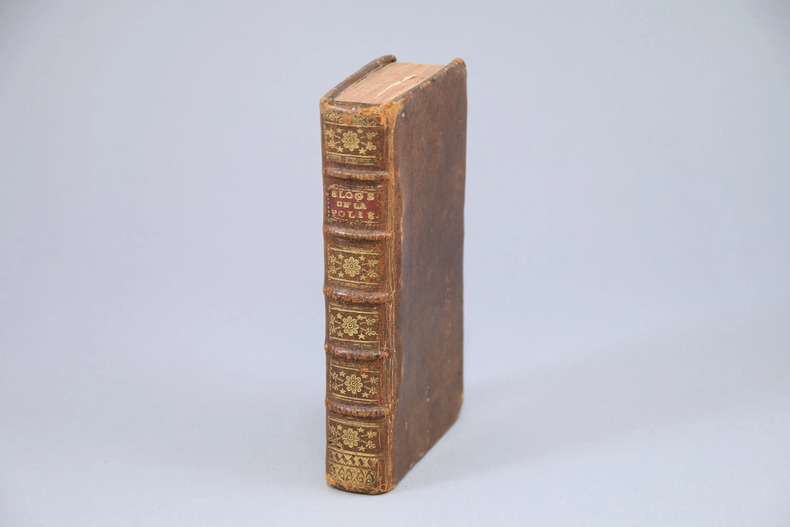
1731ref. 51554HANS HOLBEIN ILLUSTRATIONS first revised edition of this translation 12mo. 28 320pp. 8 engraved plates of which 6 are folding numerous engravings on text leaves circa 70% page size contemporary sprinkled calf spine panelled by raised bands panels richly gilt tooled maroon morocco label marbled endpapers edges dyed red joints rubbed lacks part of title label else very good. Nicholas Gueudeville's translation was first published in 1713 reissued in 1728 and revised in 1730 published 1731. Gueudeville's "object was to popularize the text to make the thought and spirit of Erasmus accessible to those who know little or no Latin. In order to do this he 'clarified' the original. Where Erasmus was subtle or allusive Gueudeville was blatant. The result is that the French version is much longer much more wordy and much more direct than the Latin" Rosenberg. Between 1713 and 1777 there were 21 editions of this translation of which two were reissued three times. The plates are based on Hans Holbein drawings. Vide: Aubrey Rosenberg Nicholas Gueudeville and his Work 1652 - 1725 1982. chez François l'Honoré hardcover
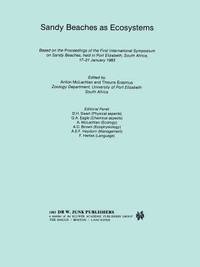
1983ref. x-9061937701Dr W Junk Pub Co 1983. Hardcover. New. 757 pages. 10.75x8.25x1.25 inches. Dr W Junk Pub Co hardcover
2011ref. x-9048185211Springer 2011. Paperback. New. reprint edition. 766 pages. 10.00x7.75x1.73 inches. Springer paperback
1806ref. 56703Kiöbenhavn Trykt paa kongelig Bekostning hos Andreas Seidelin 1806. 4to. Samtidigt hellæderbind i flammet kalv. Rig rygforgyldning. Nogle revner i skindet nederst på ryggen. Titeletiketten bortslidt. 41262 pp. samt 5 store foldede kobberstukne plancher heriblandt de 2 tre-sidede foldede afbildninger af de to guldhorn. Kobberne er stukket af Lahde. Trykt på skrivepapir. Nogle få brunpletter. Den sjældne originaludgave som blev prisbelønnnet af Vienskabernes Selskab. Müller's undersøgelse af guldhornene var ikke særlig vellykket idet han byggede tolkningen på at guldhornene var af keltiberisk oprindelse. unknown
1806ref. 56703Kiöbenhavn, Trykt paa kongelig Bekostning, hos Andreas Seidelin, 1806. 4to. Samtidigt hellæderbind i flammet kalv. Rig rygforgyldning. Nogle revner i skindet nederst på ryggen. Titeletiketten bortslidt. (4),126,(2) pp. samt 5 store foldede kobberstukne plancher, heriblandt de 2 tre-sidede foldede afbildninger af de to guldhorn. Kobberne er stukket af Lahde. Trykt på skrivepapir. Nogle få brunpletter.
1984ref. BN392556Sdun Verlag 1984. 1984. Das Buch von der Tugent und Weissheit : nemlich neun und viertzig Fabeln der mehrer Theil auss Esopo gezogen und mit guten Reymen verklert sampt etzlicher Ort deudsches Lands lustiger Beschreibung jedermann nützlich zulesen. Teilausg. - Enth. nur: Von den Hasen : die 20. Fabel. Mit Linolschnitten von Walter Diewock =Schierlingspresse ; 1. Band Das Buch von der Tugent und Weissheit : nemlich neun und viertzig Fabeln der mehrer Theil auss Esopo gezogen und mit guten Reymen verklert sampt etzlicher Ort deudsches Lands lustiger Beschreibung jedermann nützlich zulesen. Teilausg. - Enth. nur: Von den Hasen : die 20. Fabel. Mit Linolschnitten von Walter Diewock =Schierlingspresse ; 1. Band Erasmus Alberus Sdun Verlag unknown
1761ref. 937Q4Basilea : A Spese della Saviezza 1761 . Leather. Good. 6.5" by 4". None. A very scarce work containing French and Italian translations of 'Encomio della Pazzia' or 'In Praise of Folly' by Erasmus of Rotterdam. The first edition thus being the first work to contain the French-Italian translation. Bound in full calf with the boards rebacked. A French and Italian translation with each language's text on facing pages. Originally published in 1509 'In Praise of Folly' or 'Encomio Della Pazzia' is a satirical attack on various traditions present in European society as well as on the Western Church. It is considered to be one of the most important works of the Renaissance leading the way for the Protestant Reformation. Written by Dutch humanist Catholic priest and theologian Desiderius Erasmus or Erasmus of Rotterdam. It is believed that this work was originally penned at the estate of Sir Thomas More during a week-long visit. Translated here by Nicolas Gueudeville. Illustrated with a frontispiece containing 'L'Eloge de la Folie' and portraits of Erasmus and Morus. Collated complete.With a twenty-four page unpaginated index to the rear. Bound in full calf with the boards rebacked. Endpapers renewed no half titles. Externally sound with rubbing to the extremities heavier to the spine and joints. Front hinge a touch strained but holding firm. Pencil inscription to front endpaper. Internally firmly bound. Pages are bright and clean. One very small worm hole to the margin of the first 135 pages not affecting text. Good A Spese della Saviezza hardcover
1803ref. 415742London : Printed for J. Johnson by T. Bensley 1803. First Edition. Hardcover. Poor copy in the original full tree calf. Spine worn back board and portrait frontis missing. Shadow-staining in parts. Remains overall quite a good example in need of some attention. Physical description; 174 124 pages : 4 plates originally now only 3 including frontispiece ; 29 cm. Notes; ""Additional notes"" I-XV : 124 pages at end. 4 stipple engravings by Houghton M. Haughton the younger after J.H. Fuessli R.A. Contents; Canto I. Production of life -- Canto II. Reproduction of life -- Canto III. Progress of the mind -- Canto IV. Of good and evil -- Additional notes. Subjects; 1700-1799. Natural history ; Poetry. Evolution Biology ; Poetry. English poetry 19th century. Botany 18th century. Poetry Modern 18th century. London : Printed for J. Johnson, by T. Bensley hardcover
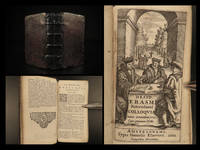
1636ref. #BIBLIO-1180Des. Erasmi Roterod. Colloquia nunc emendatiora; cum Coronis Apologetica Pro Colloquiis Erasmi ex ipsius scriptis quantum per otium licuit fideliter collecta a p. s. accedit ejusdem de colloquiorum vtilitate dissertatio Desiderius Erasmus Roterodamus of Rotterdam - Colloquies now emendated/corrected; with an Apologia on the Usefulness of the Colloquies of Erasmus from his writings as far as leisure permitted faithfully collected by P. S. with the same dissertation on the usefulness of colloquia. Lvgd. Batavorvm: ex officina Elzeviriana Leiden Netherlands: Elzevir Press. Anno 1636. Believed to be first Elzevir printing. Hardback later full calf binding perhaps late 18th century or 19th century with black title label gilt-blocked title decoration and bands. Blue cloth ribbon bookmark sewn into binding. Duodecimo/12mo measures around 3" x 5 1/8" x 1 3/8". Pagination: 4 xxiv 672 44 8 pp. Title page contains woodcut of Erasmus using a telescope by Cornelius Claesz Dusend. An attractive volume. Boards in good condition for age only minor scuffing and marking very clean and gilt detail vivid though a little bumping to corners and tearing to front outer corner. Spine torn at head and a little at tail extending onto hinges with some loss at head of spine a little darkening to torn areas possible signs of repair attempts. A little discolouration and a lot of rubbing to gilt detail on spine which has faded to some degree as a result. Binding firm. All page edges gilt some scuffing and dulling especially to upper edges which show some marking but mostly clean and still quite vivid to lower and fore-edges. Attractive marbled endpapers. A little writing to verso of front free endpaper. Minor light foxing and staining to preliminary and hindmost pages. A little scattered light foxing and to some pages and occasional other marking but otherwise very clean for age and very crisp with no apparent underlining marginalia etc. See pictures for further information. About the author/work: Desiderius Erasmus Roterodamus; 28 October c. 1466 – 12 July 1536 commonly known in English as Erasmus of Rotterdam or simply Erasmus was a Dutch Christian humanist Catholic priest and theologian educationalist satirist and philosopher. Through his works he is considered one of the most influential thinkers of the Northern Renaissance and one of the major figures of Dutch and Western culture. Erasmus was an important figure in classical scholarship who wrote in a spontaneous copious and natural Latin style. As a Catholic priest developing humanist techniques for working on texts he prepared pioneering new Latin and Greek scholarly editions of the New Testament and of the Church Fathers with annotations and commentary that were immediately and vitally influential in both the Protestant Reformation and the Catholic Reformation. He also wrote On Free Will The Praise of Folly The Complaint of Peace Handbook of a Christian Knight On Civility in Children Copia: Foundations of the Abundant Style and many other popular and pedagogical works. Erasmus lived against the backdrop of the growing European religious reformations. He developed a biblical humanistic theology in which he advocated the religious and civil necessity both of peaceable concord and of pastoral tolerance on matters of indifference. He remained a member of the Catholic Church all his life remaining committed to reforming the church from within. He promoted what he understood as the traditional doctrine of synergism which some prominent reformers such as Martin Luther and John Calvin rejected in favour of the doctrine of monergism. His influential middle-road approach disappointed and even angered partisans in both camps. Colloquies Latin title Colloquia familiaria is one of the many works of the "Prince of Christian Humanists" Desiderius Erasmus. First published in 1518 as Latin dialogues for schoolboy exercises the work expanded over the following decades with witty but more serious and controversial content. Among other things the pages ".held up contemporary religious practices for examination in a more serious but still pervasively ironic tone" Source: Wiki Elzeviriana / Elzevir hardcover
1983ref. Q-9061937701Springer 1983-08-31. Hardcover. New. New. In shrink wrap. Looks like an interesting title! Springer hardcover
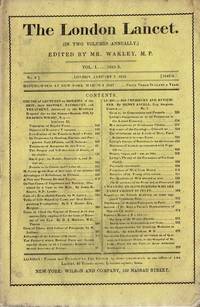
1843ref. 31828AB1843. New York / London Wilson and Company / John Churchill 1843. Octavo. 31 pages pages 249 - 280 of Volume I. Softcover / Original printed wrappers of the Publishers. Very good condition with only minor signs of wear. This very early Lancet - Issue includes for example: Henry Ancell: Justus von Liebig - His Chemistry and Reviewers Erasmus Wilson: Course of Lectures on Diseases of the Skin; their History Pathology and Treatment delivered in the Middlesex Hospital during the Summer Sessions 1842 James Richard Smyth: Miscellaneous Contributions to Pathology and Therapeutics Impotence and Sterility paperback
ref. 686608S.N. S.L. 1753 In-12 ( 155 X 95 mm ) de: frontispice, ( 3 ) ff. dont titre, XXIV pages de préfaces, 222 pages, ( 1 ) f. de table, 13 planches hors-texte, plein veau tabac, dos à nerfs orné de caissons et fleurons dorés, coupes et coiffes filetées d'or, roulette intérieure dorée, tranches brique ( Reliure de l'époque ). BELLE ÉDITION, traduite du latin d'ERASME par GUEUDEVILLE, avec des notes par Meunier de Querlon. Elle est illustrée d'un FRONTISPICE, de 13 ESTAMPES hors-texte, d'une vignette de titre, d'une vignette en-tête de page et d'un cul-de-lampe par EISEN, l'ensemble gravés par Aliamet, de La Fosse, Flipart, Legrand, Le Mire, Martinasie, Pinssio et Tardieu. ( Cohen, 348 ). Bel exemplaire.
ref. 120638aafAmsterdam, Chez François l’Honoré, 1745, in-8vo, 12 ff. + 340 p. + 10 ff. de table, illustré de 75 gravures sur bois (par P. LS. d’après Holbein) + 6 planches gravées en taille-douce dépl., çà et là quelques rousseurs, taches ou faiblesses du papier, reliure en basane d’époque, coiffe tirée avec manque, charnières faibles et part. fendues, corps du livre légèrement courbe.
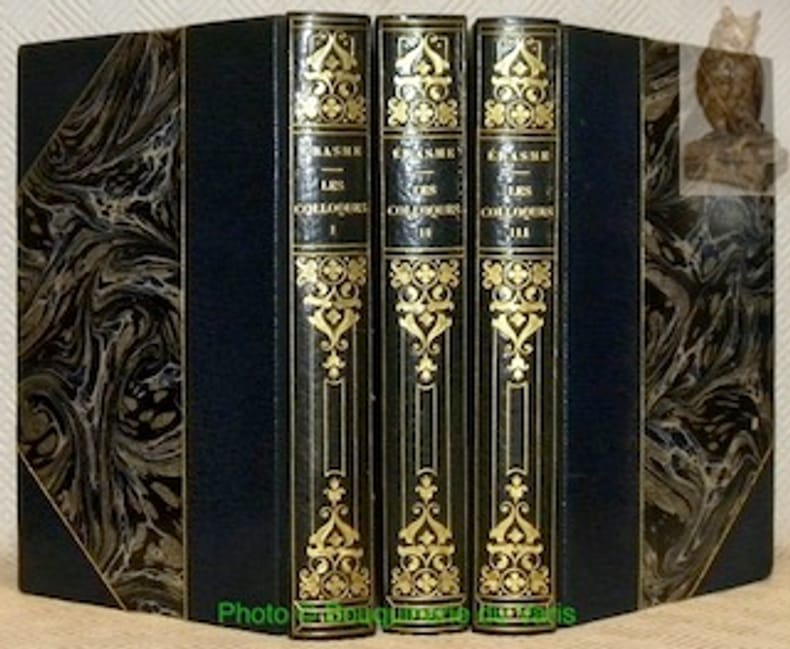
ref. 105070Paris, Librairie des Bibliophiles 1875, 1876, 225x150mm, frontispice, III - 496 + 316 + 322pages, reliure demi-maroquin bleue à coins avec titre, auteur, tomaison, date d’édition, encadrements et ornementations dorés au dos. Trois filets dorés sur les deux plats marbré. Garde marbré. Couvertures et dos conservés. Très belle reliure signée Vermorel. Très bel exemplaire.
1685ref. 50211This 1685 Amsterdam edition of Desiderius Erasmus's MÅrias EnkÅmion or Stultitiæ Laus presents a Latin printing of one of the most recognized works of Renaissance humanism. First composed in 1509 the text uses satire to examine European society religious customs and intellectual traditions drawing on classical references and allegorical structure. Erasmus remains a central figure in early reformist thought and this work circulated widely across Europe in numerous editions. This compact format reflects continued readership in the seventeenth century. Provenance: Bookplates of Giles Robertson 1913–1987 20th-century British art historian and expert on the Italian Renaissance; and D.S. Robertson 1885–1961 classical scholar and the Regius Professor of Greek at the University of Cambridge on front endpaper. Good full leather binding with tight and secure text block; front cover attached only by threads front endpapers with extensive handwritten notes titled "Index Capitum" pages generally clean with minimal foxing. 16mo single volume. Collation: 8 152 pp. Illustrations: engraved title page. Edition: 1685 edition. #50211. PHOTOS AVAILABLE UPON REQUEST. Henricum Wetstenium hardcover
1668ref. 204991668 Erasmus Colloquies Humanism Rhetoric Philosophy War Latin Elzevier RARE "When I have a little money I buy books; and if I have any left I buy food and clothes." ― Erasmus Erasmus's famous 'Colloquies' is a collection of humanistic dialogues on a wide variety of subjects most of which explore man's reactions to other men through conversation. Erasmus and his pupils wrote on war travel religion sleep beggars funerals literature and other topics. According to one expert 'Colloquies' "held up contemporary religious practices for examination in a more serious but still pervasively ironic tone." Coffin This work exposed some of Erasmus's humor through the invention of word games and rhetoric exercises used for education. He wanted culture to serve as a model for those living during the Renaissance. This 1668 edition was published by the famed Elzevier house in Amsterdam. Item number: #20499 Price: $550 ERASMUS Desiderius Desid. Erasmi Roterodami Colloquia Amstelodami : Typis Danielis Elzevirii 1668. Details: · Collation: Complete with all pages o 8 589 3 o Engraved title page · References: Willems 440; Coffin Western Civilizations II p463 · Language: Latin · Binding: Leather; tight and secure · Size: ~4.75in X 2.5in 12cm x 6.5cm Our Guarantee: Very Fast. Very Safe. Free Shipping Worldwide. Customer satisfaction is our priority! Notify us with 7 days of receiving and we will offer a full refund without reservation! 20499 Photos available upon request. Danielis Elzevirii hardcover
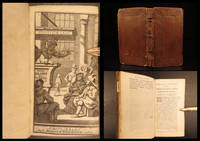
1735ref. LRB27Amsterdam: François l'Honoré 1735 Amsterdam: François l'Honoré 1735 ERASMUS Desiderius circa 1467-1536. L'Eloge de la Folie composé en forme de déclamation par Erasme et traduit par M. Geudeville. Avec les notes de Gerard Listre et les belles figures de Holbein. Nouvelle édition. Amsterdam 1735 In-12. Portrait-frontispice titre gravé titre bicolore imprimé 12 ff et 340 pages table des matières. Veau du temps. 2 planches dépliantes salies. Les 6 gravures dépliantes ne sont pas de la même main que les 74 gravures au burin aux 2/3 de page. Satisfaisant. Satisfaisant. François l'Honoré paperback
1735ref. LRB27François l'Honoré Amsterdam 1735 ERASMUS, Desiderius (circa 1467-1536). L'Eloge de la Folie, composé en forme de déclamation par Erasme et traduit par M. Geudeville. Avec les notes de Gerard Listre et les belles figures de Holbein. Nouvelle édition. Amsterdam, François l'Honoré. 1735 In-12. Portrait-frontispice, titre gravé, titre bicolore imprimé, (12 ff) et 340 pages + table des matières. Veau du temps. (2 planches dépliantes salies). Les 6 gravures dépliantes ne sont pas de la même main que les 74 gravures au burin aux 2/3 de page
1987ref. LIQ-4032Monte Carlo, Art et Couleurs 1987. In-4° plein chagrin aubergine, gardes de soie mauve, plats richement ornés d'un grand décor estampé à froid et doré, dos à nerfs orné de frises dorées et de caissons décorés à froid, tête dorée, étui bordé. Reliure de l'éditeur.
1734ref. 54169Amsterdam Aux dépens de la Compagnie 1734 2 vol. Reliés 2 vol. in-12, veau glacé blond, dos lisses richement ornés de frises, fleurons et dentelle dorés, pièces de titre et de tomaison noires, frise grecque et frise florale dorées en encadrement des plats, frise dorée sur les coupes, coiffes guillochées, tranches dorées (Rel. p. Bozerian), (12)-396 et 419 pp. Célèbre pamphlet luthérien contre les franciscains, dans la traduction de Conrad Badius parue pour la première fois à Genève en 1560. L'auteur y tourne en dérision l'hagiographie rédigée par Barthélémy de Pise qui présentait comme supérieurs les mérites de saint François à ceux du Christ... Premier tirage de l'illustration évocatrice de Bernard Picart comprenant un frontispice et 21 figures hors-texte dont une grande planche dépliante (Cohen, 5). Très bel exemplaire dans une fine reliure signée par Bozerian (Minimes frottements), avec deux ex-libris gravés, "Parlieu l'aîné, de Montpellier" et Anatole Basseville (1834-1923) avocat et érudit orléanais.