Charteris, Leslie (Bowyer-Yin, Leslie Charles)Antiquariat.de
1782 resultados
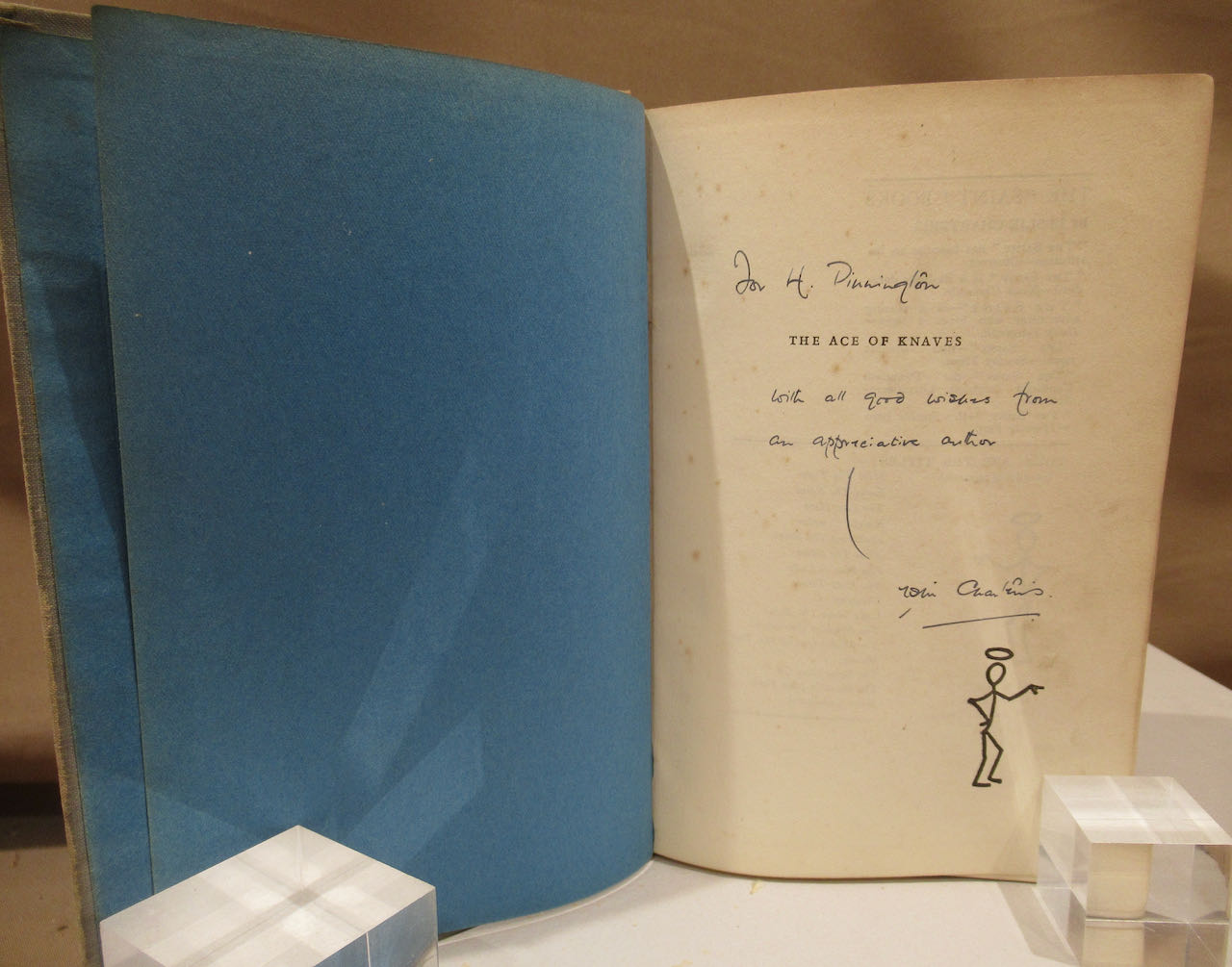
1937ref. 104578London, Hodder & Stoughton 1937. 1937. 315 p., clothbound.
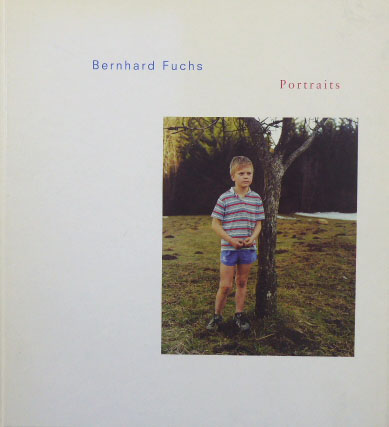
1996ref. 108FBMünster., Westfälischer Kunstverein., 1996. 24 x 21 cm. 39 S. Illustrierter OPappband., 108F 1. Auflage. Einband verso am oberen Rand etwas lichtrandig, sonst sehr gutes Exemplar.
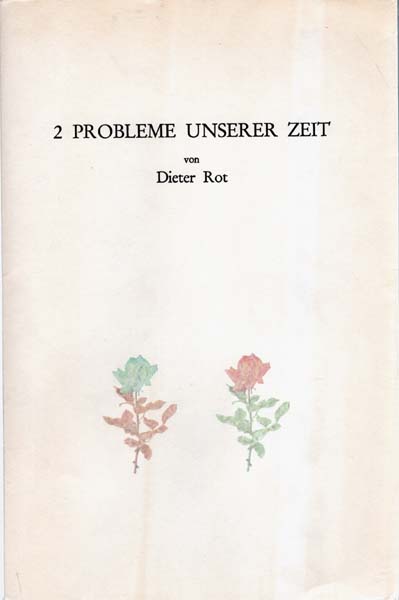
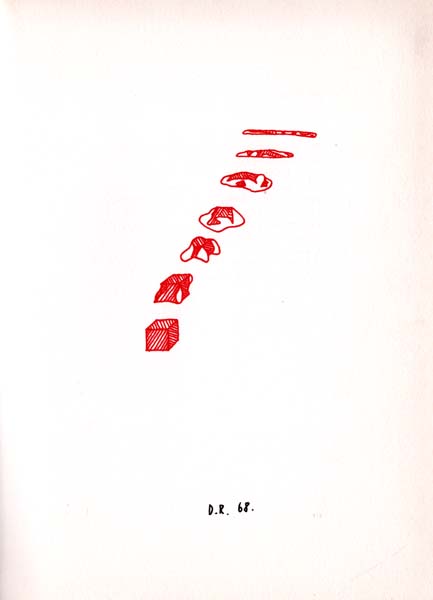
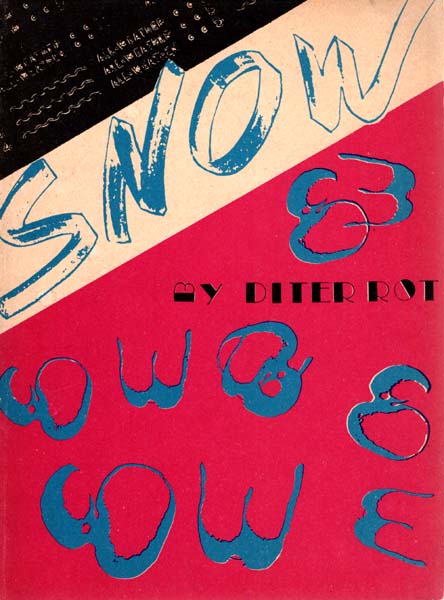
1971ref. 66440ABReykjavik., Dieter Rot., 1971. 23 x 14 cm. 48 S., 2 Blatt. OKarton mit OUmschlag., 66440AB Umschlag vorne etwas lichtrandig, sonst sehr gutes Exemplar.
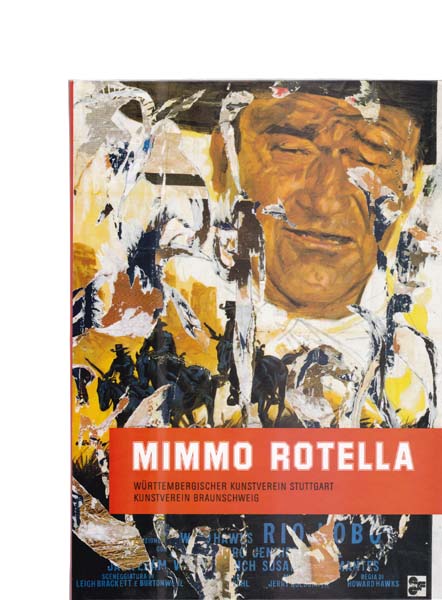
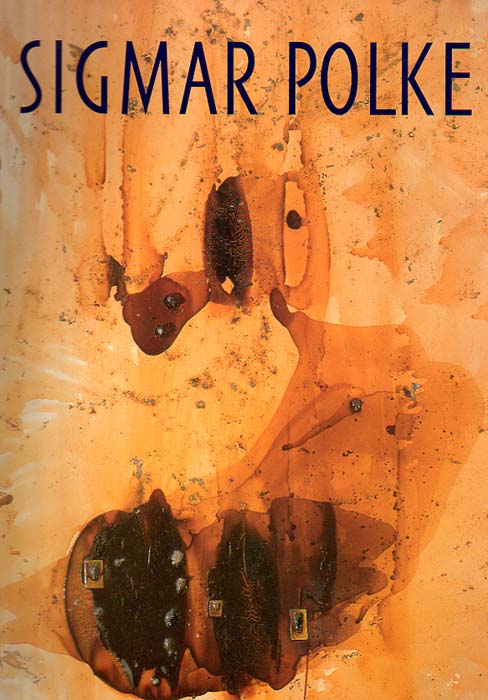
1998ref. 680DBBielefeld. Stuttgart., Kerber. Württembergischer Kunstverein., 1998. 23,5 x 17 cm. 142 S., 1 Blatt. Illustrierter OPappband., 680D Erste Auflage. Sehr gutes Exemplar.
1983ref. 66488ABBerlin., Rainer Verlag., 1983. 30,0 x 21,3 cm. 252 unpaginierte S. OPappband., 66488AB Auflage 200 Exemplare. Einband etwas nachgedunkelt und angestaubt, sonst sehr gutes Exemplar.
1942Two signed membership documents formally accepting English geographer Monica Mary Cole into two scientific societies for the learned, the Royal Geographical Society and the Geologists' Association, respectively. 8vo. Two separate printed documents, three leafs combined, each document completed, signed and dated by the respective society's secretary. Leafs measure approximately 20,5 x 26 cm. Creasing to one document, otherwise in very good condition. Monica Mary Cole (1922-1994) was an English geographer, lecturer, and author, an intellectual woman and polyglot, whose legacy has been described by her colleagues as "a leader in her chosen field of academic research" who "scaled the heights of a profession that, even today, finds too few women as the incumbents of chairs." She left the Royal Geographical Society £10,000 for it to establish a research travel grant for young female physical geographists. The Archives of the Royal Holloway, University of London holds a collection of papers relating to Cole. They include her personal papers and objects connected to her career as a geographer between 1967 and 1970. During her distinguished career she produced pioneering works in the fields of biogeography and geobotany, remote sensing and terrain analysis, and mineral exploration. Her research spanned Central and Southern Africa, Brazil, Venezuela, Australia, China and Finland. Cole was not the archetypal quiet and contemplative academic. She was a larger-than-life character, and people loved to be around her. She was elected as a Fellow in the Royal geographical Society on 22 June 1942. The following year, on 6 December 1943, she also became an elected member of the Geologists' Association of London. The present documents are her official membership declaration papers from each of these societies. In 1947, Miss Cole was appointed geography lecturer under Bill Talbot at the University of Cape Town. She conducted a detailed land utilisation survey on the soils and crop yield affected by climate anomalies in Elgin, Western Cape, which was called "one of the most thorough and useful land utilization surveys carried out anywhere in South Africa" by Stanley Jackson, in The Geographical Journal.
1897Manuscript Signed Letter, dated 21 January 1897, discussing matters pertaining to the settlement era of Perth, Western Australia. 8vo. Two double-leafs, 5 pages. Very good condition. Fascinating content such as a poverty, drought, general health issues in Perth from the conditions, problems of the homeless, and in contrast the increase in land values, and prospects for youngsters, The writer also talks of the Music Society and of singing the Messiah at Christmas. Written by M. Barigh of Havelock Street, her home located on a hill above the central town, who may have been a relative of Richard Henry Barigh, an immigrant to Australia, possibly originally as a convict. Excerpts from the letter: "Lately we have had a water famine and all day long the water is cut off but we fill a tank and so it does not cause us much inconvenience... We do not like W.A. half so much as N.Z. it is too hot and dry and this town is not healthy." "The place must have grown half since we came and building is going on all the time and the values of property increasing - our land cost about four pounds a foot and a lady has just bought this piece adjoining ours and given over eleven pounds for it and thinks she has got it cheap." "There are scores of people here with nothing who a little while since in Melbourne were living in luxury." End Excerpts. Perth had only been established since 1829. In 1850, Western Australia was opened to convicts at the request of farming and business people looking for cheap labour. Queen Victoria announced the city status of Perth in 1856.
1880Canterbury, October 1880. Calendar of Prisoners tried, charged, and imprisoned at Her Majesty's Prison at Canterbury. Original court document, with manuscript annotations by the clerk, listing nine convicts and three persons on bail. Folio. 3 pages, printed at the Kentish Observer Steam Printing Office in Canterbury. Double leaf measuring approximately 27 x 42 cm. Chips to margins, otherwise in very good condition. "Calendar of Prisoners for Trial at the General Quarter Sessions of the Peace, to be holden at St. Augustine's, near Canterbury, on Tuesday, the 19th day of October, 1880." Felonies herein recorded consisted mainly of thievery and fraud having taken place in East Kent, although two deal with the crime of "unlawfully wounding" a person. Presented in a succinct chart, the location and date of each crime, the date of warrant and arrest, and specific charges are outlined. The victims are named, as is each felon and his occupation. Items stolen include a handkerchief, watches, coats, a shovel, cash currency, wool, 20 feet of a leather band, and in one instance a sail and a yard for navigation, which certainly draws attention to the drastically different crimes occupying the early court system. As well as the criminals, the title page names the High Ssheriff of Kent, the under-sheriff, the clerk of the peace, and the Chairman of the East Kent Division - Right Honourable Lord Brabourne. [Edward Hugessen Knatchbull-Hugessen, 1st Baron Brabourne, PC, a British Liberal politician who served as Under-Secretary of State for the Home Department under Lord Russell in 1866, and under William Ewart Gladstone from 1868 to 1871. He was also Under-Secretary of State for the Colonies under Gladstone from 1871 to 1874. He was admitted to the Privy Council in 1873 and raised to the peerage as Baron Brabourne, of Brabourne in the County of Kent, in 1880.] [The High Sheriff of Kent was at the time Sir David Salomons, 1st Baronet, a leading figure in the 19th century struggle for Jewish emancipation in the United Kingdom, the first Jewish Sheriff of the City of London and Lord Mayor of London. Originating as a county gaol in 1808, Her Majesty's (HM) Prison Canterbury, in Kent, served as a Home Office archive during the First World War, as a Naval Detention Centre during the Second World War, and reopened in 1946 as a local prison to serve the courts of Kent. The prison formally closed on 31 March 2013, and was bought by Canterbury Christ Church University in April 2014.
17558vo. 2 pages of text written recto and verso on a single leaf watermarked with a fleur-de-lis, measuring approximately 22 x 23 cm. Age-toned, small chips to extremities, otherwise in very good condition for its age and origin. Trading merchandise such as fine Bordeaux wine known as claret, and French linen cloth, to affluent British clients and brokers, the merchant and his vessel have yet to be identified, although this simple document attests to the interests of both middle and upper classes of Great Britain in the eighteenth century. In this period, fine claret was a symbol of wealth and power in England, both in political and religious sectors, subsequently creating a significant revenue source for the Crown. The Bordeaux wine was prominent in both court and church, consumed heavily by high society aristocrats, while playing a central role in the Eucharist. During the 1750s, the French were favouring cotton, calico, and some silk over the traditional wool and linen textiles. French style was defined by elaborate court dress, colourful and rich in decoration, worn by such iconic fashion figures as Marie Antoinette. Britain, however was characterized by a propensity for practicality. Simple and modest, durable and inexpensive fabrics were best suited for the popular outdoor lifestyle and portraiture. The shift in styles in France provided an excellent purchasing opportunity for the English to purchase linen at a desirable cost. The merchant/captain's document begins on January 1st 1755, presumably at the onset of a world voyage, with "Cash to Stock £2000 Received from my Father to Begin the World... [Trade/Voyage?]" Ports of call include Roan [Roan, County Tyrone, Ulster, Northern Ireland], and Nanz [Nantes, France]. Claret and linen are purchased from France, and pure Irish butter brought for trade on consignment. Barrels of beef are also sold on consignment. Sundries and repairs to the ship are further noted. Transactions are dated at the center top of each entry, and tallied in Pounds Sterling to the right. This early document appears to have an interesting American connection as well, as two of the transactions involve Swift & Company, one of these being a purchase of beef. The captain first takes a deposit of £1000 on January 2nd, then charges the company on the 29th for 125 barrels of beef consigned by a Charles Curry. Manuscript
1771Primary source manuscript signed letter written during the great Saxony famine, which claimed many civilian lives, addressed to the Count of Lippe-Alverdissen [Philipp Ernest II], concerning the scarcity of corn. Text is in German. Quarto. 3 pages in manuscript. Double leaf aid paper measuring approximately 20 x 32 cm, with two watermarks, red and black marbles wax seal of a dove with olive branch. Minor indication of moisture to upper margin unobtrusive to text, otherwise in very good condition, a fascinating early correspondence with a beautiful intact red wax seal. Rare primary source account concerning a matter of urgency - the shortage of corn in the regions surrounding Lower Saxony - during the 1771-1772 famine, which reveals the geographical extent of the calamity as it spread beyond Saxony to its neighbouring counties, and provides specific corn measurements recorded by a notable corn keeper and merchant in Münster. The writer, W. Helbricht, appears to be the "frumentarius" (a corn dealer), and also the "kornschreiber" (one who keeps record of the corn). In his correspondence to the count, he pleads for mercy, explaining that in Alverdisser there had not been much corn recently. He provides specific measurements to illustrate the dire circumstances. His wax seal is also telling of the period, being a crisp image of a dove holding an olive branch, the traditional symbol of peace and hope. The scarcity of corn was so great in Saxony and Southern Germany, that large numbers of civilians died of starvation, some estimates citing approximately 150,000 deaths.
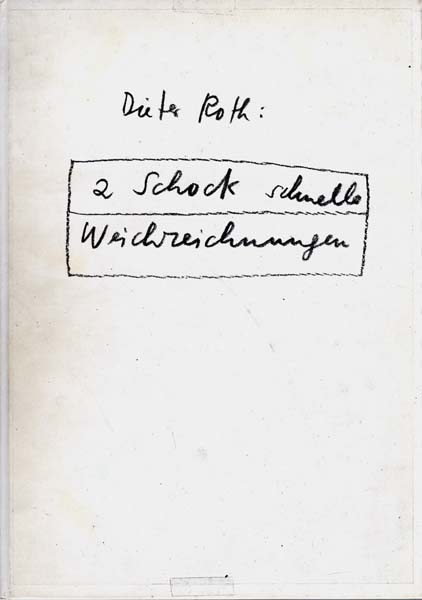
1968ref. 66405ABBerlin., Rainer Verlag., 1968. 25 x 18 cm. 152 S., 4 Blatt. OEnglisch-Brochur mit Japanpapierumschlag., 66405AB Auflage 400 Exemplare. Der empfindliche Umschlag am Rücken minimal nachgedunkelt, sonst sehr gutes, frisches Exemplar. DIE GESAMTE SCHEISSE [Band 1].
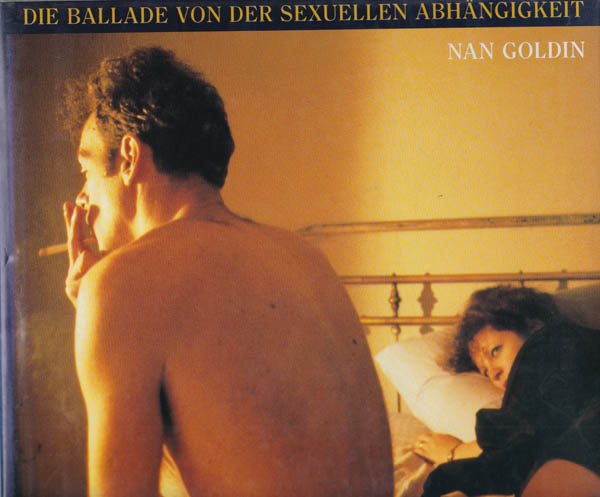
1987ref. 56287ABFrankfurt am Main., Zweitausendeins., 1987. 23,5 x 26,5 cm. 144 S. Illustrierter OKarton., 56287AB Erste Deutsche Ausgabe. Einbandkanten mit kleinen Bereibungen. Sonst gutes bis sehr gutes Exemplar.
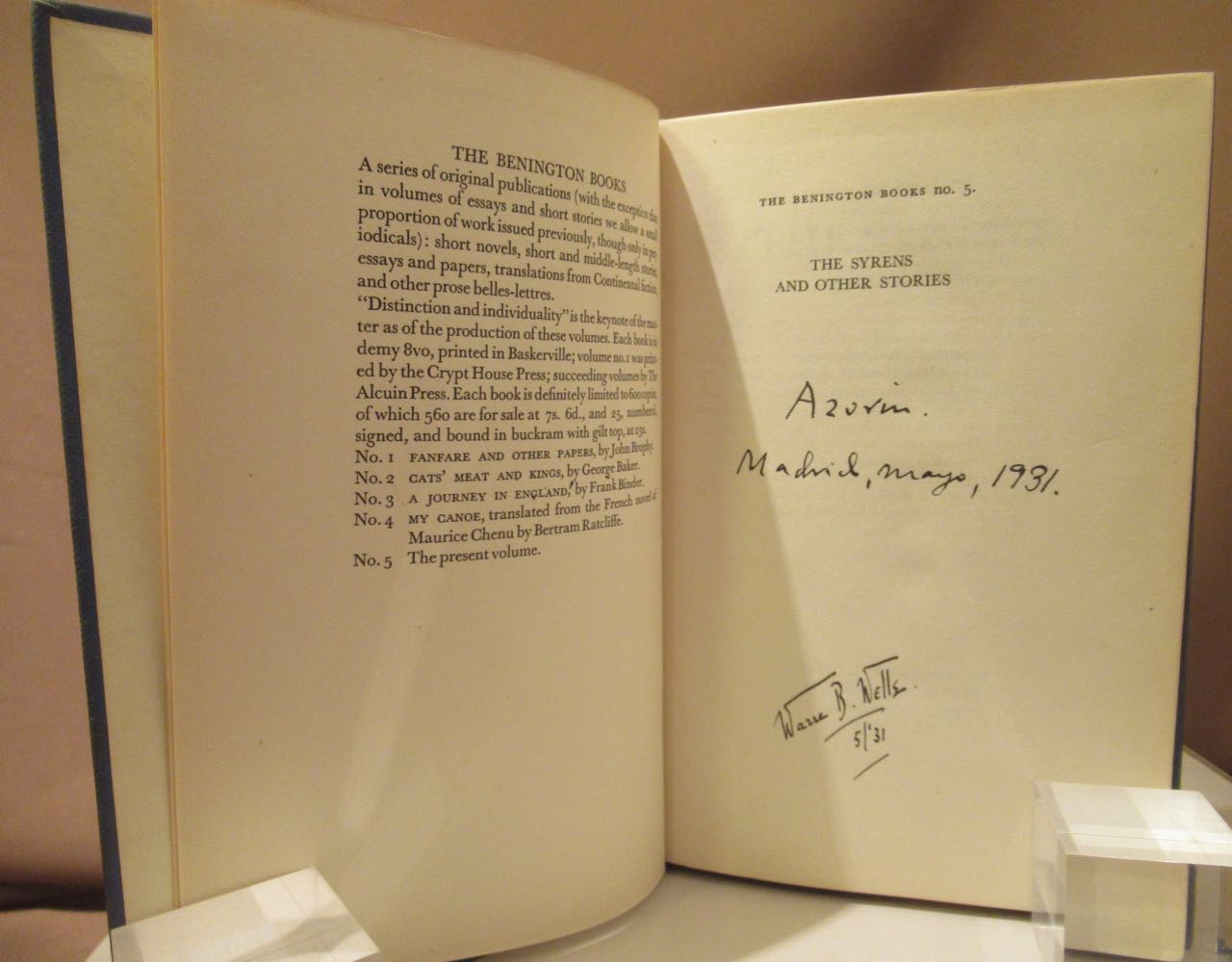
1931ref. 95950London, Eric Partridge at the Scholartis Press 1931. 1931. ix pp., 2 leaves, 133 pp., bound in buckram with gilt top.
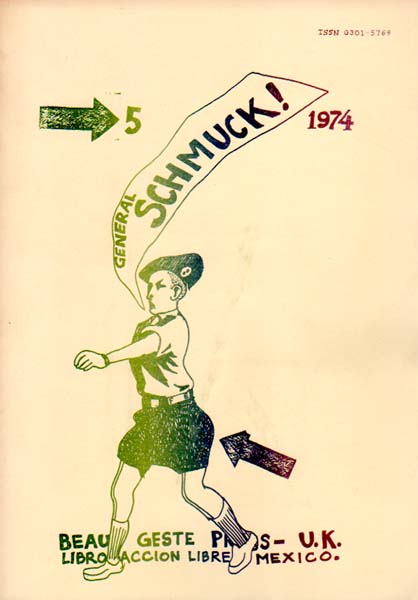
1975ref. 46823ABCullompton - Devon / Tlacopac / Mexico., Beau Geste Press / Libro Accion Libre., 1975. 29 x 21 cm. 92 unpaginierte S. Okarton., 46823AB Edition of 550 copies. Einband angestaubt und an den Kapitalen etwas berieben bzw. leicht angeplatzt. Sonst gutes Exemplar.
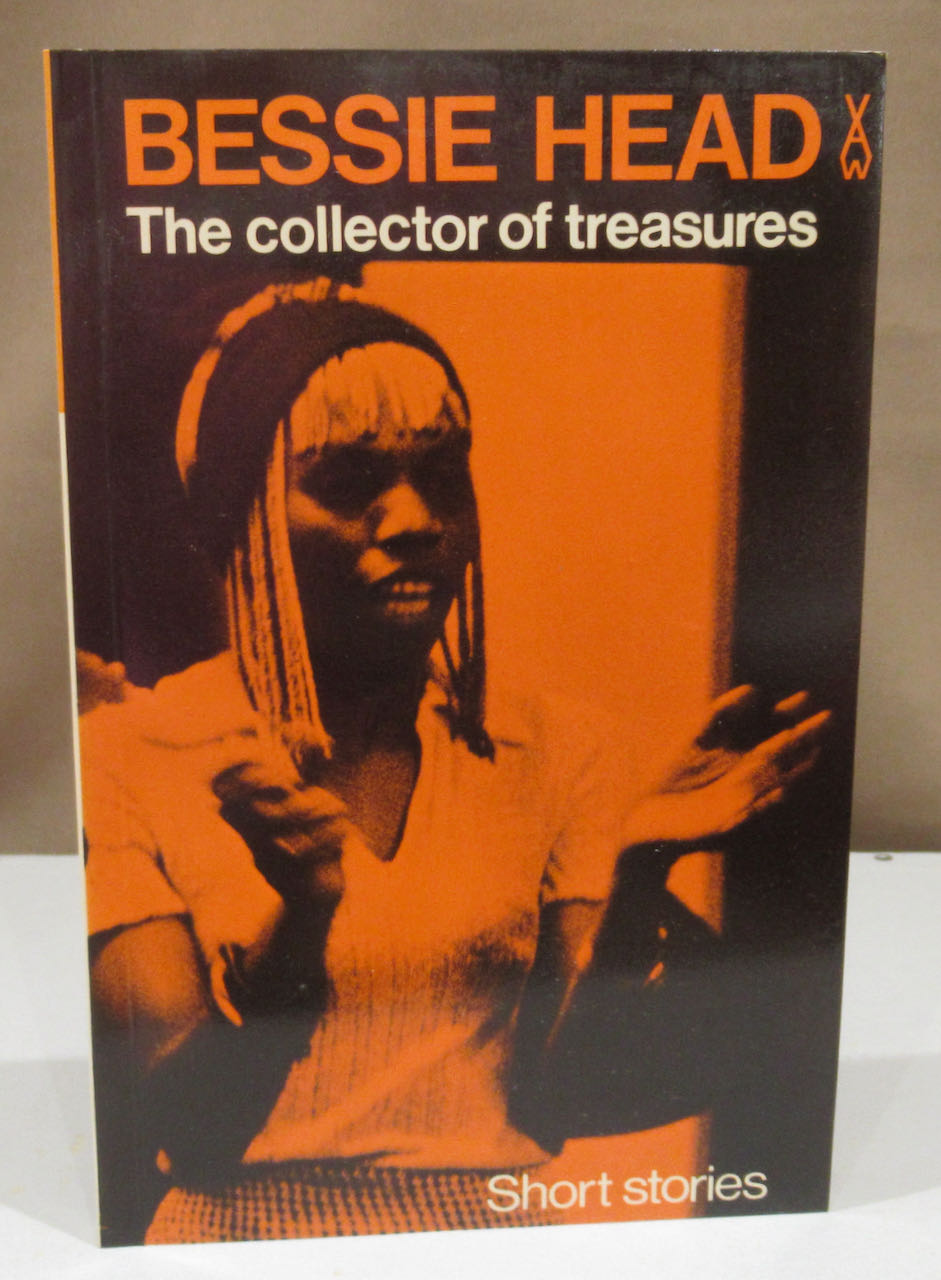
1977ref. 102111London - Nairobi - Ibadan - Lusaka, Heinemann 1977. 1977. small octavo, x, 109p., paperback.
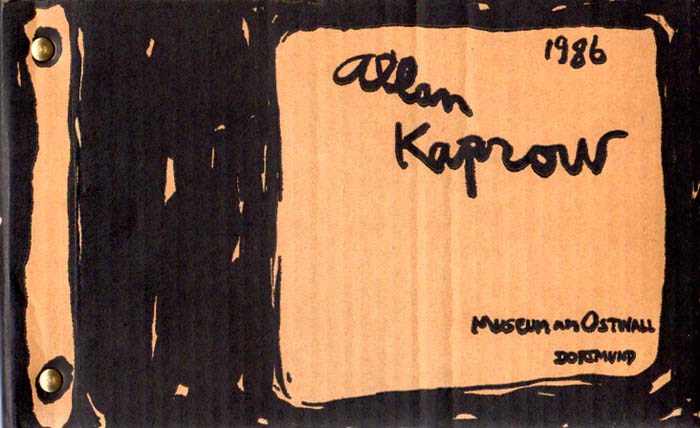
1986ref. 56523ABDortmund., Museum Am Ostwall., 1986. 17 x 28 cm. 137 S. 6 Blatt. OWellpappe mit OSchraubschließen., 56523AB Sehr gutes Exemplar.
1991ref. 66897ABKöln., Edition Texte zur Kunst., 1991. 30 x 30 cm. 14 unpaginierte Blatt. OKarton., 66897A Vorderer oberer Steg auf 6 cm, hinterer Rückenrand auf 3 cm Breite aufgehellt. Kanten gering knitterspurig. Sonst gutes Exemplar. Edition Texte zur Kunst.
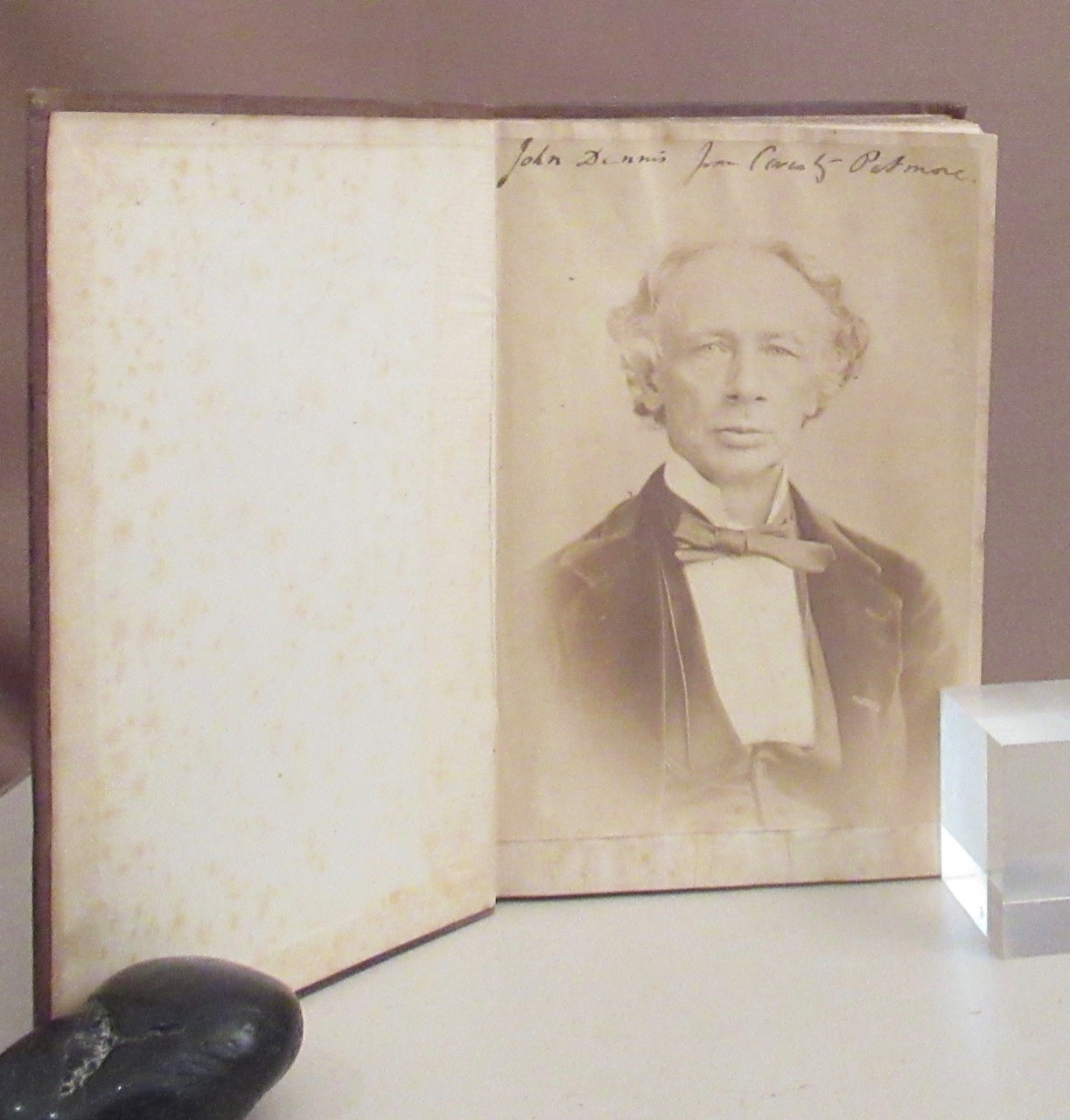
1879ref. 87847London, George Bell & Sons o. J. (ca. 1879). 1879. 8vo., viii pp.,230 pp., with a photograph, brown cloth binding with small white spine label.
1990ref. 49730ABSan Francisco., San Francisco Museum of Modern Art., 1990. 31 x 23 cm. 151 S. OKarton., 49730AB Erste Auflage / First edition. Einband vom Rücken her aufgehellt, sonst gutes Exemplar.
1973ref. 55209BBMünster., Westfälischer Kunstverein., 1973. 30 x 21 cm. 158 unpaginierte S. OKarton., 55209BB Rücken etwas etwas berieben, sonst gutes Exemplar. [Katalog 8/73 Westfälischer Kunstverein].
1970ref. 66398ABStuttgart. London. Reykjavik., Edition Hansjörg Mayer., 1970. 23 x 17 cm. [256] S. Illustrierter OKarton (mit transparentem Kunststoff-Schutumschlag)., 66398AB Auflage 1000 Exemplare. Kanten minimal berieben. Sehr gutes Exemplar. Gesammelte Werke Band 11.
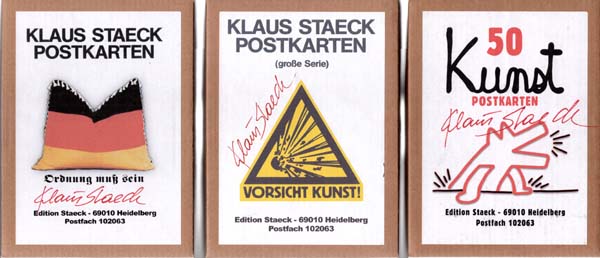
1979ref. 53365ABHeidelberg., Edition Staeck., Ca. 1979 - 2015. 16,5 x 12,0 cm bis 17,5 x 13,2 cm. OPapp-Boxen mit Stempel oder montiertem Deckelschild., 53365AB Tadellos frisches Exemplar.
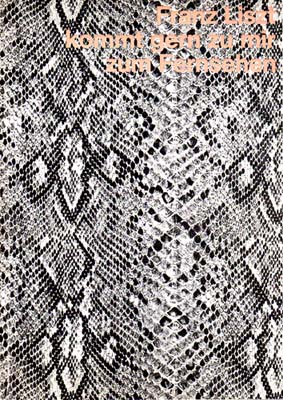
1993ref. 65945ABHeinsberg., Kunstverein Region Heinsberg., 1993. 20 x 14,5 cm. 64 unpaginierte S. Illustrierter OPappband., 65945AB_1 Auflage 300 Exemplare. Gutes bis sehr gutes Exemplar.
1987ref. 44078ABBonn., Georg Heusch Verlag., 1987. 28 x 22 cm. 76 unpaginierte S. OKarton mit OUmschlag in Siebdruck in OPapp-Schuber., Umschlag Schuber minimal lichtrandig, sonst sehr gutes Exemplar.
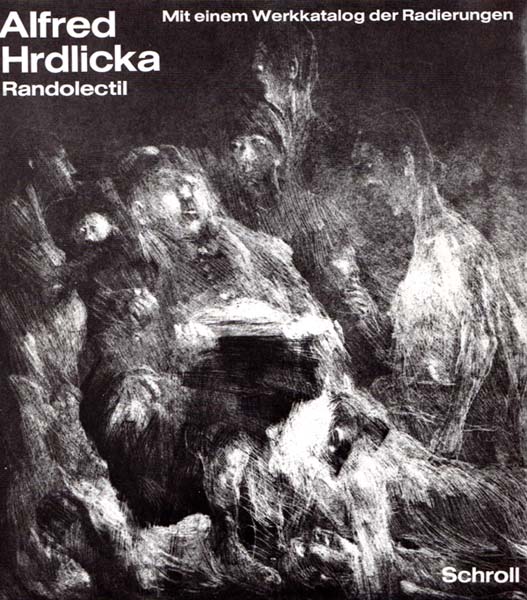
1969ref. 59546ABWien. München., Edition Tusch im Verlag Anton Schroll & Co., 1969. 22 x 24 cm. 101 S., 1 Blatt. OKarton mit 2 OKarton-Umschlägen in OPapp-Schuber., 59546AB 1. Auflage. Schuber etwas angestaubt und minimal berieben, Rücken minimal nachgedunkelt. Sonst sehr gutes, frisches Exemplar. Österreichische Druckgraphiker der Gegenwart, Band 1.