BACQUEVILLE DE LA POTHERIE, Claude Charles Leroy (1663-1736)Livre Rare Book
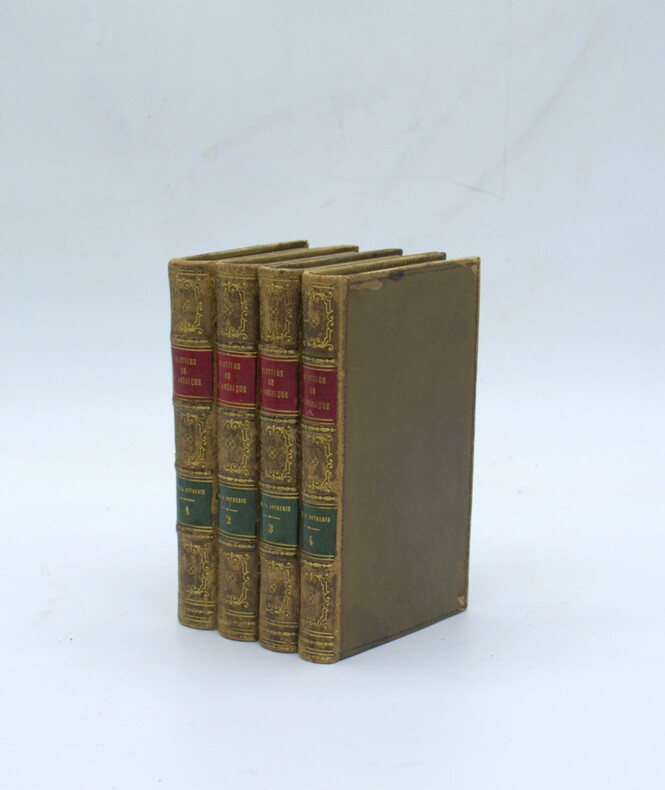
1753rif. PHO-2353Paris, Broca, 1753, 4 volumes in-12 (16x9,5cm), 7pp.-370pp.-2ff./ titre-356pp.-4ff./6ff.-310pp.-3ff./titre-271pp.-2ff., basane postérieure (19ème ), dos à nerfs orné avec pièce de titre rouge et tomaison verte, ex-libris manuscrit répété, étiquette de libraire (Beauchemin & Valois, Montréal). Frottements et épidermures, 1 planche détachée (t1), 1 feuillet de table monté à l’envers (t4), défaut au titre (t1) Illustré de 25 (28) cartes et gravures, dont dépliantes, manque les 2 planches de musique et la carte de l’Hudson.
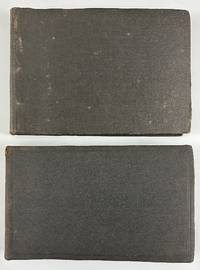
1939rif. 12870Various locations mostly in India 1939. Two contemporary photograph albums bound in matching black cloth. Album 1: 47 leaves illustrated with 347 mounted photographs including a handful of real photo postcards profusely captioned in white pencil on album leaves. Album 2: 30 leaves illustrated with 285 photographs including some real photo postcards and commercial images with only a few manuscript captions. Oblong quarto. A unique pictorial record of American Christian missionary service in India during the years of the Great Depression detailing the life and work of Seventh Day Adventists Edward and Edna Mabel Pohlman. Edward Pohlman 1906-1970 and Edna Mabel 1906-1997 married in 1928 and served in the Northern India Union NIU Section which was part of the Southern Asia Division from 1929 to 1946. While in India it appears that the Pohlman family lived at least in Mussoorie Roorkee and Poona during which time they had one son Edward Wendell born in Punjab in 1933. The father Edward received an M.A. and PhD from Ohio State University. The couple likely lived in Roorkee early on where Pohlman likely taught at Roorkee Adventist College as there are images of the faculty at Roorkee their bungalow and so forth. They may also have been associated with the Vincent Hill School in Mussoorie of which there are several images. He definitely taught theology at Spicer Missionary College Now Spicer Adventist University in Poona Pune and became president of Spicer in 1939 a position he held until 1946. Spicer College was the church’s flagship educational institution in India. Pohlman also held SDA conference positions including educational and missionary volunteer secretary for the Southern Asia Division. The SAD NIU section focused on establishing mission schools doing medical work publishing and direct preaching aiming to spread the gospel this way. The organization worked to establish churches and develop indigenous leadership and self-supporting missions in communities across northern India. The albums only pertain to his time in India but following his time there Pohlman taught at the Western College for Women in Oxford Ohio then in 1958 was a Fulbright lecturer in sociology and anthropology at the University of Karachi and then served as executive director of the U. S. Educational Foundation in Pakistan. In 1960 he joined Queens College in Charlotte North Carolina where he taught and was head of the sociology and anthropology departments until his death. He was fluent in Urdu and Hindustani. The first few images in the first album document the Pohlman's trip from New York to India as a young married couple in 1929. They spent some time in England and the Holy Land before arriving in India. The first images from India show their first house in Mussoorie and the Vincent Hill School which was part of the SDA educational system. Other early India images feature Najababad including a dispensary a village meeting and their colleagues the Kimble's bungalow there plus an image of a building captioned "Northwest Union Headquarters of our work" in Lucknow. The next group of photos are of Roorkee in 1931 picturing another SDA school the Roorkee Adventist College the faculty a group of students a sewing class a Bible class and a dispensary. Numerous images include Edna and Edward as well as their colleagues the Steeves the Kimbles the Garners and others. One shows Edna and four young men and is captioned "my first English class." Several historic photographs relate to important SDA events meetings and facilities. One of the bigger photographs shows a very large group and is captioned "workers from India Burma & Ceylon at Poona SDA Council 1931." Another shows the Division Headquarters at Poona and a third shows attendees from the Northwest India Union that attended the Poona Council in 1931. Another group of images shows workers and students at the SDA Colporteur Institute a school that trained people to evangelize and pass out literature. Another shows 17 Abbott Road in Lucknow the location of the SAD Publishing House. There are also images of the Seventh Day Adventist Training School many uncaptioned images of SDA student and graduate groups and some of Edna or Edward with their students. Other photographs illustrate the missionaries' lives through their bungalows outings trips to Kashmir a large group of images Lahore and Delhi riding elephants celebrating Christmas and more. Other images show local people harvesting sugar cane bathing in the Ganges a pilgrim knee-walking a street sewing service Indian weddings a group in front of the Seventh Day Adventist Training School many uncaptioned images of SDA large and small student and/or graduate groups and more. The albums also provide images of the couple's missionary colleagues including several who traveled out to India with them and some who were especially notable. These include: John Milton Steeves 1905-1998 an important SDA missionary and educator who became a career diplomat serving as acting ambassador to Jakarta Indonesia deputy assistant secretary of state for Far Eastern Affairs 1959-62 and ambassador to Afghanistan 1966-69. The Steeves family lived in Western Washington between 1919 and 1927 where Steeves graduated from Walla Walla College an SAD-affiliated school and the University of Washington. Raleigh and Edna Garner from Nampa Idaho who served sixteen years in India then pastored in Idaho. Garner also graduated from Walla Walla College. Ray LeRoy R.L. Kimble 1890-1972 and his wife Jessie M. Estep Kimble. Kimble was a pastor and missionary who served in India from around 1915 to 1950 and was president of the Northern India Union Section from 1946 to 1950. His wife was principal of the North Agra Mission Girl's School from 1930 to 1932; earlier they ran a sanitarium at Bombay. After India's independence Kimble was part of a delegation in August 1947 that met with Nehru Gandhi and Jinnah to explain the role of the Seventh Day Adventist Church in India. Marion Hulda Belchambers 1886-1949 a pioneer teacher administrator and publishing house pioneer who became secretary and treasurer of the Northwest / Northern India Union in 1923. The two albums document important contributions made by the Pohlmans and their colleagues to education and healthcare in India and also provide visual documentation of important Seventh Day Adventist events and meetings and insights into the daily lives of missionaries of the period. unknown
1939rif. 12870Various locations mostly in India 1939. Two contemporary photograph albums bound in matching black cloth. Album 1: 47 leaves illustrated with 347 mounted photographs including a handful of real photo postcards profusely captioned in white pencil on album leaves. Album 2: 30 leaves illustrated with 285 photographs including some real photo postcards and commercial images with only a few manuscript captions. Oblong quarto. A unique pictorial record of American Christian missionary service in India during the years of the Great Depression detailing the life and work of Seventh Day Adventists Edward and Edna Mabel Pohlman. Edward Pohlman 1906-1970 and Edna Mabel 1906-1997 married in 1928 and served in the Northern India Union NIU Section which was part of the Southern Asia Division from 1929 to 1946. While in India it appears that the Pohlman family lived at least in Mussoorie Roorkee and Poona during which time they had one son Edward Wendell born in Punjab in 1933. The father Edward received an M.A. and PhD from Ohio State University. The couple likely lived in Roorkee early on where Pohlman likely taught at Roorkee Adventist College as there are images of the faculty at Roorkee their bungalow and so forth. They may also have been associated with the Vincent Hill School in Mussoorie of which there are several images. He definitely taught theology at Spicer Missionary College Now Spicer Adventist University in Poona Pune and became president of Spicer in 1939 a position he held until 1946. Spicer College was the church’s flagship educational institution in India. Pohlman also held SDA conference positions including educational and missionary volunteer secretary for the Southern Asia Division. The SAD NIU section focused on establishing mission schools doing medical work publishing and direct preaching aiming to spread the gospel this way. The organization worked to establish churches and develop indigenous leadership and self-supporting missions in communities across northern India. The albums only pertain to his time in India but following his time there Pohlman taught at the Western College for Women in Oxford Ohio then in 1958 was a Fulbright lecturer in sociology and anthropology at the University of Karachi and then served as executive director of the U. S. Educational Foundation in Pakistan. In 1960 he joined Queens College in Charlotte North Carolina where he taught and was head of the sociology and anthropology departments until his death. He was fluent in Urdu and Hindustani. The first few images in the first album document the Pohlman's trip from New York to India as a young married couple in 1929. They spent some time in England and the Holy Land before arriving in India. The first images from India show their first house in Mussoorie and the Vincent Hill School which was part of the SDA educational system. Other early India images feature Najababad including a dispensary a village meeting and their colleagues the Kimble's bungalow there plus an image of a building captioned "Northwest Union Headquarters of our work" in Lucknow. The next group of photos are of Roorkee in 1931 picturing another SDA school the Roorkee Adventist College the faculty a group of students a sewing class a Bible class and a dispensary. Numerous images include Edna and Edward as well as their colleagues the Steeves the Kimbles the Garners and others. One shows Edna and four young men and is captioned "my first English class." Several historic photographs relate to important SDA events meetings and facilities. One of the bigger photographs shows a very large group and is captioned "workers from India Burma & Ceylon at Poona SDA Council 1931." Another shows the Division Headquarters at Poona and a third shows attendees from the Northwest India Union that attended the Poona Council in 1931. Another group of images shows workers and students at the SDA Colporteur Institute a school that trained people to evangelize and pass out literature. Another shows 17 Abbott Road in Lucknow the location of the SAD Publishing House. There are also images of the Seventh Day Adventist Training School many uncaptioned images of SDA student and graduate groups and some of Edna or Edward with their students. Other photographs illustrate the missionaries' lives through their bungalows outings trips to Kashmir a large group of images Lahore and Delhi riding elephants celebrating Christmas and more. Other images show local people harvesting sugar cane bathing in the Ganges a pilgrim knee-walking a street sewing service Indian weddings a group in front of the Seventh Day Adventist Training School many uncaptioned images of SDA large and small student and/or graduate groups and more. The albums also provide images of the couple's missionary colleagues including several who traveled out to India with them and some who were especially notable. These include: John Milton Steeves 1905-1998 an important SDA missionary and educator who became a career diplomat serving as acting ambassador to Jakarta Indonesia deputy assistant secretary of state for Far Eastern Affairs 1959-62 and ambassador to Afghanistan 1966-69. The Steeves family lived in Western Washington between 1919 and 1927 where Steeves graduated from Walla Walla College an SAD-affiliated school and the University of Washington. Raleigh and Edna Garner from Nampa Idaho who served sixteen years in India then pastored in Idaho. Garner also graduated from Walla Walla College. Ray LeRoy R.L. Kimble 1890-1972 and his wife Jessie M. Estep Kimble. Kimble was a pastor and missionary who served in India from around 1915 to 1950 and was president of the Northern India Union Section from 1946 to 1950. His wife was principal of the North Agra Mission Girl's School from 1930 to 1932; earlier they ran a sanitarium at Bombay. After India's independence Kimble was part of a delegation in August 1947 that met with Nehru Gandhi and Jinnah to explain the role of the Seventh Day Adventist Church in India. Marion Hulda Belchambers 1886-1949 a pioneer teacher administrator and publishing house pioneer who became secretary and treasurer of the Northwest / Northern India Union in 1923. The two albums document important contributions made by the Pohlmans and their colleagues to education and healthcare in India and also provide visual documentation of important Seventh Day Adventist events and meetings and insights into the daily lives of missionaries of the period. unknown books
1875rif. 126715à Lyon - à Paris, chez M. P. Rusand, imprimeur-libraire, à la Librairie écclésiastique 1875 42 volumes. In-8 20,5 x 12,5 cm. Reliures de l’époque composites demi-basane aubergine, dos lisses ornés de filets dorés encadrés de petits fers à froid, environ 550 pp. par volume, table des matières en fin de chaque volume. Ex-libris Monteynard. Manque en pied de dos vol. 28. Intérieur frais. Ensemble en bon état.
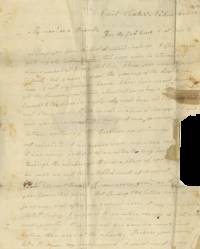
1820rif. List3735Elliott Mission Choctaw Nation 1820. Four pages bifolium 10 x 8 inches. Stampless cover bearing the scarce "Choctaw Agency May 25" manuscript marking and "Via Philadelphia" routing notation described in the original philatelic history sale as possibly "one of the earliest if not the earliest cover known from Choctaw Agency while still in Mississippi. Some losses at folds and areas of old reinforcement though the remaining text is extensive throughout. An early missionary letter from the Choctaw Nation written by Minerva Washburn 1788-1852 one of the first women attached to the American Board of Commissioners for Foreign Missions' Choctaw mission efforts shortly after her arrival at Elliott Mission in what was then the Mississippi frontier. Carried under what appears to be one of the earliest recorded "Choctaw Agency" manuscript postal markings known the letter was sent to her parents Jonah and Sarah Washburn of Randolph Vermont in the spring of 1820. Minerva Washburn entered the service of the American Board in 1819 and arrived at Elliott Mission in January 1820. She was the sister of the missionary Cephas Washburn and would later marry missionary James Orr becoming associated with the establishment of Dwight Mission in the Cherokee Nation. The identification of Washburn as the author is confirmed both by surviving missionary records and by the partially obscured signature beneath old reinforcement at the conclusion of the present letter. Datelined simply "Elliot Choctaw Nation April 29" the letter describes realities of life at one of the earliest Protestant mission stations among the Choctaw. Written only months after her arrival the letter preserves a firsthand account of missionary settlement in Choctaw territory during the earliest phase of organized evangelical expansion into the Southeast. She writes: "For the first time I sit down to address you from this land of moral darkness. I often interrogate myself isn't it a pity that 2000 miles lie between us I am compelled to say that it is. I know your anxiety for me is great. But I have to record the goodness of the Lord to me since I left my father's house. I have been carried through all the dangers and trials attendant on so long a journey & was brought to this place in safety. My wants have all been supplied and I have been blessed with friends in a land of strangers. I suppose you have learnt the process of our journey from letters written by the brethren and sisters and text missing due to paper loss not repeat it. I can assure you my dear parents paper loss it was very grateful to us after so long journey through the wilderness to find a place of rest for such we call this establishment at present. paper loss from Vermont . was very good as I paper loss you from that place. But during the latter part of my journey and after my arrival here it was in a declining state owing I suppose to an entire change of diet and employment. It is now and has been for some time better than when at the South. Perhaps you would like to know my employment. I spend most of my time in sewing. We generally have enough to employ two hands. I usually ride or walk out morning and exercising for the preservation of health accompanied with some of the other sisters. Our walks are very pleasant. The woods are beautiful. Instead of . brush as at the north they are covered with grass & flowers. I wish you could have a view of Elliot. Its local situation far exceeded my expectation. And I found more of the necessaries and even the comforts of life than I expected. We have a plenty of cornbread milk and meat and some butter coffee and tea and sugar and some flour and a boat is expected in a few days that will supply us with a quantity of flour cheese and dried apples. My dear parents you often mentioned to me the dangers and fears that would attend me when crossing rivers forests and swamps. But I can tell you my fears were dissipated and I felt calm and composed. I must write a few words about the brethren and sisters. Br. Kingsbury our pastor has the superintendence of the mission. Br. Williams the care of the school which consists of 63 scholars. Br. Jesel the care of the farm. Br. Fisk is the blacksmith. paper loss the sisters they are paper loss Kingbury's absence paper loss Kingsbury he is a paper loss both a friend and a sister to me and wishes to be remembered particularly to you.Her little son is a paper loss promising child. O how I long to hear from you. paper loss you not write me soon That I may know how paper loss prosper in your temporal and spiritual . I think of you daily and hourly. And were it in my power how happy should I be to alleviate your paper loss and cares. But I hope you cast your cares on paper loss who will be better to you than children or friends. I have a few hours notice of an opportunity of sending letters and can write but little at this time. I shall paper loss my dear brothers and sisters in one or two paper loss. Give my love to all my dear relatives. I paper loss love to write to them all. O my dear parents paper loss you supplicate the throne of grace do not forget your affectionate daughter Minpaper loss". The Washburn family was closely connected to the early evangelical and missionary culture of New England during the early decades of the nineteenth century. Minerva Washburn's brother Cephas Washburn became one of the better-known missionaries associated with the American Board's work among Indigenous nations in the Southeast while Minerva herself entered missionary service in 1819 before later assisting alongside her husband James Orr in the development of Dwight Mission in the Cherokee Nation. The present letter belongs to this first generation of Protestant missionary efforts carried into the Choctaw and Cherokee Nations. Overall an early and highly personal missionary letter documenting evangelical expansion women's labor family separation and daily life in the Choctaw Nation during the opening years of organized American mission activity. unknown
1820rif. List3735Elliott Mission Choctaw Nation 1820. Four pages bifolium 10 x 8 inches. Stampless cover bearing the scarce "Choctaw Agency May 25" manuscript marking and "Via Philadelphia" routing notation described in the original philatelic history sale as possibly "one of the earliest if not the earliest cover known from Choctaw Agency while still in Mississippi. Some losses at folds and areas of old reinforcement though the remaining text is extensive throughout. An early missionary letter from the Choctaw Nation written by Minerva Washburn 1788-1852 one of the first women attached to the American Board of Commissioners for Foreign Missions' Choctaw mission efforts shortly after her arrival at Elliott Mission in what was then the Mississippi frontier. Carried under what appears to be one of the earliest recorded "Choctaw Agency" manuscript postal markings known the letter was sent to her parents Jonah and Sarah Washburn of Randolph Vermont in the spring of 1820. Minerva Washburn entered the service of the American Board in 1819 and arrived at Elliott Mission in January 1820. She was the sister of the missionary Cephas Washburn and would later marry missionary James Orr becoming associated with the establishment of Dwight Mission in the Cherokee Nation. The identification of Washburn as the author is confirmed both by surviving missionary records and by the partially obscured signature beneath old reinforcement at the conclusion of the present letter. Datelined simply "Elliot Choctaw Nation April 29" the letter describes realities of life at one of the earliest Protestant mission stations among the Choctaw. Written only months after her arrival the letter preserves a firsthand account of missionary settlement in Choctaw territory during the earliest phase of organized evangelical expansion into the Southeast. She writes: "For the first time I sit down to address you from this land of moral darkness. I often interrogate myself isn't it a pity that 2000 miles lie between us I am compelled to say that it is. I know your anxiety for me is great. But I have to record the goodness of the Lord to me since I left my father's house. I have been carried through all the dangers and trials attendant on so long a journey & was brought to this place in safety. My wants have all been supplied and I have been blessed with friends in a land of strangers. I suppose you have learnt the process of our journey from letters written by the brethren and sisters and text missing due to paper loss not repeat it. I can assure you my dear parents paper loss it was very grateful to us after so long journey through the wilderness to find a place of rest for such we call this establishment at present. paper loss from Vermont . was very good as I paper loss you from that place. But during the latter part of my journey and after my arrival here it was in a declining state owing I suppose to an entire change of diet and employment. It is now and has been for some time better than when at the South. Perhaps you would like to know my employment. I spend most of my time in sewing. We generally have enough to employ two hands. I usually ride or walk out morning and exercising for the preservation of health accompanied with some of the other sisters. Our walks are very pleasant. The woods are beautiful. Instead of . brush as at the north they are covered with grass & flowers. I wish you could have a view of Elliot. Its local situation far exceeded my expectation. And I found more of the necessaries and even the comforts of life than I expected. We have a plenty of cornbread milk and meat and some butter coffee and tea and sugar and some flour and a boat is expected in a few days that will supply us with a quantity of flour cheese and dried apples. My dear parents you often mentioned to me the dangers and fears that would attend me when crossing rivers forests and swamps. But I can tell you my fears were dissipated and I felt calm and composed. I must write a few words about the brethren and sisters. Br. Kingsbury our pastor has the superintendence of the mission. Br. Williams the care of the school which consists of 63 scholars. Br. Jesel the care of the farm. Br. Fisk is the blacksmith. paper loss the sisters they are paper loss Kingbury's absence paper loss Kingsbury he is a paper loss both a friend and a sister to me and wishes to be remembered particularly to you.Her little son is a paper loss promising child. O how I long to hear from you. paper loss you not write me soon That I may know how paper loss prosper in your temporal and spiritual . I think of you daily and hourly. And were it in my power how happy should I be to alleviate your paper loss and cares. But I hope you cast your cares on paper loss who will be better to you than children or friends. I have a few hours notice of an opportunity of sending letters and can write but little at this time. I shall paper loss my dear brothers and sisters in one or two paper loss. Give my love to all my dear relatives. I paper loss love to write to them all. O my dear parents paper loss you supplicate the throne of grace do not forget your affectionate daughter Minpaper loss". The Washburn family was closely connected to the early evangelical and missionary culture of New England during the early decades of the nineteenth century. Minerva Washburn's brother Cephas Washburn became one of the better-known missionaries associated with the American Board's work among Indigenous nations in the Southeast while Minerva herself entered missionary service in 1819 before later assisting alongside her husband James Orr in the development of Dwight Mission in the Cherokee Nation. The present letter belongs to this first generation of Protestant missionary efforts carried into the Choctaw and Cherokee Nations. Overall an early and highly personal missionary letter documenting evangelical expansion women's labor family separation and daily life in the Choctaw Nation during the opening years of organized American mission activity. unknown books
1919rif. 124931à Lyon, chez M. P. Rusand, imprimeur-libraire, Librairie ecclésiastique de Poussielgue-Rusand 1919 72 volumes. In-8 20,5 x 12,5 cm. Reliures de l’époque composites demi-basane aubergine, dos lisses ornés de filets dorés encadrés de petits fers à froid & à partir du vol. n 48, demi-basane vert-émeraude, dos lisses ornés de filets à froid, environ 550 pp. par volume, table en fin de chaque volume. Ex-libris marquis de Monteynard.
1704rif. PHO-2363Amsterdam, Chez Adriaan Braackman, 1704. In-12 (16x10cm) de 19ff.-604pp.-16ff.,Titre gravé en frontispice, 2 grandes cartes dépliantes et 6 planches dépliantes h.-t., Basane postérieure, dos à nerfs orné, pièce de titre rouge et auteur verte, tête dorée, rajout sur l’adresse de l’imprimeur à la seconde partie. Frottements et épidermures, traces de renforcements aux cartes.
1673In-8°, 16 cc, pp. 327, più errata, c. di tav. ripiegata (Situs provinciarum imperii Sinici), occhietto, vignetta calcografica sul frontespizio, illustrazioni calcografiche. Rilegatura in pergamena con nervi e titolo al dorso. ROUGEMONT (Franciscus de), b. a Maastricht il 2 aprile 1624, d. a Chang-chu (Cina) il 4 novembre 1676. Nelle scuole dei gesuiti a Bruxelles e Anversa fece i suoi studi inferiori con risultati brillanti e nel1641entrò nella Compagnia di Gesù. All'assedio di Kortrijk nel 1646 si distinse, sebbene non fosse ancora un sacerdote, per il suo zelo nella cura dei soldati feriti. Nel 1654 ricevette la consacrazione del sacerdote e, quando padre Martino Martini, procuratore della missione cinese in Europa, venne a cercare missionari per questo lavoro, riuscì a convincere i suoi genitori a richiedere quella missione a favore del figlio dal Generale dell'Ordine. L'anno seguente partì da Amsterdam per Lisbona con il gesuita di Amsterdam Ignazio Hartoghvelt. Dopo un ritardo a Coimbra, lasciarono Lisbona il 30 marzo 1656 e arrivarono il 6 novembre a Coa. A piedi, continuò il suo viaggio lungo la costa di Malabar, Visschersen Transvancore, e poi attraversò il Siam, dove il suo compagno Hartoghvelt morì a Yoethia nel 1658. Nello stesso anno, de Rougemont raggiunse Macao, e nel 1659, raggiunse la corte imperiale, in Cina. I cristiani da lui formati sono stati riconosciuti per il loro zelo e conoscenza della religione. In seguito a una violenta persecuzione dei cristiani durante la minore età dell'imperatore Kang-hi i missionari furono portati prigionieri a Pechino, poi esiliati nel Canton e imprigionati nella chiesa per 6 anni. R. capì che questa persecuzione aveva la sua ragione principale nella nazionalità straniera dei missionari. Per togliere quest'arma dalle mani degli avversari, pensò di addestrare un clero nativo e pensò che consentire una liturgia della chiesa in lingua cinese avrebbe promosso questo piano. Nel 1667 inviò un dettagliato memorandum al generale dell'ordine Oliva (stampato in Analecta Bollandiana XXXIII (1914), 279-93). Solo nel 1671, quando l'imperatore Kang-hi fu convinto dell'innocenza dei missionari, questi tornarono alle loro congregazioni cristiane. Il Rougemont ha continuò il lavoro interrotto per altri 5 anni. Durante un viaggio verso l'isola di Tsong-ming, si ammalò a Tsang-chu e morì tra le braccia di Padre Couplet. I suoi fedeli cristiani vennero per raccogliere il corpo del loro padre spirituale e dopo due giorni di cammino lo seppellirono solennemente sul Monte Voxan fuori dalla città di Changsho. Egli aveva usato il tempo della sua disoccupazione forzata per compilare la sua Historia Tartaro-Sinica nova (Lovanii 1673), in cui racconta ampiamente la persecuzione subita. Il Rougemont ha dato un ottimo contributo alla conoscenza della letteratura cinese. Con i padri Intorcetta, Herdrich e Couplet, intraprese l'importante lavoro: Confucius Sinarum philosophus, messo in stampa nel 1687 per ordine di Luigi XIV a Parigi. In-8 °, 16 cc, pp. 327, plus errata, folded table (Situs provinciarum imperii Sinici), half-title, woodcut on the title page. ROUGEMONT (Franciscus de), b. in Maastricht on April 2, 1624, d. in Changchu (China) on November 4, 1676. In Jesuit schools in Brussels and Antwerp he made his lower studies with brilliant results and in 1641 he entered the Society of Jesus. At the siege of Kortrijk in 1646 he distinguished himself, even if he was not yet a priest, for his zeal in caring for wounded soldiers. In 1654 he received the priest's consecration and, when Father Martino Martini, procurator of the Chinese mission in Europe, came to look for missionaries for this job, he managed to convince his parents to carry out that mission in favor of his son by the General of the Order. The following year he left Amsterdam for Lisbon with the Jesuit of Amsterdam Ignazio Hartoghvelt. After a delay in Coimbra, they left Lisbon on 30 March 1656 and arrived on 6 November in Coa. On foot, he continued his journey along the coast of Malabar, Visschersen Transvancore, and then he crossed Siam, where his companion Hartoghvelt died in Yoethia in 1658. In the same year, Rougemont reached Macau, and in 1659, he reached the imperial court , in China. The Christians he trained were listed for their zeal and knowledge of religion. Following a violent persecution of Christians during the minor age of Emperor Kang-hi, the missionaries were taken prisoner to Beijing, then exiled to the Canton and imprisoned in the church for 6 years. R. understood that this persecution had its main reason in the foreign nationality of the missionaries. To remove this weapon from the hands of opponents, he thought of training a native clergy and thought that allowing a Chinese-language church liturgy would promote this plan. In 1667 he sent a detailed memorandum to the general of the order Oliva (printed in Analecta Bollandiana XXXIII (1914), 279-93). Only in 1671, when Emperor Kang-hi was convinced of the innocence of the missionaries, did they return to their Christian congregations. Rougemont continued the interrupted work for another 5 years. During a trip to Tsong-ming Island, a Tsang-chu fell ill and died in the arms of Father Couplet. His faithful Christians came to collect the body of their spiritual father and after two days of walking they saw him solemnly on Mount Voxan outside the city of Changsho. He had used the time of his forced unemployment to compile his Historia Tartaro-Sinica nova (Lovanii 1673), in which he widely recounts the persecution he endured. Rougemont made an excellent contribution to the knowledge of Chinese literature. With his fathers Intorcetta, Herdrich and Couplet, he undertook the important work: Confucius Sinarum philosophus, printed in 1687 by order of Louis XIV in Paris.
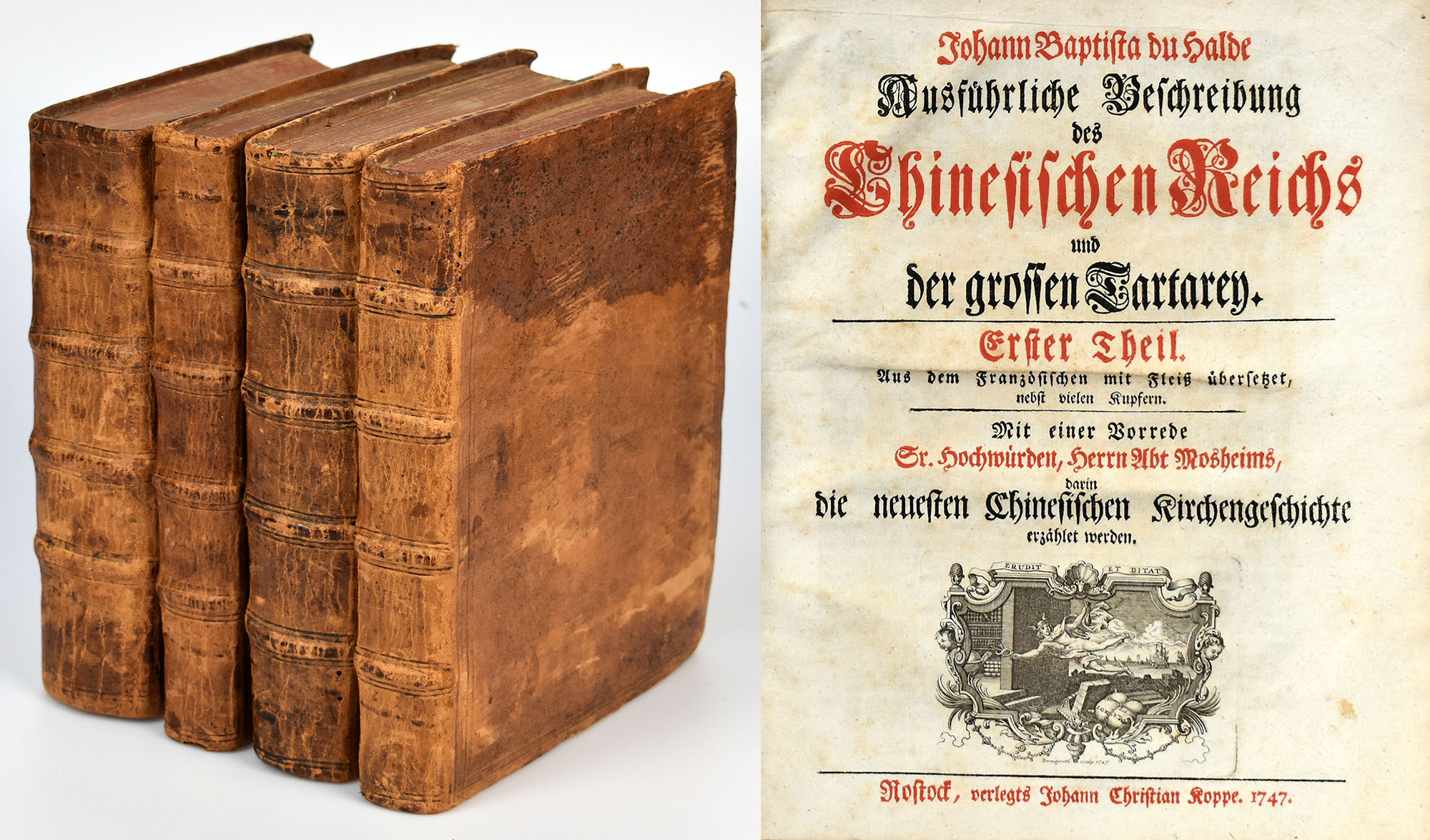
1747rif. 3878FBRostock, Verlag Christian Koppe, 1747-1749. 4°. 26,5 x 21,5 cm. [1] Blatt, 58, 472 Seiten; [1] Blatt, 56, 748; 28 Seiten, [2] Blatt, 548; 56, 264, 552 Seiten, [16] Blatt. Ganzlederbände der Zeit auf 4 Zierbünden mit Streicheisenlinien auf den Deckeln und rotem Sprengschnitt. [12 Warenabbildungen]
1729Very Good Turkish, Ottoman (1500-1928) Contemporary fine quarter leather binding. Five raised bands to spine, second gilt title as "Tarih-i seyyâh", others gilt decorations. Brown boards are embossed decoratively. Demy 8vo. (21 x 15 cm). In Ottoman script (Old Turkish with Arabic letters). [12], 194 p. Hegira: 1142 = Gregorian: 1729. Slightly wear on colophon and the first page. Otherwise a good copy. Extremely uncommon first Ottoman edition printed in the first printing house of the Islamic world as the third Islamic incunabula, of this eye witness and first-hand account, and one of the most important chronicles describing the history of late Safavid Iran in the 18th century, the Iranian invasion of Afghanistan and the siege and the fall of Isfahan in 1722 written by Kruzinski who was a Polish Jesuit missionary served in the Persia in the early 18th century. In 1720 he was nominated advocate general of the mission in Persia and became the secretary to the Bishop of Isfahan. Krusinski himself, however, claimed later on that he is not only the author but also the translator of this work. As a chronicle, this is a history of Iran under the Safavids from 1499 up to 1727 with a special focus on the 1722 Afghan invasion that terminated the Safavid dynasty. "His account of the conditions and events preceding and during the siege and the subsequent demise of the Safavids is unique. It also offers key insights into the workings of the late Safavid state and government as well as the functions of the royal harem." (Bloomsbury). Translated and expanded by Ibrahim Müteferrika of Kruzinski's Latin manuscript written in 1726 in Istanbul and entitled "Historia revolutionis monarchia Persica". The book was first published in Italian, French, and English translations, in Rome (1727), Paris (1728), and London (1728). The founder of the legendary first printing house in the Islamic world, Ibrahim Müteferrika (1674-1745), was the editor and translator of this book. Ceridehâne [i.e. Journal House] Printing House is the successor of the Müteferrika Press in the early 19th century. "The book is a Turkish translation of the history of Iran written in Latin by the Jesuit missionary Judas (Jan) Tadeusz Krusinski (1675-1751). The work, whose title can be translated as 'A voyager's description on the apparition of the Afghans and on the reasons of the Safavid Empire being undermined', focuses on the Afghan invasion of 1722 which led to the fall of the Safavid dynasty, but also offers an overview on the historical processes of early 18th-century Safavid Iran. The publication of this work was made actual not only by the vicinity of Iran to the Ottoman Empire but also by the historical turn reorganizing the relations of power in the region and triggering the intervention of the Ottomans as well. This may have been the reason that among the first Turkish incunabula this was the work published in the highest number of copies. This publication also offers an early example of copyright disputes, as Krusinski considered the Turkish translation as his own work, while Müteferrika, who does not mention his name in the printed version, suggests himself to be the translator". (Source: The Mysterious Printer Ibrahim Muteferrika and the Beginnings of Turkish Book Printing: Library of Hungarian Academy of Sciences Online). The workshop of Müteferrika began its historical mission in 1728. They published 17 works in 22 volumes. The printing house served as a means to the long-term goal of Müteferrika, his efforts to broaden the horizon and modernize the knowledge of Ottoman society and Islamic civilization. This is evidenced by the subjects of the books selected for publishing, the motivations put forth in the publisher's introductions, as well as by the documents illuminating the background of the publication of each book, also published in print. One of 1200 copies. OCLC: 312516053 (For printed copies: Two copies).; Özege: 19897.