144 résultats
réf. 16601SAINT-MALO, Ed. l'Ancre de Marine - 1995 - In-8 - Broché - Couverture rempliée illustrée en couleurs - Illustrations NB HT - 286 pages - Bon exemplaire
réf. 3828Paris, L'Édition Artistique, 1966, in-4°, 164 pp. bonne reliure édit. sky vert sombre, gauffrée de flemmes, titre or. Sigle de l'entr. imp. fr. 1er plat. Ouv. rich. ill. phot. dess. grav.
1940réf. 226681940. LGBTQ Drag Archive of Finocchio's nightclub materials 1940s-1950s one of the earliest and most influential drag venues in the United States. Founded in 1936 at 506 Broadway in San Francisco Finocchio's emerged from Depression-era nightlife to become a nationally recognized stage for female impersonation at a time when queer expression was routinely policed and publicly stigmatized. Operating decades before the gay liberation movement the club cultivated a space where gender illusion theatrical glamour and camp spectacle were presented for mixed audiences from San Francisco's gay community to tourists and Hollywood figures. Six items. San Francisco 1940s-1950s. The archive is anchored by a large-format performance booklet featuring illustrated cover artwork by performer and artist Li-Kar and interior photographic portraits of principal female impersonators in elaborate costume. Substantially larger than standard venue handouts the booklet is a visually ambitious souvenir highlighting star performers through graphic design and photography. Also included are a smaller illustrated promotional drink menu and four souvenir postcards depicting the revue cast in sequined gowns chorus-line formations and staged tableaux. Measurements range approximately from 4 x 6 inches to 8 x 11 inches. During the 1940s and 1950s as policing of queer bars intensified in many American cities Finocchio's maintained a visible and commercially successful presence marketing itself with the slogan "The most interesting women are not women at all." Its stage featured performers who helped bring female impersonation into mainstream entertainment in the U.S. Minor edge wear and light handling creases; printed surfaces remain bright with strong image clarity. Overall very good condition. unknown books
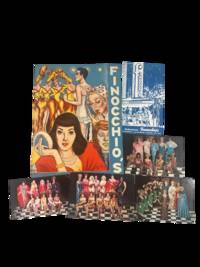
1940réf. 226681940. LGBTQ Drag Archive of Finocchio's nightclub materials 1940s-1950s one of the earliest and most influential drag venues in the United States. Founded in 1936 at 506 Broadway in San Francisco Finocchio's emerged from Depression-era nightlife to become a nationally recognized stage for female impersonation at a time when queer expression was routinely policed and publicly stigmatized. Operating decades before the gay liberation movement the club cultivated a space where gender illusion theatrical glamour and camp spectacle were presented for mixed audiences from San Francisco's gay community to tourists and Hollywood figures. Six items. San Francisco 1940s-1950s. The archive is anchored by a large-format performance booklet featuring illustrated cover artwork by performer and artist Li-Kar and interior photographic portraits of principal female impersonators in elaborate costume. Substantially larger than standard venue handouts the booklet is a visually ambitious souvenir highlighting star performers through graphic design and photography. Also included are a smaller illustrated promotional drink menu and four souvenir postcards depicting the revue cast in sequined gowns chorus-line formations and staged tableaux. Measurements range approximately from 4 x 6 inches to 8 x 11 inches. During the 1940s and 1950s as policing of queer bars intensified in many American cities Finocchio's maintained a visible and commercially successful presence marketing itself with the slogan "The most interesting women are not women at all." Its stage featured performers who helped bring female impersonation into mainstream entertainment in the U.S. Minor edge wear and light handling creases; printed surfaces remain bright with strong image clarity. Overall very good condition. unknown
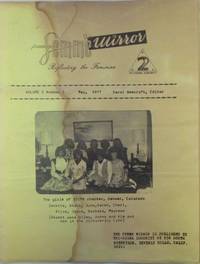
1977réf. 022334Beverly Hills: Tri-Sigma Sorority Publisher 1977. Wraps. Good. Yellow wraps roughly 8 ½ by 11 inches. 16 pp. including covers. Early issue of this zine devoted to heterosexual crossdressing. It originated in a more zine-like format in the late 1970s before adopting a more polished magazine-style look in the 1980s. The zine served as the official publication of the Tri-Ess Society an organization founded by Virginia Prince to destigmatize crossdressing. Prince held anti-trans and sometimes homophobic views that excluded the transgender community. Under the leadership of Carol Beecroft the organization became more inclusive forming alliances with LGBTQ groups and helping to form the Southern Comfort Conference a gathering of transgender people. This issue edited by Carol Beecroft. Includes make up tips and an article describing the trouble faced by a teenage "transvestite" in their household. GOOD condition. Large dampstain affecting most of the zine resulting in brownish discoloration and some rippling to the paper. Minor soiling and staining. Tri-Sigma Sorority, Publisher unknown
1978réf. 011194Paris Façade 1978 In-4 carré Agrafé, couverture illustrée
2025réf. x-1350529915Bloomsbury USA Academic 2025. Hardcover. New. 272 pages. 9.22x6.14x1.01 inches. Bloomsbury USA Academic hardcover
réf. 2524pierre horay 1958 in 8 broché 216 pages - photographies
2001Over 200 pages. Your traveling pleasure companion. A guide to finding pleasure in all of the difficult places: during illness, at the periodontist, facing our aging and mortality. Unmarked. Average wear. Solid copy. Book
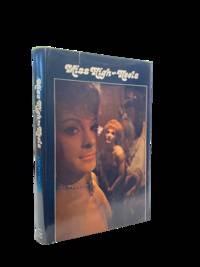
1969réf. 229941969. LGBTQTransgenderCross-Dressing Anonymous. Miss High-heels. New York: Grove Press Inc. 1969. First U.S. edition. Octavo. Lime green cloth boards in original photo-illustrated dust jacket. First published anonymously in Paris in 1931 Miss High-heels is an infamous work of fetishistic and feminization-themed erotica presented here in its first U.S. printing by Grove Press known for its defiance of censorship and promotion of transgressive literature. The novel tells the story of Dennis Evelyn Beryl a young effeminate English aristocrat who under the coercive influence of his domineering step-sister Helen is gradually transformed into "Denise" the titular Miss High-heels. Framed as a fictional memoir penned at Helen's command the narrative follows Dennis's journey from privileged heir to submissive cross-dresser. He is forced into girls' school stripped of masculine identifiers and eventually returned to the family estate clothed in "diamond-buckled satin slippers" and "the finest silks and satins" fully assuming the role of a "fetichiste-du-pied." Themes of humiliation and gender inversion mark the main character's transition as a fetish story but the book also allows for them to feel comfortable in their new identity: "Eventually Dennis is brought to realize how much more pleasurable is his life as a young girl and he willingly abandons his name fortune and life to the whims of Helen." Notable both for its elaborate prose and for its early depiction of forced feminization fantasy Miss High-heels occupies a space between pornography and proto-trans literature which would later flourish in small press chapbook format in the 80s and 90s. While drenched in the misogynistic and sadomasochistic tropes of its genre the text is nevertheless of interest among scholars of queer publishing history. Binding tight and square; boards clean; jacket bright with light shelfwear and a single 1/2 in closed tear at the top margin of front panel. Overall near fine in very good dust jacket. A historically resonant text in trans and fetish literature. unknown books
1969réf. 229941969. LGBTQTransgenderCross-Dressing Anonymous. Miss High-heels. New York: Grove Press Inc. 1969. First U.S. edition. Octavo. Lime green cloth boards in original photo-illustrated dust jacket. First published anonymously in Paris in 1931 Miss High-heels is an infamous work of fetishistic and feminization-themed erotica presented here in its first U.S. printing by Grove Press known for its defiance of censorship and promotion of transgressive literature. The novel tells the story of Dennis Evelyn Beryl a young effeminate English aristocrat who under the coercive influence of his domineering step-sister Helen is gradually transformed into "Denise" the titular Miss High-heels. Framed as a fictional memoir penned at Helen's command the narrative follows Dennis's journey from privileged heir to submissive cross-dresser. He is forced into girls' school stripped of masculine identifiers and eventually returned to the family estate clothed in "diamond-buckled satin slippers" and "the finest silks and satins" fully assuming the role of a "fetichiste-du-pied." Themes of humiliation and gender inversion mark the main character's transition as a fetish story but the book also allows for them to feel comfortable in their new identity: "Eventually Dennis is brought to realize how much more pleasurable is his life as a young girl and he willingly abandons his name fortune and life to the whims of Helen." Notable both for its elaborate prose and for its early depiction of forced feminization fantasy Miss High-heels occupies a space between pornography and proto-trans literature which would later flourish in small press chapbook format in the 80s and 90s. While drenched in the misogynistic and sadomasochistic tropes of its genre the text is nevertheless of interest among scholars of queer publishing history. Binding tight and square; boards clean; jacket bright with light shelfwear and a single 1/2 in closed tear at the top margin of front panel. Overall near fine in very good dust jacket. A historically resonant text in trans and fetish literature. unknown
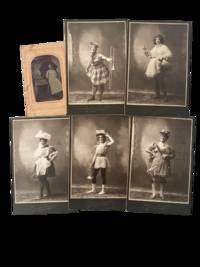
1880réf. 230281880. Cross-dressing Archive of six 19th century photographs of cross-dressing performers Springfield Illinois capturing early American drag performance during a period when public cross-dressing outside performance contexts could provoke not only social but legal backlash. These cross dressing portrait photographs created in Springfield Illinois during the late nineteenth century document early visual culture of gender nonconforming performance in the United States decades before modern LGBTQ identities were publicly articulated. The photographs show male individuals posed in women's clothing and adopting stylized feminine presentation part of a broader nineteenth century culture in which gender impersonation circulated in entertainment spaces private gatherings and visual novelty photography while remaining socially and legally sensitive in everyday life. Public cross dressing outside stage contexts could provoke moral condemnation and in many cities legal sanction under emerging anti cross dressing ordinances that appeared in the late nineteenth century. Portraits such as these therefore preserve rare visual evidence of early drag presentation and gender play at a moment when photographic studios documented identities and performances that existed at the margins of accepted social norms such portraits illuminate early emerging cross-dressing long before twentieth century drag entertainment or even the articulation of modern LGBTQ identities. Six original photographs produced in Springfield Illinois ca. 1880s to 1890s consisting of five cabinet cards and one tintype depicting cross dressing individuals posed in elaborate women's attire. The cabinet cards bear the imprint of Kessberger and Georg Studio of Springfield. Subjects appear against painted studio backdrops typical of commercial portrait photography of the period. Costumes include knee length dresses with lace trim aprons bows bonnets stockings and heeled shoes with attention given to wigs coiffure and accessories. Several figures hold musical instruments including trombone cornet and clarinet suggesting coordinated presentation or group identity among the sitters. Gestures emphasize stylized femininity including a figure lifting a skirt in exaggerated pose and another standing with hand placed at the hip. Also includes one smaller tintype photograph shows a similarly costumed man with a tick mustache in women's nightgown and holding a parasol. Cabinet card mounts show moderate edge wear and minor corner bumping with light surface scratches typical of late nineteenth century albumen studio photography. Images remain clear with strong contrast and well preserved costume detail. Overall Very good condition. Together the photographs form a cohesive visual archive documenting late nineteenth century cross dressing and early drag presentation in the American Midwest preserving rare photographic evidence of gender non conforming identity and performance practices that circulated in American culture long before twentieth century LGBTQ communities began to organize publicly. unknown books
1880réf. 230281880. Cross-dressing Archive of six 19th century photographs of cross-dressing performers Springfield Illinois capturing early American drag performance during a period when public cross-dressing outside performance contexts could provoke not only social but legal backlash. These cross dressing portrait photographs created in Springfield Illinois during the late nineteenth century document early visual culture of gender nonconforming performance in the United States decades before modern LGBTQ identities were publicly articulated. The photographs show male individuals posed in women's clothing and adopting stylized feminine presentation part of a broader nineteenth century culture in which gender impersonation circulated in entertainment spaces private gatherings and visual novelty photography while remaining socially and legally sensitive in everyday life. Public cross dressing outside stage contexts could provoke moral condemnation and in many cities legal sanction under emerging anti cross dressing ordinances that appeared in the late nineteenth century. Portraits such as these therefore preserve rare visual evidence of early drag presentation and gender play at a moment when photographic studios documented identities and performances that existed at the margins of accepted social norms such portraits illuminate early emerging cross-dressing long before twentieth century drag entertainment or even the articulation of modern LGBTQ identities. Six original photographs produced in Springfield Illinois ca. 1880s to 1890s consisting of five cabinet cards and one tintype depicting cross dressing individuals posed in elaborate women's attire. The cabinet cards bear the imprint of Kessberger and Georg Studio of Springfield. Subjects appear against painted studio backdrops typical of commercial portrait photography of the period. Costumes include knee length dresses with lace trim aprons bows bonnets stockings and heeled shoes with attention given to wigs coiffure and accessories. Several figures hold musical instruments including trombone cornet and clarinet suggesting coordinated presentation or group identity among the sitters. Gestures emphasize stylized femininity including a figure lifting a skirt in exaggerated pose and another standing with hand placed at the hip. Also includes one smaller tintype photograph shows a similarly costumed man with a tick mustache in women's nightgown and holding a parasol. Cabinet card mounts show moderate edge wear and minor corner bumping with light surface scratches typical of late nineteenth century albumen studio photography. Images remain clear with strong contrast and well preserved costume detail. Overall Very good condition. Together the photographs form a cohesive visual archive documenting late nineteenth century cross dressing and early drag presentation in the American Midwest preserving rare photographic evidence of gender non conforming identity and performance practices that circulated in American culture long before twentieth century LGBTQ communities began to organize publicly. unknown
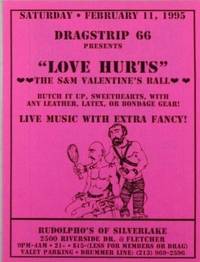
1995réf. 021719Silver Lake CA: VDragstrip 66 Publisher 1995. Unbound. Near Fine. Single sheet 5 ½ by 4 inches. Pink paper stock. Promo for Dragstrip 66 a LGBTQ club founded in 1993 and known for its embrace of the alternative and punk scene as well as drag. Founded by Paul Vitagliano and his friend Mr. Dan the bar focused on drag when it was still an outlier even within the gay community. Part of their strategy was to adopt an underground punk edge to drag where everything from booger drag to its glamorous counterparts were welcome. The club closed in 2013 and reopened again in 2023. see LA ist online article for previous history and information. An advertisement for an S&M Valentine's Ball suggesting people "Butch it up sweethearts with any leather latex or bondage gear!" Reverse of the leaflet advertises the Plush Life "LA's Only Weekly Sitcom Serial Soap Opera!" NEAR FINE with light edgewear. VDragstrip 66, Publisher unknown
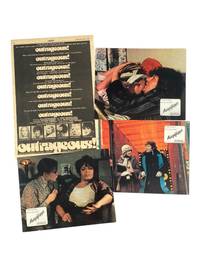
1977réf. 214451977. LGBTQCross-Dressing Archive of four items relating to the 1977 film "Outrageous!". Includes three original German lobby cards bearing the film's German title "Ausgeflippt!" and a 1977 Variety trade advertisement for this groundbreaking Canadian LGBTQ film starring Craig Russell and Hollis McLaren. The film directed by Richard Benner was one of the first North American movies to portray a drag performer as a fully realized protagonist with Russell playing Robin Turner a struggling female impersonator who supports his schizophrenic best friend. The film's bold depiction of queer identity mental health struggles and chosen family relationships resonated deeply with LGBTQ audiences and remains a cult classic. The Variety advertisement dated May 11 1977 features the film's title in a bold stylized font interspersed with key quotes from the movie. Beneath the text are photographic stills of Craig Russell in various drag personas showcasing his celebrated impersonations of Judy Garland Bette Davis and Mae West. The three lobby cards released for the German market under the title Ausgeflippt include vibrant full-color stills: one of Turner and his friend Liza sharing an intimate moment another capturing a tense domestic exchange and a third depicting Turner in flamboyant costume outside a theater emphasizing the film's themes of performance and identity. Overall very good condition. An uncommon survival of original promotional material from a pivotal LGBTQ film reflecting the 1970s era of independent queer cinema and the growing visibility of crossdressing and drag culture in mainstream media. unknown books
1977réf. 214451977. LGBTQCross-Dressing Archive of four items relating to the 1977 film "Outrageous!". Includes three original German lobby cards bearing the film's German title "Ausgeflippt!" and a 1977 Variety trade advertisement for this groundbreaking Canadian LGBTQ film starring Craig Russell and Hollis McLaren. The film directed by Richard Benner was one of the first North American movies to portray a drag performer as a fully realized protagonist with Russell playing Robin Turner a struggling female impersonator who supports his schizophrenic best friend. The film's bold depiction of queer identity mental health struggles and chosen family relationships resonated deeply with LGBTQ audiences and remains a cult classic. The Variety advertisement dated May 11 1977 features the film's title in a bold stylized font interspersed with key quotes from the movie. Beneath the text are photographic stills of Craig Russell in various drag personas showcasing his celebrated impersonations of Judy Garland Bette Davis and Mae West. The three lobby cards released for the German market under the title Ausgeflippt include vibrant full-color stills: one of Turner and his friend Liza sharing an intimate moment another capturing a tense domestic exchange and a third depicting Turner in flamboyant costume outside a theater emphasizing the film's themes of performance and identity. Overall very good condition. An uncommon survival of original promotional material from a pivotal LGBTQ film reflecting the 1970s era of independent queer cinema and the growing visibility of crossdressing and drag culture in mainstream media. unknown
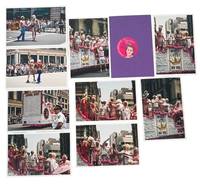
2000réf. 235592000. Imperial Court of New York Pride parade photo archive showing drag royalty queer pageantry and public LGBTQ Pride in Manhattan circa 2000 when court organizations used coronation ritual and performance spectacle to make gay community work visible in the street. The Imperial Court System was founded in 1965 by José Sarria the San Francisco performer and activist who became the first openly gay candidate for public office in the United States in 1961 and the Imperial Court of New York was founded in 1986 under Emperor I George and Empress I Sybil Bruncheon. The New York court describes itself as a social and fundraising organization that has raised money for social service and health support organizations placing these photographs within a culture of drag performance tied to HIV/AIDS support social visibility and charitable work in the tri state area. Photo archive of 9 chromogenic color photographs each 6 x 4 inches New York City circa 2000. The photographs show an Imperial Court of New York float in a Pride parade with participants in crowns tiaras formal wear pink sequined costumes curled wigs red lipstick and court regalia performing camp monarchy before spectators behind barricades. Float signage reads "Imperial Court New York" and "Imperial Court" while another photograph shows the rear of the float framed by rainbow bunting a painted crown and a papered platform carrying costumed titleholders and attendants. Other images show parade marchers and street performers in drag leather rainbow wings and bright costume elements including a performer in a horned headpiece and black corset another in blue hair and a short white dress and a figure wearing rainbow colored wing panels before a dense sidewalk crowd. NYPD presence is also documented in the photographs. The group records a local chapter of a national queer court culture using royal titles camp hierarchy and public spectacle to convert drag performance into civic and charitable presence. The International Court System identifies its chapters as courts with elected leaders bearing titles such as emperor empress prince and princess and describes their work through coronation events drag performances and community activities supporting LGBTQ rights social services and charitable causes. In these photographs that structure appears not as an indoor gala or bar revue but as a public Pride procession where formal gowns crowns float signage and playful monarchy announce the court to spectators in the city that had become central to national gay liberation memory after Stonewall. Clean versos; images bright with good color and sharpness. Overall in very good condition. The photo archive documents the Imperial Court of New York drag pageantry carrying fundraising culture camp royalty and LGBTQ community visibility into the public space of Manhattan Pride. unknown books
2000réf. 235592000. Imperial Court of New York Pride parade photo archive showing drag royalty queer pageantry and public LGBTQ Pride in Manhattan circa 2000 when court organizations used coronation ritual and performance spectacle to make gay community work visible in the street. The Imperial Court System was founded in 1965 by José Sarria the San Francisco performer and activist who became the first openly gay candidate for public office in the United States in 1961 and the Imperial Court of New York was founded in 1986 under Emperor I George and Empress I Sybil Bruncheon. The New York court describes itself as a social and fundraising organization that has raised money for social service and health support organizations placing these photographs within a culture of drag performance tied to HIV/AIDS support social visibility and charitable work in the tri state area. Photo archive of 9 chromogenic color photographs each 6 x 4 inches New York City circa 2000. The photographs show an Imperial Court of New York float in a Pride parade with participants in crowns tiaras formal wear pink sequined costumes curled wigs red lipstick and court regalia performing camp monarchy before spectators behind barricades. Float signage reads "Imperial Court New York" and "Imperial Court" while another photograph shows the rear of the float framed by rainbow bunting a painted crown and a papered platform carrying costumed titleholders and attendants. Other images show parade marchers and street performers in drag leather rainbow wings and bright costume elements including a performer in a horned headpiece and black corset another in blue hair and a short white dress and a figure wearing rainbow colored wing panels before a dense sidewalk crowd. NYPD presence is also documented in the photographs. The group records a local chapter of a national queer court culture using royal titles camp hierarchy and public spectacle to convert drag performance into civic and charitable presence. The International Court System identifies its chapters as courts with elected leaders bearing titles such as emperor empress prince and princess and describes their work through coronation events drag performances and community activities supporting LGBTQ rights social services and charitable causes. In these photographs that structure appears not as an indoor gala or bar revue but as a public Pride procession where formal gowns crowns float signage and playful monarchy announce the court to spectators in the city that had become central to national gay liberation memory after Stonewall. Clean versos; images bright with good color and sharpness. Overall in very good condition. The photo archive documents the Imperial Court of New York drag pageantry carrying fundraising culture camp royalty and LGBTQ community visibility into the public space of Manhattan Pride. unknown
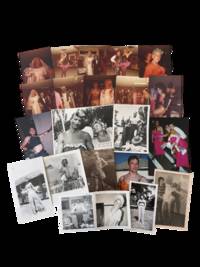
1970réf. 239451970. 1970s drag gala and showgirl photo archive depicting costumed performers gender transformation erotic display and nightlife during a decade when gay liberation and the broader sexual revolution challenged established boundaries governing sexuality dress and gender presentation. Several photographs carry December 1973 processing dates placing part of the archive only four years after Stonewall and three years after the first Christopher Street Liberation Day marches brought a new gay liberation politics into American public life. The photographs concentrate on the social life within through parties galas clubs and other gathering spaces in which men and women could adopt extravagant personae expose or transform their bodies and participate in forms of gender presentation that remained subject to discrimination and in some jurisdictions police scrutiny outside such settings. Drag organizations themselves were contesting those restrictions during these years; the Queens Liberation Front campaigned against cross dressing laws and began publishing Drag in 1971 as a forum for drag and gender nonconforming communities. Photo archive of 23 chromogenic color photographs ranging from approximately 3.5 x 4 to 4 x 6 inches circa 1970s with several prints dated December 1973. The photographs show showgirls and drag performers in feathered headdresses rhinestone and pearl covered costumes gowns masks lingerie boas wigs theatrical makeup and revealing stage clothes. A blonde showgirl repeatedly poses in an elaborate white jeweled costume with a towering feathered headdress and fan both alone and beside a woman in a floral dress. Other photographs show performers in enormous white wigs and feathered costumes a figure enveloped in a tiered ruffled gown masked men in minimal costumes and participants mingling in crowded interiors. Several scenes are particularly physical: a nearly nude masked man dances in briefs and boots beneath a feathered headdress; another performer wears a bikini style costume with white fur; dancers in abbreviated stage costumes pose and move beneath colored lights. Six square prints record individual performers onstage in feathered and ruffled costumes preserving the performance itself rather than only posed portraits before or after it. Men and women appear as performers companions and spectators and the photographs repeatedly move between staged glamour and informal social interaction. One outdoor image depicts costumed participants near a banner extending the material beyond the interiors represented elsewhere in the group. The archive belongs to the decade in which post Stonewall liberation politics and older drag traditions increasingly overlapped with a broader culture of sexual experimentation. The first Pride march in 1970 emerged directly from resistance to police harassment and anti homosexual laws while drag queens and gender nonconforming participants occupied a contested position even within gay liberation. Contemporary drag culture was simultaneously developing its own institutions and media. Drag magazine recorded performers clubs legal struggles and community life beginning in 1971 while Female Mimics in 1974 reported on performance venues and offered readers information about makeup clothing and drag presentation. The private and semi private interiors represented here show another dimension of that history: spaces in which elaborate femininity male erotic display masquerade nudity and transformations of conventional gender presentation could function as entertainment and as social practice among participants and spectators. Light surface and handling wear occasional scratches and minor fading or color shift; several prints show period processing marks. Overall in very good condition. A concentrated visual record of drag pageantry showgirl spectacle sexual display and the social spaces in which men and women experimented with gender and self presentation during the sexual liberation era. unknown books
1970réf. 239451970. 1970s drag gala and showgirl photo archive depicting costumed performers gender transformation erotic display and nightlife during a decade when gay liberation and the broader sexual revolution challenged established boundaries governing sexuality dress and gender presentation. Several photographs carry December 1973 processing dates placing part of the archive only four years after Stonewall and three years after the first Christopher Street Liberation Day marches brought a new gay liberation politics into American public life. The photographs concentrate on the social life within through parties galas clubs and other gathering spaces in which men and women could adopt extravagant personae expose or transform their bodies and participate in forms of gender presentation that remained subject to discrimination and in some jurisdictions police scrutiny outside such settings. Drag organizations themselves were contesting those restrictions during these years; the Queens Liberation Front campaigned against cross dressing laws and began publishing Drag in 1971 as a forum for drag and gender nonconforming communities. Photo archive of 23 chromogenic color photographs ranging from approximately 3.5 x 4 to 4 x 6 inches circa 1970s with several prints dated December 1973. The photographs show showgirls and drag performers in feathered headdresses rhinestone and pearl covered costumes gowns masks lingerie boas wigs theatrical makeup and revealing stage clothes. A blonde showgirl repeatedly poses in an elaborate white jeweled costume with a towering feathered headdress and fan both alone and beside a woman in a floral dress. Other photographs show performers in enormous white wigs and feathered costumes a figure enveloped in a tiered ruffled gown masked men in minimal costumes and participants mingling in crowded interiors. Several scenes are particularly physical: a nearly nude masked man dances in briefs and boots beneath a feathered headdress; another performer wears a bikini style costume with white fur; dancers in abbreviated stage costumes pose and move beneath colored lights. Six square prints record individual performers onstage in feathered and ruffled costumes preserving the performance itself rather than only posed portraits before or after it. Men and women appear as performers companions and spectators and the photographs repeatedly move between staged glamour and informal social interaction. One outdoor image depicts costumed participants near a banner extending the material beyond the interiors represented elsewhere in the group. The archive belongs to the decade in which post Stonewall liberation politics and older drag traditions increasingly overlapped with a broader culture of sexual experimentation. The first Pride march in 1970 emerged directly from resistance to police harassment and anti homosexual laws while drag queens and gender nonconforming participants occupied a contested position even within gay liberation. Contemporary drag culture was simultaneously developing its own institutions and media. Drag magazine recorded performers clubs legal struggles and community life beginning in 1971 while Female Mimics in 1974 reported on performance venues and offered readers information about makeup clothing and drag presentation. The private and semi private interiors represented here show another dimension of that history: spaces in which elaborate femininity male erotic display masquerade nudity and transformations of conventional gender presentation could function as entertainment and as social practice among participants and spectators. Light surface and handling wear occasional scratches and minor fading or color shift; several prints show period processing marks. Overall in very good condition. A concentrated visual record of drag pageantry showgirl spectacle sexual display and the social spaces in which men and women experimented with gender and self presentation during the sexual liberation era. unknown
1960réf. 234611960. Gender nonconforming and drag performance photo archive documenting queer social gatherings costume performance pageantry and private queer community life from the 1960s through the 1990s. The photographs preserve a period when drag culture existed simultaneously in nightlife informal house parties outdoor gatherings and small community events often outside mainstream visibility. Long before drag became widely commercialized through television and corporate entertainment circuits queer performers and gender nonconforming individuals built their own social spaces through costume parody theatricality and communal celebration. Photo archive of 22 color and silver gelatin photographs ranging from small vernacular snapshots to larger prints United States circa 1960s-1990s. Several images center on a recurring bridal drag performer wearing lace wedding dresses veils floral bouquets wigs and exaggerated makeup while posing beside guests in tuxedos theatrical costumes and evening attire. Other photographs depict individuals in burlesque-inspired outfits feather boas crop tops wigs and handmade dresses posed indoors and outdoors at parties picnics and performance-like gatherings. One outdoor scene shows two figures in matching feminine costumes smiling arm in arm while additional images record staged poses beside vehicles improvised dance or performance gestures and casual snapshots emphasizing glamour and gender transformation. The archive repeatedly shifts between formal costume display and relaxed social interaction grounding drag not only as stage entertainment but as an everyday form of queer expression and community-making. The photographs align with broader developments in post-Stonewall queer culture when drag performance expanded from underground bars and private parties into increasingly visible forms of social and artistic expression. During much of this period openly gender nonconforming presentation still carried substantial social and legal risk especially outside major urban nightlife districts. This archive preserves the social fabric surrounding drag culture through intimate portrayals of friendships amateur performance gender experimentation and private community environments that sustained queer life across several decades. Light handling wear scattered creasing and occasional fading consistent with vernacular snapshot use. Overall in good condition. unknown books
1960réf. 234611960. Gender nonconforming and drag performance photo archive documenting queer social gatherings costume performance pageantry and private queer community life from the 1960s through the 1990s. The photographs preserve a period when drag culture existed simultaneously in nightlife informal house parties outdoor gatherings and small community events often outside mainstream visibility. Long before drag became widely commercialized through television and corporate entertainment circuits queer performers and gender nonconforming individuals built their own social spaces through costume parody theatricality and communal celebration. Photo archive of 22 color and silver gelatin photographs ranging from small vernacular snapshots to larger prints United States circa 1960s-1990s. Several images center on a recurring bridal drag performer wearing lace wedding dresses veils floral bouquets wigs and exaggerated makeup while posing beside guests in tuxedos theatrical costumes and evening attire. Other photographs depict individuals in burlesque-inspired outfits feather boas crop tops wigs and handmade dresses posed indoors and outdoors at parties picnics and performance-like gatherings. One outdoor scene shows two figures in matching feminine costumes smiling arm in arm while additional images record staged poses beside vehicles improvised dance or performance gestures and casual snapshots emphasizing glamour and gender transformation. The archive repeatedly shifts between formal costume display and relaxed social interaction grounding drag not only as stage entertainment but as an everyday form of queer expression and community-making. The photographs align with broader developments in post-Stonewall queer culture when drag performance expanded from underground bars and private parties into increasingly visible forms of social and artistic expression. During much of this period openly gender nonconforming presentation still carried substantial social and legal risk especially outside major urban nightlife districts. This archive preserves the social fabric surrounding drag culture through intimate portrayals of friendships amateur performance gender experimentation and private community environments that sustained queer life across several decades. Light handling wear scattered creasing and occasional fading consistent with vernacular snapshot use. Overall in good condition. unknown
réf. 59019, Tectum Publishers 2012, 2012 Hardcover, 160 pages, NL / ENG / FR / ITA, 290 x 290 mm, book is in very good condition, with 150 perfect clear pictures in gorgeous colours, some models make you think twice : man or woman, . ISBN 9789461580290.
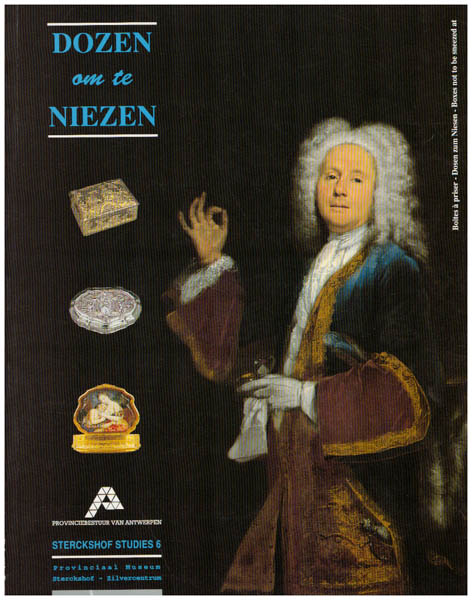
1996réf. 49869CBSterckshof, Provinciaal Museum, 1996. 4°. 27 cm. 254 Seiten. Original-Karton.
1994Includes the following issues from 1994: February, March, April, May, June, August, September, November, December. Topics include: The Red Sea; Mexico Revisited; Dugong - Homely Mermaids; Slingsby Channel, B.C.; Flagship of the Muskokas; Thailand Daytrips and Liveaboards; New Caledonia; Lake Erie Shipwreck - Carlingford; Indonesian Princess - Island Hopping; Nova Scotia; Dive the Brae; Cayman Islands; Cetacean Encounter - Dolphins; Ten Best Dives in the West; Choose a Suit; Disable Divers; Swimming Scallops; U.S.S. Monitor Update; Coral in the Maldives; Beach Access in B.C.; Shipwreck - President Coolidge; Nova Scotia's 'Vienna'; Choosing a Mask; Shooting at Night; Spacious 'Lady Goodiver'; Lost Steamer 'Colonial'; Palau - 10 Great Sites; B.C.'s Magnificent Red Coral; Elusive Cuttlefish; Port Colbourne - Raleigh; Adams River Salmon Run; Grunt Sculpins; Is Liveaboard Diving For You?; How to Win Underwater Photo Contests; Snorkelling Gear for Summer Fun; Seymour Inlet Lodge; Sinking of the HMCS Saguenay; God's Pocket; Kona Coast, Hawaii; Fiji; Solomon Islands; Light Meters; Underwater Time-Keeping; Ghost Ship of the Muskokas; Duel at Swordfish - Victoria, B.C.; B.C. Garden of Sponge; Voyage Aboard Nai'a; Best of the Caribbean; Anemones - they're everywhere!; Diving is the Pits - in Minnesota; Whytecliff Park, B.C. - a favourite local dive; Telegraph Cove, B.C. - North Island Diving; Canada's Arctic; Sipidan and Sangalakki; Cape Cod. Moderate wear. Clean. Quality copies. Book