LA ROCHEFOUCAULD-LIANCOURT Marquis deLivre Rare Book

1.123 Ergebnisse
1859Best.-Nr. GITj500Paris Typographie de Morris et Cie 1859. In-8 broché 475pp. Couverture légèrement poussiéreuse, pâles rousseurs par endroits. L'Auteur dénonce les traitements inhumains et dégradants auxquels sont soumis les détenus et réclame l'application de mesures telles que la fin de l'isolement et le travail en commun, qui devraient faciliter la réinsertion des condamnés.
1871Best.-Nr. GITh069Paris Librairie Centrale 1871. Paris chez tous les Libraires 1871. 2 ouvrages en 1 volume in-12 103pp et 1 feuillet non chiffré catalogue et 36pp. Demi chagrin rouge, dos à nerfs orné de beaux fleurons finement dorés, plats de papier chagriné rouge, reliure de l'époque. Le texte de Maître Ordioni est intercalé entre les pages 96 et 97 de celui de Lemonnier. Les deux textes sont frais et bien complets dans une belle reliure en très bon état et décorative. Le texte de Lemonnier est référencé dans Le Quillec 1491.
1840Best.-Nr. 44557Paris, Guillaumin, 1840. In-8 de (4)446-(1) pp., demi-chagrin noir, dos à nerfs, tête dorée, non rogné, couverture conservée (Canape).
Best.-Nr. 7316Paris, Courcier, An 5, 1797. 4 volumes in-12, basane usagée de l'époque. Première édition, illustrée de 7 figures d'après Blanchard. Monglond (IV, 38) décrit l'exemplaire de la Bibliothèque nationale de France, doté également de sept figures sur les huit annoncées dans le titre.
Best.-Nr. 14821P., Librairies-Imprimeries Réunies, 1892, in 12 broché, 278 pages ; illustrations hors-texte; couverture illustrée ; qq rousseurs ; infimes défauts à la couverture.
Best.-Nr. 46350P., Asselin et Houzeau, (1912), in 12 broché, 303 pages ; illustrations hors-texte.
Best.-Nr. 35601105, Paris, Guillaumin, 1840; in-8, demi-veau fauve, tranches jasp.(Rel. de l’ép.). 2 ff., 446 pp., 1f.- EDITION ORIGINALE. Livre rare. L’auteur, natif de Paris en 1801, un normalien qui se vit fermer la carrière universitaire parce que trop indépendant, émigra à Guernesey où il enseigna au collège Elisabeth. Il revint en France après la Révolution de 1830 et se lança dans le journalisme au Courrier français, à la Tribune, au Temps, au Constitutionnel, etc. Les gendarmes et les voleurs semblaient l’inspirer, car on lui doit des ouvrages sur Vidocq, Cartouche. Ici il étudie les anciennes prisons de la Seine et leur administration, le dépôt de la Préfecture, Clichy prison pour dettes, Sainte-Pélagie, maison d’arrêt et de correction, prison d’Etat sous l’Empire, la Conciergerie, Bicêtre, La Force, les prisons d’Etat modernes, le Temple et Vincennes. Nombreux documents inédits. Bel exemplaire, provenant de la bibliothèque de N. FAULQUIER qui fut président du tribunal de Clamecy (Nièvre) vers 1850.(Initiales manuscrites sur la garde).
Best.-Nr. 13728Histoire de Juliette ou les prostituées du Vice. VI tomes en 6 volumes in 12 brochés, carrés, 125x165mm. Sceaux Jean Jacques PAUVERT éditeur 1954 très bon état. Tiré à 475 exemplaires réservés aux souscripteurs. Tome 1 : faux titre, justificatif de tirage, titre, 276 pages, 2 pages index des épisodes. Mai 1954. Tome 2 : 273 pages 2 pages index des épisodes. Mai1954 . Tome 3 : 268 pages2 pages index des épisodes. Juin 1954. Tome 4 : 2 pages index des épisodes. Juin1954.Tome5 : 280 pages 2 pages index des épisodes. Juin 1954. Tome 6 : 275 pages2 pages index des épisodes. Juin 1954 complet. Dos insolés. Sinon Très bon état. Peu courant complet.
Best.-Nr. 232383Paris, Palmé, 1874 in-8, VIII-516 pp., portrait-frontispice, demi-chagrin rouge, dos à nerfs (reliure de l'époque). Quelques rousseurs.
1885Best.-Nr. GITj568Paris Aux Bureaux du Progrès Médical, Delahaye et Lecrosnier 1885. 2 volumes fort in-8 brochés LVIII 1 feuillet non chiffré errata et VI 605pp. Sans le 2e plat de la couverture du Tome I; pâles rousseurs sur les couverture, intérieur frais, complet, non coupé. Réimpression soignée de l'édition de 1579, tirée à 500 exemplaires, celui-ci 1 des 350 sur papier parchemin, non justifié.
Best.-Nr. RO30333289. Non daté. In-4. Relié demi-cuir. Etat d'usage, Couv. défraîchie, Dos frotté, Papier jauni. 560 pages. Nombreuses rousseurs. Texte sur deux colonnes. Nombreuses gravures en noir et blanc, in et hors texte. Mouillures. Salissures. Page de titre manquante. Filets, titre, auteur, fleurons en doré au dos. Epidermures. Coins frottés.. . . . Classification Dewey : 365-Prisons
1664Best.-Nr. 4757London: Printed for M.D. and are to be sold by Nathaniel Webb at the Royal Oak in St. Pauls Church-yard neer the little north-door of St. Pauls Church 1664. FIRST EDITION. Hardcover. Fine. Bound in modern quarter calf and marbled boards. A crisp copy a few sall rust marks final leaf dusty verso of last text leaf lightly foxed. The first leaf is a full-page woodcut of the royal arms. The final leaf bound at the beginning in this copy bears the woodcut printer's device "Royall Oake" and type ornaments. Rare: North American copies: Harvard 4 copies Huntington Indiana Newberry Illinois. A royal pronouncement by King Charles II appointing members to serve on a commission first established by Queen Elizabeth in 1586 "for the Relief of Poor Distressed Prisoners" that is those debtors who "were truly and indeed poor distressed and miserable and wanted means to satisfie their creditors" as opposed to those "obstinate and wilful debtors" who had the means but not the will to pay their outstanding debts. The patent grants commissioners the authority to summon any imprisoned debtor and any party to whom a debt is owed to assess the merits of the case and to devise -in coordination with judges- a remedy that will satisfy the creditor and provide relief for "such poor and miserable persons as have not wherewithal to satisfie their Debts" who would otherwise "be constrained miserably to perish in Prison except in pity they shall be relieved." The Commission could do little to remedy the disfunction of the prison system or to alleviate the plight of those imprisoned for debt. Throughout the 17th c. the imprisoned vociferously protested the grim horrors of debtors' prison and the corrupt system that doomed them to rot in jail powerless and penniless. From the 1640s onward numerous petitions were introduced seeking debt relief and prison reform. It was not until the 1670s that these efforts would bear substantive fruit. In the meantime appealing to the Commission offered salvation to a relative few. "Throughout the petitions and appeals the gaolers are described as vipers leeches and caterpillars who "feed upon the miseries of honest men or grow rich out of others ruines"; they are also characterized as ravenous beasts of prey predators that "rore like Lyons devoure like Tygers ravine like Wolves and like Beares crush the Prisoner under their feet." "Whether they slowly consumed or quickly devoured their victims these "insatiable Monsters of Cruelty" threatened especially prisoners caught in the vicious cycle of financial misfortune that had led to their incarceration. "Because we are Poore" one of them poignantly protests we have no escape: "Poore I say and not able to fee Lawyers Atturneys Sollicitors and Gaolers; for if we had moneys to satiate these Horsleeches then though our causes were never so unjust and debts never so great we should no wayes doubt the gaining of our Liberties." This injustice another tract contends is not merely the timeless complaint of all prisoners: "here the poorest debtor hath the cruellest imprisonment; that is the rule of these men's mercie: The greatest cheater hath the greatest favor; that is their Justice." "Quite simply money drove the debtors to prison and money determined their fates in prison. Much of the complaint against the rapacity of the gaolers in fact stems from a fee system that required inmates to pay for their own incarceration. In addition to the various chamber rents levied by keepers all prisoners were expected to give sums to the turnkeys and porters for their services. Neither the fees nor the laws governing this practice were however clearly established; and prisoners complained at length and in detail "That in pursuance of their uncontrouled inhumane cruelties Gaolers and Prison-keepers have and dayly do inforce from Prisoners their goods and moneys illegal fees and excessive Chamber-rent."Anselment The Confinement: The Plight of the Imprisoned English Debtor in the Seventeenth Century The Commission for the Relief of Poor Distressed Prisoners in the Post-Elizabethan Period: By this patent Charles II's renews previous patents passed by "Our Grand-Father"James I and "Our Father"Charles I. Despite their intent the Commissions For Relief were an imperfect solution. They met resistance from debtors who feared that their implementation would make it harder to recoup monies owed to them. Further there was concern that unscrupulous borrowers would be emboldened to default on their debts. "Creditors needed protection against deliberate bankrupts and poor debtors required relief against persistent creditors yet aid to one party would have been prejudicial to the other. Upon Queen Elizabeth's death her patent authorizing a commission for the relief of poor imprisoned debtors expired and James did not renew it. "In the absence of a royal patent Parliament attempted to resolve the dilemma by statutes but its prison bills proved ineffectual. Also as Parliament's patent of 1618 "Acte for Recoverie of Small Debtes and releevinge of poor debtors in London" makes clear the expiration of the earlier patent somewhat discouraged political debtors but it left many bona fide debtors unrelieved until London's jails were filled with 'the Bodies of those persons whose imprisonment cann no waie avail their Creditors but rather is an hinderance to the Satisfaction of their Debts for that during the tyme of their Restrainte they are in no wise able to goe aboute or attende their lawfull Busynes but must of force consume themselves and that little they have miserably in prison.'"Shaw The Position of Thomas Dekker in Jacobean Prison Literature PMLA Jun. 1947 Vol. 62 No. 2 Jun. 1947 pp. 366-391. Printed for M.D. and are to be sold by Nathaniel Webb, at the Royal Oak, in St. Pauls Church-yard, neer the little north-door of hardcover
1664Best.-Nr. 4757London: Printed for M.D. and are to be sold by Nathaniel Webb at the Royal Oak in St. Pauls Church-yard neer the little north-door of St. Pauls Church 1664. FIRST EDITION. Hardcover. Fine. Bound in modern quarter calf and marbled boards. A crisp copy a few sall rust marks final leaf dusty verso of last text leaf lightly foxed. The first leaf is a full-page woodcut of the royal arms. The final leaf bound at the beginning in this copy bears the woodcut printer's device "Royall Oake" and type ornaments. Rare: North American copies: Harvard 4 copies Huntington Indiana Newberry Illinois. A royal pronouncement by King Charles II appointing members to serve on a commission first established by Queen Elizabeth in 1586 "for the Relief of Poor Distressed Prisoners" that is those debtors who "were truly and indeed poor distressed and miserable and wanted means to satisfie their creditors" as opposed to those "obstinate and wilful debtors" who had the means but not the will to pay their outstanding debts. The patent grants commissioners the authority to summon any imprisoned debtor and any party to whom a debt is owed to assess the merits of the case and to devise -in coordination with judges- a remedy that will satisfy the creditor and provide relief for "such poor and miserable persons as have not wherewithal to satisfie their Debts" who would otherwise "be constrained miserably to perish in Prison except in pity they shall be relieved." The Commission could do little to remedy the disfunction of the prison system or to alleviate the plight of those imprisoned for debt. Throughout the 17th c. the imprisoned vociferously protested the grim horrors of debtors' prison and the corrupt system that doomed them to rot in jail powerless and penniless. From the 1640s onward numerous petitions were introduced seeking debt relief and prison reform. It was not until the 1670s that these efforts would bear substantive fruit. In the meantime appealing to the Commission offered salvation to a relative few. "Throughout the petitions and appeals the gaolers are described as vipers leeches and caterpillars who "feed upon the miseries of honest men or grow rich out of others ruines"; they are also characterized as ravenous beasts of prey predators that "rore like Lyons devoure like Tygers ravine like Wolves and like Beares crush the Prisoner under their feet." "Whether they slowly consumed or quickly devoured their victims these "insatiable Monsters of Cruelty" threatened especially prisoners caught in the vicious cycle of financial misfortune that had led to their incarceration. "Because we are Poore" one of them poignantly protests we have no escape: "Poore I say and not able to fee Lawyers Atturneys Sollicitors and Gaolers; for if we had moneys to satiate these Horsleeches then though our causes were never so unjust and debts never so great we should no wayes doubt the gaining of our Liberties." This injustice another tract contends is not merely the timeless complaint of all prisoners: "here the poorest debtor hath the cruellest imprisonment; that is the rule of these men's mercie: The greatest cheater hath the greatest favor; that is their Justice." "Quite simply money drove the debtors to prison and money determined their fates in prison. Much of the complaint against the rapacity of the gaolers in fact stems from a fee system that required inmates to pay for their own incarceration. In addition to the various chamber rents levied by keepers all prisoners were expected to give sums to the turnkeys and porters for their services. Neither the fees nor the laws governing this practice were however clearly established; and prisoners complained at length and in detail "That in pursuance of their uncontrouled inhumane cruelties Gaolers and Prison-keepers have and dayly do inforce from Prisoners their goods and moneys illegal fees and excessive Chamber-rent."Anselment The Confinement: The Plight of the Imprisoned English Debtor in the Seventeenth Century The Commission for the Relief of Poor Distressed Prisoners in the Post-Elizabethan Period: By this patent Charles II's renews previous patents passed by "Our Grand-Father"James I and "Our Father"Charles I. Despite their intent the Commissions For Relief were an imperfect solution. They met resistance from debtors who feared that their implementation would make it harder to recoup monies owed to them. Further there was concern that unscrupulous borrowers would be emboldened to default on their debts. "Creditors needed protection against deliberate bankrupts and poor debtors required relief against persistent creditors yet aid to one party would have been prejudicial to the other. Upon Queen Elizabeth's death her patent authorizing a commission for the relief of poor imprisoned debtors expired and James did not renew it. "In the absence of a royal patent Parliament attempted to resolve the dilemma by statutes but its prison bills proved ineffectual. Also as Parliament's patent of 1618 "Acte for Recoverie of Small Debtes and releevinge of poor debtors in London" makes clear the expiration of the earlier patent somewhat discouraged political debtors but it left many bona fide debtors unrelieved until London's jails were filled with 'the Bodies of those persons whose imprisonment cann no waie avail their Creditors but rather is an hinderance to the Satisfaction of their Debts for that during the tyme of their Restrainte they are in no wise able to goe aboute or attende their lawfull Busynes but must of force consume themselves and that little they have miserably in prison.'"Shaw The Position of Thomas Dekker in Jacobean Prison Literature PMLA Jun. 1947 Vol. 62 No. 2 Jun. 1947 pp. 366-391. Printed for M.D. and are to be sold by Nathaniel Webb, at the Royal Oak, in St. Pauls Church-yard, neer the little north-door of hardcover books
Best.-Nr. 1333929358.Gpaperback. Good. Access codes and supplements are not guaranteed with used items. May be an ex-library book. paperback
1901pp. vii, 306, xxiii [87th Regiment Roster] + Numerous photographs. Profusely illustrated with drawings. Inked ownership of M. O. Smith, 1901, on title page. Mildly XLib. Some signatures loose. 8vo. Original full cloth binding. Gilt lettered. Hardbound. A very good copy of the First Edition of this classic Civil War regimental history. Dornbusch P-238; Nevins I. PA 36
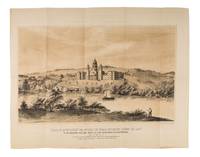
1856Best.-Nr. 823091856. A New Hampshire Prison "For Juvenile and Female Offenders" Prisons. New Hampshire. "House of Reformation for Juvenile and Female Offenders Against the Laws" To be Erected for the State of New Hampshire at Manchester. Under the Direction of Hon. Frederick Smith Hon. Matthew Harvey and Hon. Hosea Eaton Commissioners. William R. Lincoln and Gridley J.F. Bryant Designers and Architect. Disbound from First Annual Report of the Commissioner for Locating and Building House of Reformation for Juvenile and Female Offenders Against the Laws. Concord: Amos Hadley State Printer 1856. Lithograph signed Kramer & Co. Removed 16-3/4" x 21-3/4" 42.5 x 55.25 cm sepia lithograph image size 11-1/2" x 19" 29.2 x 48.25 cm. Moderate toning faint offsetting horizontal and vertical fold lines a few tiny clean tears along fold lines with minor loss to image. $450. An impressive mid-19th-century architectural rendering showing the proposed reformatory situated along the banks of the Merrimack River in Manchester New Hampshire. Authorized by the state legislature in 1855 construction began on the site the following year. The structure was designed by the prominent Boston architect Gridley J.F. Bryant 1816-1899 a pioneer in Victorian institutional architecture who designed numerous municipal buildings custom houses and prisons throughout New England and who would later renovate the New Hampshire State House in 1866. Bryant worked here alongside co-designer William R. Lincoln. Intended as a progressive state-of-the-art facility for the rehabilitation of juvenile and female offenders the House of Reformation officially opened in 1858. The grand building depicted here was short-lived however; it was severely damaged and largely destroyed by a catastrophic fire in 1865. The site was subsequently rebuilt and went on to become the long-running State Industrial School later the Youth Development Center. OCLC locates 3 individually catalogued copies of this lithograph Library Company of Philadelphia Boston Athenaeum American Antiquarian Society. We located additional copies at Dartmouth and the New Hampshire Historical Society. Reed Building Victorian Boston: The Architecture of Gridley J.F. Bryant 186. unknown
1856Best.-Nr. 823091856. A New Hampshire Prison "For Juvenile and Female Offenders" Prisons. New Hampshire. "House of Reformation for Juvenile and Female Offenders Against the Laws" To be Erected for the State of New Hampshire at Manchester. Under the Direction of Hon. Frederick Smith Hon. Matthew Harvey and Hon. Hosea Eaton Commissioners. William R. Lincoln and Gridley J.F. Bryant Designers and Architect. Disbound from First Annual Report of the Commissioner for Locating and Building House of Reformation for Juvenile and Female Offenders Against the Laws. Concord: Amos Hadley State Printer 1856. Lithograph signed Kramer & Co. Removed 16-3/4" x 21-3/4" 42.5 x 55.25 cm sepia lithograph image size 11-1/2" x 19" 29.2 x 48.25 cm. Moderate toning faint offsetting horizontal and vertical fold lines a few tiny clean tears along fold lines with minor loss to image. $450. An impressive mid-19th-century architectural rendering showing the proposed reformatory situated along the banks of the Merrimack River in Manchester New Hampshire. Authorized by the state legislature in 1855 construction began on the site the following year. The structure was designed by the prominent Boston architect Gridley J.F. Bryant 1816-1899 a pioneer in Victorian institutional architecture who designed numerous municipal buildings custom houses and prisons throughout New England and who would later renovate the New Hampshire State House in 1866. Bryant worked here alongside co-designer William R. Lincoln. Intended as a progressive state-of-the-art facility for the rehabilitation of juvenile and female offenders the House of Reformation officially opened in 1858. The grand building depicted here was short-lived however; it was severely damaged and largely destroyed by a catastrophic fire in 1865. The site was subsequently rebuilt and went on to become the long-running State Industrial School later the Youth Development Center. OCLC locates 3 individually catalogued copies of this lithograph Library Company of Philadelphia Boston Athenaeum American Antiquarian Society. We located additional copies at Dartmouth and the New Hampshire Historical Society. Reed Building Victorian Boston: The Architecture of Gridley J.F. Bryant 186. unknown books
Best.-Nr. 55786Paris, L'Harmattan, 2005. 13 x 21, 267 pp., broché, très bon état.
Best.-Nr. 13692Albany, Superintendent of State Prisons (impr/pr: J. B. Lyon), sd / nd. In-4 oblong, 203-(9) pp., cartonnage éditeur pleine toile imprimé (coiffes et coins de la reliure frottés, garde volante supérieure détachée). Sans la liste des prix. // Oblong 4to, 203-(9) p., publisher's printed clothbound hardcover (wear to binding spine-ends and corners, front flyleaf detached). Without the price list.
Best.-Nr. 0656213485.Ghardcover. Good. Access codes and supplements are not guaranteed with used items. May be an ex-library book. hardcover
Best.-Nr. 1333741480.Gpaperback. Good. Access codes and supplements are not guaranteed with used items. May be an ex-library book. paperback
Best.-Nr. 30815P., Flammarion, sans date (vers 1898), in 12 broché, VII-411pp. ; couverture fanée avec fortes rousseurs.
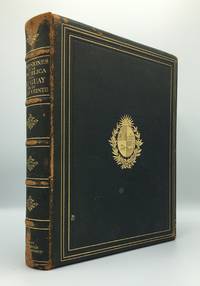
1912Best.-Nr. 1080Londres etc.: Lloyds Greater Britain Publishing Company Limited. 1912. First edition. Large quarto. Publisher's original full dark-green morocco; the upper board triple-ruled in gilt and with the Uruguayan crest in gilt; the spine with five raised bands compartments ruled and decorated in gilt and with titles in gilt. All edges gilt. Marbled endpapers. Title page contents page introduction and first text page with gilt borders and embellishments. Illustrated profusely throughout with black and white photographs and one map. Ownership inscription of the Australian writer Mary Gilmore to the head of the title page: "Mary Gilmore / Her book / 16. 3. 26". A very good copy the binding square and firm with a few small marks and scuffs to the boards rubbing to the spine and joints and wear to the corners. The contents with scattered foxing to the endpapers are otherwise in very good order and clean throughout. An interesting association copy of this comprehensive extensively illustrated and luxuriously produced survey of the people culture history politics economy industry agriculture geography and natural history of Uruguay at the beginning of the twentieth-century belonging to the influential Australian author journalist and poet Dame Mary Gilmore 1865-1962. A prolific contributor to Australian literature and the broader national discourse during the first half of the twentieth-century Gilmore wrote for a number of leading newspapers and journals of the period serving as the editor of the women's section of The Australian Worker 1908-1931 as well as The Bulletin The Sydney Morning Herald and the Communist Party's Tribune becoming known as a campaigner for the welfare of the disadvantaged. Her first volume of poetry was issued in 1910 thereafter publishing prodigiously for the ensuing half-century coming to be regarded as one of Australia's most popular and widely read poets. Her poetry essays and memoirs covered a wide variety of themes although public imagination was particularly captured by her evocative views of country life with her best known work - 'No Foe Shall Gather Our Harvest' - serving as a morale booster during the Second World War. A political progressive Gilmore gained a reputation as a 'fiery radical' - a champion of the workers and the oppressed. Involving herself with the burgeoning labour movement early in her life she had become a devotee of the utopian socialism of William Lane 1861-1917. In 1896 Gilmore and two hundred others followed Lane to Paraguay where they established a communal settlement called New Australia. She started a family there with William Gilmore whom she married in 1897 but the colony was ultimately short-lived with Gilmore leaving in 1900 living in Buenos Aires for six months followed by a period in Patagonia returning to Australia in 1902 after having saved enough money for a return passage. Gilmore maintained a strong interest in Latin American politics culture and literature for the rest of her life. Indeed she also engaged in translation projects bringing Latin American literature to a wider audience notably endeavouring to produce a 'Uruguayan anthology' for which she corresponded with friends and associates in the country. This was perhaps also the origin of the present volume which itself forms a pleasing representation of Gilmore's wide-ranging ambitions. By her later years Gilmore was a doyenne of the Sydney literary world and became something of a national icon making frequent appearances in the new media of radio and television and maintaining a significant literary output into old age publishing her last book of verse in 1954 aged 89. She died at the age of 97 and was accorded a state funeral a rare honour for a writer and has featured on the reverse of the Australian ten-dollar note since 1993. Londres [etc.]: Lloyds Greater Britain Publishing Company, Limited. hardcover
1991233 pages. Footnotes. Bibliography. Index. Reproduction of black and white photo in text. "This compelling first-person account deepens our appreciation of the conflicts, failures, and triumphs of those who find themselves in the hands of their nation's enemies." - from dust jacket. Unmarked but for one high-lighted word in bibliography. Binding tight. Moderate overall wear. Dust jacket now preserved in glossy new archival-grade Brodart. A sound copy. EDWARDS 1582. Book
Best.-Nr. 0331171732.Gpaperback. Good. Access codes and supplements are not guaranteed with used items. May be an ex-library book. paperback