4 051 résultats
réf. 2475Baarn, Tirion, 1990 14 x 22, 380 pp., illustrations N/B, cartes, cartonnage + jaquette, état neuf
1990Fine English Paperback. Pbo. Roy. 8vo. (24 x 17 cm). In Turkish. 173 p. A study on Tanzimat literature. Yeni Türk edebiyati ders notlari. Tanzimat edebiyati.
2009New English Paperback. Pbo. Demy 8vo. (22 x 14 cm). In Turkish. 196 p. Ahmet Vefik Pasha who's an Ottoman bureaucrat and intellectual of inspectorate of the lieutenant in the Ottoman Reform period. Ahmed Vefik Pasa'nin Anadolu sag kol müfettisligi.
1919Very Good Turkish, Ottoman (1500-1928) Modern cloth. 12mo. (17 x 11 cm). In Ottoman script. 63, [1] p. Zehr-i füsûn. Sealed by author with his personal seal. First Edition.
réf. 34412Turnhout, Brepols, 2000 Paperback, 404 p., + 3 maps, 160 x 245 mm. ISBN 9782503508344.
1891réf. Zl211Saint Dié Humbert 1891 Grand In8 - broché - 46 pages - Extrait de la Société philomatique vosgienne
2004réf. 44013Frankfurt am Main: Fischer-Taschenbuch-Verl., 2004. 191 S. 8°. Orig.-Ausg. OKt. (Tb). (Fischer ; 16374)
1994réf. 44458Stuttgart: Ed. Anker im Christlichen Verl.-Haus, 1994. 127 S. 8°. Ill. OBroschur. (Horizonte)
1965réf. 8758François Maspero 1965 137 pages in8. 1965. Broché couverture rempliée. 137 pages. L'ouvrage de Lê Châu analyse le rôle central de la paysannerie dans la lutte de libération du Sud-Vietnam. Il examine l'évolution des revendications paysannes depuis la période coloniale française l'échec des tentatives de réforme agraire et la situation des villageois sans terre. Le livre décrit comment ce groupe majoritaire de la population est devenu le principal acteur du conflit
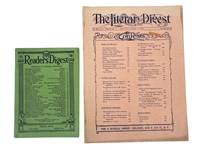
1904réf. 237201904. Two American digest periodicals documenting changes in national public discourse from the Progressive Era through the Great Depression. The earlier issue contains prominent contemporary coverage of the Statesboro Georgia lynching of 1904 reproducing reactions from newspapers across the country and condemning the burning and killing of two Black men by a white mob after the courts had already imposed sentences. The Literary Digest. New York: Funk & Wagnalls Company August 27 1904. Vol. XXIX No. 9 Whole No. 749. Together with The Reader's Digest. Pleasantville New York: The Reader's Digest Association May 1932. Eleventh Year Vol. 21 No. 121. Two illustrated periodicals. The Literary Digest complete in original printed wrappers; the Reader's Digest in original green printed wrappers. The Literary Digest treats the Statesboro lynching as a national disgrace assembling condemnations of the white mob that seized two Black prisoners from lawful custody and burned them alive after their convictions. Its opposition to mob violence is forceful for a mainstream national periodical but the journalism is not racially radical: it condemns lynching chiefly as a collapse of law civilization and public order while reproducing racialized language paternalistic assumptions and comparisons with "Darkest Africa" that reveal the limits of white Progressive reform discourse. The article documents how anti-lynching sentiment could coexist with the racial hierarchies embedded in early twentieth-century American journalism. Other contents also address the Russo-Japanese War Theodore Roosevelt's "Big Stick" politics immigration early automobile culture religion scientific racism and political caricature preserving the mixture of reform journalism racial ideology international reporting and editorial debate that shaped mass-circulation American periodicals at the beginning of the twentieth century. The May 1932 issue captures an American reading public attempting to understand economic collapse mass unemployment and the instability of modern life during the darkest years of the Great Depression. Its condensed articles move from Arthur Pound's courtroom account of bankrupt workers shopkeepers and failed speculators to proposals for canceling international war debts arguments over housing and advertising and criticism of the press's exploitation of the Lindbergh kidnapping. Reports on Japan's campaign in Manchuria cancer research industrial materials telecommunications and labor-saving inventions place domestic economic crisis beside the geopolitical and technological transformations reshaping the interwar world. The two issues document national and international crises into accessible commentary for a broad readership moving from the racial violence imperial politics and reform debates of 1904 to the economic collapse mass media consumer culture and geopolitical instability of 1932. Both remain stapled without annotations or other markings. Completely legible and in overall very good condition with only minor discoloration and scattered creasing or handling use. unknown books
1904réf. 237201904. Two American digest periodicals documenting changes in national public discourse from the Progressive Era through the Great Depression. The earlier issue contains prominent contemporary coverage of the Statesboro Georgia lynching of 1904 reproducing reactions from newspapers across the country and condemning the burning and killing of two Black men by a white mob after the courts had already imposed sentences. The Literary Digest. New York: Funk & Wagnalls Company August 27 1904. Vol. XXIX No. 9 Whole No. 749. Together with The Reader's Digest. Pleasantville New York: The Reader's Digest Association May 1932. Eleventh Year Vol. 21 No. 121. Two illustrated periodicals. The Literary Digest complete in original printed wrappers; the Reader's Digest in original green printed wrappers. The Literary Digest treats the Statesboro lynching as a national disgrace assembling condemnations of the white mob that seized two Black prisoners from lawful custody and burned them alive after their convictions. Its opposition to mob violence is forceful for a mainstream national periodical but the journalism is not racially radical: it condemns lynching chiefly as a collapse of law civilization and public order while reproducing racialized language paternalistic assumptions and comparisons with "Darkest Africa" that reveal the limits of white Progressive reform discourse. The article documents how anti-lynching sentiment could coexist with the racial hierarchies embedded in early twentieth-century American journalism. Other contents also address the Russo-Japanese War Theodore Roosevelt's "Big Stick" politics immigration early automobile culture religion scientific racism and political caricature preserving the mixture of reform journalism racial ideology international reporting and editorial debate that shaped mass-circulation American periodicals at the beginning of the twentieth century. The May 1932 issue captures an American reading public attempting to understand economic collapse mass unemployment and the instability of modern life during the darkest years of the Great Depression. Its condensed articles move from Arthur Pound's courtroom account of bankrupt workers shopkeepers and failed speculators to proposals for canceling international war debts arguments over housing and advertising and criticism of the press's exploitation of the Lindbergh kidnapping. Reports on Japan's campaign in Manchuria cancer research industrial materials telecommunications and labor-saving inventions place domestic economic crisis beside the geopolitical and technological transformations reshaping the interwar world. The two issues document national and international crises into accessible commentary for a broad readership moving from the racial violence imperial politics and reform debates of 1904 to the economic collapse mass media consumer culture and geopolitical instability of 1932. Both remain stapled without annotations or other markings. Completely legible and in overall very good condition with only minor discoloration and scattered creasing or handling use. unknown
réf. SONG0860789594Used: Good unknown
réf. 36048aafParis, Club du Livre, Philippe Lebaud, 1963, in-4°, richement illustré par volume, reliure en cuir originale illustrée, dans boîte. Un des 3100 ex. sur Pur Fil du Vélin Marais num. n°1791.
réf. 65058aafParis, Club du Livre, Philippe Lebaud, 1963, in-4°, richement illustré par volume, reliés éditeur, plein chagrin rouge, fracisque or et noir incrustée, les 3 tranches dorées, étuits bordés.
1998réf. 20351München, Berlin, Jehle Rehm, 1998. XXX, 249 S. 8°, kart.
réf. 8172P., Aubier, sans date (vers 1965), in 12, broché, 319 pages.
réf. 20548P., Aubier-Montaigne, 1944, in 12 broché, 319 pages ; non coupé.
in-12, 317 pp, traduction en regard, broché, couv. Excellent état (non coupé). [QU-3]
in-8°, broche sous couverture illustree en couleurs, 388 pages. Bel exemplaire. [TX-3]
réf. 83102Paris, L’enseigne du Pot cassé 1927, 190x125mm, 204pages, broché. Papier cristal d’origine conservé. Très bel exemplaire, tiré sur papier de Bornéo.
réf. 116696Genève, Labor et Fides 2017, 225x150mm, 336pages, broché. Exemplaire de service de presse. Bon état.
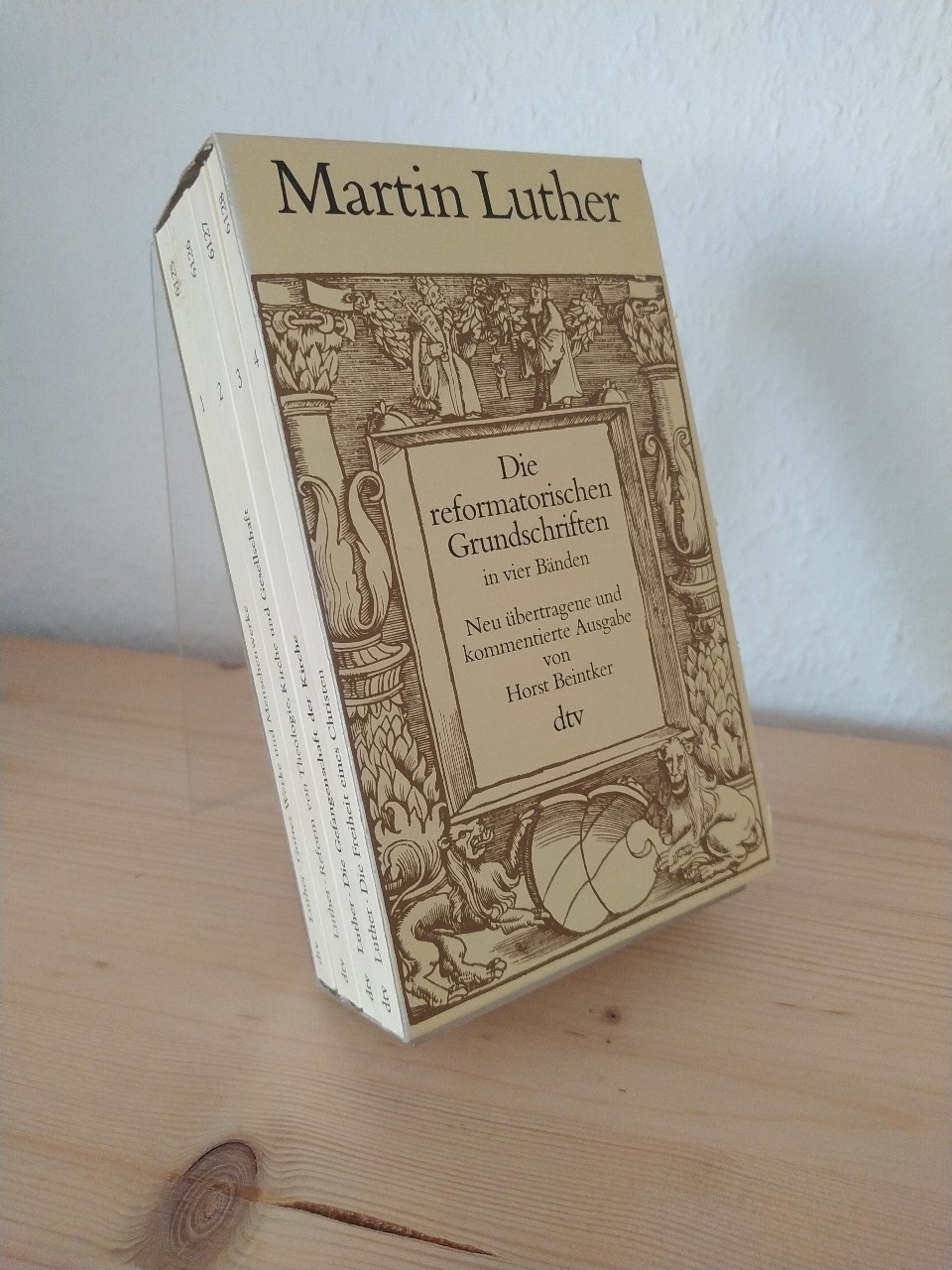
1983réf. 146450München: Deutscher Taschenbuch Verlag 1983. 182; 176; 168; 119 Seiten. 8° (17,5-22,5 cm). Orig.-Broschuren im illustrierten Orig.-Pappschuber. [Softcover / Paperback].
1982réf. 44992Frankfurt am Main : Insel-Verl., 1982. 6 Bde 1 - 6. 17 x 10,6 x 15 cm. Kl. 8°. 1. Aufl. Bibl.- Einbd. (Ausgewählte Schriften / Martin Luther ; 3)
1933P., Le Pot cassé, 1933. 2 volumes in-12 brochés, non coupés. Exemplaires sur papier Japon. Dos légèrement écrasés, sinon parfait état.