Ambroise Tardieu (Engraver).Biblio.com

1 718 résultats
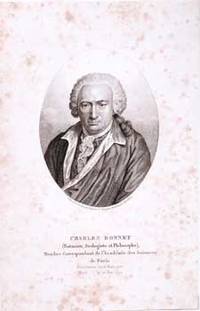
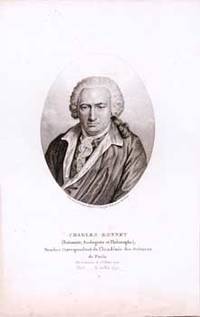
réf. 70-1148Paris : Ambroise Tardieu 1700s. Original B&W gravure. 8.25 x 11 inches. Very Good. Some foxing throughout. Penciled notation at bottom edge.Caption Pierre Belon 1517-1564. Renaissance French explorer naturalist writer and diplomat. With Rondelet and Gesner he sits at the base of the new study of zoology. He worked on a range of topics including ichthyology ornithology botany comparative anatomy architecture and Egyptology. He was one of the first to write of the comparative anatomy of skeletal structure in different species and also wrote the seminal book on fishes "De aquatilibus" often from personal observation or direct record. In the spirit of the Rennaisance he did not depend solely on the texts of the ancients - but among his real species there were many more fanciful inclusions such as the sea monk and sea bishop. He traveled across much of the then known world but was killed by robbers in a wood not far from his home in Paris. Paris : [Ambroise Tardieu], [1700s?]. unknown
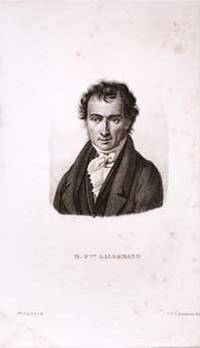
réf. 70-1147Paris : Ambroise Tardieu 1800s. Original B&W gravure. 7.25 x 11 inches. Very Good. Light spots of foxing along edges. Penciled notation at bottom edge. Paris : Ambroise Tardieu, [1800s?]. unknown
réf. 70-1204Paris : 19th Century French Publisher 1800s. Original B&W gravure. 11.5 x 8.5 inches. Very Good. Light signs of foxing not affecting image. Slight wear and small crease at bottom edge. Penciled notation at bottom edge. [Paris] : [19th Century French Publisher], [1800s?]. unknown
réf. 70-1157Paris : Ambroise Tardieu 1800s. Original B&W gravure. 10.5 x 7.5 inches. Very Good. Small crease in top left corner. Penciled notation at bottom edge. Paris : [Ambroise Tardieu], [1800s?]. unknown
réf. 70-1149Paris : 19th Century European Publisher 1800s. Original B&W gravure. 5.25 x 8 inches. Good. Foxing throughout. Paris : [19th Century European Publisher], [1800s?]. unknown
réf. 70-1134Paris : 19th Century European Publisher 1800s. Original B&W gravure. 4.75 x 8.5 inches. Very Good. Some foxing mostly on right hand side. Paris : [19th Century European Publisher], [1800s?]. unknown
réf. 70-1131Paris: 19th Century European Publisher 1800s. Original B&W gravure. 4.25 x 6.25 inches. Very Good. [Paris?]: [19th Century European Publisher], [1800s?]. unknown
réf. 70-1155Paris : Ambroise Tardieu 1800s. Original B&W gravure. 8 x 5.5 inches. Very Good. Light wear on surface. Paris : [Ambroise Tardieu], [1800s?]. unknown
réf. 70-1156Paris : Ambroise Tardieu 1800s. Original B&W gravure. 8.5 x 5.5 inches. Very Good. Light spots of foxing mostly in right margin. Paris : [Ambroise Tardieu], [1800s?]. unknown
réf. 70-1078Paris : Forestier 1800s. Original B&W gravure. 4 x 6.5 inches. Very Good. Light foxing throughout. Paris : Forestier, [1800s?]. unknown
réf. 70-1186Paris: 19th Century European Publisher 1824. Original B&W gravure. 5.75 x 8.25 inches. Very Good. Paris: [19th Century European Publisher], [1824?]. unknown
réf. 70-1154Paris : Ambroise Tardieu 1700s. Original B&W gravure. 8.25 x 12 inches. Very Good. Light foxing mostly on sides. Penciled notation at bottom edge. Paris : [Ambroise Tardieu], [1700s?]. unknown
réf. 70-1235Paris : 19th Century European Publisher 1800s. Original B&W gravure. 9.5 x 6 inches. Very Good. Extremely Scarce. Paris : [19th Century European Publisher], [1800s?]. unknown
réf. 70-1187Paris: 19th Century European Publisher 1824. Original B&W gravure. 5.5 x 8.5 inches. Very Good. Light foxing along edges and in lower half not affecting image. Paris: [19th Century European Publisher], [1824?]. unknown
réf. 70-1218Paris : 19th Century European Publisher 1800s. Original B&W gravure. 6 x 8 inches. Very Good. Half inch tear on right edge. Lightly affixed to card with adhesive on all four corners. Paris : [19th Century European Publisher], [1800s?]. unknown
réf. 70-1152Paris : 19th Century European Publisher 1800s. Original B&W gravure. 12 x 8.5 inches. Very Good. Light spots of foxing. Image fine on front but foxing on verso. Penciled notation at bottom edge. Paris : [19th Century European Publisher], [1800s?]. unknown
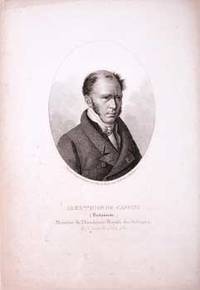
réf. 70-1159Paris : Ambroise Tardieu 1827. Original B&W gravure. 8.5 x 5.75 inches. Very Good. Significant toning and light spots of foxing not affecting image. Alexander Henri Gabriel de Cassini 1781-1832 the French botanist and naturalist who specialised in the sunflower family. He named many flowering plants and new genera in the sunflower family many of them from North America. Paris : [Ambroise Tardieu], [1827]. unknown
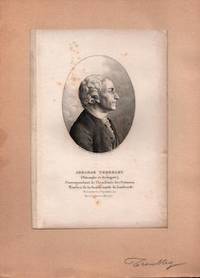
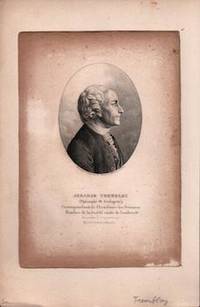
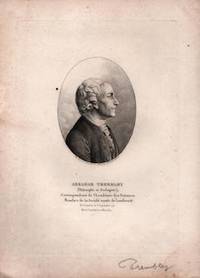
réf. 70-1268Paris : 19th Century European Publisher 1800s. Original B&W gravure. 8.25 x 5.5 inches. Good. Light foxing in upper half including some spots on image. Text in French.Abraham Trembley a Swiss naturalist was born Sep. 3 1710. In 1740 Trembley discovered a small freshwater organism which he called a polyp that he thought was new to science in fact Leeuwenhoek had discovered it nearly 40 years before. Experimenting with his tiny tentacled beastie which we now call a hydra Trembley cut the organism in half and discovered to his amazement that both halves could regenerate producing two fully functional hydra from the incomplete pieces. Most scientists who did not see this with their own eyes would not believe it. So Trembley did a very clever thing. He found ways to keep the delicate organisms alive during long carriage rides and he sent living specimens to the leading naturalists of Paris and London with instructions on how to conduct the experiments. Trembley’s experiments were re-performed before the French Academy of Sciences and the Royal Society of London and the hydra regenerated just as Trembley had promised. By thus using what one scholar has called this “strategy of generosity” Trembley converted what might have been fierce critics into supporters. By the time his book came out Mémoires pour servir ą l’histoire d’un genre de polypes d’eau douce Memoirs on the natural history of a kind of freshwater polyp 1744 he no longer had to battle skeptics and Trembley was proclaimed everywhere as a master investigator of nature. Paris : [19th Century European Publisher], [1800s?]. unknown
réf. 70-1271Paris : C. L. F. Pankouke 1800s. Original B&W gravure. 11.25 x 8 inches. Very Good. Very slight spots of foxing not affecting image. Text in French. Paris : C. L. F. Pankouke, [1800s?]. unknown
réf. 70-1311Paris : 19th Century European Publisher 1800s. Original B&W gravure. 8 x 5.5 inches. Very Good. Very minor signs of foxing beginning to start. Paris : [19th Century European Publisher], [1800s?]. unknown
réf. 70-1312Paris : 19th Century European Publisher 1800s. Original B&W gravure. 8.5 x 5.5 inches. Very Good. Minor signs of foxing not affecting image. Toning on top and bottom edges. Paris : [19th Century European Publisher], [1800s?]. unknown
réf. 70-1269Paris : 19th Century European Publisher 1800s. Original B&W gravure. 8.5 x 5.75 inches. Good. Toning throughout particularly along edges. Text in French.Abraham Trembley a Swiss naturalist was born Sep. 3 1710. In 1740 Trembley discovered a small freshwater organism which he called a polyp that he thought was new to science in fact Leeuwenhoek had discovered it nearly 40 years before. Experimenting with his tiny tentacled beastie which we now call a hydra Trembley cut the organism in half and discovered to his amazement that both halves could regenerate producing two fully functional hydra from the incomplete pieces. Most scientists who did not see this with their own eyes would not believe it. So Trembley did a very clever thing. He found ways to keep the delicate organisms alive during long carriage rides and he sent living specimens to the leading naturalists of Paris and London with instructions on how to conduct the experiments. Trembley’s experiments were re-performed before the French Academy of Sciences and the Royal Society of London and the hydra regenerated just as Trembley had promised. By thus using what one scholar has called this “strategy of generosity” Trembley converted what might have been fierce critics into supporters. By the time his book came out Mémoires pour servir ą l’histoire d’un genre de polypes d’eau douce Memoirs on the natural history of a kind of freshwater polyp 1744 he no longer had to battle skeptics and Trembley was proclaimed everywhere as a master investigator of nature. Paris : [19th Century European Publisher], [1800s?]. unknown
réf. 70-1272Paris : C. L. F. Pankouke 1800s. Original B&W gravure. 5 x 8 inches. Very Good. Minor wrinkle and surface wear. Very slight spots of foxing not affecting image. Publisher's name trimmed off along right edge. Text in French. Paris : C. L. F. Pankouke, [1800s?]. unknown
réf. 70-1270Paris : 19th Century European Publisher 1800s. Original B&W gravure. 10.5 x 7.75 inches. Very Good. Very slight surface wear. Text in French. Paris : [19th Century European Publisher], [1800s?]. unknown
réf. 70-1288Paris : 19th Century European Publisher 1800s. Original B&W gravure. 7.75 x 10.75 inches. Very Good. Light surface wear. Small perforation on upper left side not affecting image. Text in French.Abraham Trembley a Swiss naturalist was born Sep. 3 1710. In 1740 Trembley discovered a small freshwater organism which he called a polyp that he thought was new to science in fact Leeuwenhoek had discovered it nearly 40 years before. Experimenting with his tiny tentacled beastie which we now call a hydra Trembley cut the organism in half and discovered to his amazement that both halves could regenerate producing two fully functional hydra from the incomplete pieces. Most scientists who did not see this with their own eyes would not believe it. So Trembley did a very clever thing. He found ways to keep the delicate organisms alive during long carriage rides and he sent living specimens to the leading naturalists of Paris and London with instructions on how to conduct the experiments. Trembley’s experiments were re-performed before the French Academy of Sciences and the Royal Society of London and the hydra regenerated just as Trembley had promised. By thus using what one scholar has called this “strategy of generosity” Trembley converted what might have been fierce critics into supporters. By the time his book came out Mémoires pour servir ą l’histoire d’un genre de polypes d’eau douce Memoirs on the natural history of a kind of freshwater polyp 1744 he no longer had to battle skeptics and Trembley was proclaimed everywhere as a master investigator of nature. Paris : [19th Century European Publisher], [1800s?]. unknown