1 169 résultats
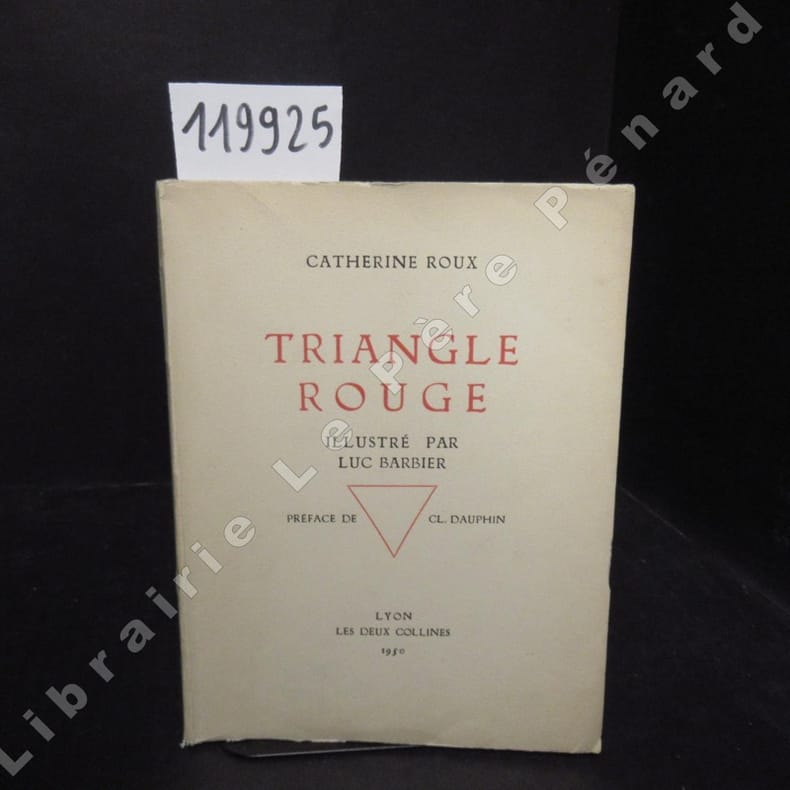
1950réf. 1199251950 Editions Les deux collines, Lyon - 1950 - In-8, broché - 283 pages - Envoi de l'autrice (dédicace) en première page de titre - Illustrations en N&B hors-texte
1966Broché. 396 pages. Couverture jaunie.
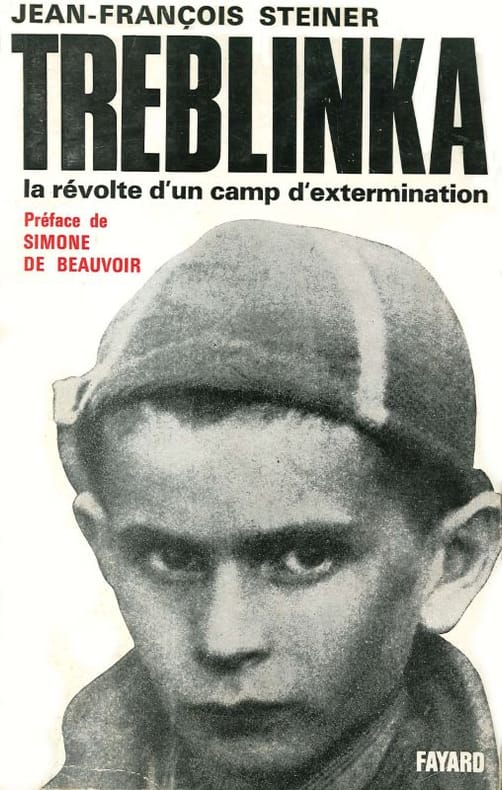
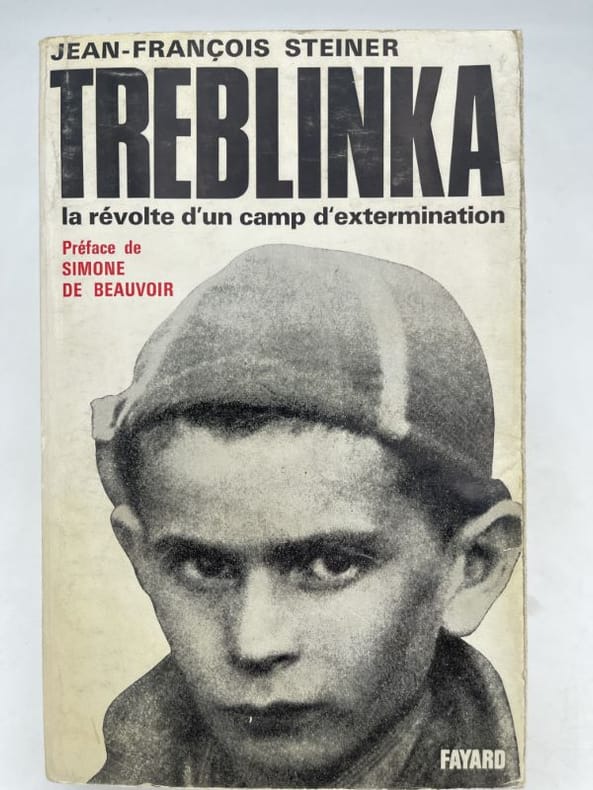
1966Paris, Fayard 1966. In-8 broché, couverture illustrée rempliée de 394 pages.Préface de Simone de Beauvoir. Bon état.
1966Fayard 1966, In-8 broché, 394 pages. Préface de Simone de BEAUVOIR. Bon état.
réf. 55453P., Fayard, 1966, in 8° broché, 395 pages ; couverture illustrée.
1966réf. 14317Paris Fayard 1966 In-8 395 pp, préface de Simone de Beauvoir, couvertures rempliées dont la première illustrée, légères pliures au dos.
1966réf. 8436Fayard, 1966, in-8°, 396 pp, préface de Simone de Beauvoir, broché, couv. illustrée à rabats, bon état
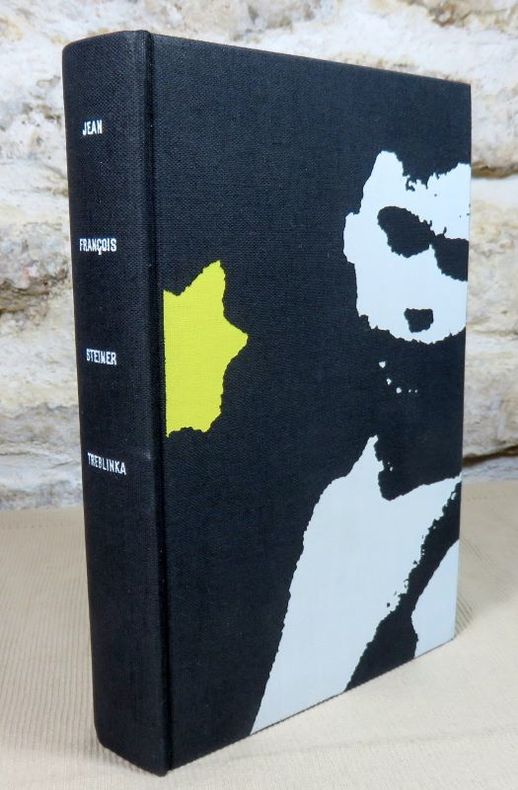
réf. 28758Reliure toile ornée de l'éditeur, signet, 21X14 cm, 1968, 395 pages, préface de Simone de Beauvoir, un des 6000 exemplaires numérotés, le club français du livre. Très bon état.
réf. 35686Broché, 21X13 cm, 1994, 394 pages, préface de Simone de Beauvoir, éditions Fayard. Très bon état.
1966réf. 184268Fayard Paris, Fayard 1966. In-8 broché de 394 pages. Couverture illustrée rempliée. Préface de Simone de Beauvoir. Bon état.
réf. 12827P., Hachette, 1954, fort in 8° broché, 512pp. ; illustrations.
réf. 243598Paris, Hachette, 1965 in-8, 512 pp., avec une carte et quelques illustrations dans le texte, broché.
1954réf. 79711954 Paris, Hachette, 1954, grand in 8, broché, 511 pages ; illustrations.
1955réf. 11003Hachette, 1955, fort in-8°, 512 pp, 8 pl. de photos hors texte, une carte des camps sur double page, broché, bon état (ouvrage couronné par l'Académie française)
1954réf. 105774Hachette, 1954, fort in-8°, 512 pp, 8 pl. de photos hors texte, une carte des camps sur double page, reliure demi-maroquin carmin à coins, dos à 4 nerfs soulignés à froid, titres dorés, couvertures et dos conservés, tête dorée, bon état
1954réf. 72671954 Hachette, Paris, 1954. Un fort volume in-8 broché, couverture blanche illustrée, 511 pages. Pliures au dos, néanmoins bon état.
1994Broch?. 561 pages.
2001réf. SPN-115Paris : Fayard, 2001. Broché 23,5x15cm, 525 pages, index. [BE]
2019réf. 125347Chez l'auteur, 2019, in-8°, 232 pp, 42 photos en noir et en couleurs, broché, couv. illustrée, 4 marques au stylo en marges, bon état. On joint une lettre a.s. de l'auteur à Robert Badinter
1919Very Good English Paperback. Demy 8vo. (21 x 14 cm). In English. 157 p. It's not reproduced edition, it's original 1919 edition. Stains on front and back cover, otherwise a good copy. Extremely rare. It's an anti-propaganda compilation about the 1915 deportation and genocide claims in its period from the treatment of the non-muslim in general in the Ottoman Empire in Tanzimat (Reform) period to the reports of proceedings at the Hintchakist and Dashnakist Congresses, printed by the National Congress of Turkey. First Edition.
2005New English Paperback. Pbo. Roy. 8vo. (24 x 17 cm). In English . [xviii], 368 p. This is the story of a violent collision among three "heroic" national movements: those of the Armenians, the French; and the Turks of the Ottoman Empire. The setting for this epic was "Cilicia and vicinity", as I termed it in my Ph. D. dissertation, on which this work is based, located at the very northeastern corner of the Mediterranean Sea, in the Turkish province of Adana and others that now border on Syria, that went on during the years between 1918 and 1922. The Turkish victory in this struggle marked the end of the first "war of national liberation" in the twentieth century and put an eighty-year hold on the Armenian national movement for lack of a territorial base from which to operate.
2003New English Paperback. Roy. 8vo. (23 x 16 cm). In English. [vi], 105 p. The principles of Turkish administration and their impact on the lives of non-muslim peoples: The Armenians as a case study.
2014New English Paperback. Pbo. Roy. 8vo. (23 x 16 cm). In English. 224 p., ills. "The book contains five studies on the Exchange of Populations. These are accompanied by photographs from 1950-1960. The majority of them come from the Photographic Archive at the Centre for Asia Minor Studies, and, whilst taken mainly or exclusively for documentation purposes, ultimately provide the researcher with material for social analysis. The visual and linguistic narrations in the book run independently side by side and each tells its own story. The reader is assigned the task of combining these two elements and deciding how he will interpret the whole.".