71 687 résultats
réf. B119291-10Firenze Sansoni 1982. 137pp. Prof. illus. Lrg. 4to. Wraps. Firenze (Sansoni), 1982. paperback books
réf. B119291-7Firenze Sansoni 1982. 137pp. Prof. illus. Lrg. 4to. Wraps. Firenze (Sansoni), 1982. paperback books
réf. B119292-7Firenze Sansoni 1985. 173pp. Prof. illus. Lrg. 4to. Wraps. Firenze (Sansoni), [1985]. paperback books
réf. B119289-7Urbino 1980. 133pp. Prof. illus. Lrg./ 4to. Wraps. Urbino, 1980. paperback books
réf. B119293-7Firenze Sansoni 1983. 161pp. Prof. illus. Lrg. 4to. Wraps. Firenze (Sansoni), 1983. paperback books
réf. B119290-7Urbino 1984. 127pp. Prof. illus. Lrg. 4to. Wraps. Urbino, [1984]. paperback books
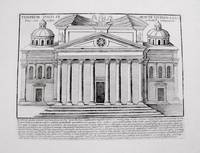
1612réf. 2166As published in a later edition of Antiquae Urbis Splendor orig. 1612-1628. Pl. 75. Engraving. Image: 7 X 9 ¼. Margins: 9 ¼ x 13 ½. Includes the legend below. In fine condition. Giacomo Lauro was a printmaker active in the map and view industry of mid-sixteenth to mid-seventeenth century Rome. books
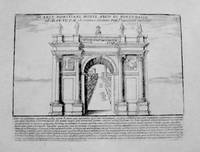
1852réf. 573Worcester: Published by Edward Livermore 1852. Large 4to. 280 x 215 mm. 11 x 8 ½ inches. 148 pp. Illustrated with 200 plates of plans elevations details and practical stair-building on 54 plates and in the text. Contemporary sheep Black leather label with title in gilt on spine; some rubbing to binding; text block clean and bright; six examples of dried leaves inserted and now removed causing browning to paper stock on verso and recto of the page. Ownership inscription in pencil of "Harvey Bricknell Barnard Vt." on front free endpaper. With faults a very good sound copy in original binding. Fifth edition revised and enlarged with new plates and a chapter on rural architecture. Original issued in 1848 Brown's work became a standard manual for carpenters and builders and went through at least six editions the final one being printed in 1854. Brown was a practicing Lowell Ma. architect whose goal was to produce a manual written in simple terms which explains the techniques of construction without the complexity of a treatise on architecture. Interesting text which places some focus on existing home built in Worcester and surrounding area with details of construction and design patterns. Hitchcock American Architectural Books 217 for 1851 edition. . Published by Edward Livermore unknown books
réf. D7408N.p. but Paris mid to late 19th-century. Hardcover. Very Good. Large folio 420 x 270mm. Text in French. First part for geometry with four printed pages and marginal illustrations of figures of lines angles and triangles trapezoids circles and rhombus. Second part for proportions and measures with two printed pages and one leaf for figure for pentagon. Third part of four printed pages for the definition of terms concerning defense. Followed by 28 purely manuscript leaves illustrated or annotated with figures and captions of geometric shapes applied to architectural plans and military fortifications including the pentagon octagon hexagon. Bound in characteristic 19th-century marbled paper over pasteboards backed in calf strip; some light foxing and edgewear at lower right margins otherwise good maintaining the wide sheets of a heavily used student book. Formerly in the collection of Sir Peter Arthur Halkett Baronet D.L. 1834-1904 of Pitfirrane with his motto Fides sufficit Faith is sufficient. Sir Arthur Halkett like many of his ancestors chose the Army as a profession. He had a prolific military career with many narrow escapes as a Crimean War veteran and took various commissions in India and Russia. When peace came in 1856 Sir Arthur Halkett returned to Pitfirrane to marry a Colonels daughter although the next two decades would prove unpredictable. He accepted numerous positions and rankings within the British Army before finally retiring as a Colonel in 1888. The association with this Colonel sometime in the late 19th century is nearly contemporary to the printing of the French sheets; there are perhaps a few decades between them. As the manuscript notes are in French it is unlikely that Sir Arthur Halkett is the original owner but may have somehow acquired this lesson book during one of his tours. Bound manuscript and printed sheets for study of military fortifications from the collection of a prominent British Colonel Sir Arthur Halkett. By the end of the sixteenth century courses on Euclids elements geometry and fortifications were a main part of lesson plans. In fact Galileo had been a main proponent of this type of erudition. These large student course books cover the essential topics of practical arithmetic and geometry military architecture the building and maintaining of fortresses as well as the elements of theoretical geometry. It is evident from the good technique exemplified in the figures that perspective was typical of these lessons. hardcover books
réf. 2148As published in a later edition of Antiquae Urbis Splendor orig. 1612-1628. Pl. 32. Engraving. Image: 7 X 9 ¼. Margins: 9 ¼ x 13 ½. Includes the legend below. In fine condition. Giacomo Lauro was a printmaker active in the map and view industry of mid-sixteenth to mid-seventeenth century Rome. books
2000réf. 23467Carbondale:: Southern Illinois University Press. Near Fine in As New dust jacket. 2000. Hardcover. 080931956X . Illustrated. First edition. Remainder mark on bottom edge else as new in like dust jacket. Still in original shrinkwrap. . Southern Illinois University Press, hardcover books
1983réf. 872Harvard UP 1983. Paperback. Very Good. 4to. Illus. Designing in Islamic Cultures #3. Proceedings of the 3rd seminar. Harvard UP paperback books
1992réf. 23468Carbondale: Southern Illinois University Press. Near Fine in Fine dust jacket. 1992. Hardcover. 0809316242 . Illustrated. First edition. Remainder mark on bottom edge else as new in like dust jacket. Still in original shrinkwrap. . Southern Illinois University Press hardcover books
réf. 2146As published in a later edition of Antiquae Urbis Splendor orig. 1612-1628. Pl. 29. Engraving. Image: 7 X 9 ¼. Margins: 9 ¼ x 13 ½. Includes the legend below. In fine condition. Giacomo Lauro was a printmaker active in the map and view industry of mid-sixteenth to mid-seventeenth century Rome. unknown books
réf. 2151As published in a later edition of Antiquae Urbis Splendor orig. 1612-1628. Pl. 37. Engraving. Image: 7 X 9 ¼. Margins: 9 ¼ x 13 ½. Includes the legend below. In fine condition. Giacomo Lauro was a printmaker active in the map and view industry of mid-sixteenth to mid-seventeenth century Rome. unknown books
réf. 2149As published in a later edition of Antiquae Urbis Splendor orig. 1612-1628. Pl. 35. Engraving. Image: 7 X 9 ¼. Margins: 9 ¼ x 13 ½. Includes the legend below. In fine condition. Giacomo Lauro was a printmaker active in the map and view industry of mid-sixteenth to mid-seventeenth century Rome. unknown books
réf. 2147ARCHITECTURE LAURO GIACOMO. ROMAN ARCHITECTURE. DE TEMPLUM DEAE VESTA The Temple of the Vestal Virgins. As published in a later edition of Antiquae Urbis Splendor orig. 1612-1628. Pl. 30. Engraving. Image: 7 X 9 ¼. Margins: 9 ¼ x 13 ½. Includes the legend below. In fine condition. Giacomo Lauro was a printmaker active in the map and view industry of mid-sixteenth to mid-seventeenth century Rome. unknown books
réf. 2150As published in a later edition of Antiquae Urbis Splendor orig. 1612-1628. Pl. 36. Engraving. Image: 7 X 9 ¼. Margins: 9 ¼ x 13 ½. Includes the legend below. In fine condition. Giacomo Lauro was a printmaker active in the map and view industry of mid-sixteenth to mid-seventeenth century Rome. unknown books
réf. 2143As published in a later edition of Antiquae Urbis Splendor orig. 1612-1628. Pl. 43. Engraving. Image: 7 X 9 ¼. Margins: 9 ¼ x 13 ½. Includes the legend below. In fine condition. Giacomo Lauro was a printmaker active in the map and view industry of mid-sixteenth to mid-seventeenth century Rome. unknown books
réf. 2164As published in a later edition of Antiquae Urbis Splendor orig. 1612-1628. Pl. 46. Engraving. Image: 7 X 9 ¼. Margins: 9 ¼ x 13 ½. Includes the legend below. In fine condition. Giacomo Lauro was a printmaker active in the map and view industry of mid-sixteenth to mid-seventeenth century Rome. unknown books
réf. 2165As published in a later edition of Antiquae Urbis Splendor orig. 1612-1628. Pl. 74. Engraving. Image: 7 X 9 ¼. Margins: 9 ¼ x 13 ½. Includes the legend below. In fine condition. Giacomo Lauro was a printmaker active in the map and view industry of mid-sixteenth to mid-seventeenth century Rome. unknown books
réf. 2162As published in a later edition of Antiquae Urbis Splendor orig. 1612-1628. Pl. 61. Engraving. Image: 7 X 9 ¼. Margins: 9 ¼ x 13 ½. Includes the legend below. In fine condition. Giacomo Lauro was a printmaker active in the map and view industry of mid-sixteenth to mid-seventeenth century Rome. unknown books
réf. 2161As published in a later edition of Antiquae Urbis Splendor orig. 1612-1628. Pl. 46. Engraving. Image: 7 X 9 ¼. Margins: 9 ¼ x 13 ½. Includes the legend below. In fine condition. Giacomo Lauro was a printmaker active in the map and view industry of mid-sixteenth to mid-seventeenth century Rome. 250.00 unknown books
réf. 2163As published in a later edition of Antiquae Urbis Splendor orig. 1612-1628. Pl. 61. Engraving. Image: 7 X 9 ¼. Margins: 9 ¼ x 13 ½. Includes the legend below. In fine condition. Giacomo Lauro was a printmaker active in the map and view industry of mid-sixteenth to mid-seventeenth century Rome. unknown books
réf. 2159As published in a later edition of Antiquae Urbis Splendor orig. 1612-1628. Pl. 39. Engraving. Image: 7 X 9 ¼. Margins: 9 ¼ x 13 ½. Includes the legend below. In fine condition. Giacomo Lauro was a printmaker active in the map and view industry of mid-sixteenth to mid-seventeenth century Rome. The Temple was built in 500BC on the site of an even older shrine dedicated to Saturn. It was reconstructed in 42BC by Lucius Munatius Plancus a Roman Consul who was an officer in Julius Caesars army during the conquest of Gaul. He installed the Treasury of the Roman Republic here where it remained until 28BC. It was destroyed by fire in 283AD but later rebuilt. All that remains today are eight columns and a part of the pediment which bears a Latin inscription. In English it reads: The Senate and the people of Rome restored what fire consumed. Saturn who was the Roman equivalent of the Greek god Kronos was the god of agriculture and the harvest or of life and death. Like Kronos he was represented as a hooded figure bearing a scythe. Because he was afraid of being overthrown he ate his all his children apart from Jupiter Neptune and Pluto whom for some reason he could not swallow. In time his fears became reality; he was overthrown by Jupiter who became the king of the Roman gods. unknown books