Greub, Suzanne; Greub, ThierryMareMagnum

2 158 résultats
2006215 pages with 396 colour and 187 black and white illustrations. "Discusses the most important trends in modern architecture and, at the same time, documents increasingly intensive exchanges on an international level, portraying outstanding, future-oriented museum buildings and projects from 2000 to 2010 on four continents... A closer look at twenty-six projects, either completed, planned or still under construction provides a broadly based overview of current museum architecture." - from dust jacket. Clean, bright and unmarked with very light wear. A high-quality copy. Book
1999cm. 24 x 32, 446 pp. con numerose ill. n.t. Rilegato. 2580 gr. 446 p.
1993cm. 17 x 24, 528 pp. con numerose ill. n.t. in b.n. e a col. Rilegato. 1654 gr. 528 p.
1981réf. 38862Ministère des Affaires culturelles/Direction générale du patrimoine Couverture souple Québec 1981
réf. 03240085.28C2Good. Volume XL: Part II. DJ heavily worn with chips tears and loss to edges. Boards show light shelf and corner wear; binding intact. Text shows occasional pencil marginalia but appears clean otherwise. hardcover
réf. R100037623Non Renseigné. Non daté. In-12. Broché. Bon état, Couv. convenable, Dos satisfaisant, Intérieur frais. Carte en carton mince et souple. Bon état. . . . Classification : 251.32-Edifices
1992A clean, unmarked book with a tight binding. Includes 40 ink drawings. Slight wear to cover.
1993réf. 100149139Weidenfeld & Nicolson 1993 264 pages 27x2 4x32 2cm. 1993. Broché. 264 pages.
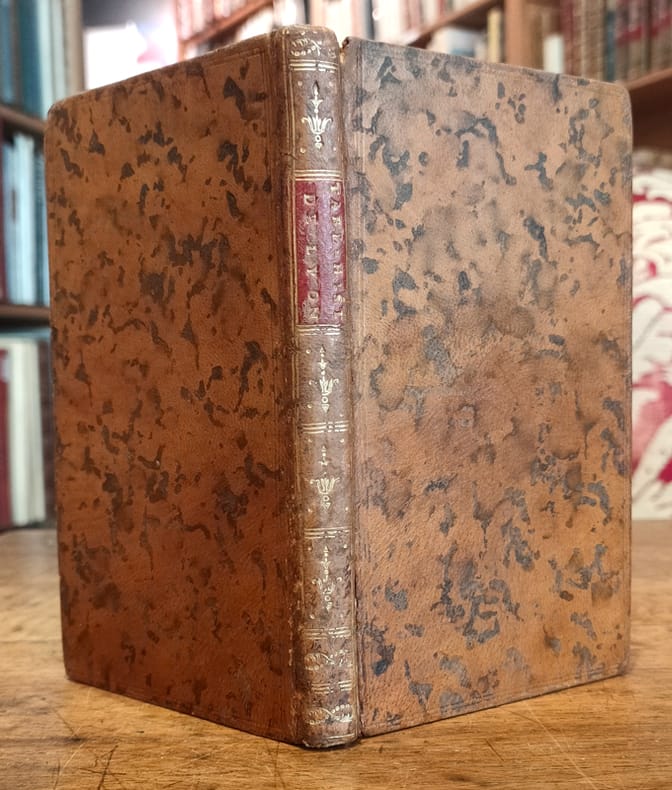
1792réf. 12386Lyon, Imprimerie de J. Pellisson et J. L. Mouly, 1792 ; in-12, plein veau havane marbré, dos lisse, faux nerfs dorés, pièce de titre bordeaux, titre doré en long, fleurons décoratifs dorés, tranches rouges, filets dorés sur les coupes, tranches rouges (reliure de l’époque) ; VIII, 147, (1) pp.
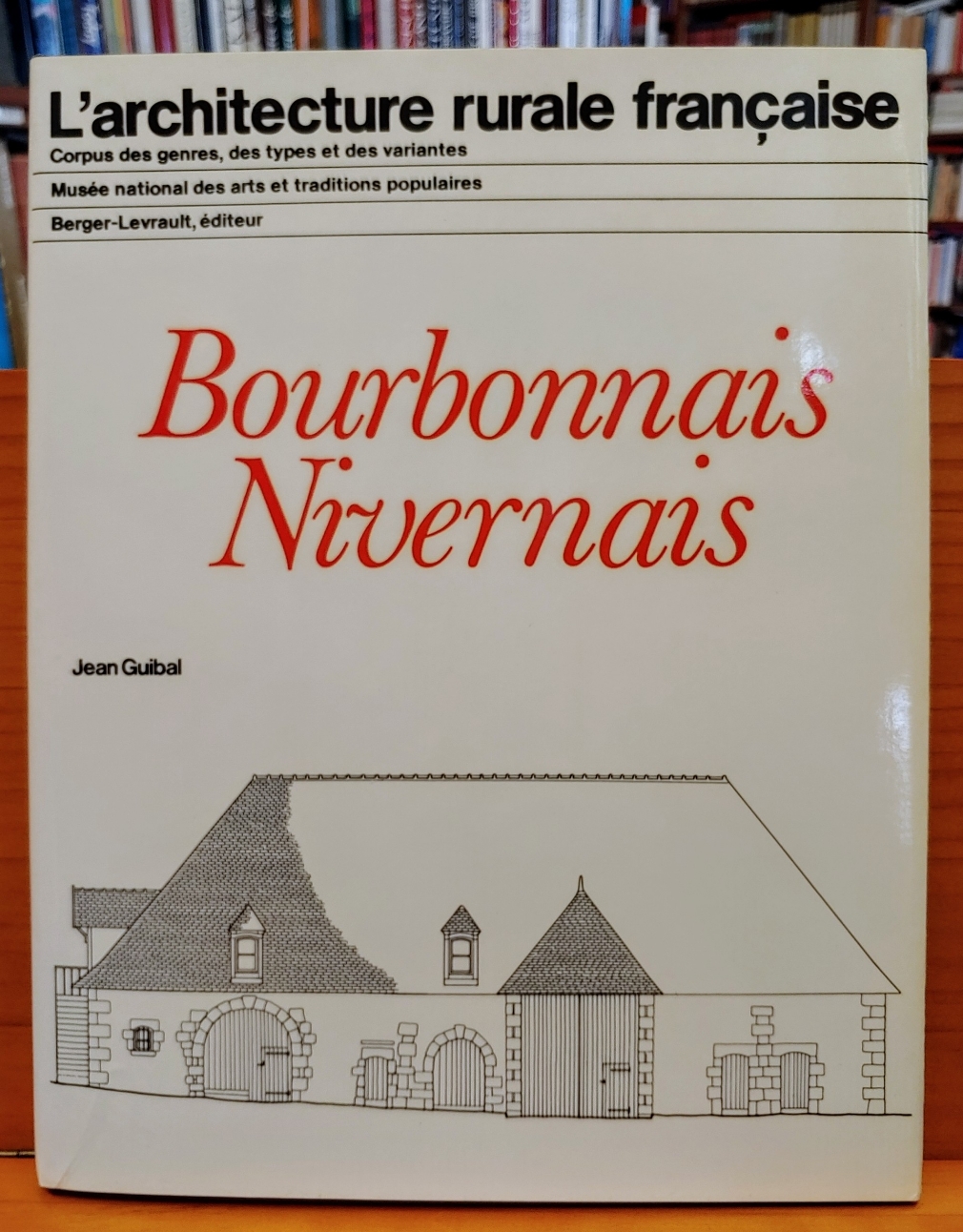
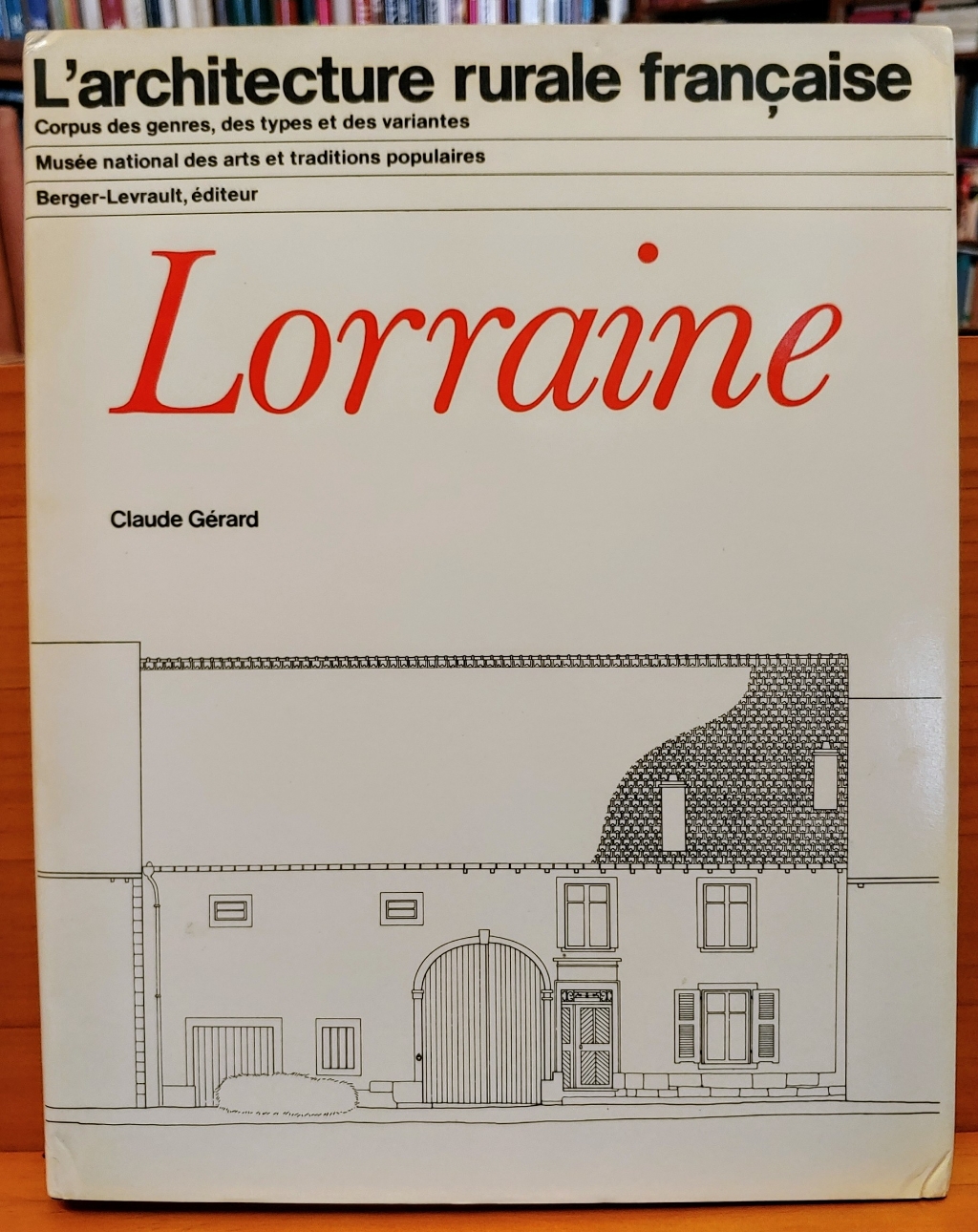
1982réf. 24394Paris, Berger-Levrault, 1982. 209 S., mit zahlr. Illustr., graph. Darst., Kt. 4°, OLwd., OSu.
réf. DADAX0470657537New unknown
réf. SONG075061210XUsed: Good unknown
réf. DADAX0470643676New unknown
1800Very Good French Original decorated map. Hand-coloured. Oblong elephant folio. (54 x 76 cm). In French. Shows Greece, Archipelago, Isle de Candie, Asia Minor (Western side), and East Mediterranean. Delisle od de l'Isle was a French cartographer known for his popular and accurate maps of Europe and the newly explored Americas. At 27, Delisle was admitted into the French Académie Royale des Sciences, an institution financed by the French state. After that date, he signed his maps with the title of "Géographe de l'Académie". Five years later, he moved to the Quai de l'Horloge in Paris, a true publishing hub where his business prospered. Delisle's progress culminated in 1718 when he received the title of Premier Géographe du Roi. He was appointed to teach geography to the Dauphin, King Louis XIV's son, a task for which he received a salary. Again, his father's reputation as a man of science probably helped the younger Delisle. Historian Mary Sponberg Pedley says, 'once authority was established, a geographer's name might retain enough value to support two or three generations of mapmakers'. Delisle's case, it could be said that his accomplishments surpassed his father's. Up to that point, he had drawn maps not only of European countries, such as Italy, Spain, Germany, Great Britain, Poland, and regions such as the Duchy of Burgundy, but he had also contributed to the empire's claims to recently explored continents of Africa and the Americas. Like many cartographers of his day, Delisle did not travel with the explorers. He drew maps mostly in his office, relying on a variety of data. The quality of his maps depended on a solid network to provide him first-hand information. Given his family's and his own reputation, Delisle had access to fairly recent accounts of travellers who were returning from the New World, which gave him an advantage over his competitors. Being a member of the Académie, he also kept current with recent discoveries, especially in astronomy and measurement. When he could not confirm the accuracy of a source, he would indicate it clearly on his maps. For instance, his Carte de la Louisiane shows a river that the baron of Lahontan claimed he discovered. As no one else could validate it, Delisle noted a warning to the viewer that it might not exist. (Source: Wikipedia). Tooley, p.43.
réf. DADAX0847825299New unknown
réf. DADAX0847841243New unknown
réf. DADAX0300141696New unknown
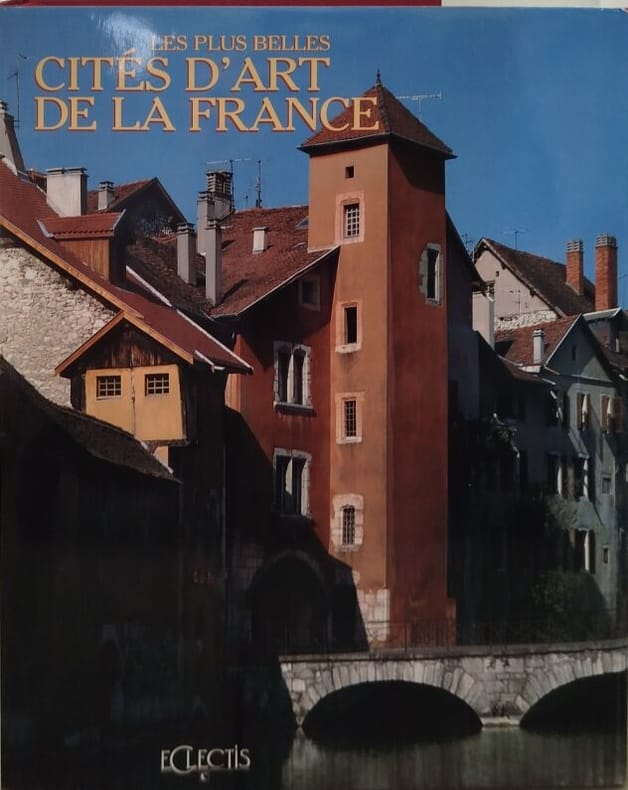
1992réf. 11541Eclectis 1992 400 pages in4 sous emboitage. 1992. Relié jaquette. 400 pages.
1981réf. 24399Paris, Berger-Levrault, 1981. 345 S., mit zahlr. Illustr., graph. Darst., Kt. 4°, OLwd., OSu.
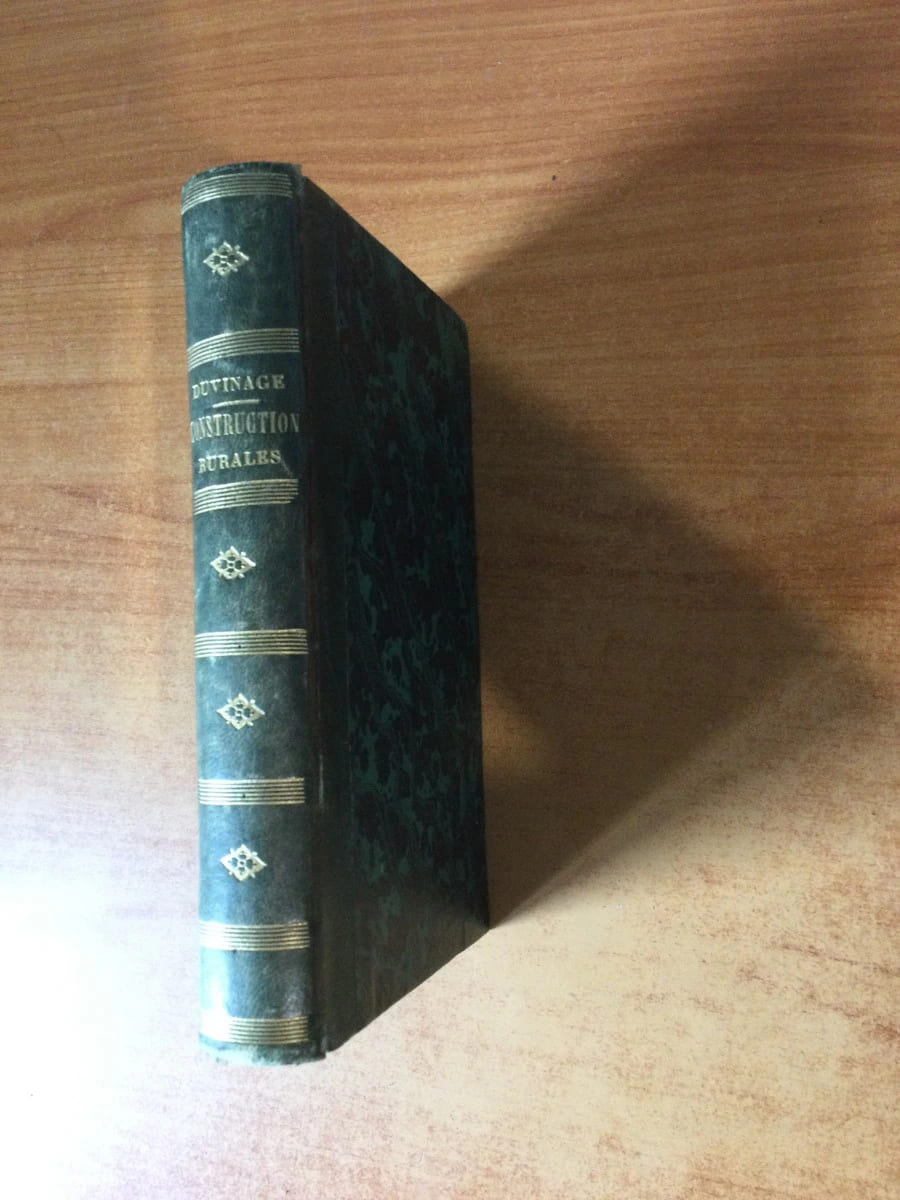
réf. 65772Librairie agricole de la maison rustique 1860 livre manuel 18*11 472 pages
1928réf. 123567London. Charles Griffin & Company Limited 1928. XVI,432 pages. Blue Original cloth binding. (Library copy). 23x16 cm
1978réf. 100126359Thames & Hudson Ltd 1978 64 pages 15 24x1 524x21 082cm. 1978. Cartonné jaquette. 64 pages.
2003réf. 17562BBHeidenheim, im Selbstverlag, 2003. 8°, 136 S. mit zahlreichen s/w-Abbildungen, original Kartonage (Paperback), Erstausgabe Einband im Rückenbereich mit einer unauffällligen Querknickspur und ebendort einer kleinen Beschabung, sonst ein sehr gutes, sauberes Exemplar ohne Anstreichungen, ohne Vorbesitzvermerke, ohne Eckknicke etc.
2010New English Paperback. Pbo. Roy. 8vo. (24 x 17 cm). In Turkish with an abstract in English. [viii], 104 p., color and b/w ills. Oskvank Monastery.= Öskvank Manastiri (Ösk / Çamliyamaç Manastiri). Oskvank is a monastery from the second half of the 10th century located in the historic province of Tao, now part of the territory of Turkey. The main church, dedicated to St. John the Baptist, was built between 963 and 973. The Monasterys location in Turkey is in the village of Çamliyamaç, in northeastern Erzurum Province, bordering Artvin Province. Other sources describe it as an Armenian monastery. The monastery is disputed by the Armenians. Oshki monastery was a major centre of Georgian literature and enlightenment during the Middle Ages.
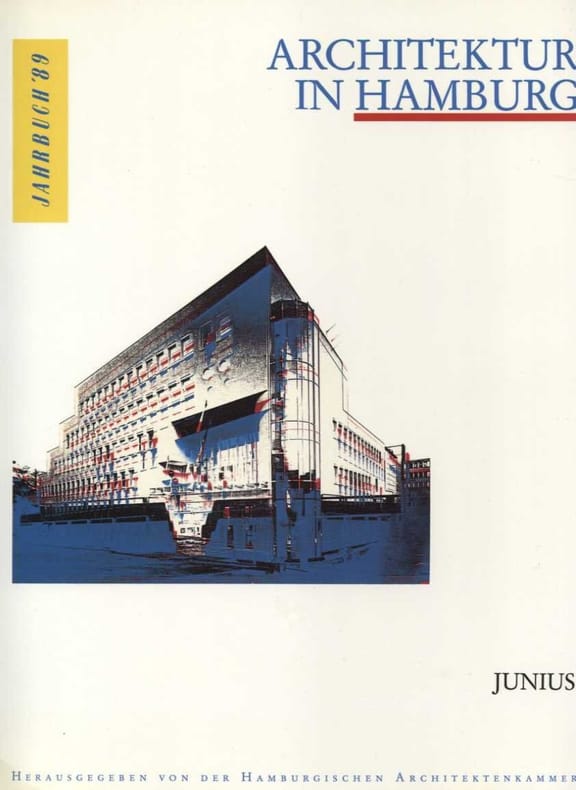
1999réf. 11545Junius Verlag 1999 156 pages 24x1 2x29 8cm. 1999. broche. 156 pages.