Laban for Actors and DancersBiblio.com
Midcentury Black Musicians and Character Actors Including Otis Redding and Dinah Washington Studio Portrait Archive
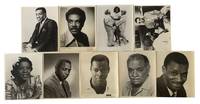
1960rif. 224801960. African America Film and Entertainment Photo Archive of Black Entertainers Musicians Actors & Comedy Figures 1950s-1970s including Otis Redding Dinah Washington and Brock Peters. An archive of 9 original gelatin silver and glossy studio prints black and white measuring 10" x 8". Produced for press and promotional use in the United States during the mid 20th century. This archive comprises promotional portraits of major and lesser known Black entertainers. Multiple framed headshots feature blues and soul music legends Otis Redding and Dinah Washington as well as veteran character actors Brock Peters Moses Gunn John Marriott Thomas Anderson and gospel composer Howard A. Roberts. Additional images include a staged comedy scene produced by Laff Records featuring two older Black men in comedic poses surrounding a man in drag and a candid interview style photo of an unidentified Black entertainer at a desk with rotary telephone. Otis Redding and Dinah Washington headshots capture their poised midcentury publicity style: Washington smiles hair pinned with flower and pearls exuding jazz elegance; Redding presents a three quarter confident gaze in a dark suit. Otis Redding and Dinah Washington were among the most influential African American vocalists of the mid-20th century each achieving extraordinary success in a tragically abbreviated career. Redding hailed as the "King of Soul" became a defining figure of Southern soul with hits like "These Arms of Mine" and "Sittin' On The Dock of the Bay" the latter recorded just days before his death in a 1967 plane crash at the age of 26. His electrifying performance at the Monterey Pop Festival expanded his appeal beyond Black audiences and cemented his place in American music history. Washington known as the "Queen of the Blues" and "Queen of the Jukeboxes" crossed genres from gospel to jazz to pop with chart-topping hits in the 1950s earning a Grammy Award and influencing generations of vocalists with her dramatic phrasing and interpretive command. She died of an accidental overdose in 1963 at just 39 years old. Though their styles differed-Redding's raw emotive soul contrasting with Washington's polished versatility-their shared legacies lie in the groundbreaking commercial and artistic success they achieved in a racially segregated industry and in the profound cultural loss their premature deaths represented. The archive also includes studio portraits of lesser-known but notable Black figures: Brock Peters who achieved both stage and screen fame including pivotal roles addressing race in American culture; Moses Gunn a prominent character actor and Shakespearean performer; John Marriott and Thomas Anderson performers whose careers bridged regional theatre and early television. These studio shots display Peters with contemplative expression; Gunn looking directly toward the camera with intensity; Roberts identified by "Howard Roberts" printed beneath his image alongside performing arts agency credit; Thomas Anderson and John Marriott similarly styled in classic studio poses. The Laff Records comedic photograph shows two older men flanking a man in drag. Laff Records was an LA-based imprint which produced raunchy comedy records by Black comic icons such as Richard Pryor and Redd Foxx and was a vital platform which elevated subversive Black expression in a time of segregation and censorship. The final print shows a Black man at a desk holding a telephone receiver-a press snapshot suggestive of an interview or managerial context. Minor toning to margins on two prints; small creases at corners of three; image clarity remains strong; agency or studio credits legible. Overall very good condition. unknown
Max Rambod Inc. · Stati Uniti385,00 USD≈ 343,97 €