réf. 79011Treuchlingen Gebrüder Aurnhammer 1949. Printed envelope 10.9 x 7.2 cm with folded handwritten leaf and three samples of fine gold thread. = A "time capsule" of the bullion trade. This sample has remained untouched for over 70 years. The firm Gebrüder Aurnhammer was a gold and silver fiber factory in Bayern south Germany active from ca. 1920 until the 1960s. first in Treuchlingen later in nearby Weißenburg. unknown
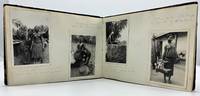
1935réf. 1683Original photograph album. c.1935. Small oblong photograph album 18 x 13cm. Contemporary quarter blue cloth over paper-covered boards. The contents comprising 43pp. containing 88 mounted black and white photographs depicting peoples and scenes in the Gold Coast many with annotations in ink beneath. Each photograph measuring approximately 8 x 6cm. Condition is very good the binding remaining firm with a little rubbing to the extremities. The contents with some marking from the glue used to mount the photographs at the corners affecting four pages are otherwise in very good order. The photographs themselves remain clean and undamaged. An uncommon snap-shot album created by a British soldier stationed in the Gold Coast now Ghana during the 1930s predominantly documenting local people and their daily lives in the south of the country with several mentions of Busua and Takoradi. The album's creator clearly had a genuine interest in the country recording with detail various aspects of the society around him including for example depictions of street scenes festivities and portraits a "native school teacher with his class on the bush path near Bushwa" "palm wine in gourds or calabashes sold by native women" "native girl unmarried pounding cassara to make fu-fu" "two native girls both married as discerned by their hair pattern" "a Mohammedan festival" and "a Paramount Chief under his umbrella of state". [Original photograph album]. hardcover
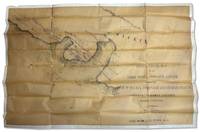
1865réf. 72790North and South Carolina: np 1865. Archive of 1880s business correspondence between William Treloar gold-mining engineer and manager of the Gold Hill Mines Rowan County North Carolina and the Gold Hill Mine Company in London. Primarily letters from the London headquarters to Treloar in Salisbury with several retained copies of his outgoing correspondence. Also includes an 1865 Civil War-era letter concerning the Stewart Gold Mine an 1894 brochure on the Appalachian Gold Belt and an 1895 gold-mining catalog from Mecklenburg County North Carolina. Fair condition overall with creasing folds staining tears and chipping; most correspondence remains legible. Detailed listing of contents as follows: 1866 letter in French written to the future manager Capt. Treloar of Gold Hill Mines; 12 page pamphlet titled "Gold Hill Mining Property Rowan County N. C. Abstract and Opinion" dated December 2 1878. This pamphlet chronicles the legal history of the land deeds and their successors from 1802 to the 1870's; Legal sized "Copy" Memorandum of Agreement" dated May 27th 1881. Memorandum is 3 pages long and is "Between The Gold Hill Mines Limited of No. 36. Palmerston Building's Old Broad Street in the City of London hereinafter called the said Company of the one part and William Treloar of Plymouth in the County of Devon Mining Engineer but now residing at Gold Hill Town in the County of Rowan North Carolina in the United States of America." Memorandum signed by the directors of the Company on page 3. Circa 1870's topographical map measuring approximately 32.75" x 22.25" of Union Mining Company's Estate comprising the Macklin Townsand and Standard Tracts in Cabarrus and Rowan Counties North Carolina and also showing Gold Hill. Map surveyed by Ernest Hauessor Geologist and Mining Engineer. The map is drawn on thin paper and shows details of the mining tract. A few small tears and holes to the map mainly located on the folds; 4 page "Rough Estimate of the Working Cost of Gold Hill Mine." This estimate is written on paper measuring approximately 12" x 8". The estimate is written in lined columns that numerates quantity occupation cost per day per man per month and per annum. The estimate total at bottom is 96770 dollars. 1 page letter dated July 6 1881 written to the manager of Gold Hill Mining Company. Letter refers to "blackmailing" and involving an agent employing a New York lawyer to take up a claim. Letter written on "The Mines Investment Association Limited London" letterhead; 15 pages of 1882 business correspondence written to "Capt. William Treloar" Manager of Gold Hill Mines Company. Letters written on "Haile's Gold Mine Lancaster County S.C." New York office letterhead. These letters have suffered water damage in the past and are faded torn chipped creased etc. Some loss of contents to this letter group. Letters arranged chronologically for the most part with possibility of a couple incomplete letters. Some of the letters are undated but circa 1882. Contents of this letter group contain much technical information surrounding the operation of the mines; 3 loose 1882 Western Union Telegraph Cable Messages addressed to Manager Treloar of Gold Hill Mining; Undated envelope empty from the "Gold Hill Mines Limited London" formerly containing letters from the board; Approximately 62 pages of letters plus 11 Western Union cable messages glued to the backs of the letters. One finely written two page letter labeled "Private" is included. Letters are dated from 1881-1883 with most hand addressed from "The Gold Hill Mining Company" office in London. Some of the pages are on company letterhead. Letters addressed to "Capt. William Treloar Manager of the Gold Hill Mines Salisbury North Carolina". Several of these letters are stuck together on the left edges. Remnants of yellow paper also stuck to the left margins. Some of these letters are now separated. Most letters are in chronological order with a few out of place and the possibility of an incomplete letter. This group may have been stored in the undated company envelope listed above. Contents of these letters covers the operations costs expenses technical information and much more. These letters provide much of the information pertinent to the mines around Gold Hill including the Randolph Mine Barnhardt mine etc.; undated "Amalgamation Department Summary" work sheet circa early 1880's; 4 large "Pay Roll of Men by the Gold Hill Mines Rowan County North Carolina." sheets dated August 31st 1882. Sheets have vertically lined columns containing categories listing 112 names a few duplicated station daily works number of days total amount and some pencil numbers written on the right sides. Sheets are creased edge stained chipped torn etc. Minor loss of contents; 10 pages of 1881-1883 correspondence between Gold Hill Mining Company and "Capt. Treloar Salisbury North Carolina"; 4 page "copy" letter dated September 1882 addressed to Manager Capt. Treloar discussing costs losses at the Barnhardt & Reservoir Mines referencing the Randolph Mine and requesting more detailed information on expenses. Letter signed by "Wm. Baxter Chairman." 3 page letter written on London company letterhead dated March 1883 detailing business; 2 page letter on company letterhead to Manager Treloar signed by the Secretary of the Gold Hill Mine Company and dated May 1883. This letter was probably removed from a larger gathering. A section of yellow paper is stuck on the blank rear page; Undated "The Gold Hill Mines Company" work sheet circa early 1880's; Approximately 16" x 13" lined sheet titled "Gold Hill Mines Limited in Acct with Wm. Treloar" dated 1883. Work sheet has stains; 5 pages of correspondence January 1884 from William Treloar to G. H. Harvey "Whitchurch Villa Mannamead Plymouth" referencing payroll the Randolph Mine and stock shares. Includes an undated 1880's note on Curteis & Pearse Solicitors Plymouth letterhead. Brochure dated January 1894 "A Few More Solid Facts Relating to the Treatment of Ores of the Appalachian Gold Belt." Published by the Inter-State Land Bureau 918 F Street N. W. Washington D.C. January 1894. Circular No. 5. 10 pages. Staples missing with light stains where they were located. Paper folded. contents clean. This circular mentions the Haile Mine in South Carolina; 1895 Catalogue P. The Mecklenburg Iron Works John Wilkes Manager Charlotte N.C. U.S.A. Machinery for Mining and Milling Gold Ores. 24 pages. Illustrated. Catalogue is folded with page edge tears and light stains and holes towards the back; Last item is a Civil War era letter written in April 1865 letter from an Union soldier who had 'escaped' a Charlotte North Carolina Confederate Prison. He stayed briefly with H. Downing at the "Stuart" Stewart "Goald" Gold Mine in North Carolina. Letter addressed to the H. Downing's son and transcribed here: Winchester West Va. Virginia April 11th 1865 Mr. Downing Dear Sir - Having made my escape from the C.S. Military Prison at Charlotte N.C. on the 17 -Feby last and in making my way north through the state fortune directed me to the Stewart goald gold mines when I mett Mr H Downing your father with whom myself and my companions took supper on the 19th of Feby I would say it was the best supper I had for many months before. On my departure from them he your father requested me to write to you giving me your address should I be fortunate enough to make my within our lines "Thank" God I am again within those lines. He your father requested me to remember him to all his family and say that it is his intention to remain at the Stewart goald mines until the close of the war. I am glad to say that the old Gentleman was well and in good spirits at the time I saw him. I would be glad to hear from you at any time. I am Respy Lewis Maish. York Penn'a. Gold was first discovered at Little Meadow Creek in Cabarrus County North Carolina in 1799 by Conrad Reed marking the first documented discovery of gold in the United States. Gold was discovered in the Gold Hill district of southeastern Rowan County in 1824 approximately 20 miles north of the Reed Mine. By the 1840s Gold Hill had become a major mining center with 23 mines and a populationf of approximately 3000. The Barnhardt and Randolph mines were among the most productive with the Randolph shaft reaching 850 feet making it the deepest gold mine in the United States at the time. Mining declined after the California Gold Rush and the Civil War but resumed on a larger scale in the 1880s following the purchase of the mines and establishment of the New Gold Hill Mining Company based in London. Gold was shipped to England and substantial production continued until about 1915. The accompanying correspondence provides a contemporary record of the operation of the Gold Hill mines during the 1880s. Letters between mine manager William Treloar in Salisbury North Carolina and the London-based company discuss mining operations expenses production and financial matters. Despite significant gold production Treloar's correspondence indicates that operating costs remained high and profits were limited during the early 1880s. np unknown
1939réf. 59792Gold Hill Jackson County OR: Murphy Murray Dredging Company ca. 1939-1941. Oblong 4to. 30 pp unpaginated. on thick black paper stock. With 43 silver gelatin photographs mounted w/ black corners sized from 2.75 x 3.75 in. up to 3.5 x 6 in. some date stamped on versos several w/ pencil annotations in cursive manuscript minor chipping to couple corners edgewear. Contemporary flexible ribbed black cloth post-binder nickel plated screwposts at gutter margins minor edgewear VG. This series of photographs captures the historic gold mining by the last gold dredge to operate on Foots Creek in Southern Oregon on the property of Edward Dole. Several dredges and placer mining operations mined Foots Creek from the 19th well into the 20th Century with one dredge owned by the Rogue River Gold Mining Co. known as the Ferry Dredge dredged both forks of Foots Creek until 1935 when it was moved to Graves Creek. Under the direction of “Wicks the Boss” this dredge was brought in unassembled by railroad in 1939 and “this was his 35th dredge.” The photos show the steel hull mass boom erecting the steel framework framing the steel gantries for the dredge installing the winches as well as the massive 67 bucket line ladder built by New York Engineering Co. Yonkers NY. The newly constructed dredge shown here proceeded to work it’s way up the creek digging 20 feet below the water line and moved 4000 yards daily through the screening and wash plant with conveyor belts stacking the tailings behind. In March 1941 just months before the attack on Pearl Harbor the dredge was dismantled and moved to another location by the Murray Dredging co. although mounds and walls of rock paralleling the creek still offer visible signs of its operation. See: Lillian Knoteck Nosik A Historical Review of Gold Dredging on Foots Creek Southern Oregon Sunrise July 1978 pp. 34-36; Gilbert Walter The Grave Creek Gold Dredge Daily Courier Dec. 12 1994 p. 4B. Murphy Murray Dredging Company, hardcover
1884réf. 60757New York: A.D. Clarke Rm. 26 - 61 Broadway 1884. Two pieces. 4to. 4 pp unpaginated. w/ 1 large woodcut-engraved vignette w/ fold creases and slight creasing; with Oblong 8vo. 9 x 4 in. illustrated envelope small woodcut engraving of gold placer mine in Idaho w/ recipient address in ink on recto of Mary Augusta Gray b. 1853 Olney Clatsop County OR stamped envelope w/ NY postmark minor age toning still a VG pair from the library of her older sister Caroline Augusta Gray Kamm 1840-1932 noted socialite and philanthropist in Portland built home for poor women & girls with the YWCA and was daughter of PNW pioneer William H. Gray 1810-1889 who traveled to the Lapwai Mission in Lewiston ID in 1836 where he was the Nez Perce secular agent and she subsequently later married Jacob Kamm 1823-1912 pioneering Oregon industrialist and entrepreneur. First edition of this exceedingly scarce promotional offprint for the placer gold mining concentrator for “float or flour gold” developed by A.D. Clarke in the early 1880’s at an Idaho gold mining operation. The invention required parallel bars of iron an 1/8th of an inch apart bolted in place allowing water to flow through a sluice from a hydraulic mining operation with good gentle water flow and then would be directed through a series of tanks fitted with sage brush to collect the particles of gold and then across a series of riffles to pick up still finer gold particles. There was a mini gold rush in Clatsop OR in late-1884-1885 after J.M. Weed filed a placer claim for his mine Gertrude on Rock Creek in May 1885 which claimed loose valuable material in gravel on Rock Creek followed by a plethora of gold miners staking claims in the area and by 1889 the Rock Creek Mining District was formed. Maggie Gray b. 1853 was the youngest daughter of William H. Gray and served as postmaster in Olney OR from about 1878-1884 according to government publications but sadly there are no production figures for any of the mines and no further census or government records for Maggie after 1884. No copies in Worldcat; See: The Clark Concentrator for Float or Flour Gold The Engineering and Mining Journal Vol. XXXVII No. 8 Feb. 23 1884 p. 141; Elleda Wilson In One Ear: Golden Dreams The Astorian June 6 2019. A.D. Clarke, Rm. 26 - 61 Broadway, unknown
1893réf. 55608Seattle WA & Silverton WA: Stillaguamish & Sultan Mining Co. 606 Bailey Bldg. ca. 1893. Four albumen cabinet photographs sized 3.9 x 4.9 in. mounted on thick studio board stock sized 4.25 x 5.25 in. w/ all four containing manuscript annotations in ink on versos minor dustsoiling edgewear minor over-exposure to a couple images still a nice grouping with consistent contrast and definition. These scarce original albumen photos show the canyon water fall power and miners along the Hoodoo Quartz Claim Mineral Survey No. 403A and B which was filed originally in 1892 and are neatly numbered 3 6 15 & 11. The first image shows a heavily forested canyon with creek running through and annotations on verso detailing that the “Anaconda and Roman Senator lodes at the head of gulch.” The second photo shows fast running water fall and creek -- “water power that will be utilized in the development of the Stilliguamish sic and Sultan Mining Co’s property. Copper Lake Canyon.” Third photo depicts gold miners carrying and working with pick axes in “Hoodoo Canyon 500 feet higher up. . . the vein is found in the bed of the gulch at this point.” The series of mines developed by the Stillaguamish & Sultan Mining Co. had a well-defined fissure vein carrying iron and copper pyrites and pyrrhotite with bell metal all contained in a lime quartz gangue. The main tunnel was driven 420 feet on the Hoodoo ledge with about another 200 feet of tunneling ore concentrate worth about $83 a ton including gold silver and copper ores. The description on back of four describes “passageway where work was shot away for approach to Hoodoo tunnel. The snow banks in the distance and at the right are at the foot of Big Four Mountain. . . seen plainly from Monte Cristo 8 miles East.” By 1905 the company was largely dormant and later the mines would be owned by the Sykes Estate of which the Continental Illinois National Bank & Trust Co. of Chicago was the trustee. See: L.K. Hodges Mining in the Pacific Northwest: A Complete Reivew of the Mineral Resources of Washington and British Columbia 1897; The Copper Handbook: A Manual of the Copper Industry of the World 1905 Vol. V p. 655; Carithers & Guard Geology and Ore Deposits of the Sultan Basin Snohomish County Washington Bulletin No. 36 1949 pp. 49-50. Stillaguamish & Sultan Mining Co., 606 Bailey Bldg., unknown
réf. 29149 March 1930; 'Trent House Main Street Georgetown'. 10 pages on 5 8vo leaves. In good condition but with a few large blots. The first part of a letter by a writer who appears to be English. Straight out of B. Traven. The author wants Joan to join him and Gwen in partnership with Hamerly. 'Hamerly is down here from one of his expeditions & we became friendly through his having lived & travelled widely in the Paraguayan Chaco. He is rather what the Americans call a roughneck but he has a most exhaustive knowledge of South America having done some tremendous journeys right through Brazil has had some extraordinary adventures which he tells amusingly in his broken English . He is like a character in an adventure novel . has made personal friends of all the big men in the mining fields the Venezuala Generals & Colonels &c & also of big Govt officials at Caraccas & he has obtained a concession of very rich gold lands immediately the other side of the frontier which he has not yet had time to work. The terms of his concession permit him to shoot anybody who goes on his land. .' There is 'a small shop at Five Stars run by a Chinaman Che Fat who could make a profit selling at 5 cents per lb cheaper . At Arakaka there is another Chinese store just sold out to Che Fat by Ho Shoo Hamerly is in partnership with Camizoulia wealthy Portugee of Georgetown who sends up the goods he requires . He wants to extend by establishing a permanent store on the frontier & to do that it is necessary to squeeze out the Chinks . I have discussed the proposition with two experienced men & they both agree that the only sound way to do gold mining is to establish it on the basis of a bush store which provides cash to carry on prospecting till creeks with rich pay are found. . If a bush negro comes in with plenty of gold & buys his provisions dirt cheap he feels he has been well treated & is expansive & wants to buy gaudy useless things that attract him & then does not mind how much he pays for it as he is totally without any standard of comparison on which to form an estimate of it's sic value .' More in the same vein on such subjects as gold mining 'in the immediate vicinity of Arekaka'. 9 March 1930; 'Trent House | Main Street | Georgetown'. unknown
1992réf. 60366Irvine CA: Consolidated Placer Dredging Co. 1992. 8vo. xix 1 315 1 pp. With photo plates text illustrations photo illustrations diagrams charts graphs throughout. Brown cloth gilt lettering front cover spine minor bumping at foot of spine w/ d.j. wraparound photo cover art of dredge working in a river delta minor shelfwear still NF/NF copy inscribed by author on ffep. from the library of Columbia Steel Casting Co. First edition stated & signed of the first complete text on placer mining issued for miners and mining operators since the Great Depression. He details how to explore new prospects methods of evaluation necessary equipment feasibility studies dredging or other equipment for placer mining mineral jigs and his work against the massive damage caused by illegal miners working placer deposits in South America Africa and Southeast Asia. Consolidated Placer Dredging Co., hardcover
1865réf. 72790North and South Carolina: np 1865. Archive of 1880s business correspondence between William Treloar gold-mining engineer and manager of the Gold Hill Mines Rowan County North Carolina and the Gold Hill Mine Company in London. Primarily letters from the London headquarters to Treloar in Salisbury with several retained copies of his outgoing correspondence. Also includes an 1865 Civil War-era letter concerning the Stewart Gold Mine an 1894 brochure on the Appalachian Gold Belt and an 1895 gold-mining catalog from Mecklenburg County North Carolina. Fair condition overall with creasing folds staining tears and chipping; most correspondence remains legible. Detailed listing of contents as follows: 1866 letter in French written to the future manager Capt. Treloar of Gold Hill Mines; 12 page pamphlet titled "Gold Hill Mining Property Rowan County N. C. Abstract and Opinion" dated December 2 1878. This pamphlet chronicles the legal history of the land deeds and their successors from 1802 to the 1870's; Legal sized "Copy" Memorandum of Agreement" dated May 27th 1881. Memorandum is 3 pages long and is "Between The Gold Hill Mines Limited of No. 36. Palmerston Building's Old Broad Street in the City of London hereinafter called the said Company of the one part and William Treloar of Plymouth in the County of Devon Mining Engineer but now residing at Gold Hill Town in the County of Rowan North Carolina in the United States of America." Memorandum signed by the directors of the Company on page 3. Circa 1870's topographical map measuring approximately 32.75" x 22.25" of Union Mining Company's Estate comprising the Macklin Townsand and Standard Tracts in Cabarrus and Rowan Counties North Carolina and also showing Gold Hill. Map surveyed by Ernest Hauessor Geologist and Mining Engineer. The map is drawn on thin paper and shows details of the mining tract. A few small tears and holes to the map mainly located on the folds; 4 page "Rough Estimate of the Working Cost of Gold Hill Mine." This estimate is written on paper measuring approximately 12" x 8". The estimate is written in lined columns that numerates quantity occupation cost per day per man per month and per annum. The estimate total at bottom is 96770 dollars. 1 page letter dated July 6 1881 written to the manager of Gold Hill Mining Company. Letter refers to "blackmailing" and involving an agent employing a New York lawyer to take up a claim. Letter written on "The Mines Investment Association Limited London" letterhead; 15 pages of 1882 business correspondence written to "Capt. William Treloar" Manager of Gold Hill Mines Company. Letters written on "Haile's Gold Mine Lancaster County S.C." New York office letterhead. These letters have suffered water damage in the past and are faded torn chipped creased etc. Some loss of contents to this letter group. Letters arranged chronologically for the most part with possibility of a couple incomplete letters. Some of the letters are undated but circa 1882. Contents of this letter group contain much technical information surrounding the operation of the mines; 3 loose 1882 Western Union Telegraph Cable Messages addressed to Manager Treloar of Gold Hill Mining; Undated envelope empty from the "Gold Hill Mines Limited London" formerly containing letters from the board; Approximately 62 pages of letters plus 11 Western Union cable messages glued to the backs of the letters. One finely written two page letter labeled "Private" is included. Letters are dated from 1881-1883 with most hand addressed from "The Gold Hill Mining Company" office in London. Some of the pages are on company letterhead. Letters addressed to "Capt. William Treloar Manager of the Gold Hill Mines Salisbury North Carolina". Several of these letters are stuck together on the left edges. Remnants of yellow paper also stuck to the left margins. Some of these letters are now separated. Most letters are in chronological order with a few out of place and the possibility of an incomplete letter. This group may have been stored in the undated company envelope listed above. Contents of these letters covers the operations costs expenses technical information and much more. These letters provide much of the information pertinent to the mines around Gold Hill including the Randolph Mine Barnhardt mine etc.; undated "Amalgamation Department Summary" work sheet circa early 1880's; 4 large "Pay Roll of Men by the Gold Hill Mines Rowan County North Carolina." sheets dated August 31st 1882. Sheets have vertically lined columns containing categories listing 112 names a few duplicated station daily works number of days total amount and some pencil numbers written on the right sides. Sheets are creased edge stained chipped torn etc. Minor loss of contents; 10 pages of 1881-1883 correspondence between Gold Hill Mining Company and "Capt. Treloar Salisbury North Carolina"; 4 page "copy" letter dated September 1882 addressed to Manager Capt. Treloar discussing costs losses at the Barnhardt & Reservoir Mines referencing the Randolph Mine and requesting more detailed information on expenses. Letter signed by "Wm. Baxter Chairman." 3 page letter written on London company letterhead dated March 1883 detailing business; 2 page letter on company letterhead to Manager Treloar signed by the Secretary of the Gold Hill Mine Company and dated May 1883. This letter was probably removed from a larger gathering. A section of yellow paper is stuck on the blank rear page; Undated "The Gold Hill Mines Company" work sheet circa early 1880's; Approximately 16" x 13" lined sheet titled "Gold Hill Mines Limited in Acct with Wm. Treloar" dated 1883. Work sheet has stains; 5 pages of correspondence January 1884 from William Treloar to G. H. Harvey "Whitchurch Villa Mannamead Plymouth" referencing payroll the Randolph Mine and stock shares. Includes an undated 1880's note on Curteis & Pearse Solicitors Plymouth letterhead. Brochure dated January 1894 "A Few More Solid Facts Relating to the Treatment of Ores of the Appalachian Gold Belt." Published by the Inter-State Land Bureau 918 F Street N. W. Washington D.C. January 1894. Circular No. 5. 10 pages. Staples missing with light stains where they were located. Paper folded. contents clean. This circular mentions the Haile Mine in South Carolina; 1895 Catalogue P. The Mecklenburg Iron Works John Wilkes Manager Charlotte N.C. U.S.A. Machinery for Mining and Milling Gold Ores. 24 pages. Illustrated. Catalogue is folded with page edge tears and light stains and holes towards the back; Last item is a Civil War era letter written in April 1865 letter from an Union soldier who had 'escaped' a Charlotte North Carolina Confederate Prison. He stayed briefly with H. Downing at the "Stuart" Stewart "Goald" Gold Mine in North Carolina. Letter addressed to the H. Downing's son and transcribed here: Winchester West Va. Virginia April 11th 1865 Mr. Downing Dear Sir - Having made my escape from the C.S. Military Prison at Charlotte N.C. on the 17 -Feby last and in making my way north through the state fortune directed me to the Stewart goald gold mines when I mett Mr H Downing your father with whom myself and my companions took supper on the 19th of Feby I would say it was the best supper I had for many months before. On my departure from them he your father requested me to write to you giving me your address should I be fortunate enough to make my within our lines "Thank" God I am again within those lines. He your father requested me to remember him to all his family and say that it is his intention to remain at the Stewart goald mines until the close of the war. I am glad to say that the old Gentleman was well and in good spirits at the time I saw him. I would be glad to hear from you at any time. I am Respy Lewis Maish. York Penn'a. Gold was first discovered at Little Meadow Creek in Cabarrus County North Carolina in 1799 by Conrad Reed marking the first documented discovery of gold in the United States. Gold was discovered in the Gold Hill district of southeastern Rowan County in 1824 approximately 20 miles north of the Reed Mine. By the 1840s Gold Hill had become a major mining center with 23 mines and a populationf of approximately 3000. The Barnhardt and Randolph mines were among the most productive with the Randolph shaft reaching 850 feet making it the deepest gold mine in the United States at the time. Mining declined after the California Gold Rush and the Civil War but resumed on a larger scale in the 1880s following the purchase of the mines and establishment of the New Gold Hill Mining Company based in London. Gold was shipped to England and substantial production continued until about 1915. The accompanying correspondence provides a contemporary record of the operation of the Gold Hill mines during the 1880s. Letters between mine manager William Treloar in Salisbury North Carolina and the London-based company discuss mining operations expenses production and financial matters. Despite significant gold production Treloar's correspondence indicates that operating costs remained high and profits were limited during the early 1880s. np unknown books
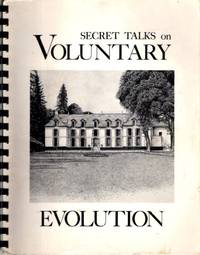
1983réf. 32400IDHHB 1983. Second printing. Comb binding in near very good condition; Wear and some soil to the page edges. 133 pages. IDHHB unknown
1851réf. 13408Edinburgh: The Edinburgh Evening Courant 1851. With an article on the back page column 3 entitled "Gold In Australia" measuring 13 column inches which states "The discovery of the fact by Mr. Hargraves that the country from the Mountain Ranges to an indefinite extent in the interior is an immense gold field" which has ignited "a universal rush to the diggings". The article goes on to describe the rapid rise in the cost of provisions; a description of miners returning to town with gold nuggets; the government geologist's visit to the site; and the need to appoint a "Commissioner over the gold regions. in which Mr. Hargraves being the discoverer. points him out as the most suitable and worthy person for the appointment." An article picked up by the Edinburgh Courant from the Sydney Morning Herald of May 20 which took it from The Bathurst Free Press of May 17th. Small chips at top edges a little browned. Single issue of four page newspaper disbound measuring 19" X 25" Saturday September 6 1851 Number 22168with red newspaper tax stamp at upper right hand corner and black Edinburgh Evening Courant stamp. The Edinburgh Evening Courant unknown
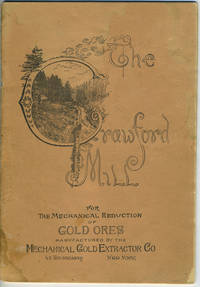
réf. 28223New York: The Mechanical Gold Extractor Co. 1893. Paperback. A scarce imprint not recorded on Trove. Page 11 refers to "Instances of Success" recounting the "Australian ore from the Ravenswood Mine which fails to yield more than 25 per cent. of its Gold at an ordinary stamp mill yielded upward of ninety per cent to the Crawford Mill and this without roasting or chemical treatment of any kind." Mount Morgan is also mentioned. Canadian gold pp 13. P 15. reprints written testimonials from Helena Montana; Nova Scotia the Irish Geological Society & New Mexico. "Testimonials": pp 20-27; "Statement of gold ores treated at the works of the Mechanical Gold Extractor Co. . N.Y. City": pp 14-17 lists metals treated of ores from Virginia Georgia North Carolina Colorado New Mexico Arizona Oregon Wyoming Kansas S. Dakota Iowa San Salvador Nicaraugua sic and Columbia sic. This edition not cited on OCLC. OCLC: 932851574 cites 2 copies in Canada of 27pp. The "computer file" at OCLC: 1062073568 states it is 32pp. 8vo 32pp peach printed wrappers. Removed from an album with some staining and slt. loss at back cover covers slt. marked and a small stain lower part of page 20 through 32. A scarce imprint. The Mechanical Gold Extractor Co. paperback
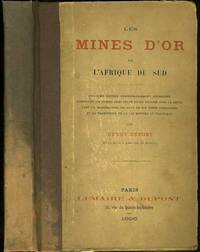
1895réf. 20382Paris: Lemaire & Dupont 1895. Second revised. Hardcover. Very good condition. An important work in French on gold and gold mining in South Africa written shortly following the discovery of gold in the Witwatersrand in 1886 a profound transition for South Africa from farming to becoming the largest gold producer in the world. Part Three of the volume pertains to the various gold fields including: Lydenburg de Kaap Komati Witwatersrand Klerksforp Malmani Zoutpansberg the Murchison Range and more. 8vo xxiii 357pp 6 color folding maps. Ex library with bookplate inside front board cancellation stamps verso of title page. Quarter brown cloth with printed boards; title printed in red and black at front board no title at spine. The cover has date of 1895 printed while title page has date of 1890. Cloth at spine marked at lower half; boards a bit rubbed & marked. Internally very good condition. OCLC: 422300168. Lemaire & Dupont hardcover
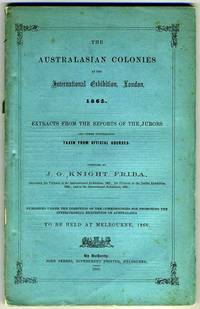
1866réf. 18250Melbourne: Government Printer 1866. Second edition. Otherwise very good condition. International exposition in London held just ten years after the discovery and beginning of the Australian gold rush. The introduction nicely summarizes the increased presence of the Australian colonies: "In 1851 the Australasian colonies were but poorly represented although a few made some efforts to put in an appearance. . in 1862 the Australian colonies exhibit one of the most extensive and finest collections of the whole group. . New South Wales has a beautifully arranged collection of its gold products from all the principal fields in the several shapes of nuggets quartz grain gold washing stuff coin from the Sydney mint &c. . Victoria has gone to great expense . one of the most striking objects is a gilded obelisk representing the actual amount of gold found in the colony since 1851 about 800 tons or L103000000 sterling.:" Also information on wine with wine coming from South Australia; 4 exhibitors from Western Australia; Mr. Thomas Little of Dardanup won a medal for his light red Frontignac; Victoria 19 exhibitors with no wines older than 1858 shown putting them at a "taste disadvantage". Each district is represented with a short history of their products and resources. In Western Australia there are lead and copper mines iron ore mines Albany and Bunbury. Printed paper pamphlet. 8vo 101pp. Blue printed paper wrappers title in black at front cover no title at spine. Small unobtrusive Iibrary stamp at title page deaccession stamp at back cover. Lower corner back cover chipped. F11229. Otherwise very good condition. Government Printer unknown
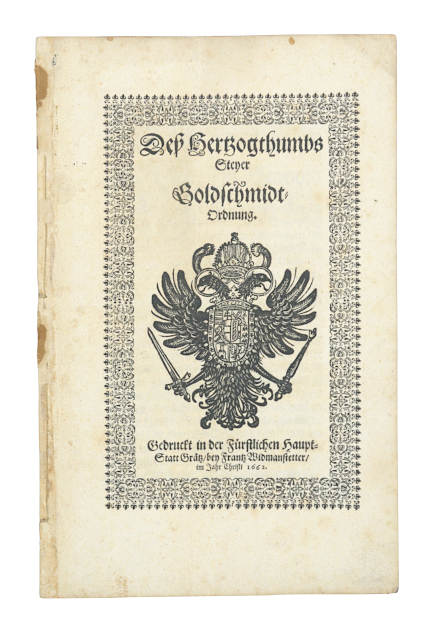
1662réf. 58118Graz, Widmannstetter, 9. August 1662. 4°. Titel m. Holzschn.-Bordüre u. großem Wappenholzschnitt (Doppeladler). Mit einigen Holzschn.-Bordüren bzw. -Initialen. 2 Bll., 16 S., Geheftet.
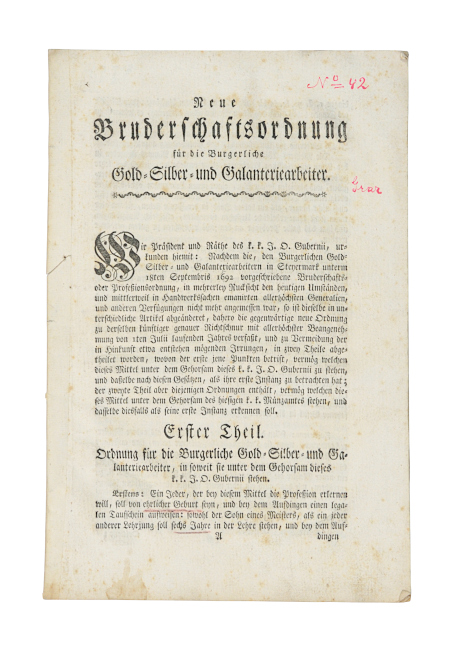
1774réf. 58119Graz, ohne Verlag bzw. Drucker, 3. August 1774. 4°. 8 nn. Bll., Heftstreifen.
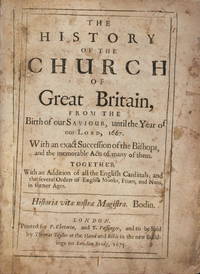
réf. 001143Hardcover. Poor. Printed for P Chetwin and T Passinger London 1675; 4to 170 x 215mm; pp xvi 441 xvi being the index; later half roan marbled boards binding very worn and both boards detached; book block firm and without loss but rather browned throughout and with some soiling on the title page as shown in the image. hardcover
1938réf. 312786N.p.: Privately printed for the members of the Royal Guild of Wisconsin Fisherman 1938. First edition one of a very few copies known. Illustrations from photographs. vi 25 pp. 1 vols. 8vo. White printed wrappers stapled. Very good. Some minor wear. Green quarter morocco slipcase. First edition one of a very few copies known. Illustrations from photographs. vi 25 pp. 1 vols. 8vo. Salmon fishing during four days in the first part of July 1938 by a party of six who styled themselves the Royal Guild of Wisconsin Fishermen comprising: Evan A. Evans Louis M. Hanks Roy F. Tomlinson Theodore G. Montague William S. Kies and George I. Haight to whom authorship is attributed by the Wisconsin Historical Society. The last page of text records their catch by weights. Rare. Wetzel p. 171 tentatively ascribed to William Kies. "A rare work."; Bruns K-45 not seen; Bibliotheca Salmo Salar 105. OCLC 2 copies Princeton Wisconsin Historical Society Privately printed for the members of the Royal Guild of Wisconsin Fisherman] unknown
1938réf. 312786N.p.: Privately printed for the members of the Royal Guild of Wisconsin Fisherman 1938. First edition one of a very few copies known. Illustrations from photographs. vi 25 pp. 1 vols. 8vo. White printed wrappers stapled. Very good. Some minor wear. Green quarter morocco slipcase. First edition one of a very few copies known. Illustrations from photographs. vi 25 pp. 1 vols. 8vo. Salmon fishing during four days in the first part of July 1938 by a party of six who styled themselves the Royal Guild of Wisconsin Fishermen comprising: Evan A. Evans Louis M. Hanks Roy F. Tomlinson Theodore G. Montague William S. Kies and George I. Haight to whom authorship is attributed by the Wisconsin Historical Society. The last page of text records their catch by weights. Rare. Wetzel p. 171 tentatively ascribed to William Kies. "A rare work."; Bruns K-45 not seen; Bibliotheca Salmo Salar 105. OCLC 2 copies Princeton Wisconsin Historical Society Privately printed for the members of the Royal Guild of Wisconsin Fisherman] unknown books
1906réf. 76610London:: John Long 1906. Fifth Impression. publisher's purple gilt cloth in dust jacket. Name and date heavily effaced from the front free endpaper with black felt-tip pen which has bled through to the verso; another 1907 notation below that; otherwise a bright copy in a slightly sunned dust jacket with a small abrasion on the rear panel. . 8vo. John Long, hardcover
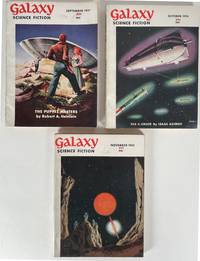
1951réf. 33465New York: World Editions Inc. 1951. Tanning to text paper mild edge wear to covers very good to nearly fine copies. 33465. Small octavo three issues covers by Don Sibley Richard Arbib pictorial wrappers. Digest sized magazine. The complete first appearance of the Heinlein's THE PUPPET MASTERS in three serial parts. Reference: Tymm and Ashley Science Fiction Fantasy and Weird Fiction Magazines pp. 290-309. World Editions, Inc. unknown
1793réf. 340029Dublin: J. Exshaw L. White and Wm. Jones. Poor. 1793. Ex-library. Hardcover. Ex-library copies with ink stamps on each title page and at least two other pages of each volume. Library name impressed on the covers along the spine edge. Covers are detached but present. Rear cover of Volume Two is missing. Covers are rubbed with general edge and corner wear. Pages are slightly browned. Volume One: front blanks and title page are detached but present. Title page and first few leaves have holes from insect damage to the lower margin. ; In two volumes complete. Attributed to Charles John Ann Hereford or Rev. John Adams. The library which ownes this set put Adams on the spine. . J. Exshaw, L. White, and Wm. Jones hardcover
1793réf. elala892London: Printed For C.&G.Kearlsey 1793. 1793. 3 Volumes. 8vo. pp. xii 1 leafads 455; x 491 5ads; viii 439 39index. contemporary sprinkled calf gilt backs front cover of Vol. I detached several joints cracked lacking spine labels. First Edition. 1st Edition. Hardcover. London: Printed For C.&G.Kearlsey, 1793. Hardcover
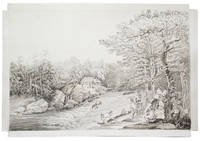
1800réf. 52601Canada 1800. Graphite pen-and-ink and grey wash on wove paper watermarked "W. Elgar 1796". 13 5/8 x 20 inches. Corners clipped outside the image verso toned. Graphite pen-and-ink and grey wash on wove paper watermarked "W. Elgar 1796". 13 5/8 x 20 inches. Along the falls of a tree-lined river two First Nations men are pulling a canoe into the water directed by another in an elaborate feather headdress; a wigwam with mother and child is on the same shore to their left; across the river a longhouse and structure for smoking fish with another group of native people can be seen; at the far left a First Nations man is standing in his canoe fishing with a pole in the water just below the rapids. Although the 1796 watermark on the paper is consistent with drawings by Heriot the unfinished quality of this work make attribution difficult. However it is somewhat reminiscent of a smaller grisaille watercolor signed by Heriot titled FALLS OF THE POQUISQUE ON THE RIVER ST JOHN on verso sold at Waddington's March 15 2018 lot 137. Furthermore this scene is reminiscent of one described by Heriot in his Travels in the Canadas 1807 in which he describes Native American fishing on the cacasdes of St. Mary nine miles below the entrance to Lake Superior: "It is at the bottom of the rapids and even among their billows which foam with ceaseless impetuosity that innumerable quantities of excellent fish may be taken from the spring until the winter; the species which is found in the greatest abundance is denominated by the savages atticameg or white fish; the Michilimakinac trout and pickerell are likewise caught here. These aflford a principal means of subsistence to a number of native tribes. No small degree of address as well as strength is employed by the savages in catching these fish; they stand in an erect attitude in a birch canoe and even amid the billows they push with force to the bottom of the waters a long pole at the end of which is fixed a hoop with a net in the form of a bag into which the fish is constrained to enter. They watch it with the eye when it glides among the rocks quickly ensnare it and drag it into the canoe. In conducting this mode of fishing much practice is required as an inexperienced person may by the efforts which he is obliged to make overset the canoe and inevitably perish." Trained by Paul Sandby at the Royal Military Academy Woolwich London Heriot worked as a clerk for Board of Ordnance. "In 1792 Heriot was posted to Quebec and promoted clerk of the cheque in the Ordnance department. Heriot was to remain in Lower Canada until 1816 except apparently for two periods of absence in 1796-97 and in 1806. His first years at Quebec are not well documented. Sketches record visits in and about Quebec and Montreal perhaps on Ordnance business. In November 1792 he published a sketch of Jersey in the Quebec Magazine and the following year he prepared a view of Quebec perhaps also intended for publication. When he returned to Britain in 1796 he resided in London travelled to the south coast and made at least one sketching foray into Wales . A watercolour prepared from his sketches of Wales and two Canadian views were accepted by the Royal Academy of Arts for exhibition in the spring. Heriot probably sailed for Lower Canada soon afterwards taking notes and making sketches on the voyage. The impact of his visit to Britain was considerable. While there he had been stimulated by the art he had seen and by his success as an artist. He returned with a fresh enthusiasm for the Canadas; he began to read about their past and to make elaborate notes and numerous sketches of the places he visited and the peoples he encountered. His sojourn abroad had affected his artistic vision of the Canadas; his drawings and water-colours assumed a new confidence and his landscape forms developed a new strength and grandeur. In London he had probably studied the simply handled and remarkably strong water-colours of younger British artists such as Thomas Girtin Joseph Mallord William Turner and John Varley. Either in Britain or in Lower Canada he had also become familiar with Lieutenant George Bulteel Fisher's Six views of North America . London 1796. He was influenced by this work especially by Fisher's use of the Picturesque in depicting Canadian landscape" Dictionary of Canadian Biography. unknown
1800réf. 52601Canada 1800. Graphite pen-and-ink and grey wash on wove paper watermarked "W. Elgar 1796". 13 5/8 x 20 inches. Corners clipped outside the image verso toned. Graphite pen-and-ink and grey wash on wove paper watermarked "W. Elgar 1796". 13 5/8 x 20 inches. Along the falls of a tree-lined river two First Nations men are pulling a canoe into the water directed by another in an elaborate feather headdress; a wigwam with mother and child is on the same shore to their left; across the river a longhouse and structure for smoking fish with another group of native people can be seen; at the far left a First Nations man is standing in his canoe fishing with a pole in the water just below the rapids. Although the 1796 watermark on the paper is consistent with drawings by Heriot the unfinished quality of this work make attribution difficult. However it is somewhat reminiscent of a smaller grisaille watercolor signed by Heriot titled FALLS OF THE POQUISQUE ON THE RIVER ST JOHN on verso sold at Waddington's March 15 2018 lot 137. Furthermore this scene is reminiscent of one described by Heriot in his Travels in the Canadas 1807 in which he describes Native American fishing on the cacasdes of St. Mary nine miles below the entrance to Lake Superior: "It is at the bottom of the rapids and even among their billows which foam with ceaseless impetuosity that innumerable quantities of excellent fish may be taken from the spring until the winter; the species which is found in the greatest abundance is denominated by the savages atticameg or white fish; the Michilimakinac trout and pickerell are likewise caught here. These aflford a principal means of subsistence to a number of native tribes. No small degree of address as well as strength is employed by the savages in catching these fish; they stand in an erect attitude in a birch canoe and even amid the billows they push with force to the bottom of the waters a long pole at the end of which is fixed a hoop with a net in the form of a bag into which the fish is constrained to enter. They watch it with the eye when it glides among the rocks quickly ensnare it and drag it into the canoe. In conducting this mode of fishing much practice is required as an inexperienced person may by the efforts which he is obliged to make overset the canoe and inevitably perish." Trained by Paul Sandby at the Royal Military Academy Woolwich London Heriot worked as a clerk for Board of Ordnance. "In 1792 Heriot was posted to Quebec and promoted clerk of the cheque in the Ordnance department. Heriot was to remain in Lower Canada until 1816 except apparently for two periods of absence in 1796-97 and in 1806. His first years at Quebec are not well documented. Sketches record visits in and about Quebec and Montreal perhaps on Ordnance business. In November 1792 he published a sketch of Jersey in the Quebec Magazine and the following year he prepared a view of Quebec perhaps also intended for publication. When he returned to Britain in 1796 he resided in London travelled to the south coast and made at least one sketching foray into Wales . A watercolour prepared from his sketches of Wales and two Canadian views were accepted by the Royal Academy of Arts for exhibition in the spring. Heriot probably sailed for Lower Canada soon afterwards taking notes and making sketches on the voyage. The impact of his visit to Britain was considerable. While there he had been stimulated by the art he had seen and by his success as an artist. He returned with a fresh enthusiasm for the Canadas; he began to read about their past and to make elaborate notes and numerous sketches of the places he visited and the peoples he encountered. His sojourn abroad had affected his artistic vision of the Canadas; his drawings and water-colours assumed a new confidence and his landscape forms developed a new strength and grandeur. In London he had probably studied the simply handled and remarkably strong water-colours of younger British artists such as Thomas Girtin Joseph Mallord William Turner and John Varley. Either in Britain or in Lower Canada he had also become familiar with Lieutenant George Bulteel Fisher's Six views of North America . London 1796. He was influenced by this work especially by Fisher's use of the Picturesque in depicting Canadian landscape" Dictionary of Canadian Biography. unknown books